Domestic Limited Liability Company Vs Llc
Description
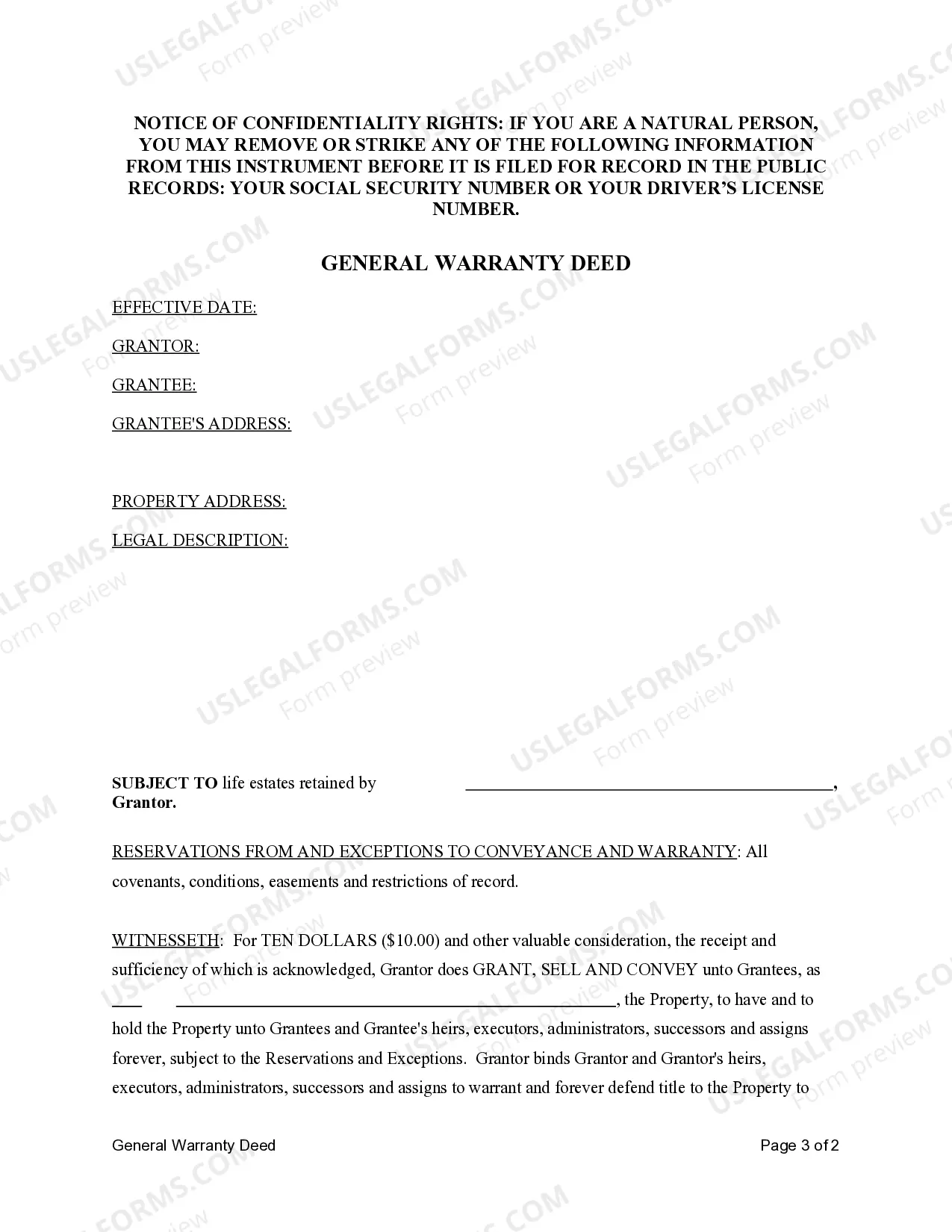


Get your form ready online
Our built-in tools help you complete, sign, share, and store your documents in one place.
Make edits, fill in missing information, and update formatting in US Legal Forms—just like you would in MS Word.
Download a copy, print it, send it by email, or mail it via USPS—whatever works best for your next step.
Sign and collect signatures with our SignNow integration. Send to multiple recipients, set reminders, and more. Go Premium to unlock E-Sign.
If this form requires notarization, complete it online through a secure video call—no need to meet a notary in person or wait for an appointment.
We protect your documents and personal data by following strict security and privacy standards.

Make edits, fill in missing information, and update formatting in US Legal Forms—just like you would in MS Word.

Download a copy, print it, send it by email, or mail it via USPS—whatever works best for your next step.

Sign and collect signatures with our SignNow integration. Send to multiple recipients, set reminders, and more. Go Premium to unlock E-Sign.

If this form requires notarization, complete it online through a secure video call—no need to meet a notary in person or wait for an appointment.

We protect your documents and personal data by following strict security and privacy standards.
Looking for another form?


How to fill out Texas Assumption Warranty Deed - Husband And Wife To Limited Liability Company?
- Log in to your US Legal Forms account if you're a returning user and click the Download button for your required form template. Ensure your subscription is active; renew if necessary.
- For first-time users, preview the form and read its description to confirm that it meets your jurisdiction requirements. Choose the appropriate document that aligns with your needs.
- If the form doesn’t fit, use the Search tab to find a more suitable template. Once you locate the right one, proceed to the next step.
- Select the Buy Now option and pick your subscription plan. You’ll need to create an account for full access to the legal form library.
- Complete your purchase by entering your credit card or PayPal details to process the payment.
- Download the form and save it on your device, allowing you to access it later in the My Forms section of your profile.
By utilizing US Legal Forms, you benefit from a vast library of over 85,000 legal documents and expert support to ensure the accuracy of your forms. This empowers both individuals and attorneys to navigate the complexities of legal paperwork efficiently.
Ready to get started? Head to US Legal Forms today and access the documents you need to elevate your business success!
Form popularity
FAQ
No, you cannot use LTD instead of LLC when referring to a domestic limited liability company. The term 'LTD' typically signifies a limited company in the UK and other countries, while 'LLC' stands for limited liability company in the United States. Thus, in the context of domestic limited liability company vs LLC, it's important to use the correct terminology to avoid confusion. If you plan to form a domestic limited liability company, using LLC ensures you follow US regulations and protections efficiently.
The main distinction between a professional LLC and a domestic LLC lies in the type of services offered. A professional LLC is specifically for licensed professionals, such as doctors and lawyers, requiring compliance with state regulations. In contrast, a domestic LLC is more versatile, accommodating various business types without specific licensing. Understanding these differences helps you choose the right entity for your operations, and platforms like uslegalforms can simplify this process.
When deciding between a domestic limited liability company vs LLC, it’s important to consider your business needs. An LLC offers flexibility and protection for personal assets, while an LTD generally refers to a company limited by shares. If you want simplicity and pass-through taxation, an LLC might be the better choice. Always consult with a legal professional to understand which structure aligns best with your business goals.
The choice between an LLC and an LP often boils down to your business goals and operational preferences. An LLC provides flexibility, personal liability protection, and fewer restrictions on management. In contrast, an LP offers a clear distinction between the roles of general and limited partners. Analyzing your business model and consulting with experts can lead to the best decision regarding domestic limited liability company vs llc.
Choosing a Limited Partnership (LP) over an LLC can be advantageous for those seeking a more structured management approach. An LP has both general and limited partners, allowing investors to contribute financially without taking on management responsibilities. This structure can attract investment while limiting liability for those not involved in day-to-day operations. Evaluating your business strategy is essential when considering domestic limited liability company vs llc.
Determining whether an LLC or LLP is the best choice depends on your specific business requirements. An LLC offers liability protection and can have an unlimited number of members, while an LLP allows for partnership sharing but limits the liability of each partner. Assessing your industry, type of business, and future growth plans can guide you in making the right decision. Consider consulting uslegalforms for tailored advice on domestic limited liability company vs llc.
The primary difference between a limited company and an LLC lies in the ownership structure and liability protection. A limited company can refer to either a private limited company or a public limited company, which may have different regulations. Conversely, an LLC offers flexible management options and limits personal liability for business debts. Understanding these distinctions can help you make informed decisions about your business formation.
Choosing a Limited Liability Partnership (LLP) over a Limited Liability Company (LLC) can offer unique advantages, especially for professionals working together. An LLP provides personal liability protection while allowing partners to manage the business directly. This structure can be beneficial for legal, accounting, and consulting firms. Ultimately, it depends on your business needs and the level of control you seek.
LLC is typically written in uppercase letters to emphasize its status as an official business designation. Therefore, it is correct to write 'XYZ Enterprises LLC'. Using uppercase denotes that you are establishing a domestic limited liability company vs LLC, which conveys professionalism and adherence to naming conventions.
An LLC name is properly written by including the abbreviation 'LLC' after the chosen business name. For example, 'Creative Designs LLC' signifies that it is a Limited Liability Company. Correctly formatting your LLC is vital as it emphasizes your company's status as a domestic limited liability company vs LLC, and supports your legal rights.