South Carolina Rules For Service Of Process
Description
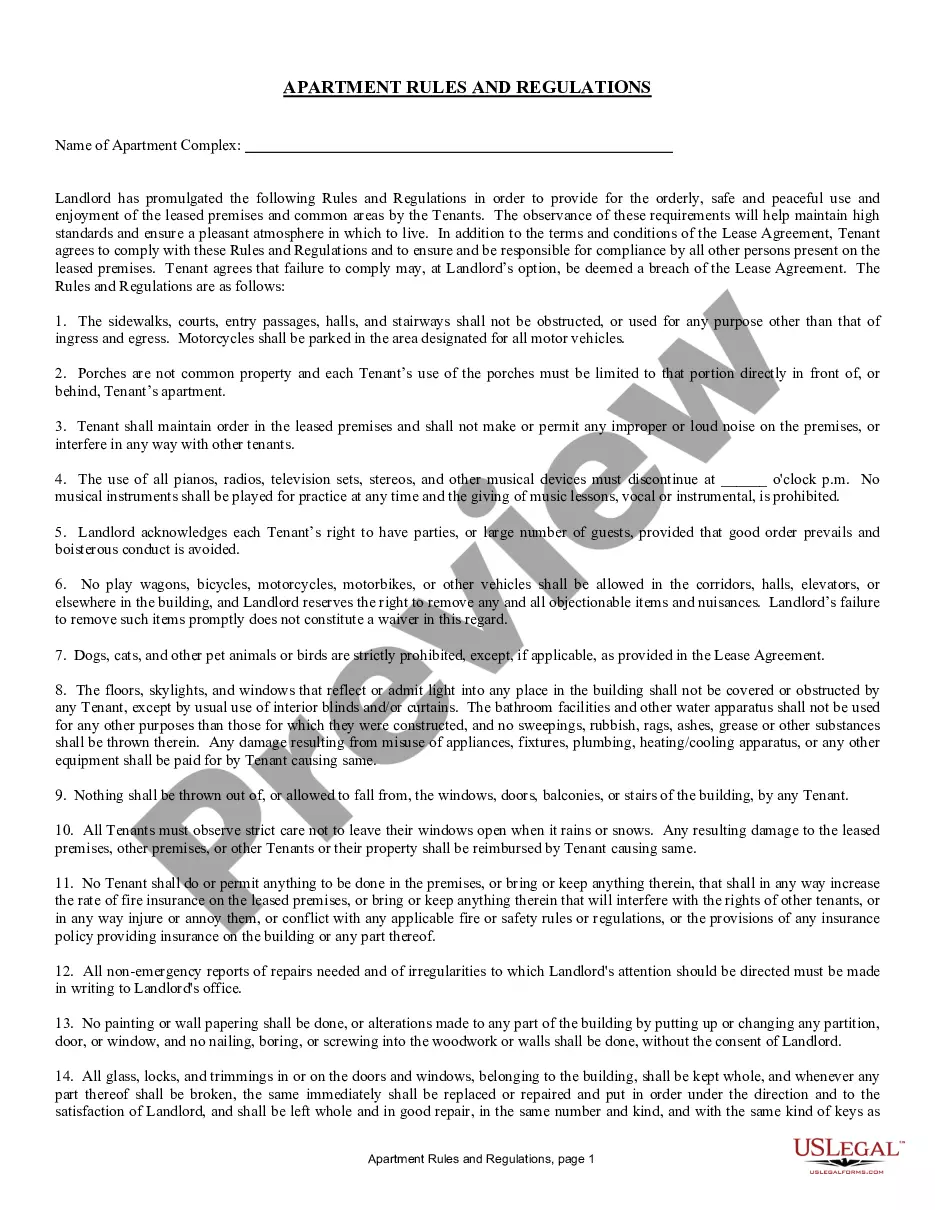
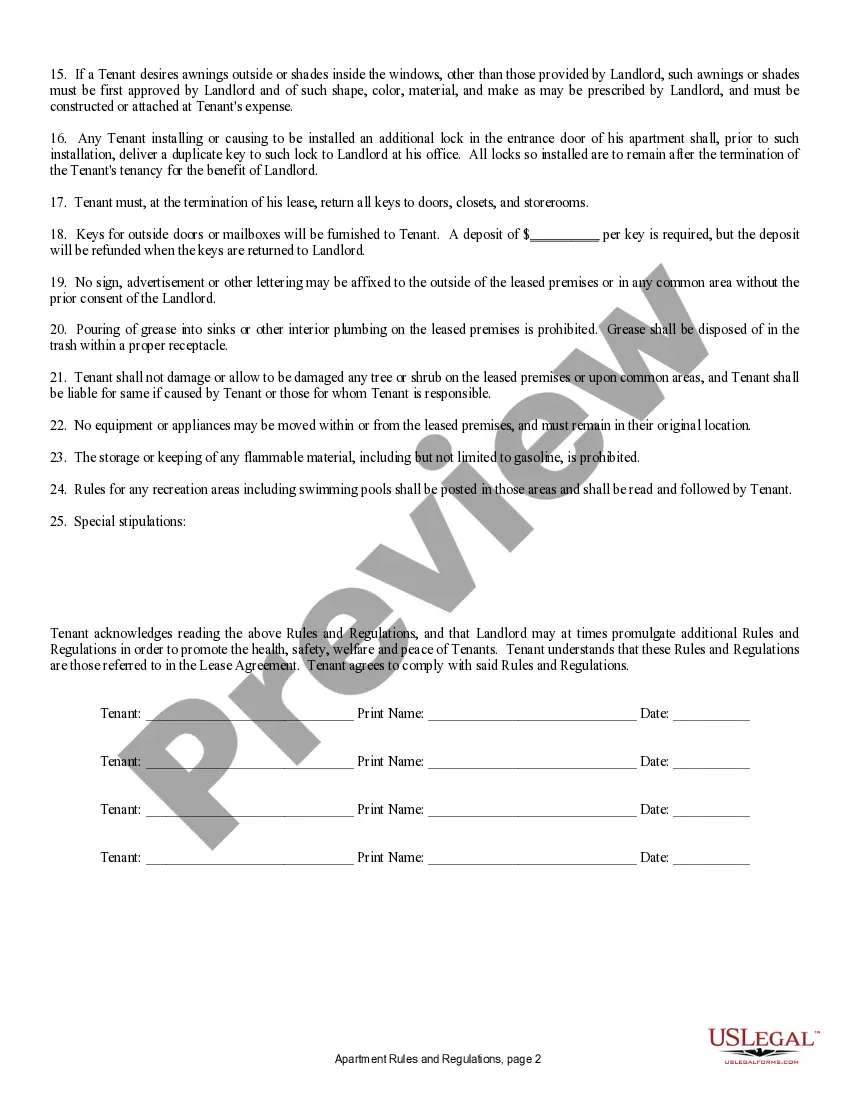
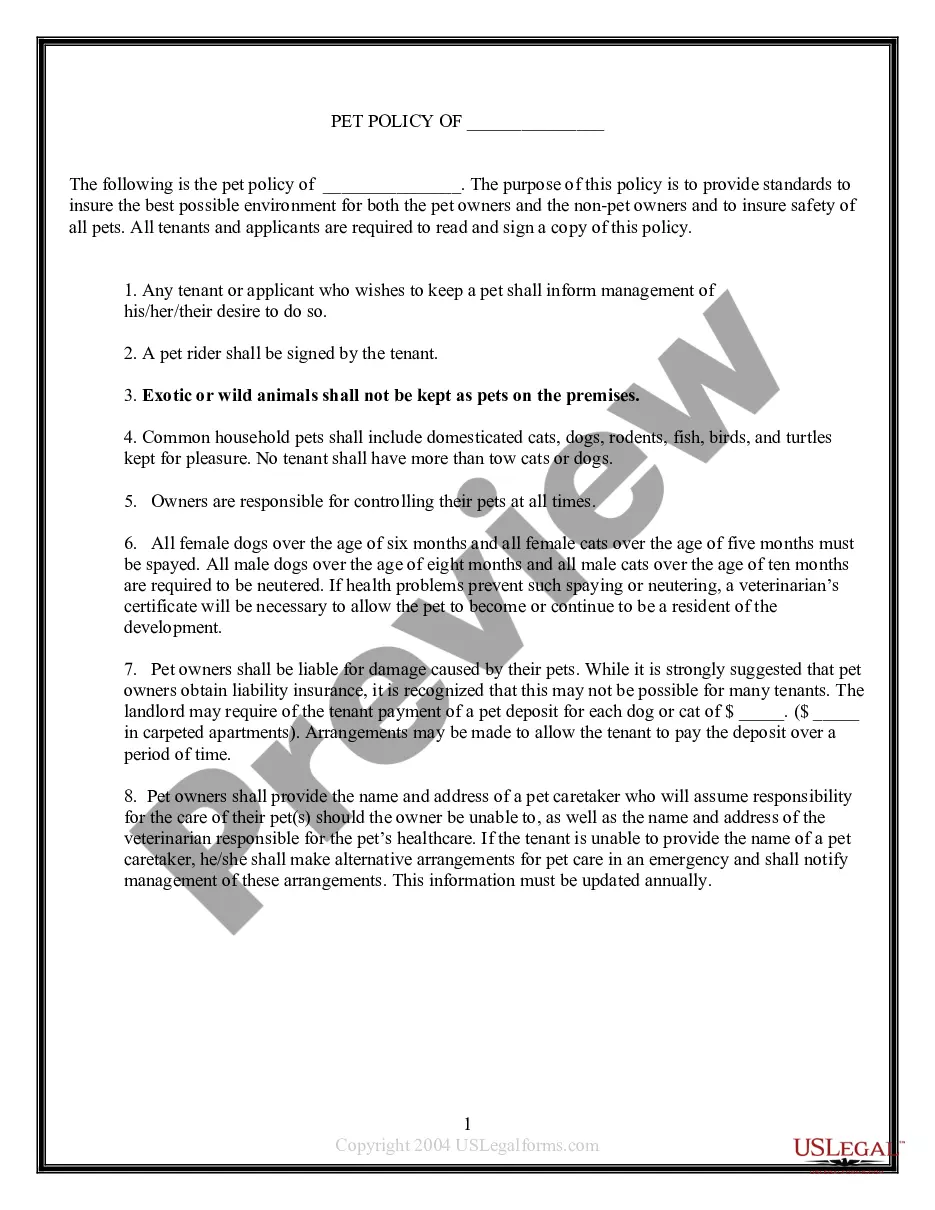
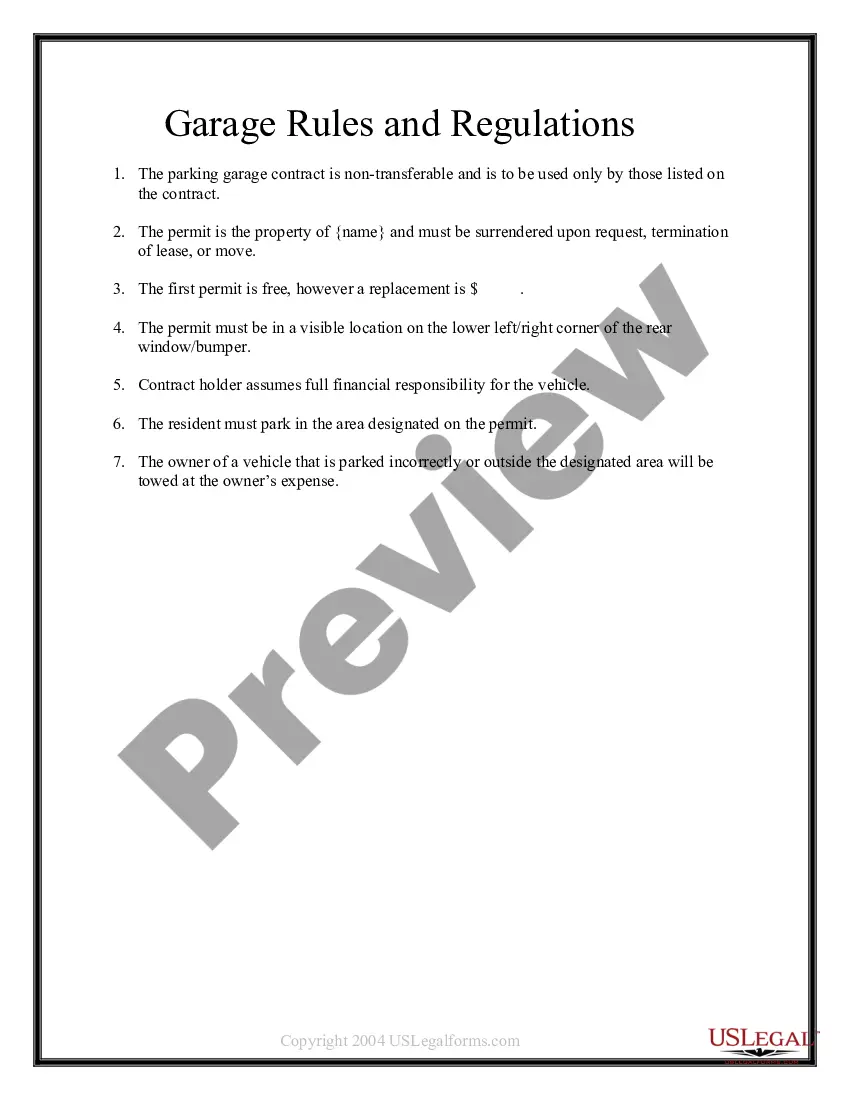
Get your form ready online
Our built-in tools help you complete, sign, share, and store your documents in one place.
Make edits, fill in missing information, and update formatting in US Legal Forms—just like you would in MS Word.
Download a copy, print it, send it by email, or mail it via USPS—whatever works best for your next step.
Sign and collect signatures with our SignNow integration. Send to multiple recipients, set reminders, and more. Go Premium to unlock E-Sign.
If this form requires notarization, complete it online through a secure video call—no need to meet a notary in person or wait for an appointment.
We protect your documents and personal data by following strict security and privacy standards.

Make edits, fill in missing information, and update formatting in US Legal Forms—just like you would in MS Word.

Download a copy, print it, send it by email, or mail it via USPS—whatever works best for your next step.

Sign and collect signatures with our SignNow integration. Send to multiple recipients, set reminders, and more. Go Premium to unlock E-Sign.

If this form requires notarization, complete it online through a secure video call—no need to meet a notary in person or wait for an appointment.

We protect your documents and personal data by following strict security and privacy standards.
Looking for another form?

How to fill out South Carolina Apartment Rules And Regulations?
- If you are a returning user, log in and ensure your subscription is active. Click the Download button to retrieve your desired form template.
- For first-time users, start by previewing the form description to select the template that accurately suits your needs and complies with local rules.
- Should you need a different template, utilize the Search tab to explore further options until you find the proper document.
- Once you've identified the correct form, click on the Buy Now button and select your preferred subscription plan. You'll need to create an account to access the library.
- Complete your purchase by entering your payment details through credit card or PayPal.
- Finally, download the form to your device for immediate use and store it in the My Forms section for easy access.
In conclusion, US Legal Forms empowers users with an extensive library that boasts over 85,000 forms, making it easier than ever to create legally sound documents. With the added advantage of access to premium experts, you can navigate the complexities of legal formalities with ease.
Start simplifying your legal documentation process today with US Legal Forms!
Form popularity
FAQ
South Carolina Rule of Civil Procedure 37 specifies the procedures and consequences of not adhering to discovery obligations. It empowers courts to impose penalties on parties that fail to follow proper discovery protocols. This rule is a crucial component of the South Carolina rules for service of process, ensuring fairness and efficiency in legal proceedings. For practical guidance, US Legal Forms offers resources that explain this rule comprehensively.
Rule 37 of the South Carolina Civil Procedure focuses on the consequences of failing to provide necessary information during discovery. This rule establishes guidelines for parties who do not comply with discovery requests, emphasizing the importance of cooperation in the legal process. Familiarizing yourself with Rule 37 will help you understand your rights and obligations in litigation. For assistance, consider visiting US Legal Forms for detailed resources.
The South Carolina rules for service of process are primarily governed by the South Carolina Rules of Civil Procedure. These rules outline the methods and requirements for serving legal documents to parties involved in court cases. Understanding these rules is essential for effective communication within the legal system. You can find further clarification on these procedures through resources like US Legal Forms.
In South Carolina, you do not need a specific license to act as a process server. However, you must follow the South Carolina rules for service of process to ensure proper execution of documents. It’s advisable to familiarize yourself with the legal requirements and procedures. Adhering to these rules can help prevent issues in legal proceedings.
Rule 4 of the Federal Rules of Procedure lays out the guidelines for serving a summons and complaint in federal court cases. This rule ensures that defendants receive fair notice of the legal action against them. Similar to the South Carolina rules for service of process, federal guidelines emphasize the importance of proper service to uphold the justice system and protect defendants' rights.
The rule 4 service of process governs how lawsuits and legal documents are delivered to defendants. It is crucial for ensuring that all parties are informed and can respond appropriately in court. By understanding the South Carolina rules for service of process, individuals can efficiently advocate for their rights and obligations throughout the litigation process.
Rule 4 of service of process defines the procedures for serving legal documents to parties involved in a lawsuit. This rule outlines acceptable methods, including personal service and service by mail. Understanding rule 4 is essential for anyone navigating the South Carolina rules for service of process to ensure proper notification and compliance with legal obligations.
To become a process server in South Carolina, you must follow state requirements, which may include completing training courses and obtaining permits or licenses. Familiarity with the South Carolina rules for service of process is critical, as it ensures that you can effectively deliver legal documents while adhering to legal standards. Engaging platforms like USLegalForms can provide resources to guide you through the process.
Rule 4 service in North Carolina outlines the methods by which civil process can be served to a defendant. This typically includes personal service, mail service, and even publication in certain situations. Like South Carolina rules for service of process, these guidelines ensure that defendants are adequately notified about legal actions against them.
The rule of 4 refers to a specific requirement for service of process that mandates delivering legal documents to a defendant or involved party. This rule plays a crucial role in ensuring that all parties have received notice. In the context of South Carolina rules for service of process, adhering to the rule of 4 helps to establish the jurisdiction of the court and allows for fair legal proceedings.