Tenant Landlord Cease With A Lease
Description
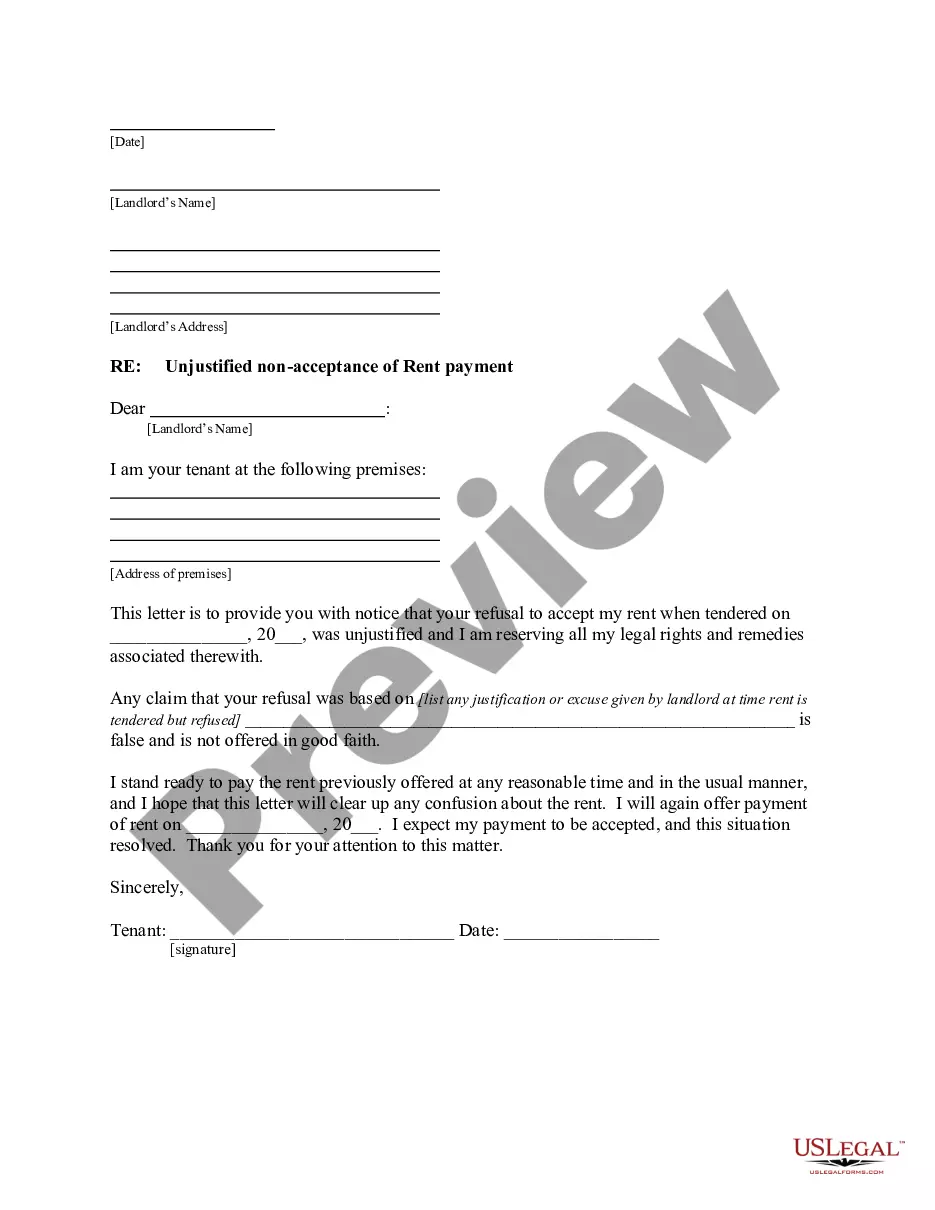
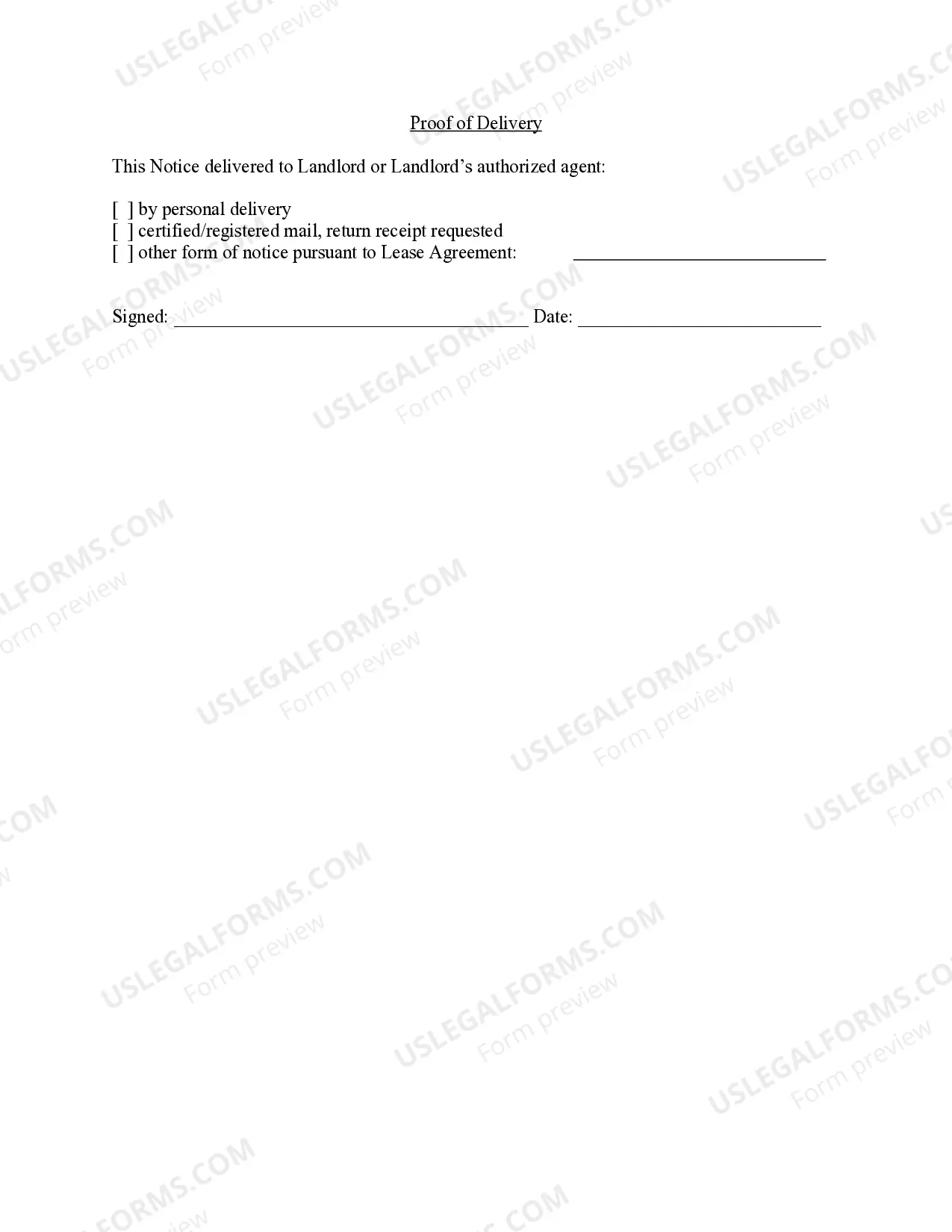
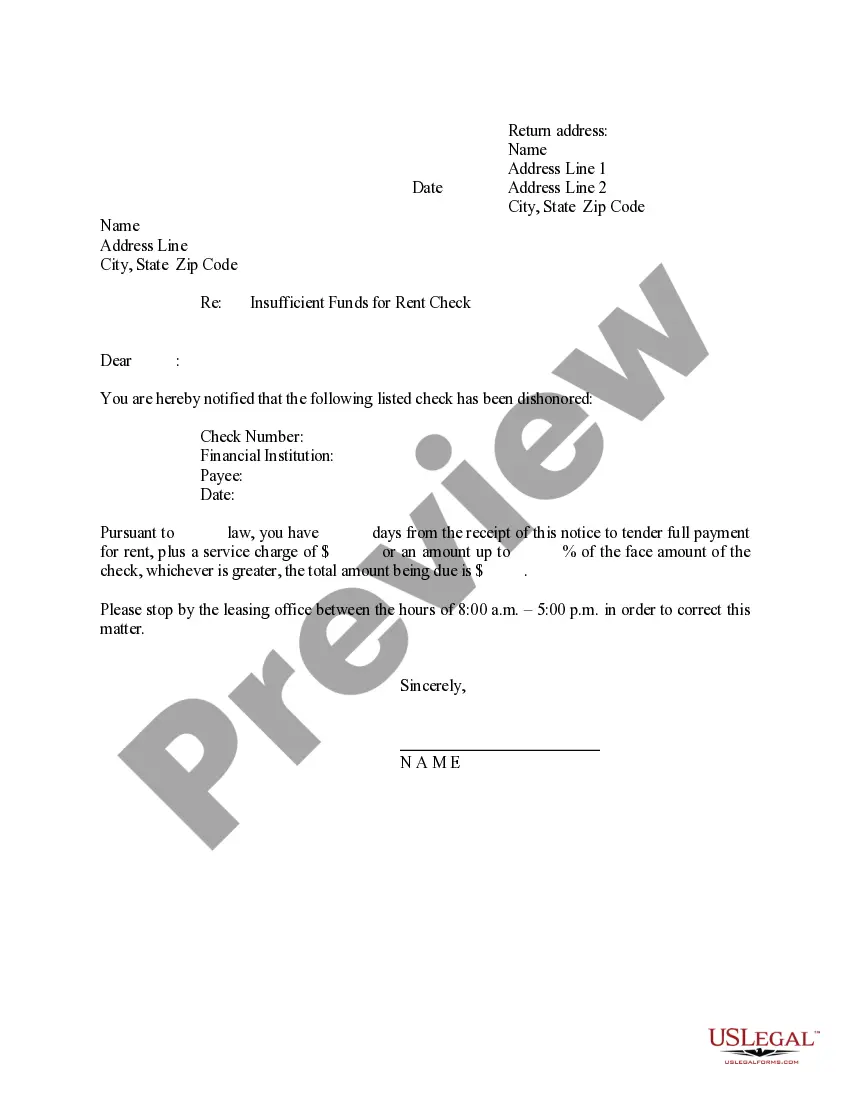
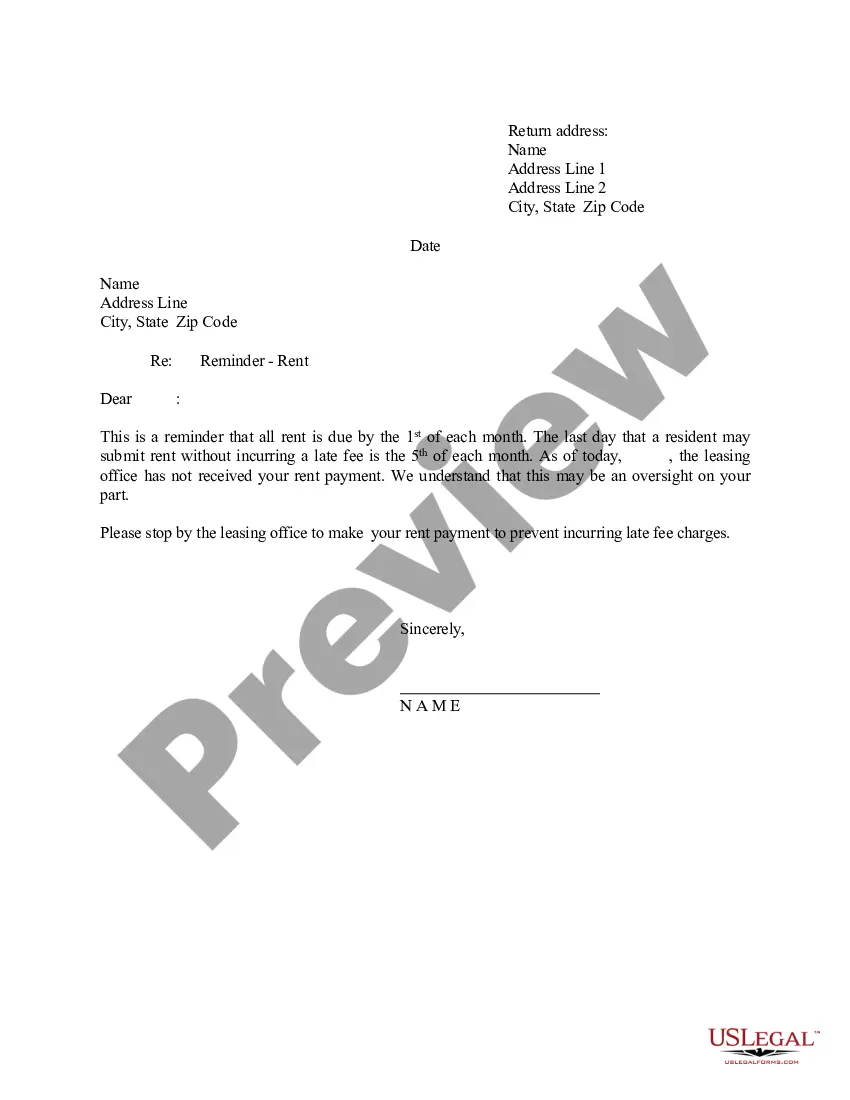


Get your form ready online
Our built-in tools help you complete, sign, share, and store your documents in one place.
Make edits, fill in missing information, and update formatting in US Legal Forms—just like you would in MS Word.
Download a copy, print it, send it by email, or mail it via USPS—whatever works best for your next step.
Sign and collect signatures with our SignNow integration. Send to multiple recipients, set reminders, and more. Go Premium to unlock E-Sign.
If this form requires notarization, complete it online through a secure video call—no need to meet a notary in person or wait for an appointment.
We protect your documents and personal data by following strict security and privacy standards.

Make edits, fill in missing information, and update formatting in US Legal Forms—just like you would in MS Word.

Download a copy, print it, send it by email, or mail it via USPS—whatever works best for your next step.

Sign and collect signatures with our SignNow integration. Send to multiple recipients, set reminders, and more. Go Premium to unlock E-Sign.

If this form requires notarization, complete it online through a secure video call—no need to meet a notary in person or wait for an appointment.

We protect your documents and personal data by following strict security and privacy standards.
Looking for another form?
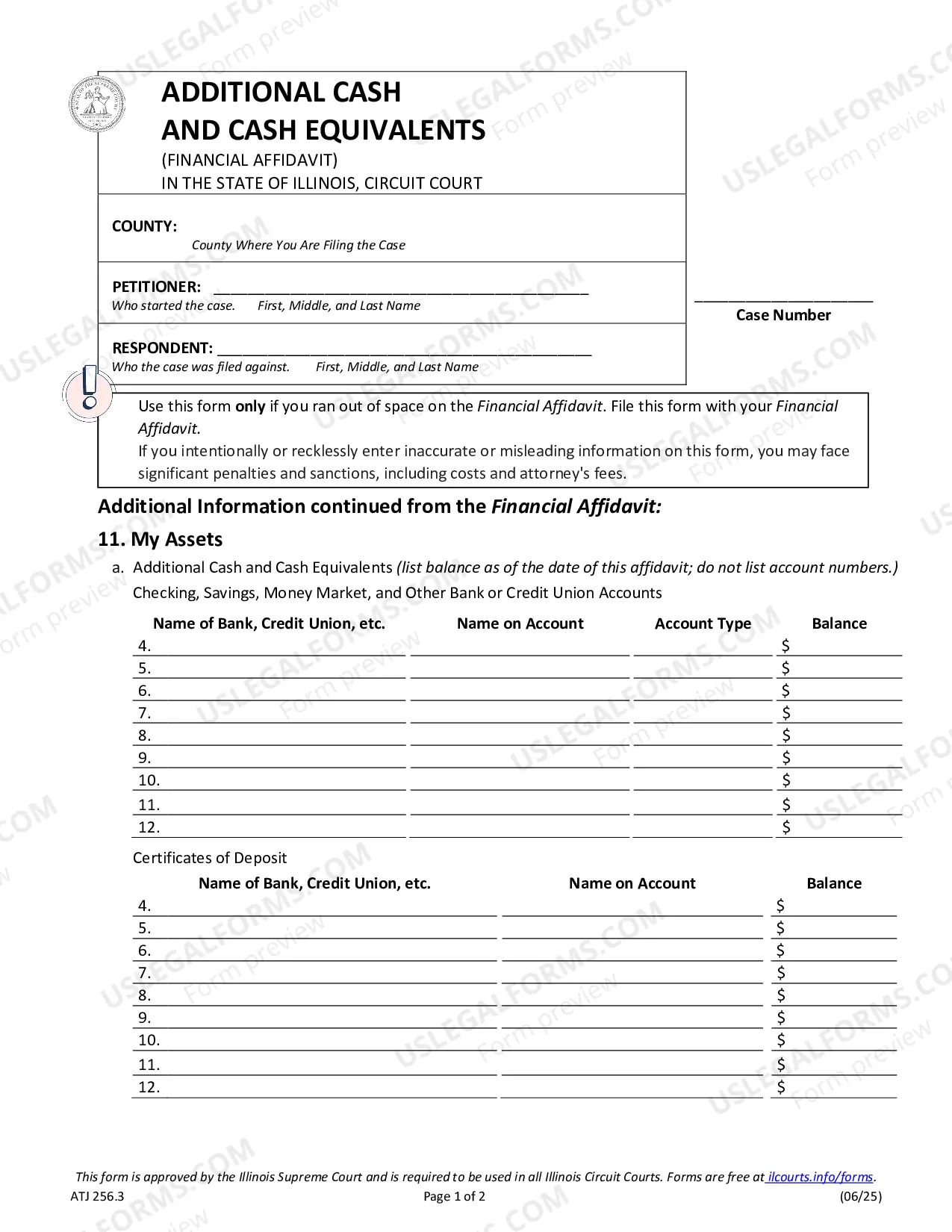






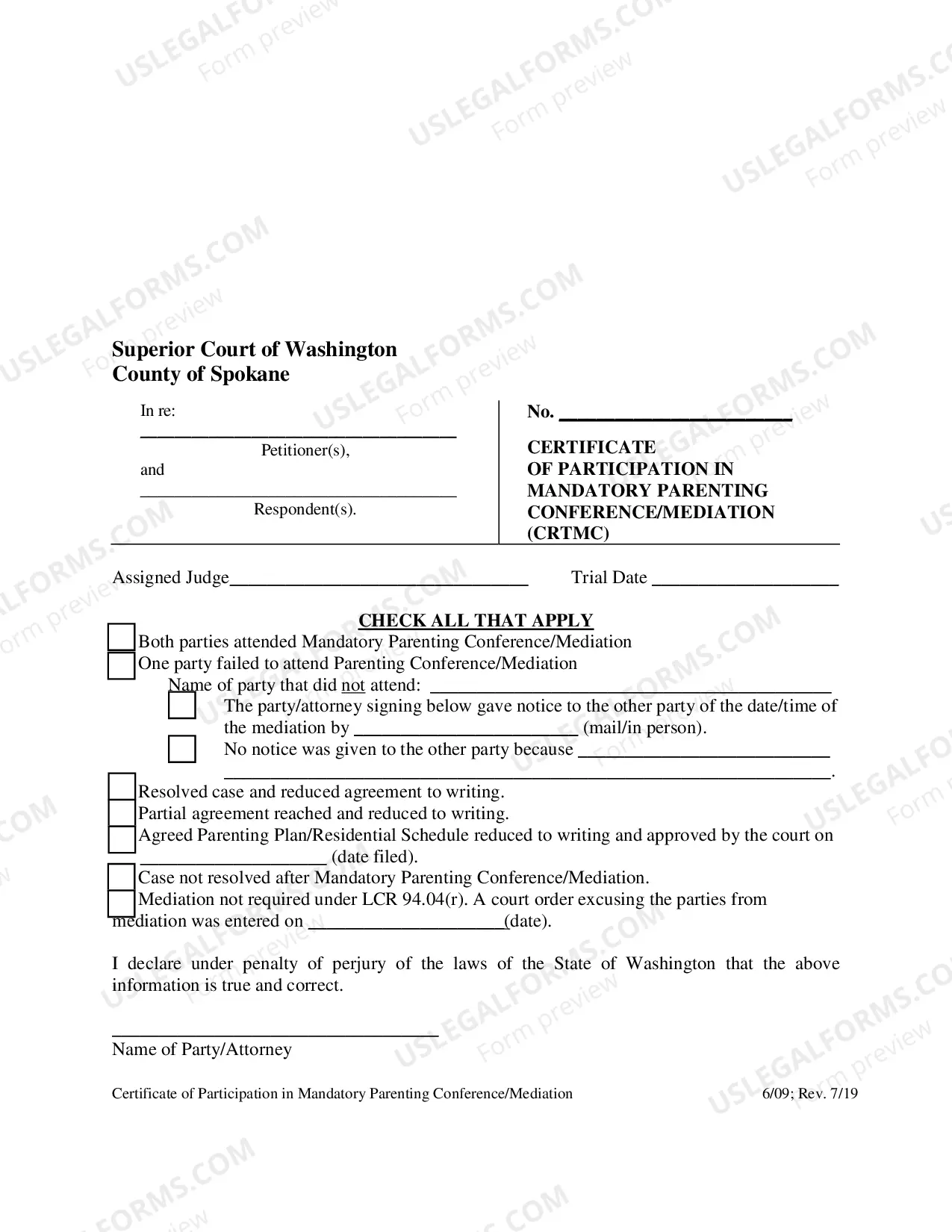

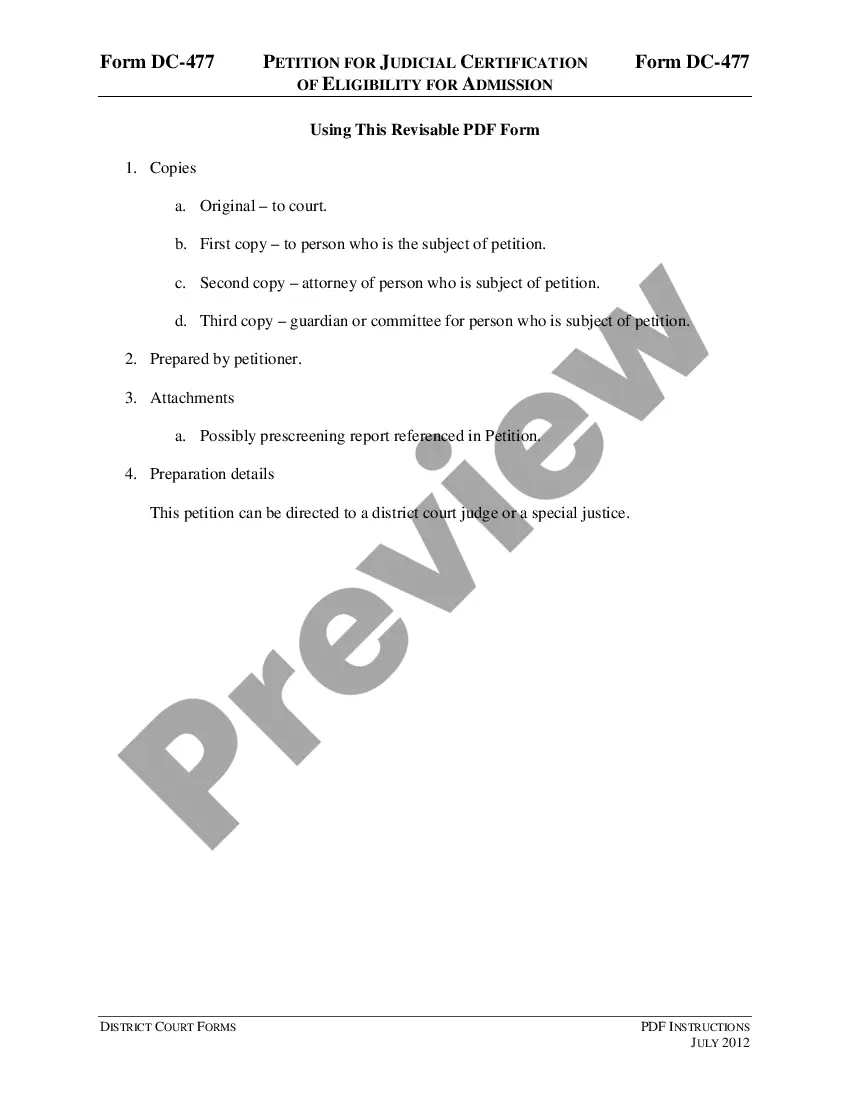
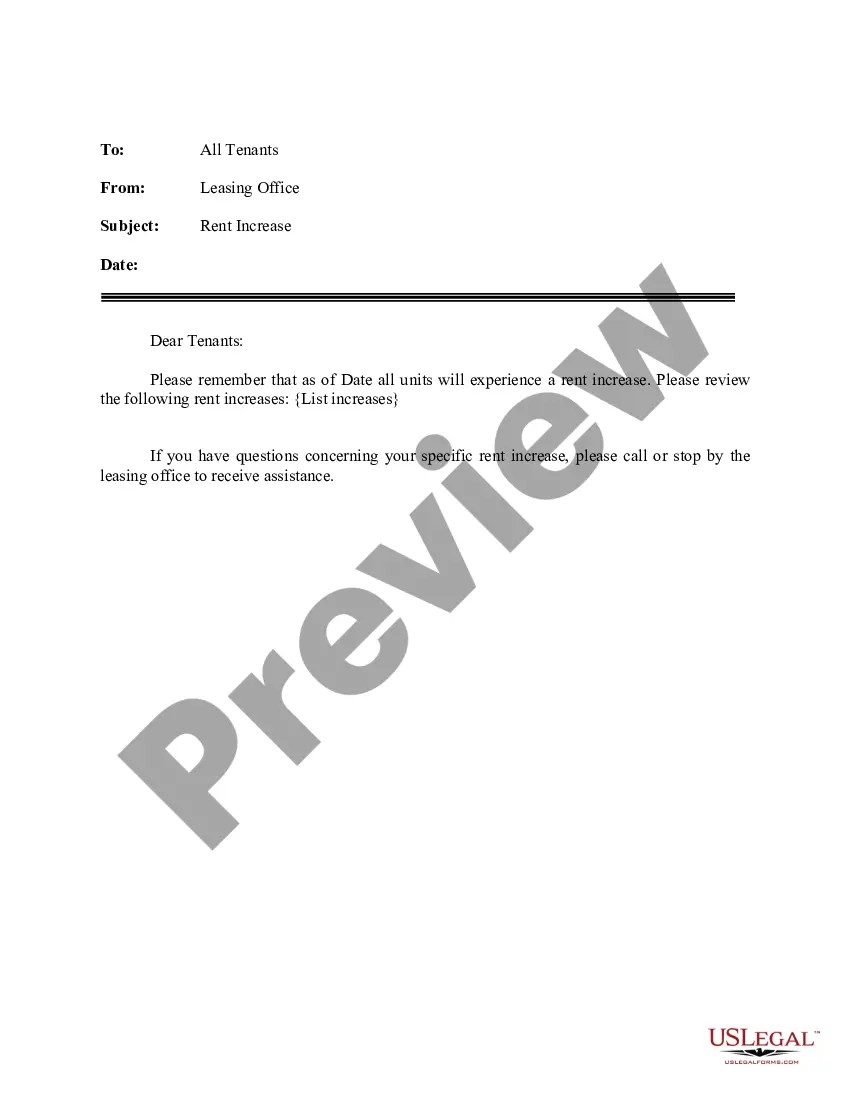
How to fill out Pennsylvania Letter From Tenant To Landlord Containing Notice To Cease Unjustified Nonacceptance Of Rent?
- Begin by logging into your US Legal Forms account. If you're a new user, create an account to access the legal document library.
- Search for the required lease cessation form. Use the Preview mode to ensure it meets your specific needs and local regulations.
- If necessary, refine your search until you locate the correct document. Utilize the Search tab for additional template options.
- Select your desired plan and click on the 'Buy Now' button. Ensure your subscription is active to download documents without interruption.
- Enter your payment details to complete the purchase securely.
- Once payment is confirmed, download your form directly to your device. Access it anytime through the 'My Forms' section of your profile.
In summary, US Legal Forms provides an extensive selection of more than 85,000 editable legal templates, enabling users to complete necessary documentation quickly and efficiently. Their premium support ensures users achieve legally sound results.
Don't wait any longer—sign up for US Legal Forms today and simplify your legal paperwork!
Form popularity
FAQ
When writing a letter to your landlord about moving out early, be straightforward and concise about your situation. Explain your reasons for needing to leave before the lease ends and propose a move-out date. Including your contact information ensures your landlord can reach you for follow-up discussions. A well-crafted letter can foster a smoother tenant landlord cease with a lease, promoting understanding and cooperation.
To write a letter to terminate your lease, include critical details such as your name, address, and the lease expiration date. State clearly that you intend to cease the lease, providing a specific move-out date that aligns with your lease agreement. This letter serves as formal notice for your landlord, ensuring they have enough time to make necessary arrangements. Utilize available templates to streamline your process through platforms like uslegalforms.
When considering how to break a lease, valid reasons often include job relocation, health issues, or unsafe living conditions. Documenting your situation can strengthen your case with the landlord. Be honest about your circumstances and communicate openly, as most landlords appreciate transparency. Ultimately, a tenant landlord cease with a lease rests on mutual understanding about the situation.
To inform your landlord that you are not renewing your lease, start by checking the lease agreement for the required notice period. It's essential to provide written notice, typically 30 days prior to the lease expiration. You can use a simple letter format to express your intention clearly. This proactive approach ensures both parties are on the same page and allows the tenant landlord to cease with a lease smoothly.
Yes, you can terminate your lease early in Florida; however, you must follow specific steps outlined in your lease agreement. Generally, a lease can only be terminated by mutual consent or under certain circumstances, such as a tenant-landlord cease with a lease due to safety or habitability issues. It's vital to review your lease for any clauses regarding early termination. For further assistance, consider using our US Legal Forms platform to find the right resources and forms to navigate this process effectively.
fault just cause termination refers to a situation where a lease is ended without anyone being blamed for the decision. This often occurs when a landlord wishes to sell the property or utilize it for personal reasons. Understanding this process can help tenants navigate their options during a tenant landlord cease with a lease.
A no fault just cause lease termination occurs when the lease ends without any party being held responsible for breaching its terms. This often happens in circumstances such as the landlord needing to reclaim the property for personal use. Understanding this type of termination can provide clarity for both landlords and tenants during a tenant landlord cease with a lease.
The most common method of terminating a lease is through written notice, which must specify the reason for termination according to the lease agreement. This notice period often varies based on the location and lease duration. Both tenants and landlords should be well aware of these requirements to avoid potential disputes during a tenant landlord cease with a lease.
Once a lease is signed, the timeframe for a landlord to cancel the lease typically depends on the lease terms and local laws. Most often, landlords can cancel under specific conditions, such as lease violations, but they must follow proper notification procedures. Therefore, it is vital for both parties to understand these timelines to ensure a smooth tenant landlord cease with a lease.
An 'at fault just cause' refers to a situation where one party is responsible for a lease termination due to specific reasons outlined in the lease agreement. In such cases, the tenant landlord cease with a lease typically happens because the tenant has violated a significant term of the lease. Understanding these terms can help both landlords and tenants navigate their rights and responsibilities effectively.