Estate Lady Bird With A Blue Head
Description
Get your form ready online
Our built-in tools help you complete, sign, share, and store your documents in one place.
Make edits, fill in missing information, and update formatting in US Legal Forms—just like you would in MS Word.
Download a copy, print it, send it by email, or mail it via USPS—whatever works best for your next step.
Sign and collect signatures with our SignNow integration. Send to multiple recipients, set reminders, and more. Go Premium to unlock E-Sign.
If this form requires notarization, complete it online through a secure video call—no need to meet a notary in person or wait for an appointment.
We protect your documents and personal data by following strict security and privacy standards.
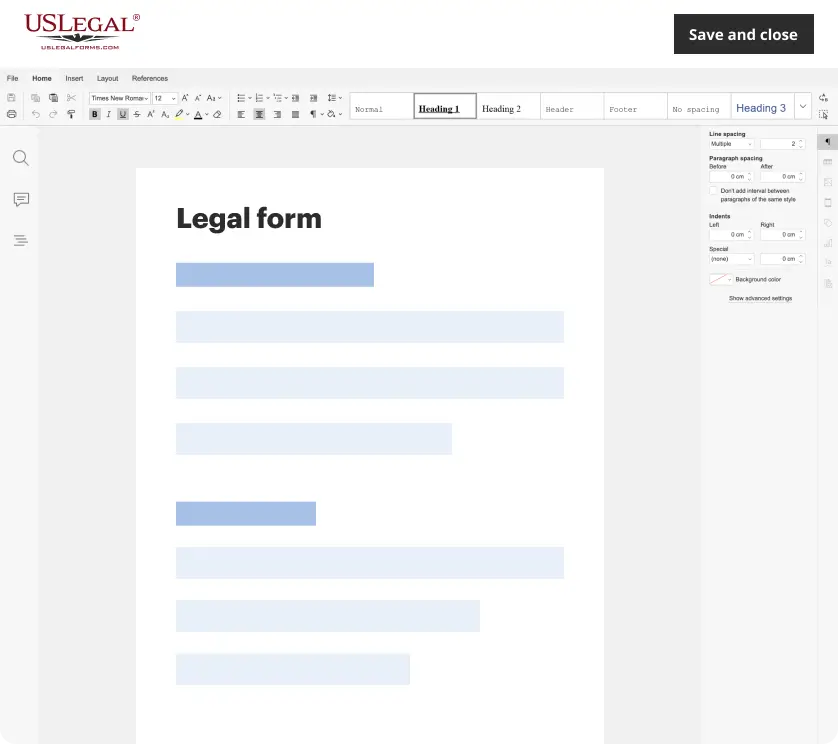
Make edits, fill in missing information, and update formatting in US Legal Forms—just like you would in MS Word.
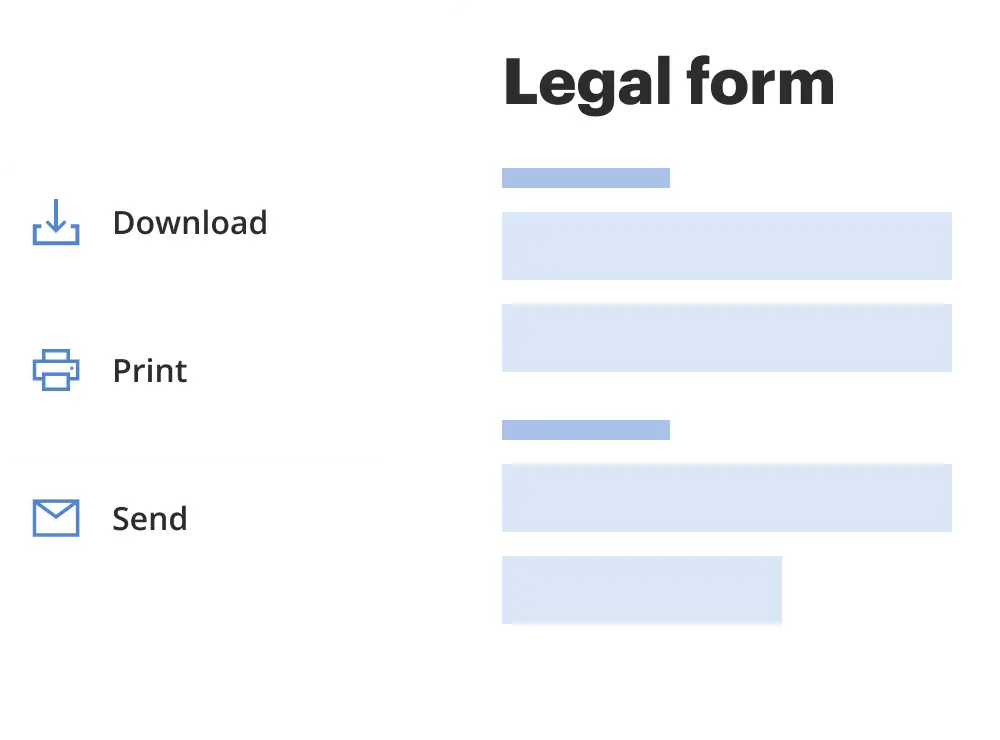
Download a copy, print it, send it by email, or mail it via USPS—whatever works best for your next step.
Sign and collect signatures with our SignNow integration. Send to multiple recipients, set reminders, and more. Go Premium to unlock E-Sign.
If this form requires notarization, complete it online through a secure video call—no need to meet a notary in person or wait for an appointment.
We protect your documents and personal data by following strict security and privacy standards.
Looking for another form?

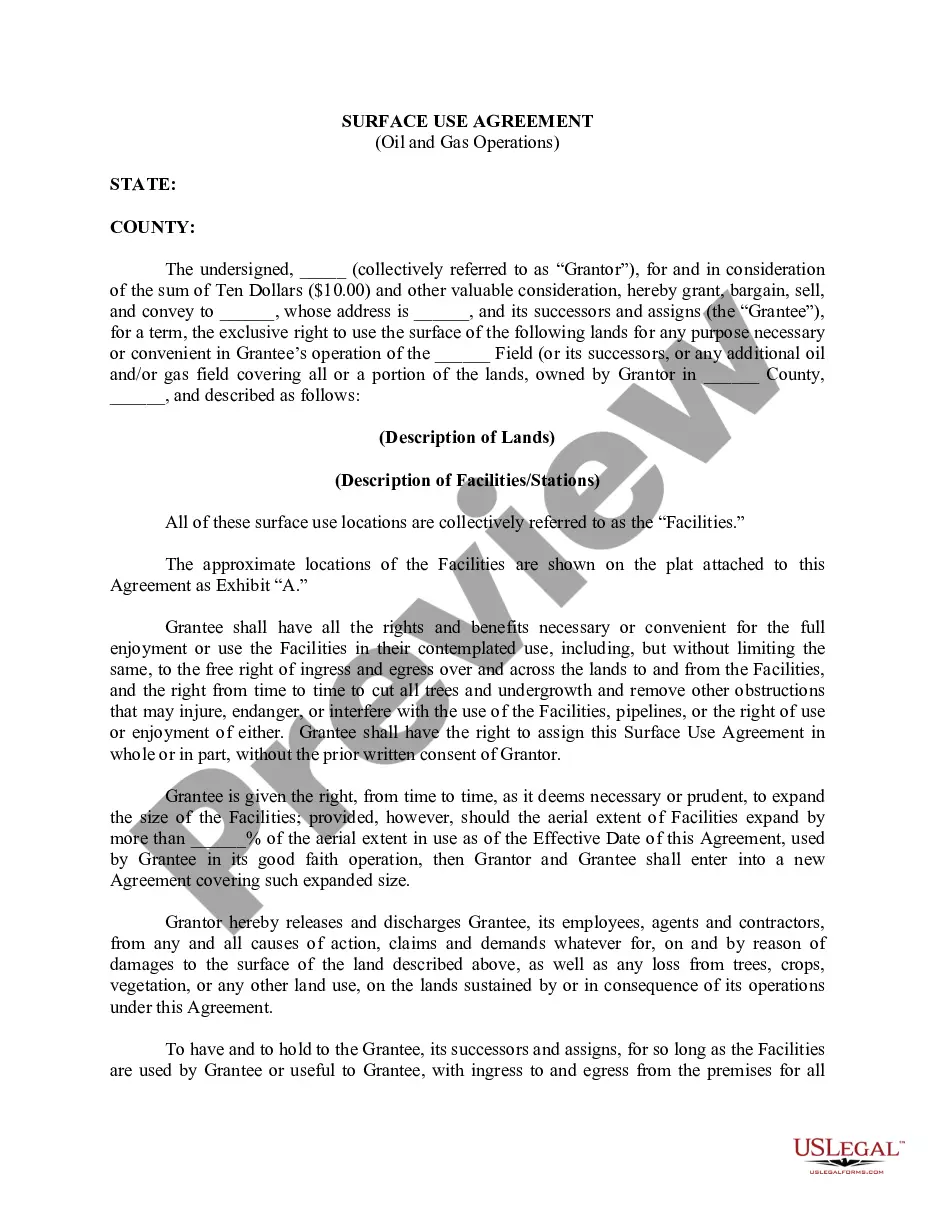
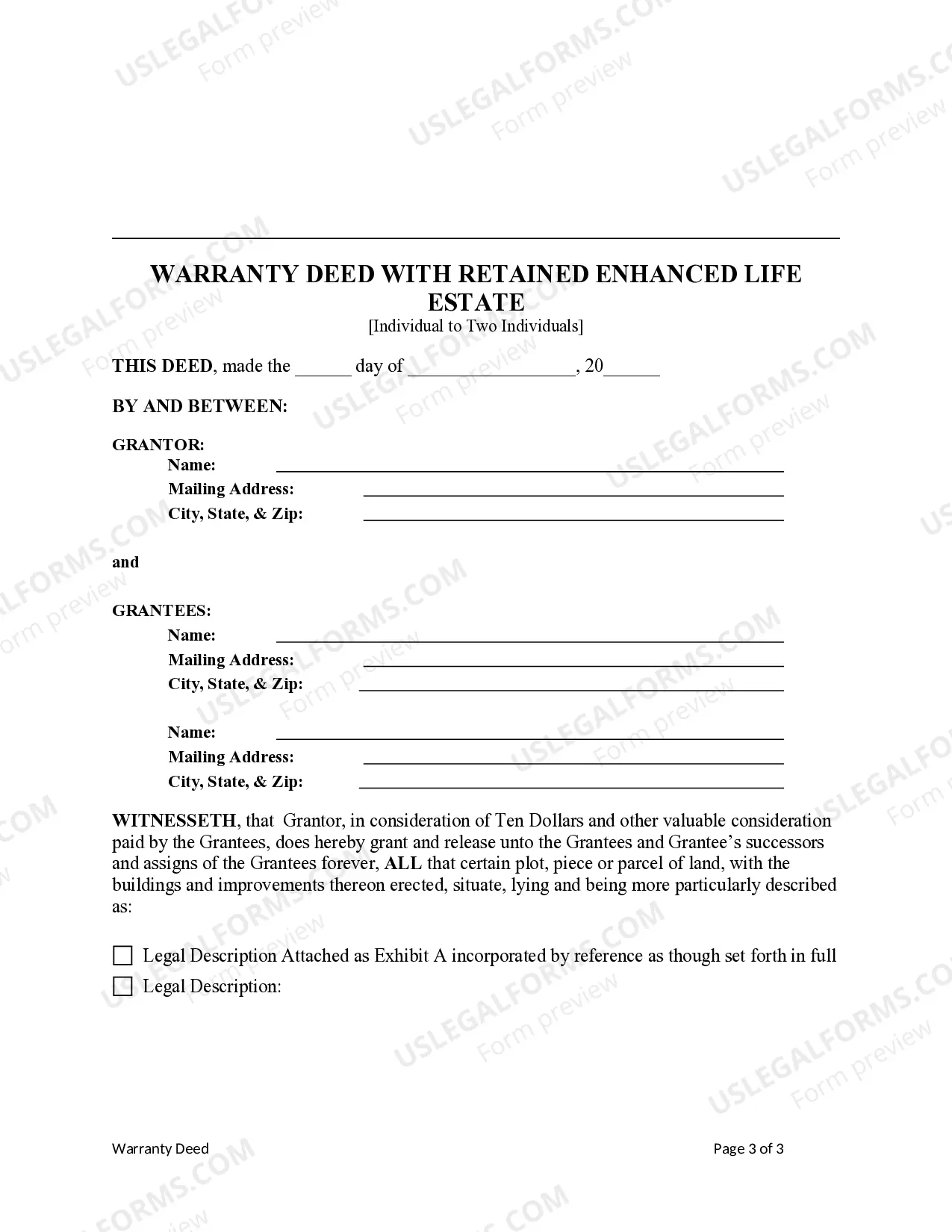
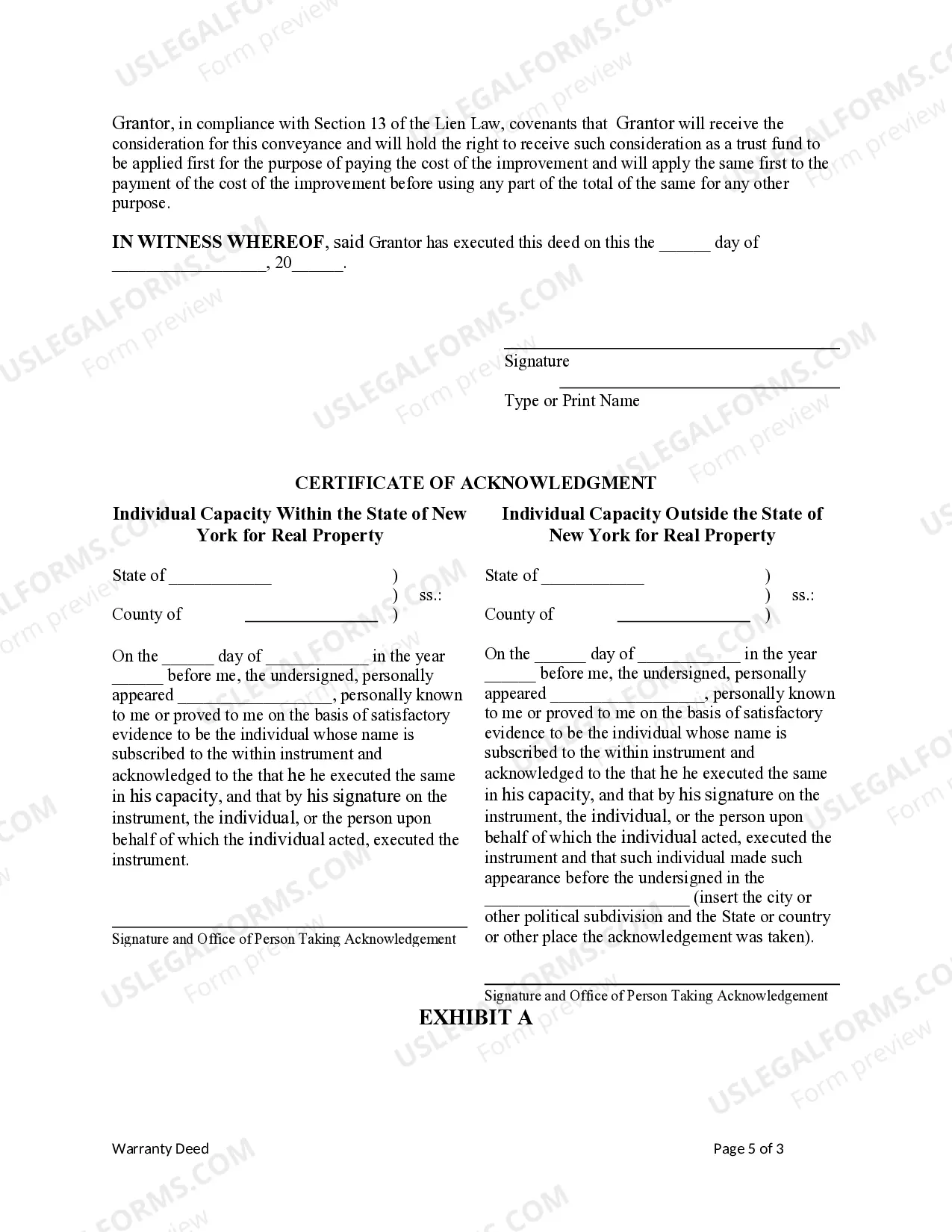
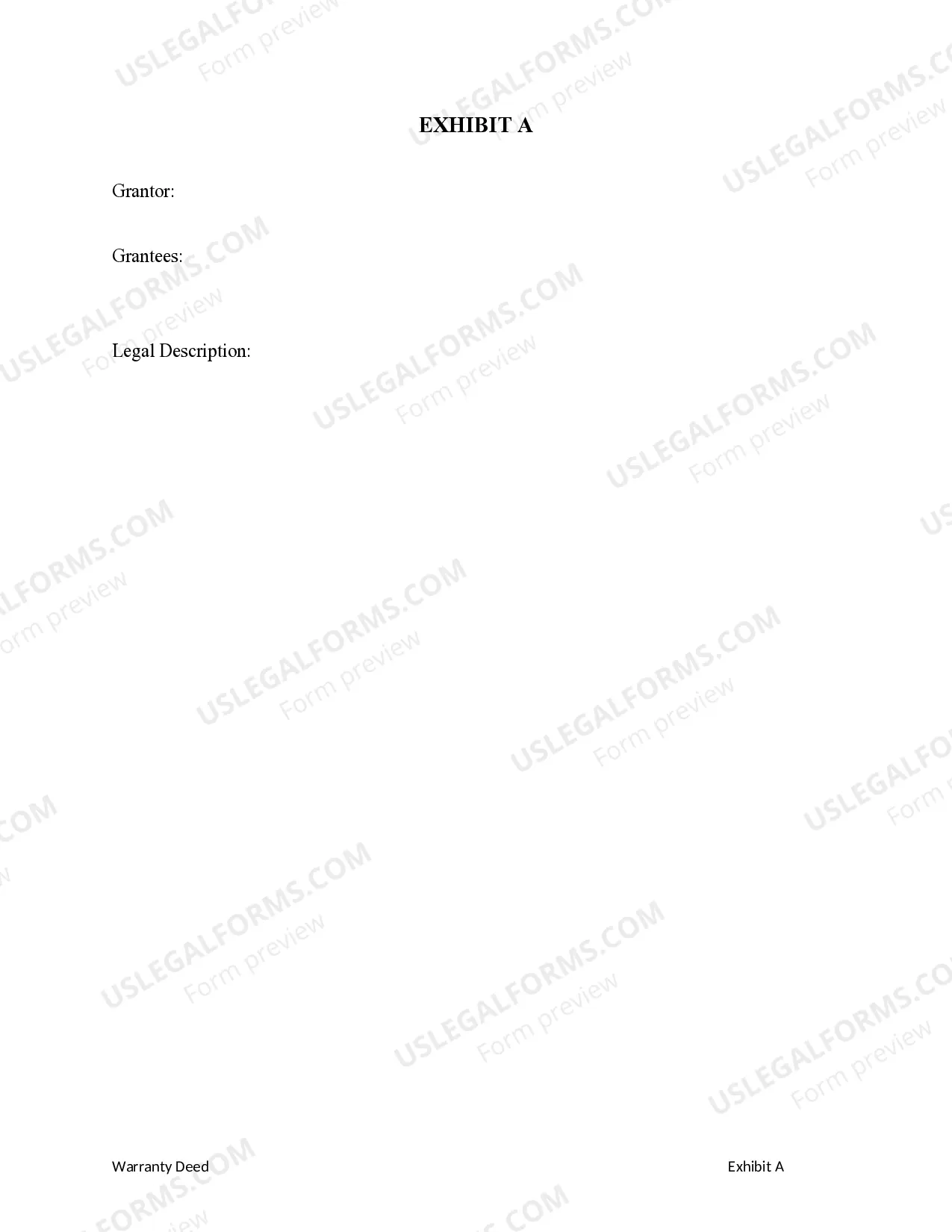
How to fill out New York Enhanced Life Estate Or Lady Bird Warranty Deed From Individual To Two Individuals?
- If you're an existing user, log into your account and select the necessary form template. Ensure your subscription is active; if not, renew it as per your plan.
- For first-time users, start by checking the preview mode and read the form description carefully. Confirm that it aligns with your requirements and complies with local regulations.
- If the form does not meet your needs, utilize the search feature to find a suitable alternative. Once found, you can proceed with the next step.
- Choose your document by clicking 'Buy Now' and select your preferred subscription plan. You will need to register for an account to access the library.
- Complete your purchase by entering your credit card information or using your PayPal account for payment.
- Finally, download your completed form, which you can save to your device and access anytime from the My Forms section of your profile.
In conclusion, US Legal Forms provides a robust platform to facilitate the acquisition of legal documents like the estate lady bird with a blue head. With over 85,000 customizable forms and access to expert support, you can ensure your documentation is precise and compliant.
Don’t wait any longer—visit US Legal Forms today to simplify your legal document needs!
Form popularity
FAQ
An estate lady bird with a blue head is recognized in several states, including Florida, Michigan, Texas, and Virginia, among others. Laws regarding ladybird deeds can vary significantly by state, so it's crucial to check local regulations. If you are in a state where this deed is recognized, it can be an effective tool for estate planning. USLegalForms can assist you in understanding and preparing the necessary documentation based on your state’s laws.
Yes, an estate lady bird with a blue head can protect your home from Medicaid claims to some extent. This type of deed ensures that the property is transferred outside of your estate upon your passing, making it less vulnerable to claims. However, it's essential to work closely with a legal professional to structure the deed properly and ensure compliance with state laws.
One notable disadvantage of an estate lady bird with a blue head is the potential for misunderstanding among family members. If they are not adequately informed about the deed, it might lead to conflict after your passing. Additionally, while this deed avoids probate, it does not protect against estate taxes or other financial liabilities. It is crucial to weigh these factors carefully when planning your estate.
Yes, an estate lady bird with a blue head can offer protection from Medicaid claims under certain conditions. This means that if you need long-term care, the property may not be counted as an asset when determining Medicaid eligibility. However, it's essential to plan your estate correctly and consult a qualified professional to ensure your house remains protected while you navigate Medicaid rules.
In many cases, an estate lady bird with a blue head can take precedence over a will. If you have designated beneficiaries in your ladybird deed, they will receive the property directly, bypassing the terms in your will. However, it’s always a good practice to ensure that your documents are aligned to avoid any potential conflicts. Consulting with a legal expert can provide clarity on your specific situation.
One downside of a lady bird deed is that it may not protect the property from creditors after the owner's death. Additionally, transferring property through this deed may complicate matters if the owner has tax concerns or other financial obligations. It's also important to note that some states may have limitations on using a lady bird deed, making it crucial to check local laws. To understand these potential drawbacks better, you can turn to resources on the US Legal Forms platform, which offers insights on the estate lady bird with a blue head.
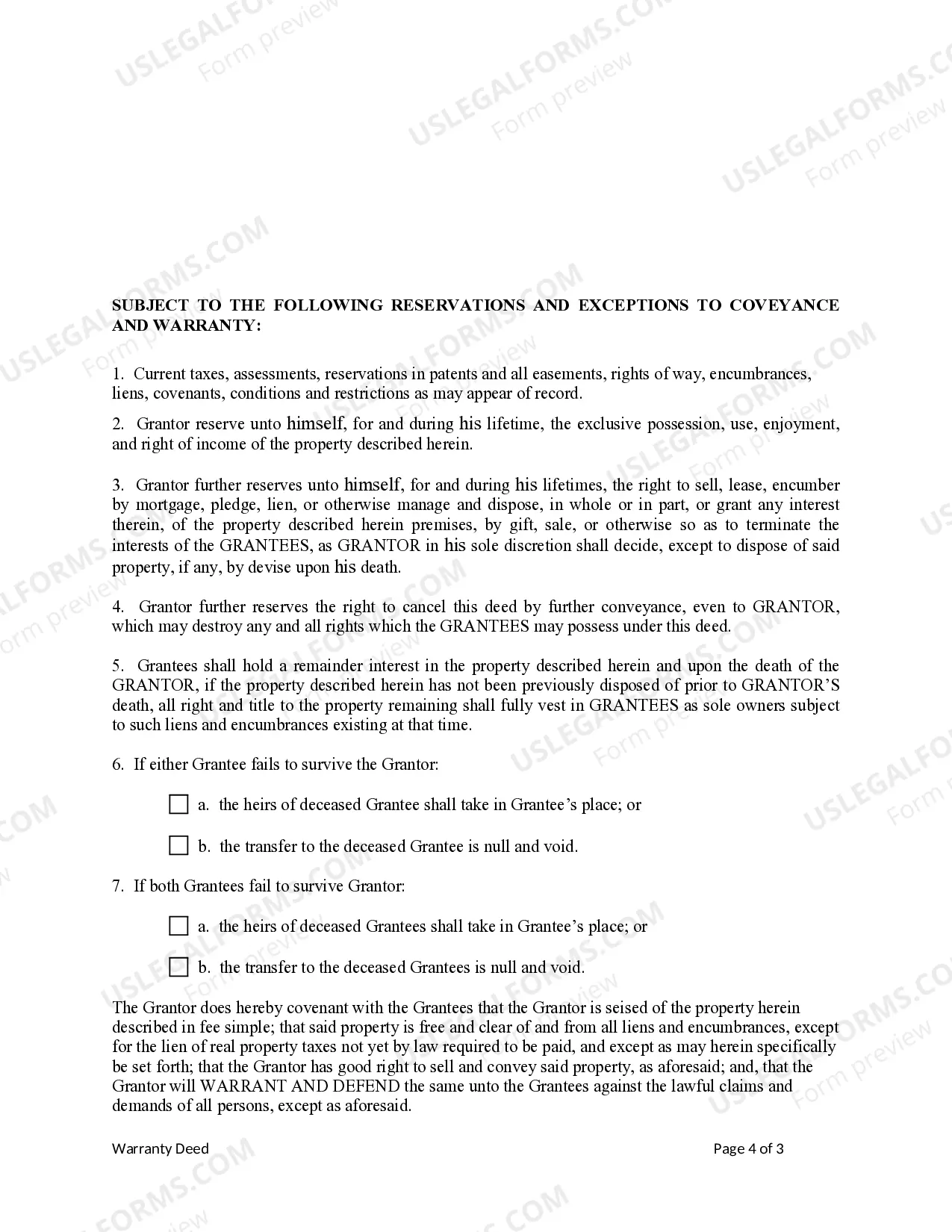
To fill out a lady bird deed, begin by gathering necessary information about the property owner, the property itself, and the designated beneficiaries. You will need to indicate that the property owner retains control of the property during their lifetime. Moreover, ensure that you specify how the property will transfer upon the owner's passing. For an easy and reliable process, consider using the US Legal Forms platform, which provides templates and guidance for creating a lady bird deed with an estate lady bird with a blue head.
No, a lady bird deed does not go through probate when executed correctly as part of your estate planning. The estate lady bird with a blue head allows for direct transfer of property to beneficiaries upon death, bypassing the probate process entirely. This feature can save time and reduce expenses associated with probate, making it an appealing option for many.
The estate lady bird with a blue head does not inherently avoid inheritance tax, despite misconceptions. While it facilitates the transfer of property outside of probate, tax obligations can still arise based on the value of the estate. Understanding your local laws is key in managing estate tax matters effectively.
Yes, a lady bird deed can override a will when it comes to the transfer of property. If the deed specifies that ownership passes to a designated beneficiary upon death, that direction takes precedence over any conflicting provisions in a will. It’s essential to ensure that your estate planning documents align to avoid confusion.