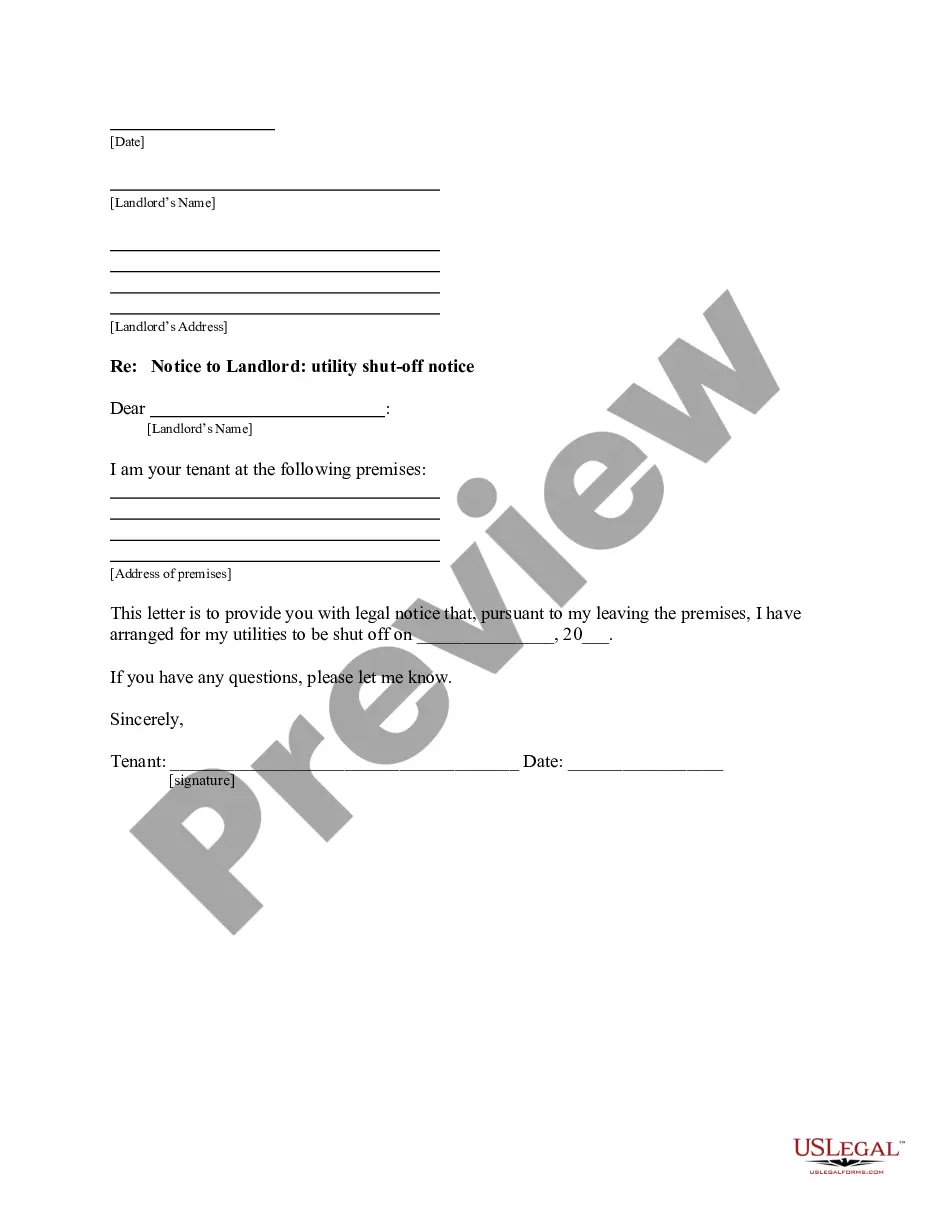
Tenant Landlord Shut With Washington State
Description

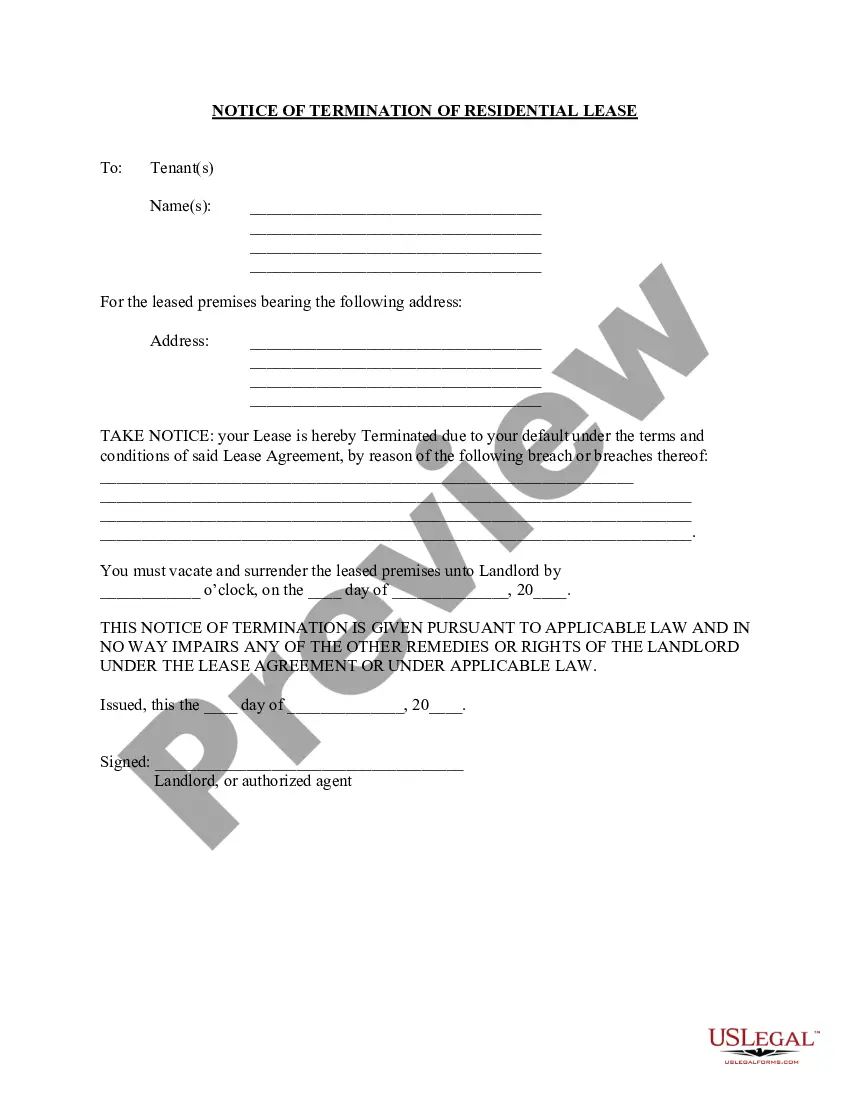
Get your form ready online
Our built-in tools help you complete, sign, share, and store your documents in one place.
Make edits, fill in missing information, and update formatting in US Legal Forms—just like you would in MS Word.
Download a copy, print it, send it by email, or mail it via USPS—whatever works best for your next step.
Sign and collect signatures with our SignNow integration. Send to multiple recipients, set reminders, and more. Go Premium to unlock E-Sign.
If this form requires notarization, complete it online through a secure video call—no need to meet a notary in person or wait for an appointment.
We protect your documents and personal data by following strict security and privacy standards.

Make edits, fill in missing information, and update formatting in US Legal Forms—just like you would in MS Word.

Download a copy, print it, send it by email, or mail it via USPS—whatever works best for your next step.

Sign and collect signatures with our SignNow integration. Send to multiple recipients, set reminders, and more. Go Premium to unlock E-Sign.

If this form requires notarization, complete it online through a secure video call—no need to meet a notary in person or wait for an appointment.

We protect your documents and personal data by following strict security and privacy standards.
Looking for another form?
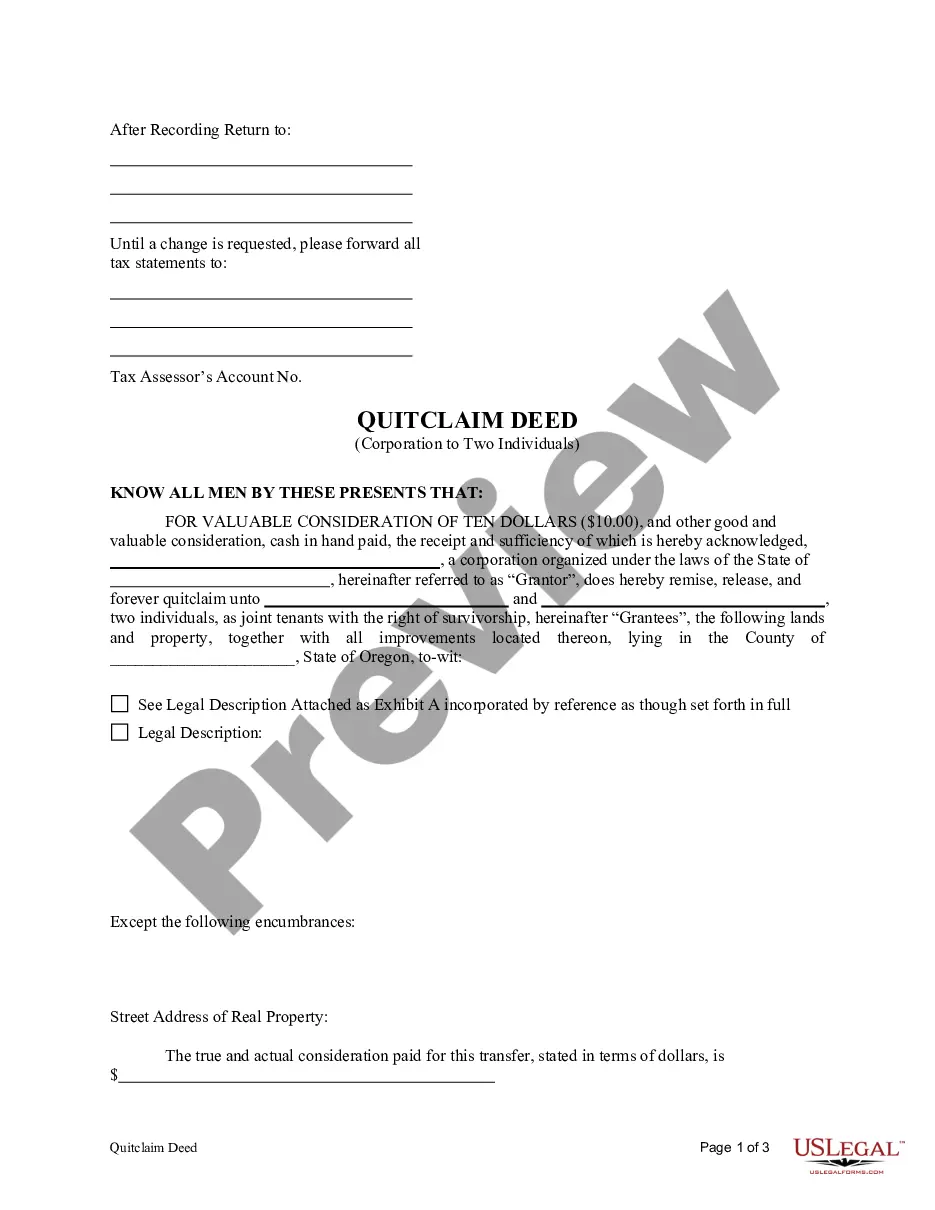
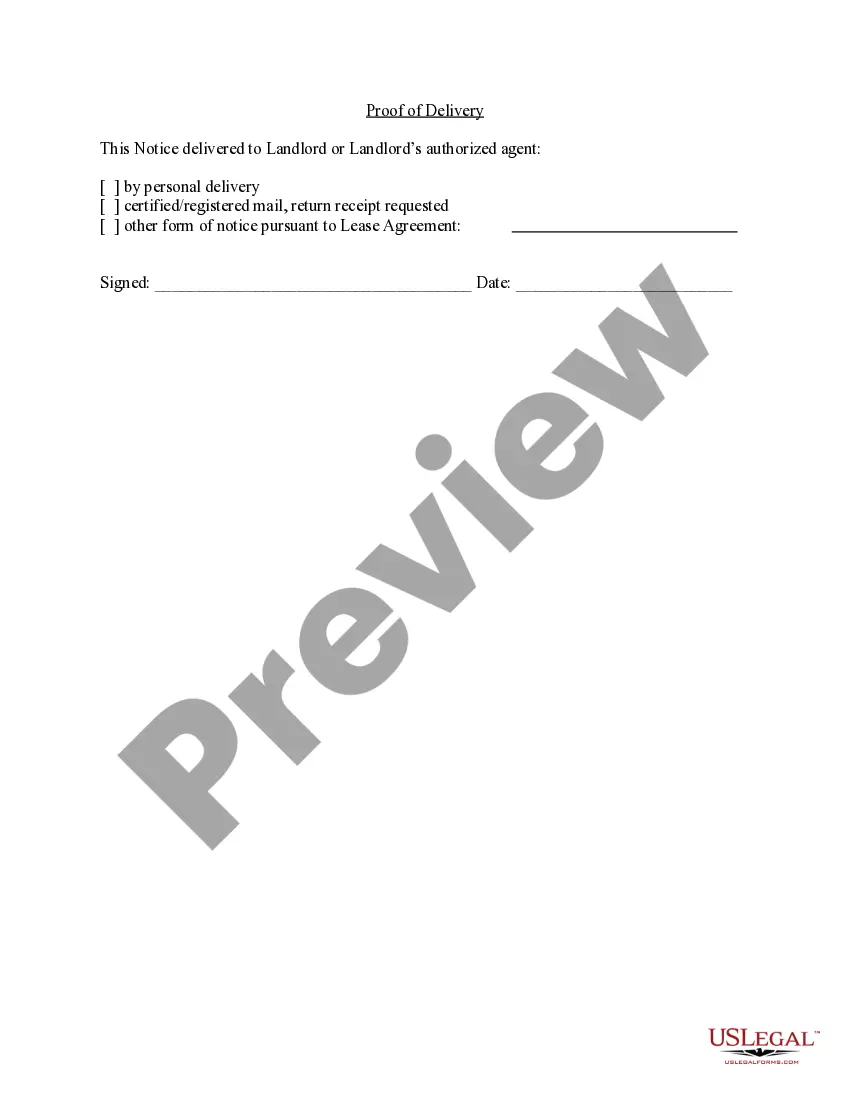
How to fill out Nevada Letter From Tenant To Landlord - Utility Shut Off Notice To Landlord Due To Tenant Vacating Premises?
- If you're already a subscriber, log into your account to access your documents. Ensure your subscription is active; if not, renew accordingly.
- For new users, start by browsing the extensive collection of forms. Check the Preview mode and make sure you select a form that meets your specific needs and aligns with Washington State’s requirements.
- In case you don't find the right template, use the Search feature at the top to look for alternatives. Once you find the correct form, proceed to the next step.
- Purchase your selected document by clicking on the Buy Now button. Choose a subscription plan that suits you, and remember that you need to create an account to unlock access to the full library.
- Complete your payment by entering your credit card details or logging into your PayPal account to finalize your subscription.
- Download the form to your device and fill it out. Access your documents anytime through the My Forms section in your profile.
In conclusion, US Legal Forms streamlines the process of obtaining essential legal documents for both tenants and landlords in Washington State, empowering users with an extensive library of forms.
Start your journey today to ensure all your legal affairs are in order – visit US Legal Forms now!
Form popularity
FAQ
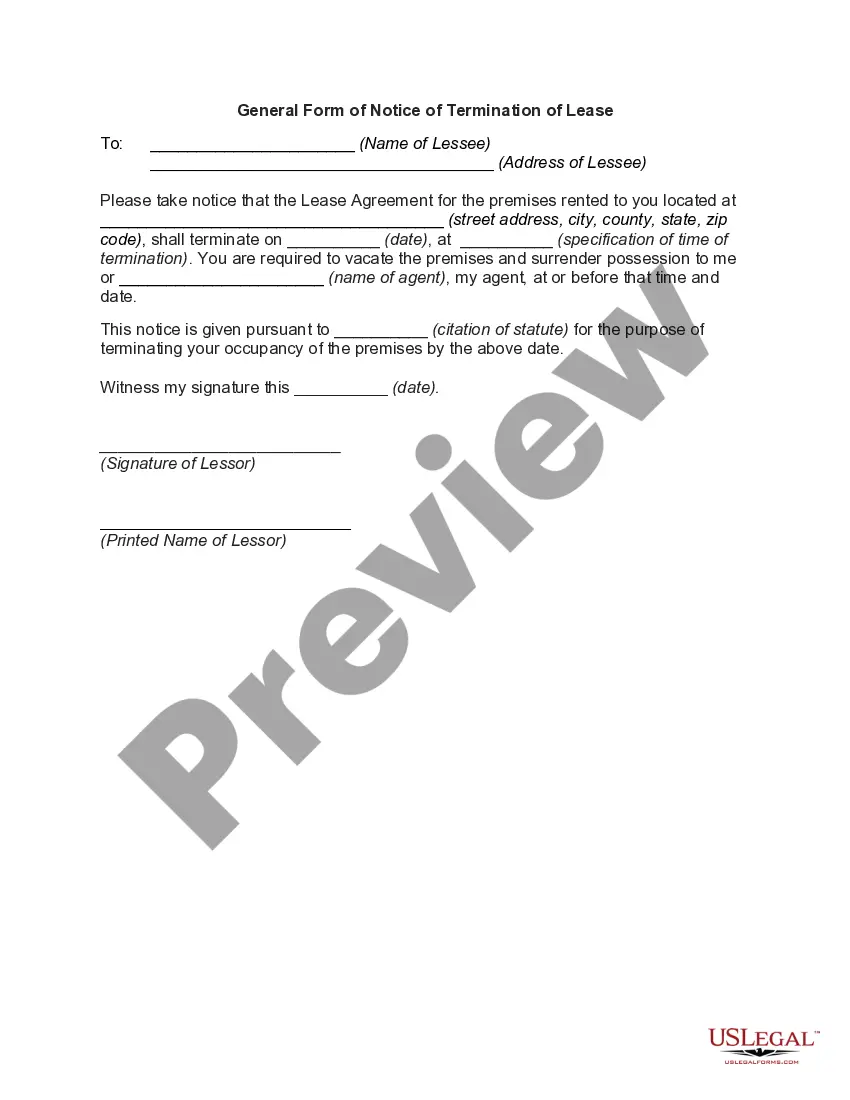
Yes, a landlord can terminate a lease in Washington State under specific conditions. Valid reasons include serious lease violations or the need to reclaim the property for personal use. However, landlords must provide proper notice and follow legal proceedings to avoid conflict. For assistance with the termination process, USLegalForms offers tools to streamline your documentation.
In Washington State, landlords cannot engage in illegal eviction practices, such as changing locks or shutting off utilities to force a tenant to leave. Additionally, they must respect tenant privacy and provide proper notice before entering the property. Understanding these limitations can help maintain a fair landlord-tenant relationship. To navigate these regulations effectively, consider using resources from USLegalForms.
Landlords can break a lease after signing in Washington State, but they must have valid reasons. Circumstances such as tenant noncompliance with lease terms or illegal activities on the property allow for this action. Proper notification and adherence to the lease agreement are required. For landlords seeking clarity on lease termination, USLegalForms provides essential paperwork and templates.
To terminate a lease early without facing penalties in Washington State, you must follow specific guidelines. You can seek to break the lease if the rental property has unaddressed health and safety issues that violate local housing codes. Additionally, providing proper notice to your landlord is essential. Consider using USLegalForms to help draft the necessary notices and documents to ensure compliance with local laws.
Grounds for eviction in Washington State include non-payment of rent, lease violations, property damage, and illegal activities on the premises. Landlords must provide specific notices depending on the reason for eviction. It is crucial for both landlords and tenants to be aware of these grounds to avoid misunderstandings. Staying informed about tenant landlord shut with Washington State ensures you are well-prepared for any situation.
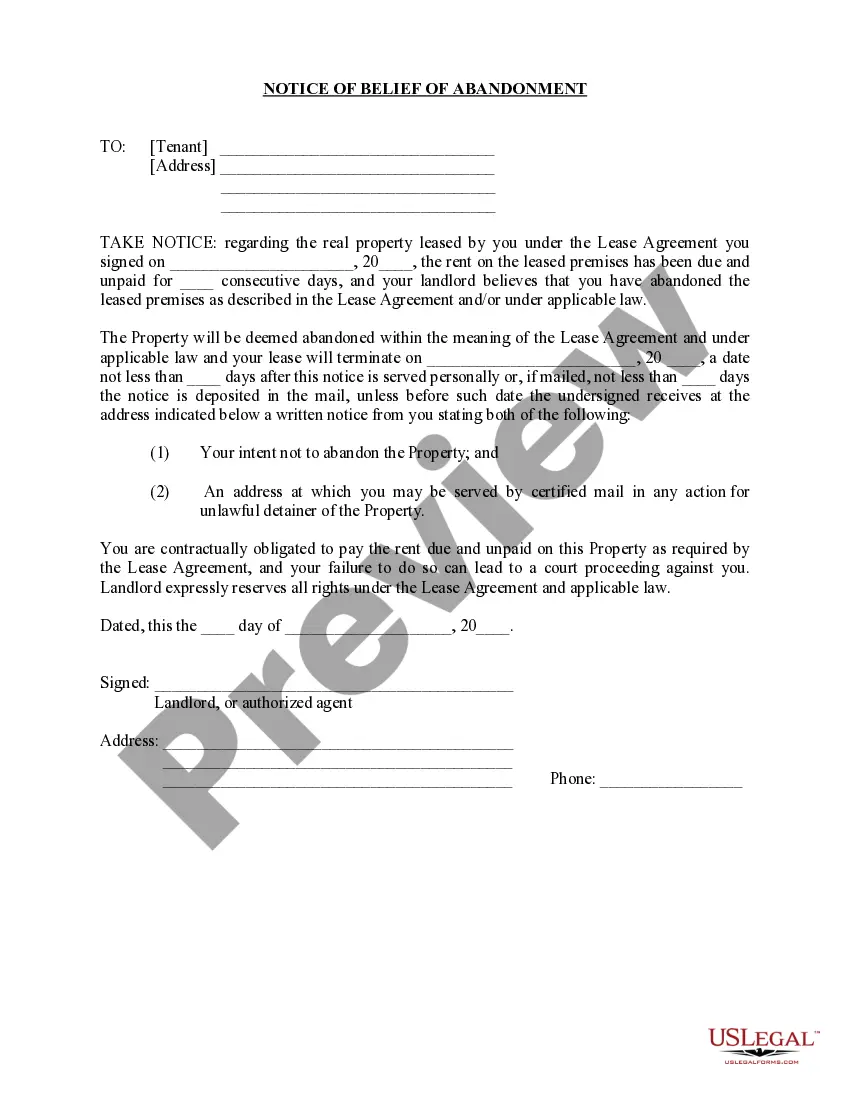
Evicting a tenant in Washington State can be a straightforward process if you follow the legal requirements. However, various factors, such as tenant disputes or court delays, can complicate matters. It is essential to have a solid understanding of the eviction process and to keep accurate records. Leveraging resources from platforms like uslegalforms can simplify how you handle tenant landlord shut with Washington State.
No, a landlord cannot legally lock you out without following the proper eviction process in Washington State. This act is considered illegal and can lead to penalties against the landlord. Tenants have the right to contest wrongful eviction actions, which can create issues for landlords. Knowing the rules around tenant landlord shut with Washington State protects your rights as a tenant.
You can report a bad landlord in Washington State by contacting your local housing authority or the Washington State Attorney General's Office. They address issues like unsafe living conditions and landlord misconduct. Document any concerns thoroughly to support your claims, as this can strengthen your case. Remember, knowing how to address tenant landlord shut with Washington State can empower you as a tenant.
The eviction process in Washington State typically takes about two to three months. This includes the time required for the landlord to provide notice, file court papers, and attend a court hearing. However, the timeline can vary based on specific circumstances, such as tenant responses or court schedules. Understanding the tenant landlord shut with Washington State can help you navigate this process more effectively.
For tenant rights in Washington State, you can call local tenant rights organizations or the Washington State Attorney General's Office. They offer resources and guidance on various issues, helping you understand your rights and responsibilities under tenant landlord shut with Washington State laws. Don't hesitate to seek advice when you believe your rights as a tenant have been infringed.