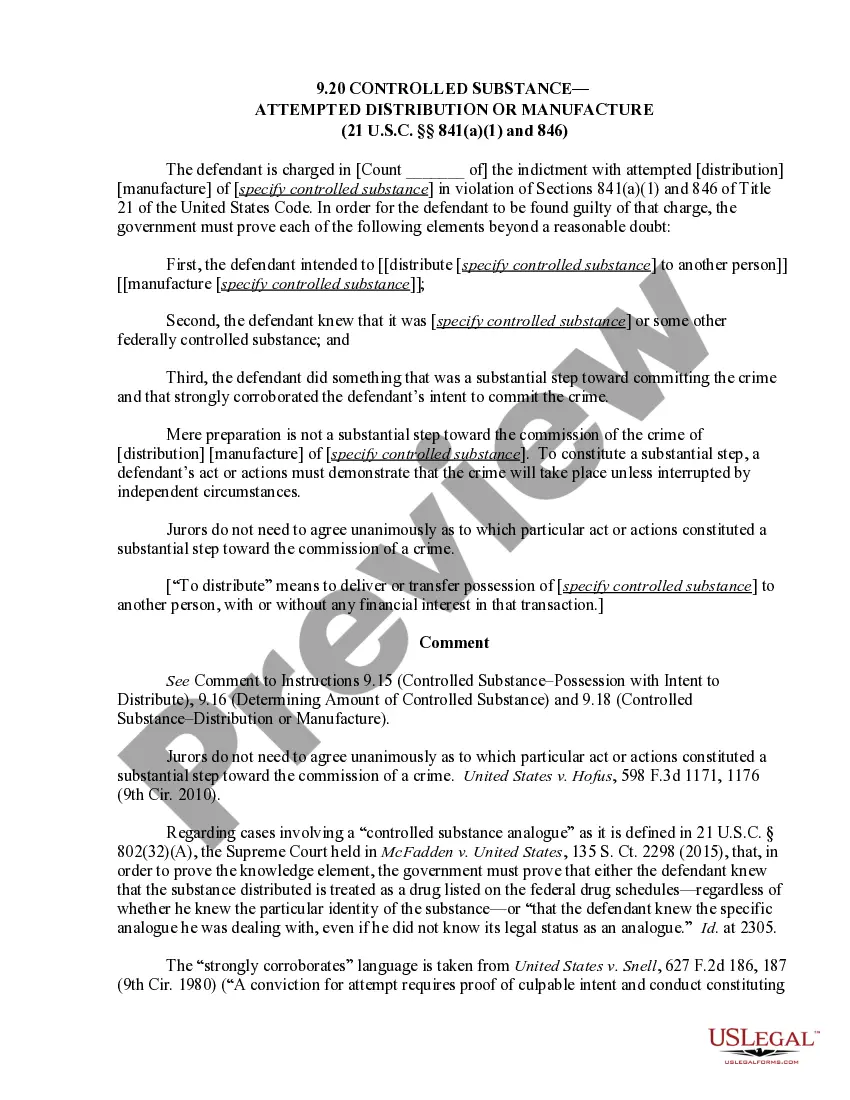
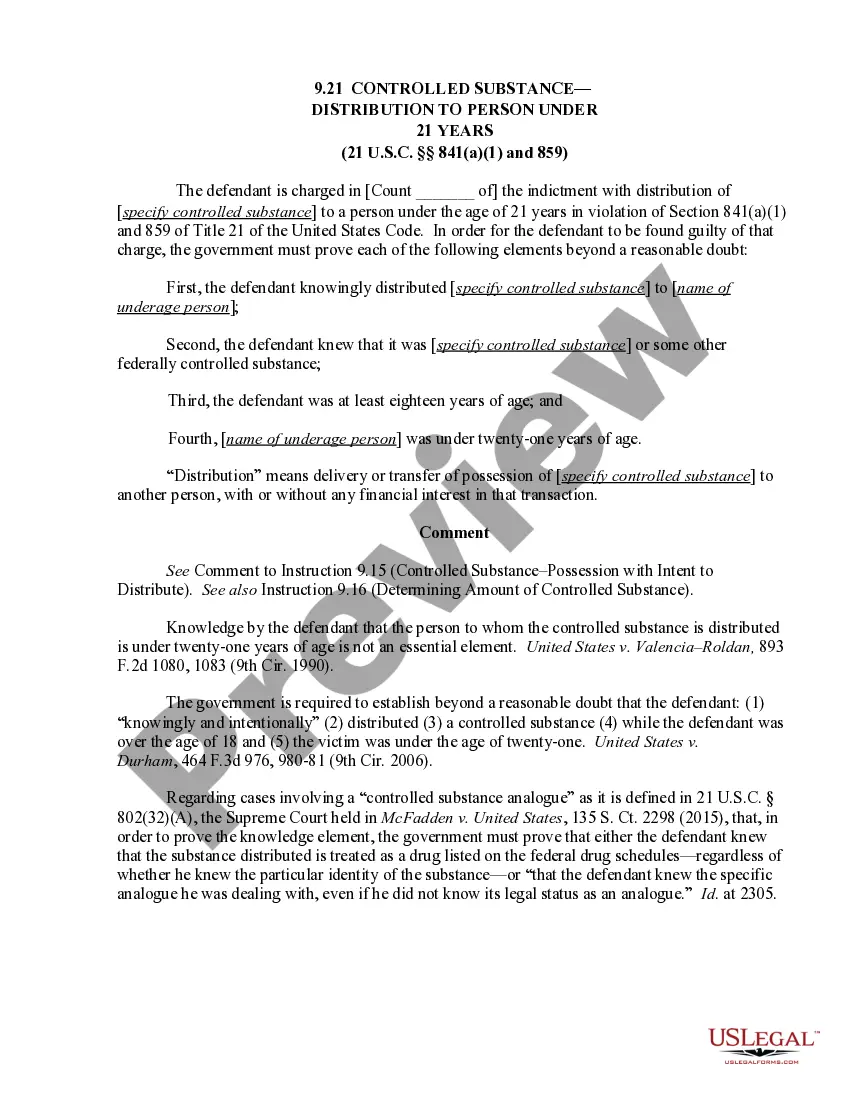
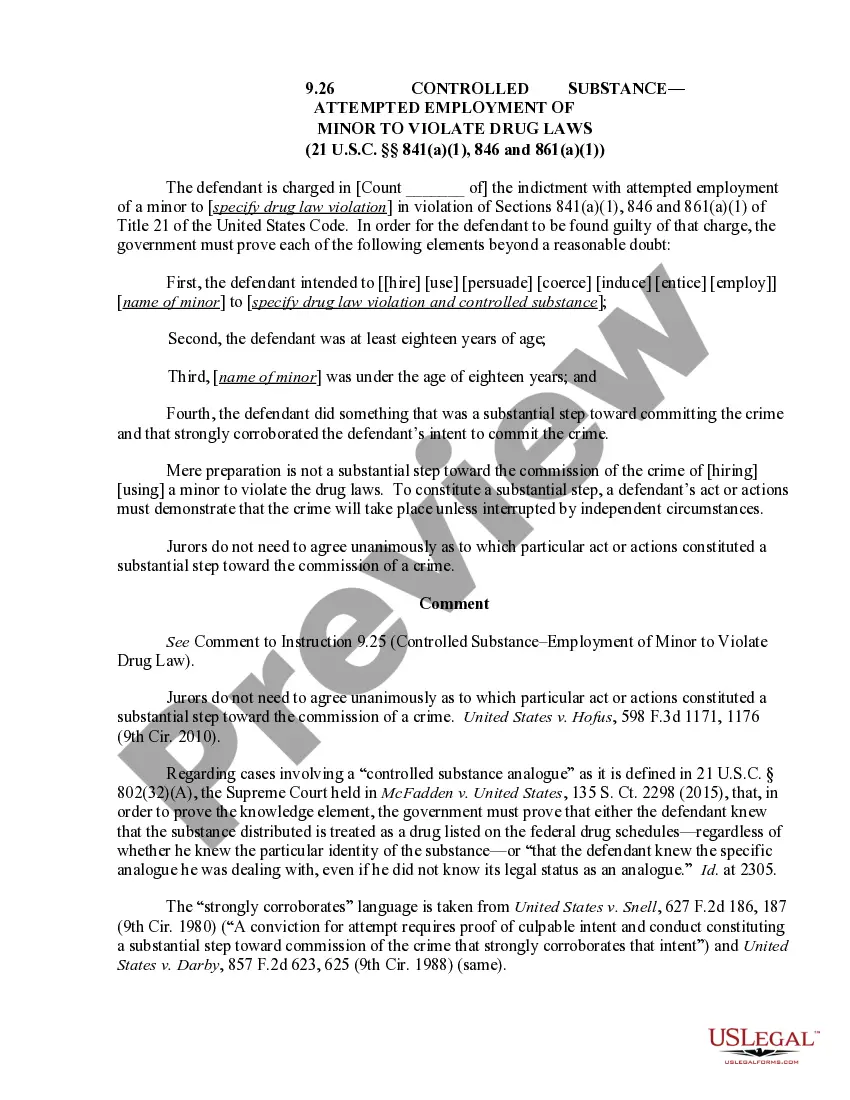
9.22 Controlled Substance-Attempted Distribution to Person Under 21 Years
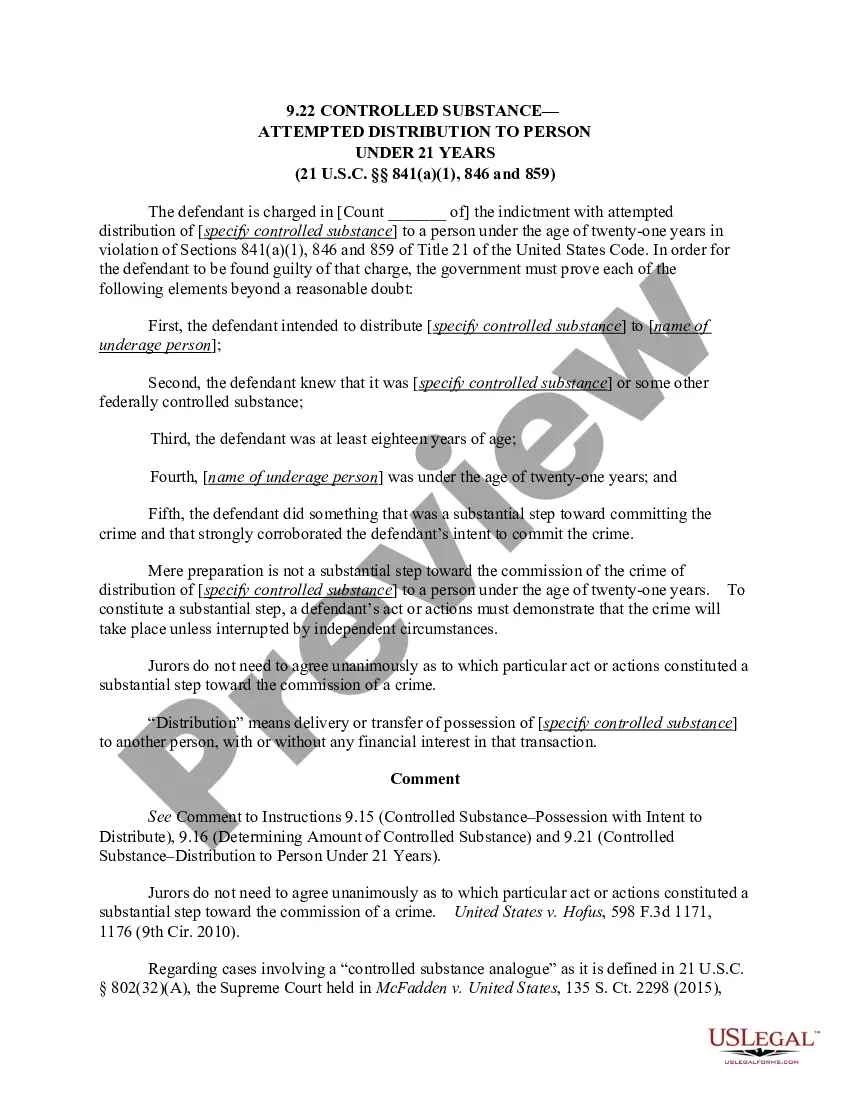

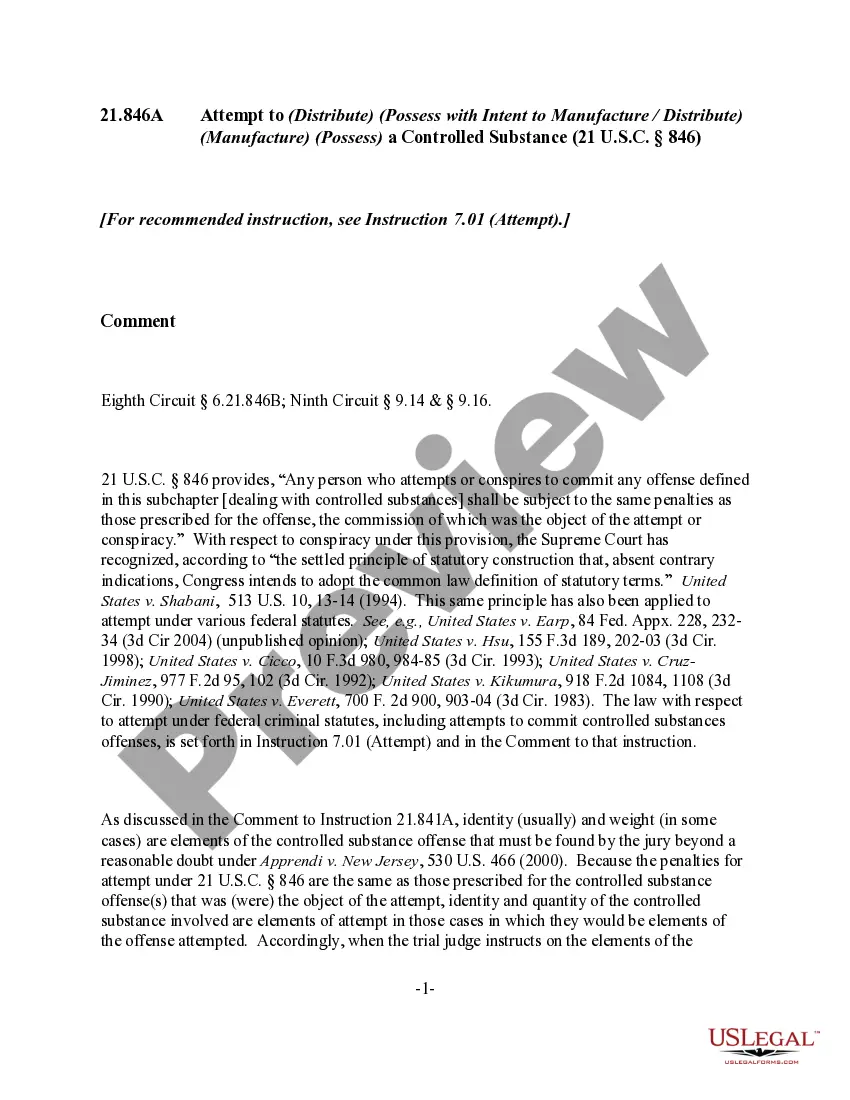
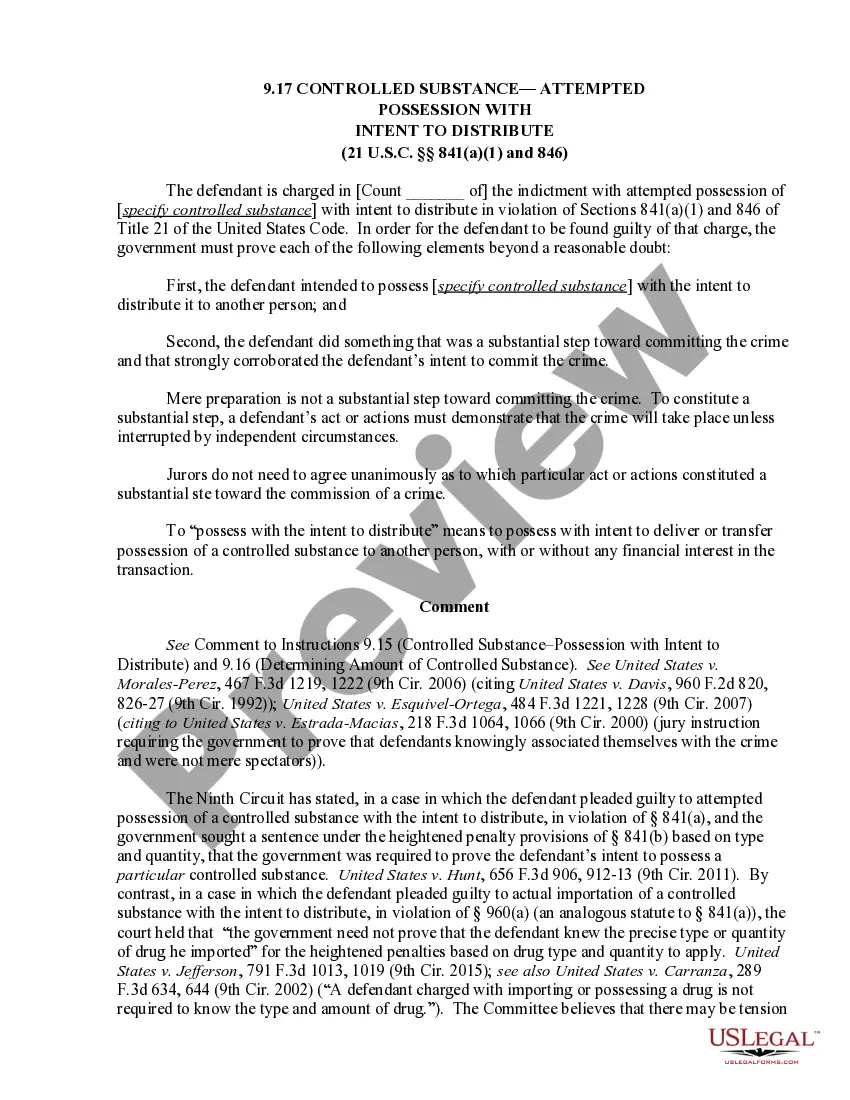
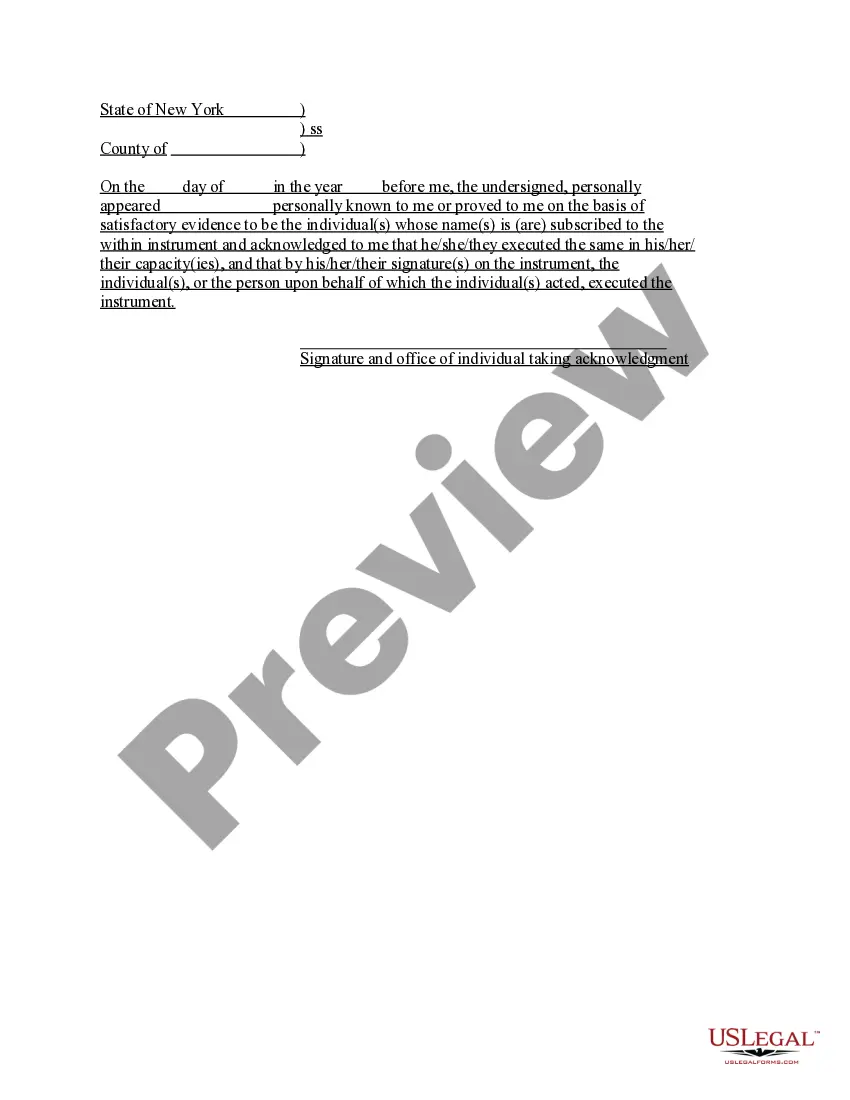
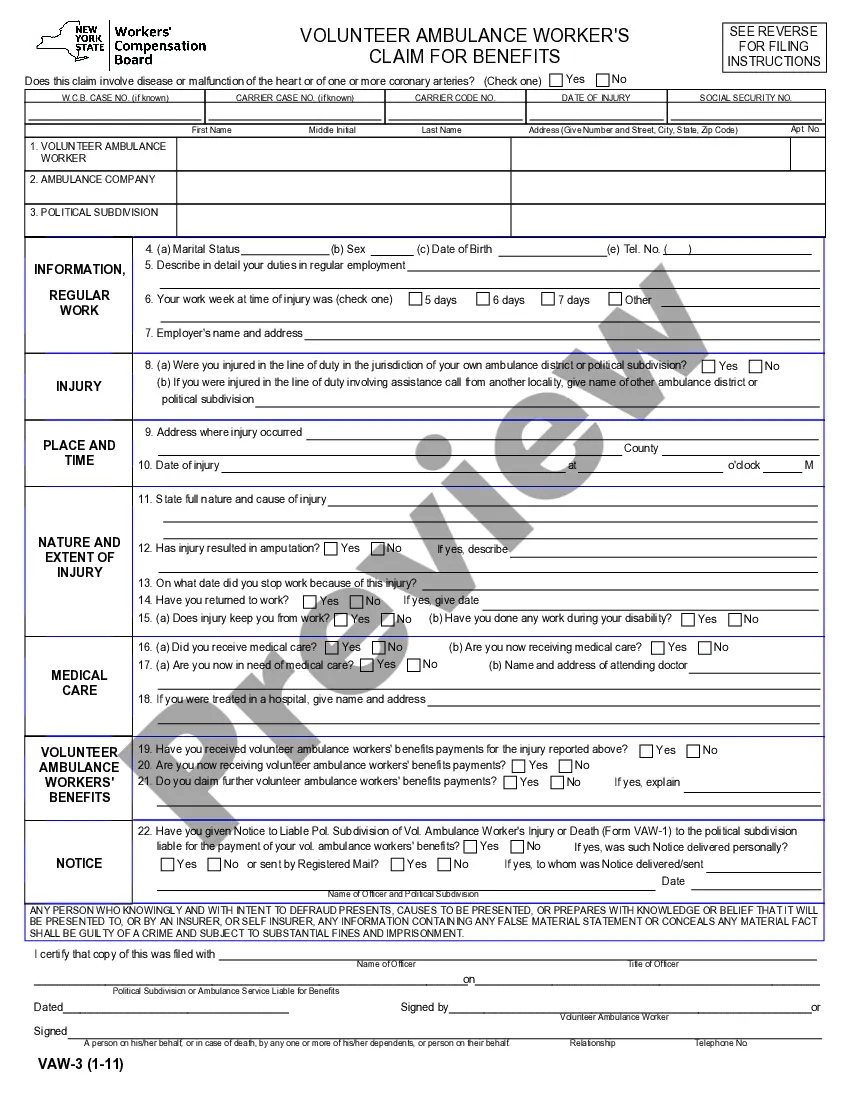
Does this form need to be notarized?
This form does not typically require notarization to be legally valid. However, some jurisdictions or document types may still require it. US Legal Forms provides secure online notarization powered by Notarize, available 24/7 for added convenience.
Get your form ready online
Our built-in tools help you complete, sign, share, and store your documents in one place.
Make edits, fill in missing information, and update formatting in US Legal Forms—just like you would in MS Word.
Download a copy, print it, send it by email, or mail it via USPS—whatever works best for your next step.
Sign and collect signatures with our SignNow integration. Send to multiple recipients, set reminders, and more. Go Premium to unlock E-Sign.
If this form requires notarization, complete it online through a secure video call—no need to meet a notary in person or wait for an appointment.
We protect your documents and personal data by following strict security and privacy standards.

Make edits, fill in missing information, and update formatting in US Legal Forms—just like you would in MS Word.

Download a copy, print it, send it by email, or mail it via USPS—whatever works best for your next step.

Sign and collect signatures with our SignNow integration. Send to multiple recipients, set reminders, and more. Go Premium to unlock E-Sign.

If this form requires notarization, complete it online through a secure video call—no need to meet a notary in person or wait for an appointment.

We protect your documents and personal data by following strict security and privacy standards.
Looking for another form?




Form popularity
FAQ
Requirements of Duress The party is in immediate threat of serious bodily harm or death. The threat made to the victim must be constant.The party believes that the perpetrator of the act will carry out the threat.There is no opportunity to escape safely, except by committing the unlawful act.
There are three elements of the duress defense: (1) an immediate threat of death or serious bodily injury, (2) a well-grounded fear that the threat will be carried out, and (3) no reasonable opportunity to escape the threatened harm. United States v. Shapiro, 669 F. 2d 593, 596 (9th Cir.
The Elements of Duress A reasonable fear of imminent death or serious bodily harm. Through the words or actions of another person. With no reasonable opportunity to escape the threat. Through no fault of the defendant.
3d 682, 683 (9th Cir. 1993). "In order to be entitled to an instruction on duress or necessity as a defense to the crime charged, an escapee must first offer evidence justifying his continued absence from custody as well as his initial departure." United States v. Bailey, 444 U.S. 394, 408 (1980).
To show constructive possession, the government must prove a connection between the defendant and the firearm or ammunition sufficient "to support the inference that the defendant exercised dominion and control over" it. United States v. Carrasco, 257 F. 3d 1045, 1049 (9th Cir.
Thompson, 63 M.J. 228 (the defense of duress applies when the accused has a (1) reasonable apprehension that (2) the accused or another innocent person would (3) immediately suffer death or serious bodily injury if the accused did not commit the act; a reasonable apprehension does not exist if the accused has any