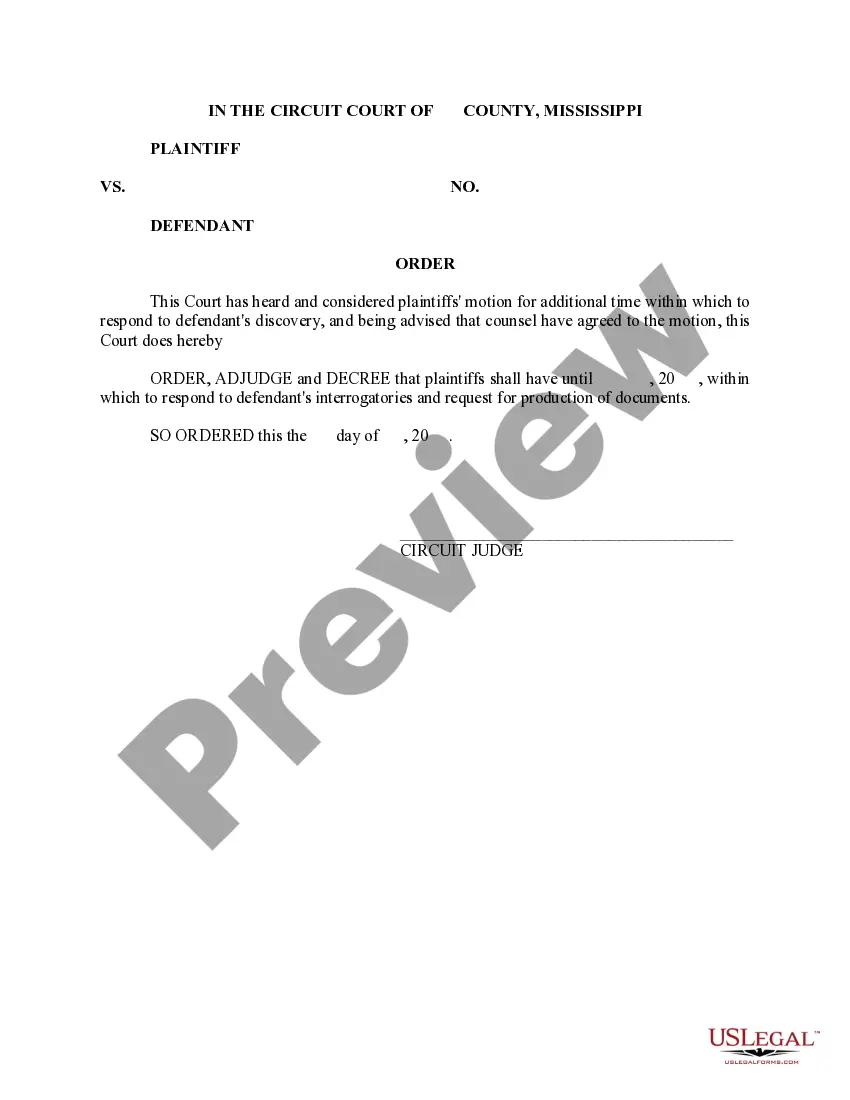
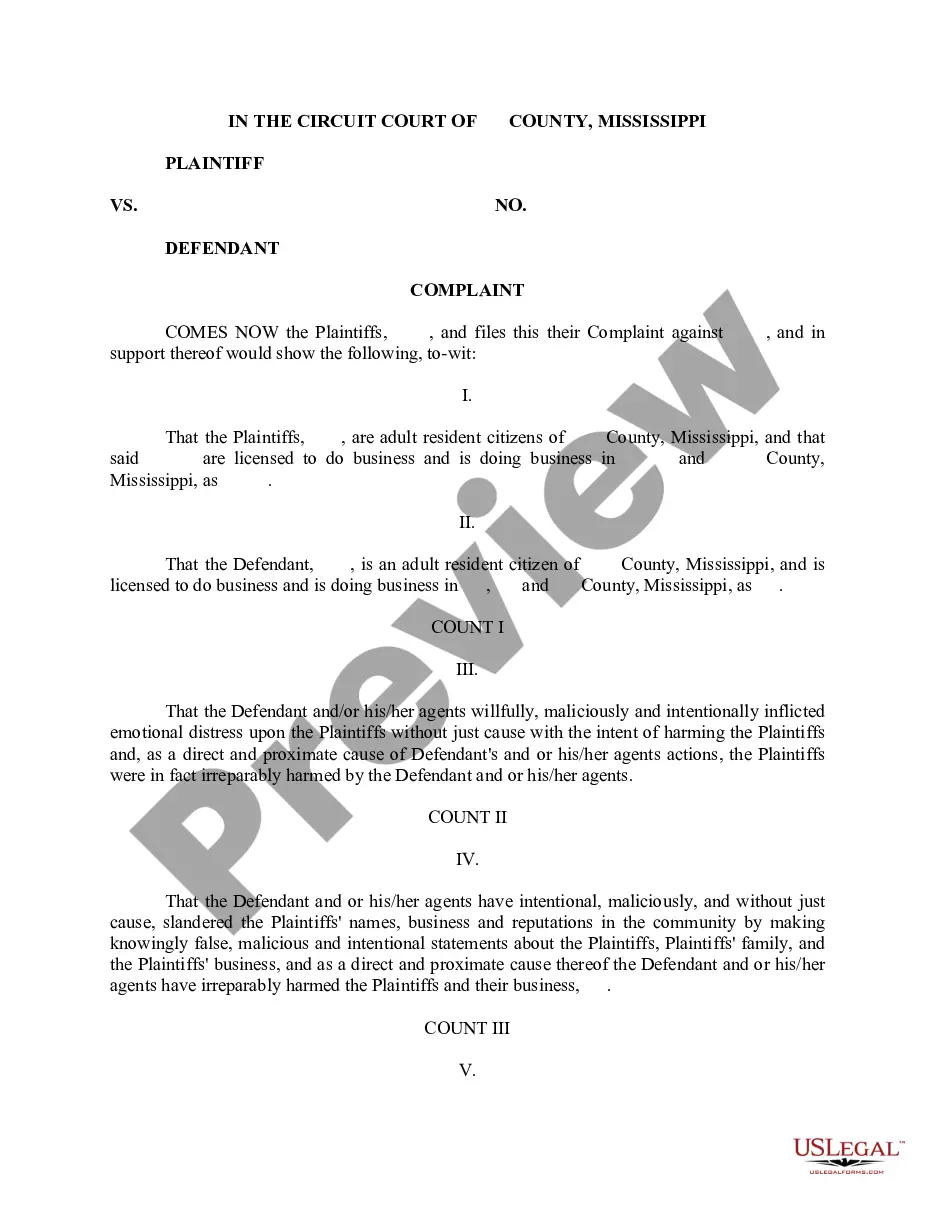
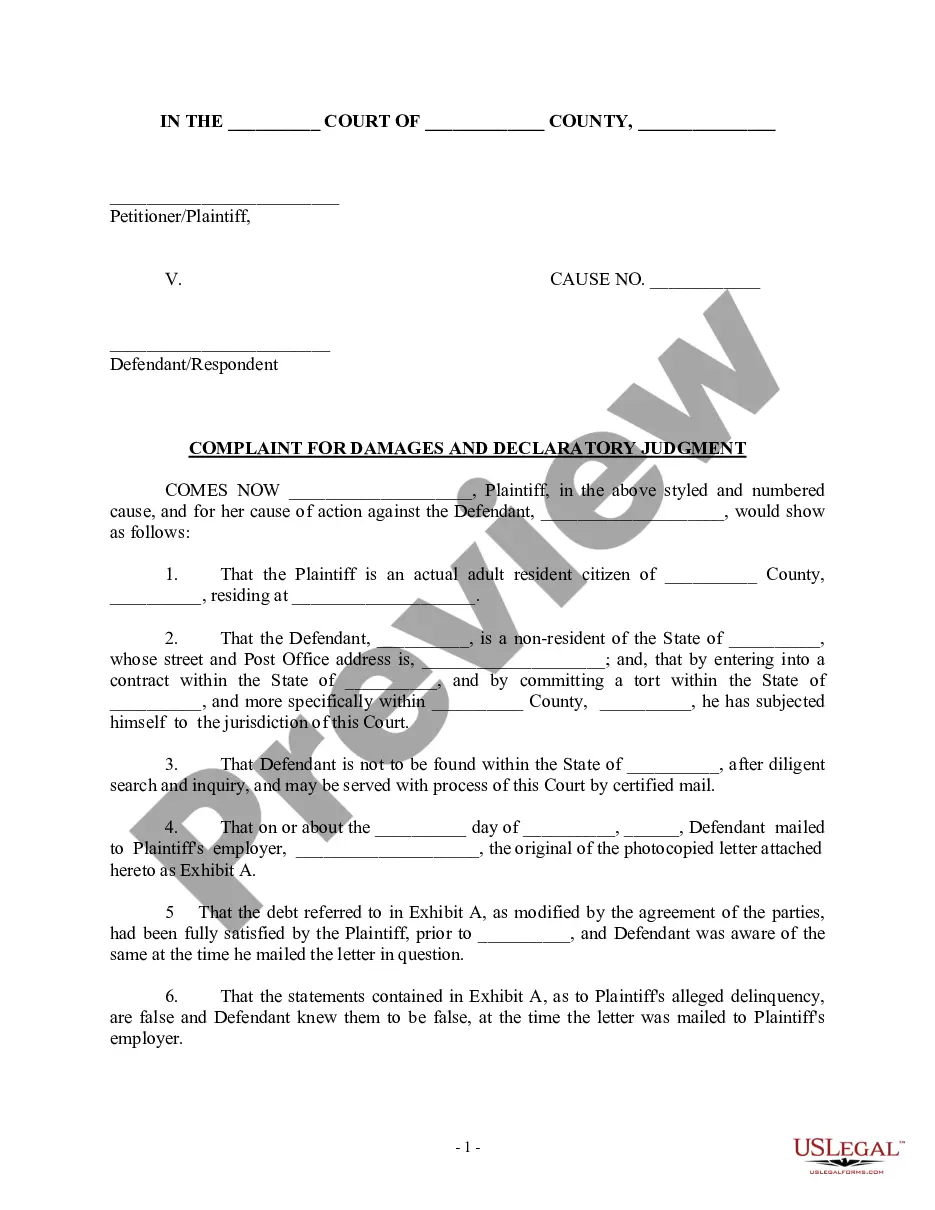
Mississippi Defamation Force
Description
Get your form ready online
Our built-in tools help you complete, sign, share, and store your documents in one place.
Make edits, fill in missing information, and update formatting in US Legal Forms—just like you would in MS Word.
Download a copy, print it, send it by email, or mail it via USPS—whatever works best for your next step.
Sign and collect signatures with our SignNow integration. Send to multiple recipients, set reminders, and more. Go Premium to unlock E-Sign.
If this form requires notarization, complete it online through a secure video call—no need to meet a notary in person or wait for an appointment.
We protect your documents and personal data by following strict security and privacy standards.

Make edits, fill in missing information, and update formatting in US Legal Forms—just like you would in MS Word.

Download a copy, print it, send it by email, or mail it via USPS—whatever works best for your next step.

Sign and collect signatures with our SignNow integration. Send to multiple recipients, set reminders, and more. Go Premium to unlock E-Sign.

If this form requires notarization, complete it online through a secure video call—no need to meet a notary in person or wait for an appointment.

We protect your documents and personal data by following strict security and privacy standards.
Looking for another form?

How to fill out Mississippi Order?
Whether for business purposes or for individual affairs, everybody has to manage legal situations sooner or later in their life. Completing legal documents needs careful attention, starting with choosing the right form template. For instance, if you choose a wrong version of the Mississippi Defamation Force, it will be turned down when you submit it. It is therefore important to get a reliable source of legal papers like US Legal Forms.
If you have to obtain a Mississippi Defamation Force template, follow these easy steps:
- Get the sample you need using the search field or catalog navigation.
- Look through the form’s information to make sure it matches your case, state, and region.
- Click on the form’s preview to see it.
- If it is the wrong document, go back to the search function to locate the Mississippi Defamation Force sample you need.
- Download the file when it matches your requirements.
- If you already have a US Legal Forms profile, simply click Log in to gain access to previously saved documents in My Forms.
- If you don’t have an account yet, you may download the form by clicking Buy now.
- Pick the proper pricing option.
- Complete the profile registration form.
- Select your payment method: you can use a credit card or PayPal account.
- Pick the file format you want and download the Mississippi Defamation Force.
- After it is downloaded, you are able to complete the form by using editing applications or print it and complete it manually.
With a vast US Legal Forms catalog at hand, you don’t have to spend time seeking for the appropriate sample across the web. Take advantage of the library’s simple navigation to get the proper form for any situation.
Form popularity
FAQ
To prove prima facie defamation, a plaintiff must show four things: 1) a false statement purporting to be fact; 2) publication or communication of that statement to a third person; 3) fault amounting to at least negligence; and 4) damages, or some harm caused to the reputation of the person or entity who is the subject ...
An example is ?Tom Smith stole money from his employer.? If this is untrue and if making the statement damages Tom's reputation or ability to work, it is defamation. The person whose reputation has been damaged by the false statement can bring a defamation lawsuit.
Defamation is any false information that harms the reputation of a person, business, or organization. Defamation includes both libel and slander. Libel generally refers to defamatory statements that are published or broadcast (more permanent) while slander refers to verbal defamatory statements (more fleeting).
Ing to Mississippi defamation law, statements are deemed libelous or slanderous if they ?are considered as insults, and calculated to lead to a breach of the peace.? Such communication must be made to a third party without the consent or knowledge of the defamed person or business.
Under Mississippi law, defamation, libel and slander refer to communications that are intended to harm the business or reputation of the person who is targeted. For a court to find that a party has been defamed, the communication must be disclosed to another person without your knowledge or consent.