Missouri Laws For Eviction
Description
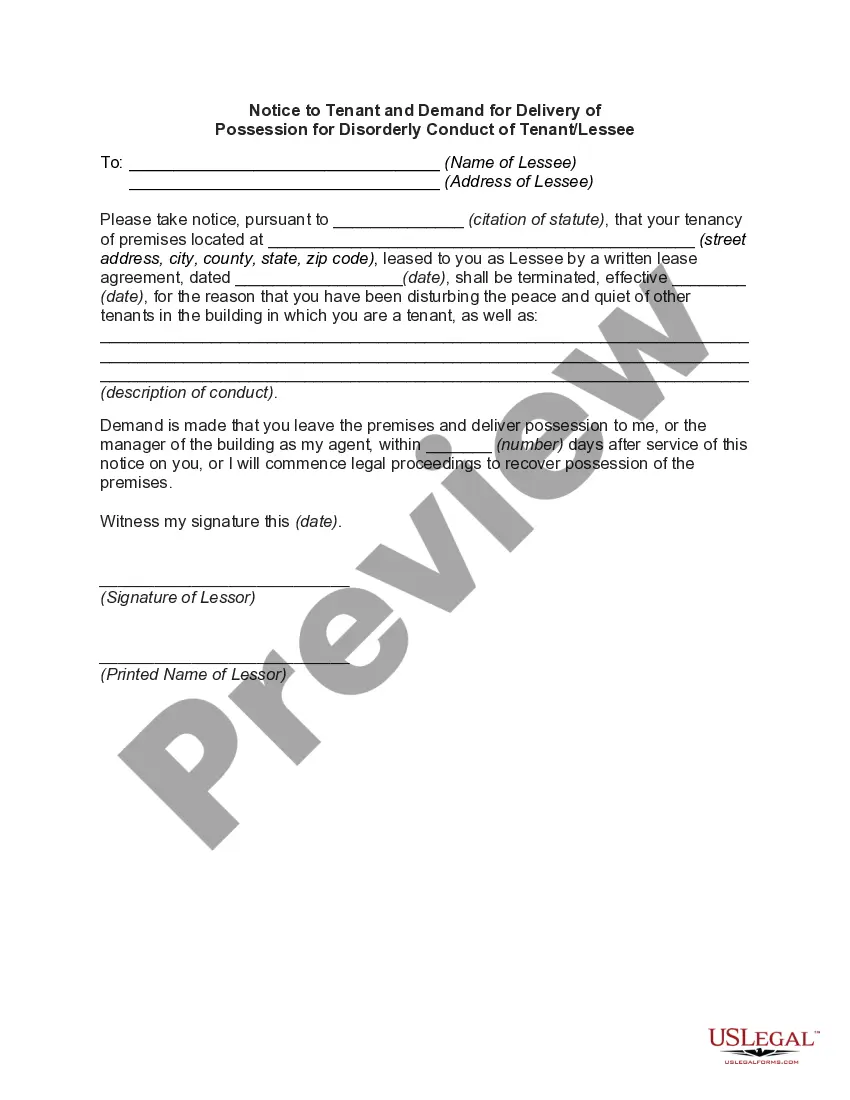
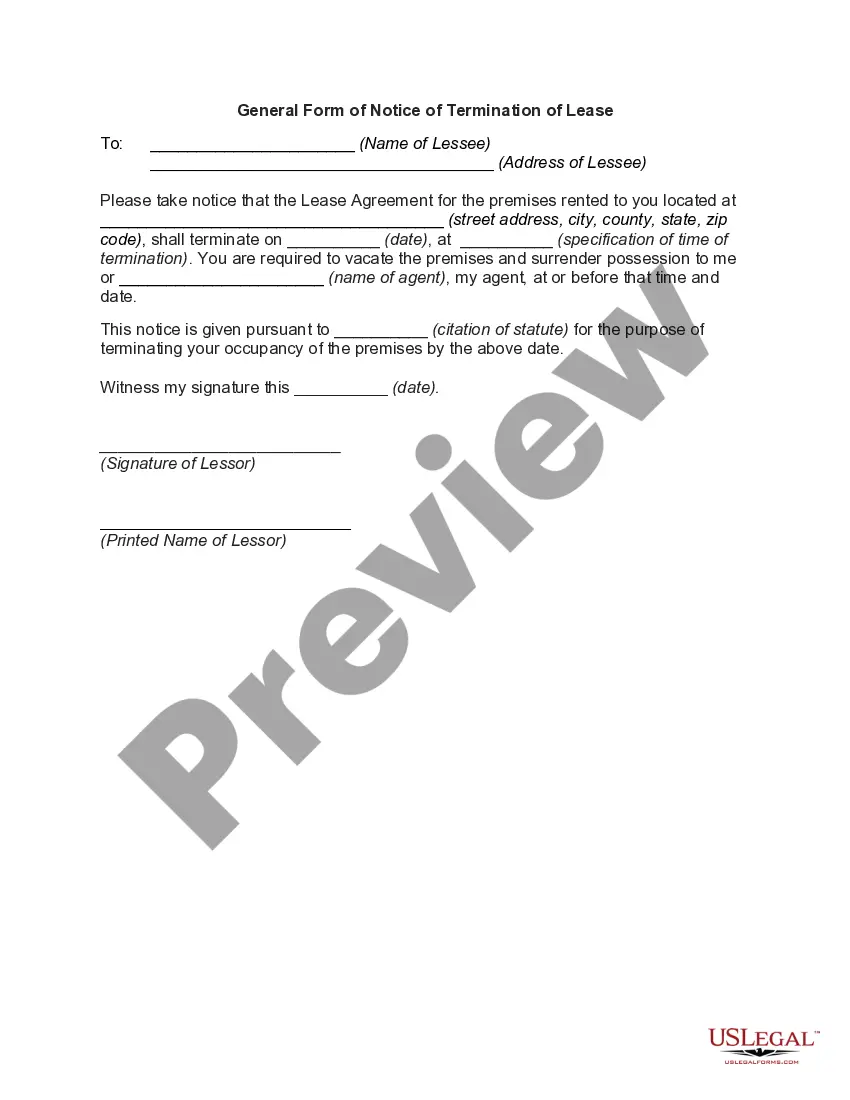

Get your form ready online
Our built-in tools help you complete, sign, share, and store your documents in one place.
Make edits, fill in missing information, and update formatting in US Legal Forms—just like you would in MS Word.
Download a copy, print it, send it by email, or mail it via USPS—whatever works best for your next step.
Sign and collect signatures with our SignNow integration. Send to multiple recipients, set reminders, and more. Go Premium to unlock E-Sign.
If this form requires notarization, complete it online through a secure video call—no need to meet a notary in person or wait for an appointment.
We protect your documents and personal data by following strict security and privacy standards.

Make edits, fill in missing information, and update formatting in US Legal Forms—just like you would in MS Word.

Download a copy, print it, send it by email, or mail it via USPS—whatever works best for your next step.

Sign and collect signatures with our SignNow integration. Send to multiple recipients, set reminders, and more. Go Premium to unlock E-Sign.

If this form requires notarization, complete it online through a secure video call—no need to meet a notary in person or wait for an appointment.

We protect your documents and personal data by following strict security and privacy standards.
Looking for another form?

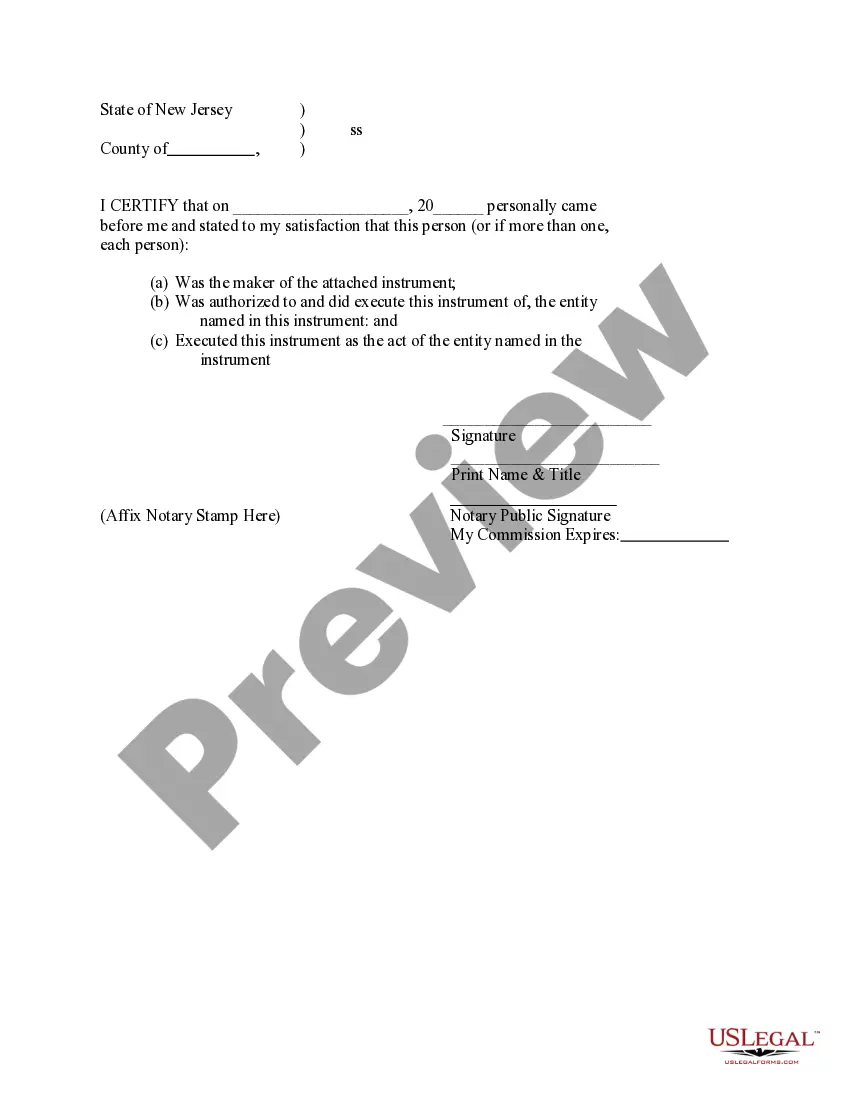
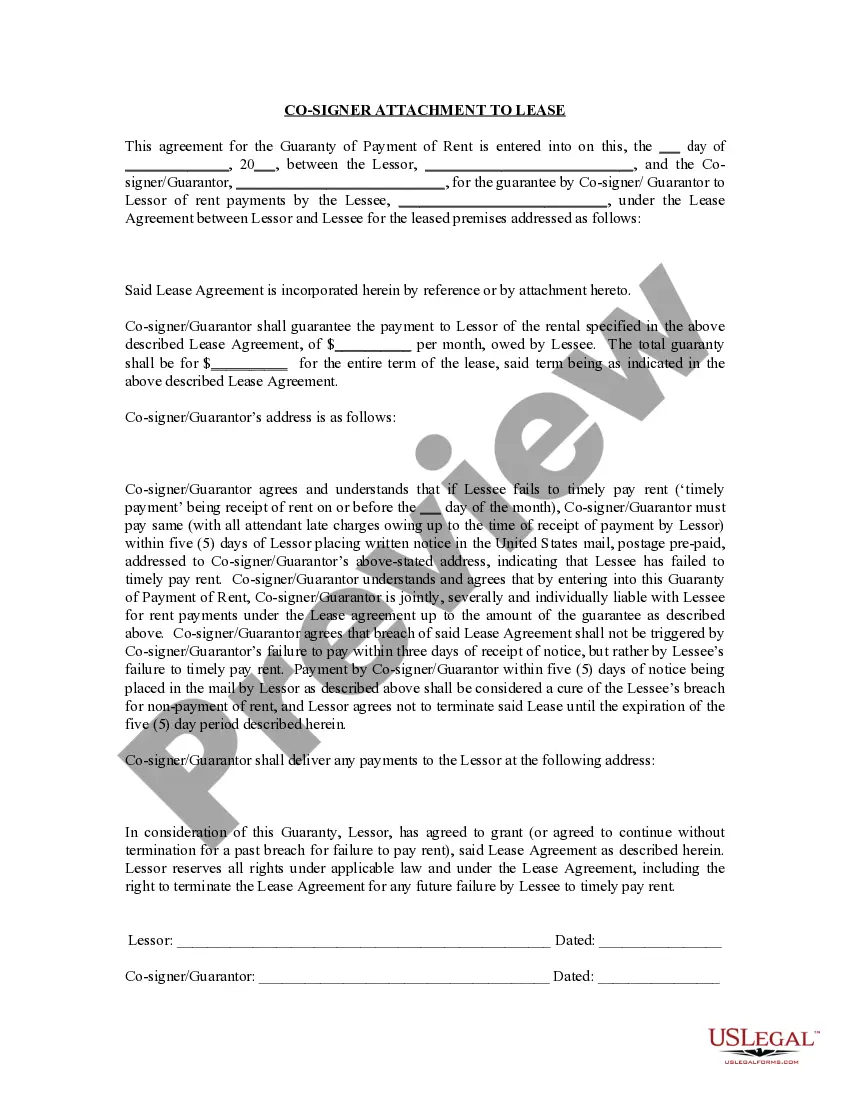

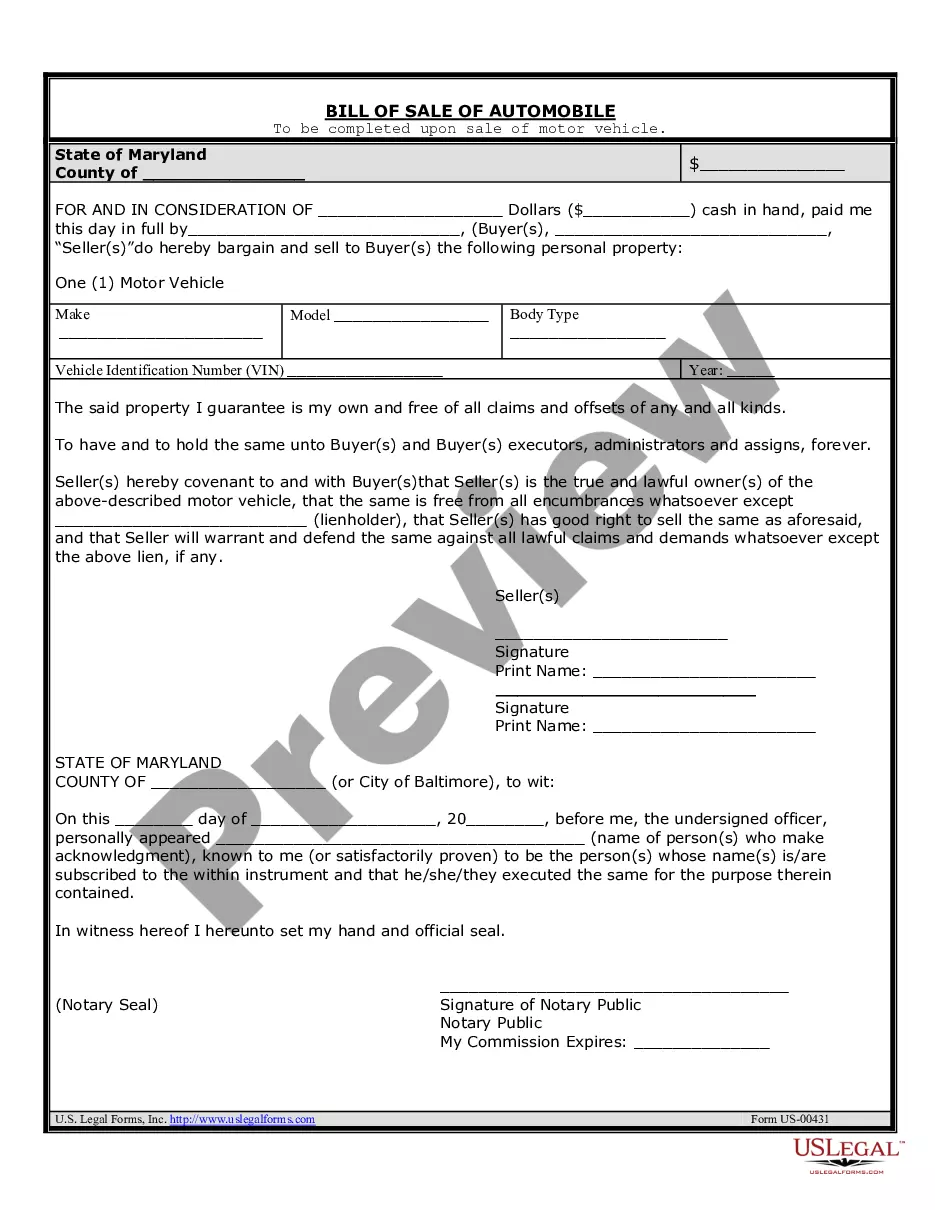
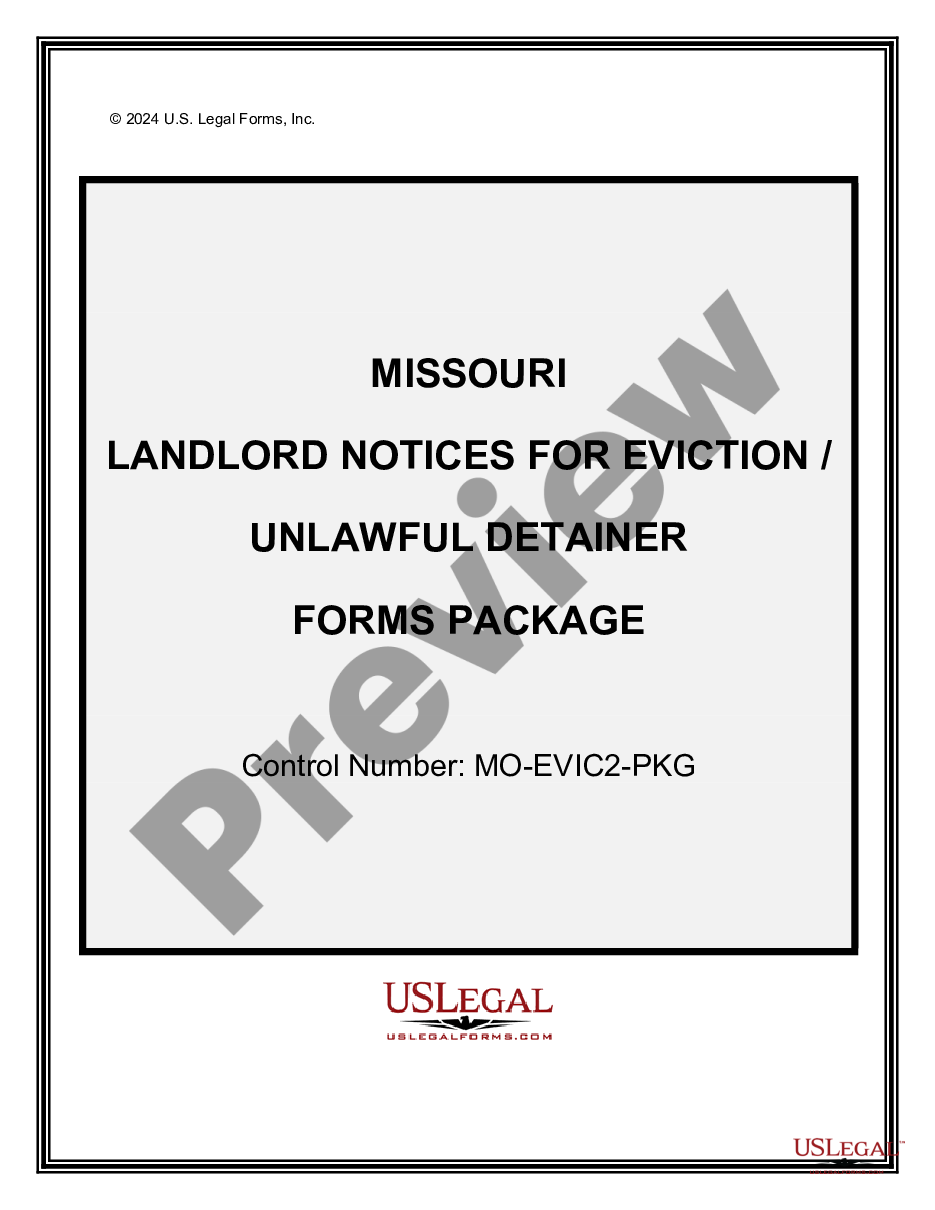
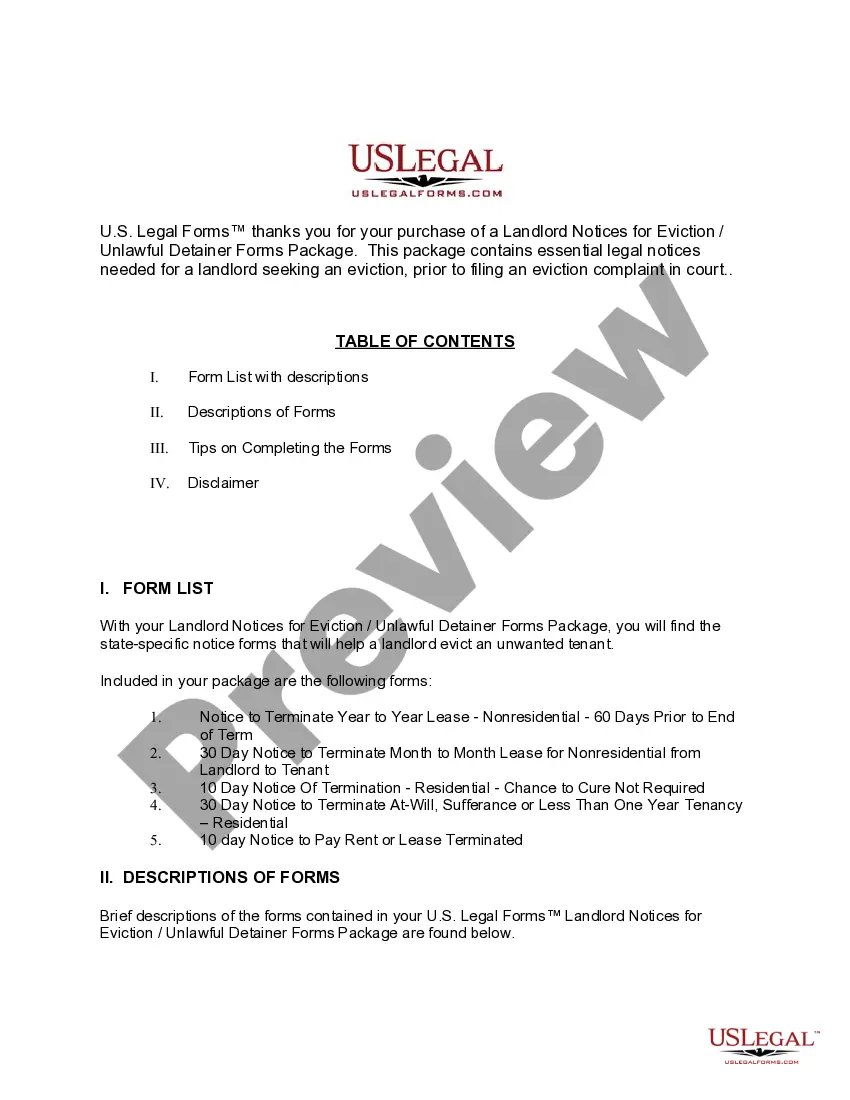
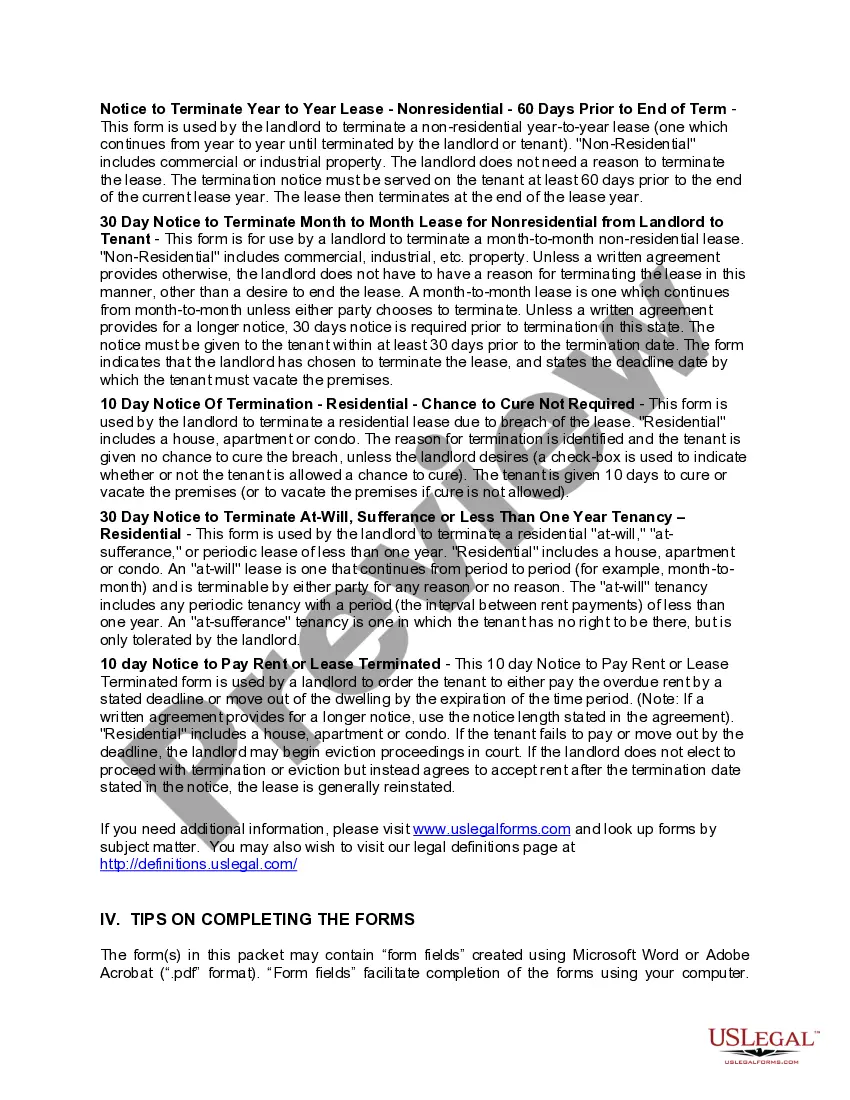
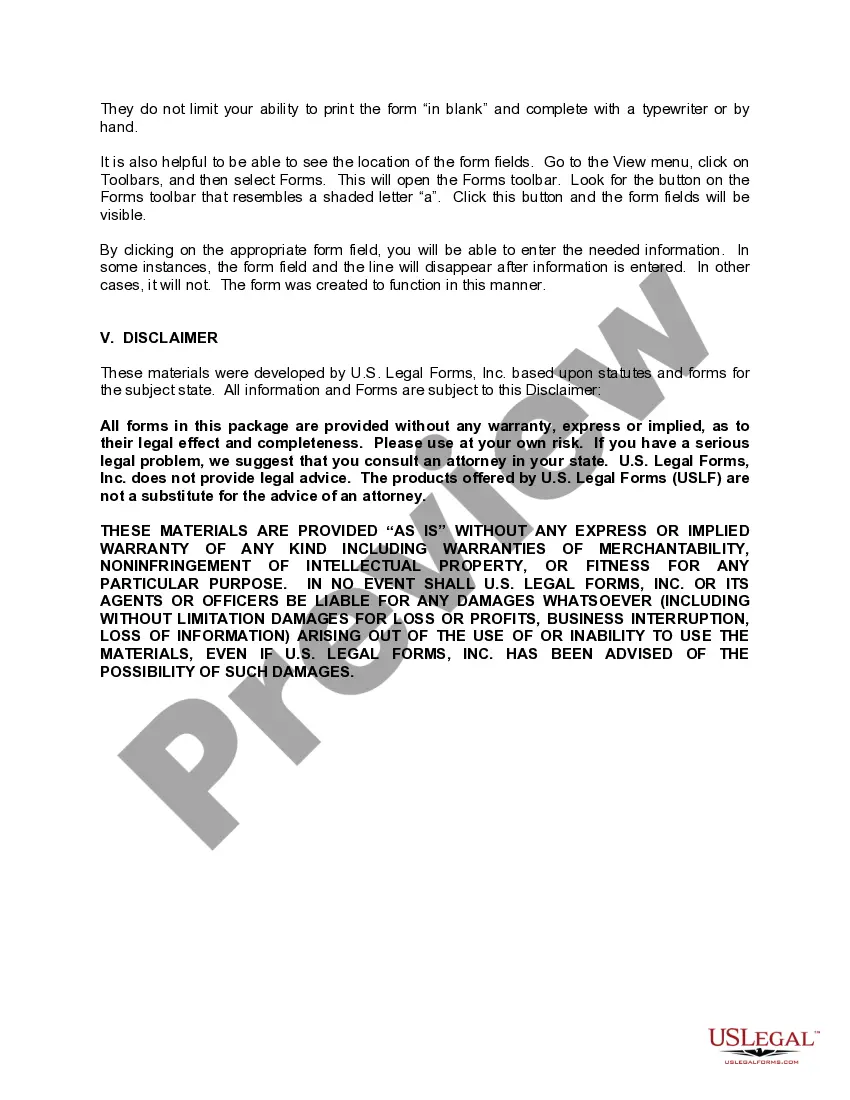
How to fill out Missouri Landlord Notices For Eviction / Unlawful Detainer Forms Package?
Managing legal documents can be daunting, even for experienced professionals.
If you are looking for Missouri Laws For Eviction and cannot find the time to search for the appropriate and current version, the experience may be stressful.
US Legal Forms meets any requirements you might have, from personal to corporate papers, all in one location.
Utilize advanced tools to fill out and handle your Missouri Laws For Eviction.
Here are the steps to follow after acquiring the form you need: Review the form to ensure it is the correct one by previewing it and examining its description.
- Access a valuable repository of articles, guidelines, manuals, and resources pertinent to your circumstances and needs.
- Save time and effort searching for the forms you require, and use US Legal Forms’ sophisticated search and Review feature to find Missouri Laws For Eviction and obtain it.
- If you have a monthly membership, Log In to your US Legal Forms account, find the form, and download it.
- Visit the My documents section to view the documents you have previously downloaded and manage your folders as desired.
- If it’s your first experience with US Legal Forms, create a free account to enjoy unlimited access to all the platform's features.
- A comprehensive online template directory can significantly benefit anyone aiming to navigate these circumstances effectively.
- US Legal Forms is a leading provider in online legal documents, offering over 85,000 jurisdiction-specific legal templates accessible to you at any time.
- With US Legal Forms, you can obtain legal and business forms that are specific to your state or county.
Form popularity
FAQ
The eviction timeline in Missouri depends on the type of notice given based on Missouri laws for eviction. For lease violations, you usually need to give a 10-day notice, while month-to-month leases typically require a 30-day notice. After the notice period, if the tenant hasn't vacated, you can proceed with filing an eviction lawsuit. Knowing these timelines is crucial for landlords to manage lease agreements effectively.
In order for a landlord to lawfully evict a tenant, the landlord must file an eviction lawsuit with the court and then receive a court order allowing the eviction to occur. Before filing an eviction lawsuit, the landlord must give the tenant a notice. The type of notice required depends on the reason for the eviction.
Service by Posting and Mailing If personal service cannot be made, the process server can post the papers on the main door of the property and mail a copy of the petition and summons to the tenant(s). Posting and mailing service must be made at least ten (10) days before the court date listed on the summons.
A Motion to Stay (Delay) Order for Summary Eviction allows the tenant to ask the court to "stay" (pause) a summary eviction and grant the tenant up to ten more days to move. (NRS 70.010(2); JCRCP 110.) A tenant can file a motion to stay at any time after an eviction notice is served.
The landlord can evict the tenant for violating any of the terms stipulated in the lease. In a Missouri eviction, this is called an unlawful detainer case. The landlord must provide the tenant with a 10-Day Notice to Quit that informs the tenant of their violation, and that they are about to be evicted.