Employee Personnel File Format
Description
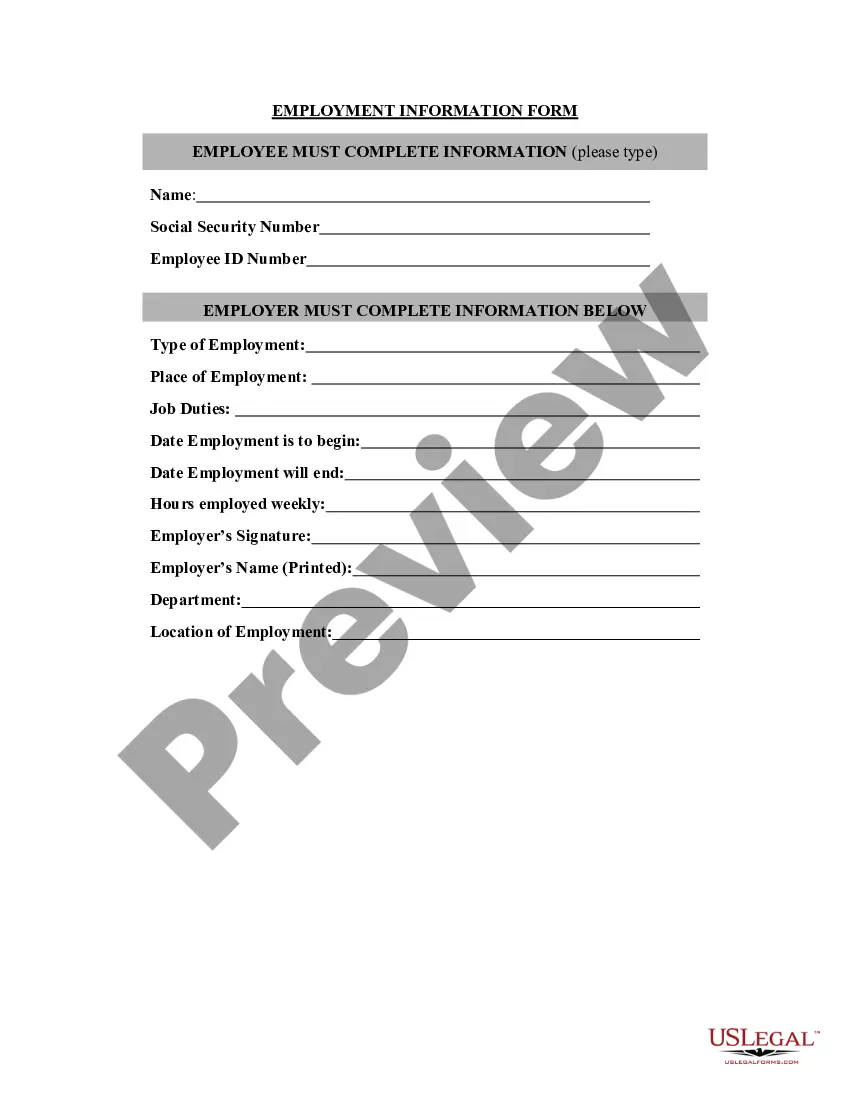
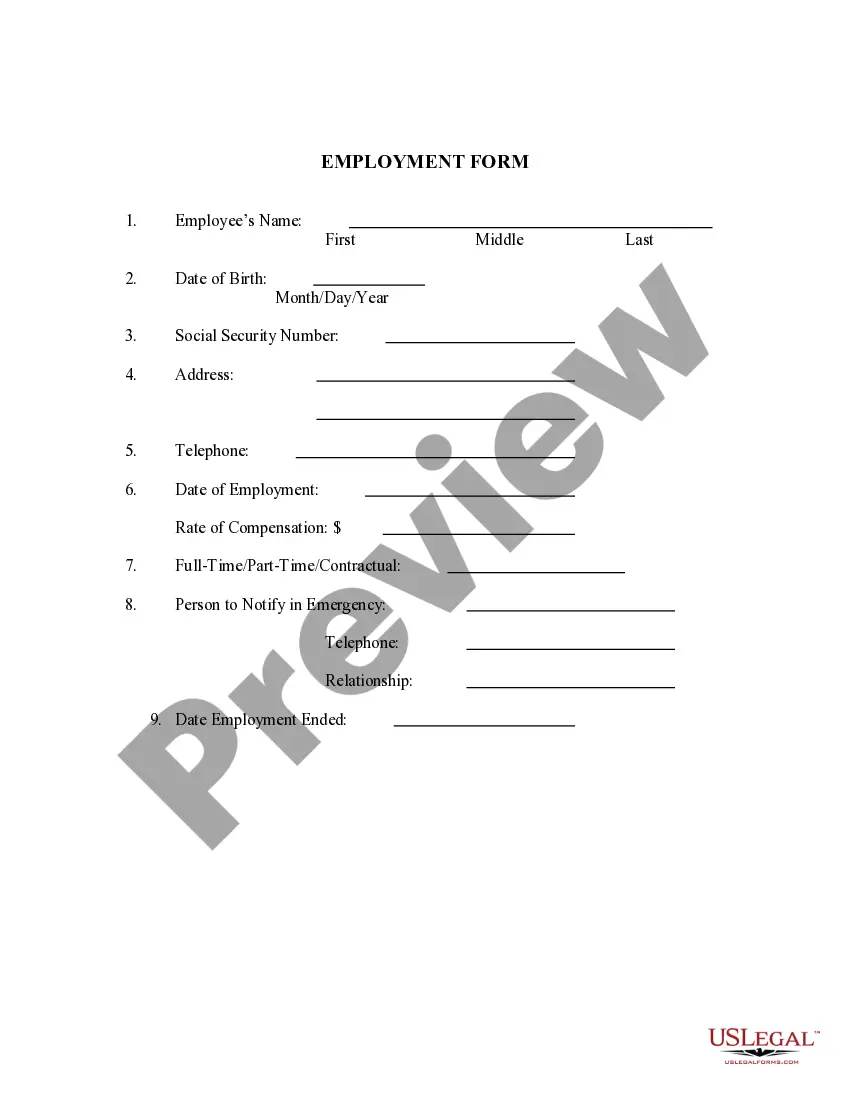
Get your form ready online
Our built-in tools help you complete, sign, share, and store your documents in one place.
Make edits, fill in missing information, and update formatting in US Legal Forms—just like you would in MS Word.
Download a copy, print it, send it by email, or mail it via USPS—whatever works best for your next step.
Sign and collect signatures with our SignNow integration. Send to multiple recipients, set reminders, and more. Go Premium to unlock E-Sign.
If this form requires notarization, complete it online through a secure video call—no need to meet a notary in person or wait for an appointment.
We protect your documents and personal data by following strict security and privacy standards.

Make edits, fill in missing information, and update formatting in US Legal Forms—just like you would in MS Word.

Download a copy, print it, send it by email, or mail it via USPS—whatever works best for your next step.

Sign and collect signatures with our SignNow integration. Send to multiple recipients, set reminders, and more. Go Premium to unlock E-Sign.

If this form requires notarization, complete it online through a secure video call—no need to meet a notary in person or wait for an appointment.

We protect your documents and personal data by following strict security and privacy standards.
Looking for another form?






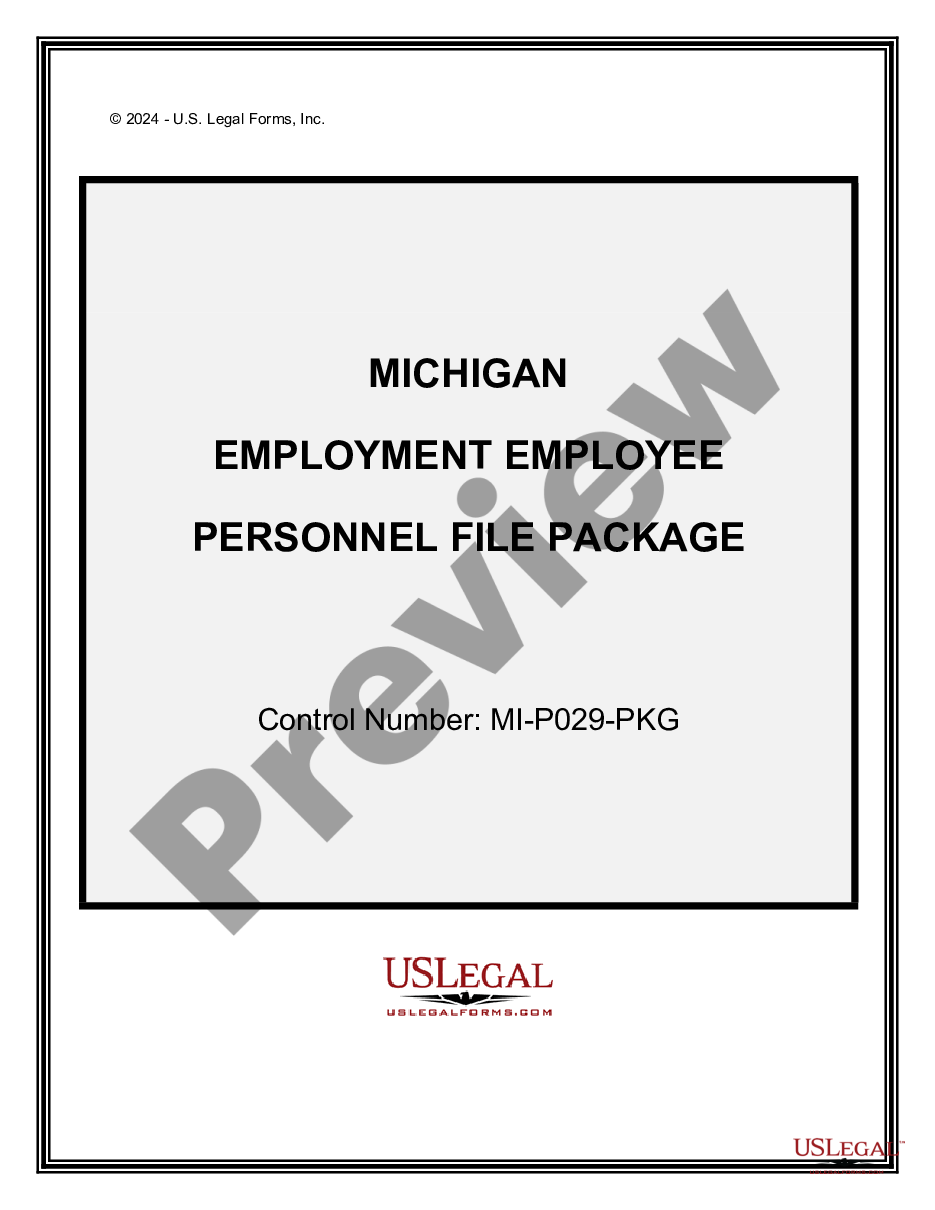
How to fill out Michigan Employment Employee Personnel File Package?
Whether for business purposes or for individual matters, everyone has to deal with legal situations at some point in their life. Filling out legal paperwork needs careful attention, starting with picking the right form template. For example, if you pick a wrong edition of the Employee Personnel File Format, it will be turned down once you submit it. It is therefore important to have a reliable source of legal papers like US Legal Forms.
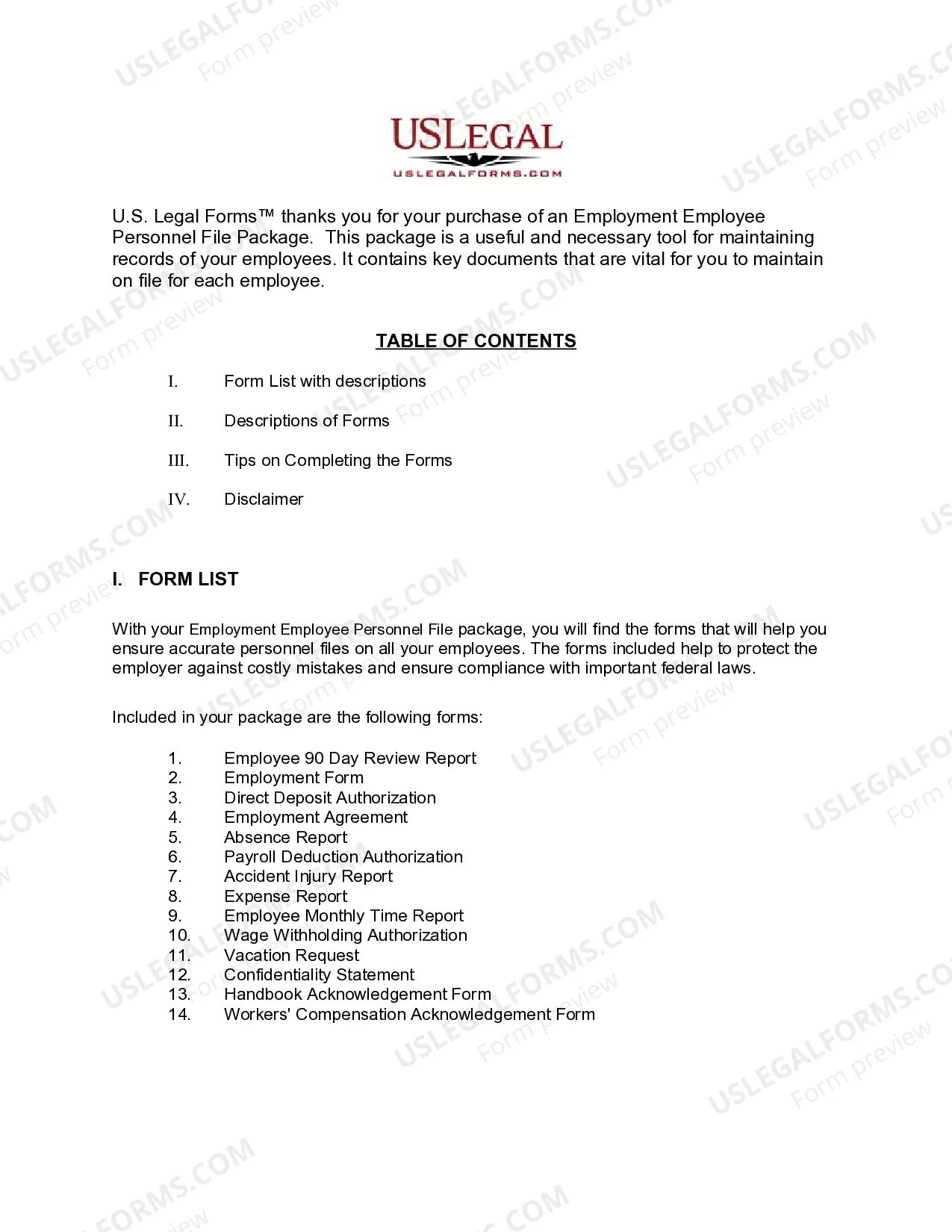
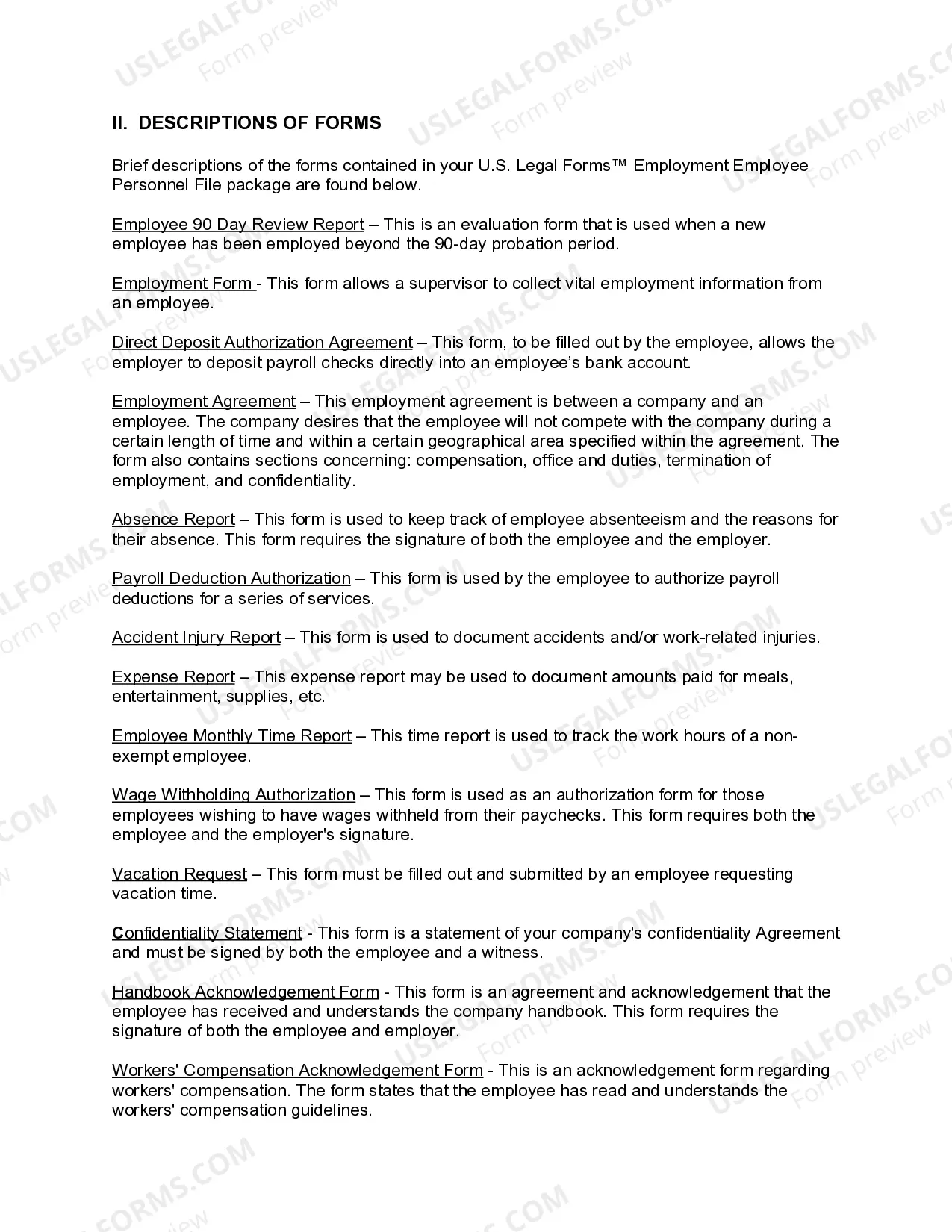
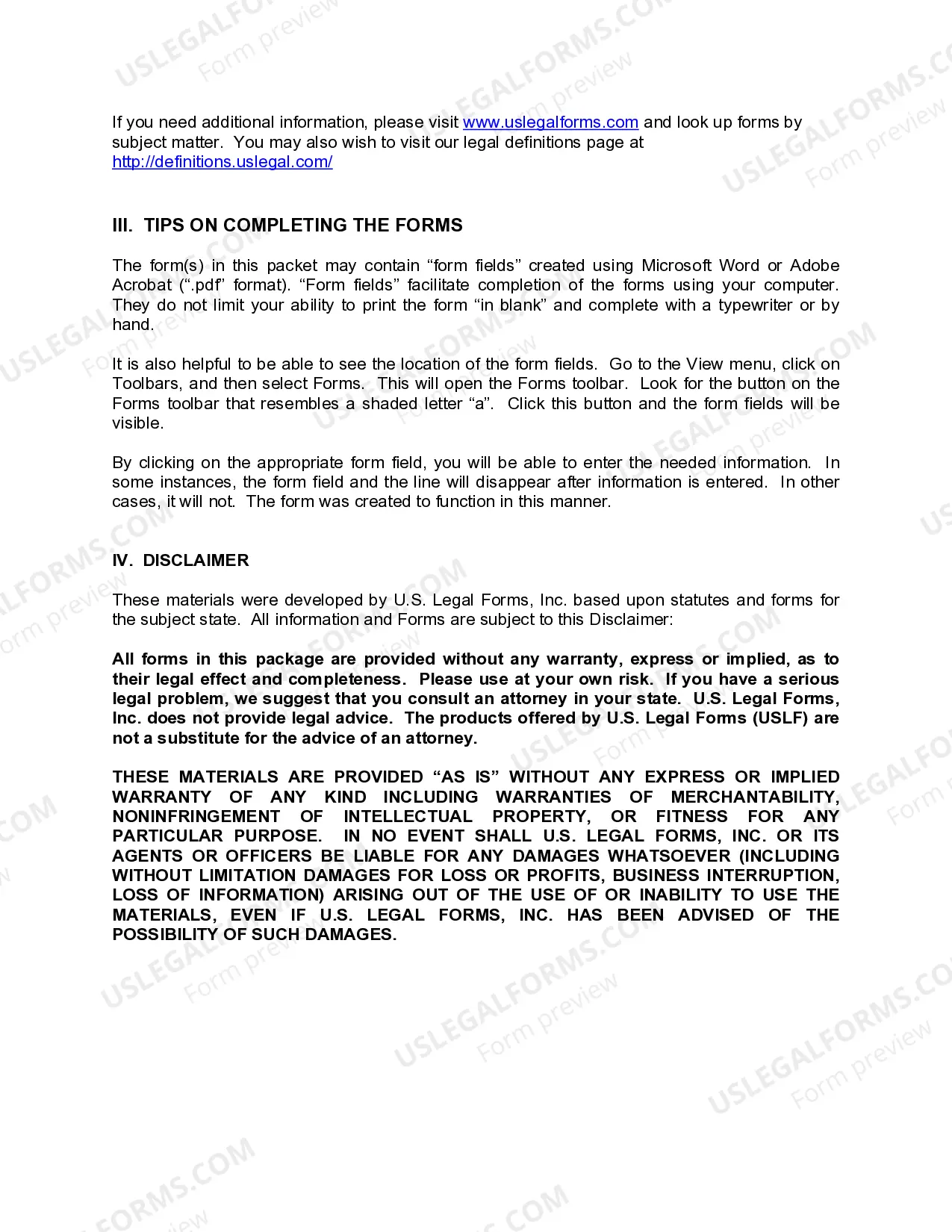
If you have to obtain a Employee Personnel File Format template, stick to these simple steps:
- Get the template you need using the search field or catalog navigation.
- Examine the form’s description to ensure it fits your situation, state, and county.
- Click on the form’s preview to view it.
- If it is the wrong document, go back to the search function to find the Employee Personnel File Format sample you require.
- Download the template when it matches your requirements.
- If you already have a US Legal Forms account, click Log in to access previously saved documents in My Forms.
- If you don’t have an account yet, you may download the form by clicking Buy now.
- Select the appropriate pricing option.
- Complete the account registration form.
- Pick your transaction method: you can use a credit card or PayPal account.
- Select the document format you want and download the Employee Personnel File Format.
- After it is downloaded, you can complete the form with the help of editing applications or print it and finish it manually.
With a substantial US Legal Forms catalog at hand, you don’t need to spend time searching for the appropriate template across the internet. Make use of the library’s simple navigation to get the right template for any occasion.
Form popularity
FAQ
Employers should keep all job-related documentation such as hiring records, performance reviews, disciplinary actions and job descriptions in an employee's general personnel file. Consider whether the document would be relevant to a supervisor who may review this file when making employment decisions.
Personnel files cover employment history and should include hiring documents, employee and emergency contact information, and a signed acknowledgment of your company's employee handbook. Over time, you can add performance reviews, disciplinary forms, employee awards, training records, and termination letters.
How to organize personnel files Determine which documents to store. Review company policy, federal law and state regulations to learn which documents to include in a personnel file. ... Choose a filing method. ... Format your documents. ... Learn who can access the files. ... Create a file retention policy. ... Update the files as needed.
If you choose to retain copies of an employee's documents for reasons unrelated to E-Verify requirements, you must do so for all employees, regardless of actual or perceived national origin, citizenship, or immigration status, or you may violate anti-discrimination laws.
Here's what you should typically keep in each employee file: Main file. Pre-hire information. Personal information. Business-specific forms. Job performance records. Separation / termination information, if applicable. Confidential information. Payroll records. Benefit information. Medical records. Form I-9.