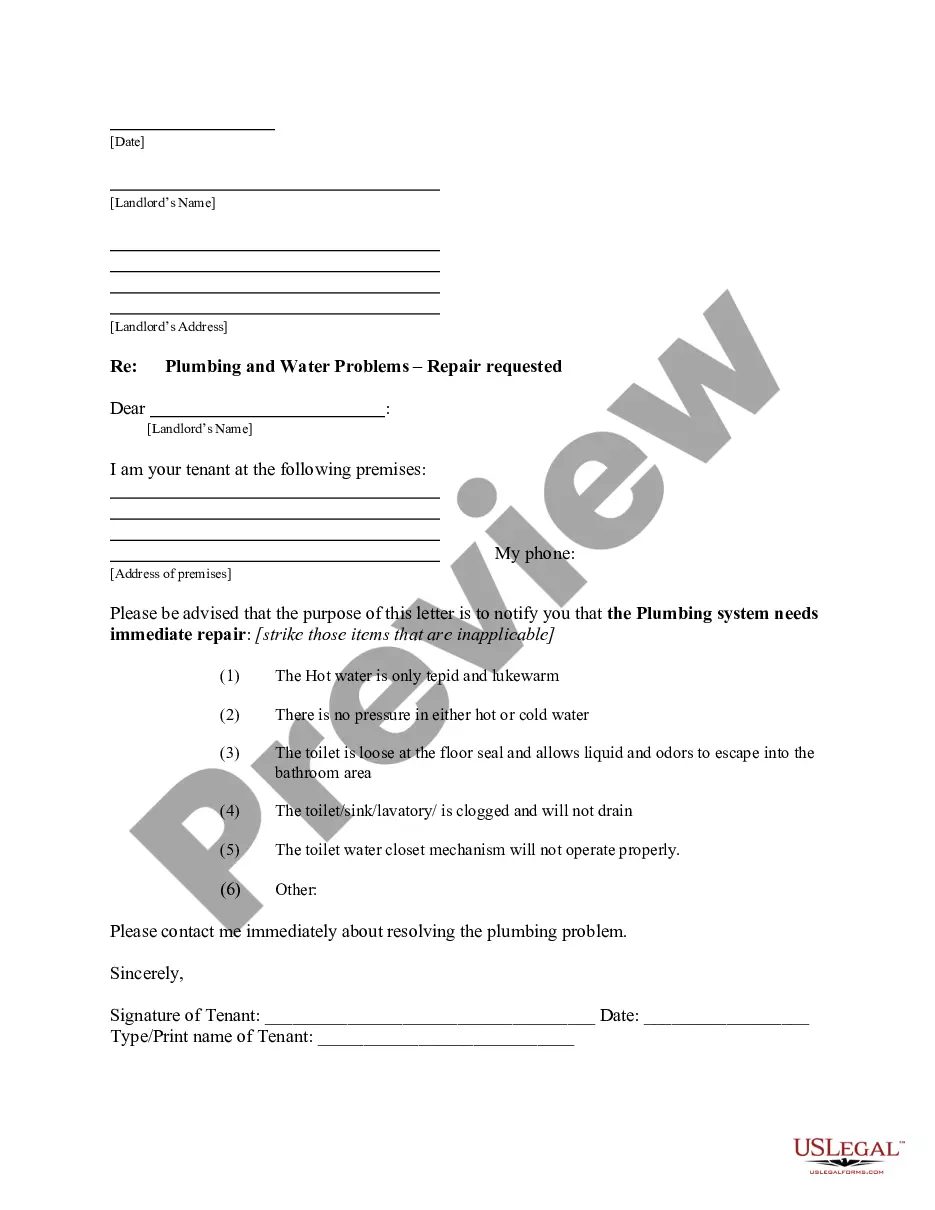
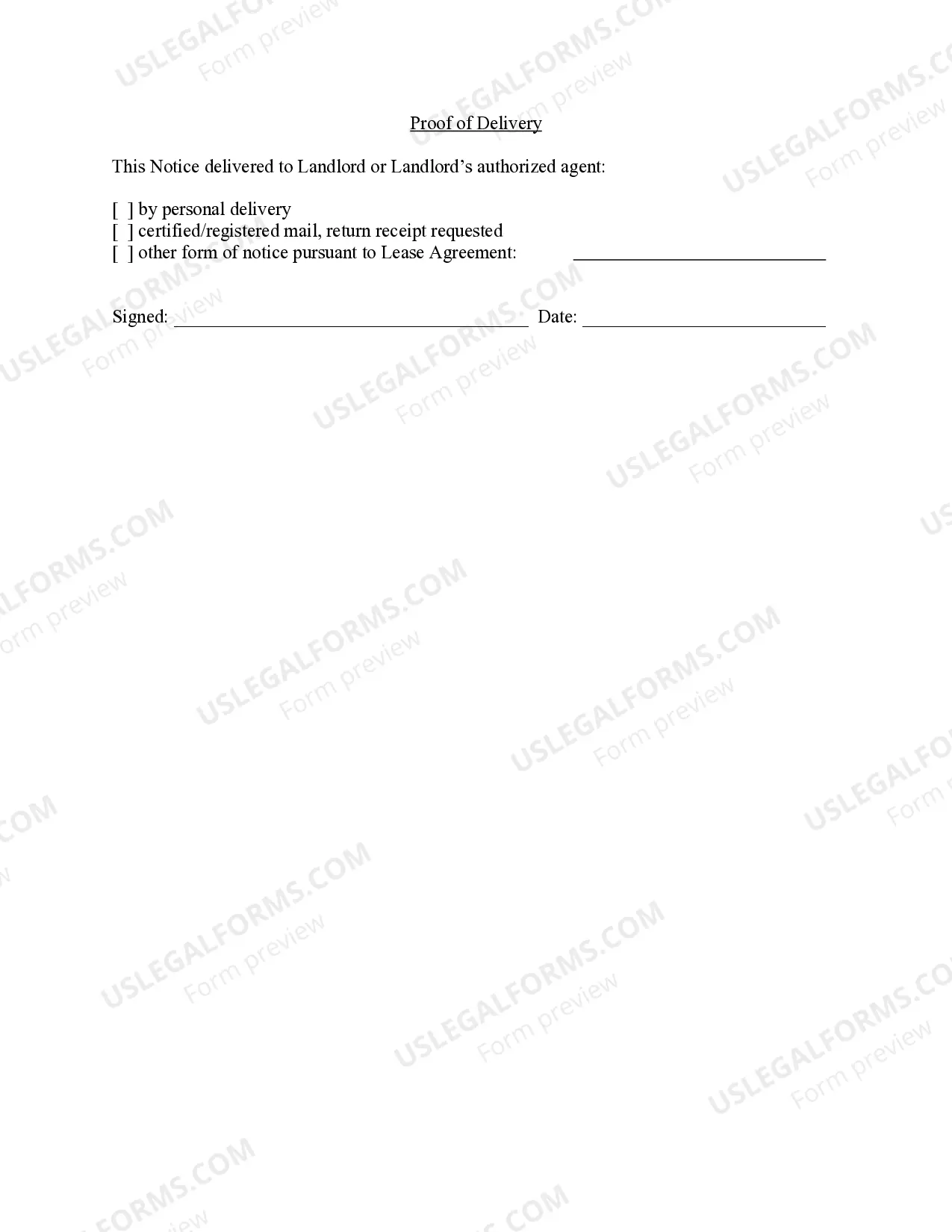
Maryland Letter Landlord For Snap
Description


Get your form ready online
Our built-in tools help you complete, sign, share, and store your documents in one place.
Make edits, fill in missing information, and update formatting in US Legal Forms—just like you would in MS Word.
Download a copy, print it, send it by email, or mail it via USPS—whatever works best for your next step.
Sign and collect signatures with our SignNow integration. Send to multiple recipients, set reminders, and more. Go Premium to unlock E-Sign.
If this form requires notarization, complete it online through a secure video call—no need to meet a notary in person or wait for an appointment.
We protect your documents and personal data by following strict security and privacy standards.

Make edits, fill in missing information, and update formatting in US Legal Forms—just like you would in MS Word.

Download a copy, print it, send it by email, or mail it via USPS—whatever works best for your next step.

Sign and collect signatures with our SignNow integration. Send to multiple recipients, set reminders, and more. Go Premium to unlock E-Sign.

If this form requires notarization, complete it online through a secure video call—no need to meet a notary in person or wait for an appointment.

We protect your documents and personal data by following strict security and privacy standards.
Looking for another form?
Form popularity
FAQ
When writing a letter for a rental, start by introducing yourself and explaining your interest in the property. Include relevant details like your rental history and reasons for choosing the location. Clearly express your intentions and any specific requests you may have. Leveraging a Maryland letter landlord for snap can provide you with a structured format to present your rental application compellingly.
In Maryland, a landlord typically must give at least 30 days' notice before terminating a month-to-month lease. For leases with a specific end date, the landlord is required to honor that date and cannot terminate early without cause. Always refer to your lease agreement for any additional requirements. Understanding the notice requirements can help you prepare accordingly, and utilizing a Maryland letter landlord for snap can facilitate your communication with your landlord.
To report a landlord in Maryland, gather any documentation that supports your complaint, such as lease agreements or photographs of violations. You can file a complaint with the Maryland Department of Housing and Community Development or your local housing authority. It is essential to include specific details about the issue you are facing. A Maryland letter landlord for snap may assist you in organizing your thoughts and presenting them clearly in your complaint.
Begin your late rent payment letter by acknowledging the late payment and expressing your intentions to resolve the issue. Clearly mention the reasons for the delay and provide a proposed date by which you will make the payment. Be sure to include your current contact information. A well-crafted Maryland letter landlord for snap can help you present your case effectively and maintain a good relationship with your landlord.
To write a request letter for outstanding payment, clearly state the amount owed, the due date, and any previous communications regarding the payment. Use a polite yet firm tone to convey the importance of settling the debt. Include details such as your contact information and the preferred payment method. Utilizing a Maryland letter landlord for snap can streamline your communication with your landlord.
Yes, in Maryland, tenants can provide a 30-day notice to vacate under most lease agreements. This notice should clearly state your intent to leave and the last day of occupancy. Utilizing an easy-to-follow Maryland letter landlord for snap can simplify this process, ensuring you complete it correctly and professionally.
In Maryland, you typically do not have to give 60 days' notice at the end of a lease unless stated in your lease agreement. Most leases require a 30-day notice, but reviewing your specific terms is essential. If unsure, consider consulting resources like uslegalforms to guide you correctly.
When writing a formal letter to a landlord, start with your contact information, followed by the landlord's details and the date. Use a polite tone and clearly outline your purpose, whether notifying them of your move or addressing an issue. Conclude with any necessary requests and your signature for a professional touch.
As a tenant, you generally need to give at least 30 days’ notice before moving out in Maryland. However, this may vary based on your lease agreement. For instance, if you have a fixed-term lease, you may need to inform your landlord according to the terms laid out in that contract.
In Maryland, the minimum notice a landlord can provide depends on the lease type. For a month-to-month lease, the landlord typically must give 30 days' notice. It’s crucial to check your lease agreement and understand the specific terms related to your situation.