Requesting Mortgage Online For Credit Card
Description
Get your form ready online
Our built-in tools help you complete, sign, share, and store your documents in one place.
Make edits, fill in missing information, and update formatting in US Legal Forms—just like you would in MS Word.
Download a copy, print it, send it by email, or mail it via USPS—whatever works best for your next step.
Sign and collect signatures with our SignNow integration. Send to multiple recipients, set reminders, and more. Go Premium to unlock E-Sign.
If this form requires notarization, complete it online through a secure video call—no need to meet a notary in person or wait for an appointment.
We protect your documents and personal data by following strict security and privacy standards.

Make edits, fill in missing information, and update formatting in US Legal Forms—just like you would in MS Word.

Download a copy, print it, send it by email, or mail it via USPS—whatever works best for your next step.

Sign and collect signatures with our SignNow integration. Send to multiple recipients, set reminders, and more. Go Premium to unlock E-Sign.

If this form requires notarization, complete it online through a secure video call—no need to meet a notary in person or wait for an appointment.

We protect your documents and personal data by following strict security and privacy standards.
Looking for another form?

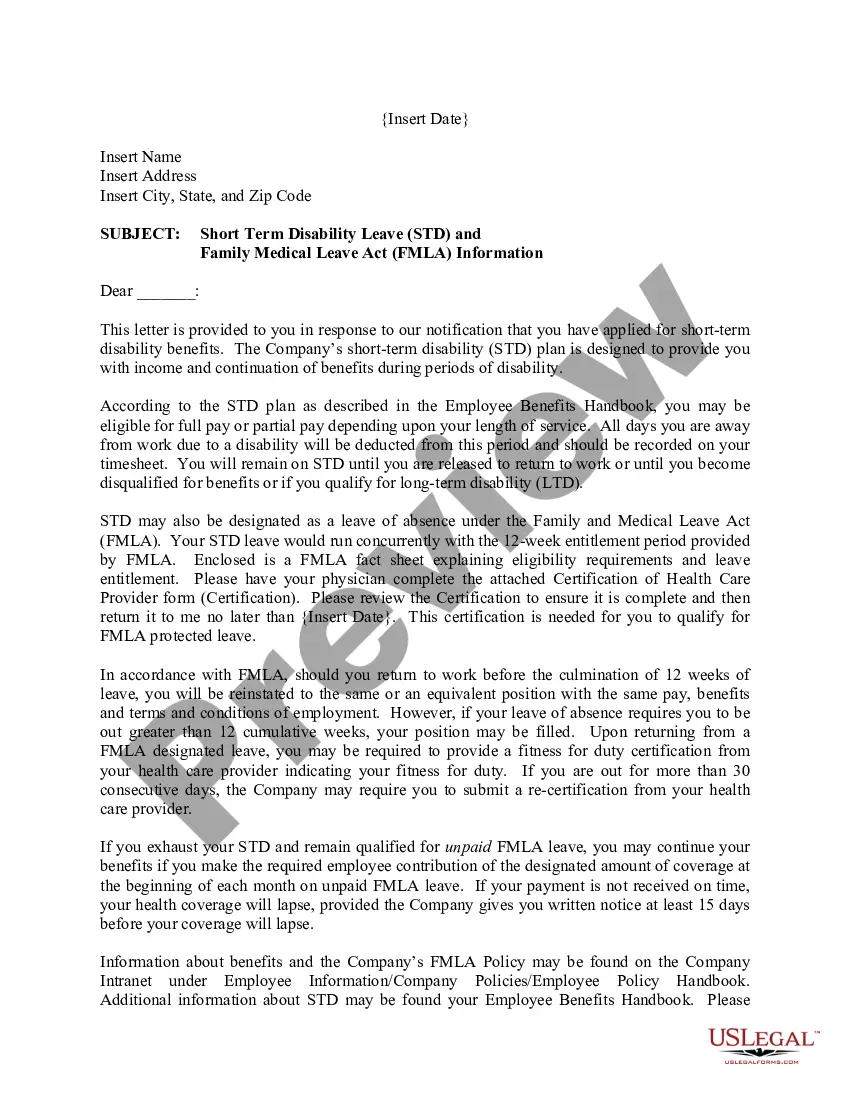

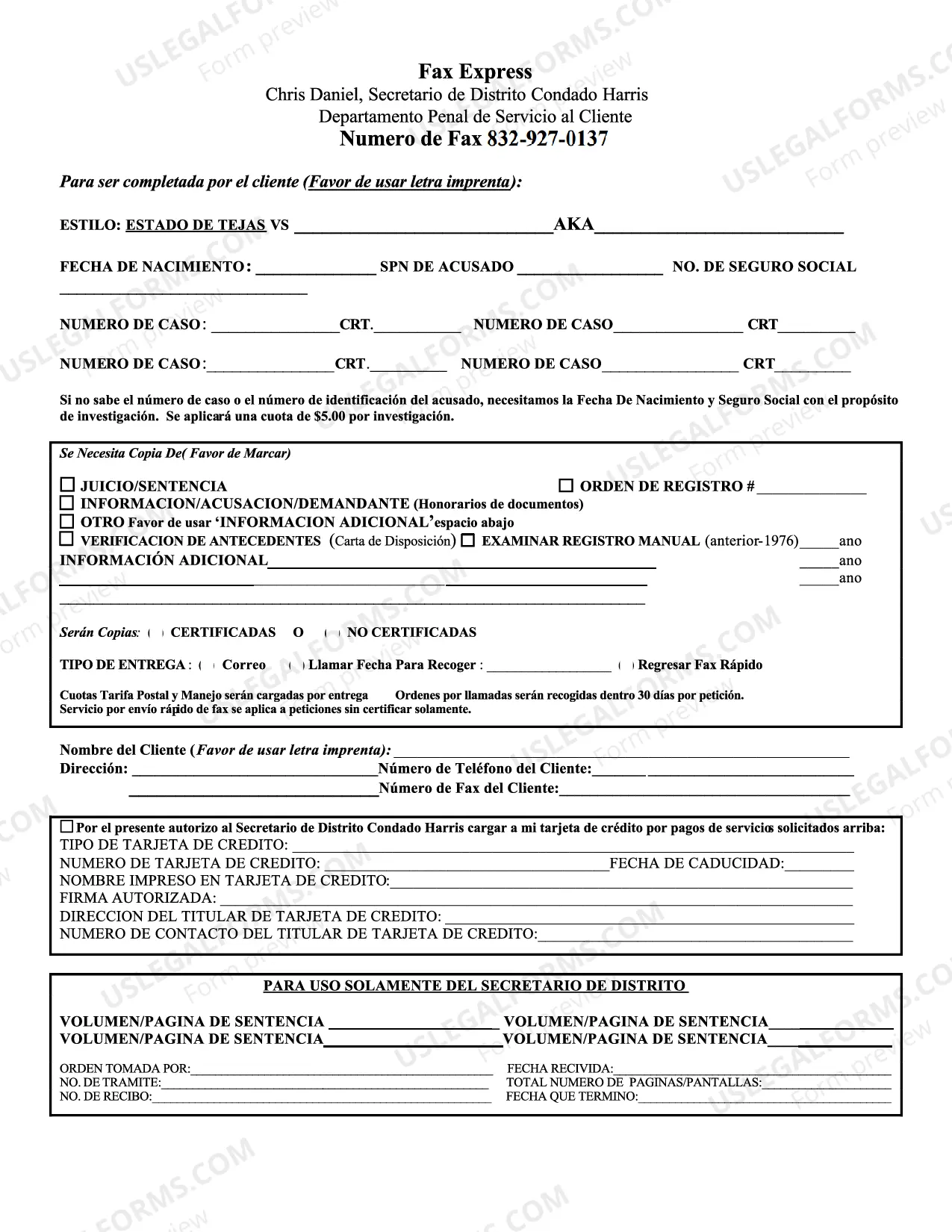
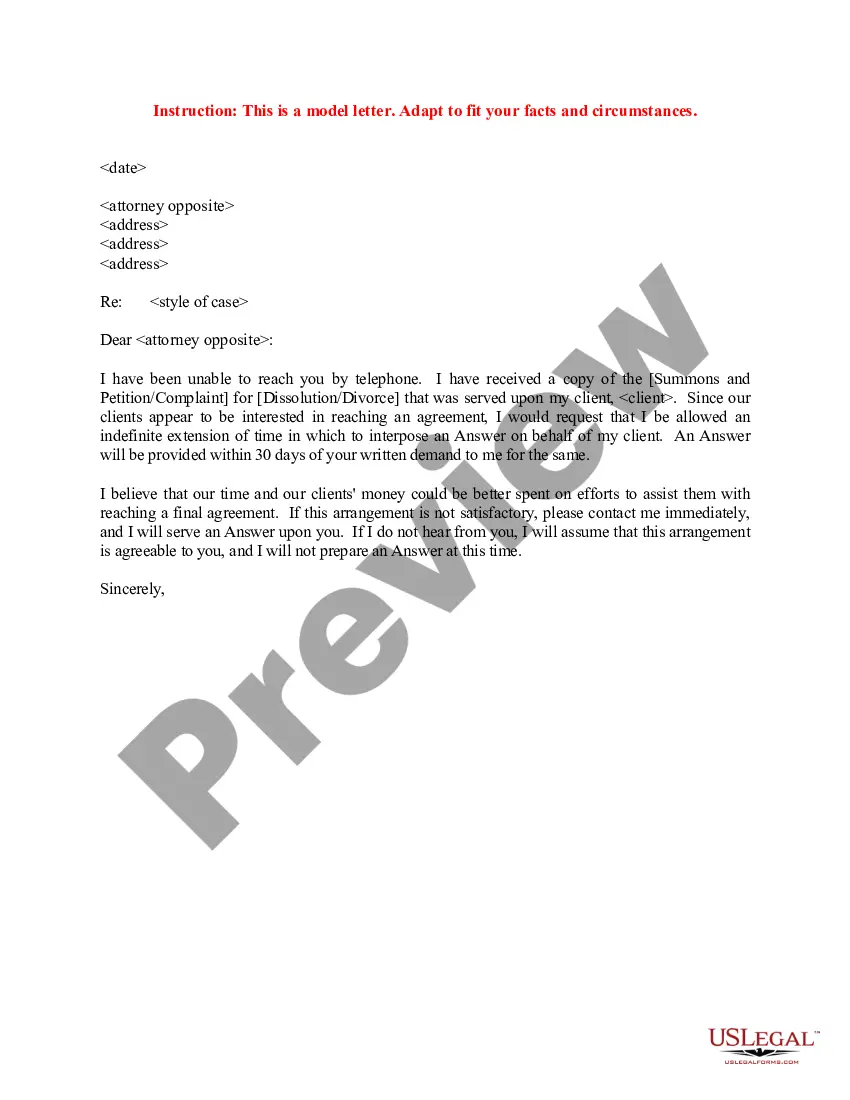
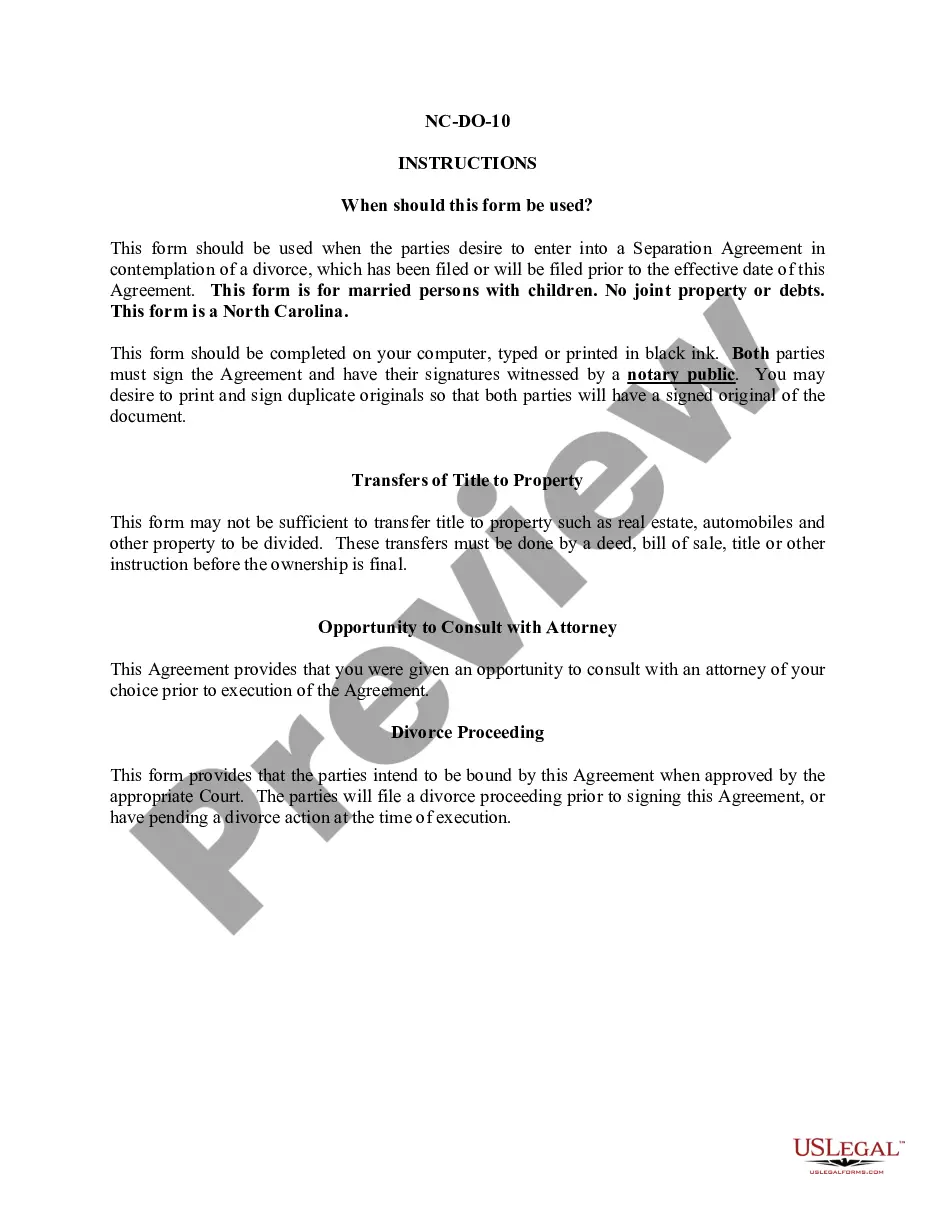
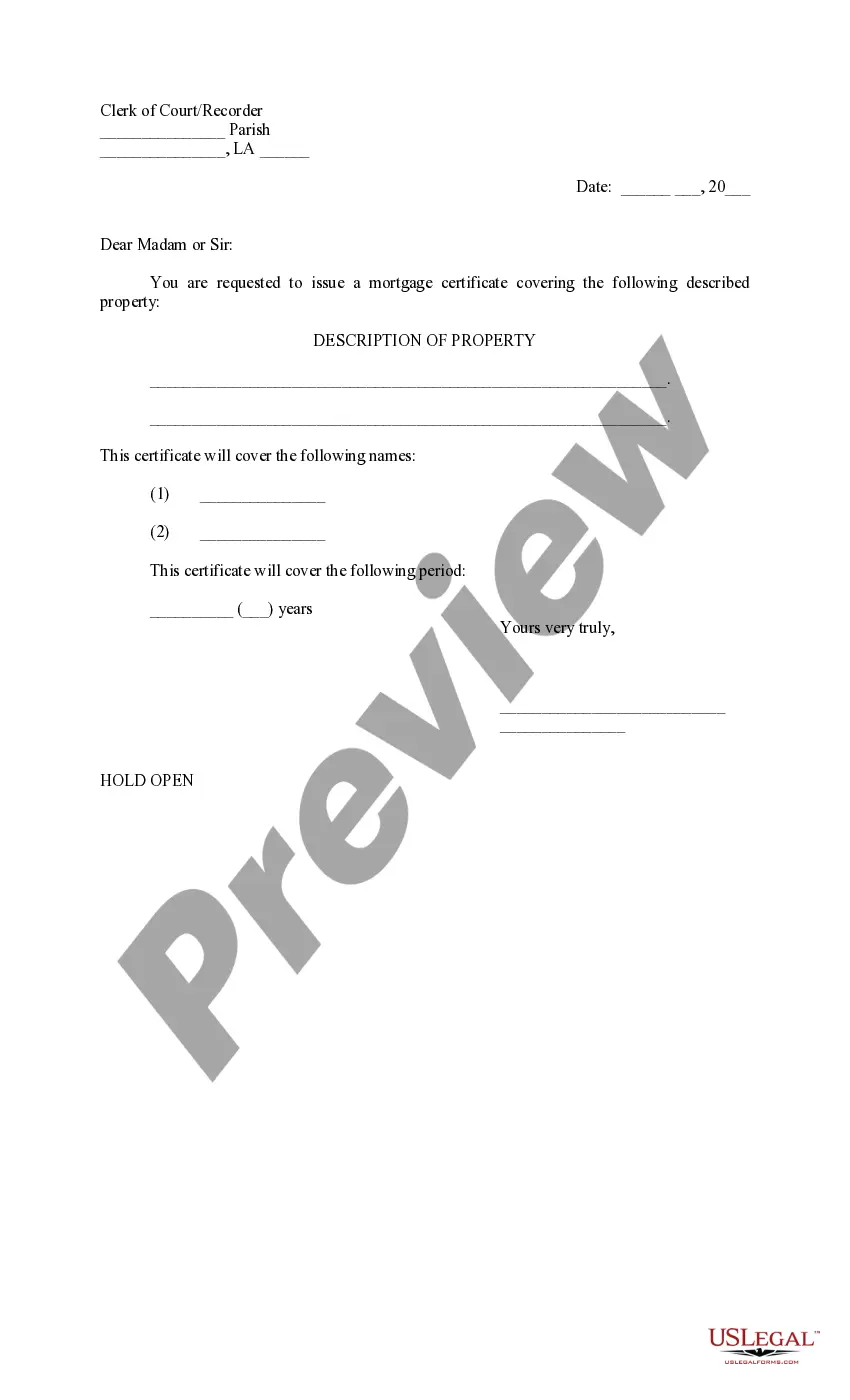
How to fill out Louisiana Letter To Clerk Of Court Requesting Issuance Of Mortgage Certificate?
Getting a go-to place to take the most current and appropriate legal templates is half the struggle of dealing with bureaucracy. Finding the right legal papers calls for precision and attention to detail, which is why it is crucial to take samples of Requesting Mortgage Online For Credit Card only from reliable sources, like US Legal Forms. A wrong template will waste your time and delay the situation you are in. With US Legal Forms, you have very little to worry about. You may access and see all the details concerning the document’s use and relevance for the circumstances and in your state or region.
Take the listed steps to complete your Requesting Mortgage Online For Credit Card:
- Make use of the library navigation or search field to find your sample.
- Open the form’s information to see if it fits the requirements of your state and region.
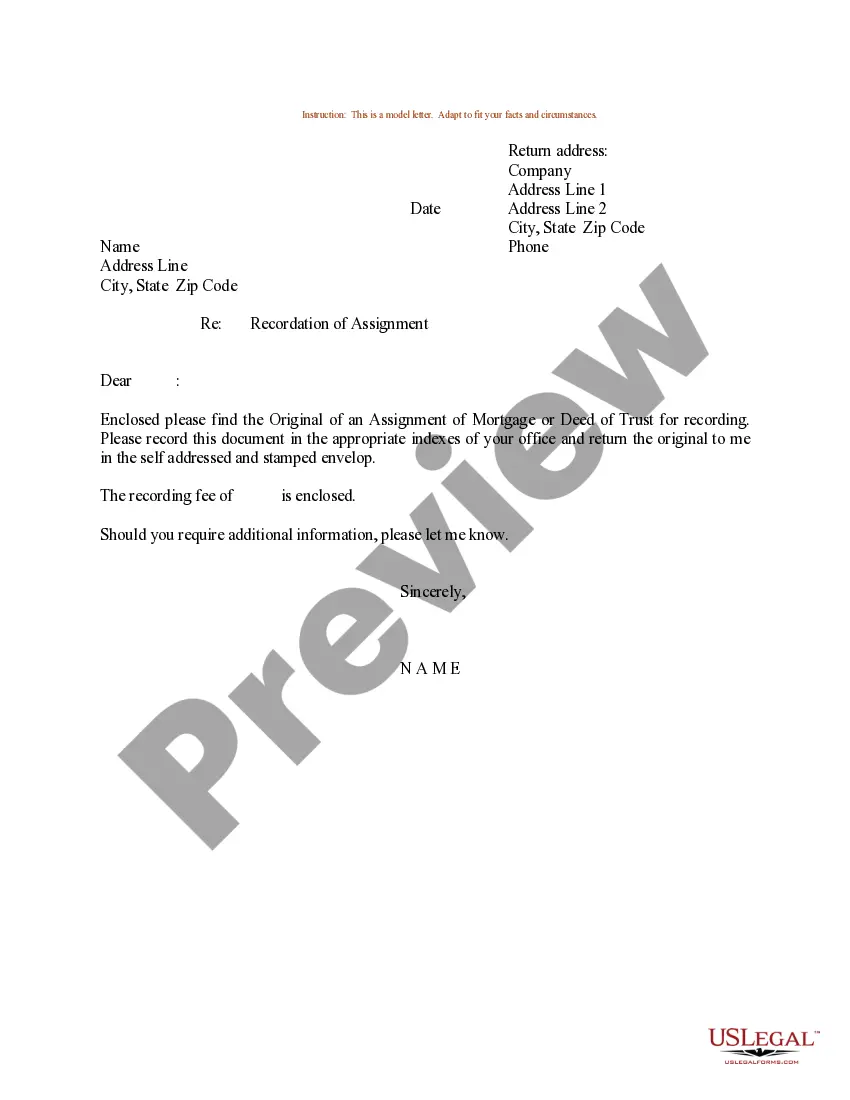
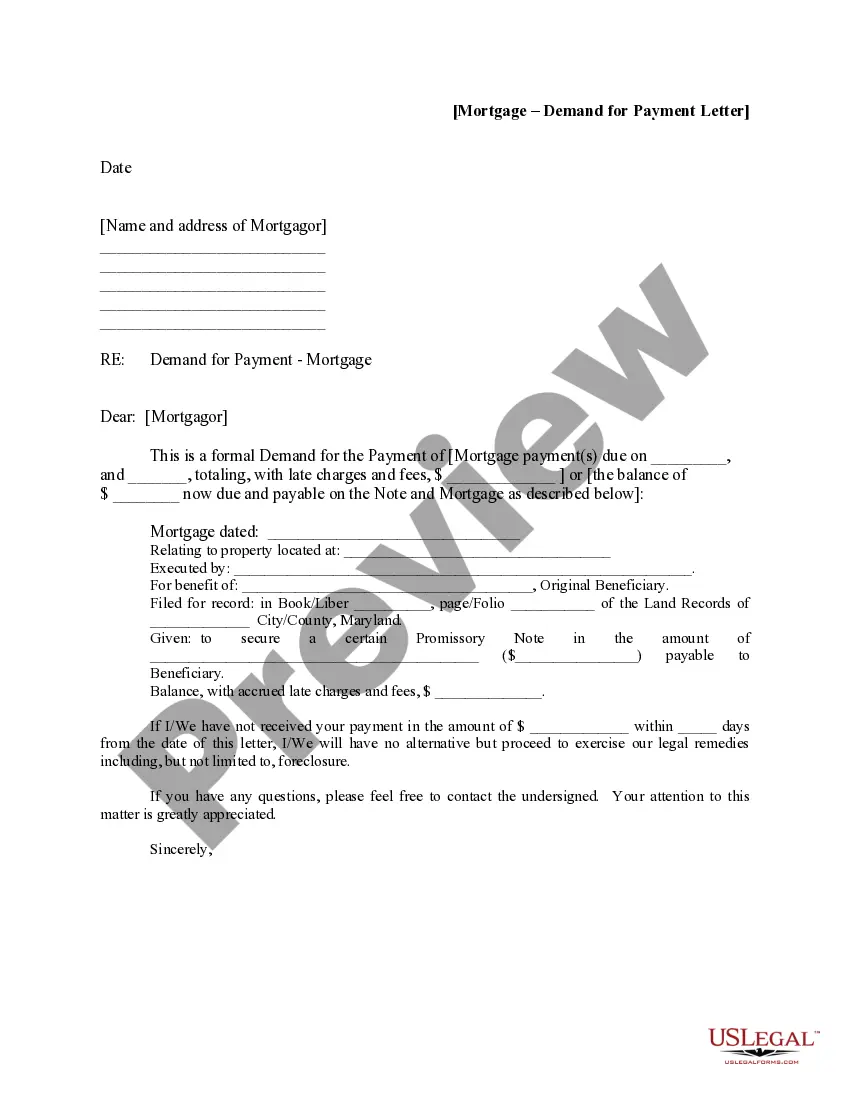
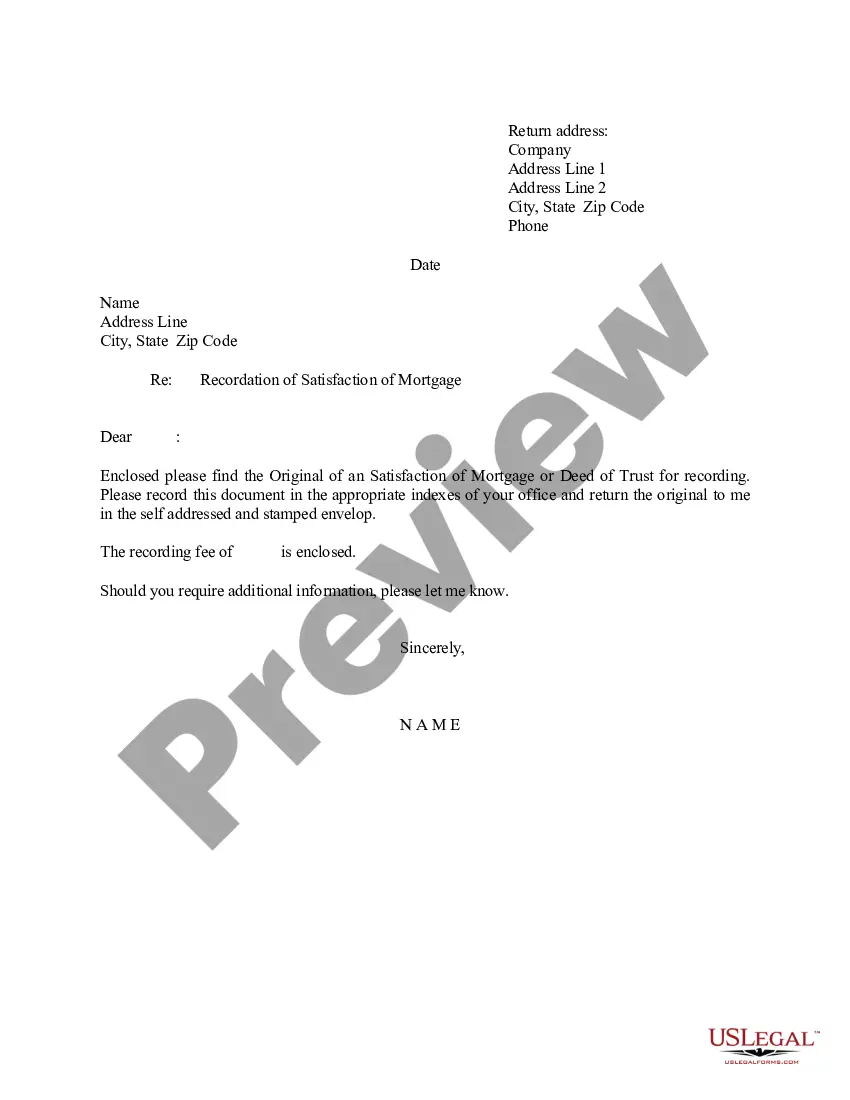
- Open the form preview, if available, to make sure the form is the one you are looking for.
- Resume the search and find the correct template if the Requesting Mortgage Online For Credit Card does not suit your requirements.
- If you are positive about the form’s relevance, download it.
- If you are a registered customer, click Log in to authenticate and access your picked forms in My Forms.
- If you do not have an account yet, click Buy now to obtain the template.
- Pick the pricing plan that fits your requirements.
- Go on to the registration to finalize your purchase.
- Complete your purchase by selecting a transaction method (credit card or PayPal).
- Pick the document format for downloading Requesting Mortgage Online For Credit Card.
- When you have the form on your gadget, you may alter it with the editor or print it and finish it manually.
Remove the hassle that accompanies your legal documentation. Explore the extensive US Legal Forms collection where you can find legal templates, check their relevance to your circumstances, and download them on the spot.
Form popularity
FAQ
Unfortunately, in order for your mortgage account to be included in your credit history, it must be reported by your lender. As an individual, you cannot submit your own mortgage account information to be added to your credit report.
Here are some of the things mortgage experts recommend you include: The date you're writing the letter. The lender's name, mailing address, and phone number. Your full legal name and loan application number. Your explanation, with references to any supporting documents you're including. Your mailing address and phone number.
A letter of explanation may provide the extra documentation needed to: Clear up any discrepancies on your credit report, like late payments or cosigned loans. Verify the dates of major credit issues like bankruptcies or foreclosures. Help an underwriter understand how you earn money or why your income changed.
Section VI: Assets and liabilities In this section, you'll list assets including savings, checking and retirement accounts and any properties you own. Under liabilities, you'll include all debts such as car loans, credit cards, other mortgages and any alimony or child support you're obligated to pay.
By federal law, lenders cannot extend credit to someone without first determining that the applicant has the ability to make payments, which is why credit card applications ask for things like your income, employment information, and what you pay in mortgage or rent.