Bail For Necklace
Description

Get your form ready online
Our built-in tools help you complete, sign, share, and store your documents in one place.
Make edits, fill in missing information, and update formatting in US Legal Forms—just like you would in MS Word.
Download a copy, print it, send it by email, or mail it via USPS—whatever works best for your next step.
Sign and collect signatures with our SignNow integration. Send to multiple recipients, set reminders, and more. Go Premium to unlock E-Sign.
If this form requires notarization, complete it online through a secure video call—no need to meet a notary in person or wait for an appointment.
We protect your documents and personal data by following strict security and privacy standards.

Make edits, fill in missing information, and update formatting in US Legal Forms—just like you would in MS Word.

Download a copy, print it, send it by email, or mail it via USPS—whatever works best for your next step.

Sign and collect signatures with our SignNow integration. Send to multiple recipients, set reminders, and more. Go Premium to unlock E-Sign.

If this form requires notarization, complete it online through a secure video call—no need to meet a notary in person or wait for an appointment.

We protect your documents and personal data by following strict security and privacy standards.
Looking for another form?


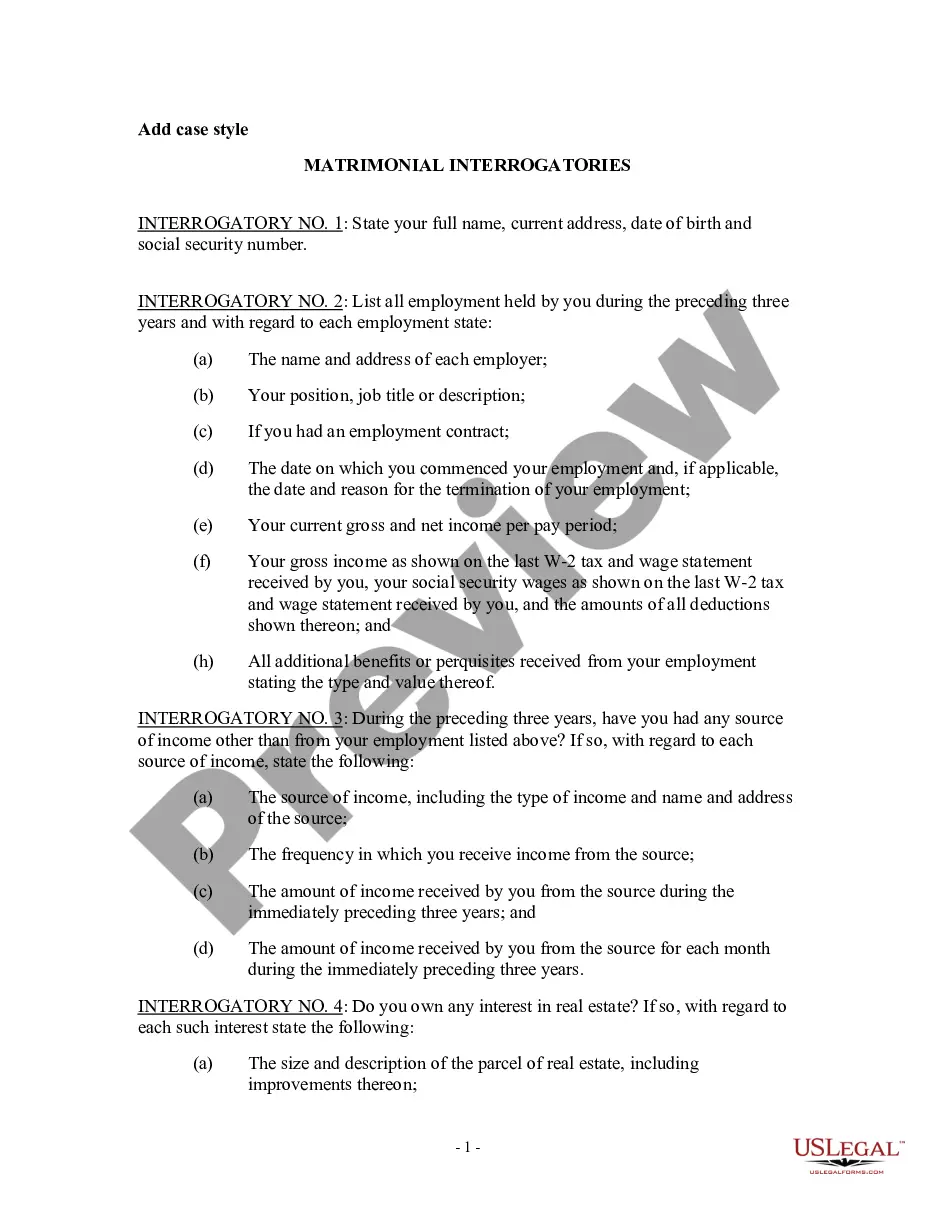
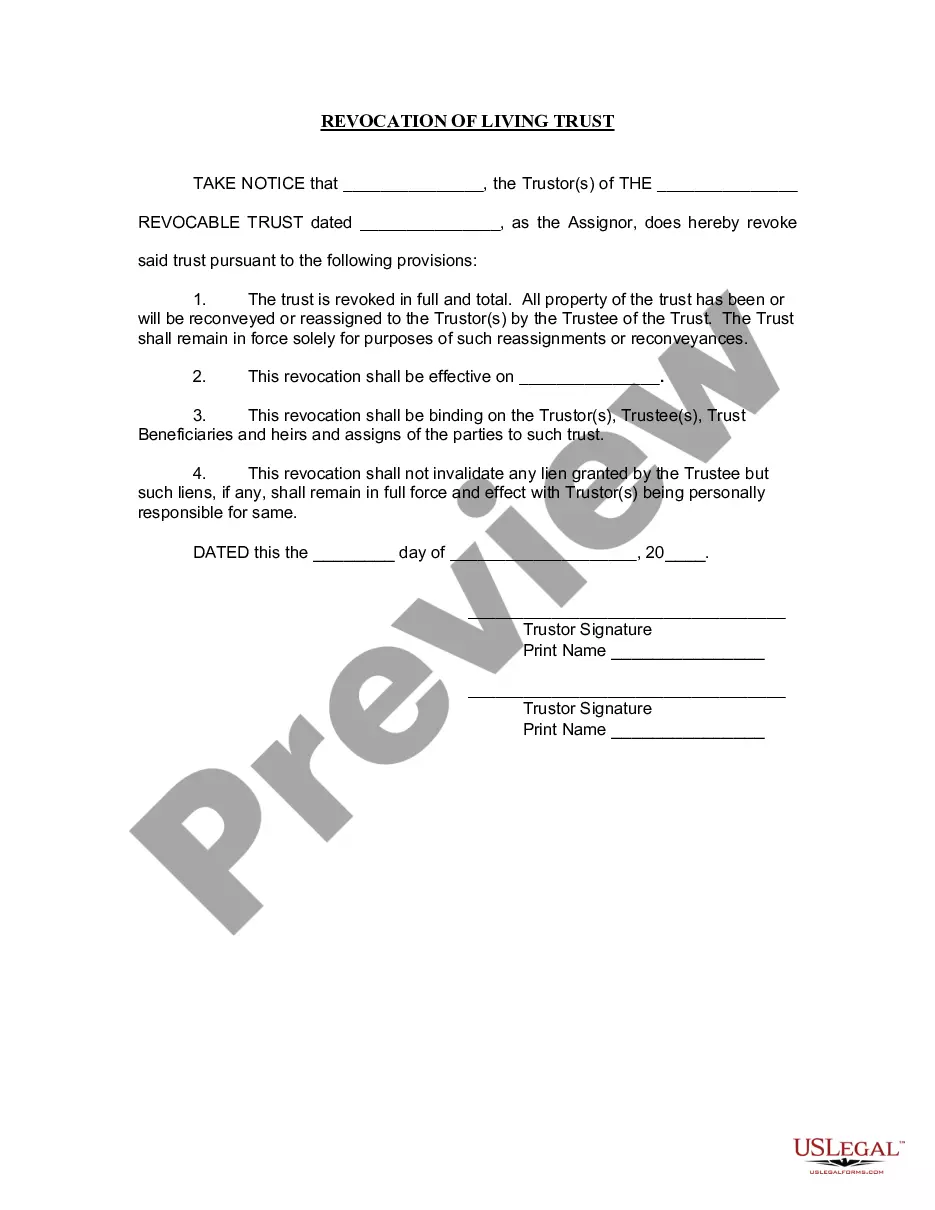





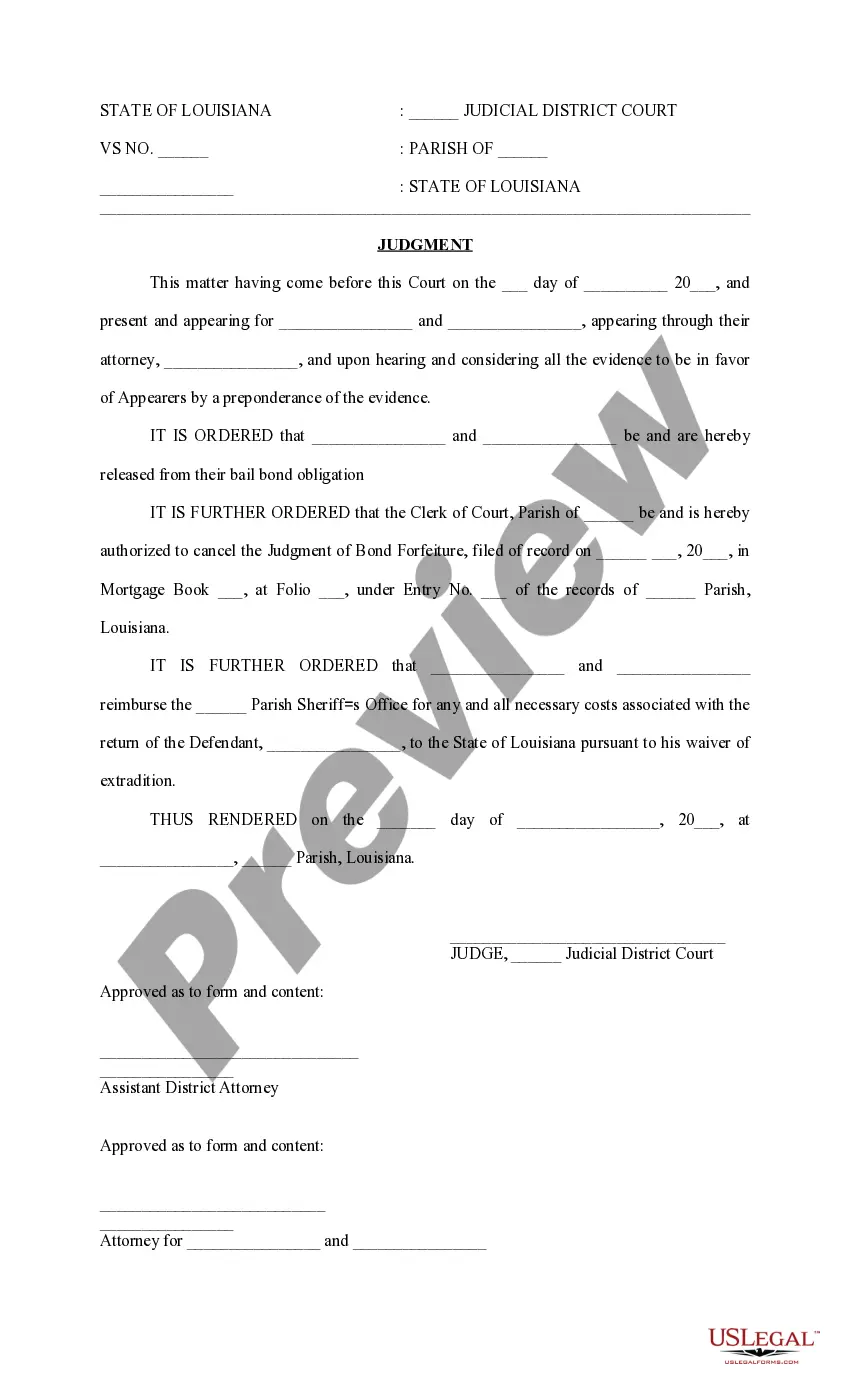
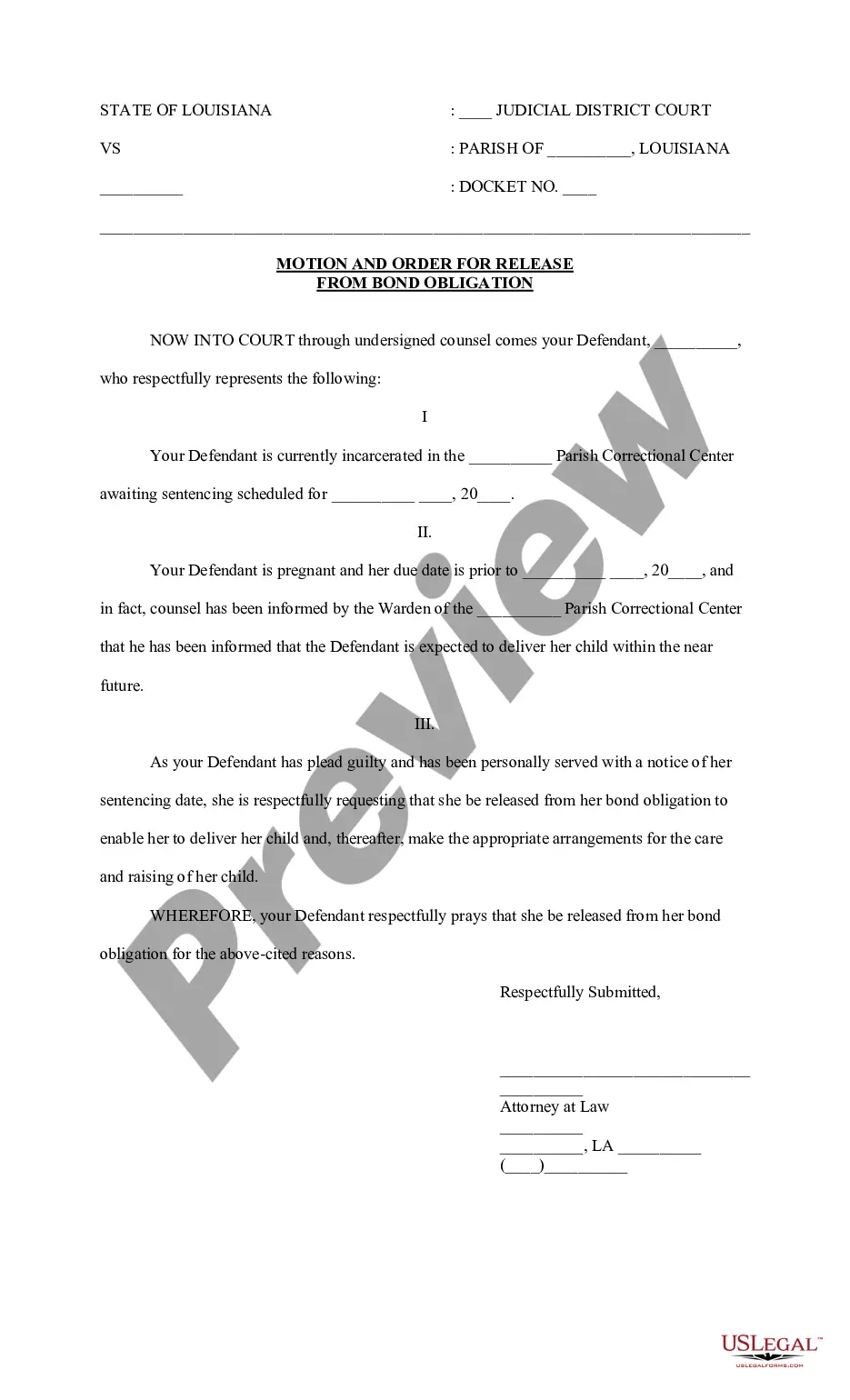
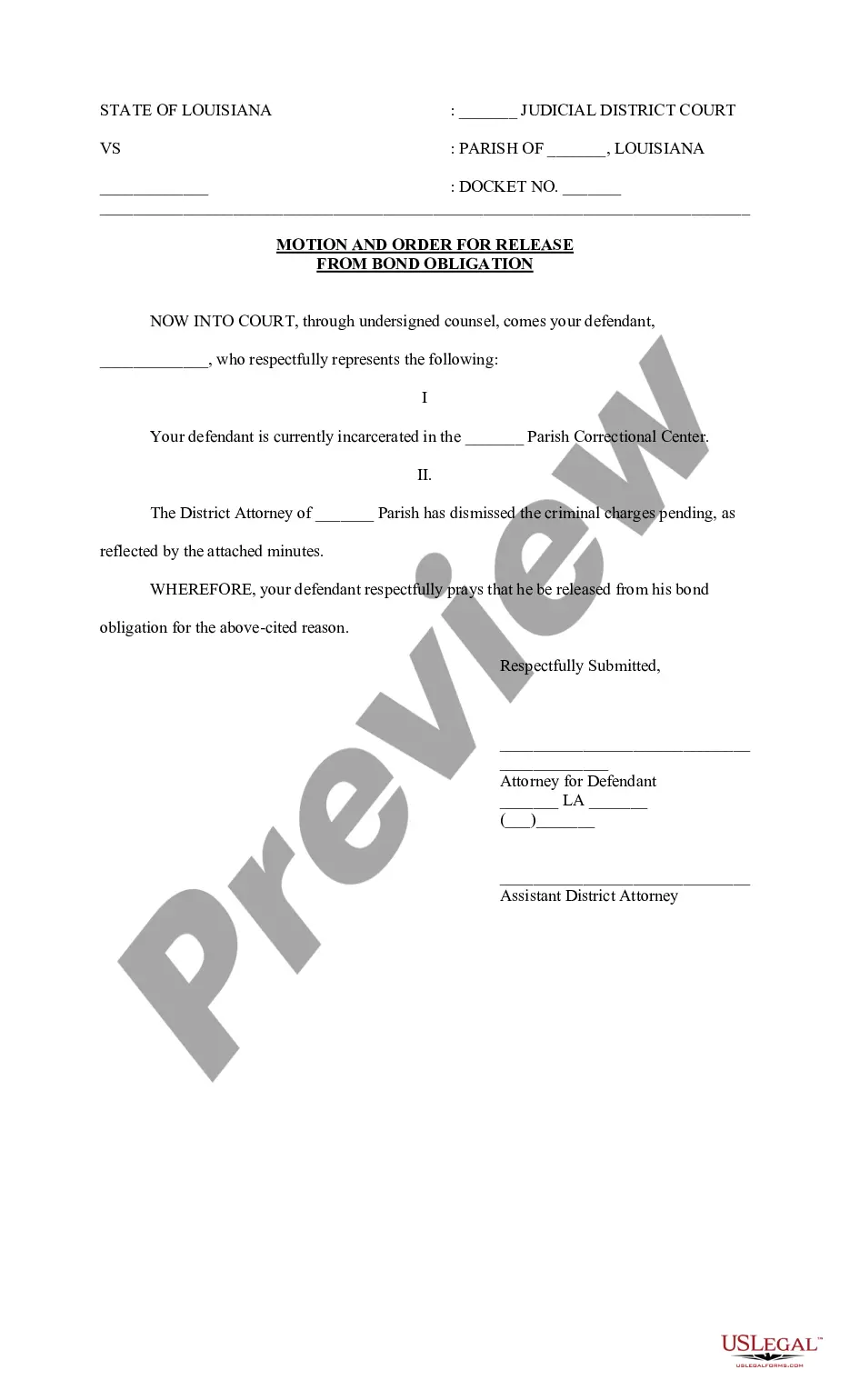
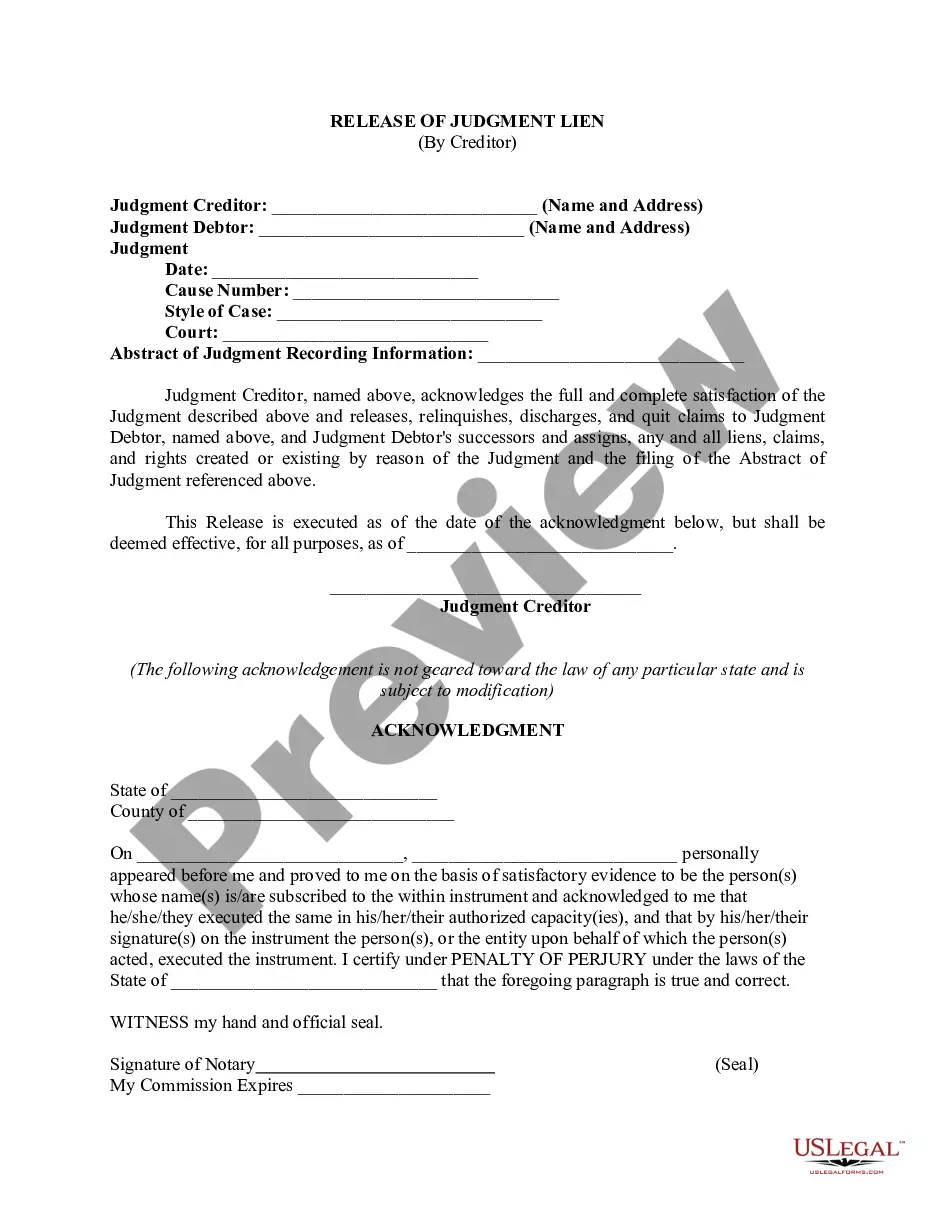
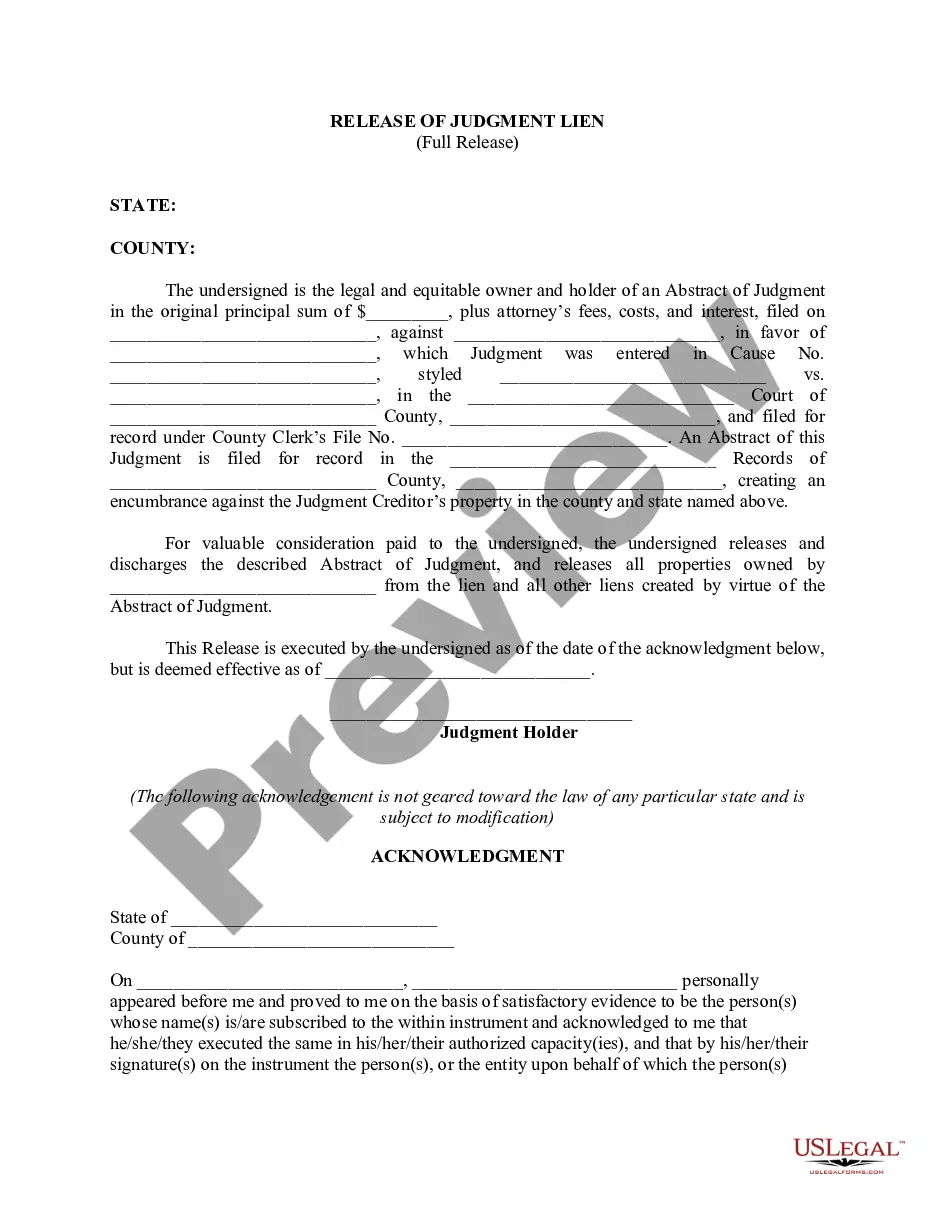
How to fill out Louisiana Judgment Of Release From Bail Bond Obligation?
- Log in to your US Legal Forms account if you have previously subscribed. Check that your subscription is active; if it's expired, renew it as per your plan.
- Review the available forms in Preview mode. Make sure to choose one that meets your specifications and aligns with your jurisdiction's requirements.
- Utilize the Search tab to find alternative forms if you encounter any issues with your initial selection. Ensure it meets your needs before proceeding to the next step.
- Purchase the document by clicking on the 'Buy Now' button and selecting your desired subscription. You'll need to register for an account to unlock the full library.
- Complete your purchase by entering your payment information, whether it's credit card details or your PayPal account.
- Download your completed form onto your device. You can easily access it anytime through the 'My Forms' section in your profile.
In conclusion, US Legal Forms simplifies the process of acquiring legal documents with its extensive library and user-friendly interface. With over 85,000 forms available, you can be assured of finding exactly what you need.
Empower yourself today—sign up or renew your subscription to access our robust collection of legal forms for your bail for necklace needs.
Form popularity
FAQ
Attaching a bail to a pendant is a straightforward process that typically involves threading the bail through a hole or loop in the pendant. If you're working with a design that does not have a built-in bail, you can use adhesive or soldering techniques to secure it. For more detailed guides or products related to bails, consider checking platforms like US Legal Forms for reliable resources.
The bail of a necklace is the component that supports a pendant and connects it to the necklace chain. It plays a significant role in the overall design and functionality of your jewelry. Selecting a suitable bail for necklace not only secures your pendant but also adds style to your accessory.
A bail for a pendant is a small loop or clasp that allows the pendant to be attached to a chain or necklace. It serves as a functional and decorative element in jewelry design, making it easier for wearers to showcase their favorite pendants. Choosing the right bail for necklace can enhance the overall look of your jewelry.
The term you're looking for is spelled 'bail,' as in the piece that supports and connects a pendant to a necklace. Often confused with similar-sounding words, it is important to remember that 'bail for necklace' is the correct spelling in this context. Proper spelling helps you find better results and connects you to the jewelry information you need.
In jewelry, the correct term is 'bail' when referring to the component that attaches a pendant to a necklace. 'Bale,' on the other hand, generally refers to a bundle or package of materials, and it does not apply to the context of jewelry. So, when you search for 'bail for necklace,' remember you are looking for that essential connecting piece.
When discussing jewelry, the term 'bail' typically refers to the connector that holds a pendant to a chain or necklace. A 'pendant bail' specifically indicates the type of bail used for pendants. Therefore, it is often interchangeable, but 'bail for necklace' is the broader term to use when you want to emphasize its use with a necklace.
In jewelry, the correct term is 'bail,' referring to the component that connects a pendant to a necklace. The term 'bale' is generally associated with a bundle of goods or materials. Emphasizing the correct terminology helps prevent confusion, especially when discussing designs. Remember, when you explore options for bail for necklace, you will find an array of beautiful designs.
To put a bail on a necklace, first ensure you have the right tools—typically pliers, especially when working with closed bails. Gently open the bail if it is designed to be closed, then slide it onto the chain. After that, securely close the bail, ensuring that it holds the pendant in place. Understanding how to properly attach a bail for necklace can enhance your jewelry-making skills.
The term 'bail' can refer to both a bail for a pendant and as a standalone piece. However, when we talk about bails in relation to necklaces, we typically mean the part that attaches a pendant to the chain. Pendant bails come in various styles and sizes to fit different designs. Choosing the right one adds a personal touch to your jewelry.
In the context of jewelry, bail refers to the part that secures a pendant to the necklace. It acts as a connector, ensuring the pendant hangs gracefully on the chain. Understanding the meaning of bail for necklace can help you choose designs that complement your style. A well-crafted bail enhances both form and function in your jewelry.