Tenant Landlord Failure With No Reason
Description


Get your form ready online
Our built-in tools help you complete, sign, share, and store your documents in one place.
Make edits, fill in missing information, and update formatting in US Legal Forms—just like you would in MS Word.
Download a copy, print it, send it by email, or mail it via USPS—whatever works best for your next step.
Sign and collect signatures with our SignNow integration. Send to multiple recipients, set reminders, and more. Go Premium to unlock E-Sign.
If this form requires notarization, complete it online through a secure video call—no need to meet a notary in person or wait for an appointment.
We protect your documents and personal data by following strict security and privacy standards.

Make edits, fill in missing information, and update formatting in US Legal Forms—just like you would in MS Word.

Download a copy, print it, send it by email, or mail it via USPS—whatever works best for your next step.

Sign and collect signatures with our SignNow integration. Send to multiple recipients, set reminders, and more. Go Premium to unlock E-Sign.

If this form requires notarization, complete it online through a secure video call—no need to meet a notary in person or wait for an appointment.

We protect your documents and personal data by following strict security and privacy standards.
Looking for another form?
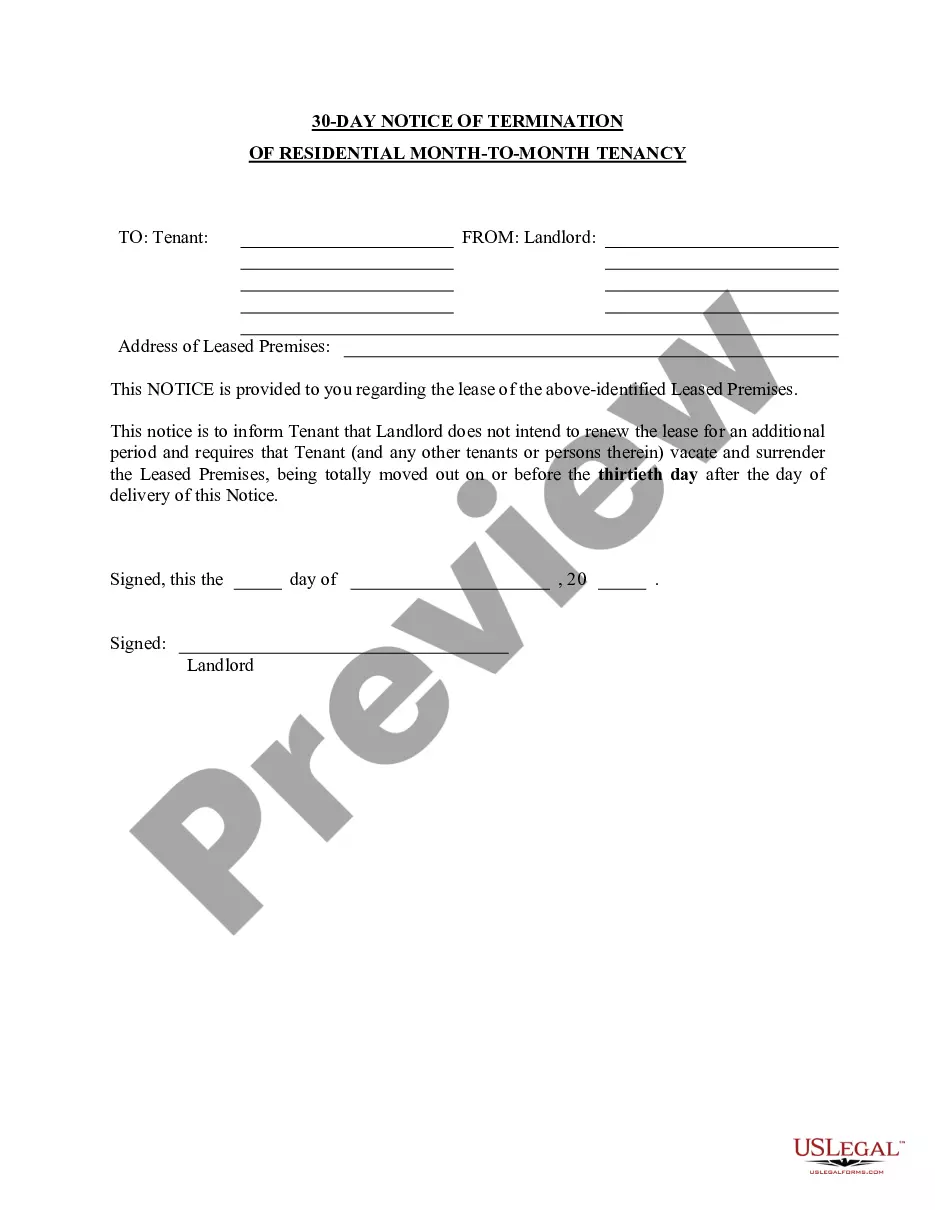



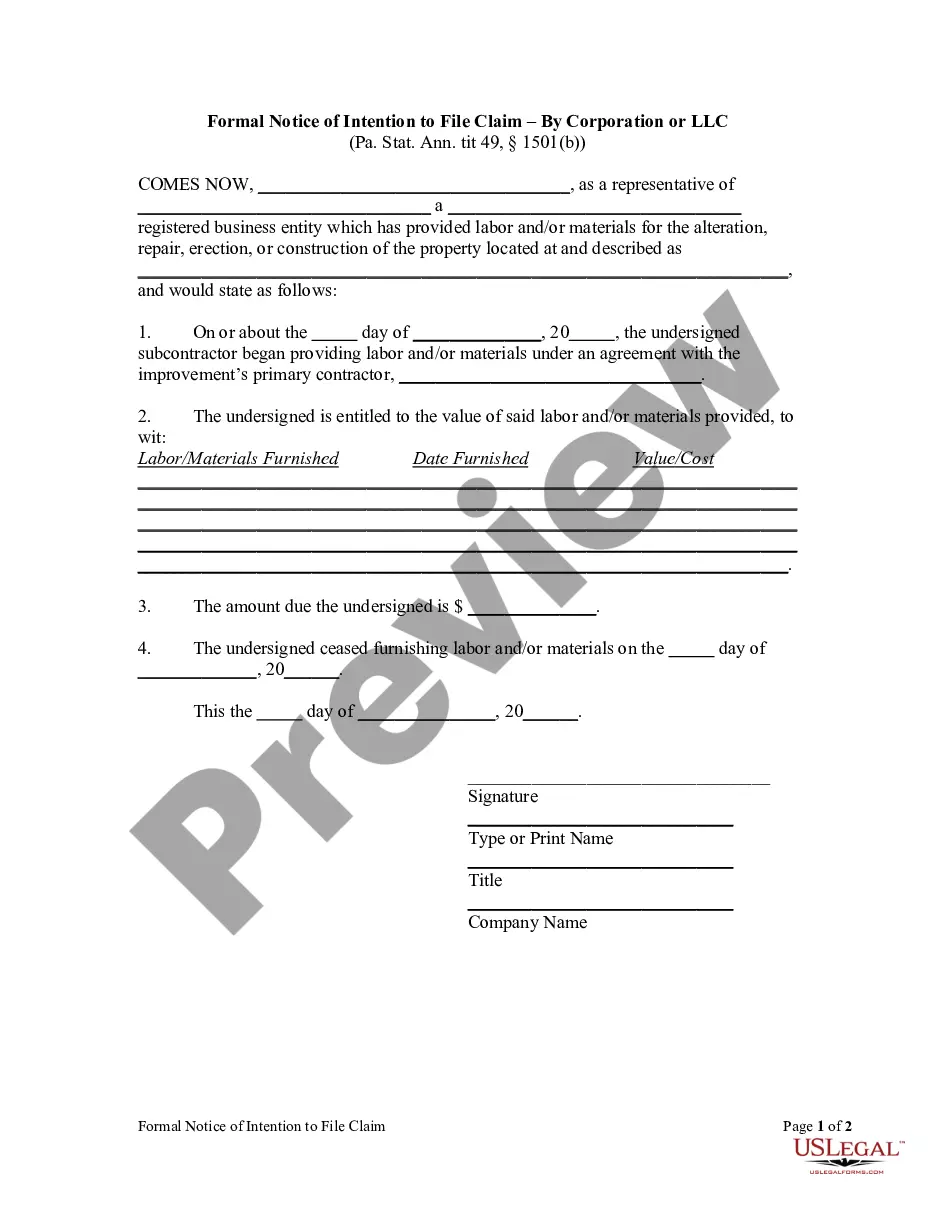

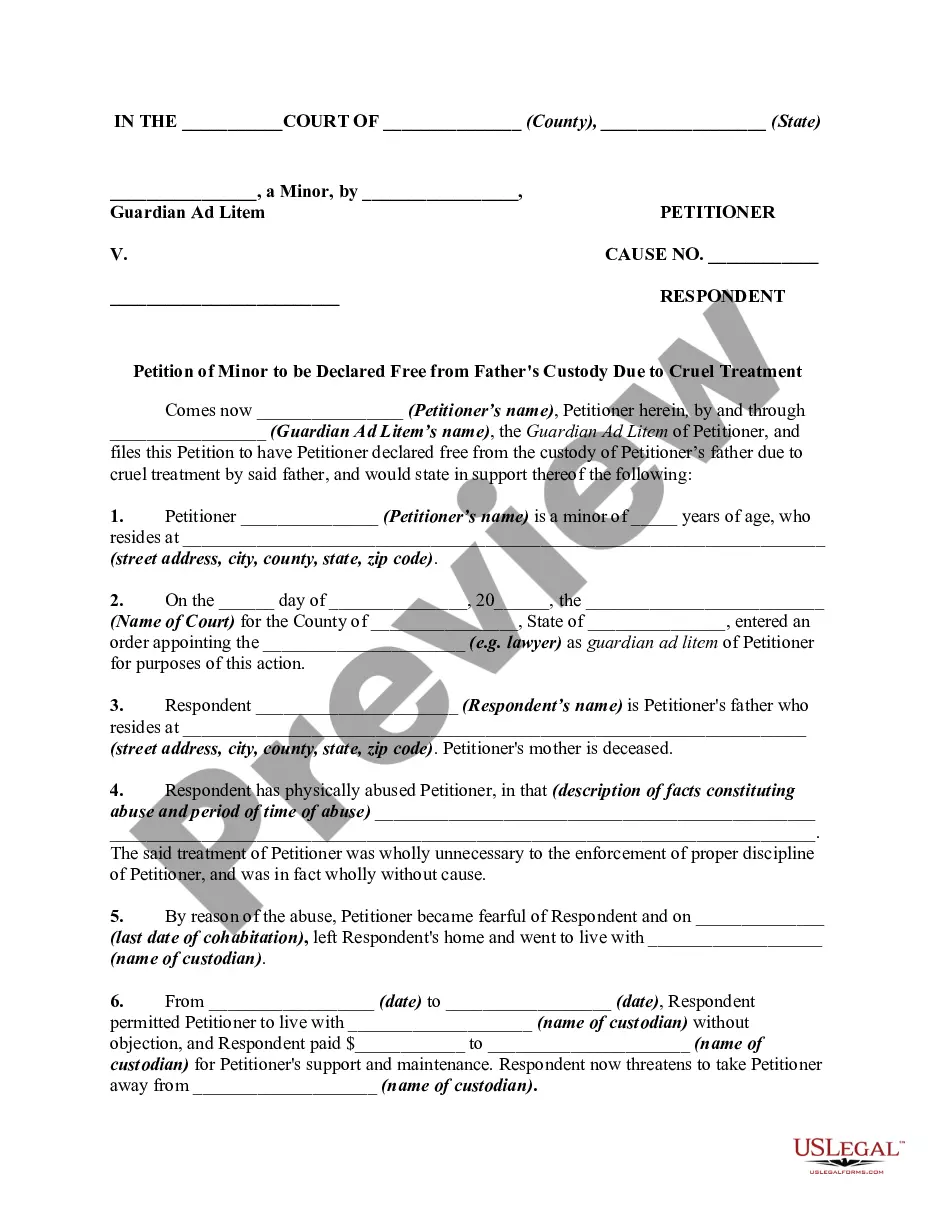
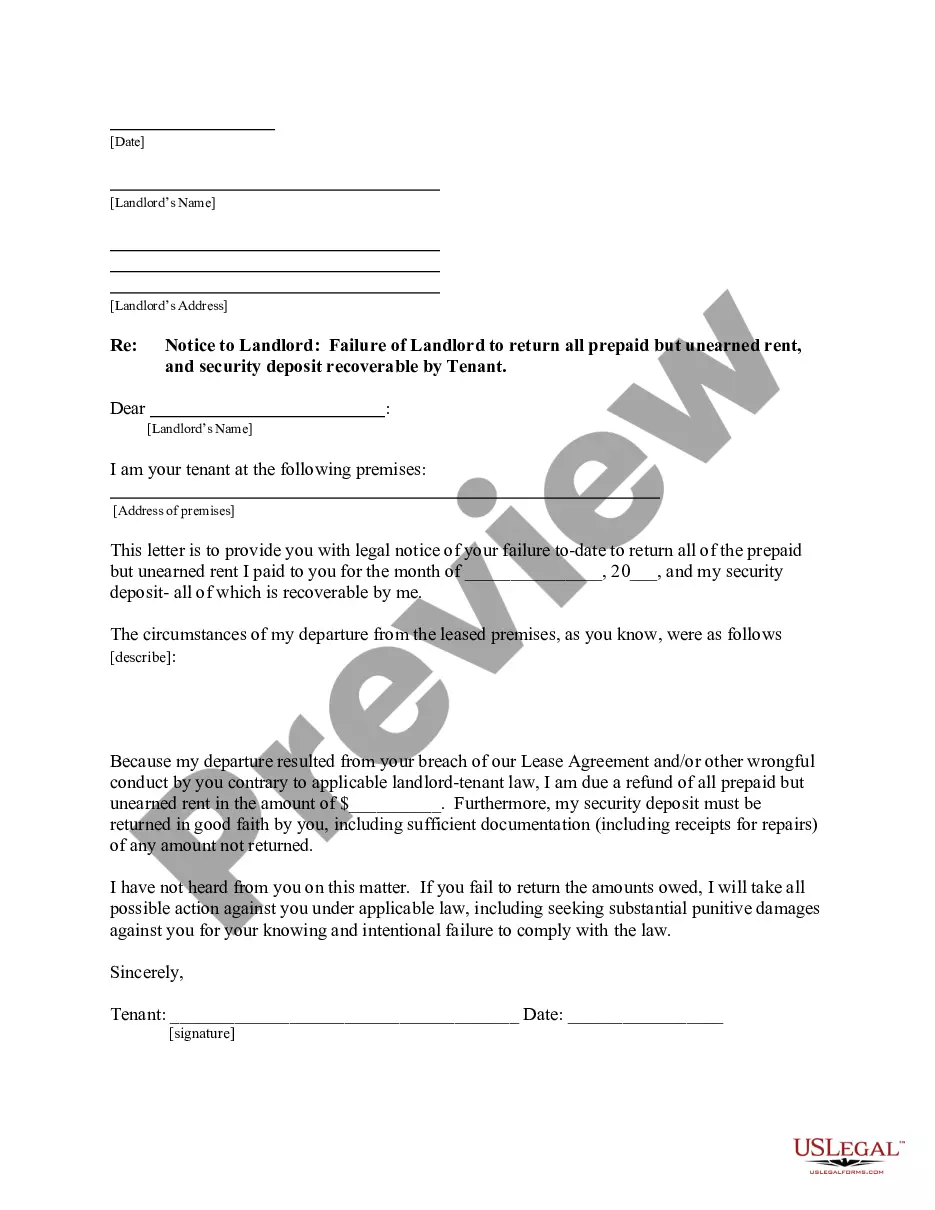
How to fill out Louisiana Letter From Tenant To Landlord For Failure Of Landlord To Return All Prepaid And Unearned Rent And Security Recoverable By Tenant?
- Start by visiting US Legal Forms and log into your account if you’ve previously registered. If not, create a new account to access the forms.
- Browse through the extensive collection of over 85,000 legal forms. Use the Preview mode to check if the form aligns with your needs regarding tenant landlord failure with no reason.
- If the form is not suitable, utilize the Search feature to find an appropriate document that meets your jurisdiction's requirements.
- Select the form you need, and proceed to click the Buy Now button. Choose a subscription plan that fits your needs.
- Complete the purchase using your credit card or PayPal. Ensure your payment is processed successfully.
- Once purchased, download the form to your device. You can also access it later in the My Forms section of your account.
By following these steps, you can ensure that you obtain the correct legal documentation quickly and efficiently. US Legal Forms not only provides a vast selection of forms but also offers access to premium experts who can assist in completing these documents accurately.
Don’t let tenant landlord failures overwhelm you. Take control of your situation today by utilizing US Legal Forms to access the resources you need.
Form popularity
FAQ
Filing legal action against a landlord typically involves preparing necessary paperwork and submitting it to the court. Start by documenting the tenant landlord failure with no reason and gathering any supporting evidence. It's wise to consult with a legal professional to ensure your case is strong and that you follow all legal procedures accurately.
To effectively threaten legal action against your landlord, you should draft a formal letter outlining your grievances. Clearly state the issues, the tenant landlord failure with no reason that you face, and your intention to pursue legal action if the situation does not improve. This serves as both a warning and a means to motivate your landlord to address the problem.
If you believe your landlord's actions have caused emotional distress, you can file a claim in court. Gather evidence such as communications, notices, and documentation of your distress. It's important to show how the tenant landlord failure with no reason has impacted your well-being. Consider consulting with a legal expert to strengthen your case.
When communicating with a landlord, it's best to avoid confrontational or accusatory language. Phrases implying negligence or threats, such as 'I will sue you,' can escalate tensions and lead to misunderstandings, potentially resulting in a tenant landlord failure with no reason. Instead, express concerns calmly and clearly to foster a productive dialogue. Open communication often leads to better resolutions.
In Connecticut, you may sue your landlord for various reasons, including failure to maintain safe living conditions or not returning your security deposit. A tenant landlord failure with no reason can be a point of contention and basis for legal action if the landlord neglects their responsibilities. Whenever considering legal action, it’s wise to document all instances and seek advice from qualified professionals to build your case.
Landlords often fear tenant damage to property, non-payment of rent, and legal challenges. A tenant landlord failure with no reason can lead to costly evictions and repairs, which are daunting for property owners. Staying informed about tenant rights and timely maintenance can mitigate these fears. Building good relationships with tenants also aids in reducing potential conflicts.
Settling disputes between tenants often begins with open communication. Encourage the involved parties to discuss the issue directly and seek mutually acceptable solutions. If conflicts persist, mediation or involving a landlord can help. An effective resolution can prevent tenant landlord failure with no reason scenarios, ultimately maintaining a harmonious living environment.
In Texas, a landlord typically has seven days to make necessary repairs after they receive written notice of the issue. If the landlord fails to act within this timeframe, the tenant may have grounds for a tenant landlord failure with no reason claim. It is crucial to document all communications and issues to strengthen your position. If repairs remain unattended, tenants might consider seeking legal guidance.
Landlord negligence refers to a landlord's failure to meet their legal obligations regarding property maintenance and tenant care. This failure can lead to unsafe living conditions, contributing to tenant landlord failure with no reason. Understanding the specifics of negligence can help tenants recognize when to take action. Seek help if you're unclear about your rights or how to handle such situations.
In Virginia, renter's rights include the right to a habitable living environment, the right to privacy, and the right to proper disclosure of rental terms. If landlords do not uphold these rights, it may result in tenant landlord failure with no reason. Tenants can pursue legal actions if necessary. Familiarizing yourself with Virginia laws can help you advocate for your rights confidently.