Temporary Custody In Iowa
Description

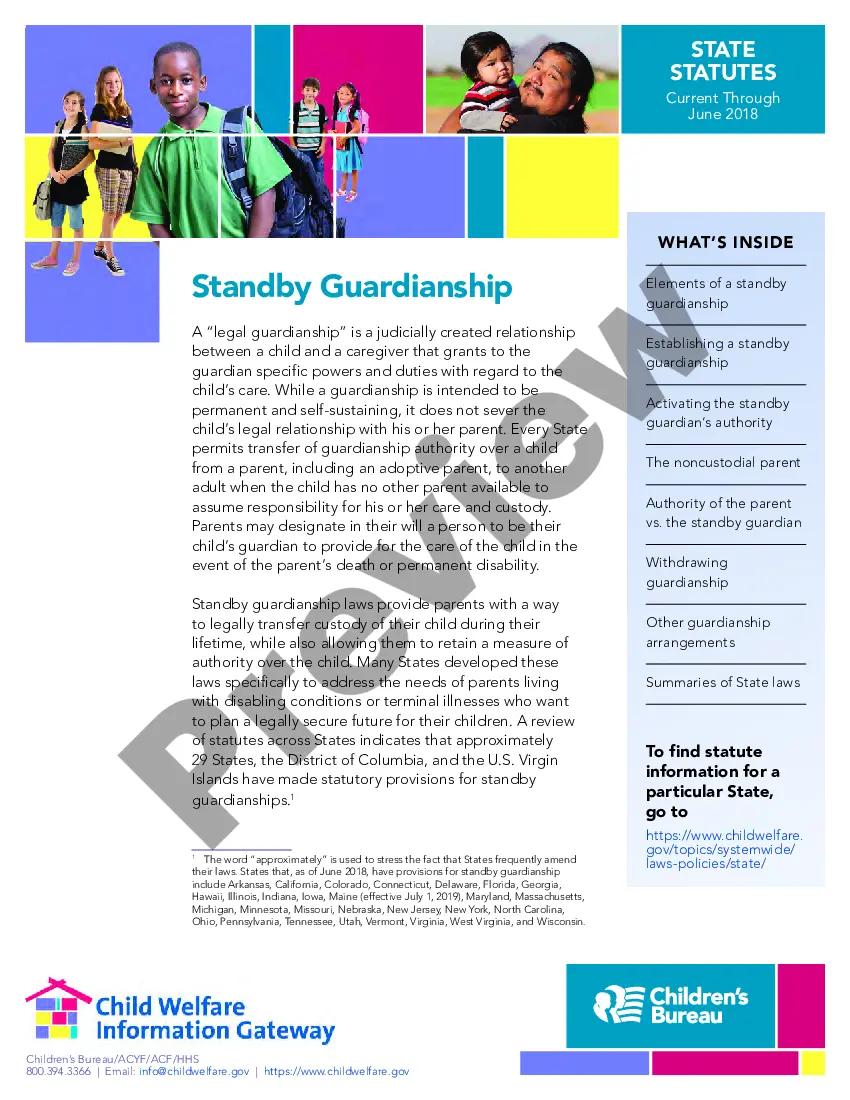
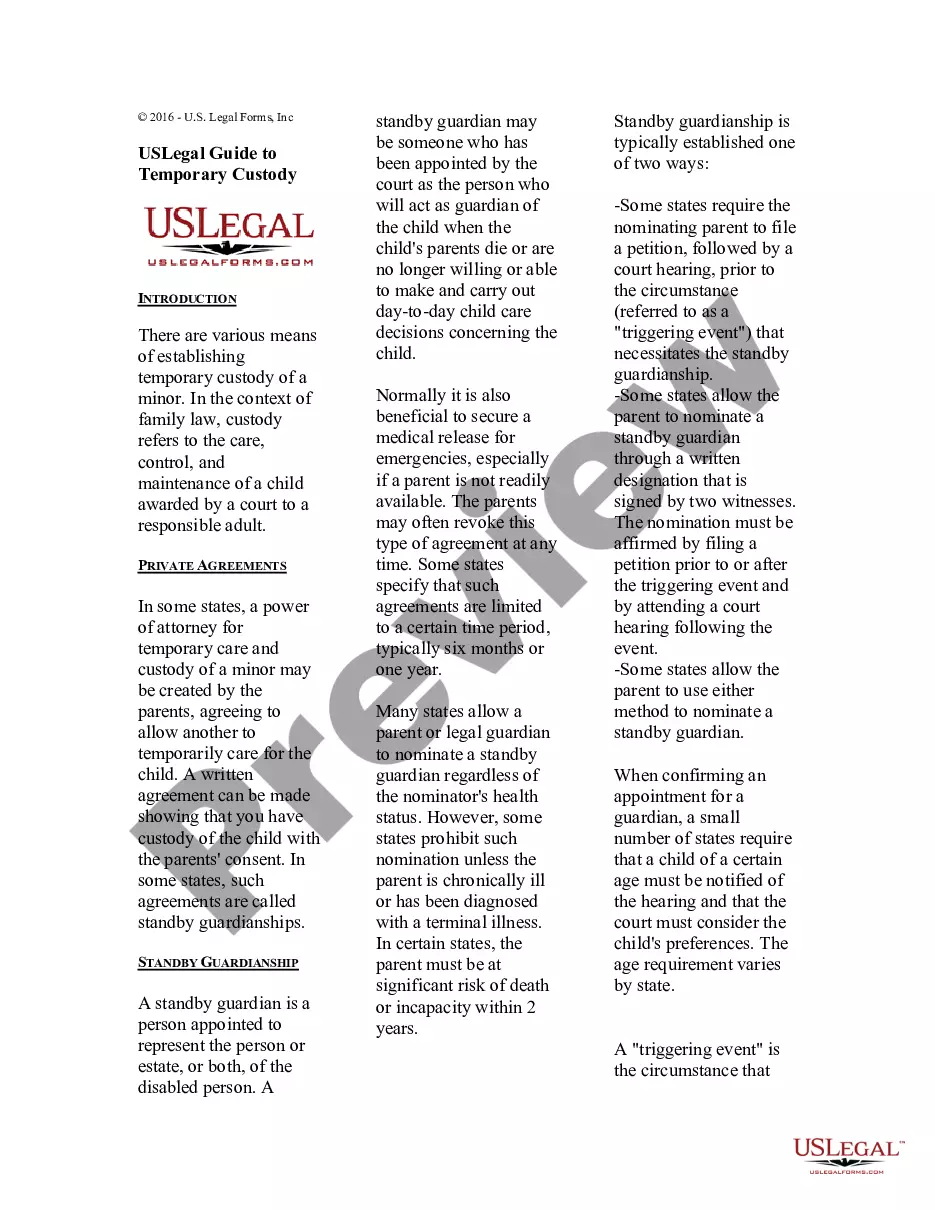

Get your form ready online
Our built-in tools help you complete, sign, share, and store your documents in one place.
Make edits, fill in missing information, and update formatting in US Legal Forms—just like you would in MS Word.
Download a copy, print it, send it by email, or mail it via USPS—whatever works best for your next step.
Sign and collect signatures with our SignNow integration. Send to multiple recipients, set reminders, and more. Go Premium to unlock E-Sign.
If this form requires notarization, complete it online through a secure video call—no need to meet a notary in person or wait for an appointment.
We protect your documents and personal data by following strict security and privacy standards.

Make edits, fill in missing information, and update formatting in US Legal Forms—just like you would in MS Word.

Download a copy, print it, send it by email, or mail it via USPS—whatever works best for your next step.

Sign and collect signatures with our SignNow integration. Send to multiple recipients, set reminders, and more. Go Premium to unlock E-Sign.

If this form requires notarization, complete it online through a secure video call—no need to meet a notary in person or wait for an appointment.

We protect your documents and personal data by following strict security and privacy standards.
Looking for another form?





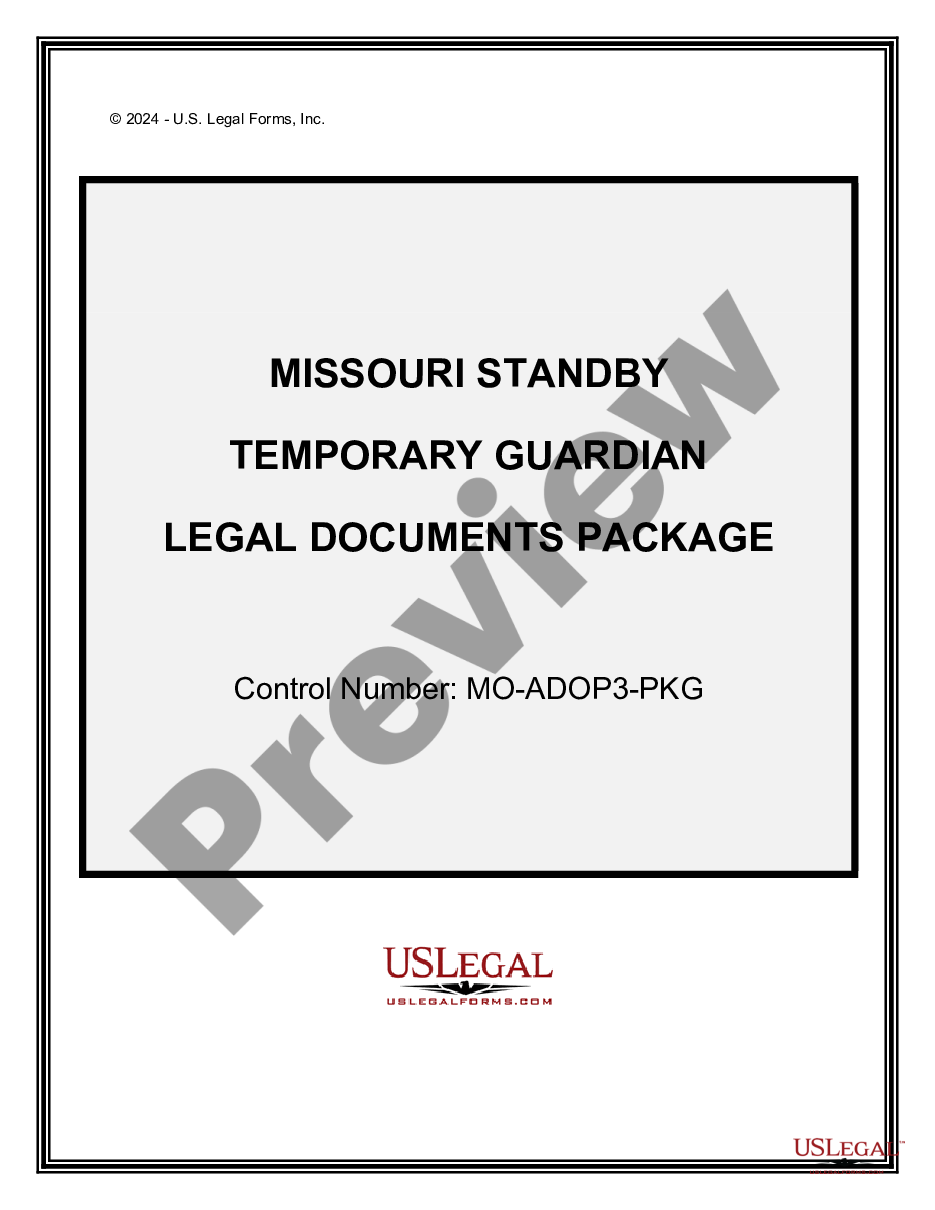


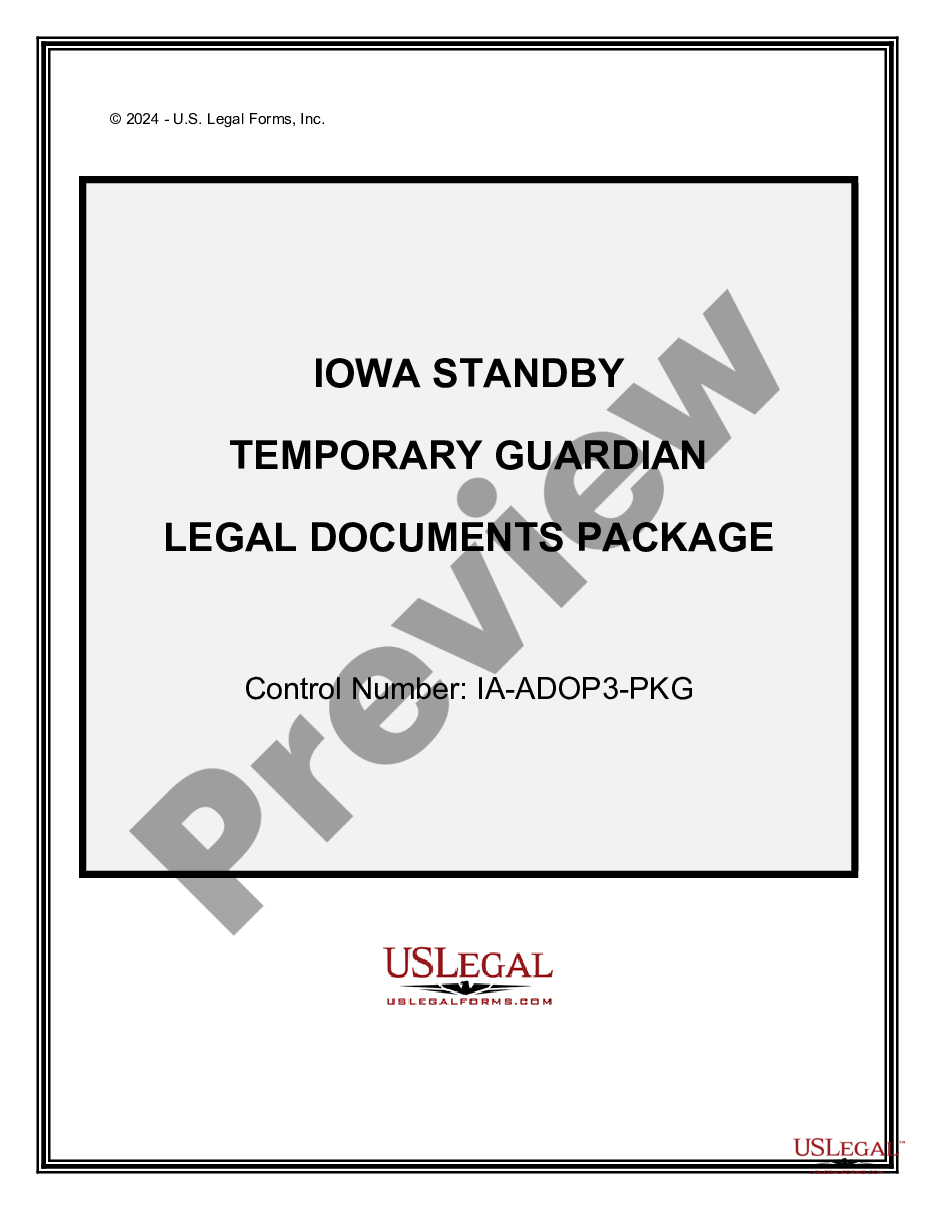
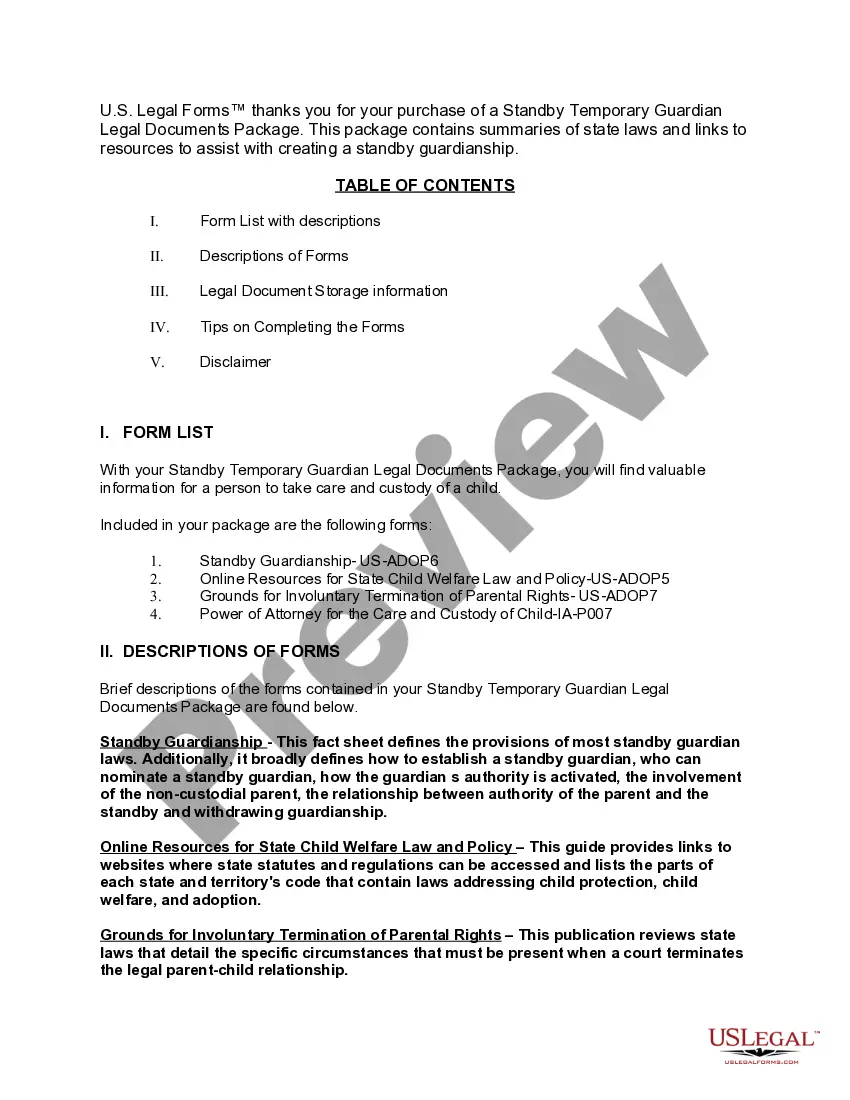
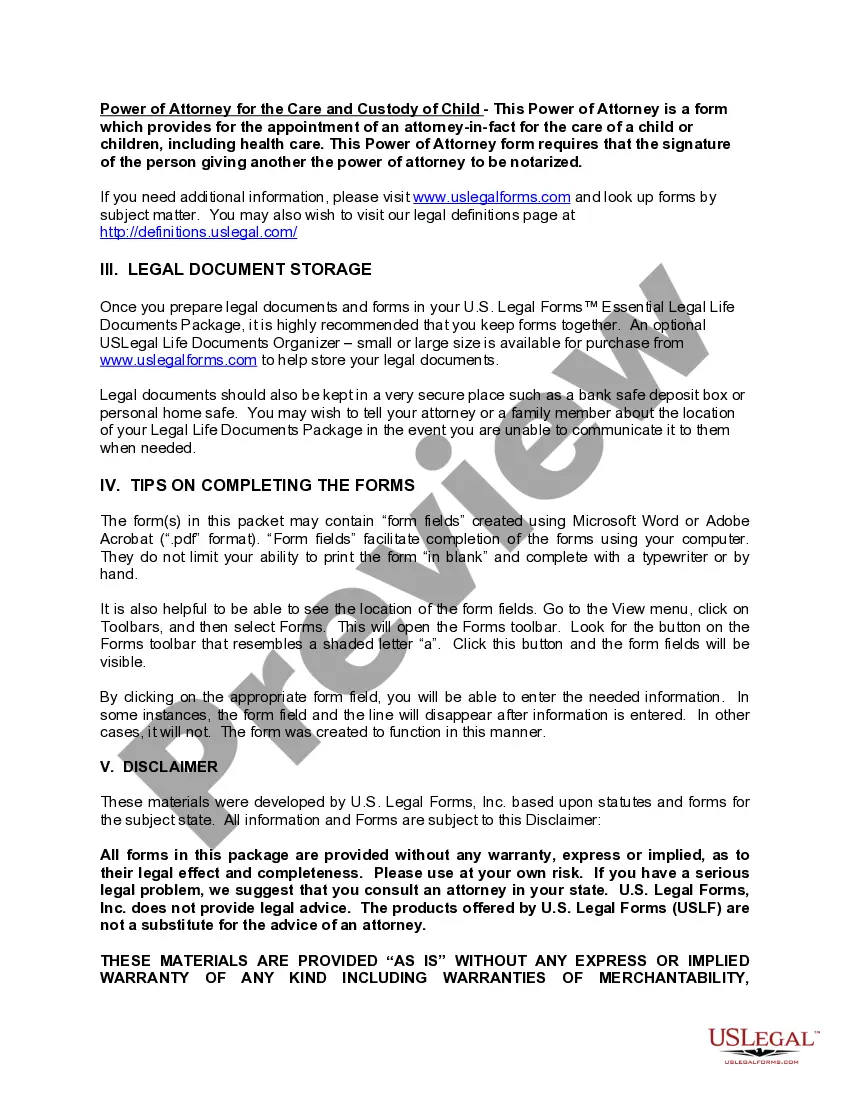
How to fill out Iowa Standby Temporary Guardian Legal Documents Package?
Creating legal documents from the ground up can occasionally be overwhelming.
Certain situations may require extensive research and significant financial resources.
If you're looking for a simpler and more affordable method of drafting Temporary Custody In Iowa or any other paperwork without unnecessary complications, US Legal Forms is consistently available to assist you.
Our online collection of over 85,000 current legal documents covers nearly every facet of your financial, legal, and personal matters. With just a few clicks, you can swiftly obtain state- and county-compliant forms meticulously prepared for you by our legal specialists.
Check if the template you choose meets the regulations of your state and county. Select the appropriate subscription plan to acquire the Temporary Custody In Iowa. Download the form, then fill it out, sign it, and print it. US Legal Forms has a solid reputation and over 25 years of experience. Join us today and make document execution a straightforward and efficient process!
- Utilize our platform whenever you require dependable and trustworthy services to efficiently find and download the Temporary Custody In Iowa.
- If you're already familiar with our services and have set up an account with us in the past, simply Log In to your account, find the form, and download it or re-download it at any later time in the My documents section.
- Don't have an account? No worries. It only takes a few minutes to create one and explore the library.
- Before you rush to download Temporary Custody In Iowa, follow these suggestions.
- Review the form preview and descriptions to confirm that you've located the form you need.
Form popularity
FAQ
During a temporary custody hearing, both parents present their case to the judge, who assesses the child's best interests. Evidence and testimonies may be provided to support each parent's claim for custody. The judge will consider various factors, including the child's safety and well-being, before making a decision. If you need help preparing for this hearing, US Legal Forms offers valuable resources and templates to streamline the process.
Temporary custody orders in Iowa typically last until the court issues a final custody decision or until the situation that prompted the temporary order changes. Courts usually review these orders regularly to ensure they serve the child's best interests. The duration can vary based on specific circumstances, so it is important to stay informed about any upcoming hearings. For clarity and assistance, US Legal Forms can help you understand the timelines and procedures involved.
Giving temporary custody of a child means granting one parent or guardian the legal authority to care for and make decisions on behalf of the child for a limited time. This arrangement often arises during legal disputes or when a parent cannot provide adequate care. In Iowa, temporary custody allows the designated caregiver to ensure the child's needs are met while the court resolves the situation. If you are navigating this process, consider using US Legal Forms to access the necessary documents and guidance.
The duration to obtain a temporary custody agreement in Iowa can vary, but it generally takes several weeks to a few months. Factors such as court schedules and the complexity of the case can influence this timeline. It is crucial to file all paperwork correctly and promptly to avoid delays. Utilizing services like USLegalForms can streamline the process, ensuring you have everything in order for a timely resolution.
One of the biggest mistakes in a custody battle is failing to prioritize the child's needs above personal grievances. It is essential to focus on what is best for the child rather than letting emotions dictate decisions. Additionally, underestimating the importance of thorough documentation can weaken your case. Engaging with platforms like USLegalForms can help you gather the necessary information and present a strong case for temporary custody in Iowa.
Securing temporary custody in Iowa can vary in difficulty based on individual circumstances. It typically requires demonstrating to the court that the child’s current living situation is not in their best interest. Having a solid plan and sufficient evidence to support your case can significantly improve your chances. Using resources like USLegalForms can help you prepare the necessary documents and navigate the process effectively.
Temporary custody in Iowa refers to the legal arrangement where one parent or guardian has physical and legal control over a child for a limited period. This arrangement is often established during divorce proceedings or when parents cannot agree on custody. It provides a structured environment for the child while the court decides on permanent custody. Understanding this process can help you make informed decisions regarding your child's welfare.