60 Days Notice Period From Today
Description
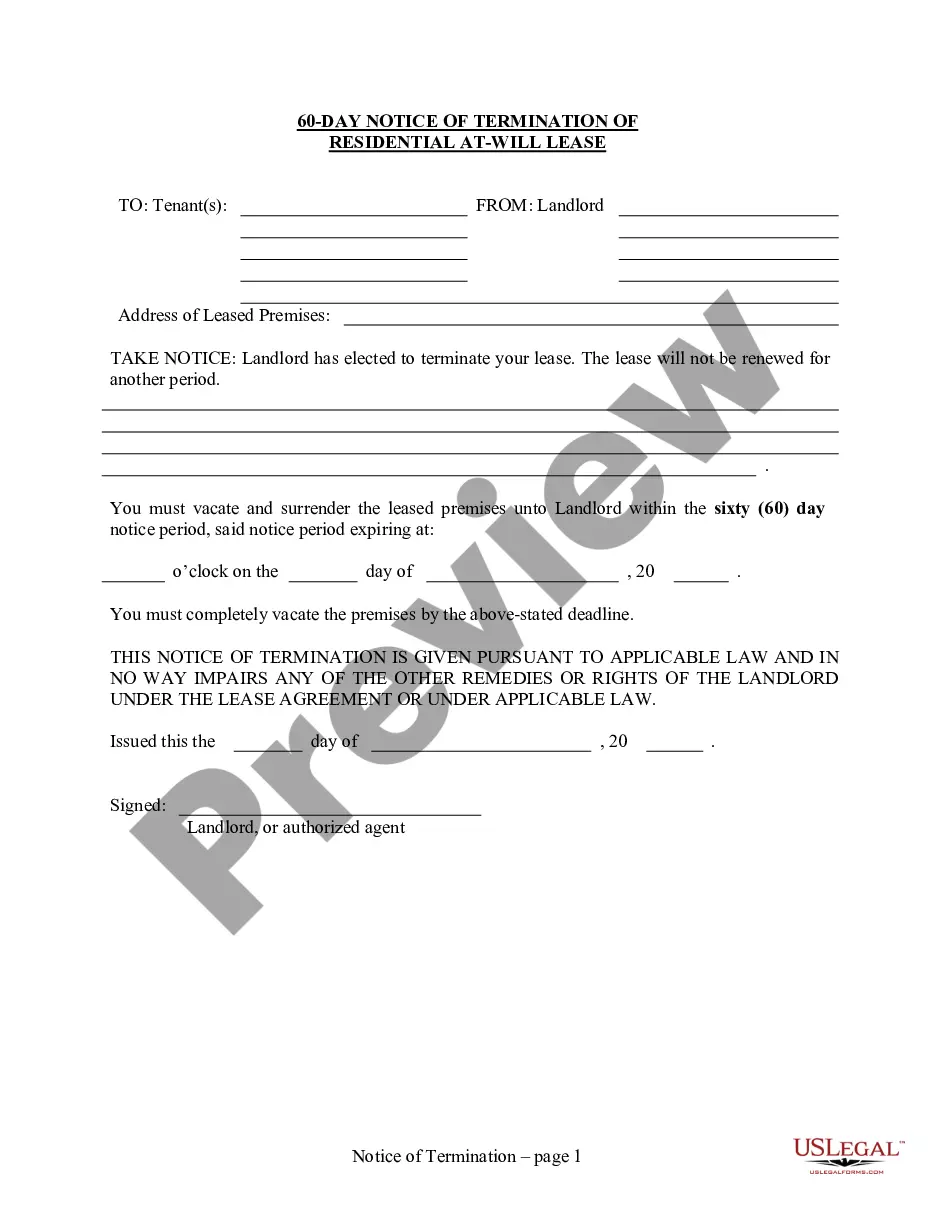
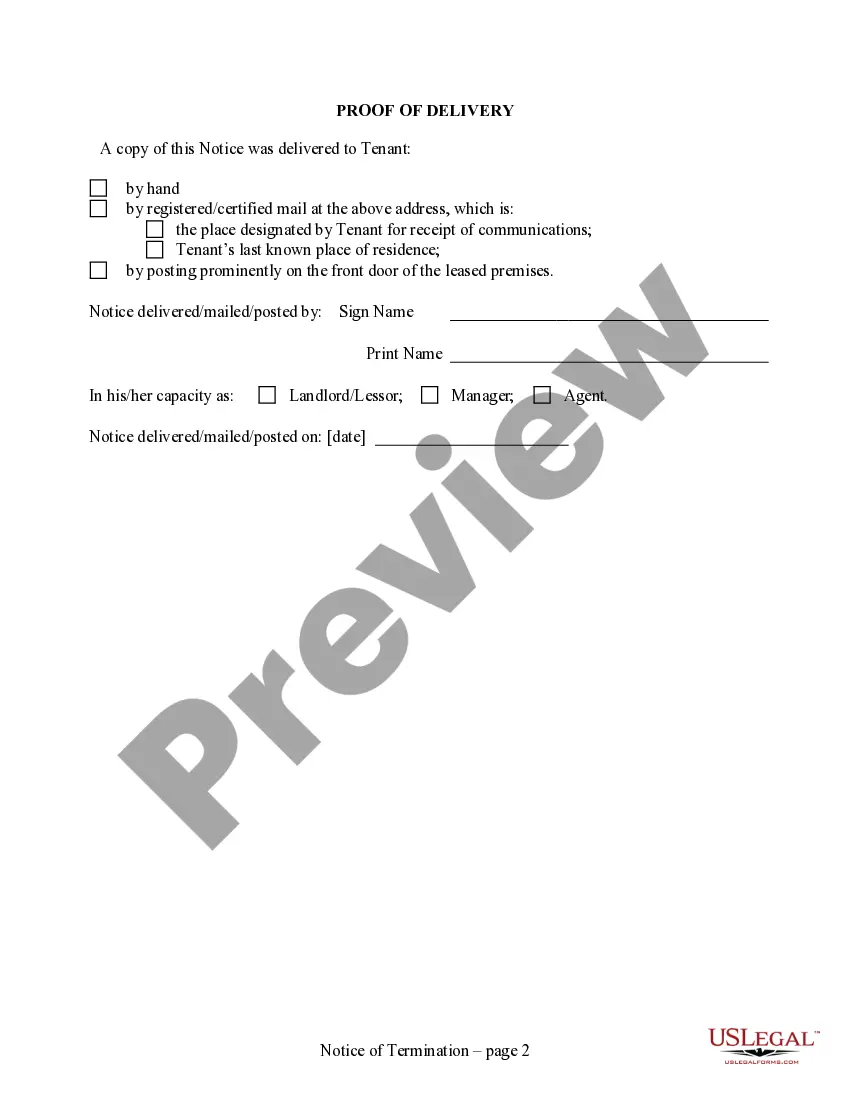
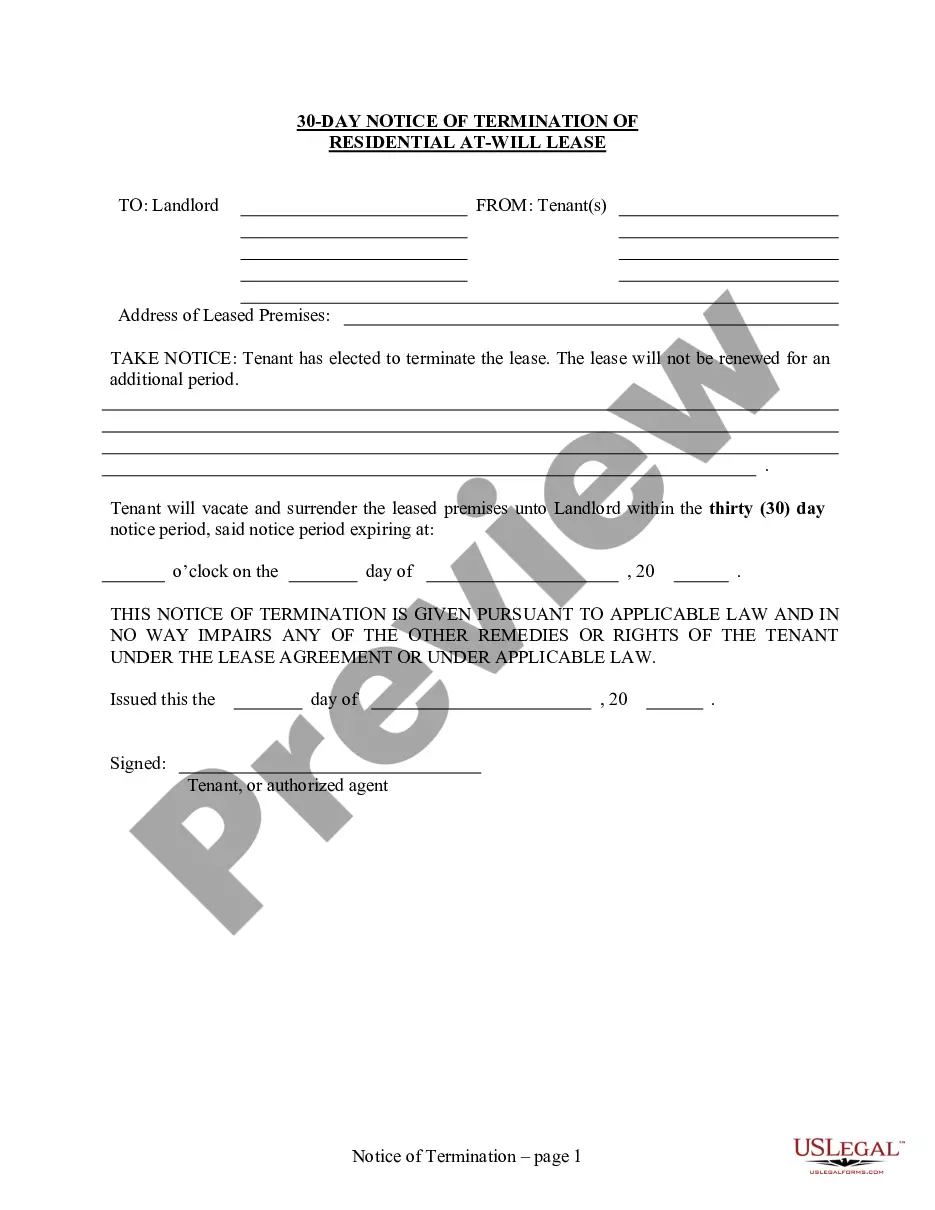
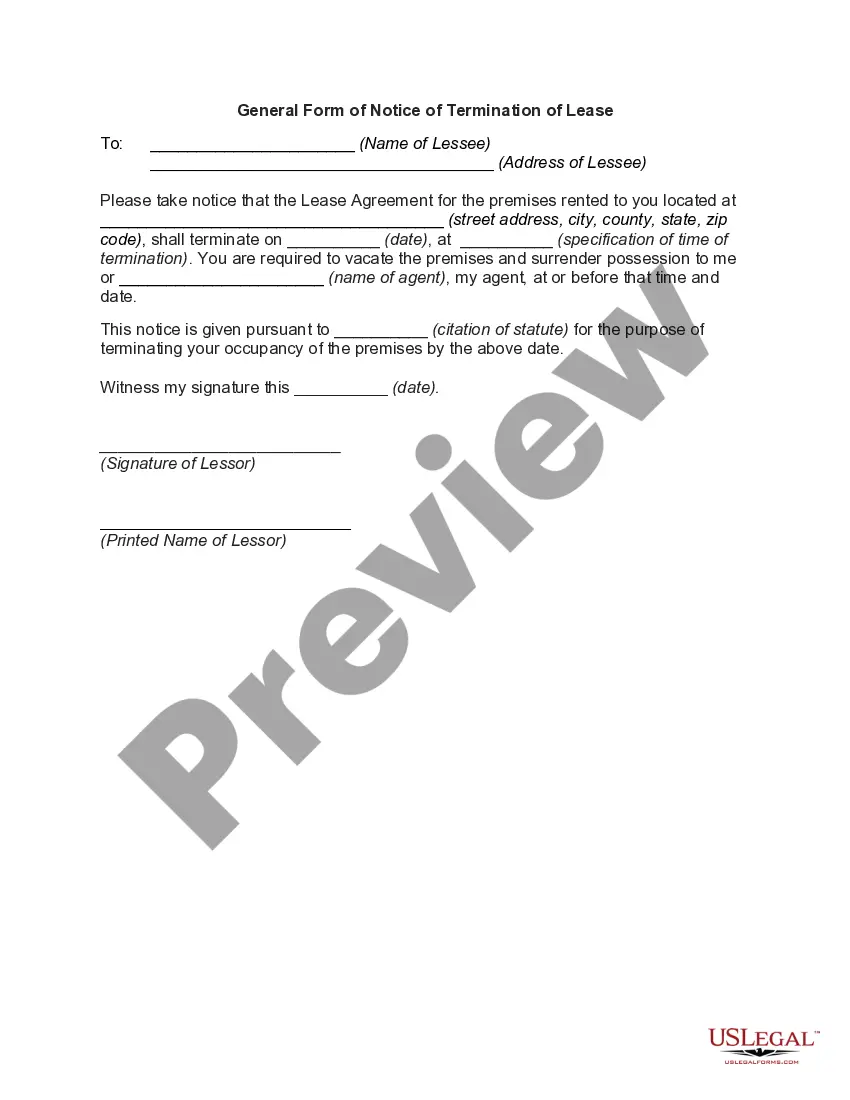
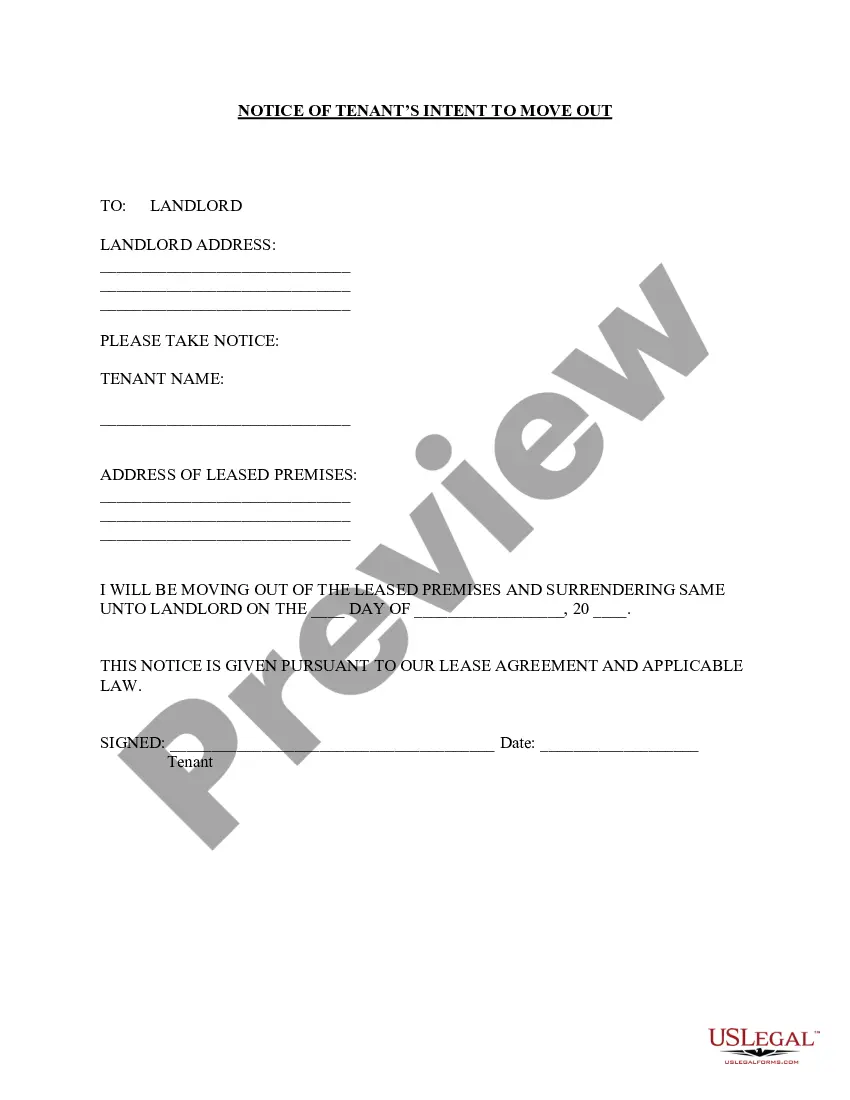

Get your form ready online
Our built-in tools help you complete, sign, share, and store your documents in one place.
Make edits, fill in missing information, and update formatting in US Legal Forms—just like you would in MS Word.
Download a copy, print it, send it by email, or mail it via USPS—whatever works best for your next step.
Sign and collect signatures with our SignNow integration. Send to multiple recipients, set reminders, and more. Go Premium to unlock E-Sign.
If this form requires notarization, complete it online through a secure video call—no need to meet a notary in person or wait for an appointment.
We protect your documents and personal data by following strict security and privacy standards.

Make edits, fill in missing information, and update formatting in US Legal Forms—just like you would in MS Word.

Download a copy, print it, send it by email, or mail it via USPS—whatever works best for your next step.

Sign and collect signatures with our SignNow integration. Send to multiple recipients, set reminders, and more. Go Premium to unlock E-Sign.

If this form requires notarization, complete it online through a secure video call—no need to meet a notary in person or wait for an appointment.

We protect your documents and personal data by following strict security and privacy standards.
Looking for another form?
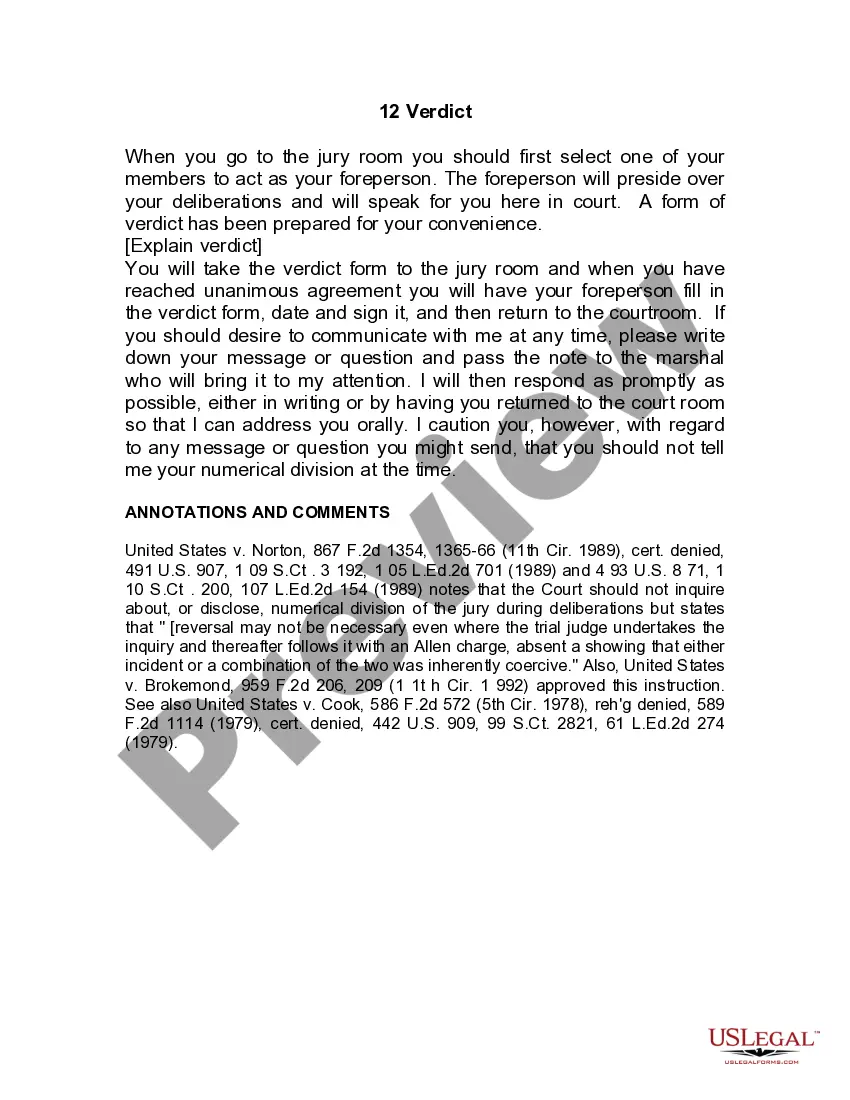
How to fill out Georgia 60 Day Notice To Terminate At-Will Lease From Landlord To Tenant?
The 60 Days Notification Period From Today that you observe on this webpage is a reusable legal framework crafted by expert attorneys in accordance with federal and state regulations.
For over 25 years, US Legal Forms has supplied individuals, organizations, and lawyers with more than 85,000 validated, state-specific documents for any business and personal situation. It is the quickest, most uncomplicated, and most dependable method to secure the necessary paperwork, as the service assures bank-level data protection and anti-malware safeguards.
Subscribe to US Legal Forms to have verified legal templates for all of life's situations readily available.
- Search for the document you require and examine it.
- Browse through the sample you searched and preview it or evaluate the form description to make sure it matches your requirements. If it doesn't, use the search feature to locate the suitable one. Click Buy Now once you find the template you need.
- Subscribe and sign in.
- Select the pricing option that suits you and create an account. Use PayPal or a credit card to complete the payment swiftly. If you already own an account, Log In and verify your subscription to proceed.
- Acquire the editable template.
- Select the format you prefer for your 60 Days Notification Period From Today (PDF, DOCX, RTF) and preserve the sample on your device.
- Complete and sign the documents.
- Print the template to fill it out by hand. Alternatively, utilize an online multifunctional PDF editor to quickly and accurately complete and sign your form with a valid signature.
- Download your documents again.
- Make use of the same document again whenever required. Access the My documents section in your profile to redownload any previously stored forms.
Form popularity
FAQ
To determine how many weeks notice you need to give, review your employment contract or check with your HR department. Many agreements specify a required notice period, which could range from 2 weeks to a 60 days notice period from today. Knowing this information helps you plan your next career move responsibly.
When asked about your notice period, provide a straightforward answer based on your employment terms. Mention the specific length of time, such as a 60 days notice period from today if that applies to you. This clarity helps set expectations for your employer and any potential next steps.
When asked how long your notice period is, clearly state the number of weeks or days required as per your employment agreement. If it’s a 60 days notice period from today, let them know your last working day, so they understand the timeline. Providing specific details is helpful for clarity.
Calculating your notice period involves knowing the required timeframe stipulated in your contract or company policy. Once you identify this, simply count the days or weeks from your intended departure date. If you require a standard 60 days notice period from today, set your final working day 60 days ahead.
To calculate your notice period days, start by identifying the date you intend to leave your job. Count the number of days from that date backward to determine when to give notice. For example, if you need a 60 days notice period from today, mark the date 60 days earlier to provide notification.
A 1 month notice from today means you inform your employer 30 days in advance before your intended departure. For example, if today is January 1, your final working day will be at the end of January. However, depending on the circumstances, a 60 days notice period from today might be more suitable.
To determine how long your notice period is, consult your employment contract. It typically outlines the exact period required for notifying your employer. If you’re transitioning from a job, you may need a 60 days notice period from today to fulfill your responsibilities properly.
The length of your notice period can vary based on your specific situation, but commonly, it is determined by your employment contract. In many cases, a 60 days notice period from today might be required, especially for longer-term positions. Checking your contract or company policy is crucial for understanding your obligations.
An example of a 60 day move out notice starts with your name and address, and includes the date. It states you are providing a 60 days notice period from today and details your planned vacate date. This helps in documenting your intent and helps both parties in organizing the move-out process smoothly.
A simple notice letter should include your name, address, and the current date, followed by the recipient’s details. State your intention clearly - for example, to vacate the property, and specify the 60 days notice period from today. Keep the letter straightforward, polite, and to the point.