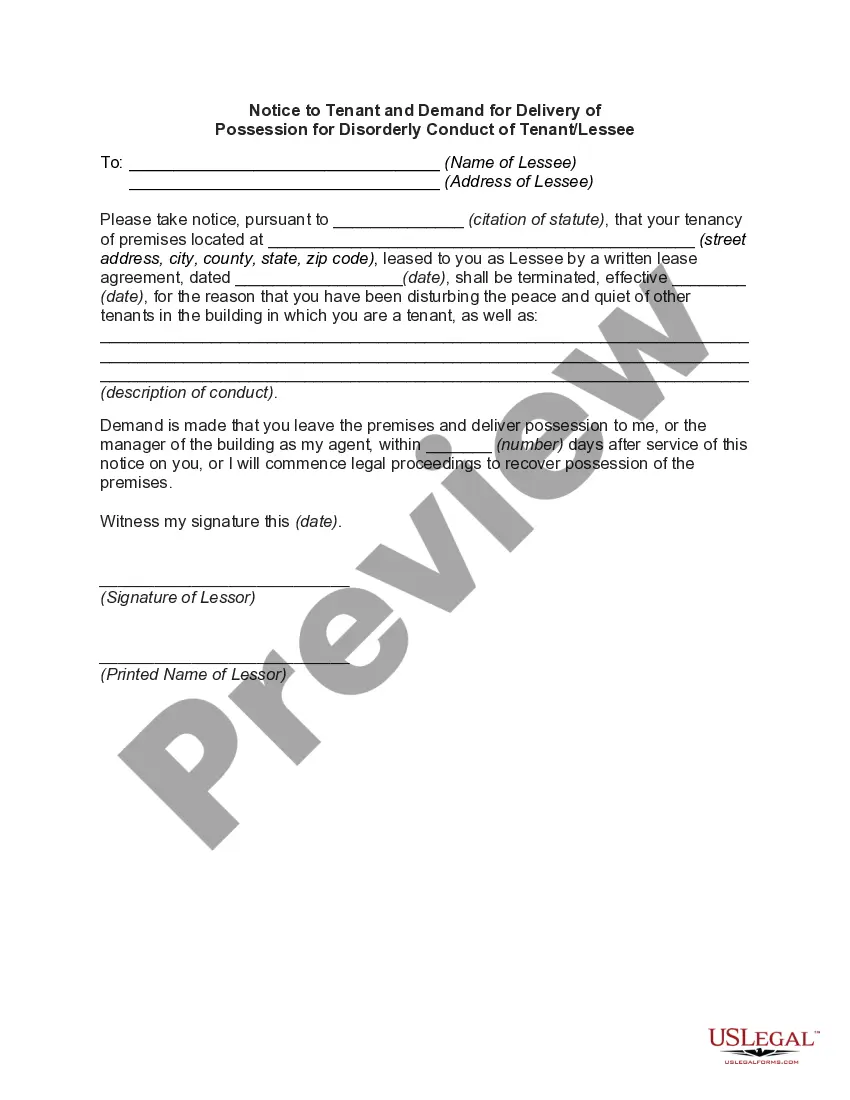
Notice Eviction Form Template For Family Member
Description



Get your form ready online
Our built-in tools help you complete, sign, share, and store your documents in one place.
Make edits, fill in missing information, and update formatting in US Legal Forms—just like you would in MS Word.
Download a copy, print it, send it by email, or mail it via USPS—whatever works best for your next step.
Sign and collect signatures with our SignNow integration. Send to multiple recipients, set reminders, and more. Go Premium to unlock E-Sign.
If this form requires notarization, complete it online through a secure video call—no need to meet a notary in person or wait for an appointment.
We protect your documents and personal data by following strict security and privacy standards.

Make edits, fill in missing information, and update formatting in US Legal Forms—just like you would in MS Word.

Download a copy, print it, send it by email, or mail it via USPS—whatever works best for your next step.

Sign and collect signatures with our SignNow integration. Send to multiple recipients, set reminders, and more. Go Premium to unlock E-Sign.

If this form requires notarization, complete it online through a secure video call—no need to meet a notary in person or wait for an appointment.

We protect your documents and personal data by following strict security and privacy standards.
Looking for another form?
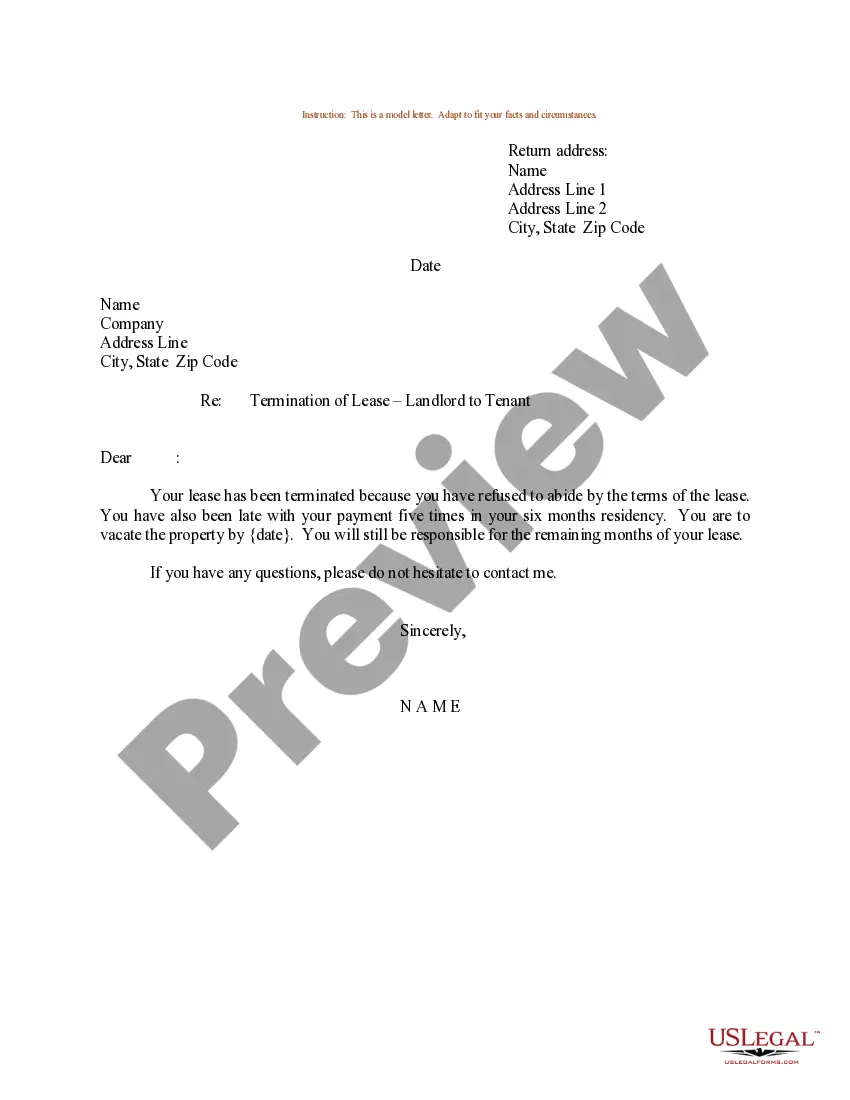
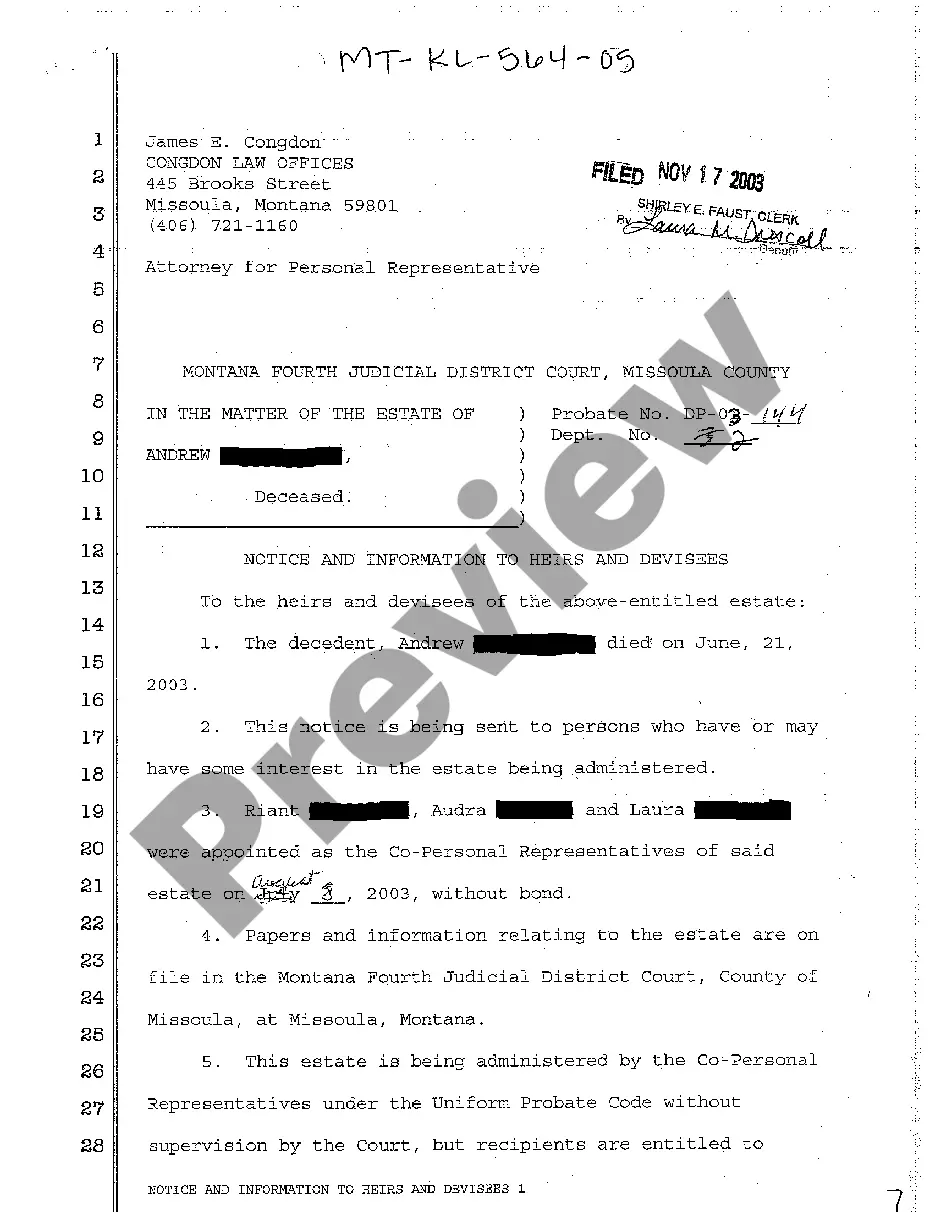
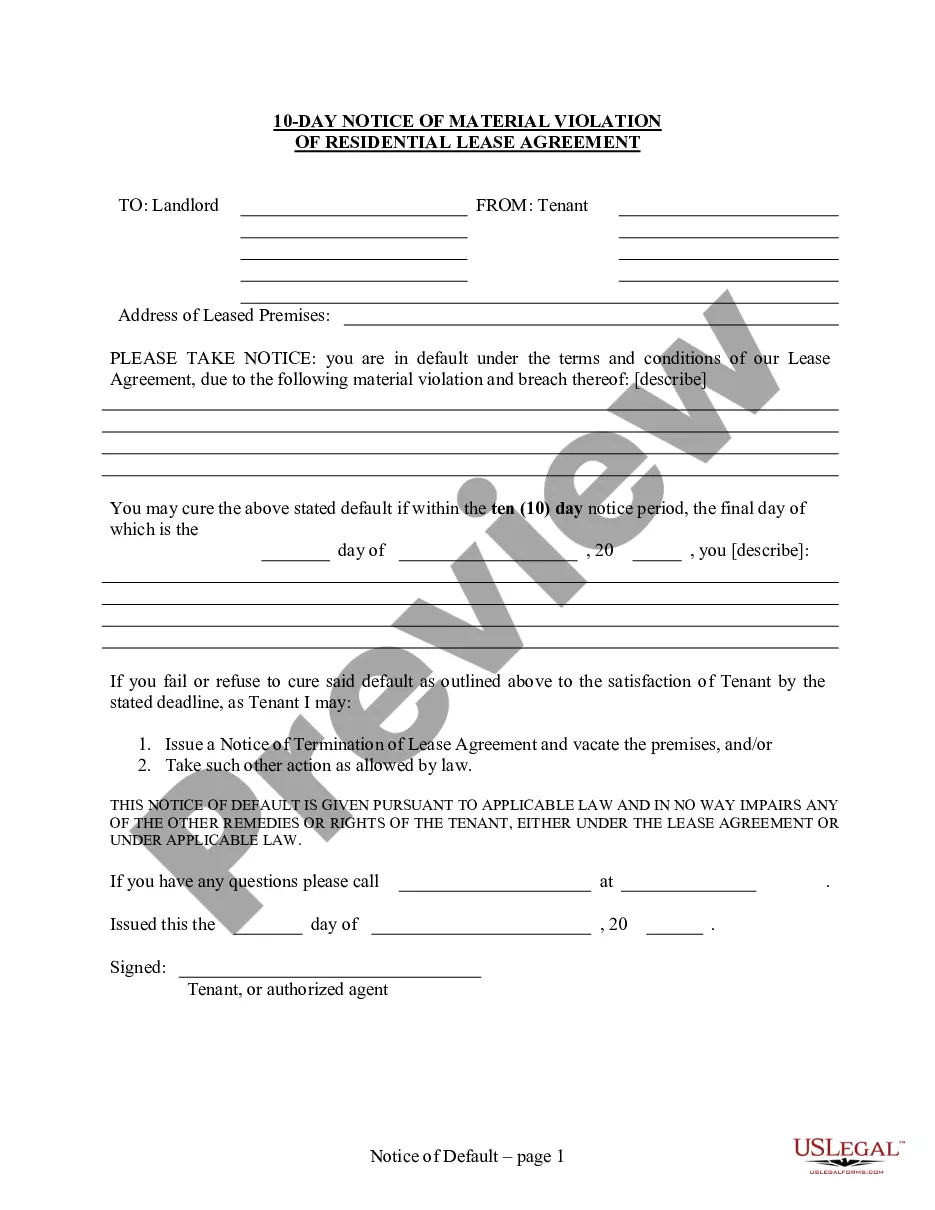
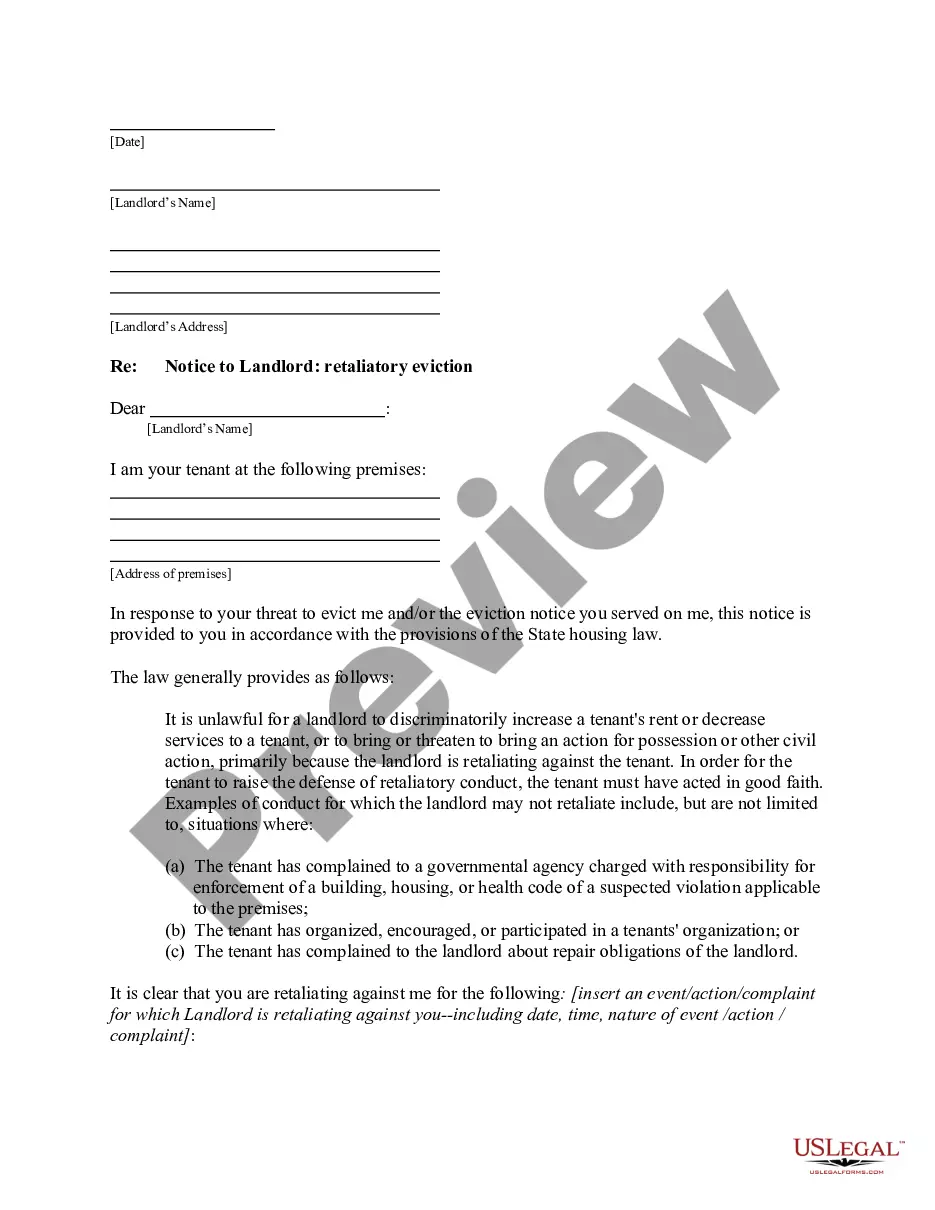
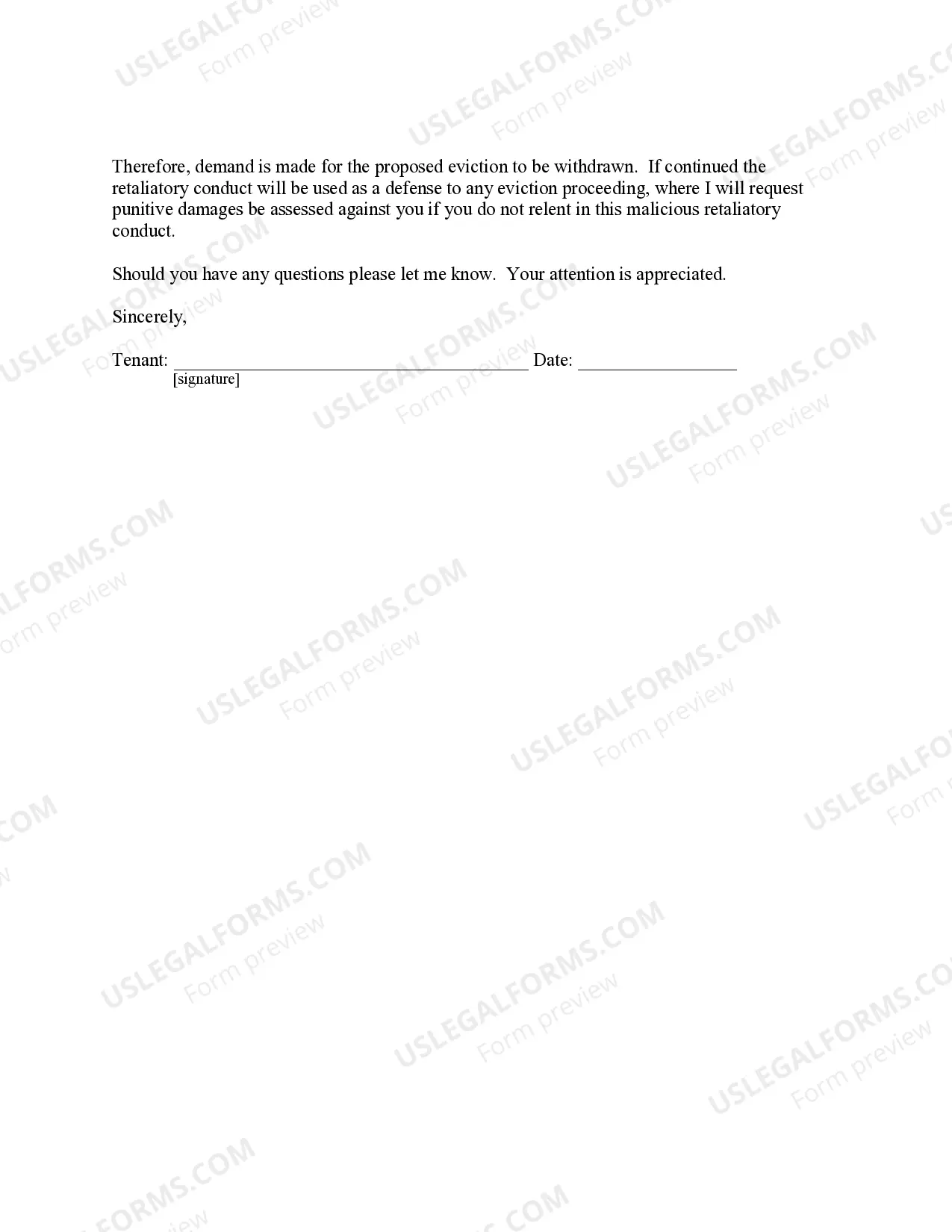
How to fill out Florida Letter From Tenant To Landlord Containing Notice To Landlord To Cease Retaliatory Threats To Evict Or Retaliatory Eviction?
Regardless of whether for commercial purposes or personal matters, everyone must confront legal issues eventually in their lifetime.
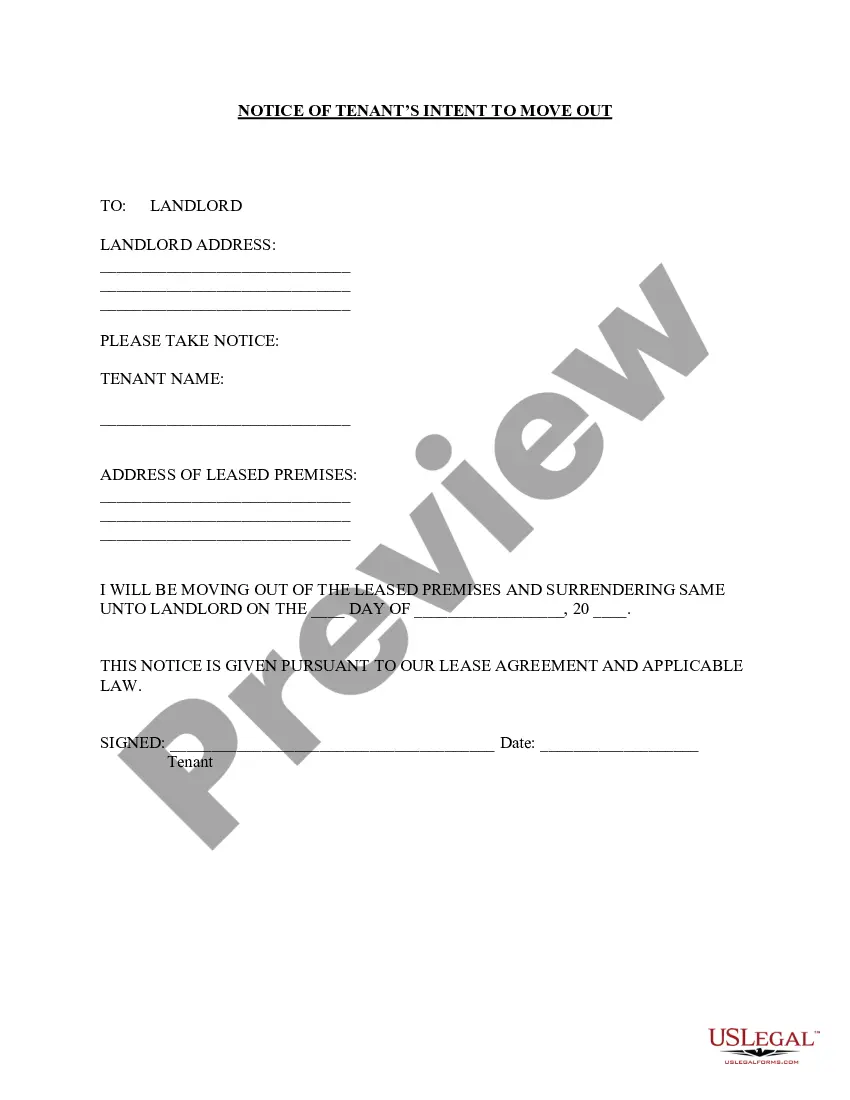
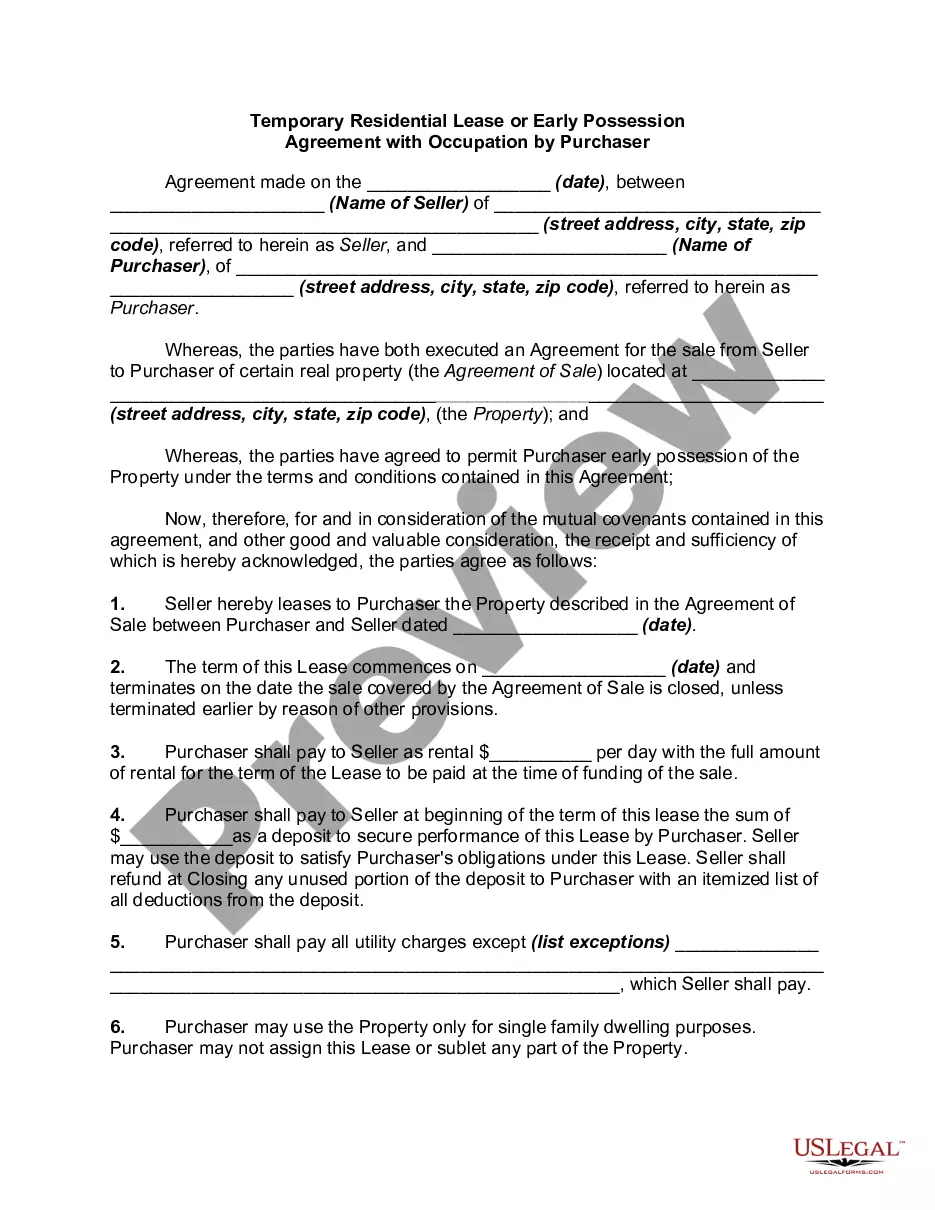
Completing legal documents necessitates meticulous care, beginning with selecting the correct form template. For example, if you choose an incorrect version of the Notice Eviction Form Template For Family Member, it will be denied upon submission. Thus, it is crucial to obtain a trustworthy source of legal paperwork such as US Legal Forms.
Once it is downloaded, you can fill out the form using editing software or print it and complete it manually. With an extensive US Legal Forms catalog available, you do not need to waste time searching for the right template across the web. Utilize the library’s user-friendly navigation to find the suitable form for any circumstance.
- Acquire the template you require using the search bar or catalog navigation.
- Review the form’s description to ensure it corresponds with your situation, state, and locality.
- Click on the form’s preview to examine it.
- If it is the wrong document, return to the search function to locate the Notice Eviction Form Template For Family Member sample you need.
- Obtain the file once it meets your requirements.
- If you have a US Legal Forms account, simply click Log in to access previously saved templates in My documents.
- If you do not yet have an account, you may download the form by clicking Buy now.
- Choose the appropriate pricing option.
- Complete the profile registration form.
- Select your payment method: you can utilize a credit card or PayPal account.
- Choose the file format you prefer and download the Notice Eviction Form Template For Family Member.
Form popularity
FAQ
Elements of an Eviction Letter Tenant names. Property address. Status and date of the lease. Date of the letter. Date when the tenant must vacate. Reason for the eviction. Proof of service or delivery of notice.
To lawfully remove a tenant from your property in Texas, you must first file an Eviction Suit in your local Justice of the Peace Court. Eviction suits, also known are forcible entry and detainer suits, grants you the power legally remove unwanted tenants from your property.
An adult child who won't leave home can be evicted. If there's no lease, and no agreement to pay rent, you can just give them a ?Notice to Quit? that says: ?I hereby demand immediate possession of the premises at (your address).? If they still don't leave, you must then take step 2 of any eviction case?a court case.
Even if you don't have a written lease, the landlord has to give you written notice at least a month and a day before the move out date. For example, if the landlord wants you out by June 30th, you must get the written notice on or before May 31st. Bring the notice to court.
Timeframes in the Eviction Process Step 1: Written Notice to Vacate. Unless the lease agreement says otherwise, the landlord must give the tenant at least 3 days to move out. ... Step 2: Filing of Eviction Suit. ... Step 3: Judgment. ... Step 4 (optional): Appeal. ... Step 5: Writ of Possession.