Life Estate Grant With Reversionary Interest
Description
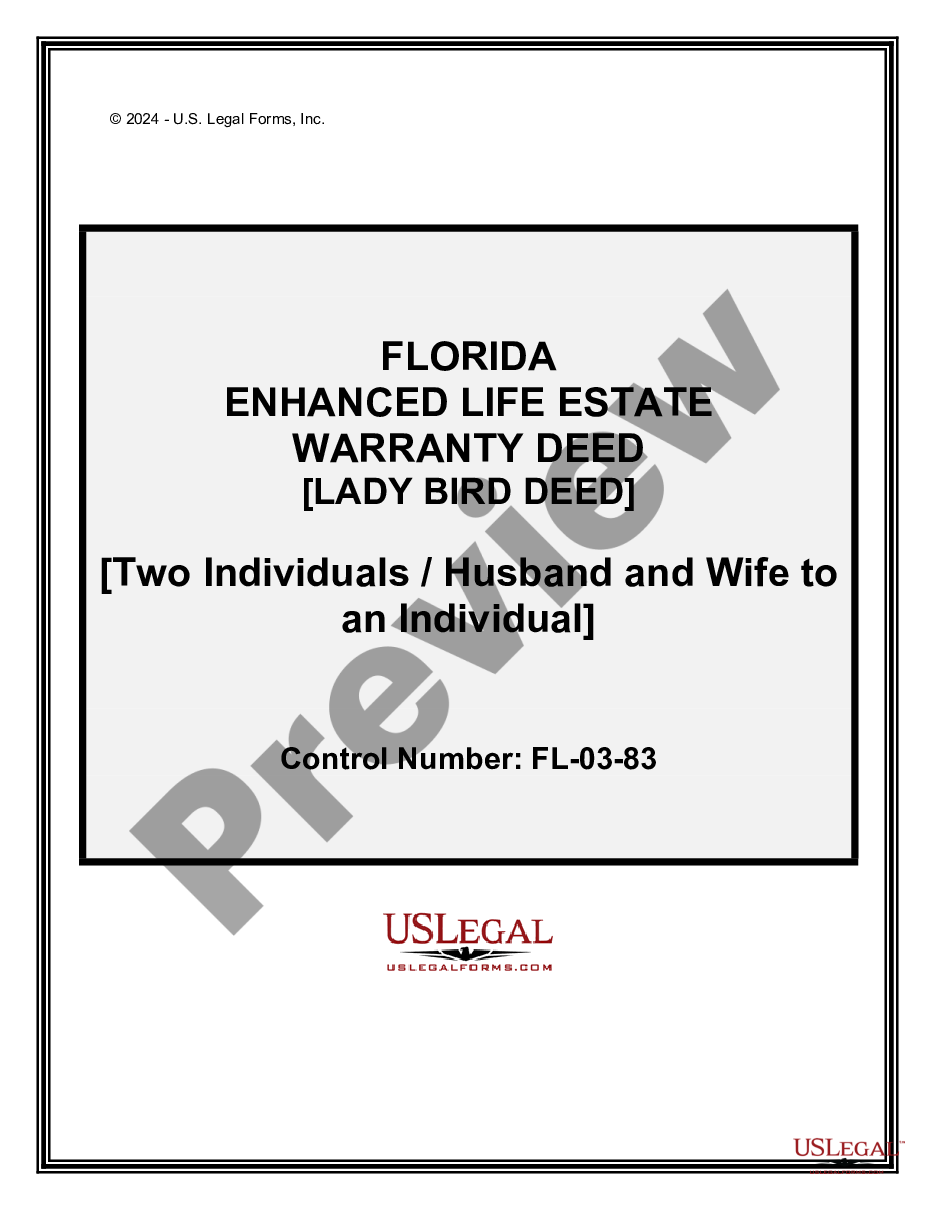
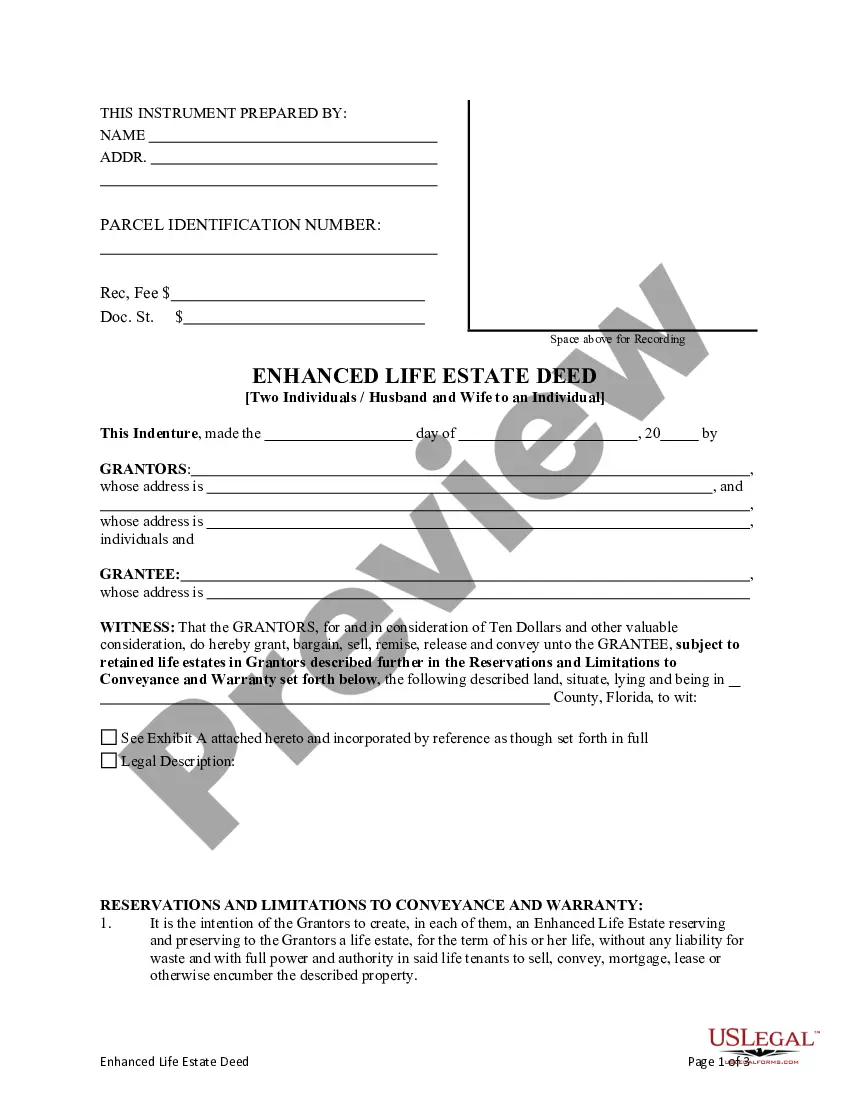
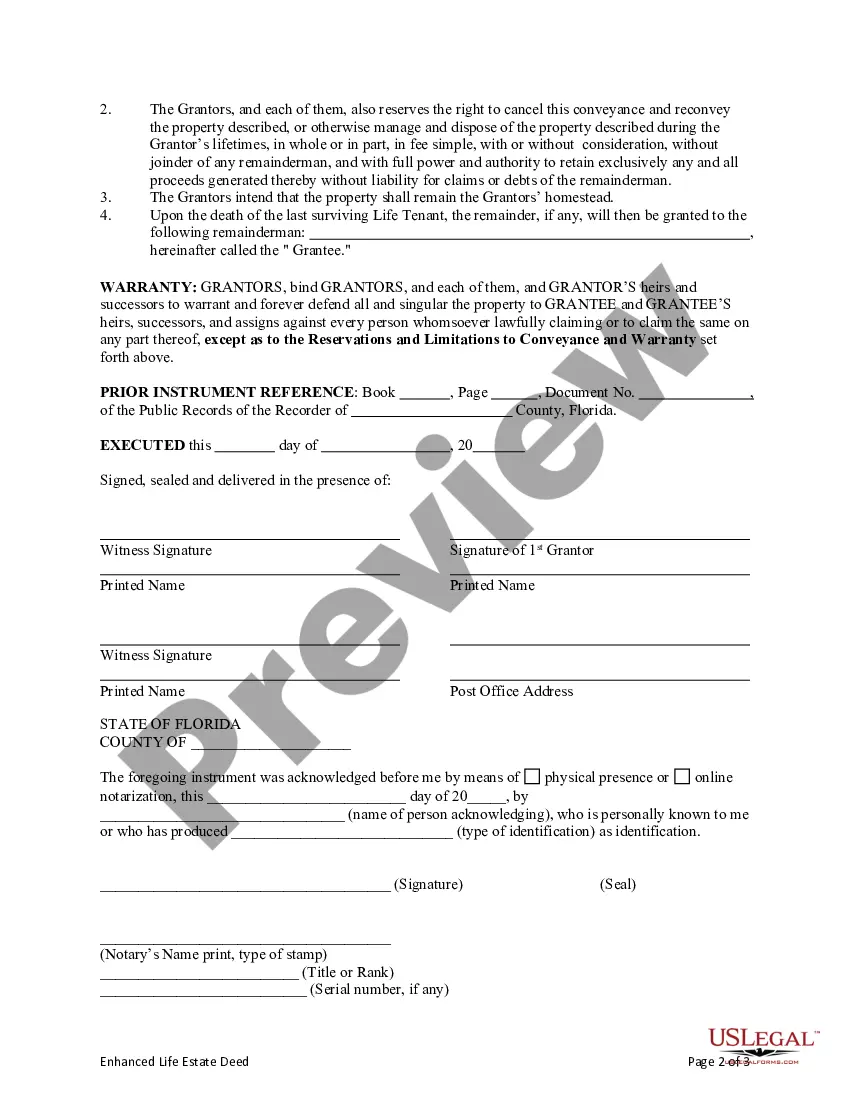
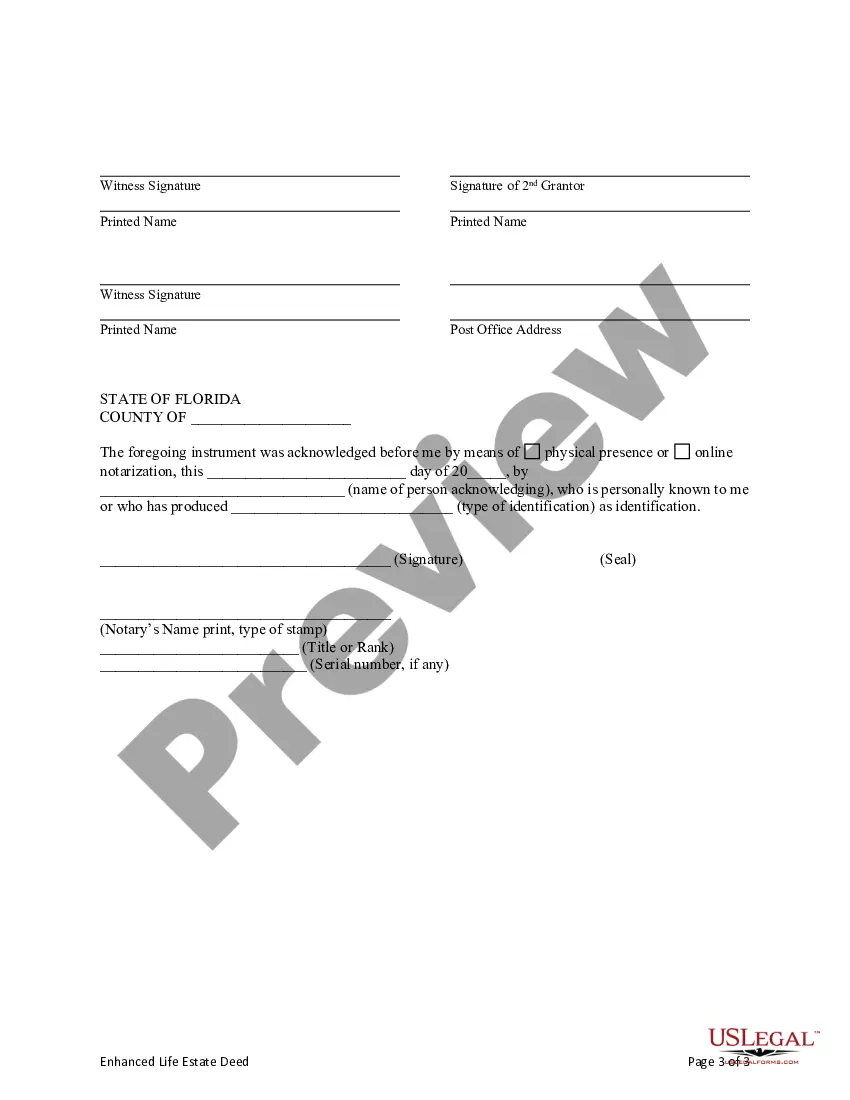
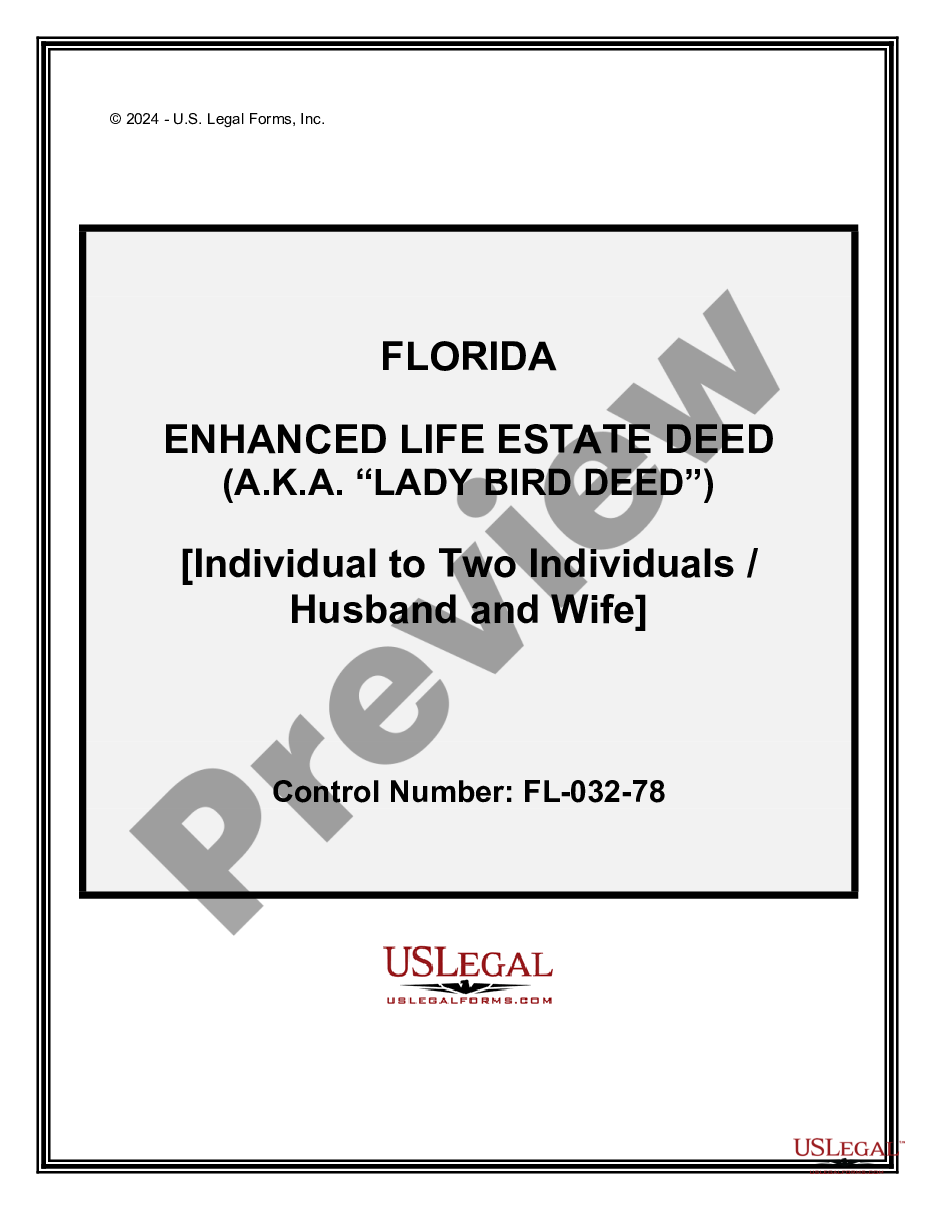

Get your form ready online
Our built-in tools help you complete, sign, share, and store your documents in one place.
Make edits, fill in missing information, and update formatting in US Legal Forms—just like you would in MS Word.
Download a copy, print it, send it by email, or mail it via USPS—whatever works best for your next step.
Sign and collect signatures with our SignNow integration. Send to multiple recipients, set reminders, and more. Go Premium to unlock E-Sign.
If this form requires notarization, complete it online through a secure video call—no need to meet a notary in person or wait for an appointment.
We protect your documents and personal data by following strict security and privacy standards.

Make edits, fill in missing information, and update formatting in US Legal Forms—just like you would in MS Word.

Download a copy, print it, send it by email, or mail it via USPS—whatever works best for your next step.

Sign and collect signatures with our SignNow integration. Send to multiple recipients, set reminders, and more. Go Premium to unlock E-Sign.

If this form requires notarization, complete it online through a secure video call—no need to meet a notary in person or wait for an appointment.

We protect your documents and personal data by following strict security and privacy standards.
Looking for another form?
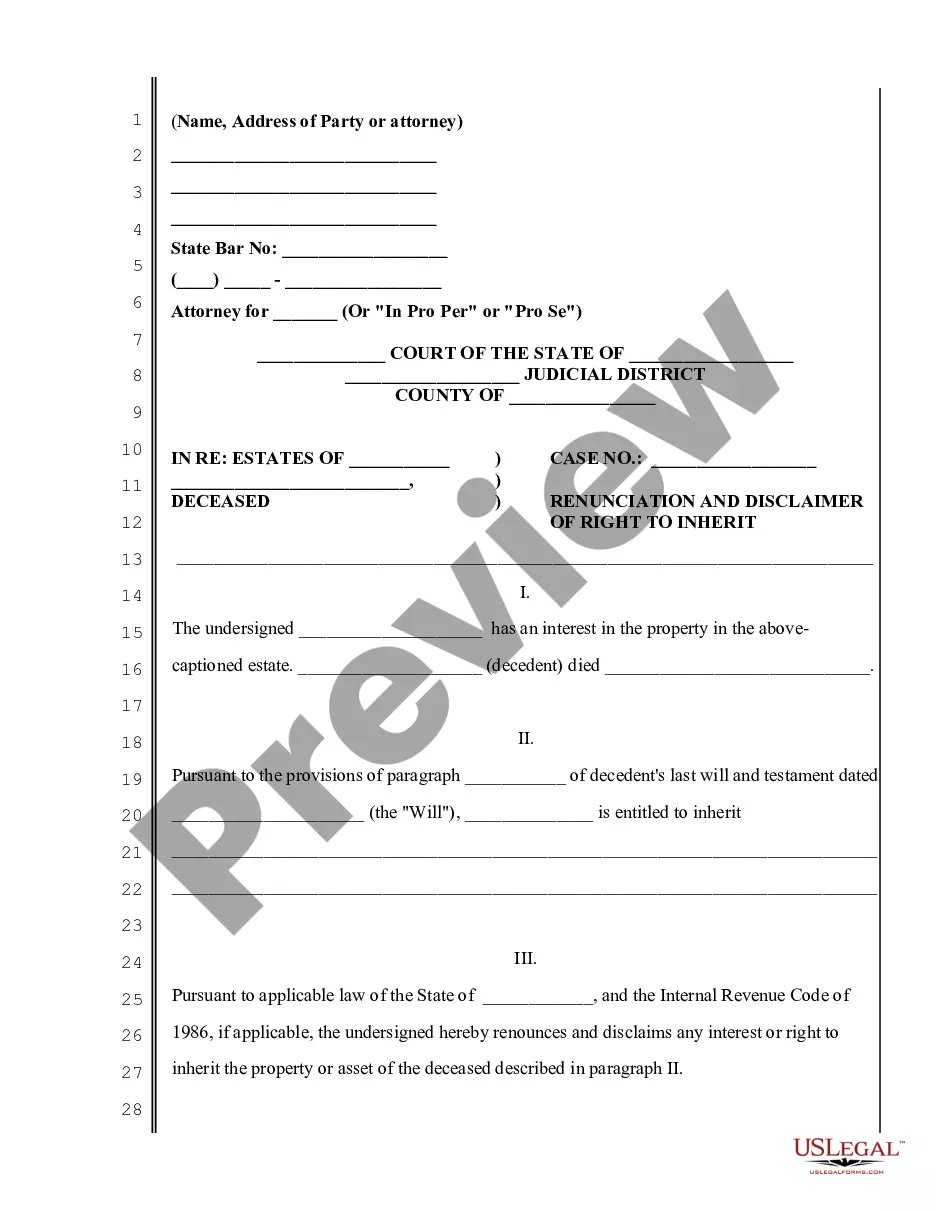


How to fill out Florida Enhanced Life Estate Or Lady Bird Deed - Two Individual / Husband And Wife To Individual?
Regardless of whether it is for corporate endeavors or personal issues, everyone must confront legal matters eventually in their lifetime.
Filling out legal documents requires meticulous care, starting with selecting the correct template format.
Once it is saved, you can fill out the form using editing software or print it and complete it manually. With an extensive catalog from US Legal Forms available, you won't need to waste time searching for the suitable template online. Utilize the library's straightforward navigation to find the right template for any occasion.
- For instance, if you select an incorrect iteration of a Life Estate Grant With Reversionary Interest, it will be rejected once submitted.
- Consequently, it is vital to source reliable legal papers, such as those from US Legal Forms.
- Should you wish to acquire a Life Estate Grant With Reversionary Interest template, follow these simple procedures.
- Locate the necessary template via the search box or catalog list.
- Review the form’s details to confirm it suits your circumstances, state, and locality.
- Click on the form’s preview to examine it.
- If it is the incorrect document, return to the search tool to find the Life Estate Grant With Reversionary Interest example you need.
- Obtain the template when it aligns with your requirements.
- If you already hold a US Legal Forms account, click Log in to access templates you've previously saved in My documents.
- If you do not yet have an account, you can acquire the form by clicking Buy now.
- Select the appropriate pricing option.
- Complete the account registration form.
- Choose your payment method: a credit card or PayPal account.
- Select the document format you wish and download the Life Estate Grant With Reversionary Interest.
Form popularity
FAQ
The Reversion Income (Reversion Value) is the value attributable to the property remaining at the time of the property's reversion ? this may be the end of the lease term, or perhaps the end of the property's Remaining Economic Life.
In trust law terms, a reversionary interest is an interest that reverts back to the settlor of a trust once a beneficiary's interest has come to an end. For example, Bob gives a life interest in Rose Cottage to his mother Judy, and on Judy's death the cottage is to revert back to Bob.
A reversion is that portion of a fee estate that continues in the grantor after the grantor has conveyed a life estate. For example, when A conveys a life estate to B, the portion of the fee estate remaining in A is a reversion. When B's life estate ends, the right to ownership and possession will revert to A.
What is an example of reversion? A common example of reversion is a leasehold estate, in which the lessee has the right to use and occupy the property for a specified period of time. When the lease term ends, the property reverts to the lessor.
A remainder interest is the right to use, possess, or enjoy property when the prior interest (term or life) ends. Mathematically, the value of a remainder interest is found by subtracting the present value of the prior interest from the entire fair market value of the property.