California Landlord Eviction With Child On Life Support
Description
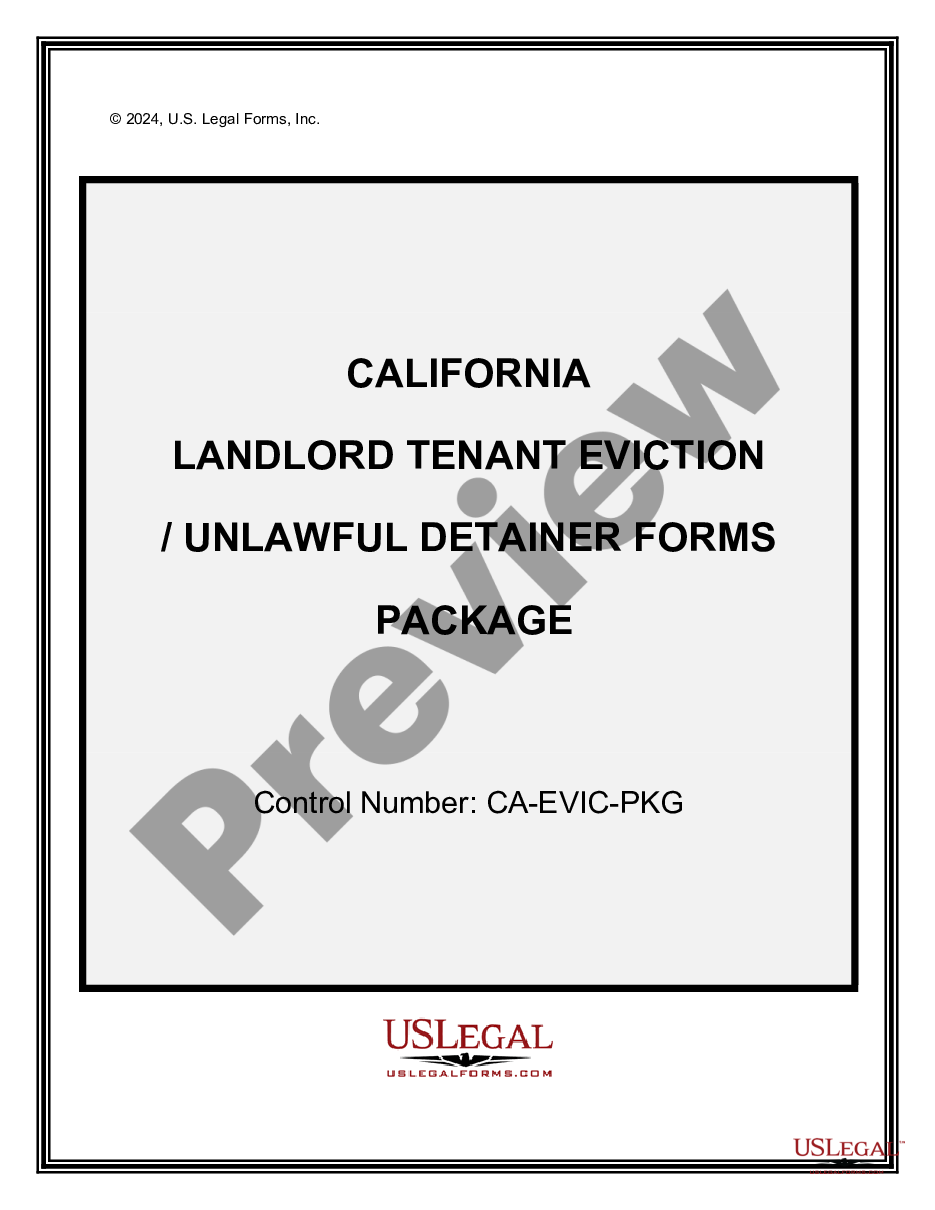
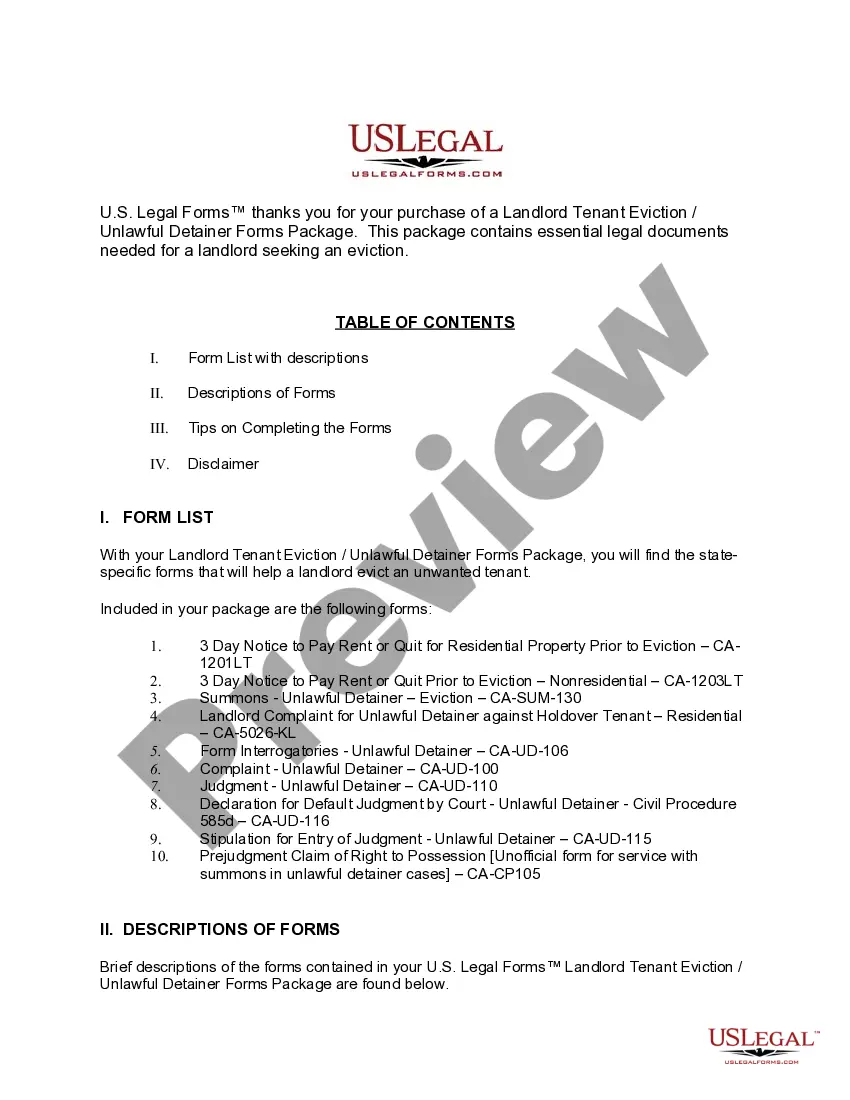
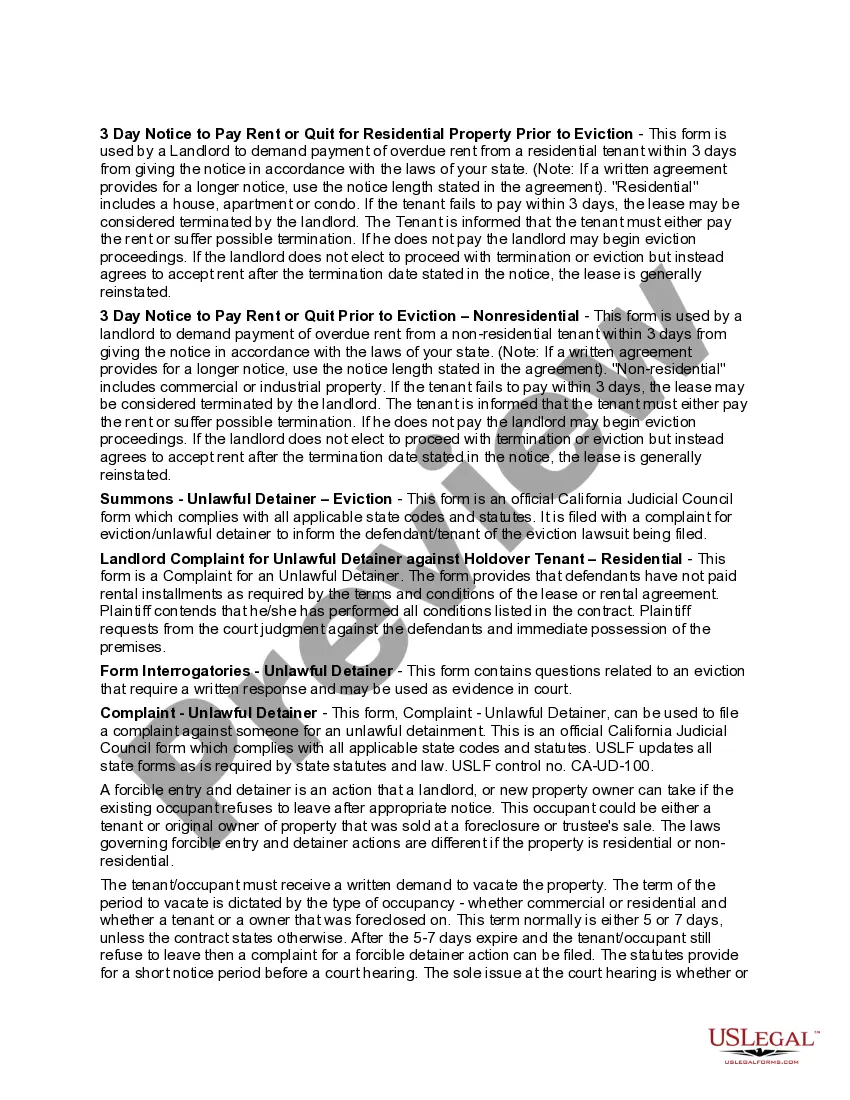
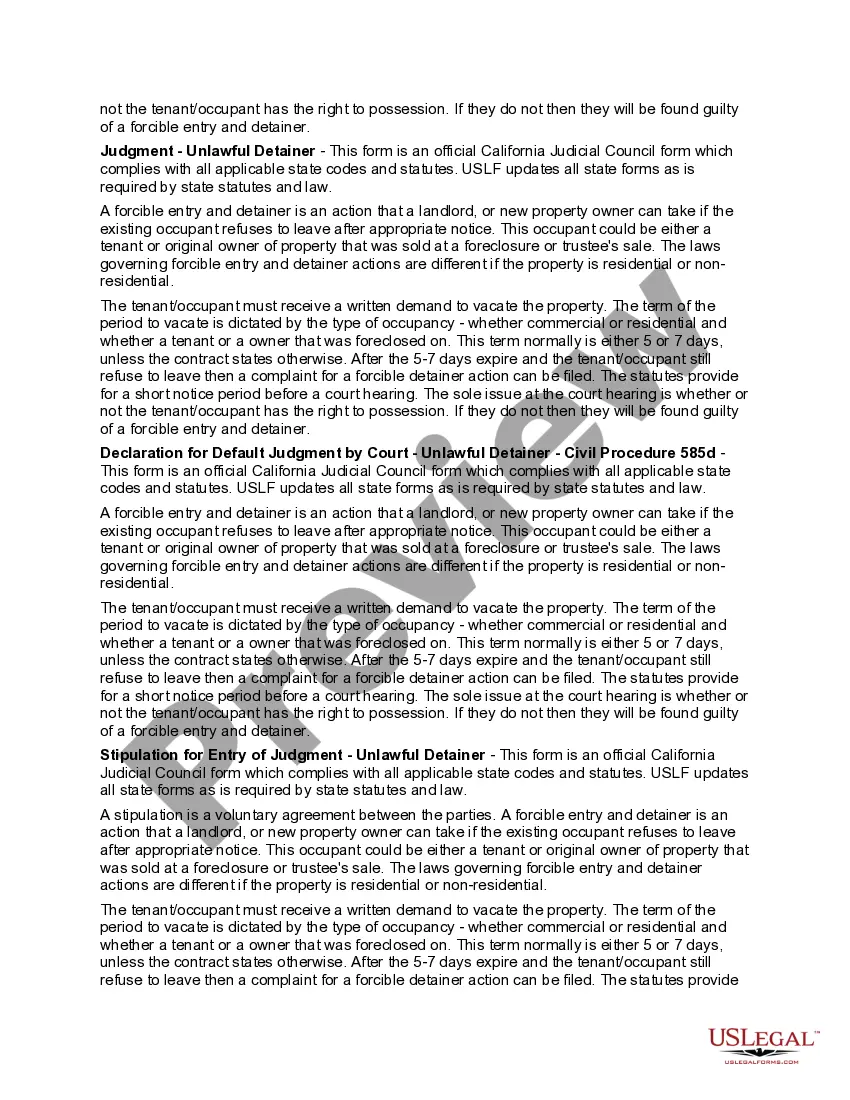


Get your form ready online
Our built-in tools help you complete, sign, share, and store your documents in one place.
Make edits, fill in missing information, and update formatting in US Legal Forms—just like you would in MS Word.
Download a copy, print it, send it by email, or mail it via USPS—whatever works best for your next step.
Sign and collect signatures with our SignNow integration. Send to multiple recipients, set reminders, and more. Go Premium to unlock E-Sign.
If this form requires notarization, complete it online through a secure video call—no need to meet a notary in person or wait for an appointment.
We protect your documents and personal data by following strict security and privacy standards.

Make edits, fill in missing information, and update formatting in US Legal Forms—just like you would in MS Word.

Download a copy, print it, send it by email, or mail it via USPS—whatever works best for your next step.

Sign and collect signatures with our SignNow integration. Send to multiple recipients, set reminders, and more. Go Premium to unlock E-Sign.

If this form requires notarization, complete it online through a secure video call—no need to meet a notary in person or wait for an appointment.

We protect your documents and personal data by following strict security and privacy standards.
Looking for another form?





How to fill out California Landlord Tenant Eviction / Unlawful Detainer Forms Package?
Regardless of whether it is for corporate reasons or personal issues, every individual encounters legal matters at some point in their lives.
Completing legal documents demands meticulous care, beginning with selecting the appropriate form template.
With an extensive catalog of US Legal Forms available, you never have to waste time searching for the appropriate sample online. Utilize the library’s simple navigation to find the correct form for any circumstance.
- Look for the sample you require using the search bar or catalog browsing.
- Review the description of the form to confirm it aligns with your situation, state, and locality.
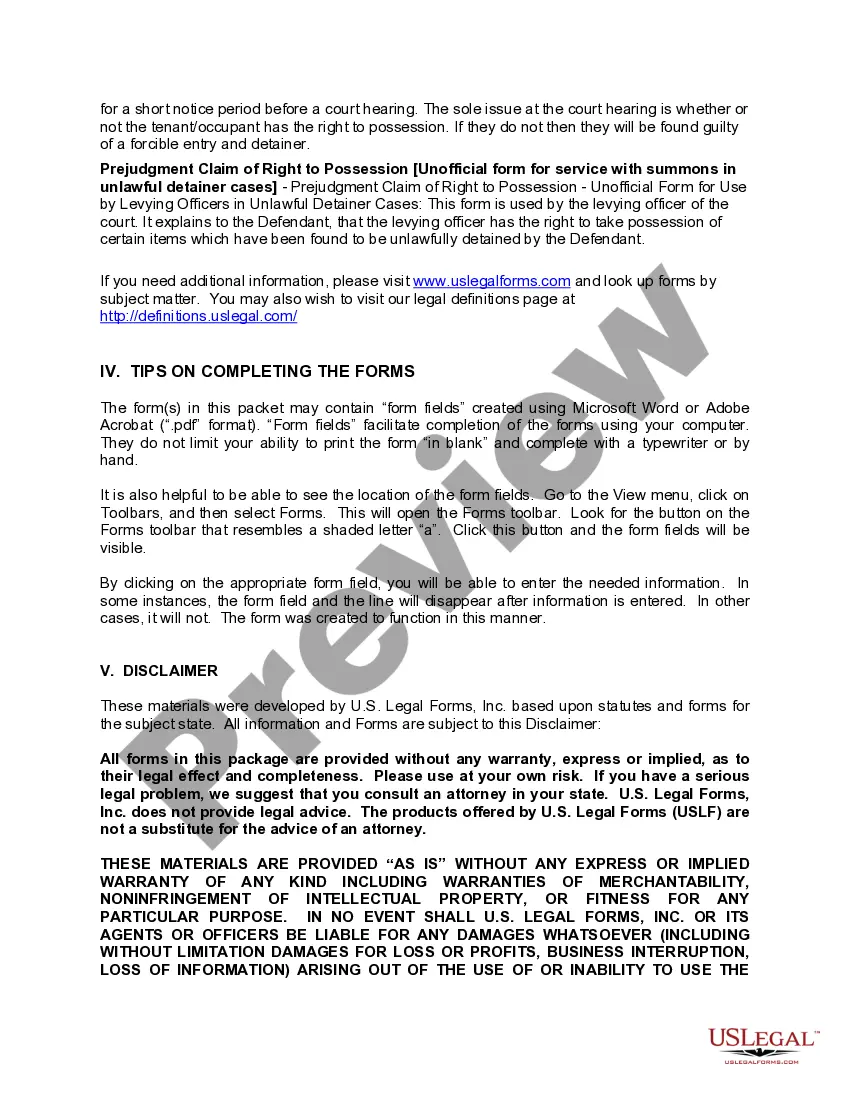
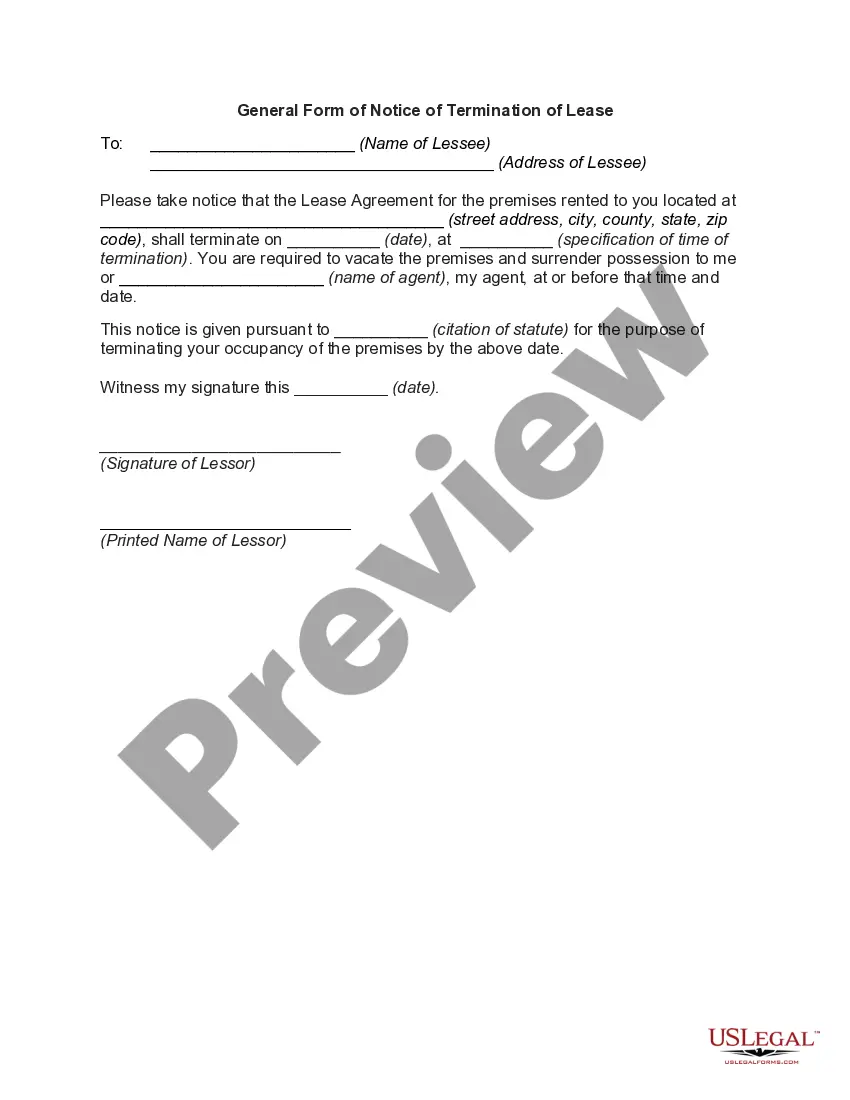
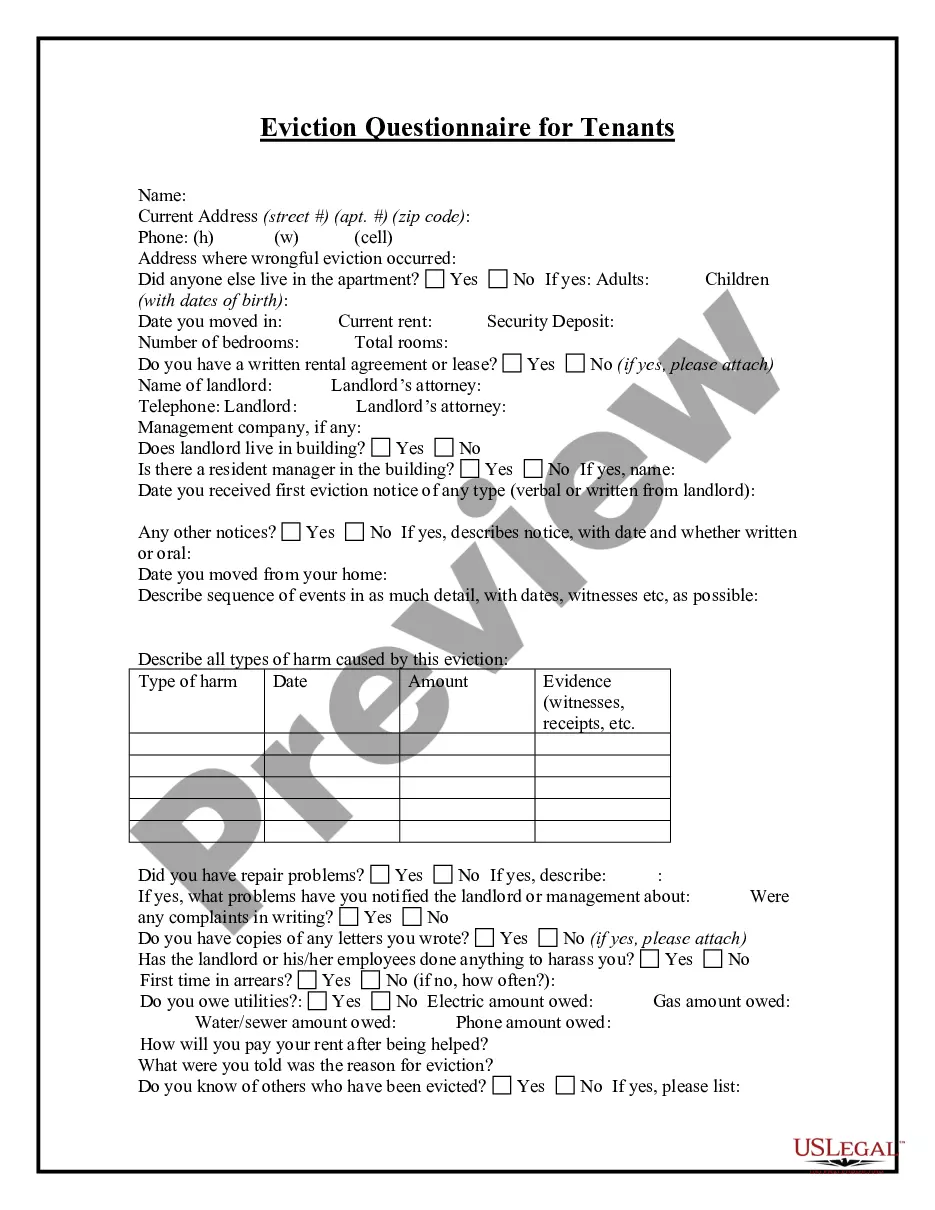
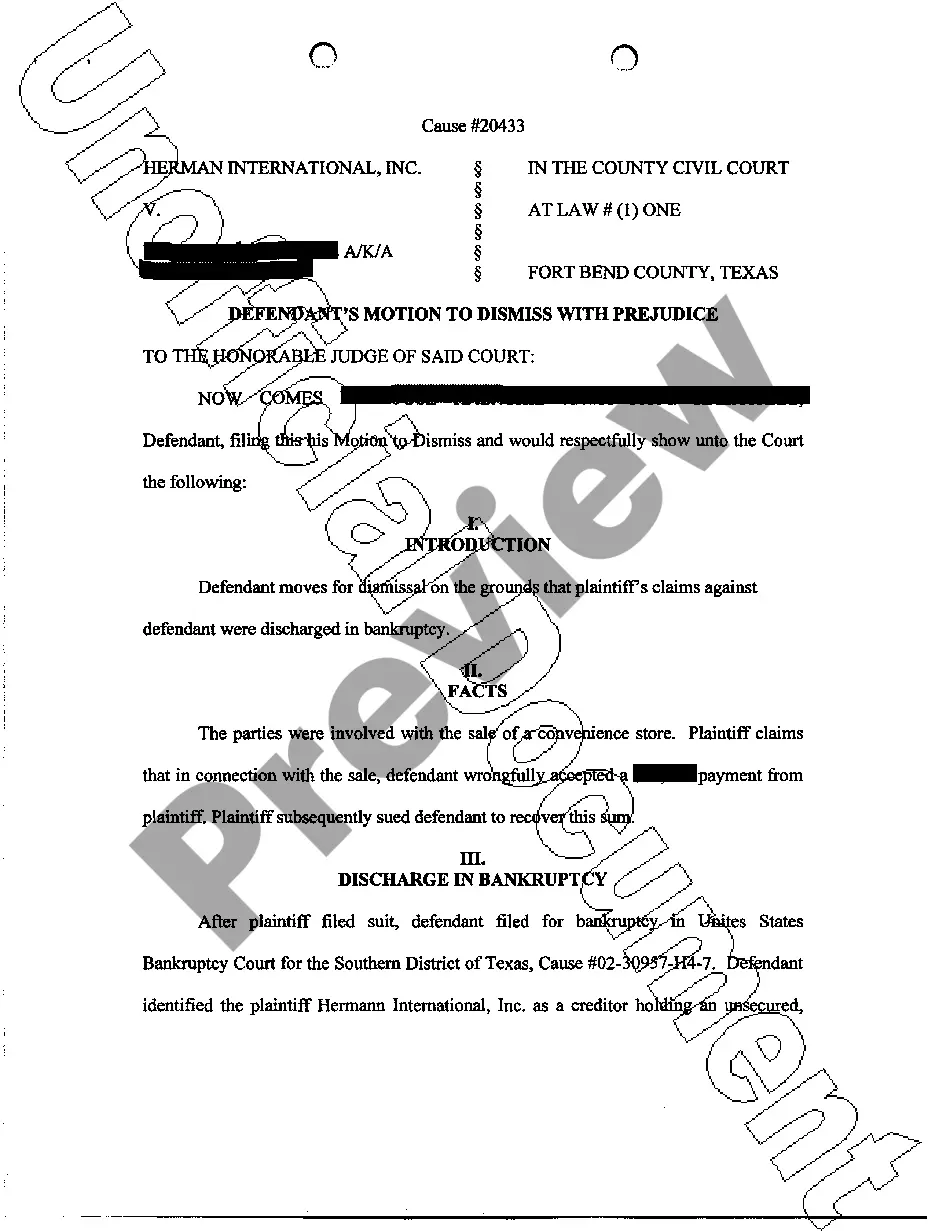
- Click on the form's preview for a visual check.
- If it is not the right form, return to the search tool to find the California Landlord Eviction With Child On Life Support template you need.
- Acquire the template if it satisfies your requirements.
- If you have an existing US Legal Forms account, simply click Log in to access previously stored documents in My documents.
- If you do not possess an account yet, you can obtain the form by clicking Buy now.
- Select the appropriate pricing option.
- Complete the account registration form.
- Choose your payment option: you can use a credit card or a PayPal account.
- Select the file format you prefer and download the California Landlord Eviction With Child On Life Support.
- Once downloaded, you can fill in the form with editing software or print it and complete it manually.
Form popularity
FAQ
The licensing agency may grant approval for the eviction upon a finding of good cause. Good cause exists if the resident is engaging in behavior which is a threat to the mental and/or physical health or safety of himself or to the mental and/or physical health or safety of others in the facility.
The Notice must be in writing and include: The date the tenancy will end ("be terminated") Detailed reason(s) for the eviction. That if the tenant doesn't move out within 90 days the owner may start a court case to evict them and that they can give their side of the story then.
California Eviction Laws and Process Step 1: Notice to Terminate. ... Step 2: The Landlord Files an Unlawful Detainer Lawsuit. ... Step 3: The Landlord Serves the Unlawful Detainer Paperwork on the Tenant. ... Step 4: Trial or Hearing. ... Step 5: Eviction Judgment. ... Step 6: Removal of the Tenant.
You can: File an Ejectment action in the Circuit Court. File an eviction if there's a written or oral lease with specific terms. File an Unlawful Detainer action, which is sometimes the fastest way to go.
If a tenant fails to pay rent, they can be evicted, even if they have a disability. It's essential for tenants to understand that while the law offers protection against discrimination for mental disability, it does not excuse non-payment of rent. Landlords can and will initiate eviction proceedings for unpaid rent.