California Rules Regulations For Company Employees
Description
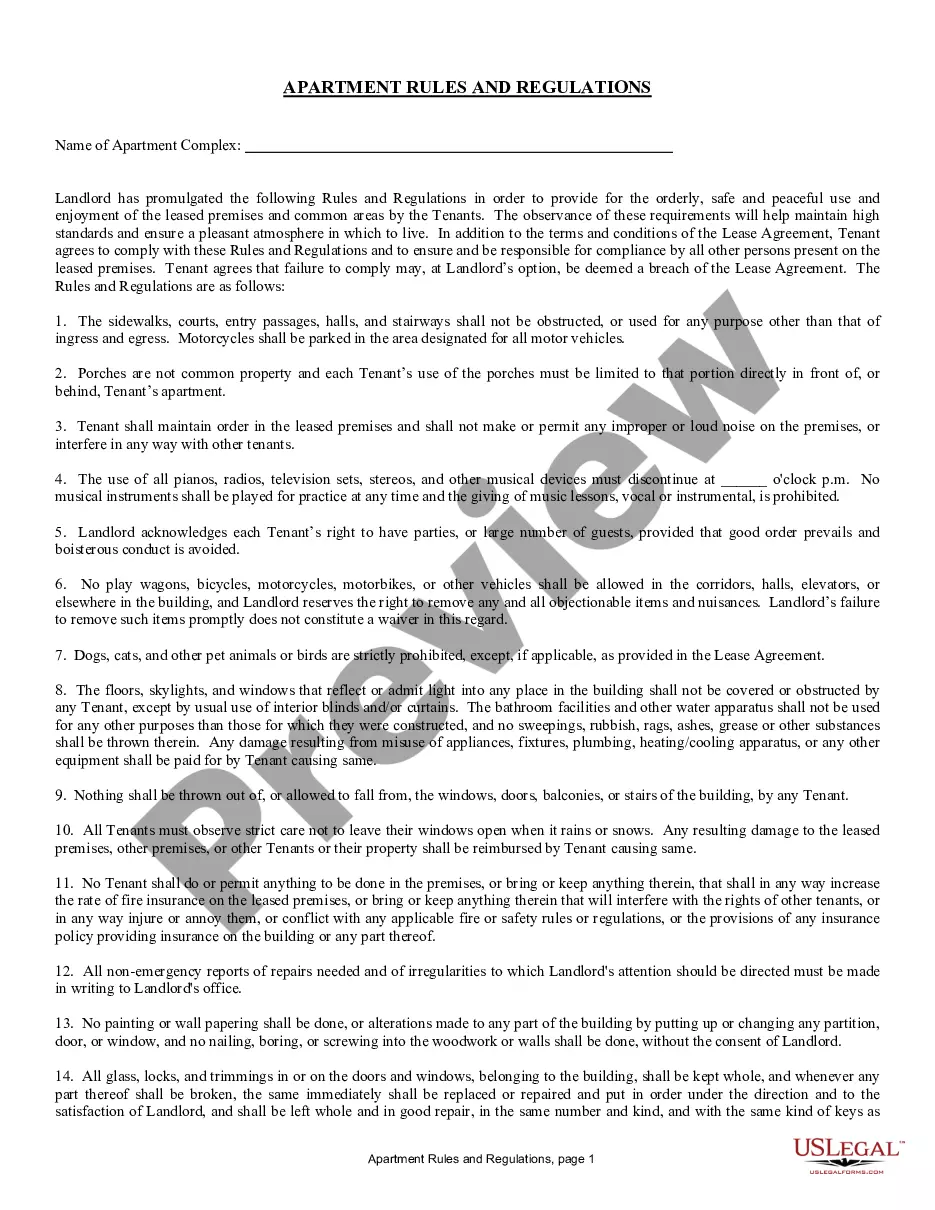
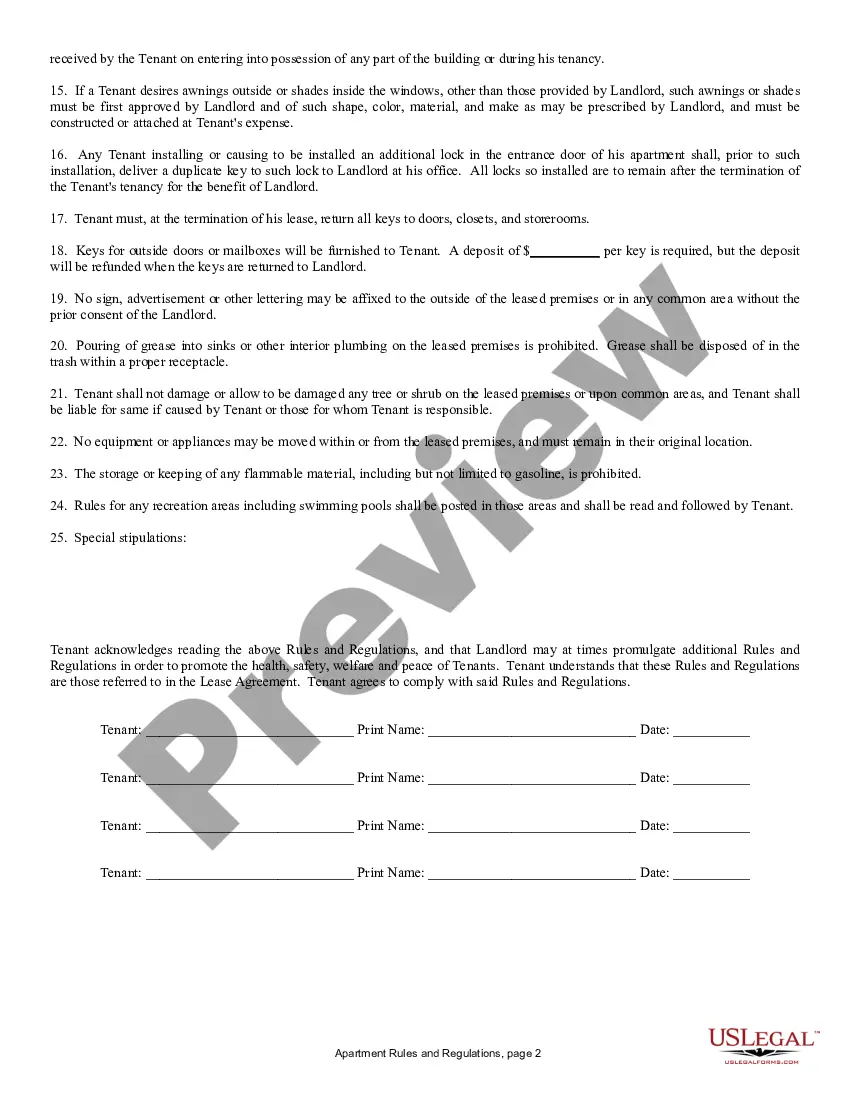
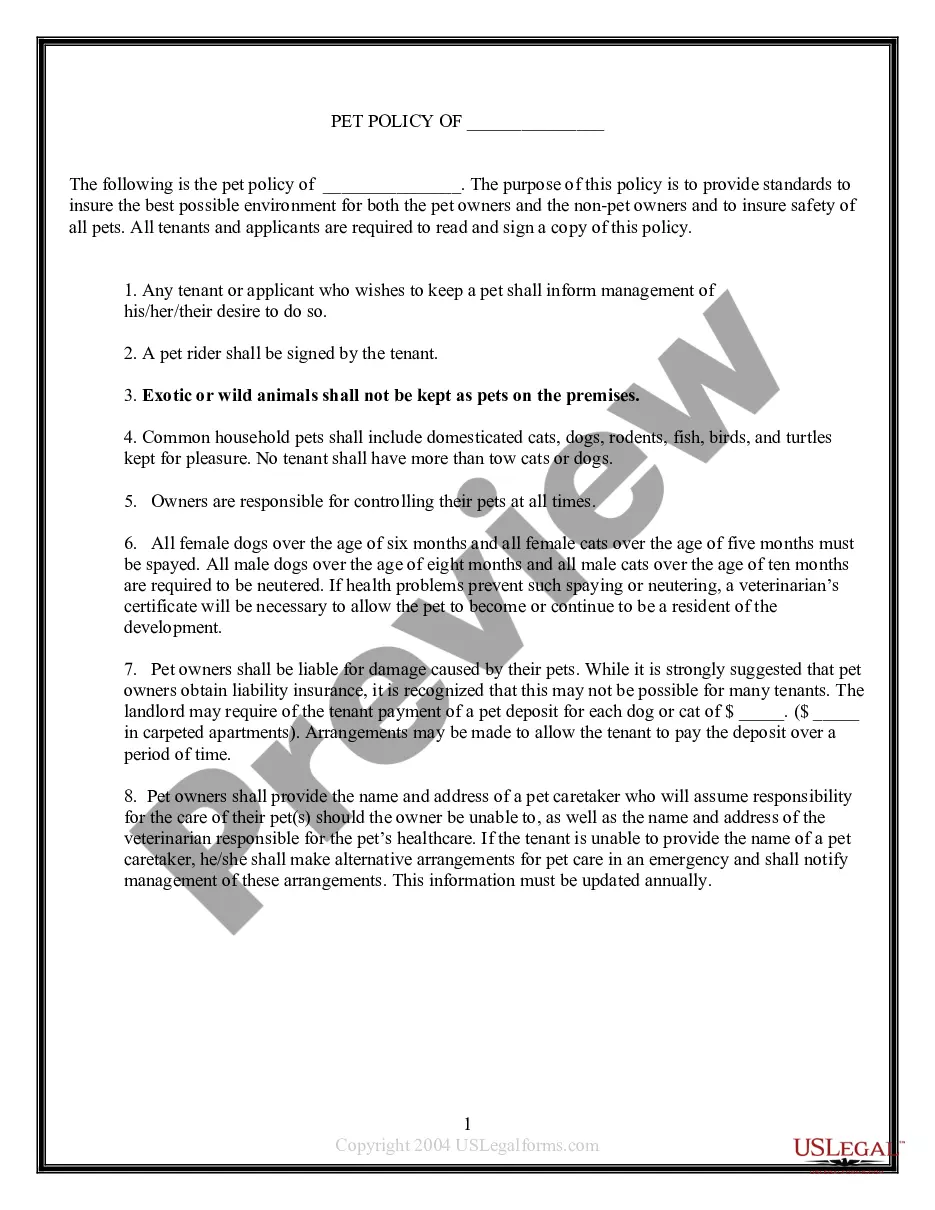
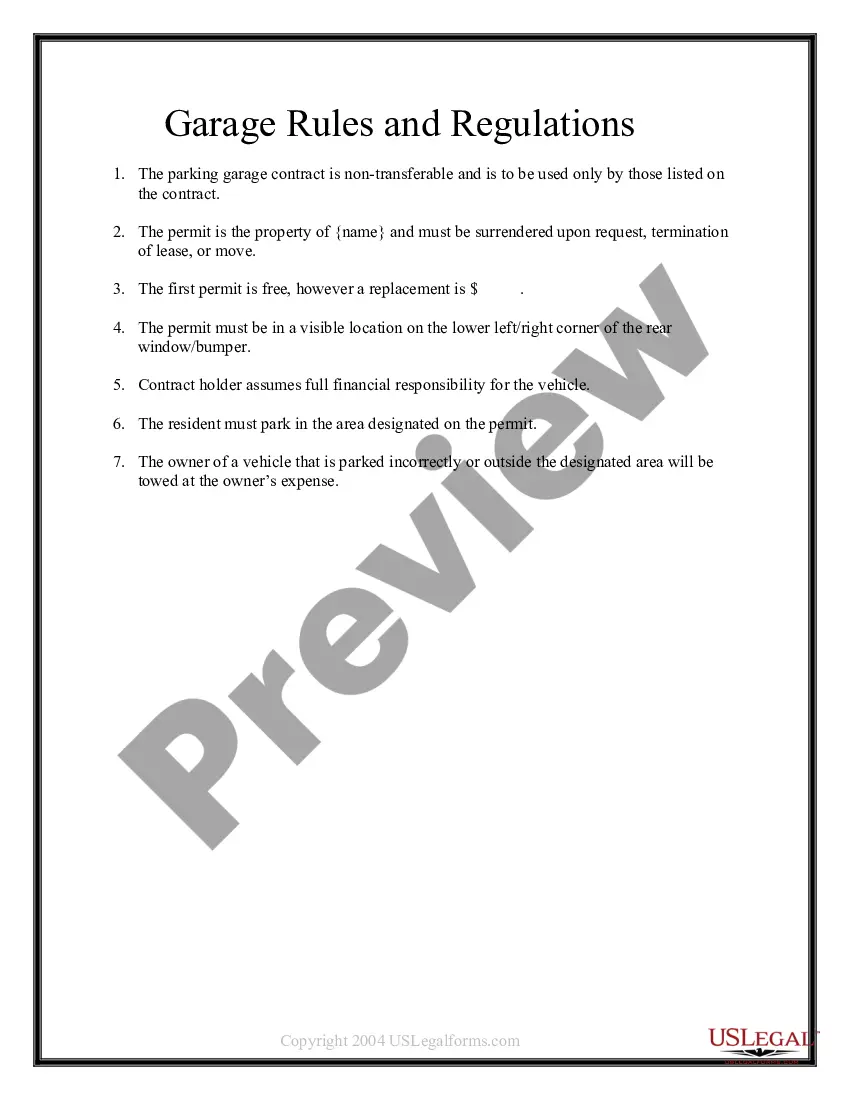
Get your form ready online
Our built-in tools help you complete, sign, share, and store your documents in one place.
Make edits, fill in missing information, and update formatting in US Legal Forms—just like you would in MS Word.
Download a copy, print it, send it by email, or mail it via USPS—whatever works best for your next step.
Sign and collect signatures with our SignNow integration. Send to multiple recipients, set reminders, and more. Go Premium to unlock E-Sign.
If this form requires notarization, complete it online through a secure video call—no need to meet a notary in person or wait for an appointment.
We protect your documents and personal data by following strict security and privacy standards.

Make edits, fill in missing information, and update formatting in US Legal Forms—just like you would in MS Word.

Download a copy, print it, send it by email, or mail it via USPS—whatever works best for your next step.

Sign and collect signatures with our SignNow integration. Send to multiple recipients, set reminders, and more. Go Premium to unlock E-Sign.

If this form requires notarization, complete it online through a secure video call—no need to meet a notary in person or wait for an appointment.

We protect your documents and personal data by following strict security and privacy standards.
Looking for another form?


Form popularity
FAQ
New labor laws in California for 2024 will include updated regulations regarding employee breaks, wage theft protections, and expanded rights for gig workers. Employers must ensure they understand these laws to avoid potential penalties. Staying compliant with California rules and regulations for company employees is vital for a successful business.
Starting in July 2024, California will implement various new laws affecting employee rights and employer responsibilities. Key changes will include updates to overtime policies and expanded leave provisions for employees. It's essential to stay informed about these changes to ensure your business complies with California rules and regulations for company employees.
To legally employ someone in California, businesses must obtain an Employer Identification Number (EIN), register with the state, and comply with tax withholding requirements. Employers must also follow California's labor laws, including minimum wage and overtime regulations. Adhering to these guidelines ensures compliance with California rules and regulations for company employees.
California law requires that employee handbooks include crucial information such as anti-discrimination policies, harassment prevention protocols, and guidelines regarding workplace safety. Additionally, employers must outline procedures for reporting violations and detail employee rights under California law. These elements are vital to comply with California rules and regulations for company employees.
In California, employee files must contain essential documents such as the job application, tax forms, performance evaluations, and any disciplinary records. Additionally, any agreements related to employment, like confidentiality agreements and employee handbooks, should be included. Properly maintaining these documents helps ensure compliance with California rules and regulations for company employees.
Yes, California labor laws apply to remote workers as long as they are employed by a company based in California. Employers must adhere to California's rules and regulations for company employees, including wage and hour laws, even if their employees work from a different location. It is highly recommended for employers to familiarize themselves with these regulations to maintain compliance.
California labor law applies to virtually all workers in the state, regardless of their job classification. This includes full-time, part-time, and temporary employees, providing them with essential worker protections. Understanding who is covered by these California rules and regulations for company employees is critical for employers to ensure they are compliant.
Yes, California is known for having some of the strictest employment laws in the country. These laws encompass minimum wage, overtime, meal breaks, and a host of other regulations designed to protect employees. As an employer, it is vital to stay informed about these California rules and regulations for company employees to avoid potential legal issues.
Generally, California labor laws apply primarily to employees who work within California. However, if you are a California employer with employees working out of state, certain California rules and regulations for company employees may still apply. It is essential to consult legal resources, as the specifics can vary based on the nature of the work and the employee's location.
Absolutely, California labor laws apply to small businesses just as they do to larger enterprises. Even if a business has only a handful of employees, it must adhere to the California rules and regulations for company employees. This ensures that all workers receive proper protections and benefits under the law, regardless of the business's size.
