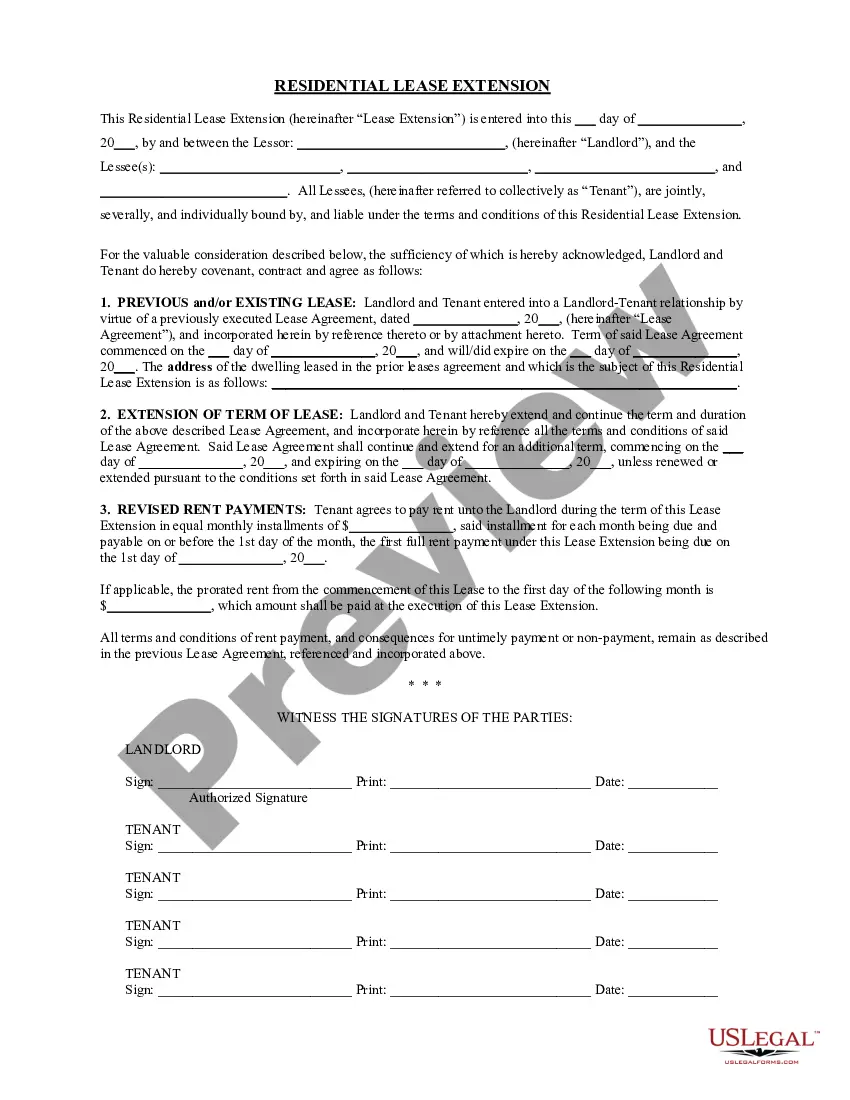
Residential Lease Tenancy Agreement For Ontario
Description
Get your form ready online
Our built-in tools help you complete, sign, share, and store your documents in one place.
Make edits, fill in missing information, and update formatting in US Legal Forms—just like you would in MS Word.
Download a copy, print it, send it by email, or mail it via USPS—whatever works best for your next step.
Sign and collect signatures with our SignNow integration. Send to multiple recipients, set reminders, and more. Go Premium to unlock E-Sign.
If this form requires notarization, complete it online through a secure video call—no need to meet a notary in person or wait for an appointment.
We protect your documents and personal data by following strict security and privacy standards.

Make edits, fill in missing information, and update formatting in US Legal Forms—just like you would in MS Word.

Download a copy, print it, send it by email, or mail it via USPS—whatever works best for your next step.

Sign and collect signatures with our SignNow integration. Send to multiple recipients, set reminders, and more. Go Premium to unlock E-Sign.

If this form requires notarization, complete it online through a secure video call—no need to meet a notary in person or wait for an appointment.

We protect your documents and personal data by following strict security and privacy standards.
Looking for another form?
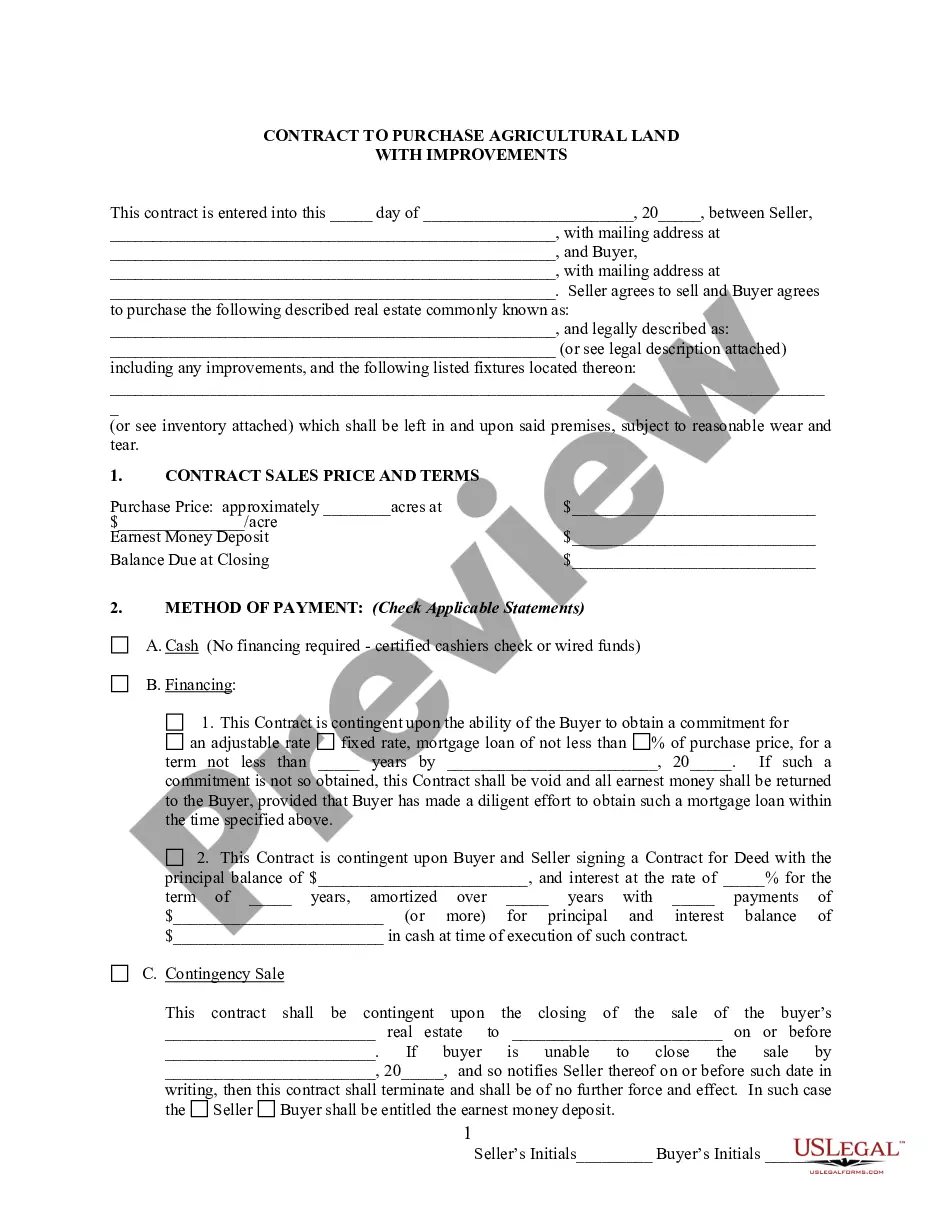
How to fill out California Residential Or Rental Lease Extension Agreement?
The Residential Lease Tenancy Agreement for Ontario displayed on this site is a reusable legal blueprint created by expert attorneys in alignment with national and regional statutes.
For over 25 years, US Legal Forms has been delivering individuals, corporations, and legal practitioners with more than 85,000 validated, state-specific documents for various business and personal occasions. It is the fastest, easiest, and most reliable way to acquire the paperwork you require, as the service ensures bank-level data protection and anti-malware measures.
Subscribe to US Legal Forms to access validated legal templates for all of life's situations.
- Search for the document you require and examine it.
- Browse through the file you looked for and preview it or review the form description to verify it meets your needs. If it doesn't, utilize the search function to find the correct one. Click Buy Now once you have discovered the template you need.
- Register and Log In.
- Select the pricing plan that works best for you and create an account. Use PayPal or a credit card to make a quick payment. If you already possess an account, Log In and check your subscription to proceed.
- Obtain the editable template.
- Choose the format you want for your Residential Lease Tenancy Agreement for Ontario (PDF, DOCX, RTF) and download the example onto your device.
- Complete and sign the document.
- Print out the template to fill it out by hand. Alternatively, utilize an online multi-purpose PDF editor to quickly and accurately complete and sign your form with an eSignature.
- Download your documents again.
- Use the same document again whenever necessary. Access the My documents tab in your profile to re-download any previously obtained forms.
Form popularity
FAQ
If there is no lease agreement in Ontario, the Tenant Protection Act still offers fundamental rights to renters. The absence of a written document may complicate situations regarding rent increases or eviction notices. In such cases, tenants can refer to the established laws to assert their rights. Using a residential lease tenancy agreement for Ontario can help clarify the expectations and responsibilities between landlords and tenants, reducing potential disputes.
To generate a residential lease tenancy agreement for Ontario, start by gathering essential information such as the names of the landlord and tenant, property address, and lease duration. You can utilize online platforms like USLegalForms, which offer templates and tools that simplify the process. These resources ensure that your agreement complies with local laws and meets your specific needs. By following the steps provided, you can create a clear and effective tenancy agreement.
Red flags in a Residential lease tenancy agreement for Ontario might include vague clauses, high fees, or reluctance from the landlord to provide a copy. Also, watch for unclear maintenance obligations or eviction terms. It's critical to raise concerns and seek clarification before signing any agreement.
Both the landlord and tenant participate in filling out the Ontario standard Residential lease tenancy agreement. The landlord usually initiates the process with the required details, while tenants verify and provide their information. This cooperative approach solidifies understanding and agreement.
Filling out a Residential lease tenancy agreement for Ontario requires attention to detail. Step-by-step, fill in tenant and landlord names, rental amount, and lease start and end dates. It's beneficial to review the agreement as a group to ensure mutual understanding.
While focused on Ontario, it is useful to know that different jurisdictions like Massachusetts have unique lease law requirements. Generally, a lease must cover rent, security deposits, and terms of eviction. For guidance specific to Ontario, refer to a Residential lease tenancy agreement for Ontario which aligns with local regulations.
When filling out a Residential lease tenancy agreement for Ontario, always write legibly and double-check your entries. Each party should review the agreement to understand their obligations. Platforms like USLegalForms can provide templates and guidance to avoid common mistakes.
A Residential lease tenancy agreement for Ontario typically follows a standard format. It includes sections for tenant and landlord information, property details, terms of the lease, payment information, and signatures. For optimal results, ensure each section is clear and well-structured.
To fill in a Residential lease tenancy agreement for Ontario, provide accurate information for each section. Ensure that you include the names of all tenants and the landlord, the rental rate, and lease dates. You can utilize a platform like USLegalForms to assist you in completing this process correctly.
In your Residential lease tenancy agreement for Ontario, include tenant and landlord details, the property address, and lease duration. Clearly outline rent amount, payment methods, and due dates. It is also important to specify rules regarding pets, maintenance, and tenant responsibilities.