Tenant Landlord With With A Landlord
Description


Get your form ready online
Our built-in tools help you complete, sign, share, and store your documents in one place.
Make edits, fill in missing information, and update formatting in US Legal Forms—just like you would in MS Word.
Download a copy, print it, send it by email, or mail it via USPS—whatever works best for your next step.
Sign and collect signatures with our SignNow integration. Send to multiple recipients, set reminders, and more. Go Premium to unlock E-Sign.
If this form requires notarization, complete it online through a secure video call—no need to meet a notary in person or wait for an appointment.
We protect your documents and personal data by following strict security and privacy standards.
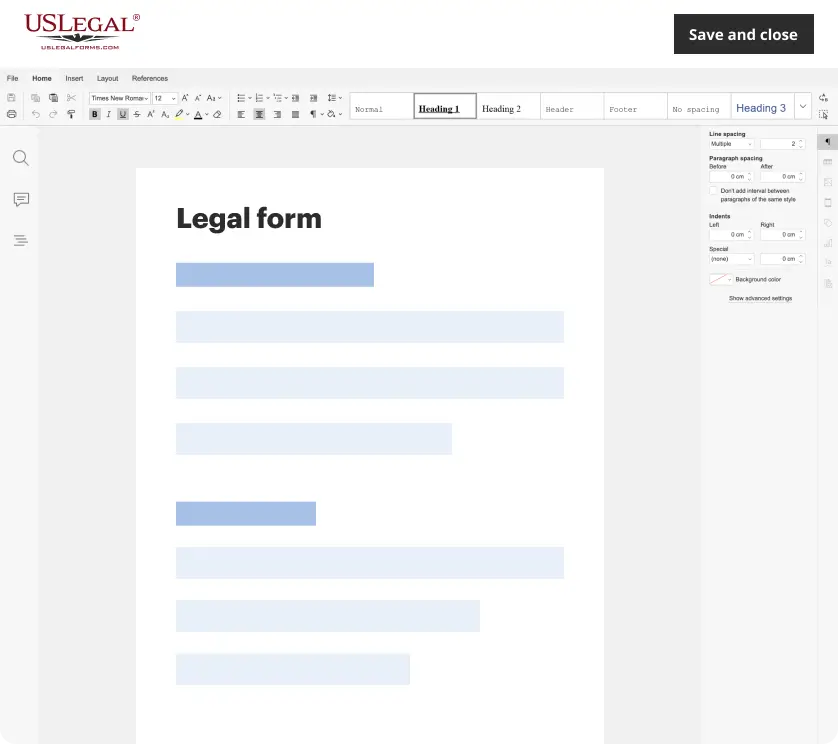
Make edits, fill in missing information, and update formatting in US Legal Forms—just like you would in MS Word.
Download a copy, print it, send it by email, or mail it via USPS—whatever works best for your next step.
Sign and collect signatures with our SignNow integration. Send to multiple recipients, set reminders, and more. Go Premium to unlock E-Sign.
If this form requires notarization, complete it online through a secure video call—no need to meet a notary in person or wait for an appointment.
We protect your documents and personal data by following strict security and privacy standards.
Looking for another form?
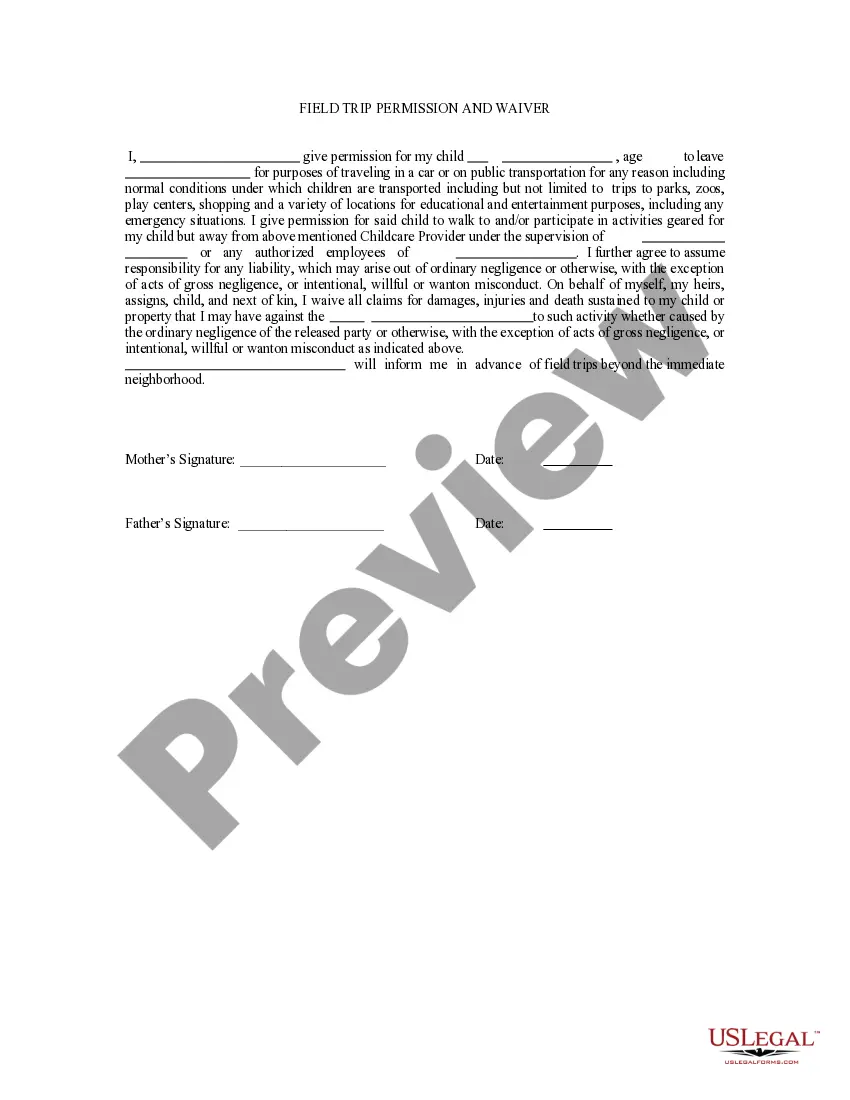

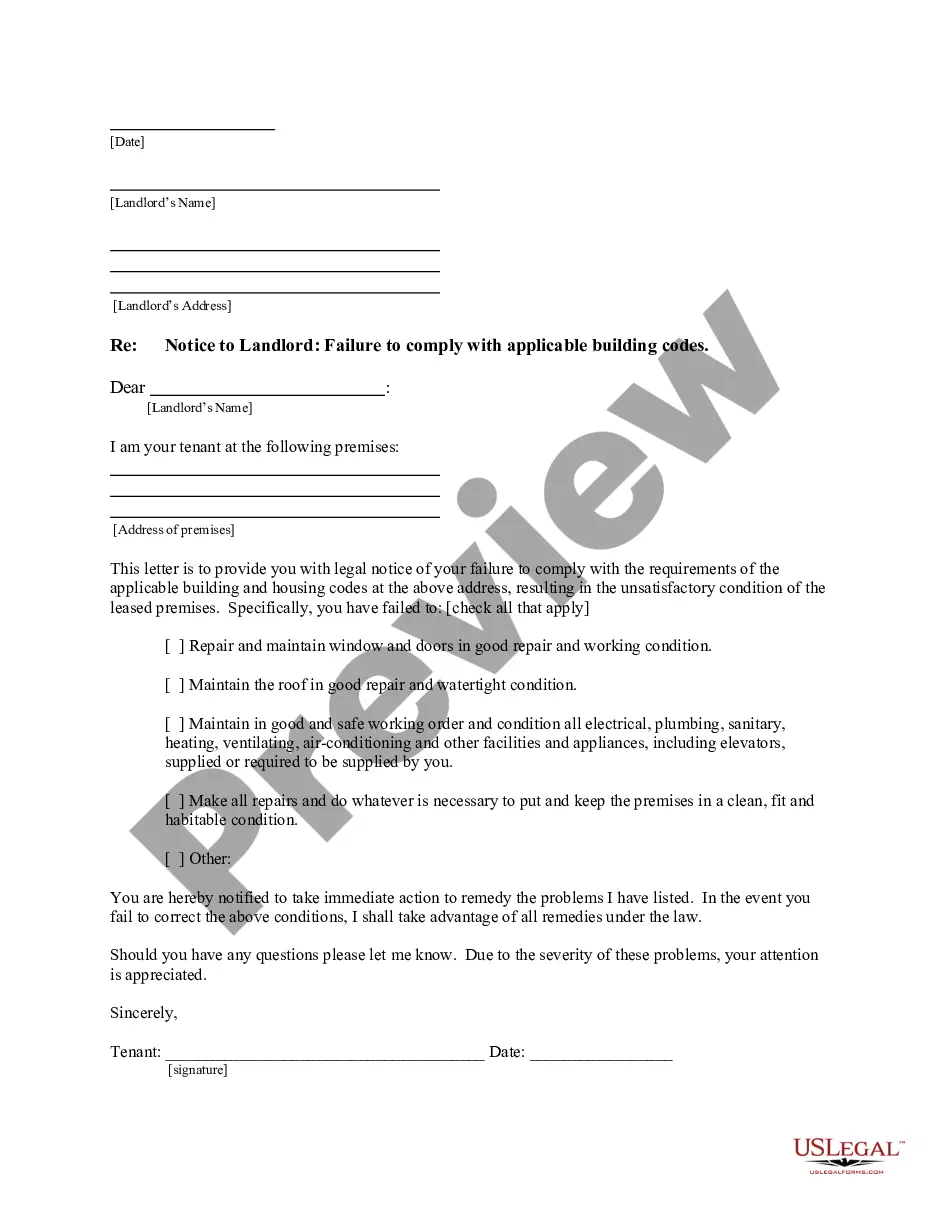
How to fill out California Letter From Tenant To Landlord For Failure Of Landlord To Comply With Building Codes Affecting Health And Safety Or Resulting In Untenantable Condition - Demand For Remedy?
- Visit the US Legal Forms website and log into your account if you are a returning user.
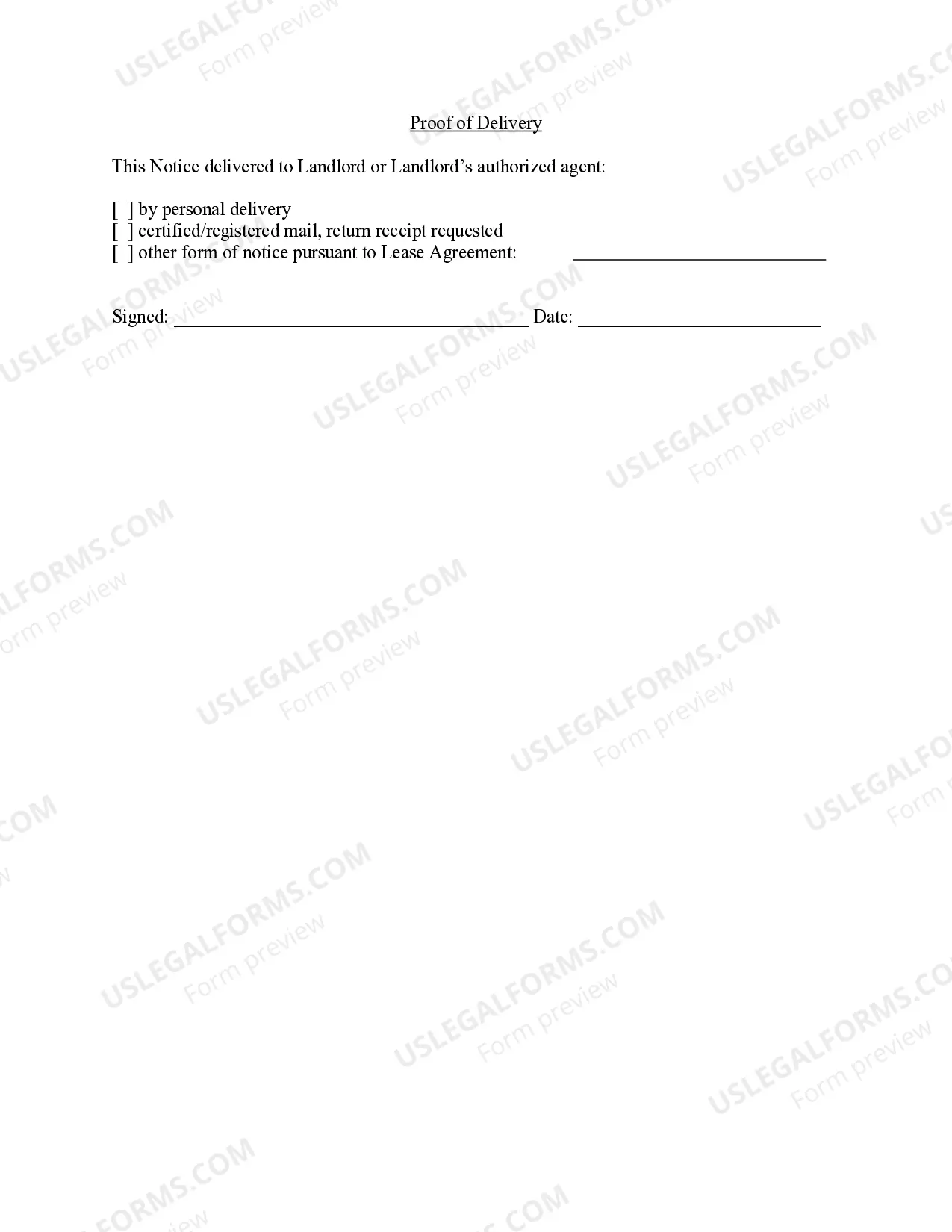
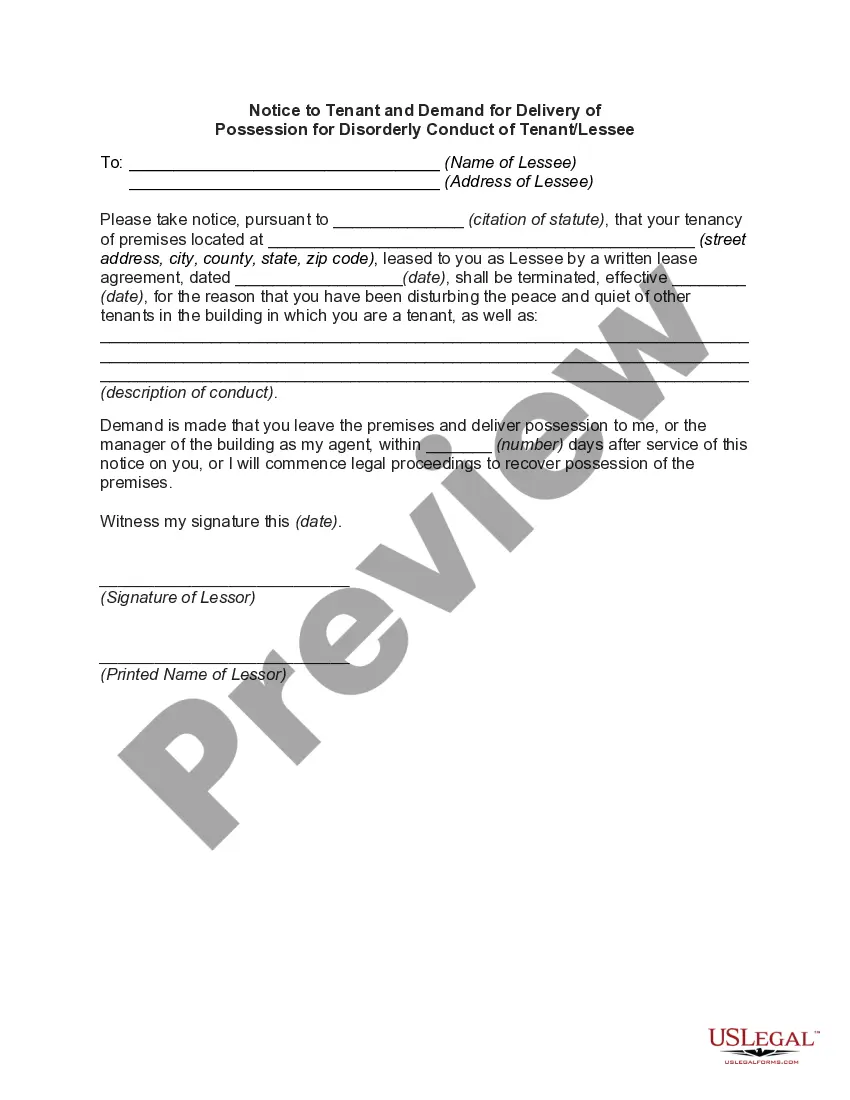
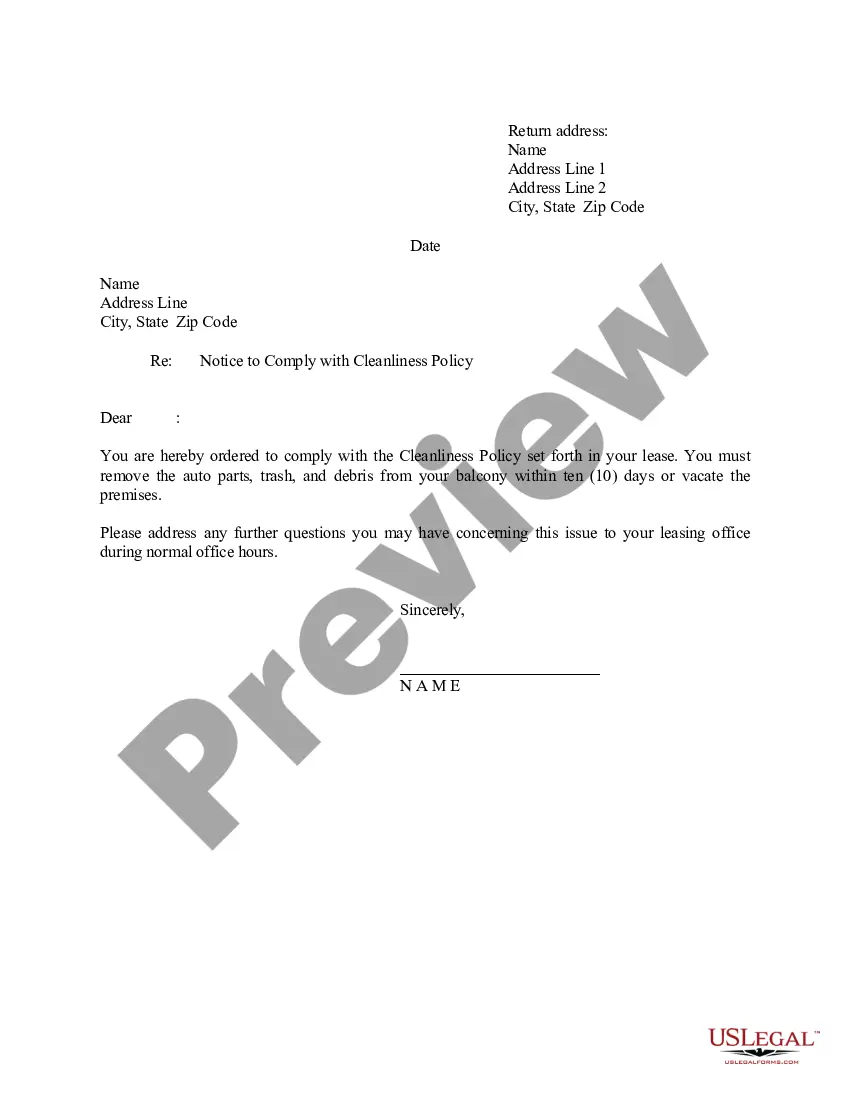
- Review the form descriptions and preview options to ensure you select the correct template for your needs.
- Use the search feature to find additional forms should you require anything different or more specific.
- Once you’ve identified the right document, click on the 'Buy Now' button and select a subscription plan that fits your needs.
- Complete your purchase by providing necessary payment details through credit card or PayPal.
- Download the template directly to your device and store it in your 'My Forms' section for easy access in the future.
In conclusion, US Legal Forms stands out with its extensive collection and user-friendly service, providing tenants and landlords with crucial legal documents efficiently. Enjoy robust support and ensure your forms are filled out correctly with easy access to expert advice.
Start today by visiting US Legal Forms and discover the benefits of legal document preparation.
Form popularity
FAQ
In New Jersey, there is no specific limit on how much a landlord can raise your rent unless a rent control ordinance applies. However, landlords must provide proper notice, usually at least 30 days, before increasing rent. It is essential to review your lease and local laws as a tenant landlord with a landlord to understand your rights regarding rent increases.
Yes, you typically need to inform your landlord if someone is staying with you for an extended period. Failure to do so may violate your lease agreement, potentially leading to issues like eviction. Keeping your landlord informed fosters a good relationship and ensures compliance.
Tenants in New Jersey have several rights, including the right to live in a safe and habitable environment, the right to privacy, and the right to nondiscrimination. Additionally, you have the right to contest any unfair eviction. Familiarizing yourself with these rights is essential when navigating your relationship as a tenant landlord with a landlord.
Typically, a landlord in New Jersey must give you a 30-day notice to move out, unless specified differently in your lease. For nonpayment of rent, the notice period can be shorter. Understanding these timeframes can help you manage your moving plans effectively.
In New Jersey, a landlord can initiate eviction proceedings even if there is no written lease. However, they must still follow the proper legal process, including providing adequate notice. As a tenant landlord with a landlord, your rights are protected, so it's always wise to consult resources or legal advice when facing eviction.
Generally, a tenant can refuse entry if the landlord has not provided adequate notice or if it is not an emergency. However, landlords have the right to enter, under specific conditions, for repairs or inspections. It's best to understand the terms of your lease and communicate clearly with your landlord to avoid misunderstandings.
Yes, you can have someone live with you even if they are not on the lease. However, it is important to check your lease agreement, as some landlords may require notification or approval for additional occupants. Being open with your landlord about changes in occupancy can help you maintain a good relationship.
In New Jersey, a landlord cannot refuse to make necessary repairs, enter your unit without proper notice, or retaliate against you for exercising your rights. Additionally, they cannot discriminate against you based on race, religion, or other protected categories. Understanding your rights as a tenant landlord with a landlord is crucial for a harmonious living arrangement.
Florida does not impose a strict cap on how much a landlord can increase rent; however, proper notice is required before any increase occurs. Typically, landlords must inform tenants of rent increases at least 30 days in advance. Tenant landlords with a landlord should review their lease agreement to fully understand the terms around rent adjustments and maintain a good rapport with tenants.
Yes, you can face eviction if you allow someone to live with you without your landlord’s consent, especially if the lease agreement specifies occupancy limits. This situation usually falls under lease violations, allowing the landlord to pursue eviction. Tenant landlords with a landlord should consult their lease agreement and communicate openly with their landlord about any changes in household composition to avoid issues.