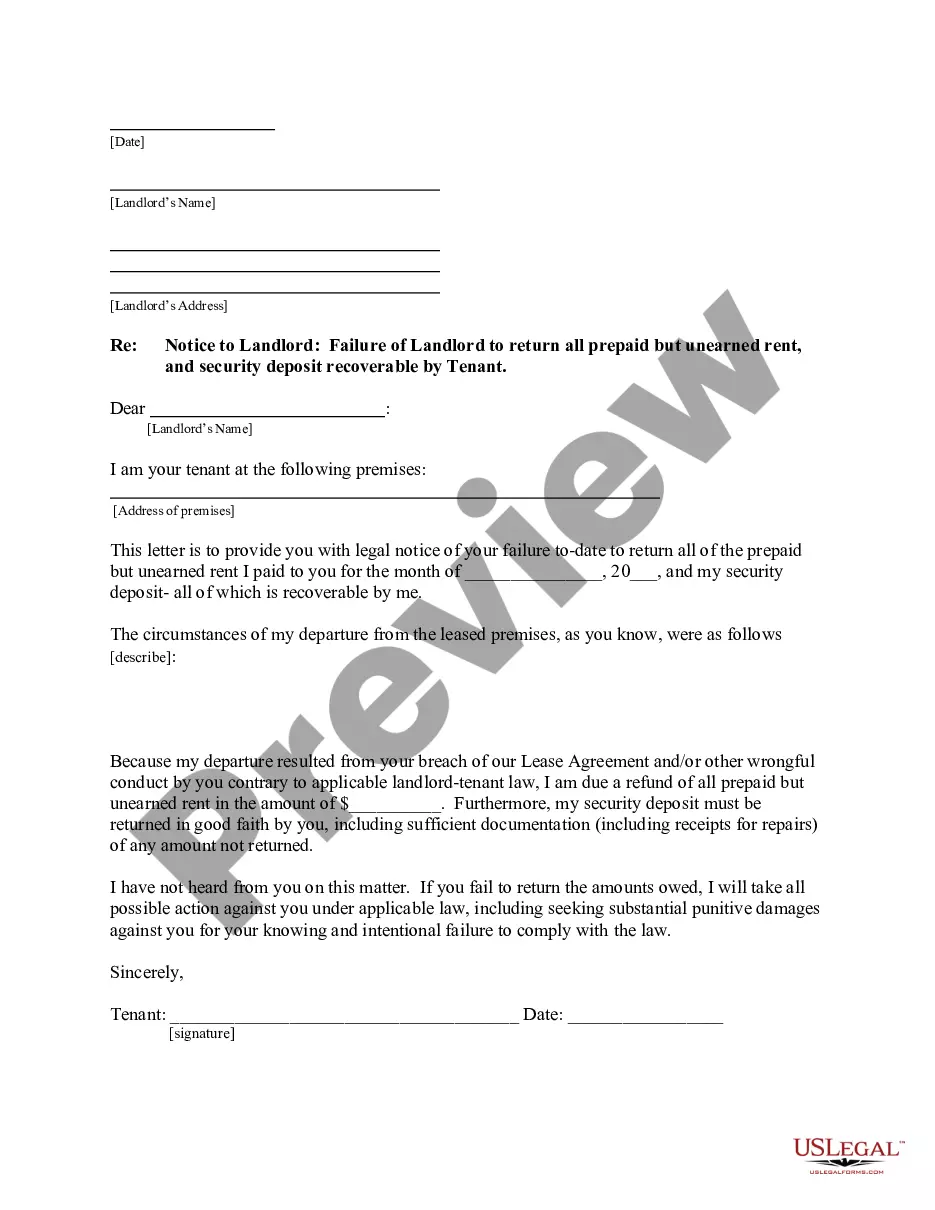
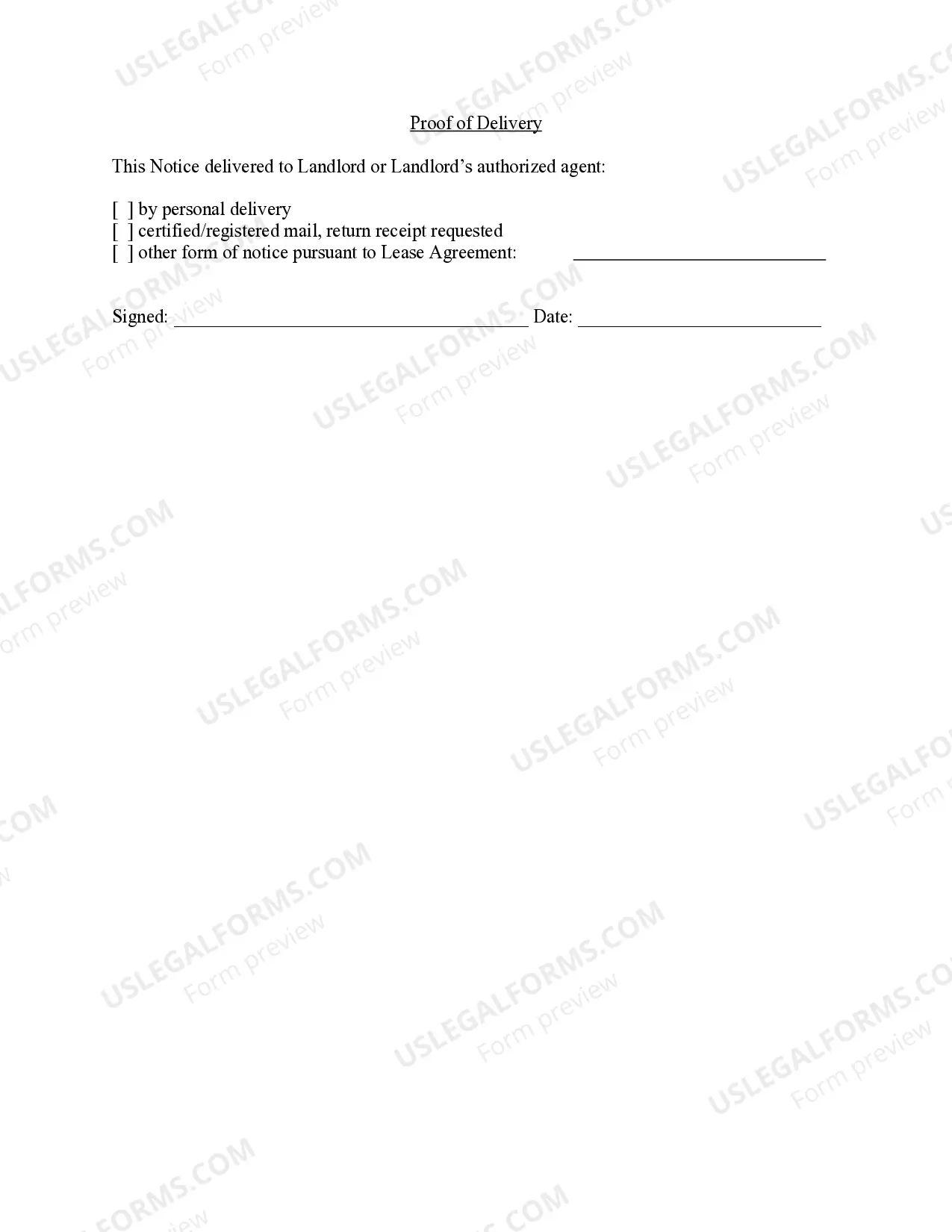
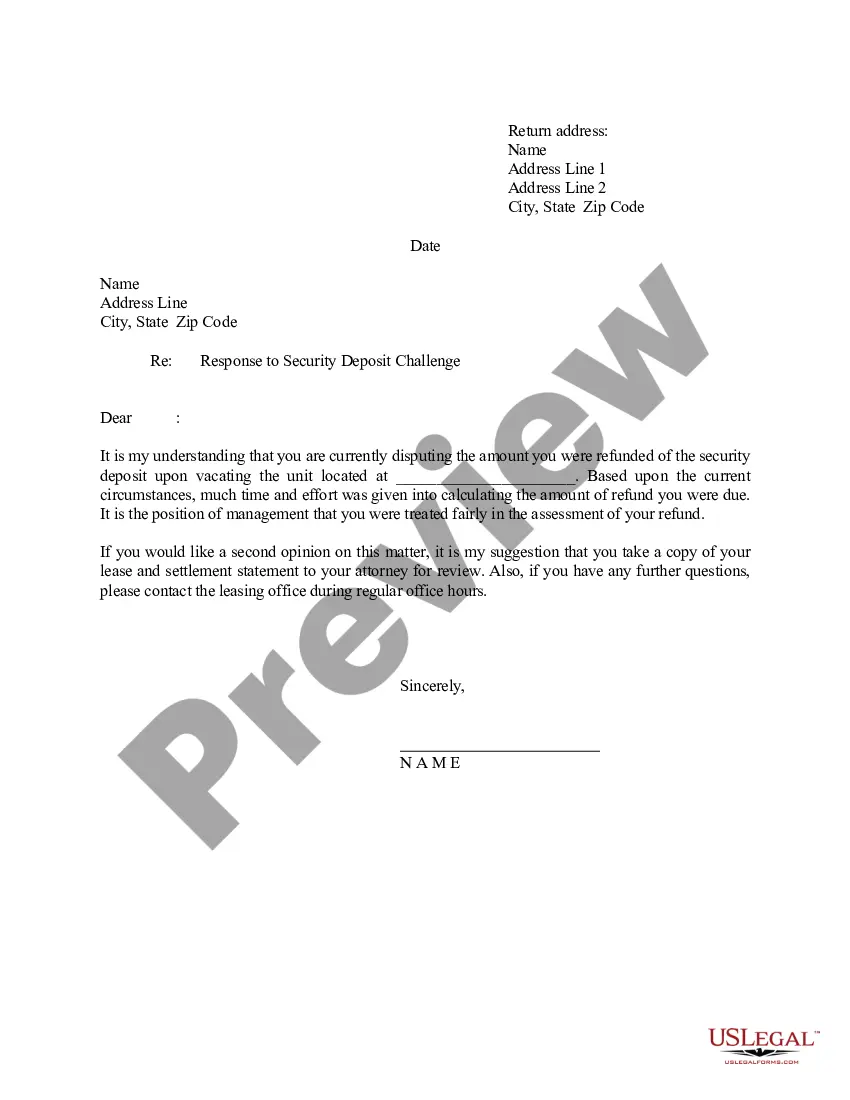
Tenant Landlord Failure For Lease Agreement
Description



Get your form ready online
Our built-in tools help you complete, sign, share, and store your documents in one place.
Make edits, fill in missing information, and update formatting in US Legal Forms—just like you would in MS Word.
Download a copy, print it, send it by email, or mail it via USPS—whatever works best for your next step.
Sign and collect signatures with our SignNow integration. Send to multiple recipients, set reminders, and more. Go Premium to unlock E-Sign.
If this form requires notarization, complete it online through a secure video call—no need to meet a notary in person or wait for an appointment.
We protect your documents and personal data by following strict security and privacy standards.

Make edits, fill in missing information, and update formatting in US Legal Forms—just like you would in MS Word.

Download a copy, print it, send it by email, or mail it via USPS—whatever works best for your next step.

Sign and collect signatures with our SignNow integration. Send to multiple recipients, set reminders, and more. Go Premium to unlock E-Sign.

If this form requires notarization, complete it online through a secure video call—no need to meet a notary in person or wait for an appointment.

We protect your documents and personal data by following strict security and privacy standards.
Looking for another form?



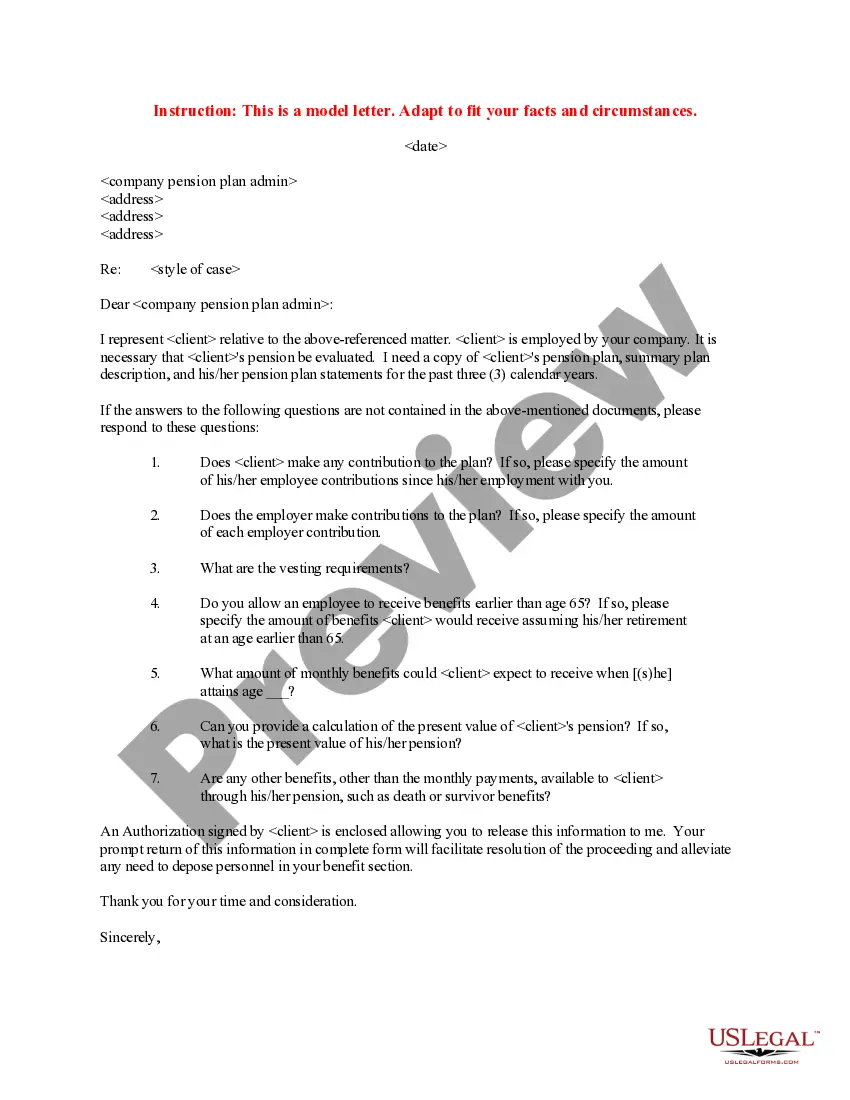
How to fill out California Letter From Tenant To Landlord For Failure Of Landlord To Return All Prepaid And Unearned Rent And Security Recoverable By Tenant?
- If you have previously used US Legal Forms, log in to your account and download the necessary document by clicking the Download button. Ensure your subscription is active; if not, renew it as per your payment plan.
- For new users, first check the Preview mode and read the form description carefully. Make sure you select the document that fits your requirements and complies with local regulations.
- If no suitable template is found, utilize the Search tab above to find the correct form that meets your needs. Once identified, proceed to the next step.
- Purchase the document by clicking the Buy Now button and select your desired subscription plan. An account registration is necessary to access the complete library.
- Complete your payment using your credit card or PayPal account to finalize your subscription.
- Download your chosen form and save it on your device. You can also access it later from the My Forms section of your account.
Using US Legal Forms not only saves time but also ensures that your documents are accurate and legally binding. The extensive collection of over 85,000 forms empowers individuals and attorneys to manage legal matters efficiently.
Don't let tenant landlord failures complicate your lease agreements. Start your journey with US Legal Forms today for hassle-free legal documentation.
Form popularity
FAQ
In Nebraska, landlords must generally provide 30 days' written notice to tenants before moving them out. However, this time may vary depending on specific circumstances outlined in the lease. Knowing this timeline can help prevent a tenant landlord failure for lease agreement and ensure a smoother transition. If there are difficulties in understanding these timeframes, legal resources like USLegalForms can offer clarity.
If you experience significant issues with your landlord, such as neglect or unsafe living conditions, you can report them to local housing authorities or the Nebraska Attorney General’s office. These entities can guide you in resolving disputes and ensuring compliance with housing laws. Ignoring these steps can lead to a tenant landlord failure for lease agreement, so taking action is crucial. Consulting with USLegalForms can assist you in filing complaints properly.
Landlords are typically not responsible for damage caused by tenants or for normal wear and tear of the property. They also do not guarantee the safety of all conditions during a tenant's occupancy, such as natural disasters or theft. Understanding these limitations can help prevent misunderstandings and a tenant landlord failure for lease agreement. Tenants should consider coverage options for personal property.
Tenants in Nebraska enjoy specific rights under state law, such as the right to privacy and the right to a full refund of security deposits when leaving the property in good condition. Tenants can also engage local legal resources to resolve disputes with their landlords. Ignoring these rights can lead to a tenant landlord failure for lease agreement, so it is vital to know and assert them. Resources like USLegalForms can provide the necessary templates to protect your rights.
In Nebraska, renters have several important rights, including the right to a habitable living space and protection against discrimination. Landlords must maintain the property and adhere to local housing codes. Understanding these rights is crucial; a tenant landlord failure for lease agreement can arise if a landlord neglects their responsibilities. Familiarize yourself with Nebraska rental laws to protect your rights.
If you find yourself in a situation where your landlord never provided a lease, begin by documenting all communications and agreements made verbally. This situation can lead to a tenant landlord failure for lease agreement, complicating your rights as a tenant. Consider reaching out to your landlord to request a written lease. If issues persist, seeking legal advice can help you understand your options.
When discussing issues with your landlord, avoid making accusations or expressing frustration in an aggressive manner. Negative comments can escalate tensions and cause a tenant landlord failure for lease agreement. Instead, focus on clearly stating your needs and concerns while remaining respectful. Open communication can foster a better relationship.
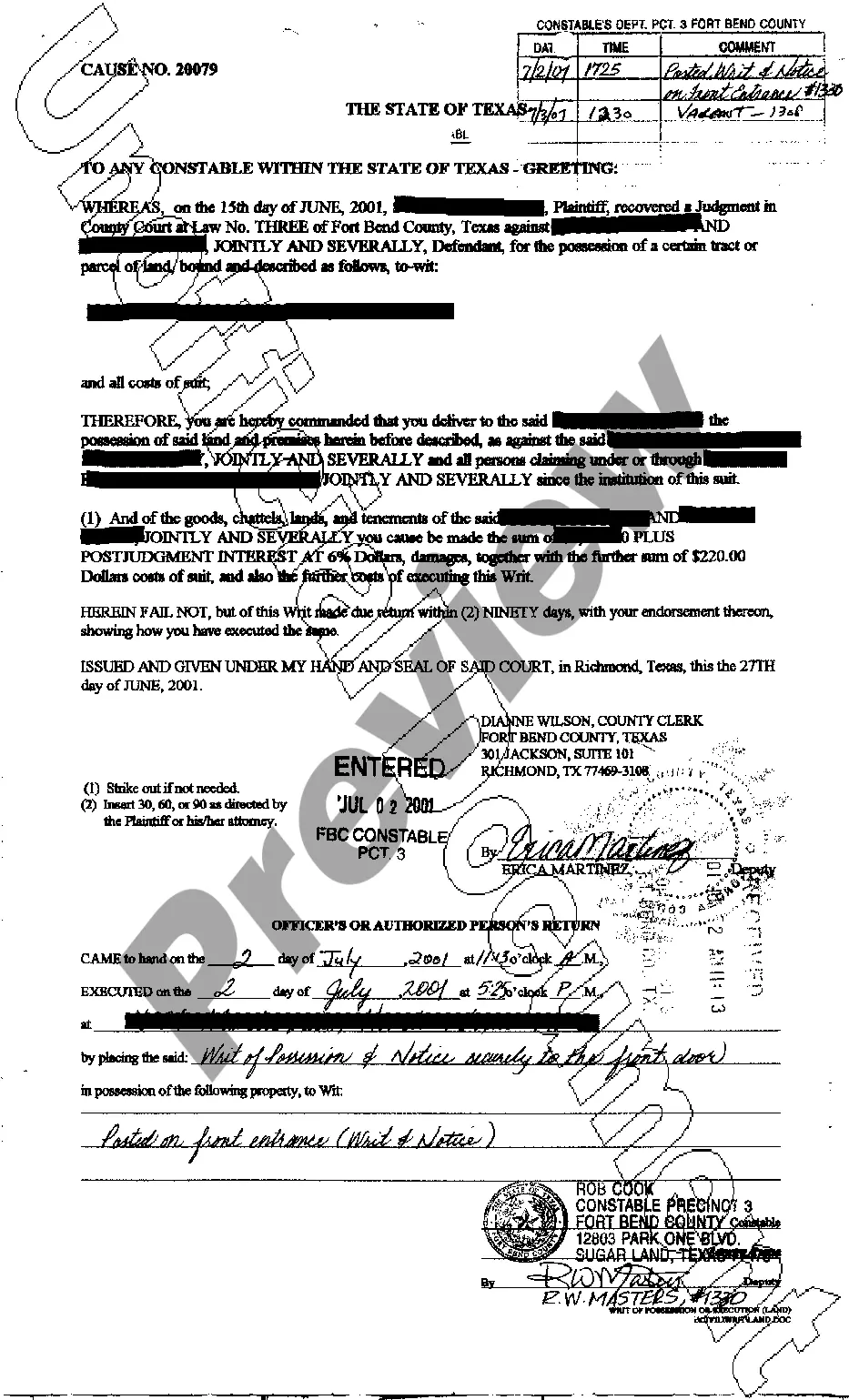
In Texas, a landlord cannot legally evict a tenant without a court order, even in cases of tenant landlord failure for lease agreement situations. They must provide proper notice and follow the legal eviction process. If you face threats of eviction without a court proceeding, it's essential to seek legal counsel.
In Kansas, tenants can report landlords to local housing agencies or the Kansas Attorney General's office for violations of housing laws. If you encounter tenant landlord failure for lease agreement issues, it is crucial to document your experiences and complaints clearly. Establishing a record can help validate your claims during any legal proceedings.
If a landlord fails to attend the court hearing, the tenant may win by default, depending on the jurisdiction and circumstances. This situation can be a significant advantage for the tenant, especially in cases of tenant landlord failure for lease agreement that need resolution. However, it's essential to ensure all proper legal procedures were followed to secure your victory.