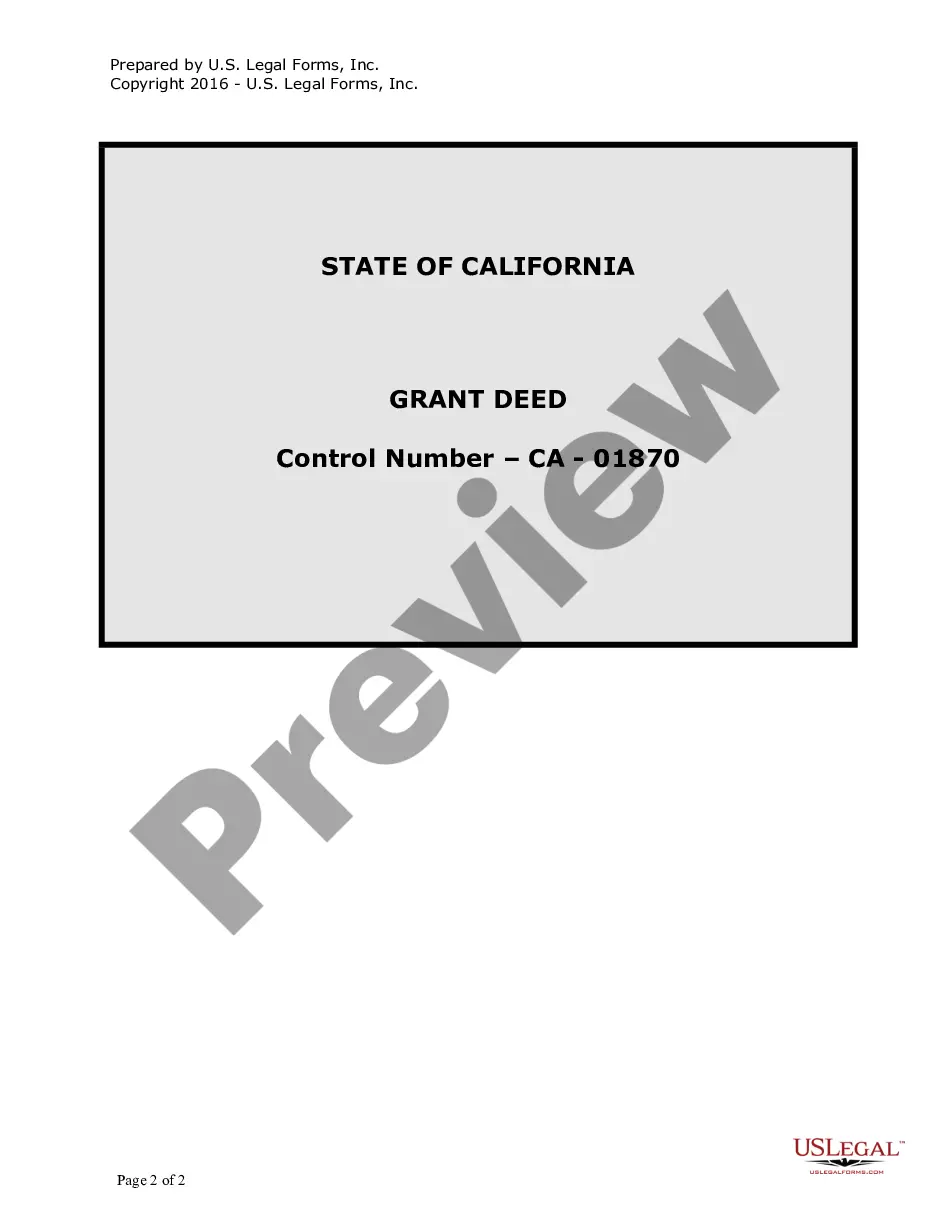
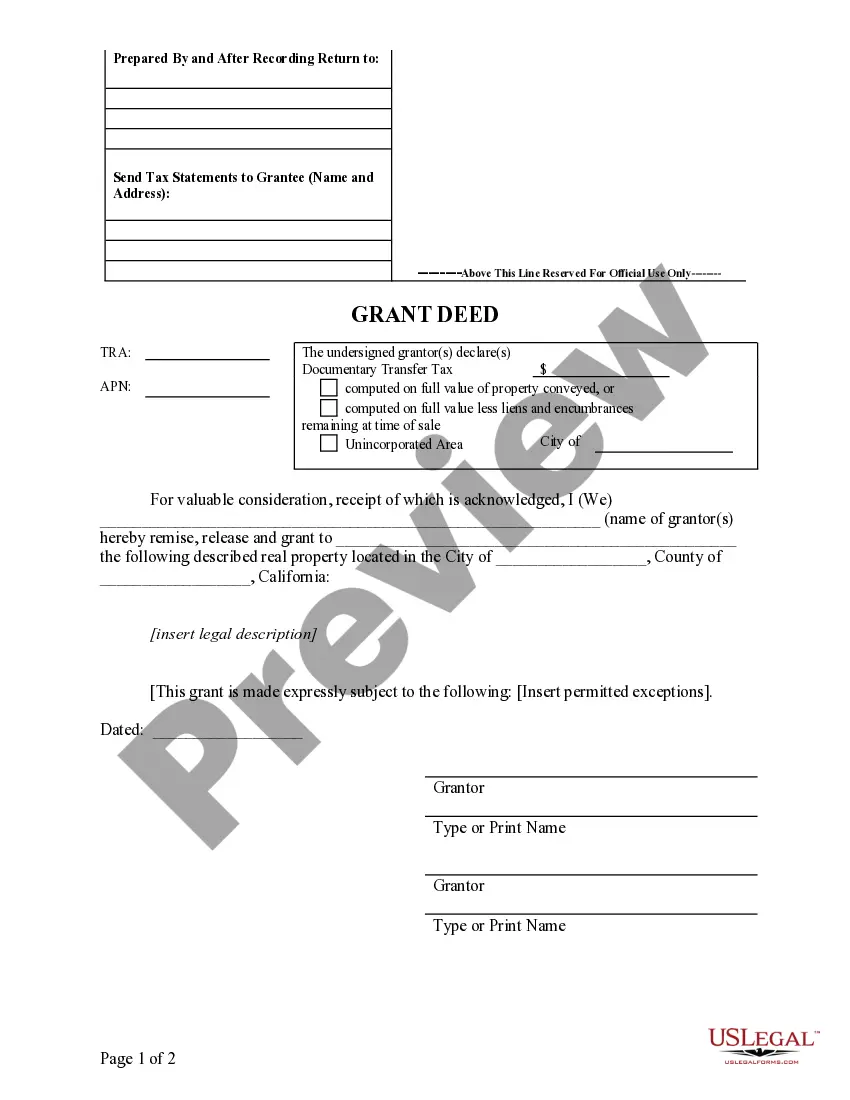
California Grant Deed Form With Notary
Description
Get your form ready online
Our built-in tools help you complete, sign, share, and store your documents in one place.
Make edits, fill in missing information, and update formatting in US Legal Forms—just like you would in MS Word.
Download a copy, print it, send it by email, or mail it via USPS—whatever works best for your next step.
Sign and collect signatures with our SignNow integration. Send to multiple recipients, set reminders, and more. Go Premium to unlock E-Sign.
If this form requires notarization, complete it online through a secure video call—no need to meet a notary in person or wait for an appointment.
We protect your documents and personal data by following strict security and privacy standards.

Make edits, fill in missing information, and update formatting in US Legal Forms—just like you would in MS Word.

Download a copy, print it, send it by email, or mail it via USPS—whatever works best for your next step.

Sign and collect signatures with our SignNow integration. Send to multiple recipients, set reminders, and more. Go Premium to unlock E-Sign.

If this form requires notarization, complete it online through a secure video call—no need to meet a notary in person or wait for an appointment.

We protect your documents and personal data by following strict security and privacy standards.
Looking for another form?

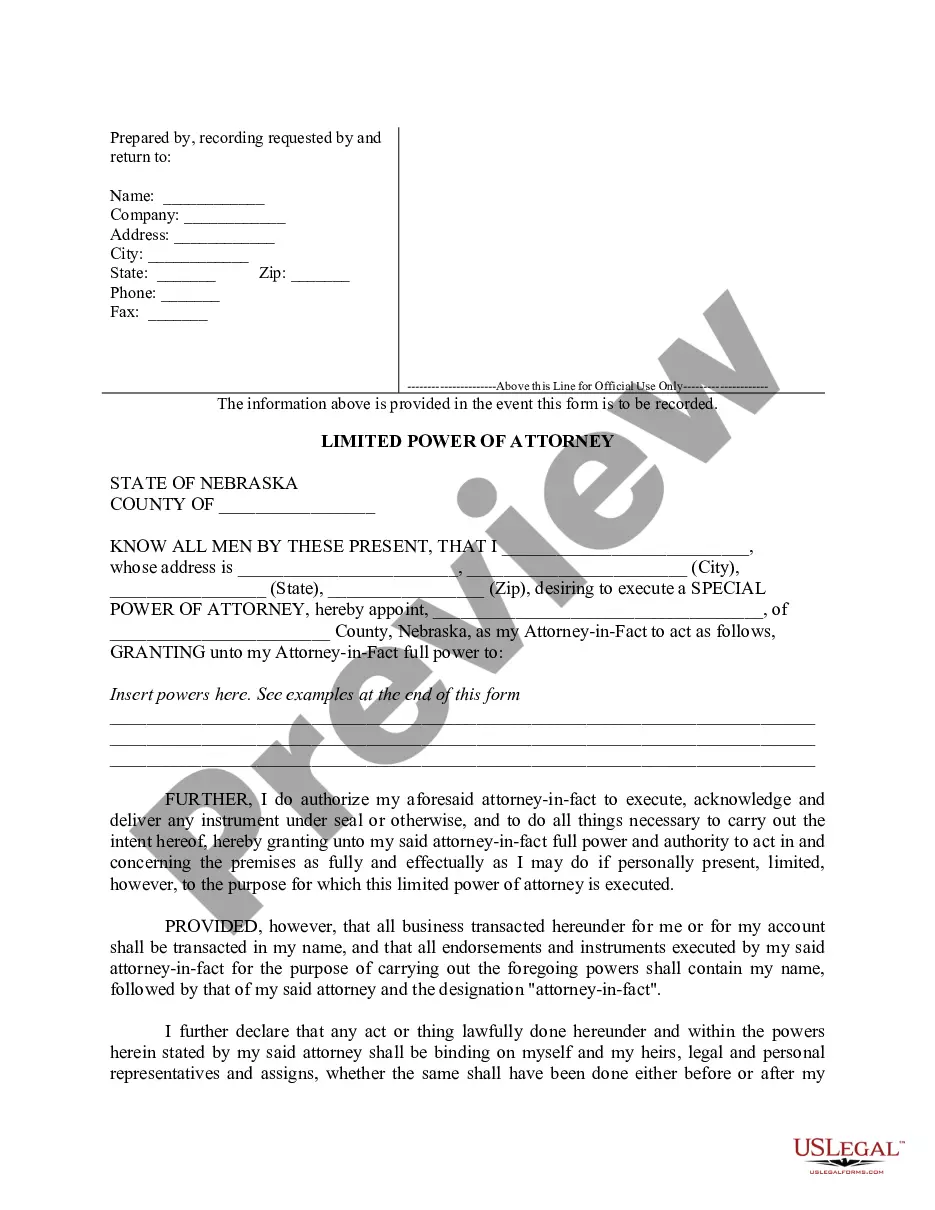
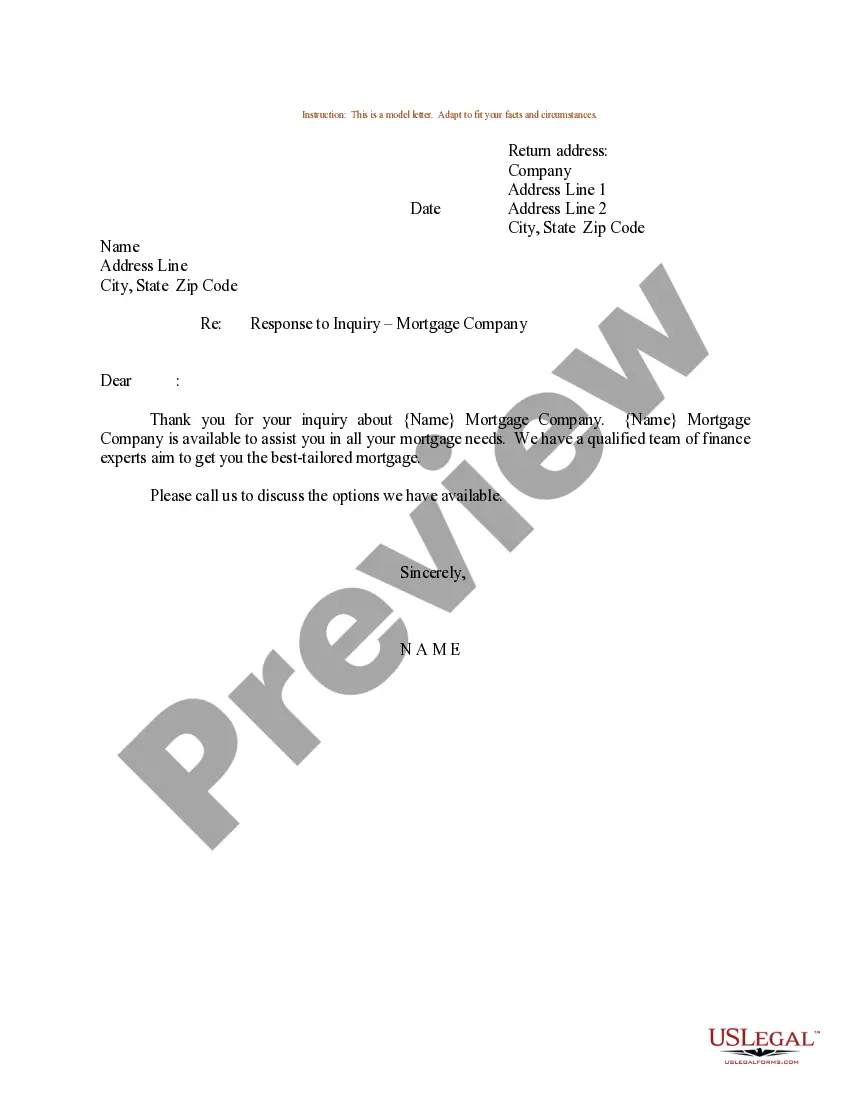
How to fill out California Grant Deed?
The California Grant Deed Document With Notary you observe on this webpage is a reusable legal blueprint crafted by qualified attorneys in accordance with federal and local laws.
For over 25 years, US Legal Forms has supplied individuals, businesses, and legal experts with more than 85,000 authenticated, state-specific forms for any commercial and personal situation. It is the fastest, most uncomplicated, and most dependable method to acquire the documents you require, as the service ensures bank-level data encryption and anti-malware safeguards.
Register with US Legal Forms to have authenticated legal templates for all of life’s circumstances readily available.
- Search for the document you require and examine it.
- Browse through the file you searched and preview it or verify the form description to confirm it meets your requirements. If it does not, utilize the search feature to find the correct one. Click Buy Now once you have located the template you require.
- Choose and sign in.
- Select the pricing plan that fits your needs and create an account. Use PayPal or a credit card to make a swift payment. If you already possess an account, Log In and check your subscription to proceed.
- Receive the editable template.
- Select the format you prefer for your California Grant Deed Document With Notary (PDF, Word, RTF) and save the sample on your device.
- Complete and sign the documents.
- Print out the template to fill it out manually. Alternatively, use an online multifunctional PDF editor to quickly and accurately fill out and sign your form with a legally binding electronic signature.
- Download your documents once more.
- Use the same document again whenever necessary. Access the My documents section in your profile to redownload any previously saved forms.
Form popularity
FAQ
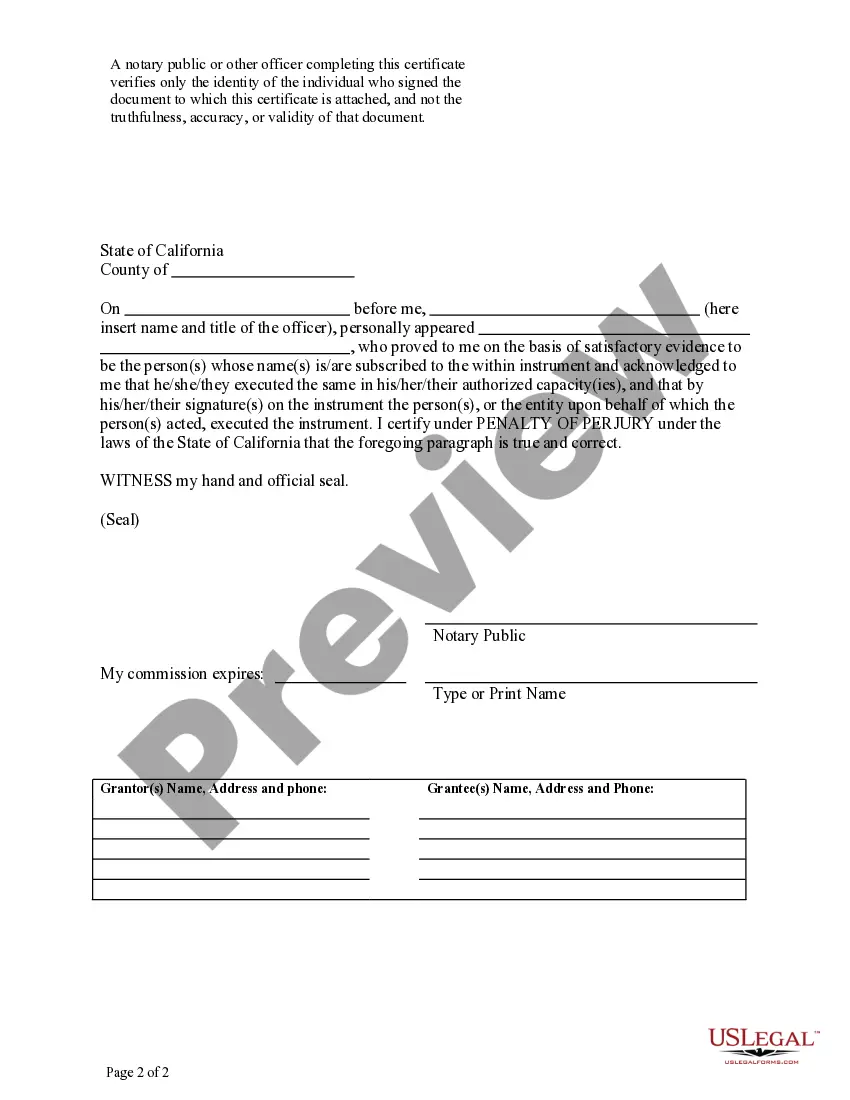
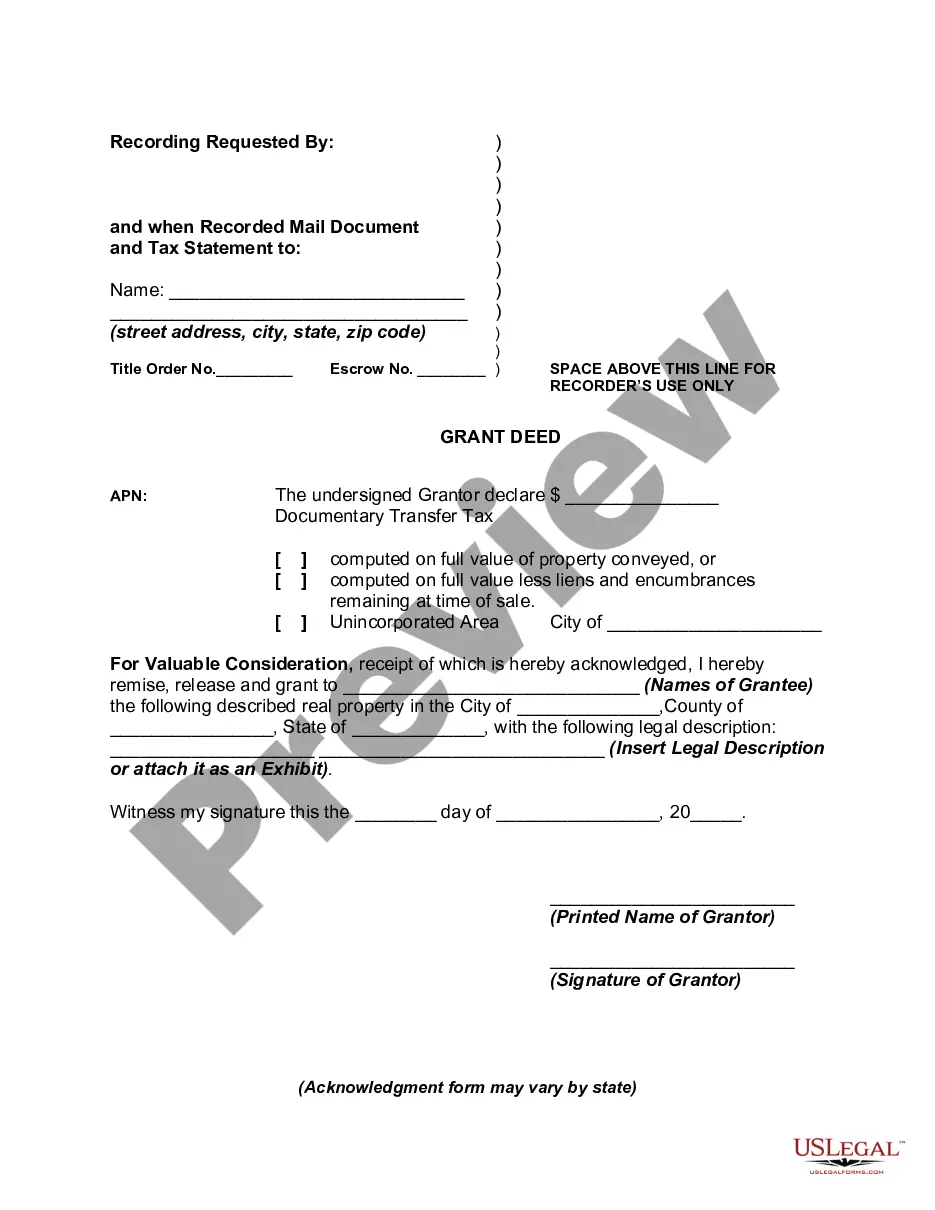
To fill out a California grant deed form with notary, start by entering the names of the grantor and grantee, followed by the property's legal description. Ensure that you provide accurate information, as any inaccuracies could lead to complications later on. After completing the necessary fields, both parties must sign the grant deed in front of a notary public to validate the document.
Filing a petition for review gives you a chance to tell the Supreme Court why you believe that the Court of Appeals made a mistake when it issued its decision on your appeal. The Oregon Supreme Court does not have to hear the case.
File an original notice of appeal with the Court of Appeals. You must attach to the notice of appeal a copy of the decision that you wish to have reviewed. and file it with the Court of Appeals. You can download the motion and instructions at .
Anyone who is: ? At least 18 years old, ? Lives in the state where the papers will be delivered, and ? Is not a party to the lawsuit (or a party's attorney or employee) 2 Page 3 can serve the legal papers. A deputy sheriff in the county where the other party can be located will serve the papers for a fee.
To request a change in your appearance date, please make your request in writing. If you are represented by an attorney, your attorney must request the change. Your request may or may not, be granted.
Oregon Rules of Civil Procedure (ORCP) Rule 7D(6) allows a court to order alternative methods of service if service cannot be made by any other method specified by rule or statute. Service may be made by any method or combination of methods most reasonably calculated to advise the recipient of the action.
Substituted service may be made by delivering a true copy of the summons and a true copy of the petition at the dwelling house or usual place of abode of the person to be served to any person 14 years of age or older residing in the dwelling house or usual place of abode.
Summons shall be served, either within or without this state, in any manner reasonably calculated, under all the circumstances, to apprise the defendant of the existence and pendency of the action and to afford a reasonable opportunity to appear and defend.
ORCP 71B(1) allows the court to relieve a party from a judgment or order for mistake, inadvertence, surprise or excusable neglect; fraud, misrepresentation, or other misconduct of an adverse party when accompanied by a pleading containing an assertion of a defense.