Limited Liability Company (llc) Pros And Cons
Description


Get your form ready online
Our built-in tools help you complete, sign, share, and store your documents in one place.
Make edits, fill in missing information, and update formatting in US Legal Forms—just like you would in MS Word.
Download a copy, print it, send it by email, or mail it via USPS—whatever works best for your next step.
Sign and collect signatures with our SignNow integration. Send to multiple recipients, set reminders, and more. Go Premium to unlock E-Sign.
If this form requires notarization, complete it online through a secure video call—no need to meet a notary in person or wait for an appointment.
We protect your documents and personal data by following strict security and privacy standards.

Make edits, fill in missing information, and update formatting in US Legal Forms—just like you would in MS Word.

Download a copy, print it, send it by email, or mail it via USPS—whatever works best for your next step.

Sign and collect signatures with our SignNow integration. Send to multiple recipients, set reminders, and more. Go Premium to unlock E-Sign.

If this form requires notarization, complete it online through a secure video call—no need to meet a notary in person or wait for an appointment.

We protect your documents and personal data by following strict security and privacy standards.
Looking for another form?
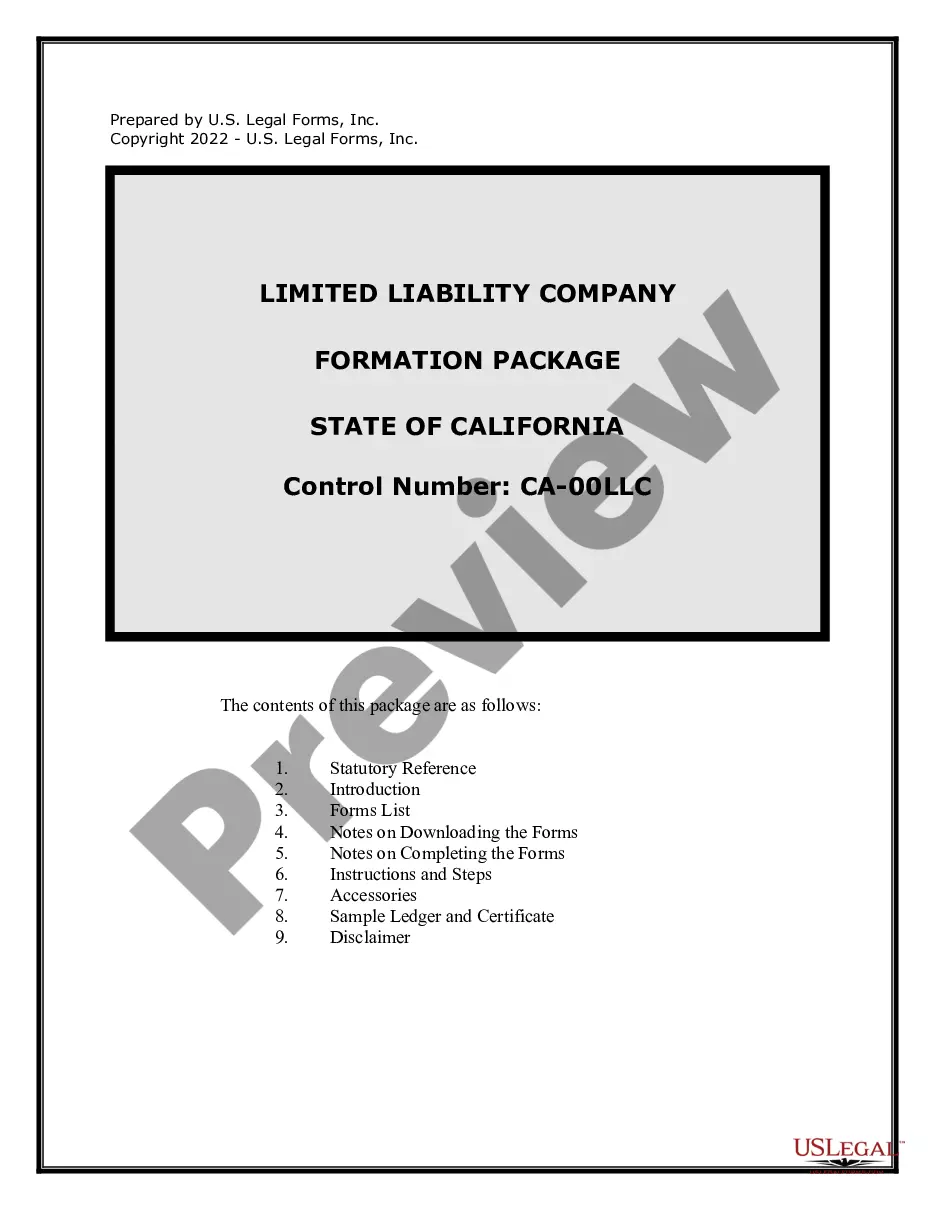
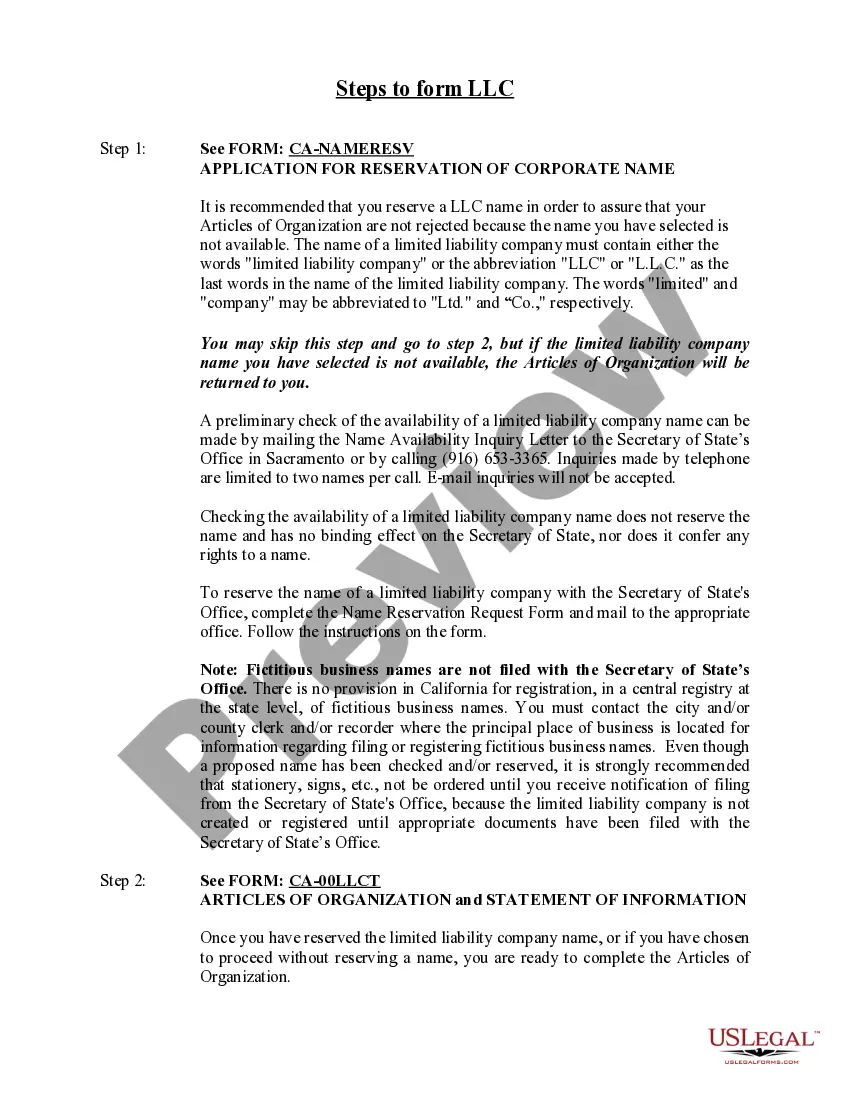
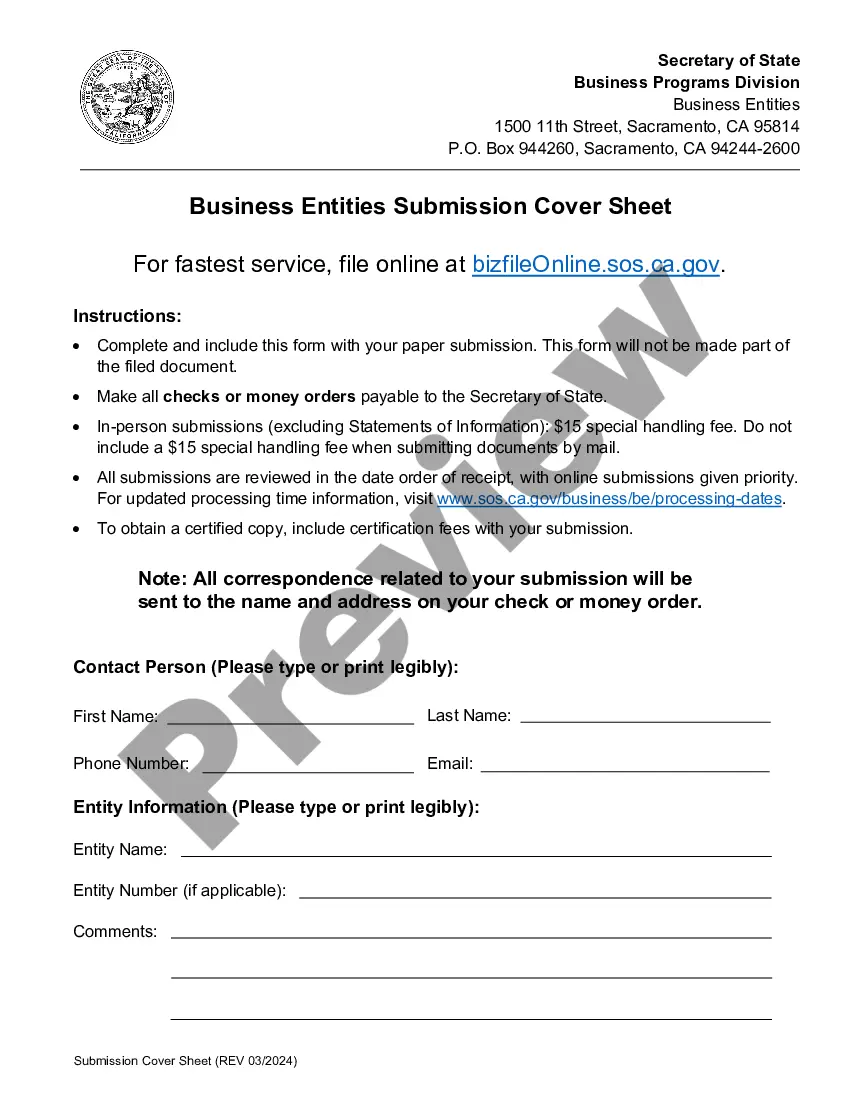
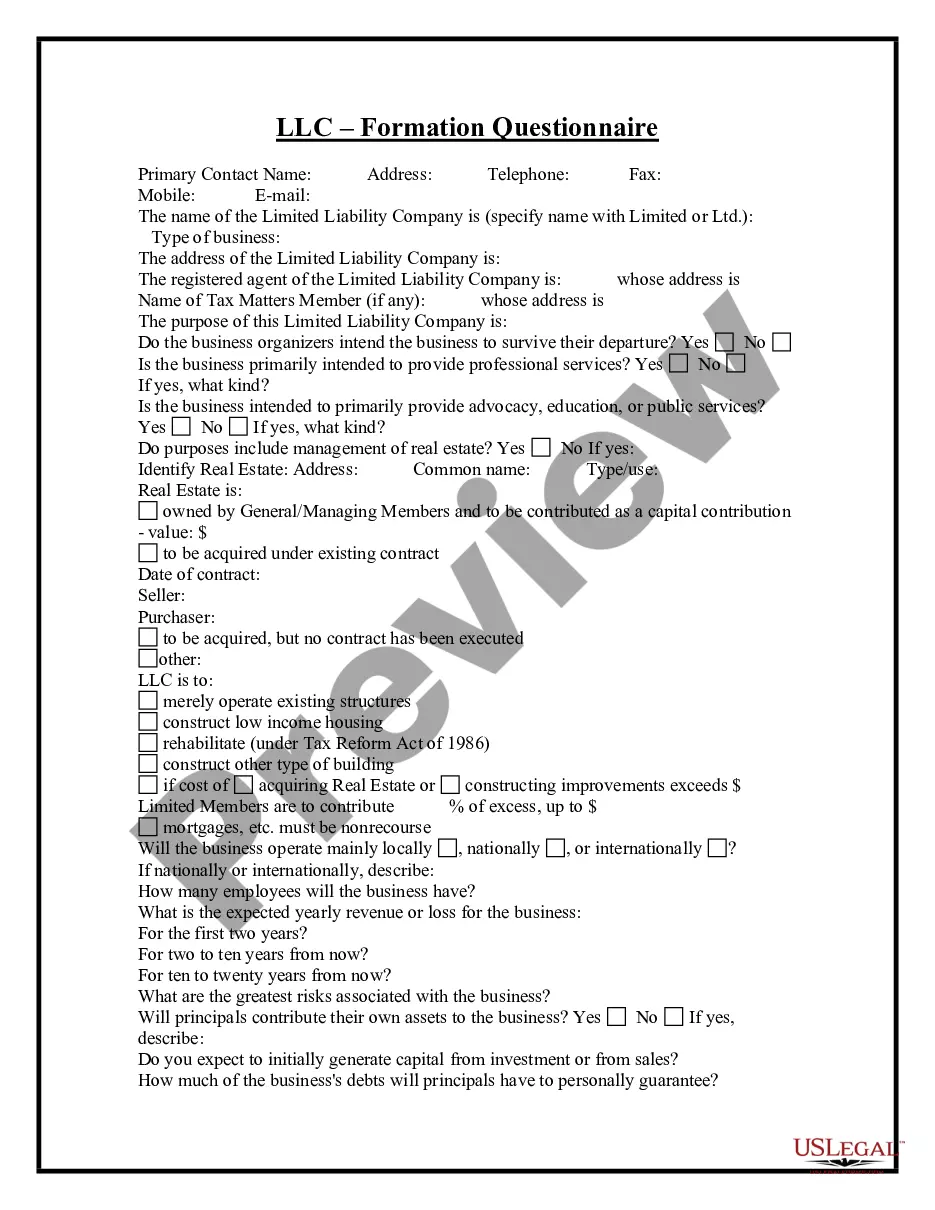
How to fill out California Limited Liability Company LLC Formation Package?
Legal documentation administration can be daunting, even for the most experienced professionals.
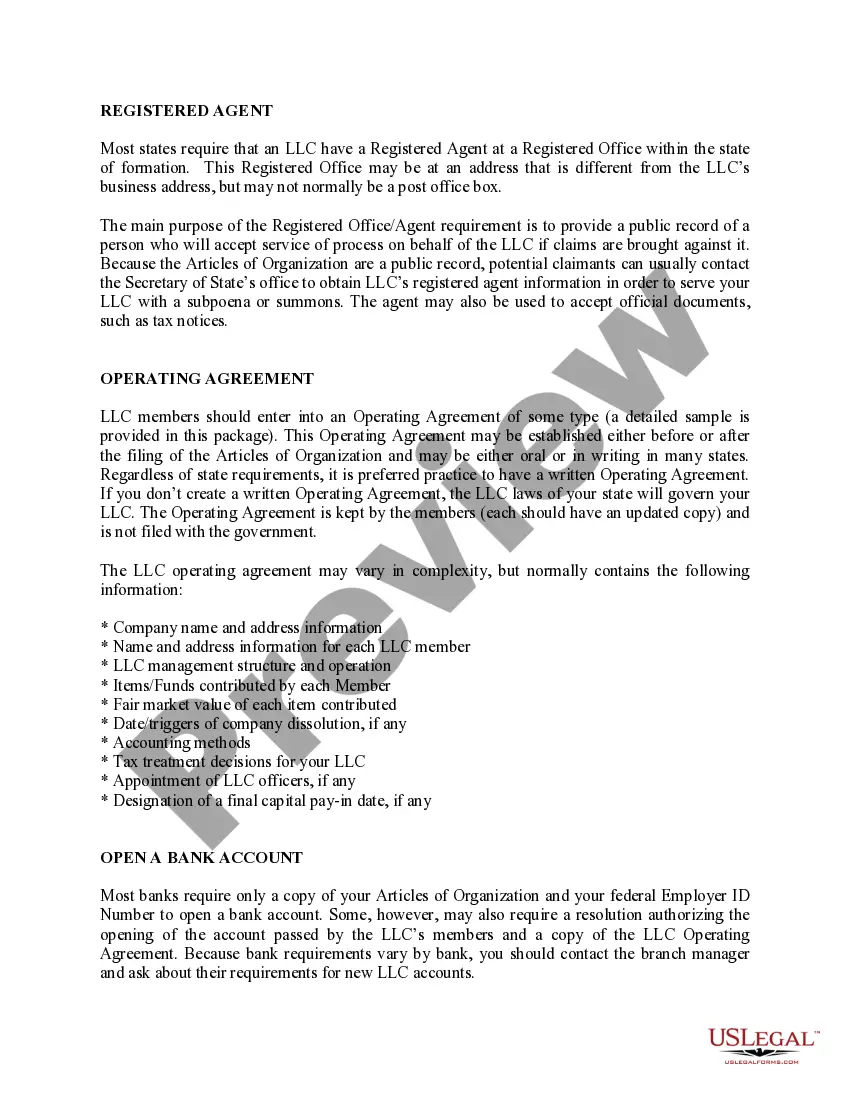
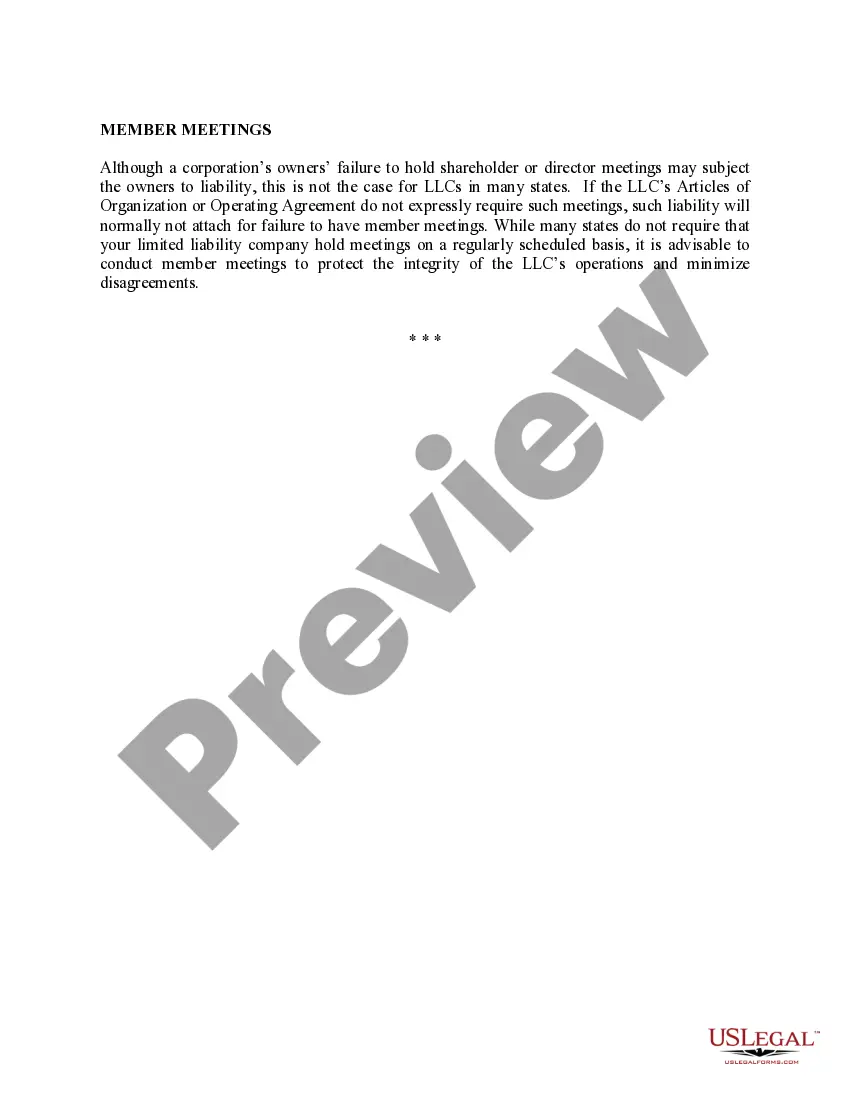
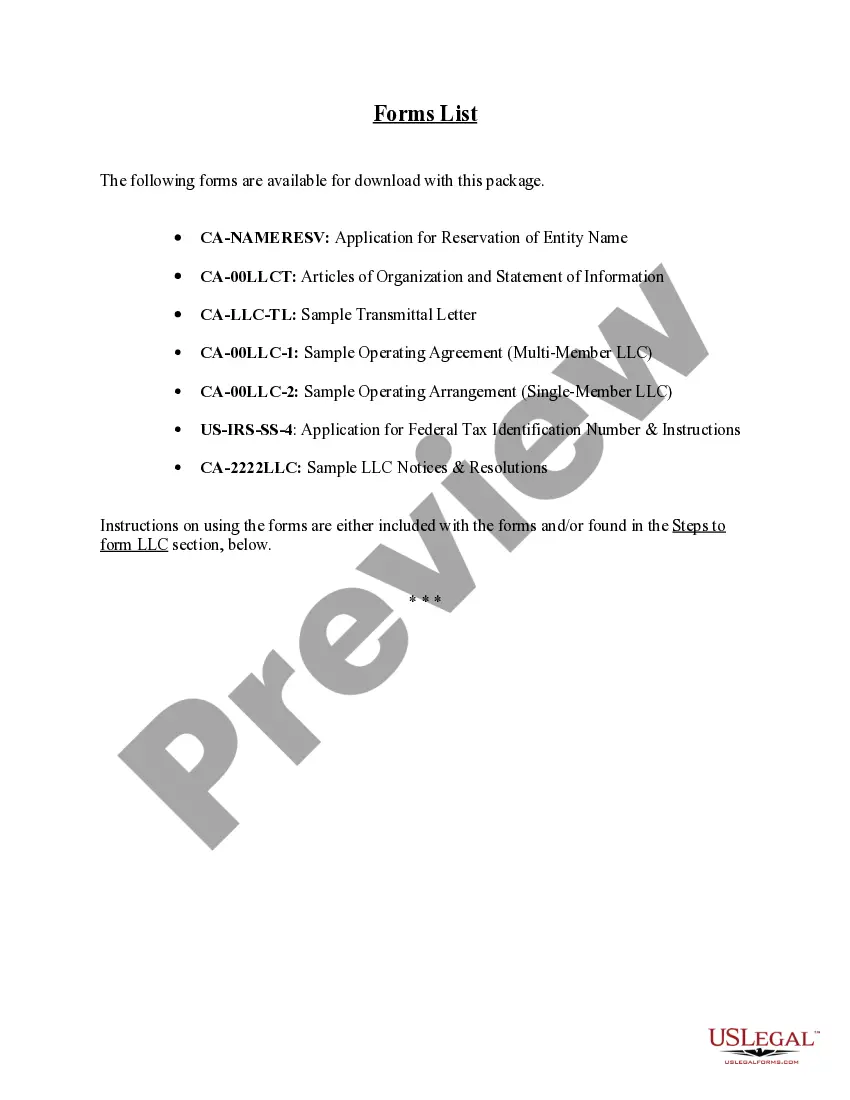
When you are looking into a Limited Liability Company (LLC) Advantages and Disadvantages and lack the time to invest in finding the correct and current version, the processes can be overwhelming.
US Legal Forms meets all your requirements, from personal to business documentation, in a single location.
Utilize advanced tools to complete and manage your Limited Liability Company (LLC) Advantages and Disadvantages.
Here are the steps to follow after accessing the desired form: Verify it is the correct form by previewing it and reviewing its details. Ensure that the template is valid in your state or county. Click Buy Now when you are ready. Select a subscription plan. Choose the file format you prefer, and Download, complete, eSign, print, and send your document. Take advantage of the US Legal Forms online library, backed by 25 years of experience and trustworthiness. Streamline your everyday document management into a seamless and user-friendly process today.
- Access a resource hub of articles, tutorials, guides, and materials pertinent to your situation and requirements.
- Conserve time and energy searching for the necessary documents by utilizing US Legal Forms' advanced search and Review feature to find Limited Liability Company (LLC) Advantages and Disadvantages and obtain it.
- If you are a member, Log In to your US Legal Forms account, locate the form, and acquire it.
- Check the My documents tab to see the documents you have previously stored and manage your folders accordingly.
- If this is your first experience with US Legal Forms, create an account for full access to all platform benefits.
- A comprehensive online form database can be a significant advantage for anyone aiming to handle these matters effectively.
- US Legal Forms stands out as a leader in the online legal form sector, offering over 85,000 state-specific legal documents accessible whenever you need them.
- With US Legal Forms, you can access tailored legal and business forms specific to your state or county.
Form popularity
FAQ
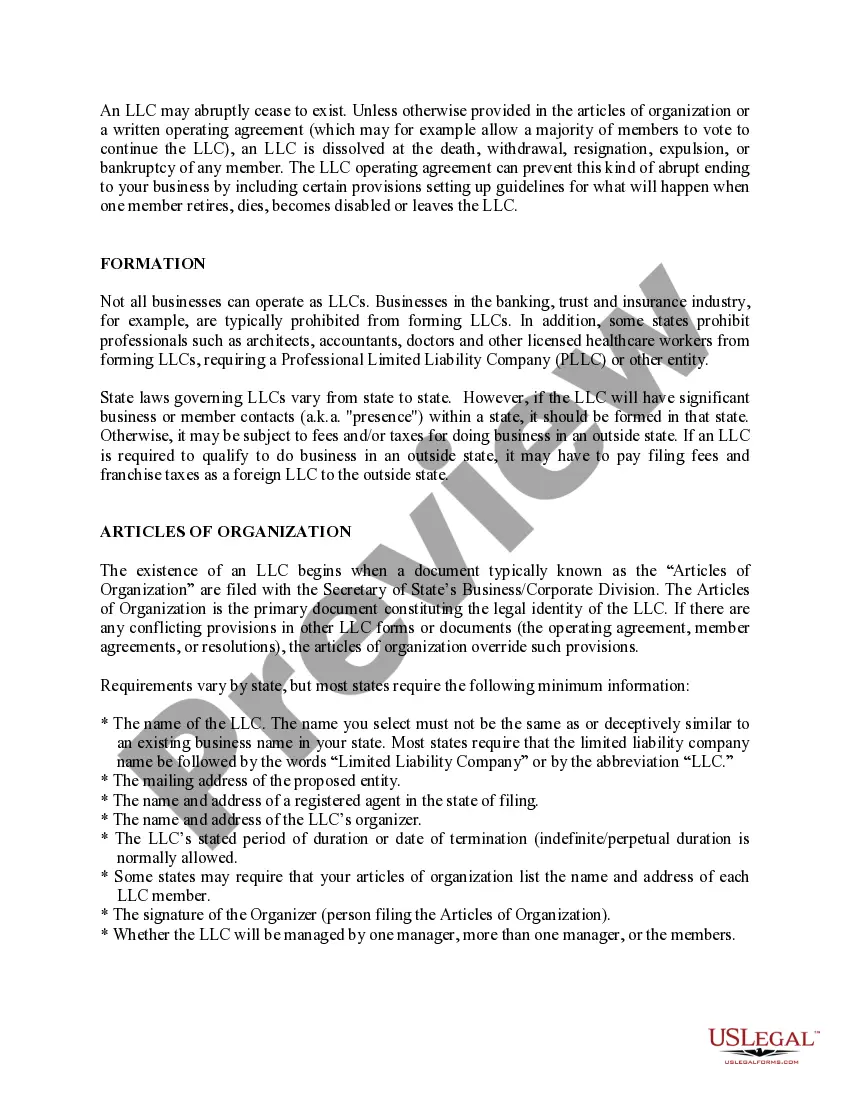
Despite the advantages, there are some downsides to consider with a limited liability company (LLC). For instance, if you choose to convert your business to an LLC, you might face higher tax responsibilities, depending on your earnings. Furthermore, LLCs can have limited lifespan compared to other business structures, and dissolution can be complicated. Understanding these factors helps potential owners make informed decisions.
Determining if an LLC is worth it depends on your specific situation. The limited liability company (LLC) pros and cons suggest that if you're looking for protection and flexibility in managing your business, an LLC may be a smart choice. Keep in mind that while you may experience increased costs and administrative tasks, the peace of mind from personal liability protection can outweigh these drawbacks. Platforms like uslegalforms can help you navigate the formation process easily.
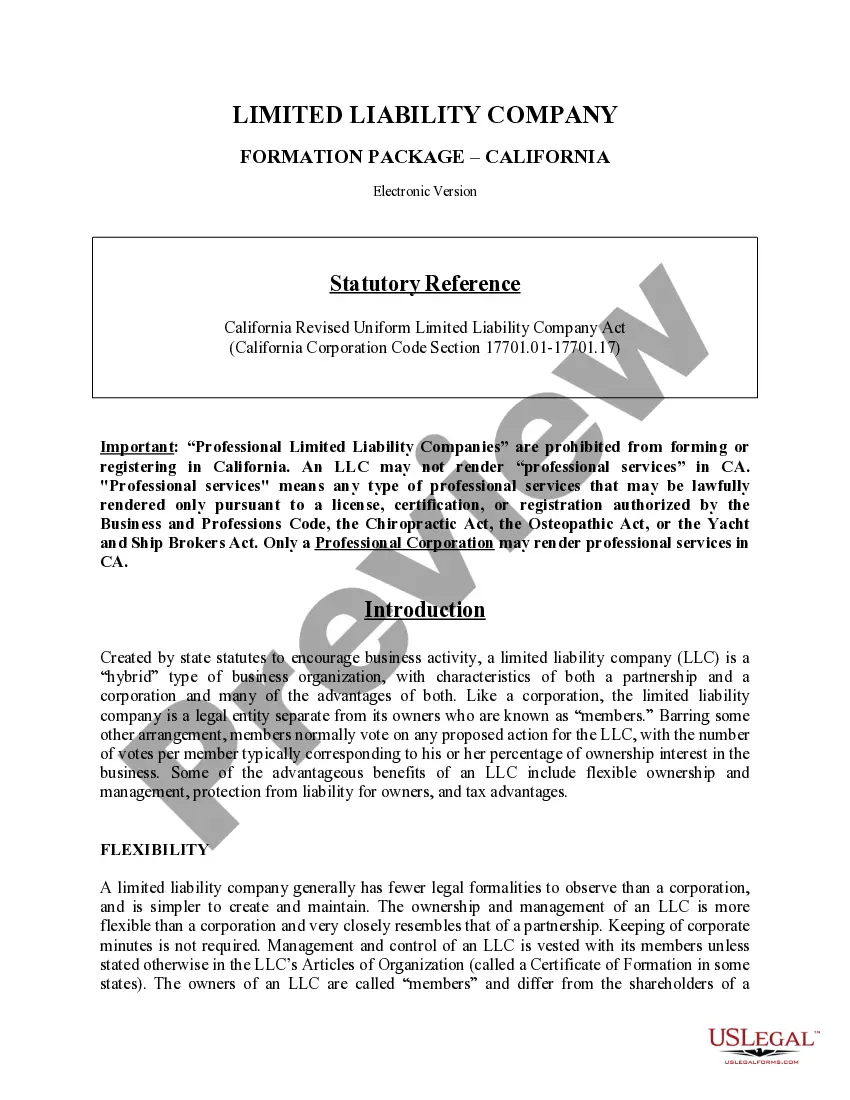
When considering the limited liability company (LLC) pros and cons, it is important to note that an LLC offers personal liability protection for its owners. This means your personal assets are generally safe from business debts. On the downside, forming an LLC can involve higher costs and more paperwork than a sole proprietorship. Additionally, there may be ongoing compliance requirements, depending on your state.
While forming a limited liability company (LLC) offers many advantages, some individuals may find drawbacks that make them hesitant. For instance, LLCs require ongoing compliance, such as annual reports and fees, which can add to operational costs. Additionally, limited liability companies might have less appeal to investors compared to corporations, leading to challenges in raising capital. It's important to weigh the limited liability company (LLC) pros and cons carefully, and consider your specific business needs before making a decision.
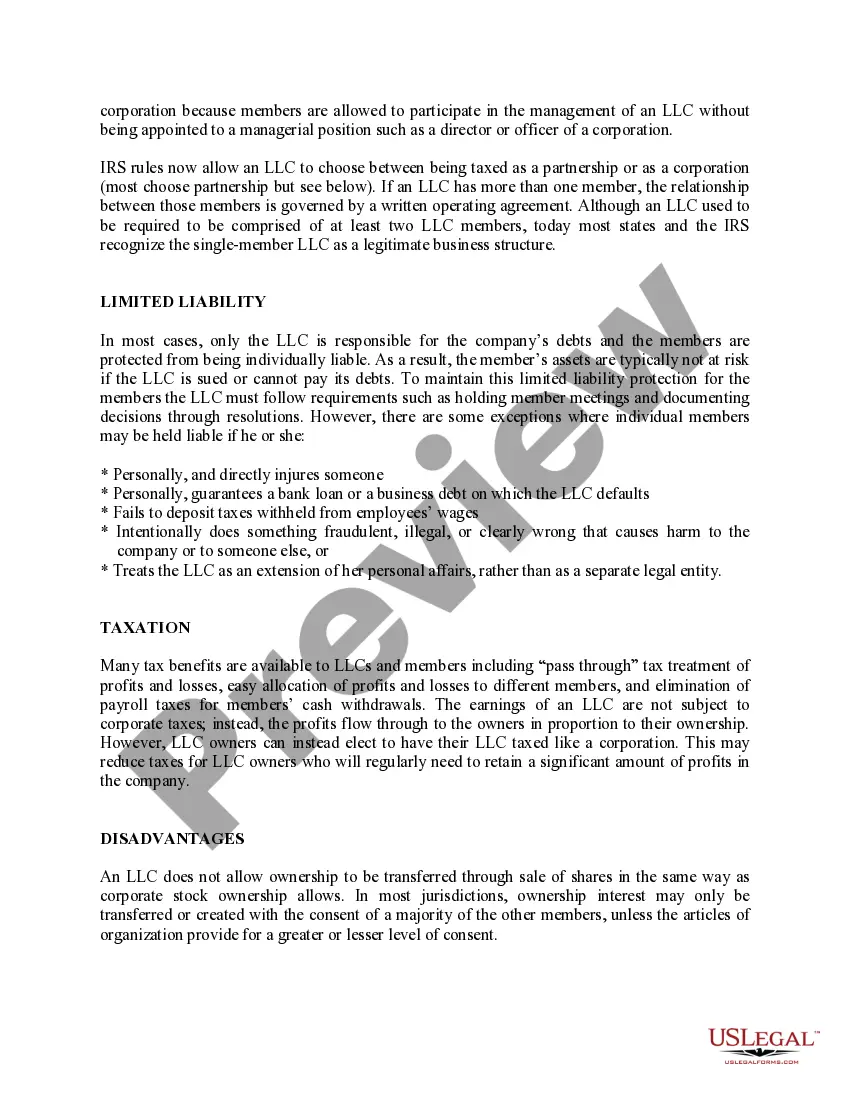
LLC owners often avoid taxes through strategies like keeping accurate records of business expenses to maximize deductions. They may also opt for pass-through taxation, where profits are only taxed at the personal level, avoiding double taxation. Additionally, utilizing available tax credits can further reduce tax burdens. By understanding the limited liability company (LLC) pros and cons, owners can effectively strategize their tax approach.
One tax disadvantage of a limited liability company (LLC) is the potential for self-employment taxes, which apply to earnings from the business. This can lead to higher tax liabilities compared to other business structures, such as corporations, which might offer different tax benefits. Moreover, some states impose additional taxes or fees specifically for LLCs. Evaluating the limited liability company (LLC) pros and cons can help you anticipate these challenges.
An LLC can avoid certain taxes by electing to be taxed as an S corporation if eligible, which may reduce self-employment taxes on the owner's salary. Additionally, members can distribute profits without facing double taxation, a significant advantage for LLCs. It's crucial, though, to stay informed about tax regulations to ensure compliance. Understanding the limited liability company (LLC) pros and cons can guide your strategy for tax savings.
When considering the pros and cons of a limited liability company (LLC), you will find advantages like limited personal liability for business debts and flexible tax options. However, on the flip side, LLCs may incur additional fees and administrative obligations that could be challenging for some owners. Thus, it's essential to thoroughly evaluate both sides. Consulting resources such as uslegalforms can provide clarity on the limited liability company (LLC) pros and cons to help you make an informed choice.
One significant disadvantage of a limited liability company (LLC) is the complexity involved in formation and maintenance. Unlike sole proprietorships, LLCs require more paperwork and compliance with state regulations. Additionally, the owners of an LLC may face self-employment taxes on earnings, which can impact their overall income. Understanding the limited liability company (LLC) pros and cons can help you weigh these factors before making a decision.