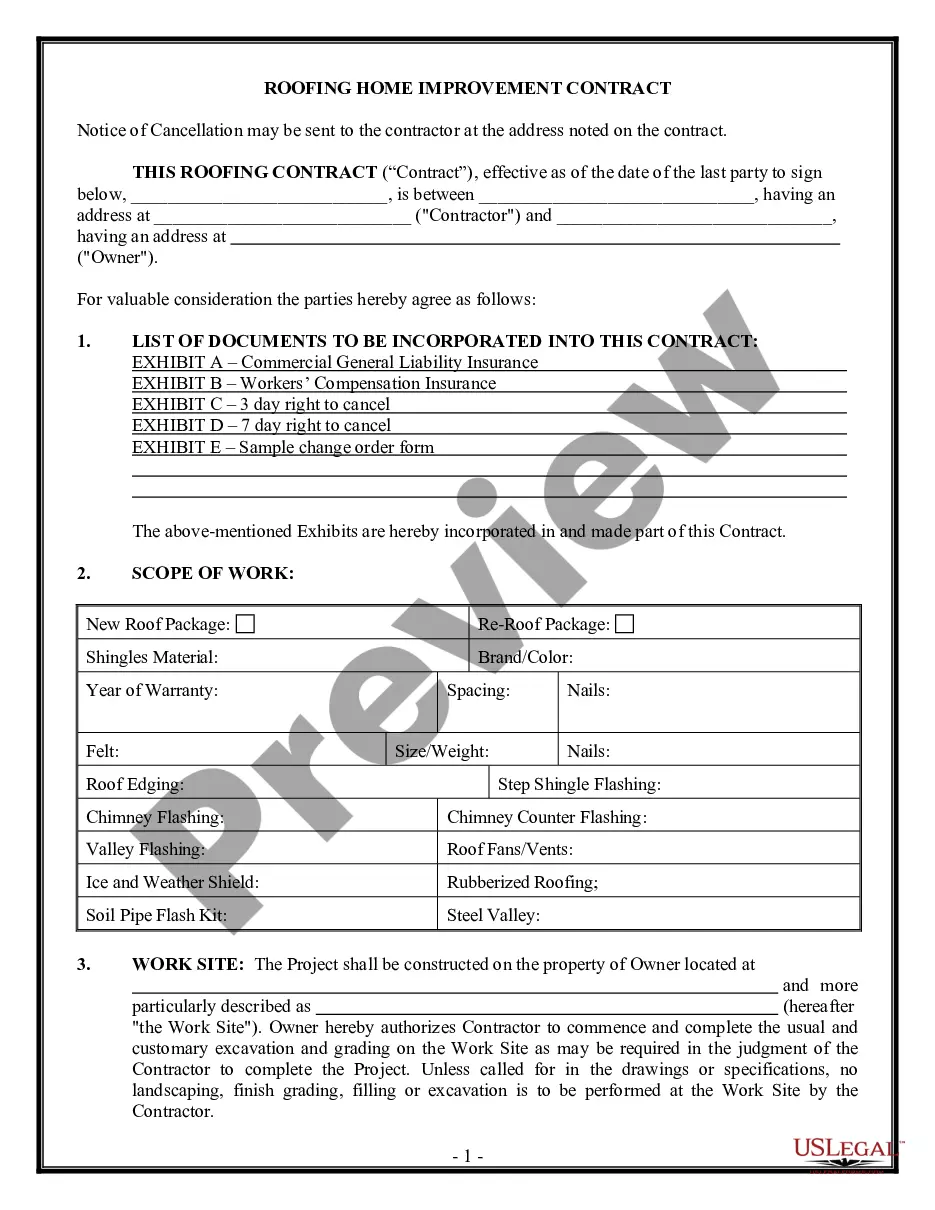
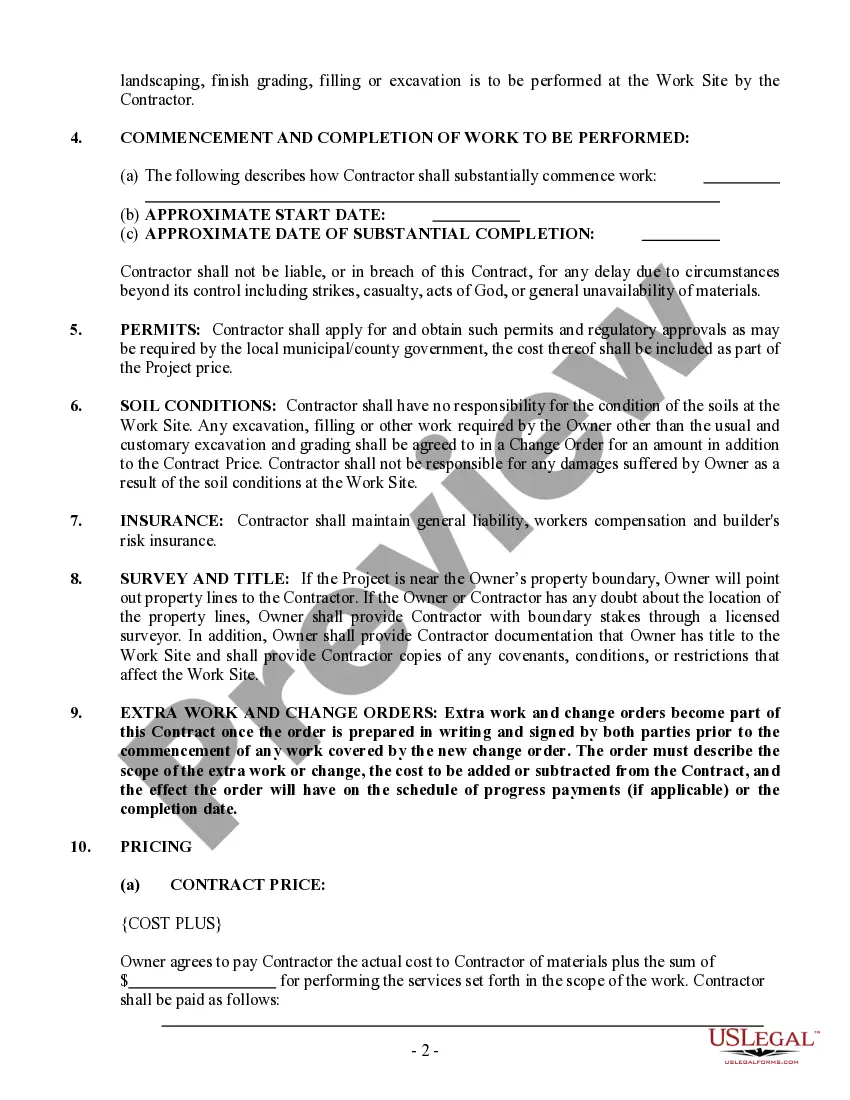
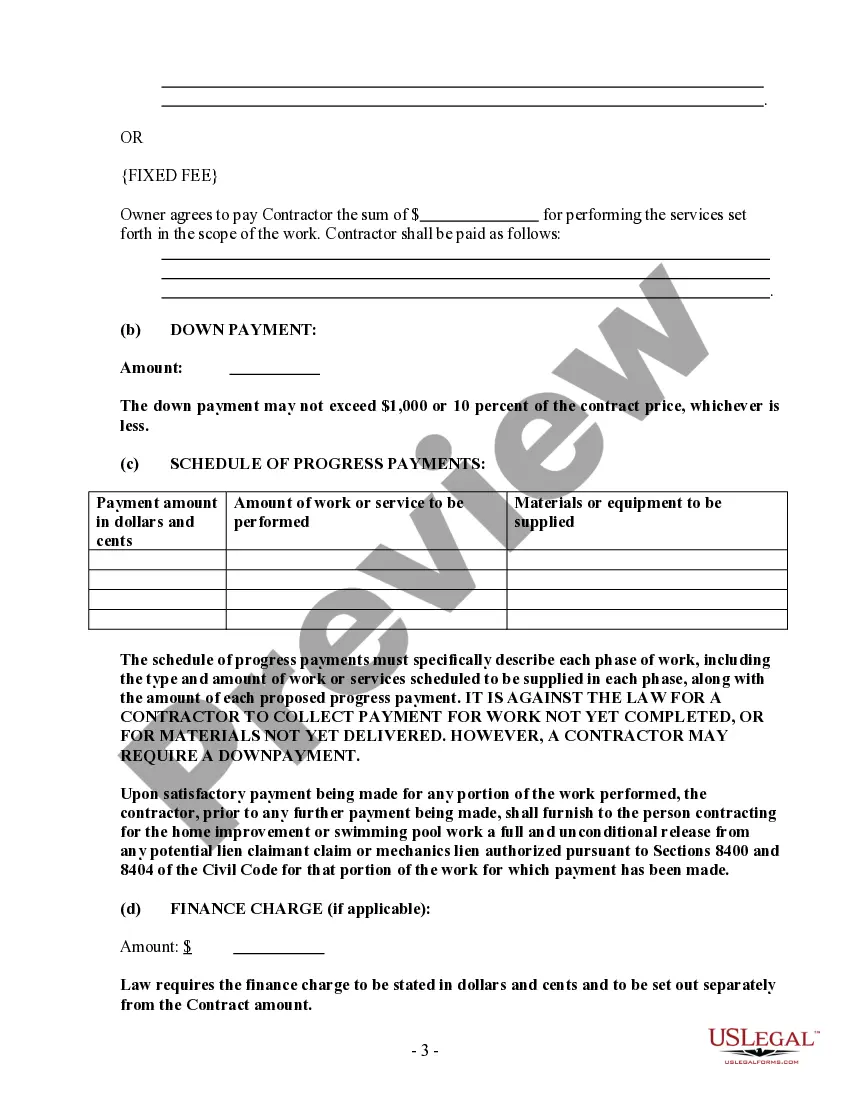
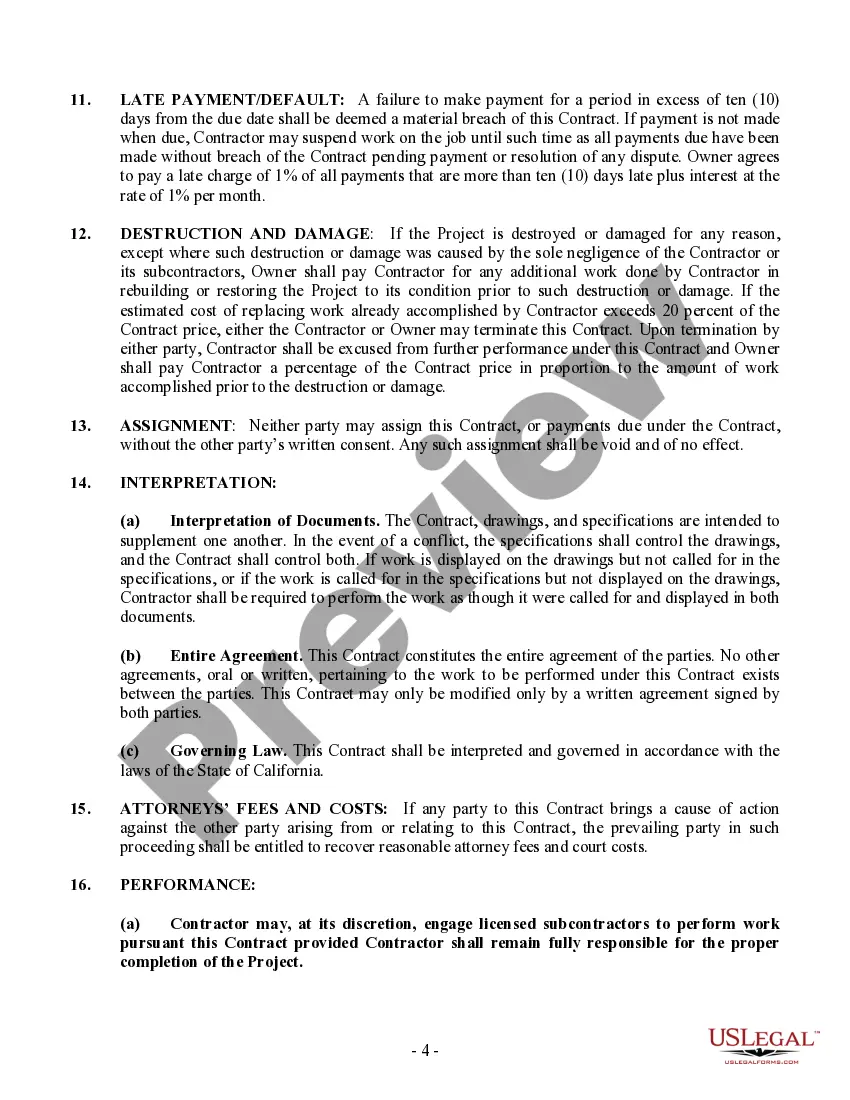
Roofing Contractor Forms For Insurance
Description

Get your form ready online
Our built-in tools help you complete, sign, share, and store your documents in one place.
Make edits, fill in missing information, and update formatting in US Legal Forms—just like you would in MS Word.
Download a copy, print it, send it by email, or mail it via USPS—whatever works best for your next step.
Sign and collect signatures with our SignNow integration. Send to multiple recipients, set reminders, and more. Go Premium to unlock E-Sign.
If this form requires notarization, complete it online through a secure video call—no need to meet a notary in person or wait for an appointment.
We protect your documents and personal data by following strict security and privacy standards.

Make edits, fill in missing information, and update formatting in US Legal Forms—just like you would in MS Word.

Download a copy, print it, send it by email, or mail it via USPS—whatever works best for your next step.

Sign and collect signatures with our SignNow integration. Send to multiple recipients, set reminders, and more. Go Premium to unlock E-Sign.

If this form requires notarization, complete it online through a secure video call—no need to meet a notary in person or wait for an appointment.

We protect your documents and personal data by following strict security and privacy standards.
Looking for another form?


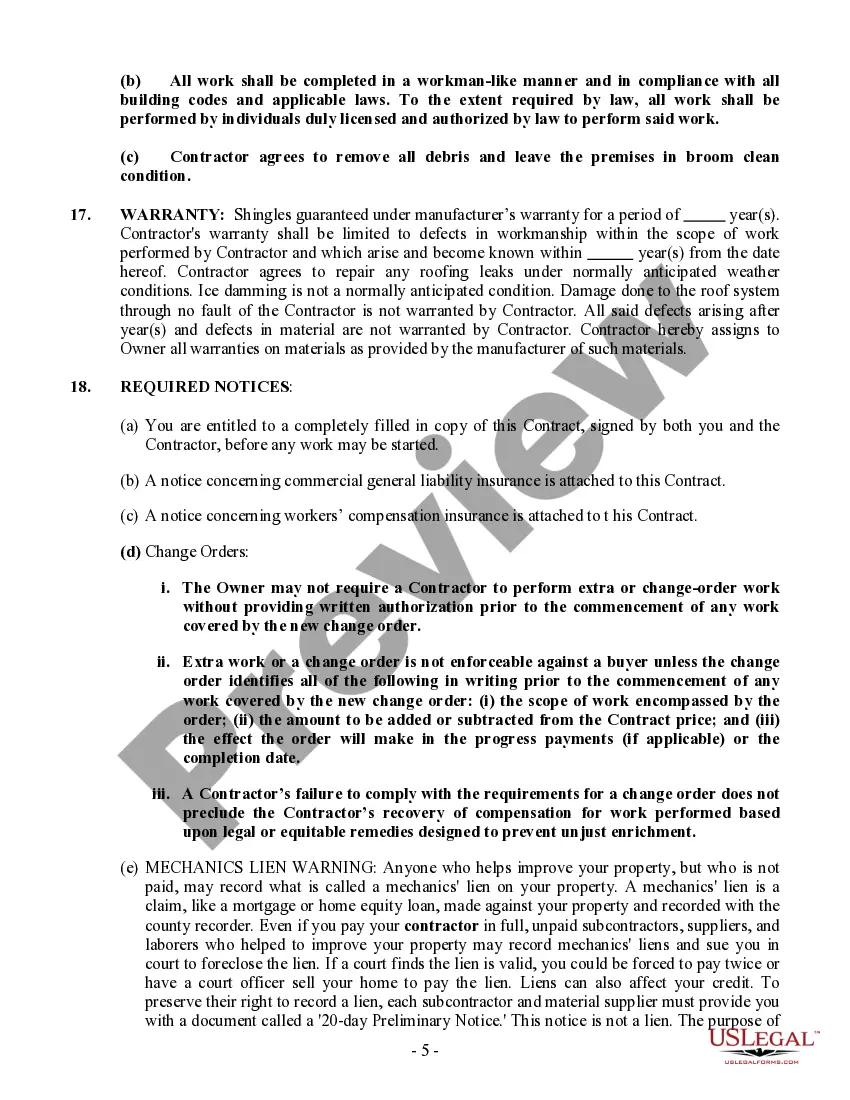
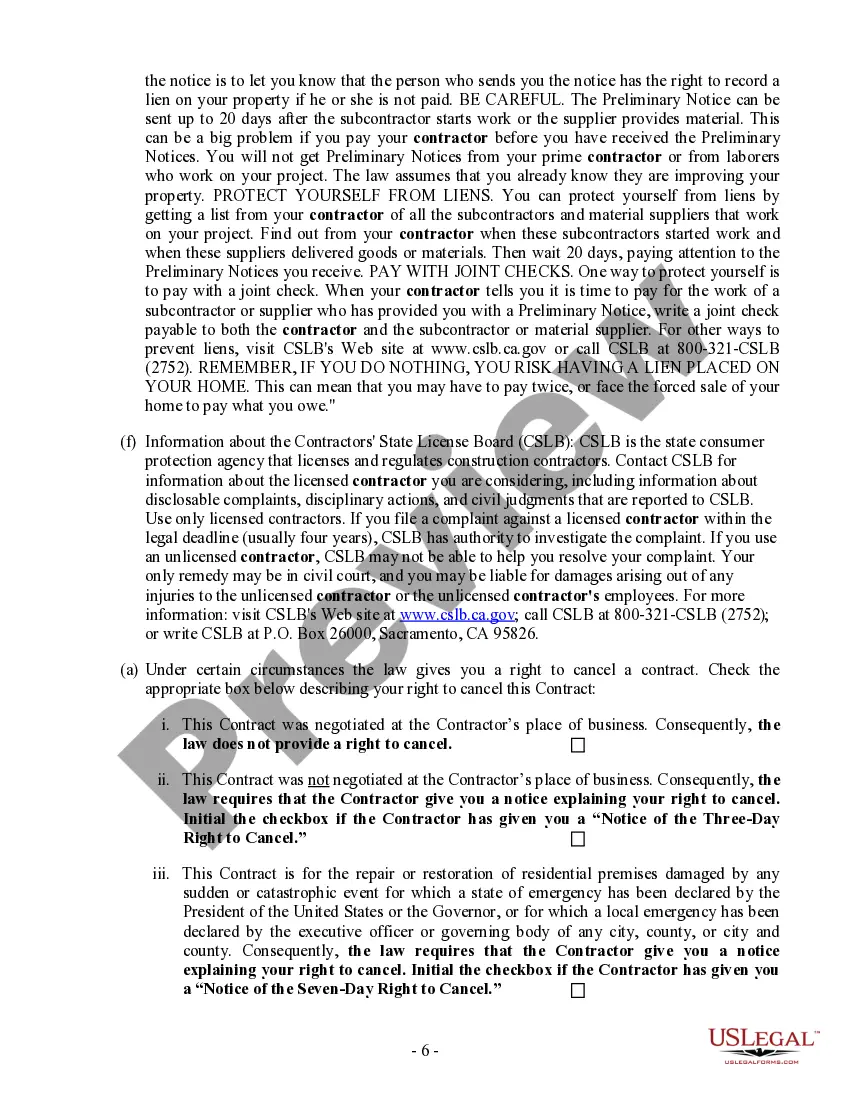
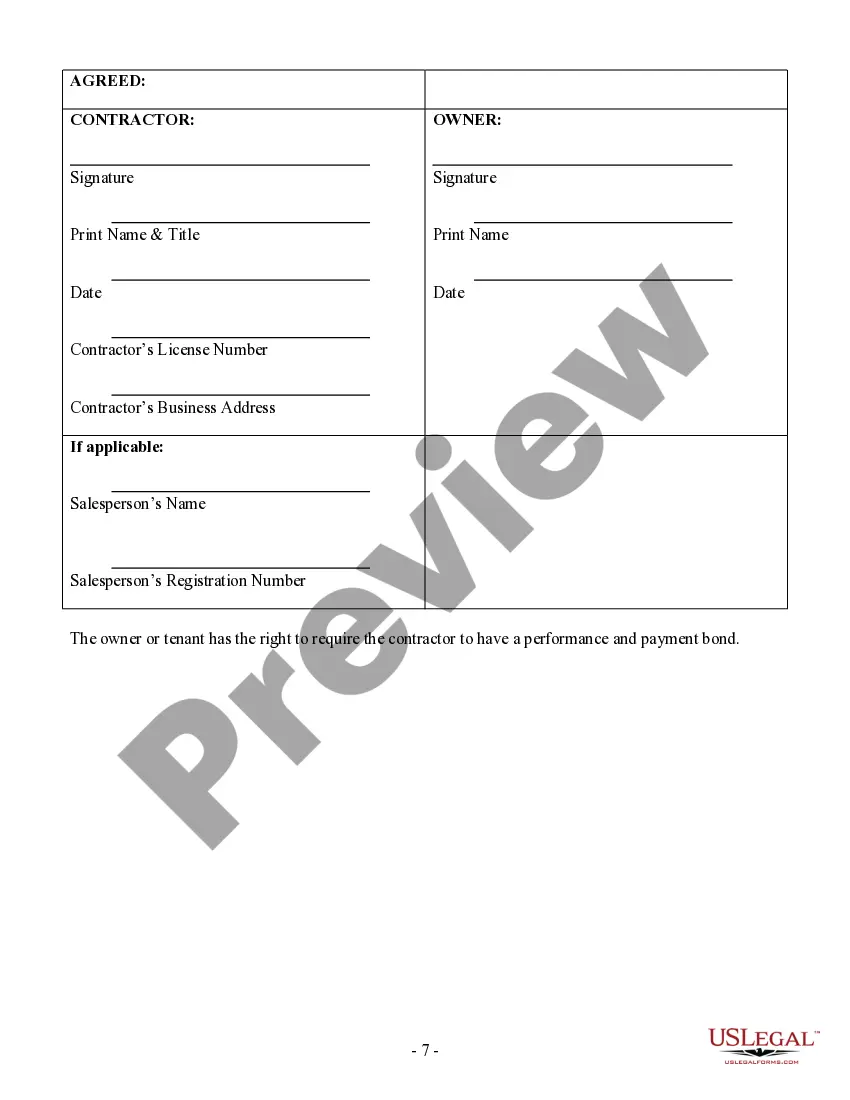
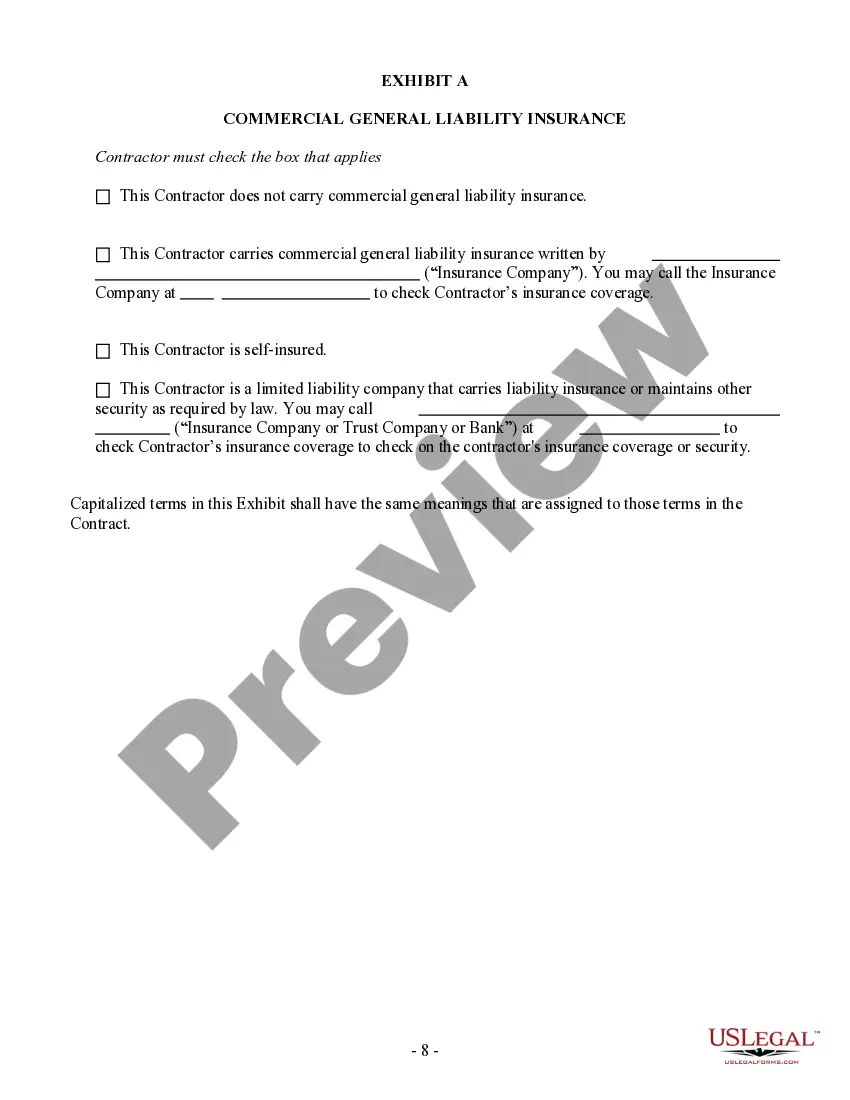
How to fill out California Roofing Contract For Contractor?
Whether for commercial intentions or for personal matters, everyone must confront legal scenarios at some point in their life.
Completing legal paperwork necessitates meticulous care, starting with selecting the appropriate form template.
With an extensive US Legal Forms catalog available, you don’t have to waste time searching for the correct sample online. Utilize the library’s easy navigation to find the proper template for any circumstance.
- Locate the template you require using the search function or catalog exploration.
- Review the form’s description to ensure it suits your circumstance, state, and locality.
- Click on the form’s preview to examine it.
- If it is the incorrect document, return to the search option to find the Roofing Contractor Forms For Insurance template you need.
- Download the template if it aligns with your requirements.
- If you already possess a US Legal Forms account, simply click Log in to access previously saved documents in My documents.
- If you don’t have an account yet, you can obtain the form by clicking Buy now.
- Choose the appropriate pricing option.
- Fill out the account registration form.
- Choose your payment method: use a credit card or PayPal account.
- Choose the document format you prefer and download the Roofing Contractor Forms For Insurance.
- Once it is downloaded, you can complete the form using editing software or print it and finish it by hand.
Form popularity
FAQ
How to write an invoice template Your business name, address, and phone number. Customer's name, address, and phone number. List of products or services completed. A unique invoice number and date issued. Total invoiced amount and taxes. Payment terms and due date. Payment instructions.
Include the right information. A unique invoice number. The date the work was completed. Materials and labor used for the job. The date of the invoice. The pre-work estimate amount. The final amount payable. Payment terms and payment instructions. Contact information (for client invoice questions)
An invoice is the final bill you send to the client for the completed project. This is the last step of the project. The amount on your roofing invoice might be different from the amount on the quote, depending on how much the work might have changed throughout the job.
How to create an invoice: A step-by-step guide Brand your invoice. ... Add a professional header. ... Include invoice information. ... Include the dates. ... Description of goods/services delivered. ... Include tax details and highlight the total money owed. ... Include payment terms. ... Add explanatory notes with terms and conditions.
A roofing invoice should include all the information about the job, including any materials or services provided. Your roofing invoice should include details like: Your business name and logo. Your contact information, including address, phone number, and email address.