Lease Residential Form Agreement With Canada
Description
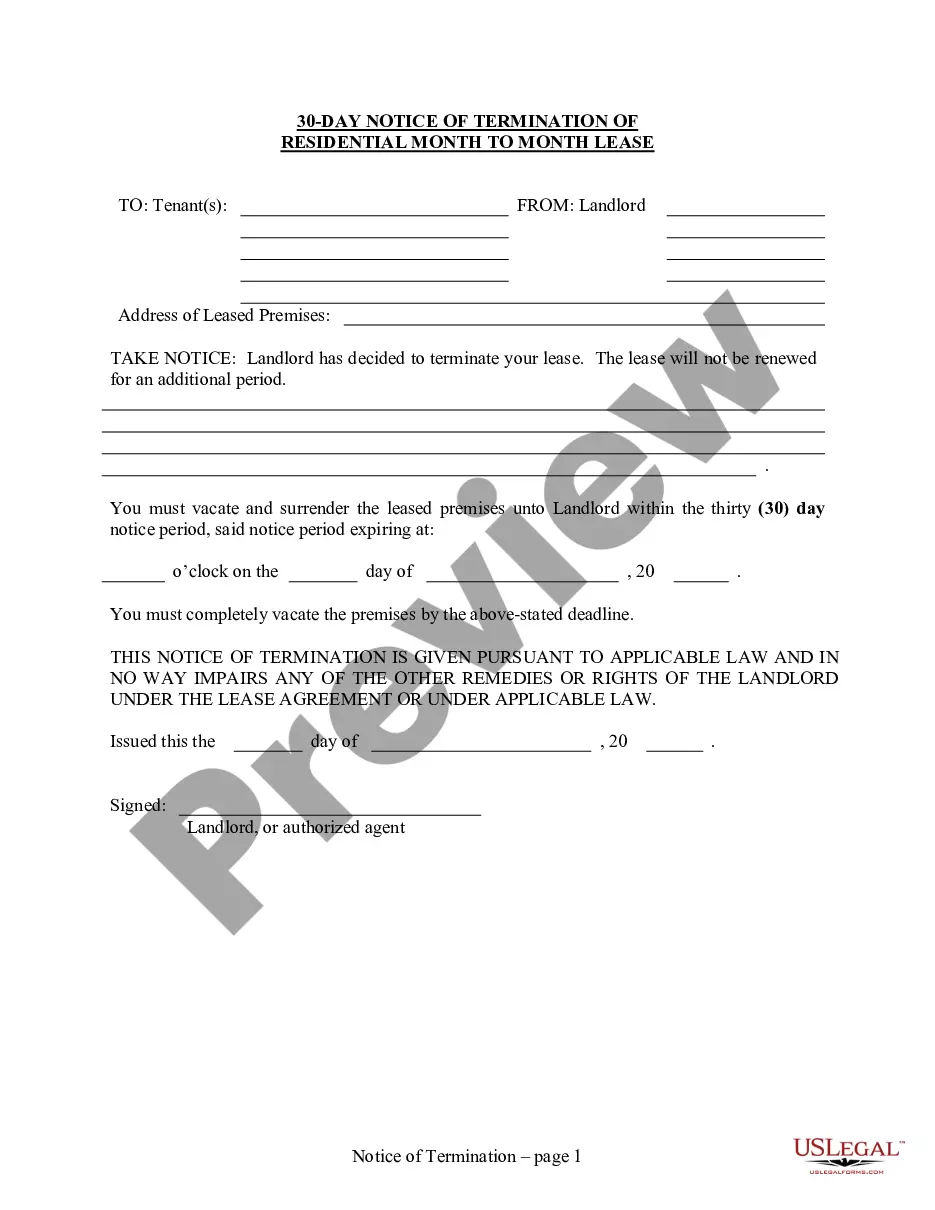
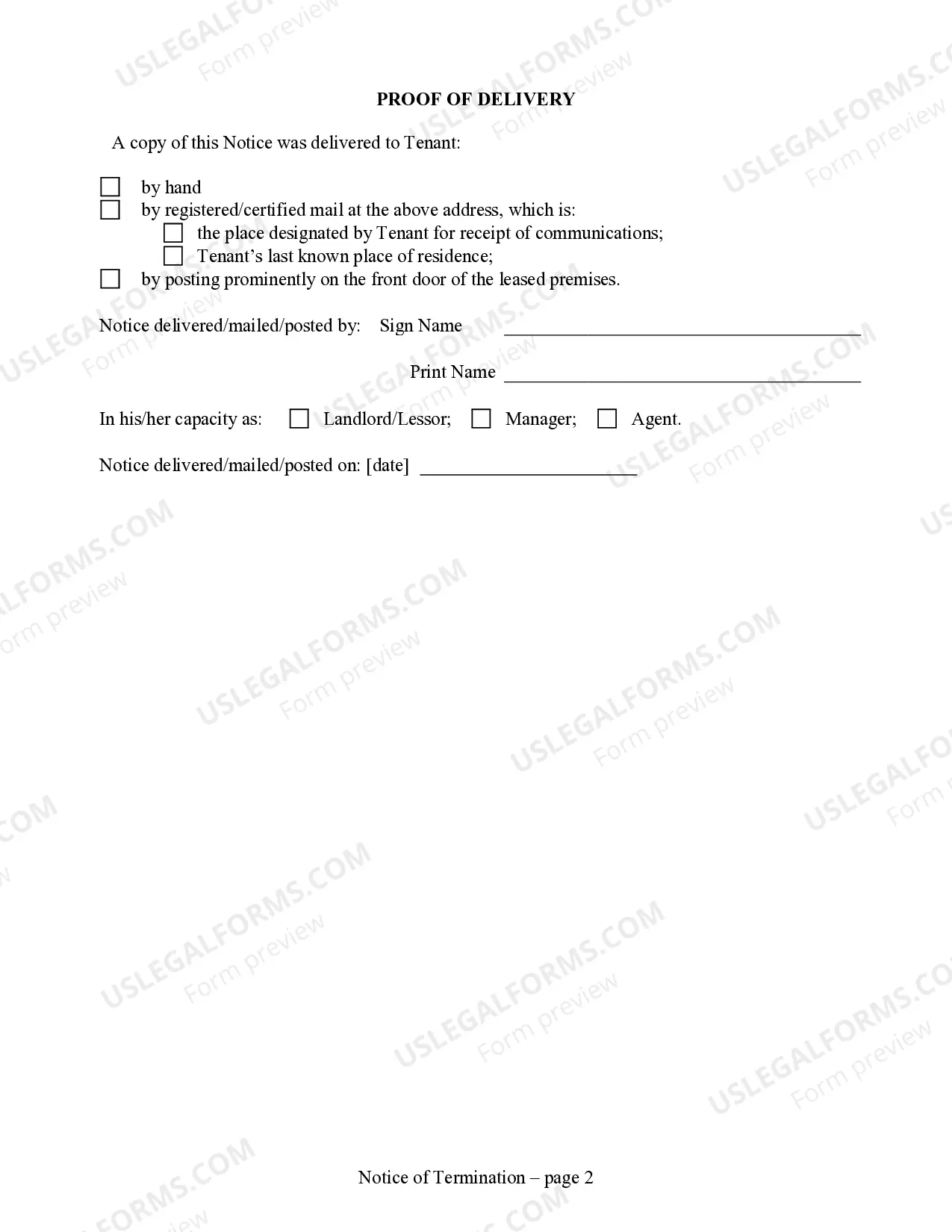
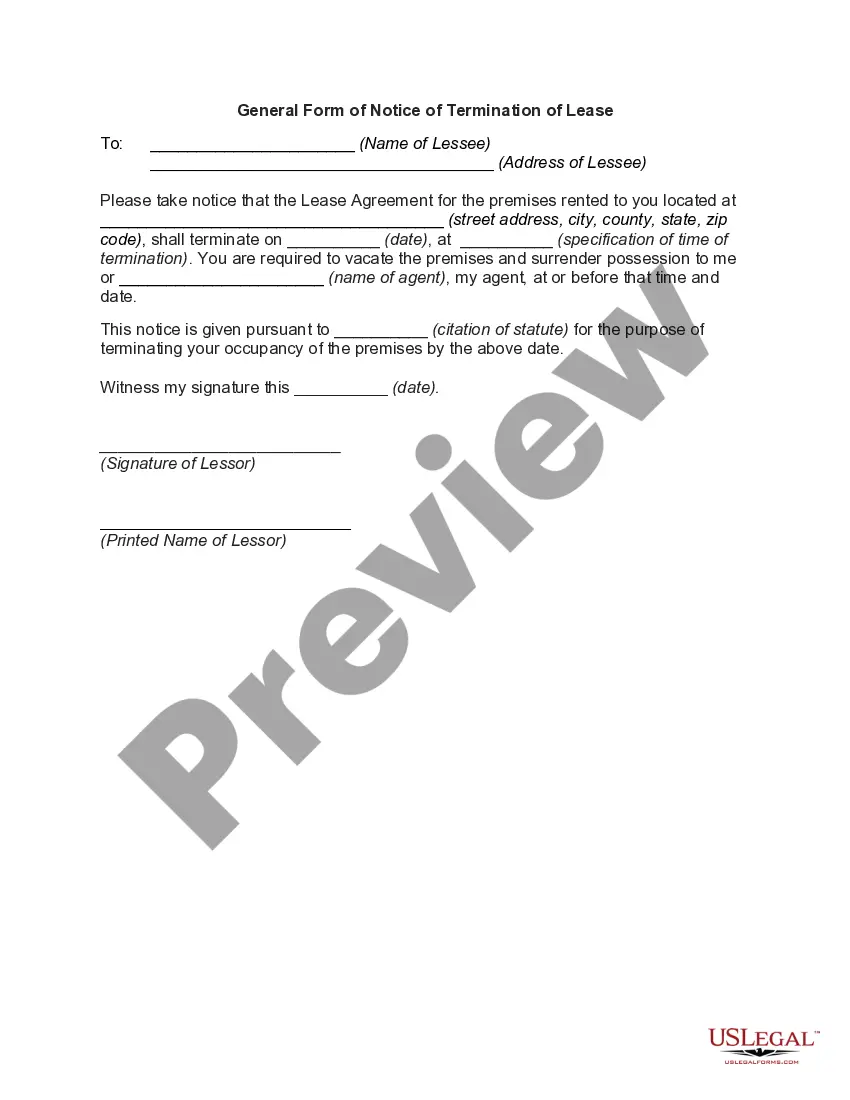

Get your form ready online
Our built-in tools help you complete, sign, share, and store your documents in one place.
Make edits, fill in missing information, and update formatting in US Legal Forms—just like you would in MS Word.
Download a copy, print it, send it by email, or mail it via USPS—whatever works best for your next step.
Sign and collect signatures with our SignNow integration. Send to multiple recipients, set reminders, and more. Go Premium to unlock E-Sign.
If this form requires notarization, complete it online through a secure video call—no need to meet a notary in person or wait for an appointment.
We protect your documents and personal data by following strict security and privacy standards.

Make edits, fill in missing information, and update formatting in US Legal Forms—just like you would in MS Word.

Download a copy, print it, send it by email, or mail it via USPS—whatever works best for your next step.

Sign and collect signatures with our SignNow integration. Send to multiple recipients, set reminders, and more. Go Premium to unlock E-Sign.

If this form requires notarization, complete it online through a secure video call—no need to meet a notary in person or wait for an appointment.

We protect your documents and personal data by following strict security and privacy standards.
Looking for another form?

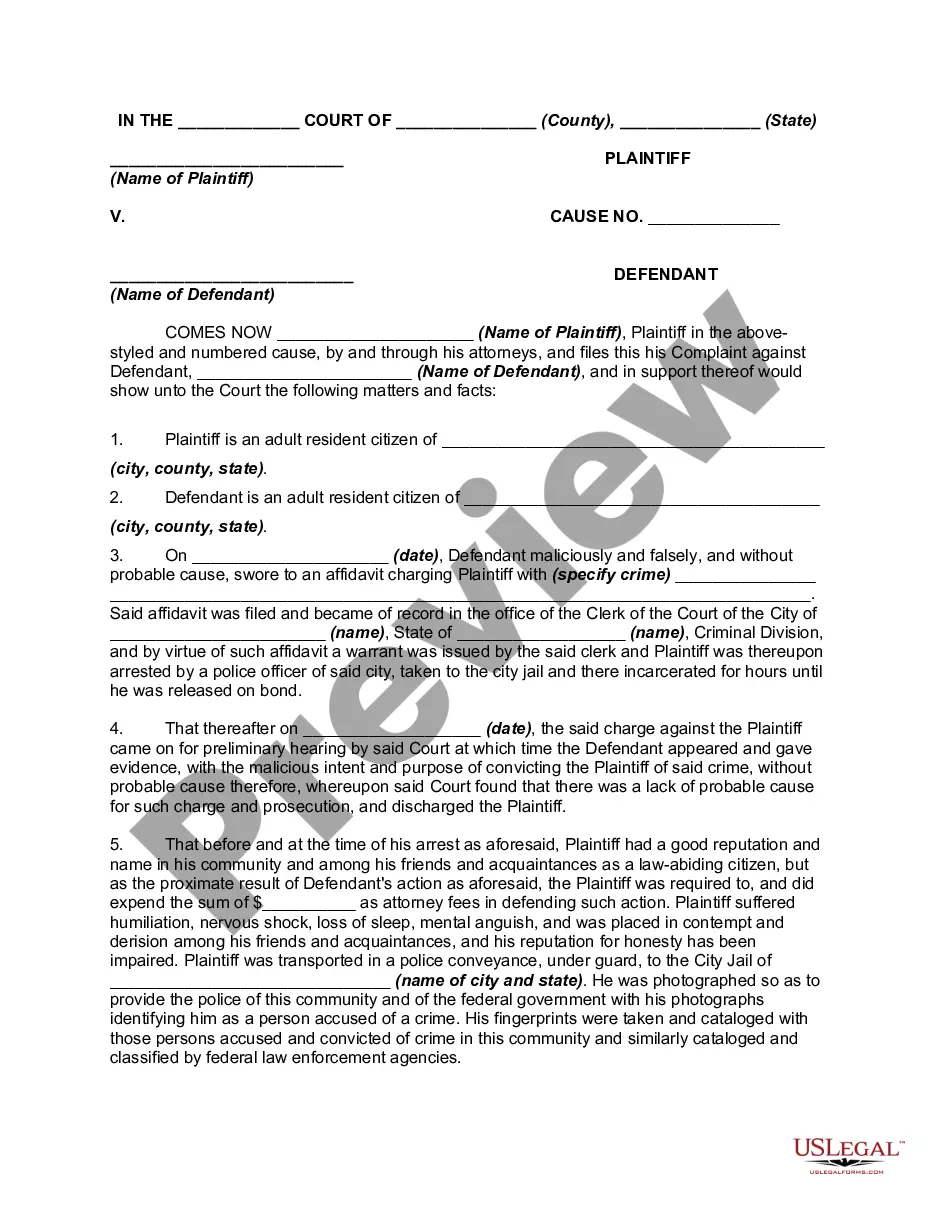







How to fill out Arizona 30 Day Notice To Terminate Month To Month Lease - Residential From Landlord To Tenant?
Regardless of whether it's for professional reasons or personal affairs, everyone eventually has to deal with legal matters in their life.
Completing legal documents necessitates meticulous attention, starting with selecting the appropriate form template. For instance, if you choose an incorrect version of a Lease Residential Form Agreement With Canada, it will be rejected upon submission. Thus, it is crucial to secure a trustworthy source of legal documents such as US Legal Forms.
With a vast US Legal Forms catalog available, you do not have to waste time searching for the appropriate template online. Utilize the library’s simple navigation to discover the ideal form for any situation.
- Locate the template you require by using the search bar or browsing the catalog.
- Review the form’s details to confirm it aligns with your situation, state, and area.
- Click on the form’s preview to inspect it.
- If it is not the correct document, return to the search feature to find the Lease Residential Form Agreement With Canada template you need.
- Download the file if it meets your specifications.
- If you possess a US Legal Forms account, click Log in to retrieve previously stored documents in My documents.
- If you haven’t created an account yet, you can download the form by clicking Buy now.
- Choose the appropriate pricing option.
- Fill out the account registration form.
- Select your payment method: you can utilize a credit card or PayPal account.
- Choose the document format you prefer and download the Lease Residential Form Agreement With Canada.
- Once it is saved, you are able to complete the form using editing software or print it out and fill it in manually.
Form popularity
FAQ
While leasing and renting share many similarities, there are some subtle distinctions between the two. The main difference is the length of tenancy. A rental agreement is usually short term or month-to-month, while a lease is typically for a longer period of time, usually six months or more.
Before a Lease Begins For most new tenancies, the landlord and tenant must use and sign the Residential Tenancy Agreement (Standard Form of Lease) developed by the Government of Ontario before the tenant moves in. However, there may still be a valid tenancy agreement if this form is not used.
There are two types of leases- a fixed-term and a periodic term lease. A fixed term is a tenancy that is set for a specific amount of time, while a periodic term has no set end date. If you have a fixed-term tenancy, here is the most common way to proceed (may vary by province).
A rental agreement, or lease, is a contract between a landlord and a tenant. The landlord grants the tenant the right to occupy a rental unit. In return, the tenant commits to paying rent. The contract may also include other terms and rules.
Yes, the Ontario Standard lease is mandatory for landlords. All residential tenancies in the private rental market that started on or after April 30, 2018, are required to have the lease.