Llc Limited Liability With Us Companies
Description

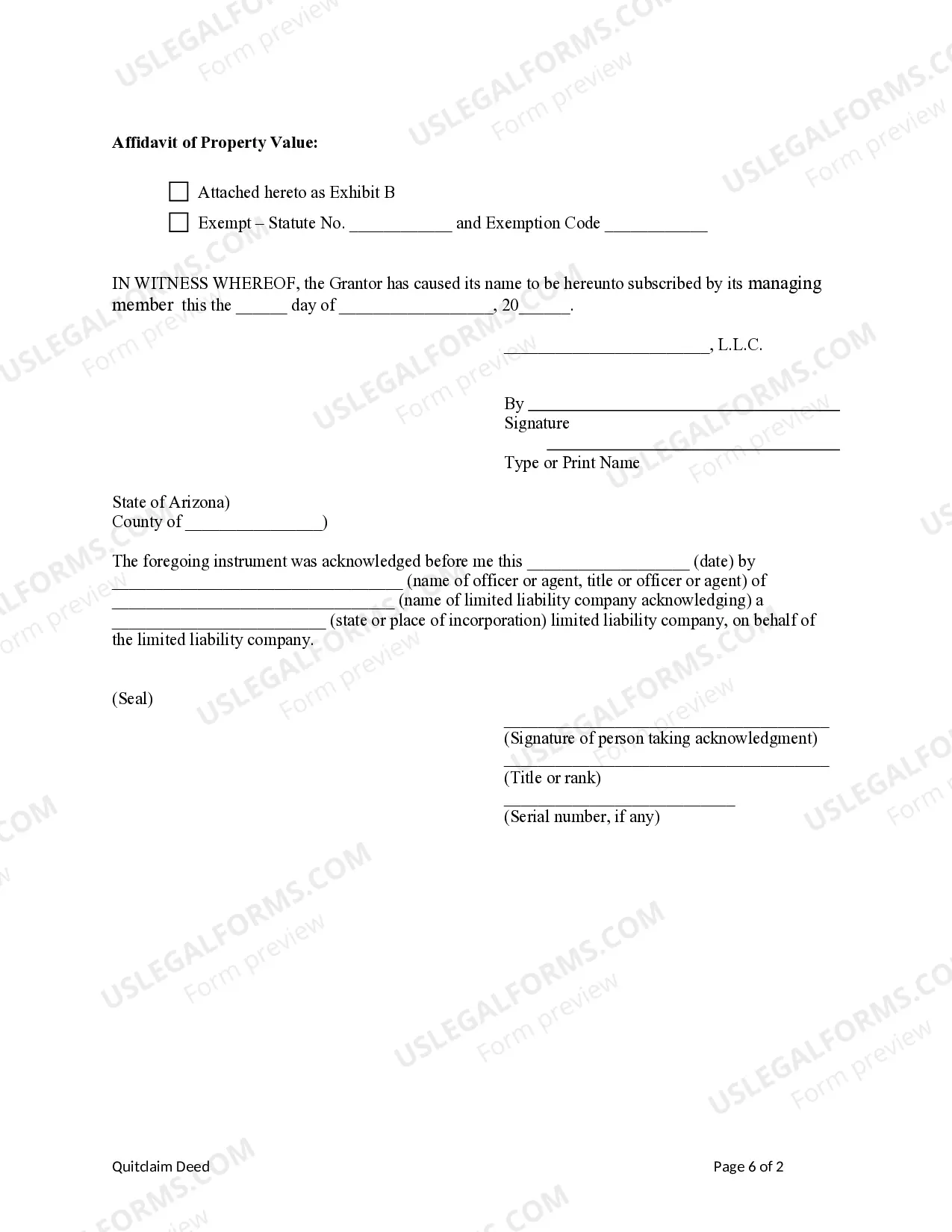

Get your form ready online
Our built-in tools help you complete, sign, share, and store your documents in one place.
Make edits, fill in missing information, and update formatting in US Legal Forms—just like you would in MS Word.
Download a copy, print it, send it by email, or mail it via USPS—whatever works best for your next step.
Sign and collect signatures with our SignNow integration. Send to multiple recipients, set reminders, and more. Go Premium to unlock E-Sign.
If this form requires notarization, complete it online through a secure video call—no need to meet a notary in person or wait for an appointment.
We protect your documents and personal data by following strict security and privacy standards.

Make edits, fill in missing information, and update formatting in US Legal Forms—just like you would in MS Word.

Download a copy, print it, send it by email, or mail it via USPS—whatever works best for your next step.

Sign and collect signatures with our SignNow integration. Send to multiple recipients, set reminders, and more. Go Premium to unlock E-Sign.

If this form requires notarization, complete it online through a secure video call—no need to meet a notary in person or wait for an appointment.

We protect your documents and personal data by following strict security and privacy standards.
Looking for another form?
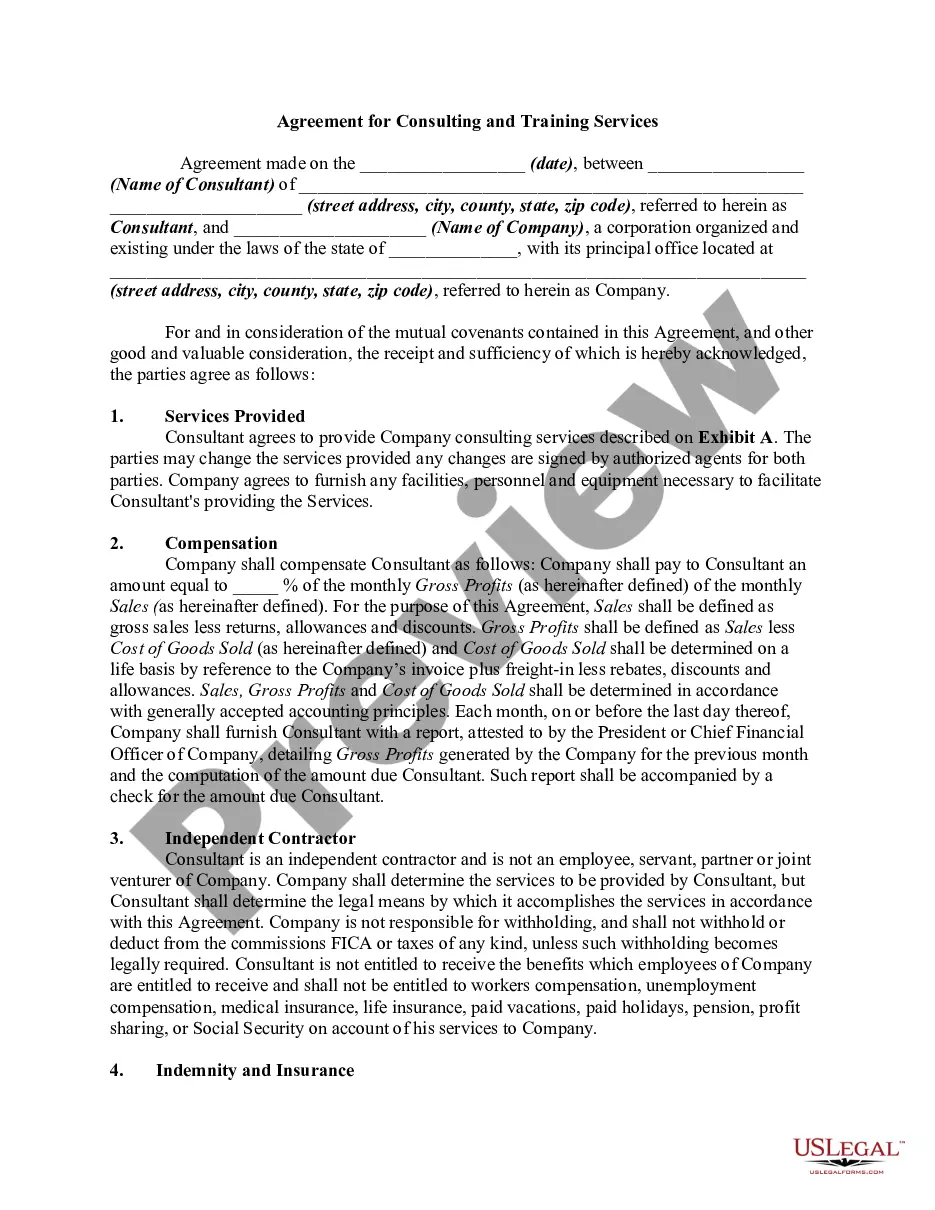


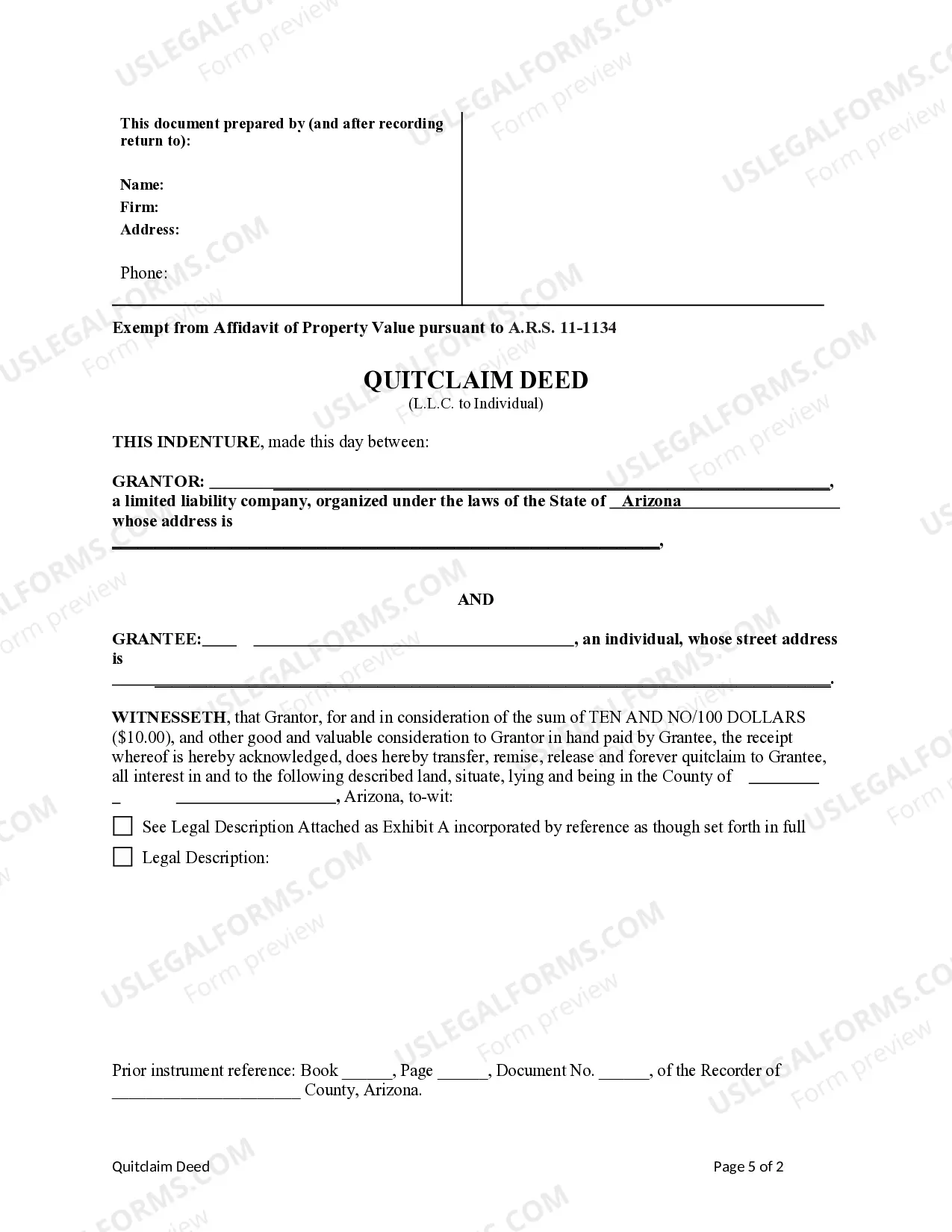
How to fill out Arizona Quitclaim Deed From A Limited Liability Company To An Individual?
- Log in to your existing account at US Legal Forms. Ensure your subscription is active; if it’s expired, simply renew it based on your chosen payment plan.
- If you are new to the service, start by browsing the extensive library. Check the Preview mode and read the form description to ensure it meets your local jurisdiction requirements.
- Should you need a different template, use the Search tab to find the right document that suits your needs perfectly.
- Purchase your document by clicking the Buy Now button and selecting your preferred subscription plan. Create an account to unlock access to the entire library.
- Complete the transaction using your credit card or PayPal. After payment, download your form to your device.
- Access your downloaded template anytime from the My Forms section in your profile for future reference and completion.
By utilizing US Legal Forms, you not only gain access to an extensive library of legal documents but also benefit from unparalleled expert support. This ensures your forms are completed accurately and comply with legal standards.
Start forming your LLC today with US Legal Forms. Get started now!
Form popularity
FAQ
The main disadvantages of a limited liability company (LLC) include ongoing state fees and the complexities of compliance requirements. Some states may impose additional taxes or fees on LLCs. Additionally, while LLCs offer liability protection, this does not shield you from personal guarantees on business loans. It’s crucial to weigh these disadvantages when choosing to form an LLC limited liability with US companies.
One common example of a limited liability company in the US is a small law firm that operates as an LLC. This allows the owners to enjoy limited liability protection while benefiting from the flexible management structure. Other examples include tech startups, consulting firms, or retail businesses that opt for LLC status to shield personal assets from business liabilities.
In the USA, the term 'Ltd company' is often used interchangeably with LLC, though it originates from other countries. Essentially, it refers to a company where the owners' liability is limited to their shares in the business. While US companies typically use the term LLC, understanding both terms is helpful when considering the structure of your business, especially when dealing with international considerations.
While there are many advantages to forming an LLC, there are some downsides as well. These may include higher formation and maintenance costs compared to sole proprietorships. Additionally, self-employment taxes can sometimes be higher for LLCs, potentially affecting your net income. It’s essential to assess these factors before choosing the LLC structure for your business.
A US limited liability company (LLC) is a business structure that combines the benefits of a corporation and a partnership. It provides limited liability protection to its owners, meaning personal assets are usually safe from business debts. Moreover, LLCs have flexible management options and simpler tax requirements, making them an appealing choice for entrepreneurs looking for a secure way to operate LLC limited liability with US companies.
Yes, you can operate multiple businesses under a single LLC. This approach allows you to streamline management and reduce costs. However, it's vital to keep the operations and financials of each business separate to maintain liability protection. Using the LLC structure can help you manage your different ventures effectively.
The primary difference between LLC and Ltd is the structure and liability protection they offer. An LLC, or Limited Liability Company, provides owners with limited liability and operational flexibility. In contrast, a Ltd, or Limited Company, is more common in other countries and may operate similarly to corporations. Understanding these differences is crucial when deciding the best structure for your business among US companies.
Registering your LLC in the USA involves choosing a unique name, filing Articles of Organization, and paying the necessary fees to your state. Additionally, you may need to create an operating agreement to outline the management structure and operational procedures of your LLC. After approval, you will receive a certificate confirming the formation of your LLC, providing you with limited liability protection for your us companies.
To register a Limited Liability Partnership (LLP) in the USA, you typically need to file a Certificate of Limited Liability Partnership with your state's business filing agency. This document should include the partnership name and the details of the partners involved. Each state has varying requirements, so checking specific state guidelines is crucial. If you need assistance, platforms like uslegalforms can simplify this process for you.
An LLC can choose how it wants to be taxed, which gives it unique flexibility. You can elect to have your LLC taxed as an S Corporation, C Corporation, or partnership. Each option has different tax implications, so it's essential to consider your financial goals. Understanding these differences can help you make informed decisions for your LLC limited liability with US companies.