Delaware Deeds
Deeds are essential documents for transferring property ownership. Our attorney-drafted templates simplify the process, making it quick and easy to complete.

Similar documents: key differences
- Warranty Deed vs. Quitclaim Deed — Warranty deeds provide ownership guarantees, quitclaim deeds do not.
- Grant Deed vs. Bargain and Sale Deed — Grant deeds have implied ownership guarantees, while bargain and sale deeds do not.
- Special Warranty Deed vs. General Warranty Deed — Special warranties cover only seller's ownership period, general warranties cover entire ownership history.
- Transfer-on-Death Deed vs. Regular Deed — Transfer-on-death deeds transfer property upon death, regular deeds transfer ownership immediately.
Search for more forms
Types of Deed forms
Warranty Deed to Child Reserving a Life Estate in the Parents
Transfer property to a child while retaining a life estate, ensuring you maintain rights to the property during your lifetime.
Affidavit of Identity and Survivorship
Establish your identity and survivorship rights after a loved one's passing, helping ensure a smooth transfer of property ownership.
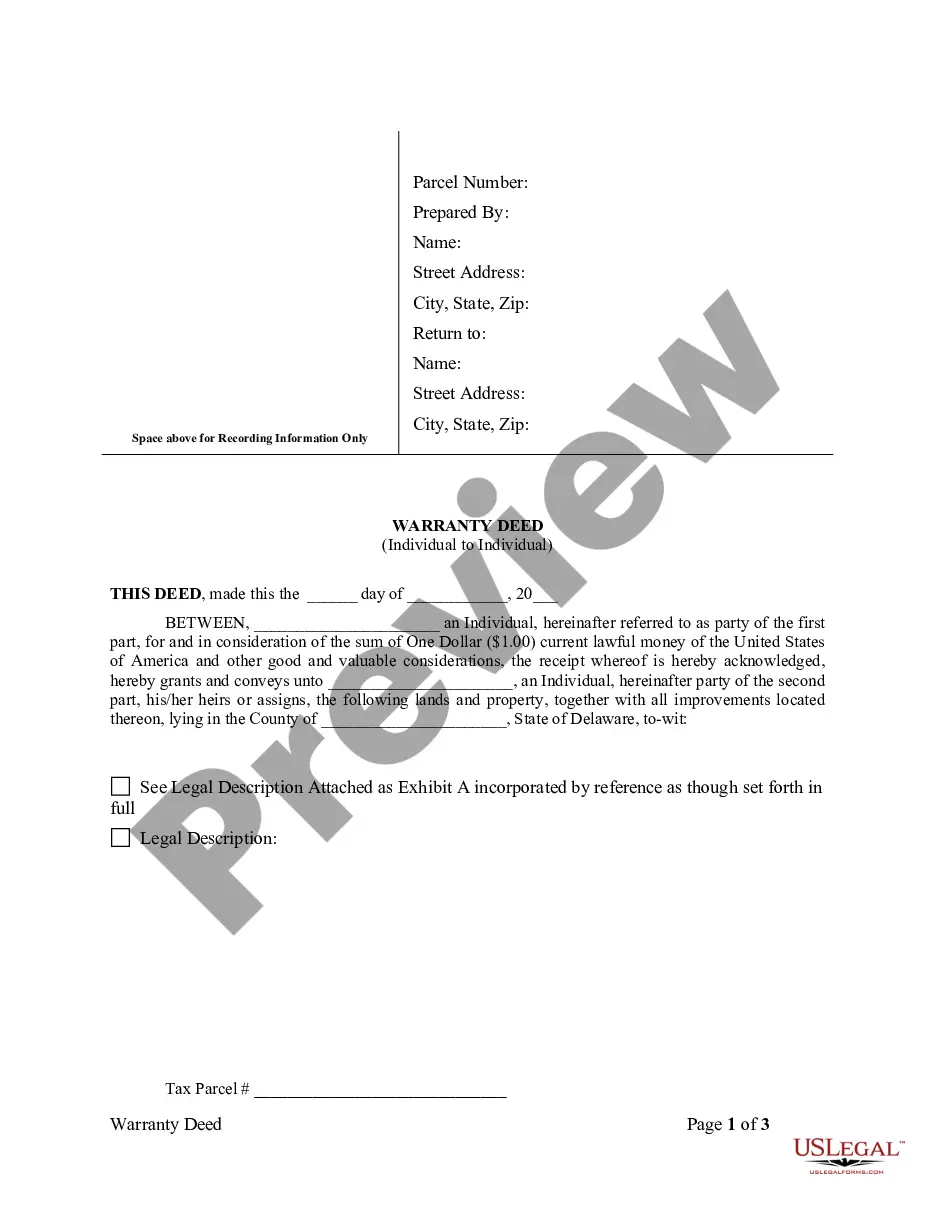
Warranty Deed - From Individual → Individual
Use this document to transfer property ownership between individuals, ensuring protection against future claims and maintaining property rights.
Warranty Deed - From Individual → 3 Individuals in Joint Tenancy
Use this to transfer property ownership to three individuals as joint tenants, ensuring rights of survivorship.
Warranty Deed - From Corporation → Corporation
Transfer property ownership between corporations while ensuring clear title and addressing any encumbrances.
Warranty Deed - From Individual → Corporation
Transfer property ownership from an individual to a corporation, ensuring clear title and lawful conveyance.
Warranty Deed - From Corporation → Individual
Transfer property ownership from a corporation to an individual while reserving specific rights, making it essential for property transactions.
Warranty Deed - From Corporation → 2 Individuals
Use this document to transfer property ownership from a corporation to two individuals, ensuring joint tenancy with rights of survivorship.
Warranty Deed - From Corporation → Husband & Wife
Transfer property ownership from a corporation to a couple, ensuring joint tenancy and protection against future claims.
Warranty Deed - From Husband & Wife → Corporation
Transfer property ownership from individuals to a corporation, ensuring the title is clear and free of encumbrances, while addressing necessary restrictions and conditions.
Special Warranty Deed - From Husband & Wife → Individual
Use this form to transfer property from spouses to an individual, ensuring clarity of ownership and protection against claims.
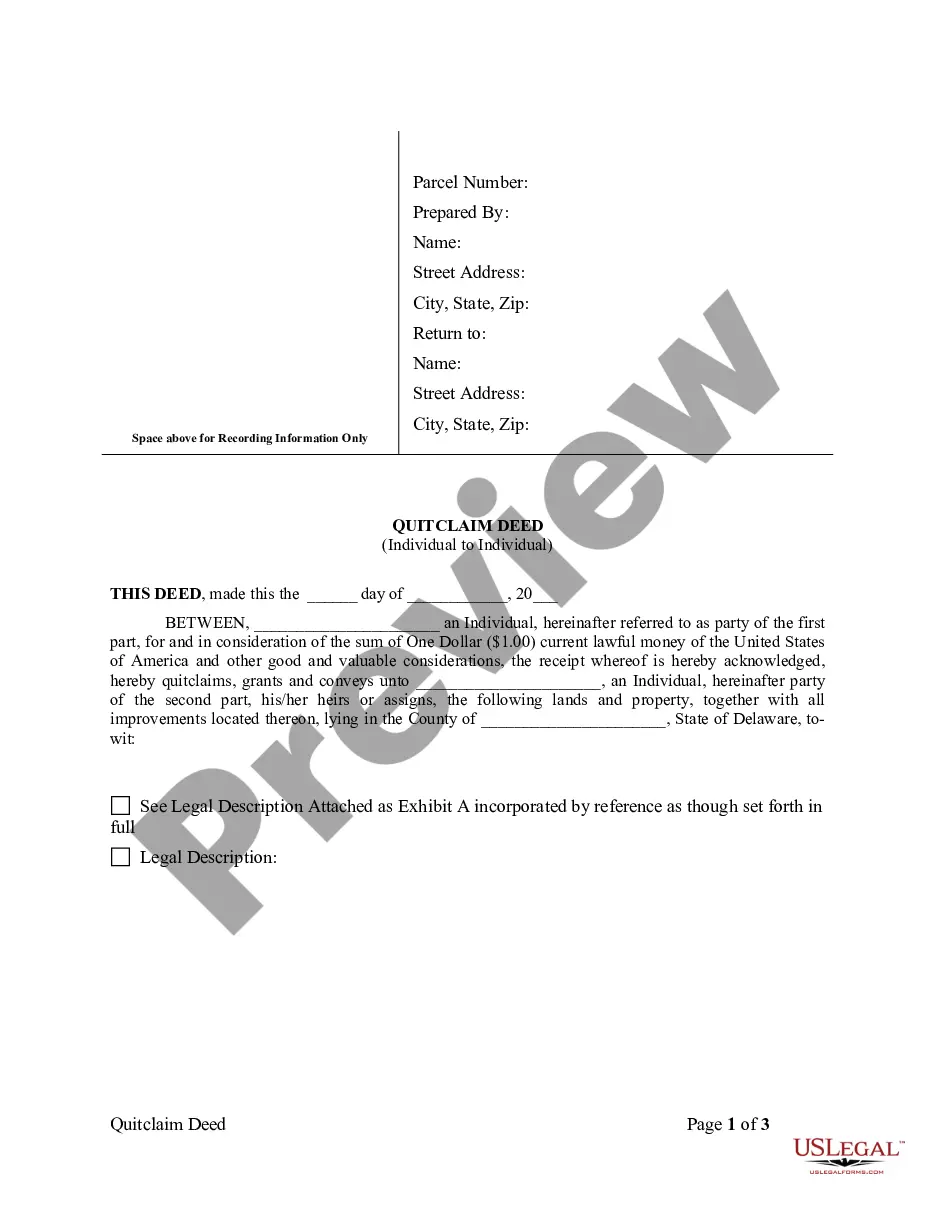
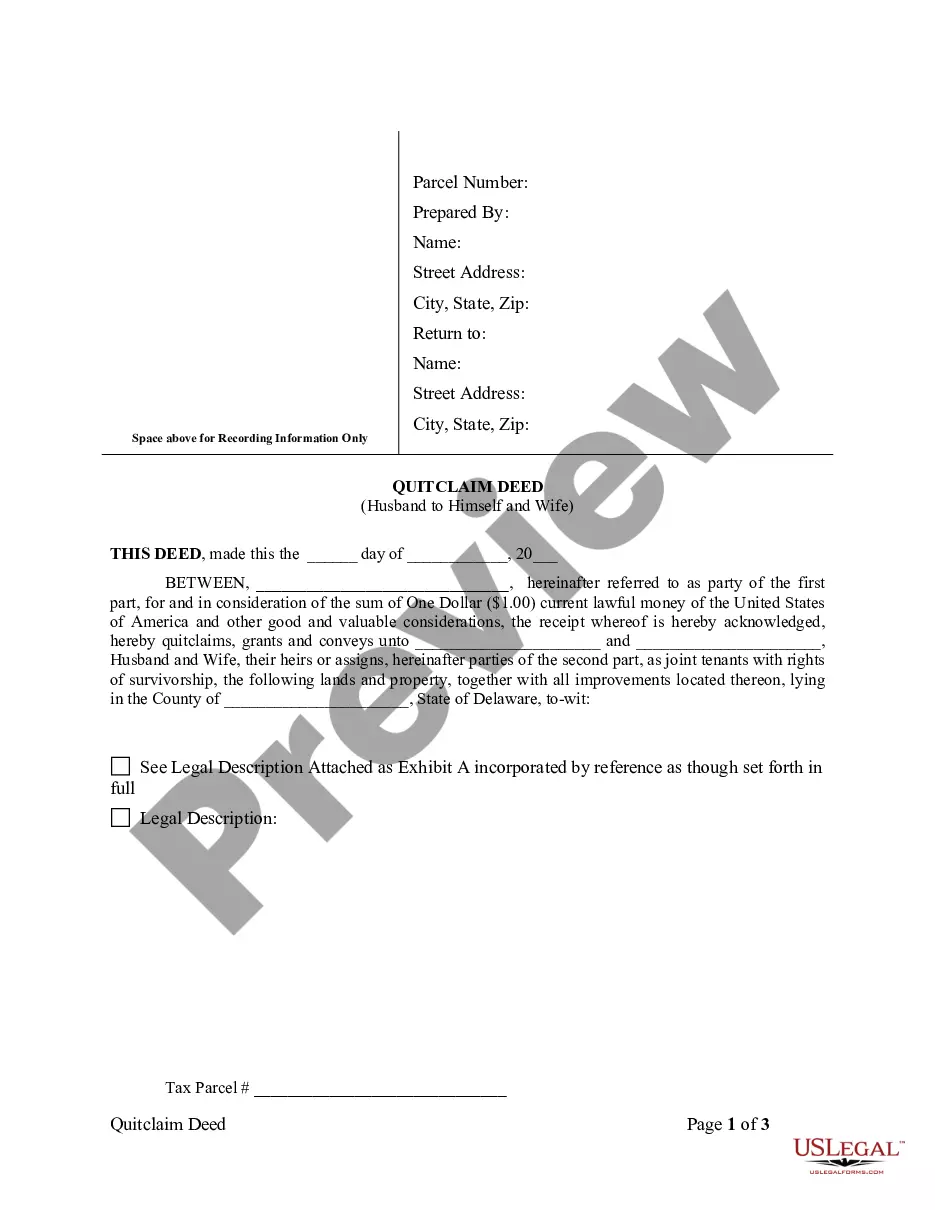
Quitclaim Deed - From Individual → Individual
Transfer ownership of property between individuals quickly and easily, without warranties regarding the property's condition.
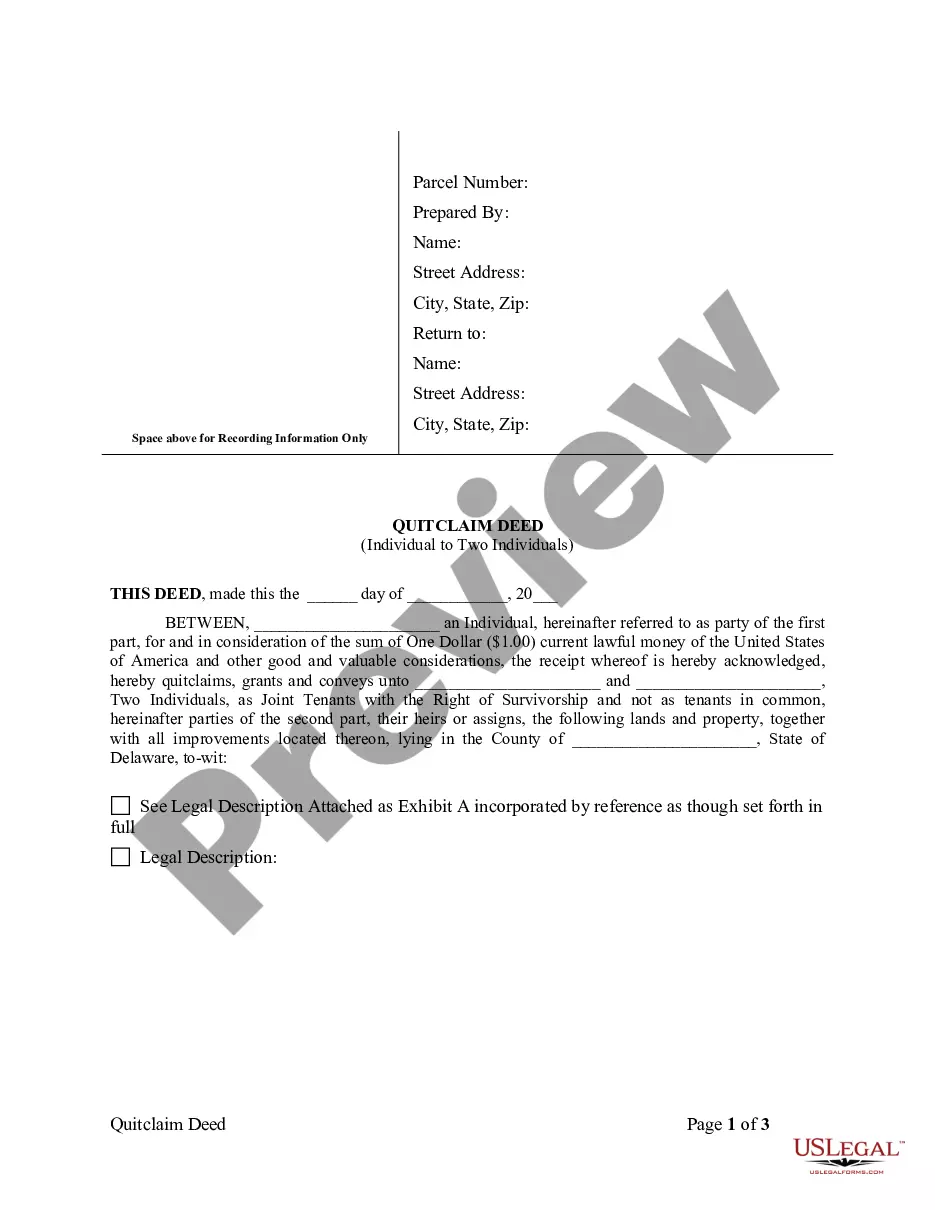
Quitclaim Deed - From Individual → 2 Individuals in Joint Tenancy
Transfer property ownership to two individuals as joint tenants, ensuring that rights of survivorship are established.
Quitclaim Deed - From 2 Individuals → Corporation
Transfer property ownership from two individuals to a corporation, with specific exclusions for oil, gas, and minerals.
Quitclaim Deed - From 2 Individuals → LLC
Use this document to transfer property ownership from individuals to an LLC, ensuring clear title and defining restrictions.
Quitclaim Deed - From Corporation → Corporation
Transfer property ownership between two corporations effortlessly, ensuring all rights and restrictions are clearly stated.
Quitclaim Deed - From Corporation → LLC
Transfer property ownership from a corporation to an LLC while excluding certain mineral rights and subject to existing conditions.
Quitclaim Deed - From Corporation → Individual
Transfer property ownership from a corporation to an individual effortlessly. This form simplifies the process while ensuring essential legal protections.
Quitclaim Deed - From Corporation → 2 Individuals
Transfer property ownership easily between a corporation and two individuals, establishing joint tenancy with rights of survivorship.
Quitclaim Deed - From 2 Individuals → Husband & Wife
Ideal for transferring property between two individuals as joint tenants, ensuring rights of survivorship.
Quitclaim Deed - From Corporation → Husband & Wife
Transfer ownership of property from a corporation to joint owners, ensuring rights of survivorship.
Grant Deed
Use this form to legally transfer property ownership, ensuring clear title and proper documentation.
Beneficiary Deed
Secure the transfer of real property to a beneficiary upon your death, allowing for a smoother estate transfer process.
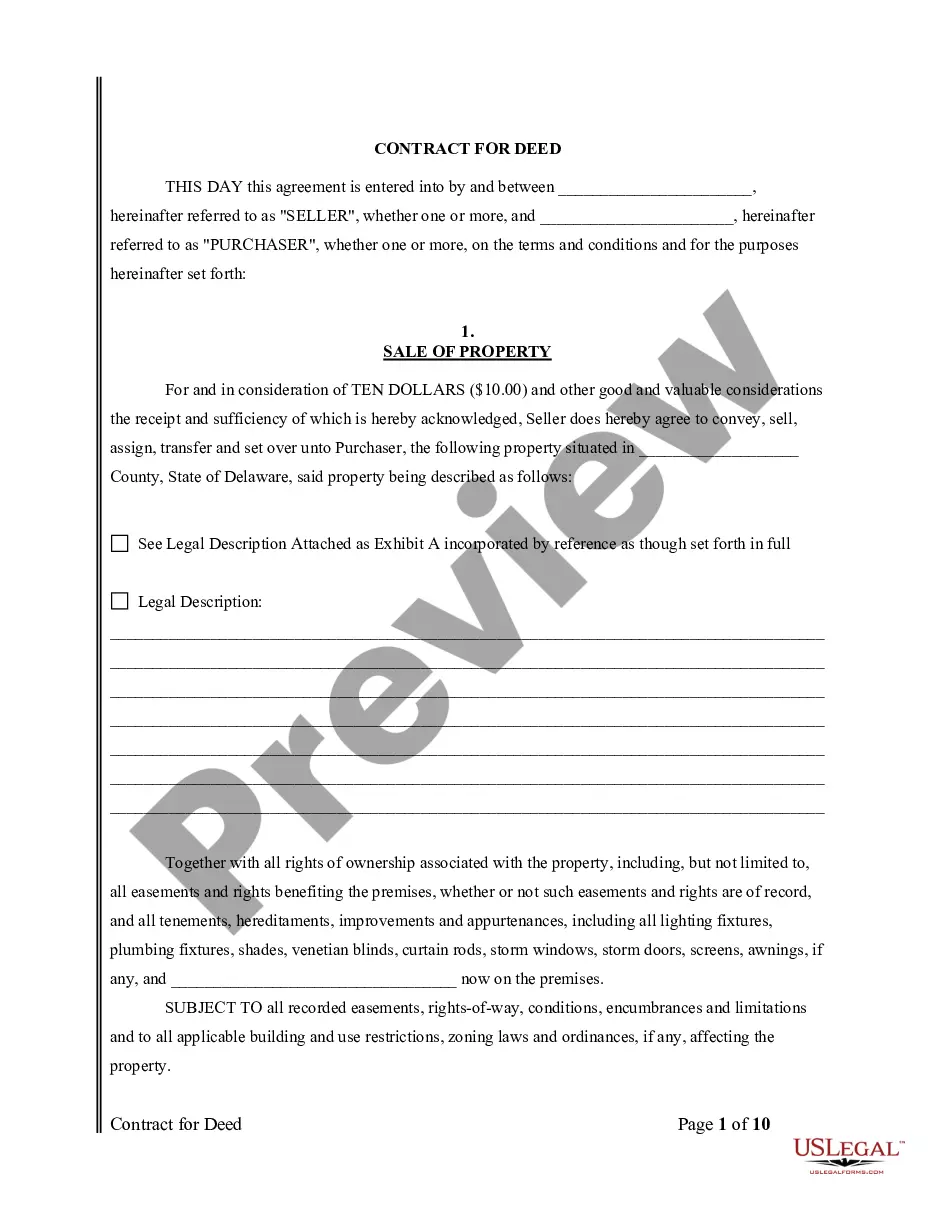
Agreement or Contract for Deed for Sale and Purchase of Real Estate
Secure your investment in real estate through a structured payment plan that allows you to take possession before fully paying the purchase price.
Assignment of Contract for Deed by Seller
Transfer your rights and obligations in a contract for deed to another party securely and without liability.
Assignment of Deed of Sheriff's Sale
Assign ownership following a sheriff's sale to ensure the new owner's rights are legally recognized.
Contract for Deed Seller's Annual Accounting Statement
Track annual adjustments and payments for a contract for deed. Essential for sellers to maintain clarity in financial records and obligations.
Notice of Assignment of Contract for Deed
Used to document changes in who holds rights to a contract for deed, this form ensures proper notification and legal clarity.
Seller’s Financing Disclosure
Use this form to outline financing terms when selling residential property through a contract or agreement for deed, ensuring clarity for both parties involved.
Buyer's Notice of Intent to Vacate and Surrender Property
Notify the seller of your intent to move out and surrender the property under the contract terms.
Buyer's Request for Accounting from Seller Under Contract for Deed
Request detailed payment and balance information from the seller for your contract for deed.
Final Notice of Default — Past Due Payments
A final notice that alerts a purchaser about past due payments, enabling a seller to take action if owed amounts aren't settled.
Final Notice of Forfeiture and Vacate Request
Use this form when you need to formally notify a party about property forfeiture due to non-compliance with contract terms.
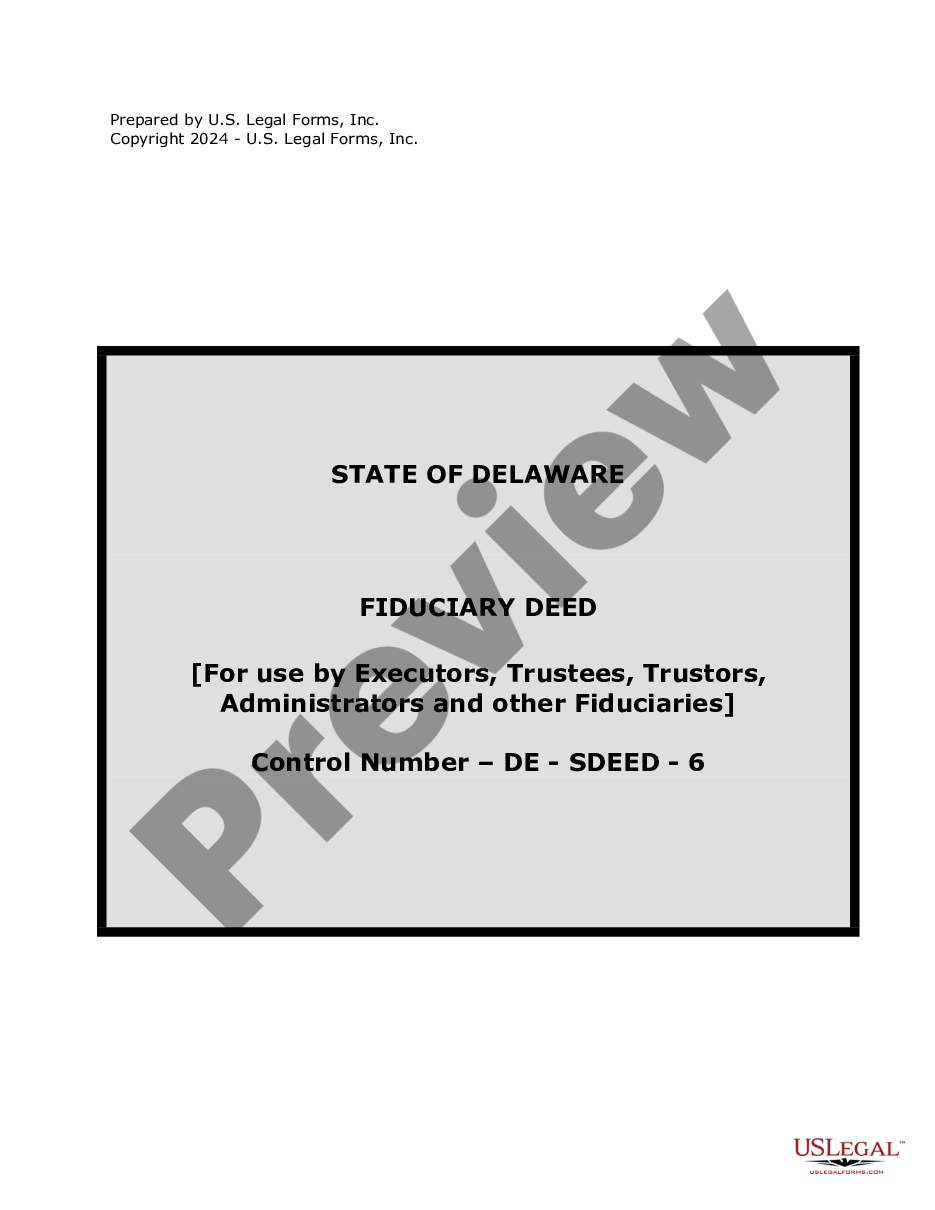
Fiduciary Deed for Use by Executors, Trustees, Trustors, Administrators and Other Fiduciaries
Ideal for transferring property by executors, trustees, and administrators, ensuring compliance with Delaware law.
Common Delaware Deed documents
- Warranty Deed — transfers property with guarantees about ownership.
- Quitclaim Deed — transfers any rights the grantor has without guarantees.
- Grant Deed — transfers property with some assurances of ownership.
- Bargain and Sale Deed — conveys property without warranties, but implies ownership.
- Gift Deed — transfers property as a gift without any payment.
Complete Delaware Deeds packages
Bundle every form you need for a complete situation — not just one document.

 11 forms
Delaware Contract for Deed Package
Everything needed for an owner-financed real estate transaction in one convenient package.
- Delaware Agreement or Contract for Deed for Sale and Purchase of Real Estate a/k/a Land or Executory Contract
- Delaware Notice of Intent to Enforce Forfeiture Provisions of Contact for Deed
- Delaware Final Notice of Forfeiture and Request to Vacate Property under Contract for Deed
- Delaware General Notice of Default for Contract for Deed
- Delaware Seller's Disclosure of Forfeiture Rights for Contract for Deed
- Delaware Seller's Disclosure of Financing Terms for Residential Property in connection with Contract or Agreement for Deed a/k/a Land Contract
- Delaware Contract for Deed Seller's Annual Accounting Statement
- Delaware Notice of Default for Past Due Payments in connection with Contract for Deed
- Delaware Final Notice of Default for Past Due Payments in connection with Contract for Deed
- Delaware Assignment of Contract for Deed by Seller
- Delaware Notice of Assignment of Contract for Deed
4 forms
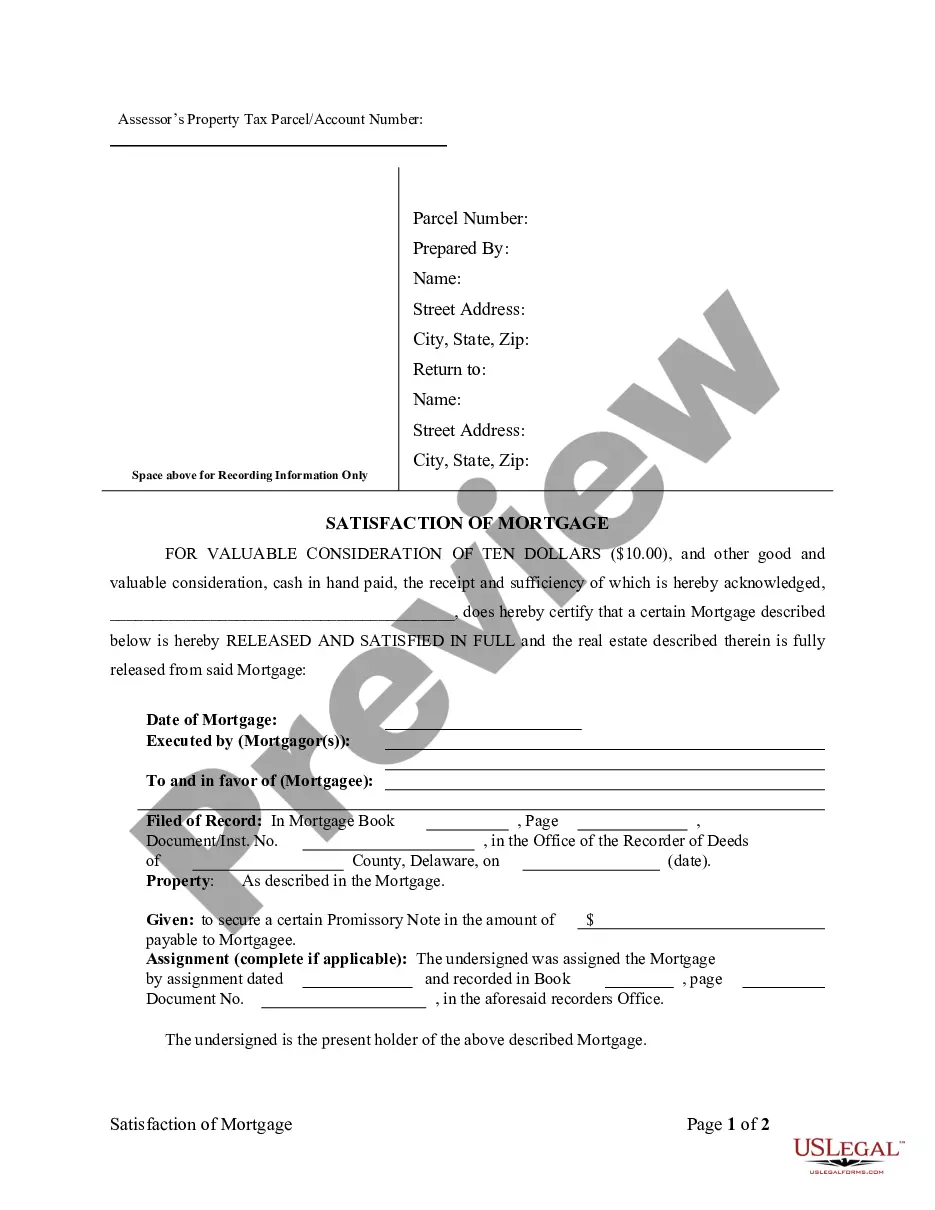
Delaware Satisfaction, Cancellation or Release of Mortgage Package
Get everything needed to release a mortgage in one convenient package.
4 forms
Delaware Assignment of Mortgage Package
This package provides all necessary forms for transferring a mortgage interest, ensuring you have everything needed in one place.
8 forms
Delaware Commercial Property Sales Package
Get everything needed for a commercial real estate transaction in one place, ensuring a smooth closing process with multiple related forms.
- Delaware Installments Fixed Rate Promissory Note Secured by Commercial Real Estate
- Addendum for Continued Marketing of Property by Seller due to Contingencies
- Environmental Assessment, Threatened or Endangered Species, And Wetlands Addendum
- Contract for the Sale and Purchase of Real Estate - No Broker - Commercial Lot or Land
- Exchange Addendum to Contract - Tax Free Exchange Section 1031
- Option For the Sale and Purchase of Real Estate - Commercial Lot or Land
- Option For the Sale and Purchase of Real Estate - Commercial Building
- Tax Free Exchange Agreement Section 1031
8 forms
Delaware Option to Purchase Package
Access everything you need to secure your real estate purchase or sale in one convenient package.
- Delaware Option to Purchase Addendum to Residential Lease - Lease or Rent to Own
- Delaware Residential Rental Lease Agreement
- Option For the Sale and Purchase of Real Estate - Residential Lot or Land
- Option For the Sale and Purchase of Real Estate - Residential Home
- Option For the Sale and Purchase of Real Estate - Commercial Lot or Land
- Option For the Sale and Purchase of Real Estate - Commercial Building
- Option For the Sale and Purchase of Real Estate - Farm Land
- Option For the Sale and Purchase of Real Estate - General Form
FAQs
A trust is not necessary if you have a will, but it can provide additional benefits.
If you do nothing, your assets may be distributed according to state laws.
It's good to review and update your plans every few years or after major life events.
Beneficiary designations often supersede wills, directing asset distribution directly.
Yes, you can appoint different individuals for financial and health decisions through separate documents.
Key legal points
- Deeds must be signed and often notarized for validity.
- Different types of deeds serve specific purposes in property transfers.
- Deeds can be challenged in court if not executed properly.
- Property titles can be affected by the type of deed used.
- Understanding deed language is crucial for clear ownership transfer.
How to get started
Begin the process easily with these steps.
- Find a template or package that fits your situation.
- Review the description, preview, and signing requirements.
- Get full access with a subscription.
- Complete it in the online editor.
- Export or send: download, email, USPS mail, notarize online, or send for e-signature.
Practical tip
When gifting property, be sure to use a Gift Deed to ensure clarity in ownership transfer.