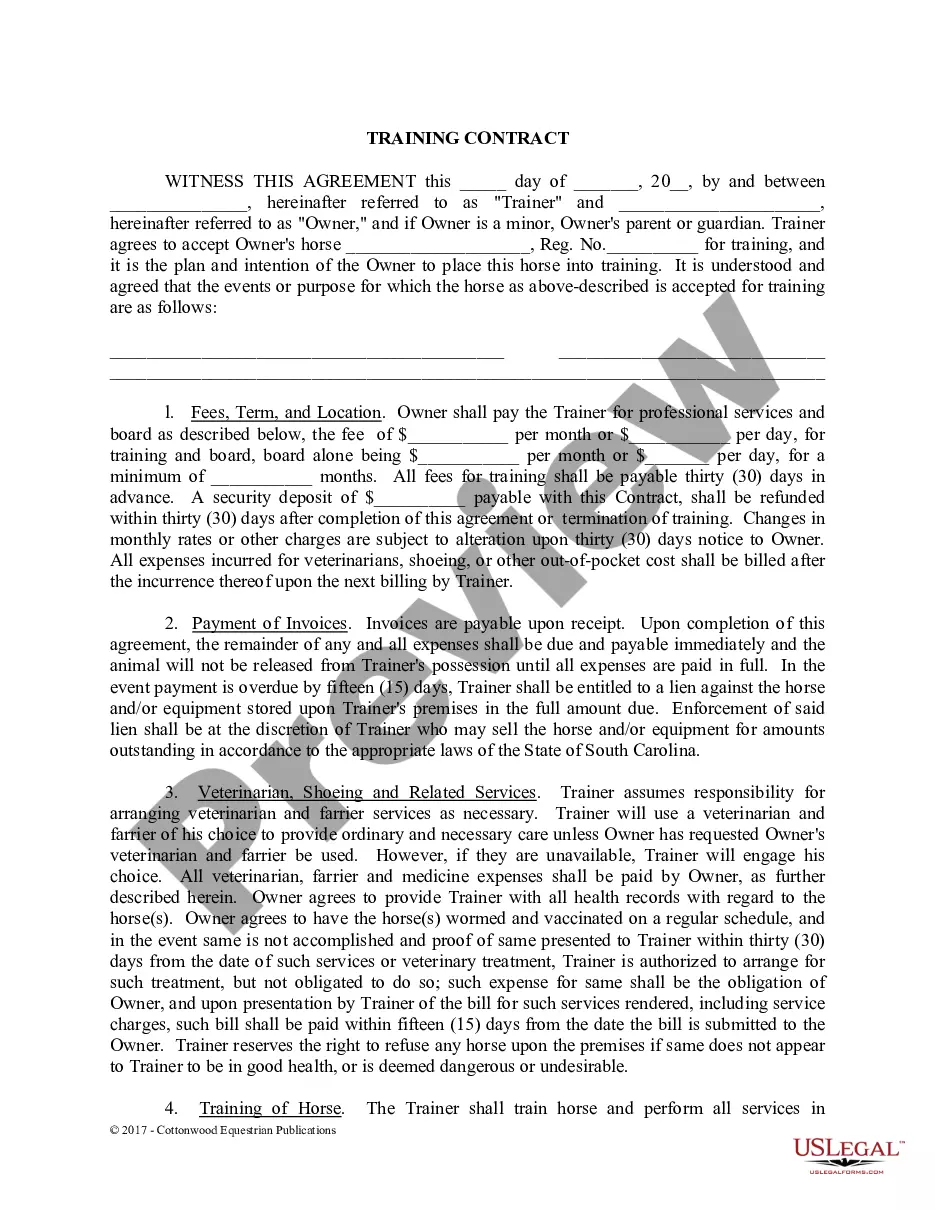
Delaware Letter from Landlord to Tenant for Failure to keep premises as clean and safe as condition of premises permits - Remedy or lease terminates
About this form
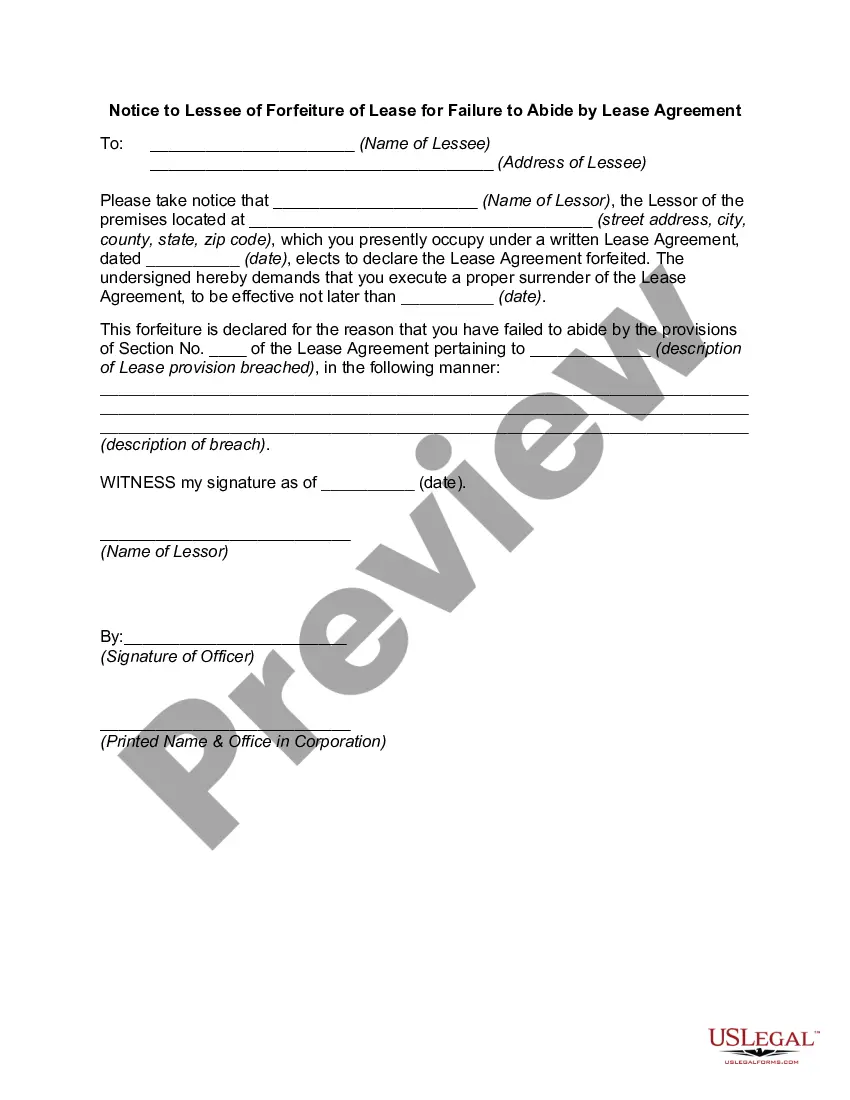
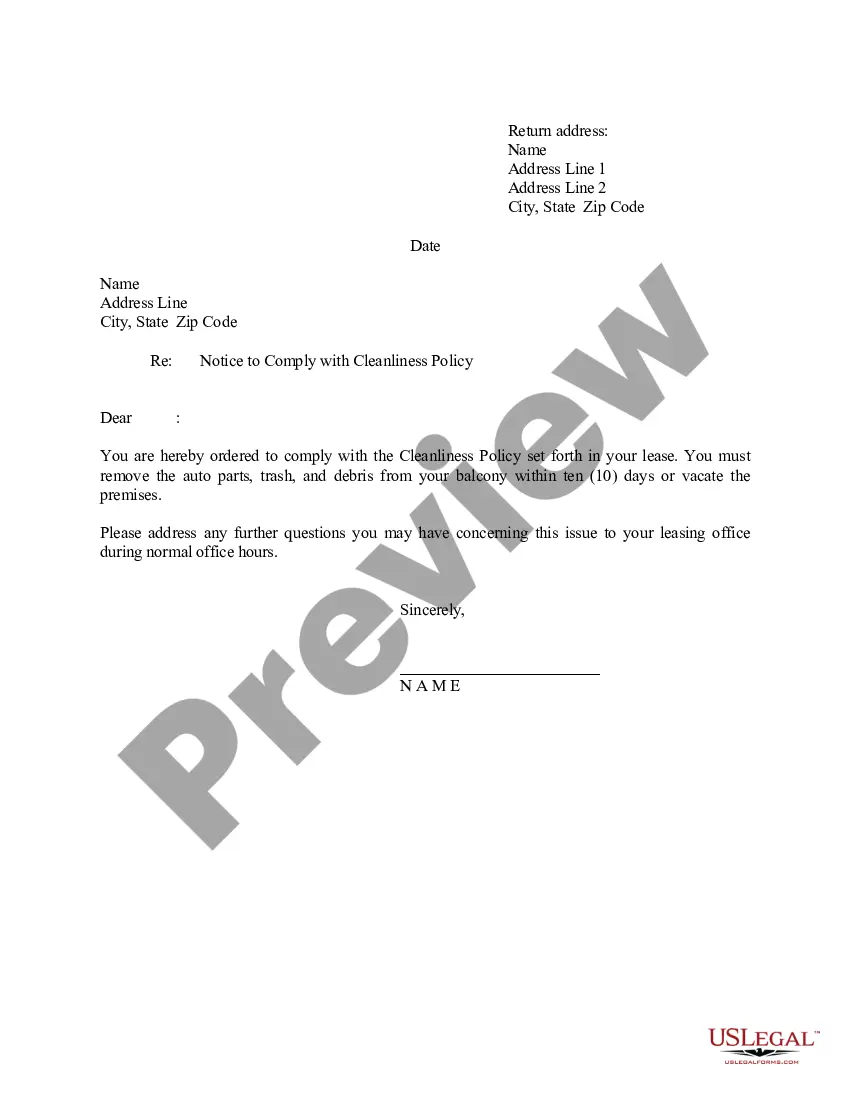
This letter from landlord to tenant addresses the tenant's responsibility to maintain the leased premises in a clean and sanitary condition. It serves as a notice for breaches of the obligation to keep the property clean and informs the tenant of the potential remedies, including lease termination. This form is vital for landlords who need to formalize their request for compliance from tenants and differs from standard eviction notices as it specifically addresses cleanliness and safety issues within the rental unit.
Key components of this form
- Parties involved: Identification of the landlord and tenant.
- Lease agreement reference: A statement that refers to the original lease obligations.
- Detailed breaches: A list describing specific unclean or unsanitary conditions observed.
- Remedy notice: Information on the required actions the tenant must take to rectify the breaches.
- Lease termination warning: Potential consequences if the issues are not resolved.


When to use this form
This form should be used when a landlord observes that a tenant is not maintaining the rental property in a clean or sanitary condition. It is appropriate in cases where the tenant's negligence could lead to safety hazards or health risks. Common scenarios include unkempt living spaces, accumulation of trash, or failure to properly maintain appliances and fixtures that contribute to cleanliness.
Who needs this form
- Landlords who rent residential properties.
- Property managers responsible for maintaining rental agreements.
- Landlords who wish to formally address cleanliness issues with tenants.
- Landlords seeking to protect their property from health and safety violations.
How to prepare this document
- Identify the parties: Clearly state the names of the landlord and tenant.
- Specify the lease agreement: Include reference to the specific lease under which the tenant is obligated.
- Describe the breaches: Detail the unclean or unsanitary conditions that have been noted.
- Outline the remedy required: Specify what actions the tenant must take to remedy the situation.
- Indicate potential consequences: Explain that failure to rectify the issues may lead to lease termination.
Does this form need to be notarized?
In most cases, this form does not require notarization. However, some jurisdictions or signing circumstances might. US Legal Forms offers online notarization powered by Notarize, accessible 24/7 for a quick, remote process.
Get your form ready online
Our built-in tools help you complete, sign, share, and store your documents in one place.
Make edits, fill in missing information, and update formatting in US Legal Forms—just like you would in MS Word.
Download a copy, print it, send it by email, or mail it via USPS—whatever works best for your next step.
Sign and collect signatures with our SignNow integration. Send to multiple recipients, set reminders, and more. Go Premium to unlock E-Sign.
If this form requires notarization, complete it online through a secure video call—no need to meet a notary in person or wait for an appointment.
We protect your documents and personal data by following strict security and privacy standards.

Make edits, fill in missing information, and update formatting in US Legal Forms—just like you would in MS Word.

Download a copy, print it, send it by email, or mail it via USPS—whatever works best for your next step.

Sign and collect signatures with our SignNow integration. Send to multiple recipients, set reminders, and more. Go Premium to unlock E-Sign.

If this form requires notarization, complete it online through a secure video call—no need to meet a notary in person or wait for an appointment.

We protect your documents and personal data by following strict security and privacy standards.
Common mistakes to avoid
- Failing to specify the conditions that are considered unclean or unsanitary.
- Not citing the relevant lease agreement or section of the lease.
- Using vague language instead of clear, actionable requests for the tenant.
- Neglecting to outline the timeline for remedy actions.
Why complete this form online
- Immediate download: Access the form instantly after purchase.
- Editability: Customize the document to fit your specific circumstances.
- Legally compliant: Forms are drafted by licensed attorneys and tailored for your state.
- Time-saving: Conveniently complete the form at your own pace.
Legal use & context
- This form serves as a formal notification to tenants regarding their responsibilities, which can be referenced in any potential legal disputes.
- It underscores the landlord's rights to terminate the lease if breaches are not rectified, establishing a clear legal basis for action.
- Using this document helps maintain a professional relationship while adhering to local housing laws.
Key takeaways
- Clearly outline tenant obligations regarding cleanliness and sanitation.
- Use this form to formally address cleanliness issues with tenants.
- Ensure compliance with state-specific requirements to strengthen your position.
- Complete the form accurately to avoid common pitfalls and ensure enforceability.
Looking for another form?
Form popularity
FAQ
When writing a letter to vacate your tenant premises, clearly state your intention to leave, including your planned move-out date. Reference your lease agreement and ensure you comply with any notice periods required. It can be beneficial to mention the condition of the premises in your letter, particularly if related to the Delaware Letter from Landlord to Tenant for Failure to keep premises as clean and safe as condition of premises permits - Remedy or lease terminates. This approach can create a smoother transition and help protect your security deposit.
To effectively write a letter to your landlord about problems in your rental unit, start by clearly stating the issues you are experiencing. Include specific details and date occurrences related to cleanliness and safety concerns. Mention the relevant provision, such as the Delaware Letter from Landlord to Tenant for Failure to keep premises as clean and safe as condition of premises permits - Remedy or lease terminates, to emphasize the importance of these matters. Make sure to request a timeline for resolution to ensure your needs are addressed promptly.
Delaware Code 5502 focuses on the obligations of tenants related to the cleanliness and safety of their rented properties. It outlines the expectations for maintaining the premises in a manner that upholds public health standards. When a tenant fails to comply, landlords may issue a Delaware Letter from Landlord to Tenant for Failure to keep premises as clean and safe as condition of premises permits - Remedy or lease terminates, paving the way for further action. Awareness of this code is essential for both tenants and landlords to ensure compliance and clarity in rental agreements.
In Delaware, landlords cannot retaliate against tenants for exercising their rights, such as reporting unsafe living conditions. They also cannot enter a tenant's premises without proper notice unless in emergencies. Furthermore, issuing a Delaware Letter from Landlord to Tenant for Failure to keep premises as clean and safe as condition of premises permits - Remedy or lease terminates should only occur after providing the tenant an opportunity to rectify the issues. This ensures a fair and balanced relationship between landlords and tenants.
The tenant code 5502 refers to the section of the Delaware Landlord-Tenant Code that outlines the responsibilities of tenants to maintain cleanliness and safety in their rented premises. It emphasizes the importance of keeping the living area in a condition that meets basic health and safety standards. If tenants fail to adhere to these standards, a Delaware Letter from Landlord to Tenant for Failure to keep premises as clean and safe as condition of premises permits - Remedy or lease terminates may be issued. Understanding this code helps tenants stay in compliance and avoid disputes.
Delaware does not impose a state-wide cap on rent increases. However, municipalities may have their regulations, so it's advisable to stay informed about local policies. Both landlords and tenants should review their lease agreements to understand any potential implications for future rent changes.
Section 5314 of the Delaware Residential landlord-tenant code establishes the legal framework for lease termination due to tenant violations. It mandates that tenants be given ample opportunity to correct issues related to cleanliness and safety. This ensures both parties have a fair chance to maintain the standards expected in a rental agreement.
To break a lease in Delaware without penalty, tenants must follow legal guidelines or ensure valid reasons, such as domestic violence or habitability issues. Providing proper documentation and notice as required can strengthen your case when discussing lease termination with your landlord. Always consider consulting legal resources or platforms like uslegalforms to understand your options.
Section 23 of the Landlord and Tenant Act addresses the formalities that must be observed when a lease is terminated. It requires landlords to follow specific procedures to end a tenancy legally. Understanding these requirements can help prevent disputes and ensure a smooth transition for both parties.
Tenants in Delaware have a range of rights designed to protect their living conditions. These include the right to a habitable environment, privacy, and appropriate notice before entering the rental unit. Knowledge of these rights empowers tenants to advocate for themselves and resolve issues effectively.