Delaware Letter from Tenant to Landlord about Sexual Harassment
What is this form?
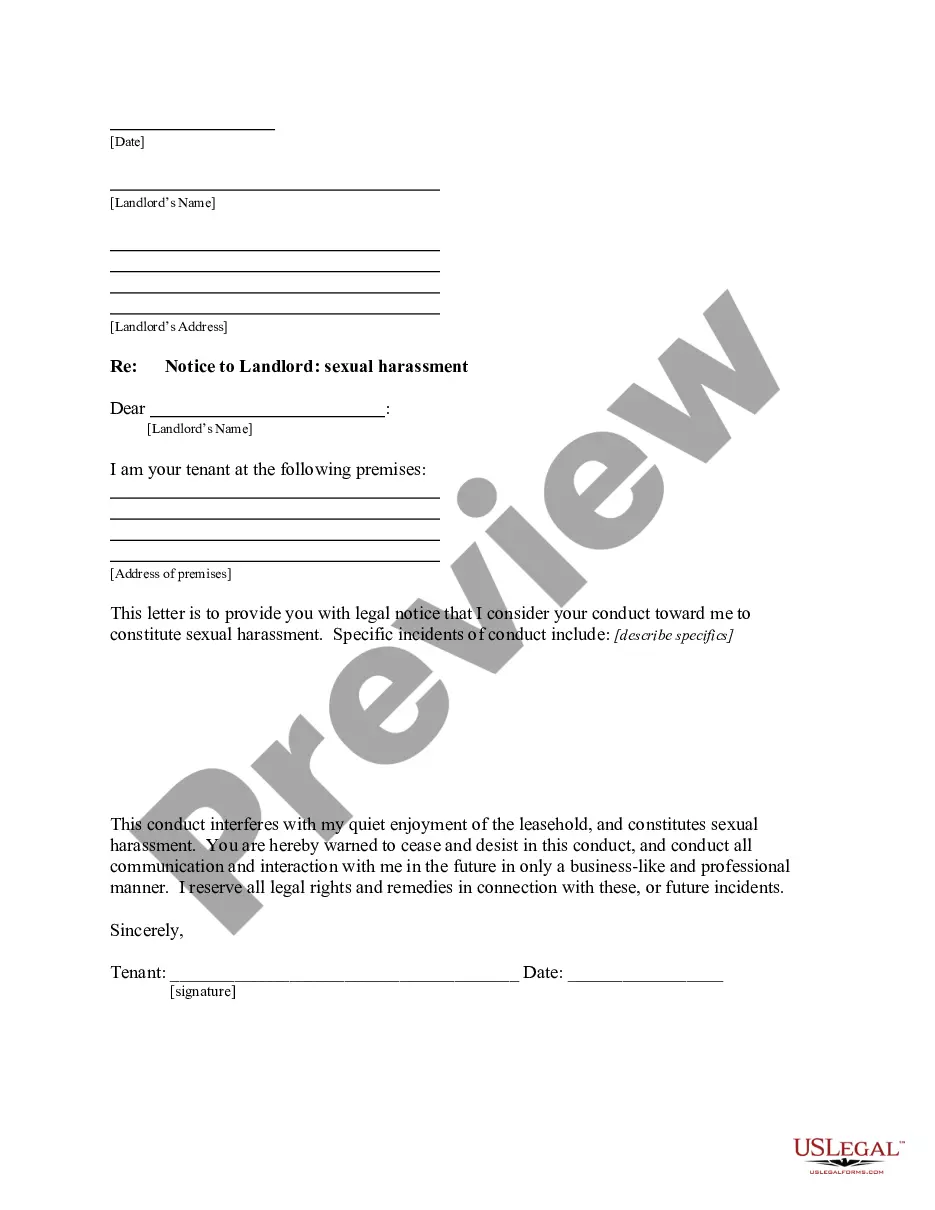
This form is a Letter from Tenant to Landlord about Sexual Harassment. It serves to formally notify the landlord of inappropriate and illegal conduct towards the tenant. This letter not only outlines the tenant's experience but also demands that the landlord cease such conduct to ensure a respectful and business-like relationship moving forward. It is vital to address incidents of harassment promptly and clearly to uphold tenants' rights and ensure their quiet enjoyment of the premises.
Key components of this form
- Identification of the tenant and landlord involved.
- A detailed account of the harassing behavior.
- A statement emphasizing the illegality of the landlord's actions.
- A clear warning to the landlord to stop the harassment.
- Instructions on how the landlord ought to communicate with the tenant.
- Space for tenant signatures and date of delivery.

When to use this form
This letter should be used when a tenant experiences sexual harassment or inappropriate behavior from their landlord. It is an essential step for tenants who wish to formally communicate their discomfort and assert their rights. This form is particularly useful before pursuing further legal action or complaints to housing authorities.
Who can use this document
The following individuals may benefit from this form:
- Tenants who have experienced sexual harassment from their landlords.
- Individuals seeking to document inappropriate conduct by a landlord.
- Anyone needing to communicate formally about their living conditions in rental properties.
How to complete this form
- Identify the parties by providing the names of the tenant and landlord.
- Clearly describe the incidents of harassment experienced.
- State the legal ramifications of the landlord's behavior.
- Indicate a request for the landlord to cease all harassing conduct.
- Sign and date the letter to formalize the notice.
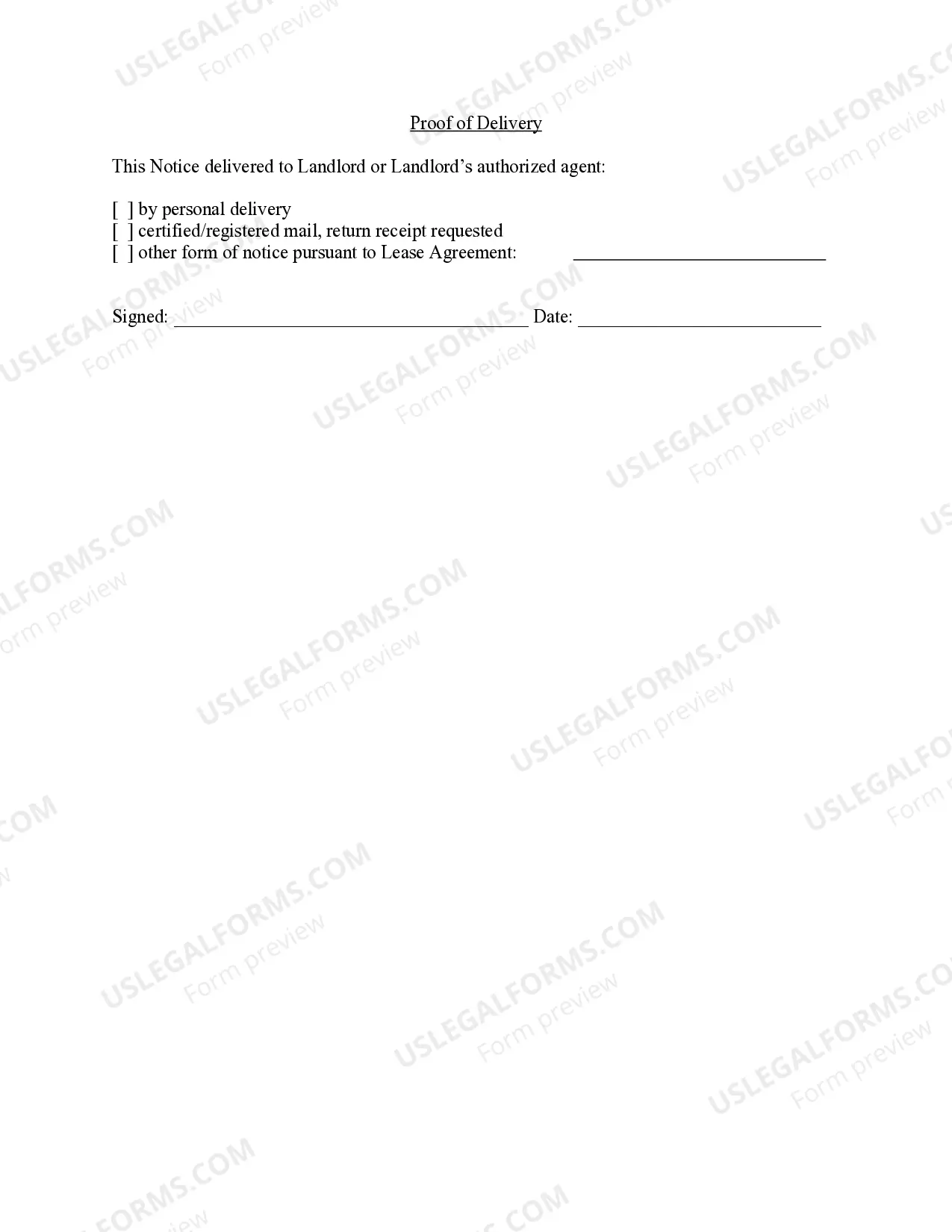
- Ensure proper delivery of the letter to the landlord or their authorized agent.
Does this document require notarization?
In most cases, this form does not require notarization. However, some jurisdictions or signing circumstances might. US Legal Forms offers online notarization powered by Notarize, accessible 24/7 for a quick, remote process.
Get your form ready online
Our built-in tools help you complete, sign, share, and store your documents in one place.
Make edits, fill in missing information, and update formatting in US Legal Forms—just like you would in MS Word.
Download a copy, print it, send it by email, or mail it via USPS—whatever works best for your next step.
Sign and collect signatures with our SignNow integration. Send to multiple recipients, set reminders, and more. Go Premium to unlock E-Sign.
If this form requires notarization, complete it online through a secure video call—no need to meet a notary in person or wait for an appointment.
We protect your documents and personal data by following strict security and privacy standards.

Make edits, fill in missing information, and update formatting in US Legal Forms—just like you would in MS Word.

Download a copy, print it, send it by email, or mail it via USPS—whatever works best for your next step.

Sign and collect signatures with our SignNow integration. Send to multiple recipients, set reminders, and more. Go Premium to unlock E-Sign.

If this form requires notarization, complete it online through a secure video call—no need to meet a notary in person or wait for an appointment.

We protect your documents and personal data by following strict security and privacy standards.
Typical mistakes to avoid
- Using vague language when describing the harassment.
- Failing to sign and date the letter, which could render it ineffective.
- Not keeping a copy of the letter for personal records.
- Neglecting to confirm that the letter was delivered to the landlord.
Advantages of online completion
- Easy access to a professionally drafted letter tailored to your needs.
- Convenience of completing the form at your own pace.
- Ability to customize the letter to accurately reflect your situation.
- Reliable support through comprehensive guidance and legal form templates.
Main things to remember
- This form provides an essential means to address sexual harassment by a landlord.
- It is important to clearly document and communicate harassment experiences.
- Understanding state-specific laws can enhance the effectiveness of your notice.
Looking for another form?
Form popularity
FAQ
Harassment from a tenant can occur when a tenant engages in behavior that affects the landlord's ability to maintain a safe and peaceful environment. This behavior may include threats, destruction of property, or persistent disturbances. If a landlord experiences such issues, they can benefit from a Delaware Letter from Tenant to Landlord about Sexual Harassment to address any allegations formally and constructively. Recording these instances can assist in resolving disputes effectively.
A toxic landlord is someone who creates a hostile living environment through neglect, intimidation, or harassment. This may include failing to address repairs, engaging in discrimination, or ignoring tenant rights. If you feel harassed, utilizing a Delaware Letter from Tenant to Landlord about Sexual Harassment can help you formally address the issue. It’s essential to document these experiences for your protection and peace of mind.
Yes, a landlord can sue a tenant for emotional distress under certain conditions. If the tenant's actions cause severe emotional harm and go beyond normal disagreements, litigation may occur. In situations involving a Delaware Letter from Tenant to Landlord about Sexual Harassment, the tenant's documented experiences of harassment can be a crucial part of the case. Always consult a legal expert to understand your rights and options.
Section 23 of the Landlord and Tenant Act provides essential protections for tenants against discrimination and harassment. This section ensures that landlords cannot engage in unwanted behavior that affects a tenant's comfort and safety. Utilizing a Delaware Letter from Tenant to Landlord about Sexual Harassment can help tenants outline their grievances and uphold their rights. Engaging with US Legal Forms can simplify the process of creating this letter, ensuring it meets legal standards.
Section 5513 of the Delaware landlord tenant Code addresses tenants' rights regarding sexual harassment in rental properties. This section underscores the landlord's responsibility to maintain a safe and habitable environment for all tenants. If a tenant faces harassment, they can use a Delaware Letter from Tenant to Landlord about Sexual Harassment to document their concerns formally. By following the legal precedent set in this section, tenants can seek resolution and potential remedies.
Writing a strongly worded complaint letter to a landlord involves being direct yet respectful. Begin with a clear statement of your complaint, followed by a description of what occurred, using factual details. Express the urgency of the situation and the need for immediate action. Utilizing templates from the US Legal platform can help you construct a powerful Delaware Letter from Tenant to Landlord about Sexual Harassment.
To write a letter to a landlord regarding harassment, begin with a formal greeting and identify yourself as a tenant. Clearly outline the incidents of harassment, providing any necessary details or dates. It's crucial to document your concerns professionally to ensure your landlord takes the issue seriously. The US Legal platform can guide you in creating an effective Delaware Letter from Tenant to Landlord about Sexual Harassment.
Writing a letter to a landlord about harassment requires clear communication. Start by stating your concerns directly and include specific incidents to illustrate the issue. Be sure to mention the impact of these actions on your well-being. To simplify this process, consider using the US Legal platform, which offers templates for a Delaware Letter from Tenant to Landlord about Sexual Harassment.
Section 5514 of the Delaware Landlord/Tenant Code addresses retaliatory actions against tenants for exercising their legal rights. This section protects tenants from retaliation when they report issues such as harassment or unsafe living conditions. If you believe retaliation is happening, consider using a Delaware Letter from Tenant to Landlord about Sexual Harassment to formally document and resolve the issue.
When writing a letter to your landlord about harassment, start by clearly stating your concerns and including specific incidents. Be respectful yet firm in your tone, and outline the impact the harassment has had on you. A well-structured Delaware Letter from Tenant to Landlord about Sexual Harassment can help you communicate effectively and seek resolution.