District of Columbia Revocation of Anatomical Gift Donation
What is this form?
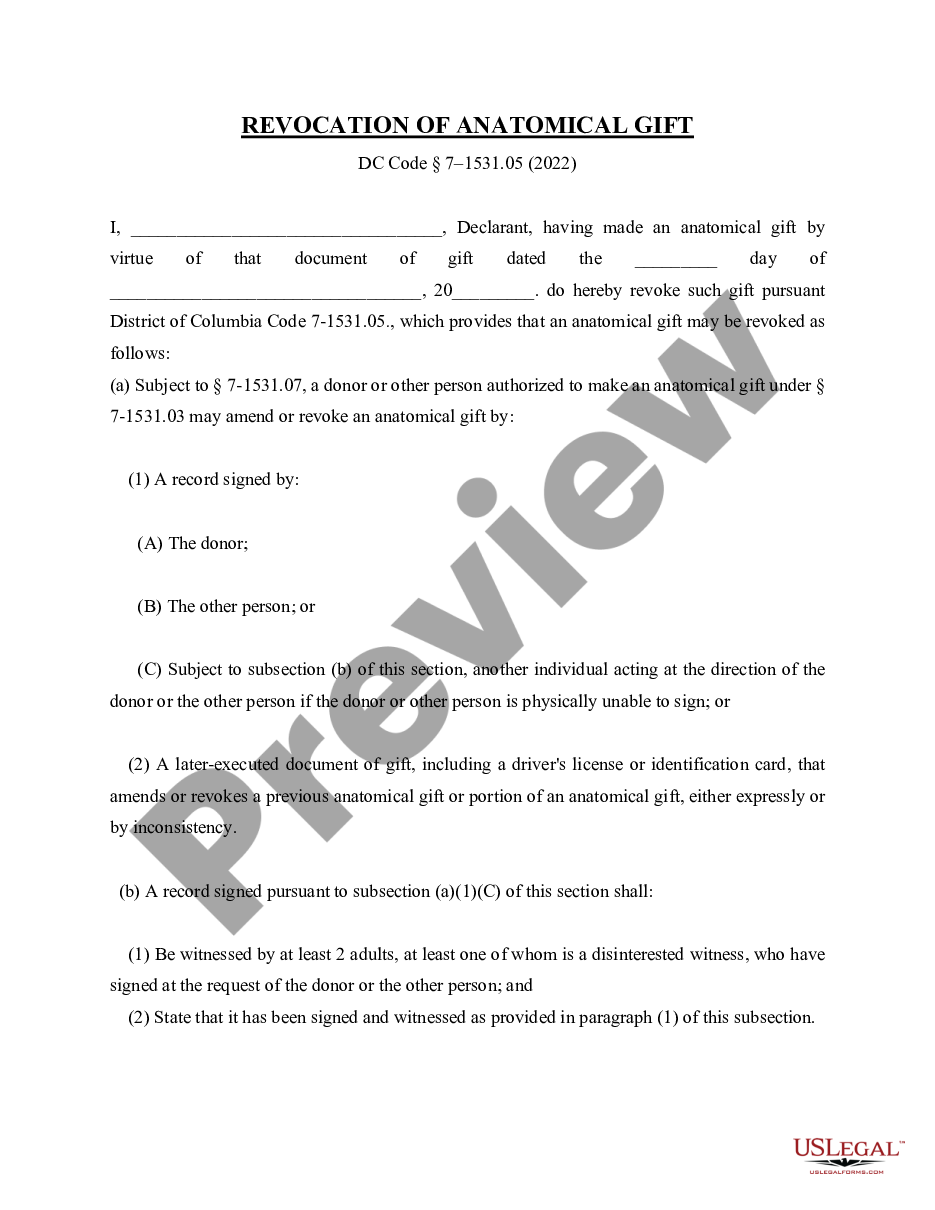
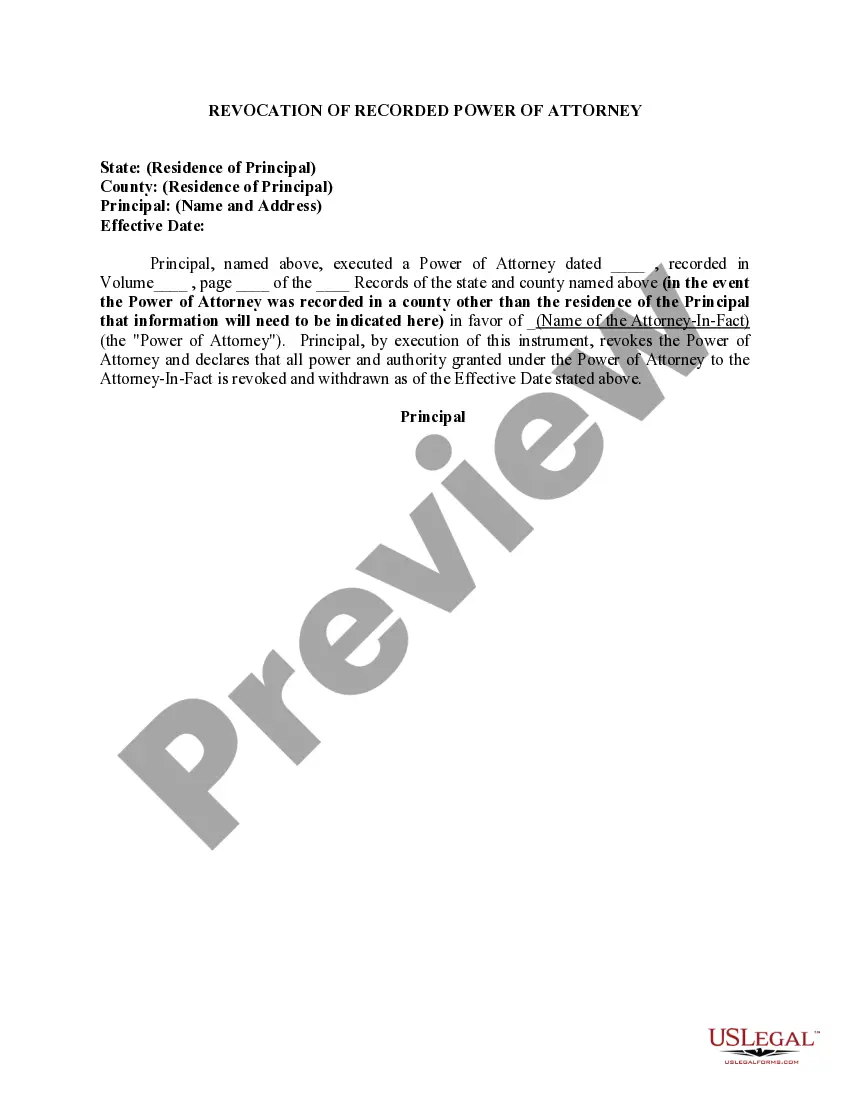
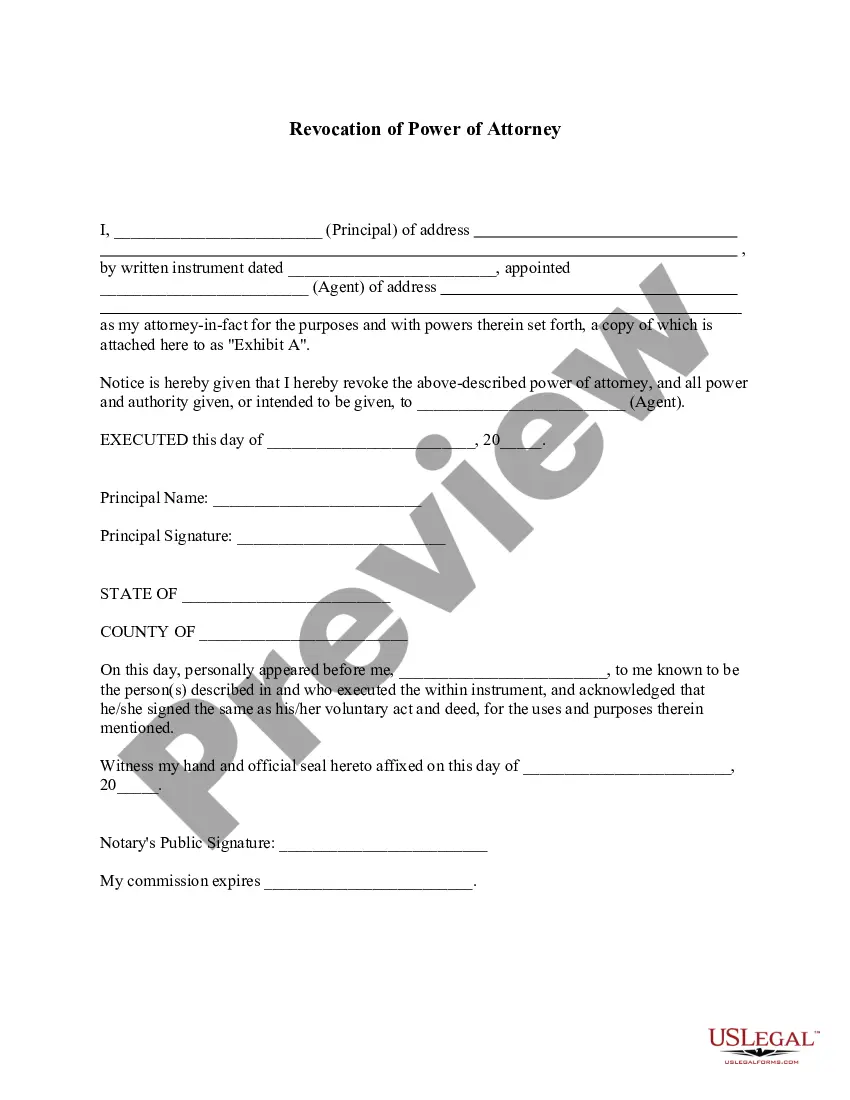
The Revocation of Anatomical Gift Donation form is a legal document that allows an individual, referred to as the declarant, to revoke a previously made anatomical gift, which is a donation of organs or tissues. This form serves to formally annul a donation that was made under specific laws, ensuring that the donor's current wishes are respected. Unlike initial donation forms, this document is essential for those who wish to change their mind after already agreeing to donate their anatomical parts.
Main sections of this form
- Declarant's identification: Name and details of the individual revoking the anatomical gift.
- Original donation details: Reference to the initial anatomical gift's date and document number.
- Revocation statement: A clear declaration that the prior anatomical gift is being revoked.
- Signature and date: The declarant's signature and the date the revocation is made.
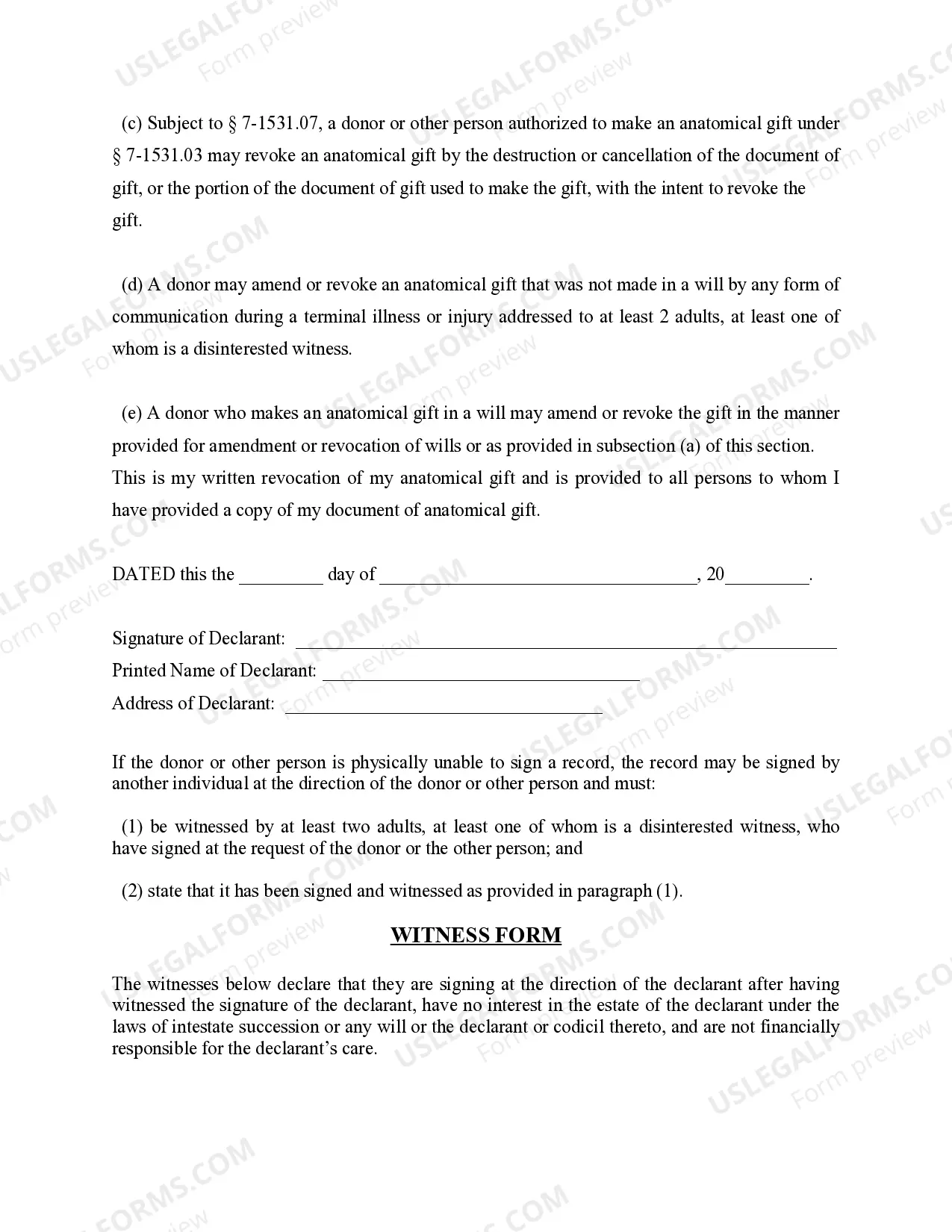
- Witness requirements: Signatures of witnesses to verify the declarant's identity and intention.
When to use this form
This form should be used in circumstances where an individual has previously made an anatomical gift and wishes to officially rescind that decision. Common scenarios include changes in personal beliefs, medical conditions affecting organ donation eligibility, or a desire to amend previously stated intentions regarding anatomical gifts.
Who can use this document
This form is suitable for:
- Individuals who have made anatomical gifts and currently wish to revoke them.
- Legal representatives acting on behalf of a donor who can no longer express their wishes.
- Anyone seeking to clarify their current stance on organ or tissue donation.
Steps to complete this form
- Identify yourself as the declarant by entering your full name.
- Provide the date and details of the original anatomical gift.
- Clearly state your intention to revoke the anatomical gift.
- Sign and date the form to validate your decision.
- Have two witnesses sign the form, confirming they witnessed your signature and have no vested interest in your estate.
Is notarization required?
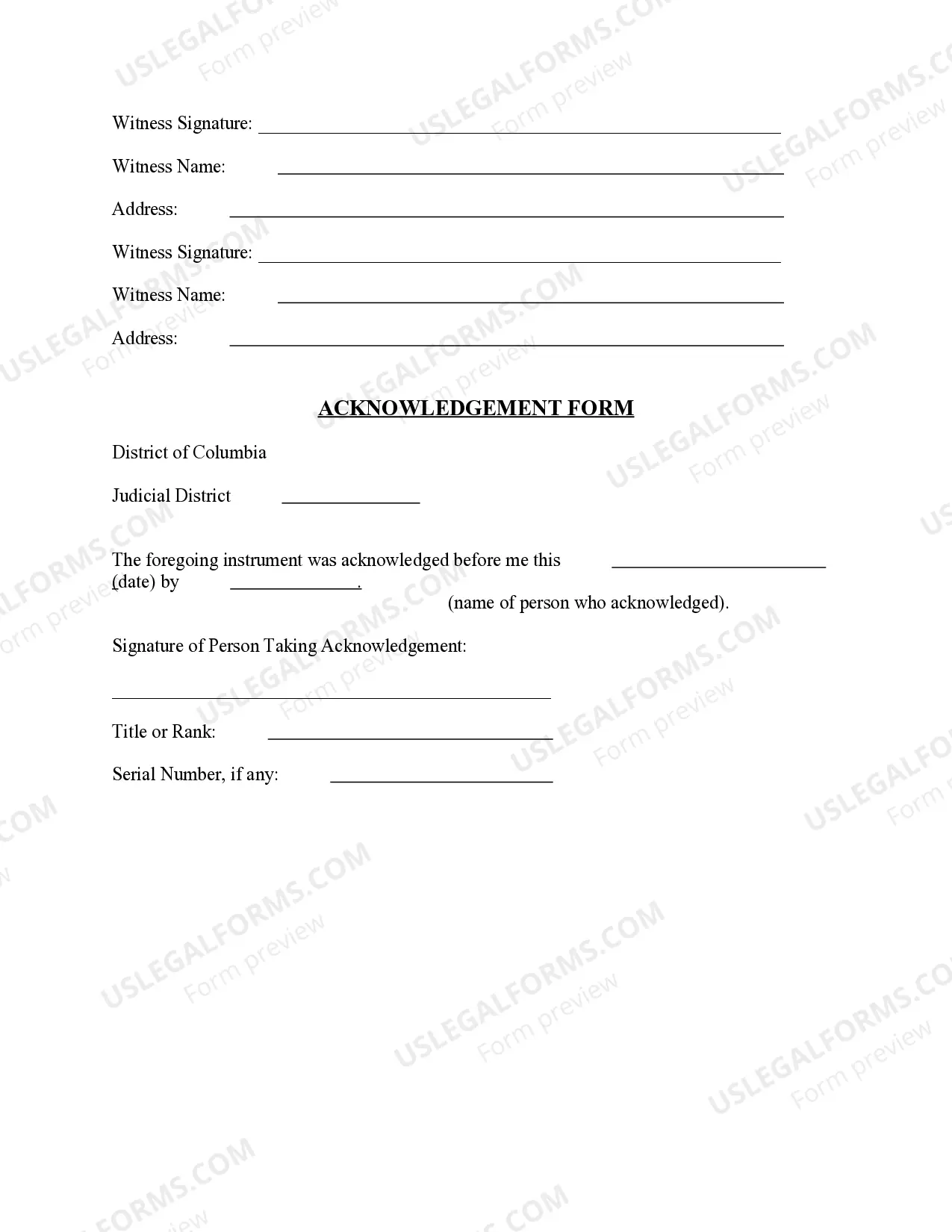
This form does not typically require notarization to be legally valid. However, some jurisdictions or document types may still require it. US Legal Forms provides secure online notarization powered by Notarize, available 24/7 for added convenience.
Get your form ready online
Our built-in tools help you complete, sign, share, and store your documents in one place.
Make edits, fill in missing information, and update formatting in US Legal Forms—just like you would in MS Word.
Download a copy, print it, send it by email, or mail it via USPS—whatever works best for your next step.
Sign and collect signatures with our SignNow integration. Send to multiple recipients, set reminders, and more. Go Premium to unlock E-Sign.
If this form requires notarization, complete it online through a secure video call—no need to meet a notary in person or wait for an appointment.
We protect your documents and personal data by following strict security and privacy standards.

Make edits, fill in missing information, and update formatting in US Legal Forms—just like you would in MS Word.

Download a copy, print it, send it by email, or mail it via USPS—whatever works best for your next step.

Sign and collect signatures with our SignNow integration. Send to multiple recipients, set reminders, and more. Go Premium to unlock E-Sign.

If this form requires notarization, complete it online through a secure video call—no need to meet a notary in person or wait for an appointment.

We protect your documents and personal data by following strict security and privacy standards.
Common mistakes to avoid
- Not including the original gift's date or documentation reference.
- Failing to have the revocation form properly witnessed.
- Neglecting to sign and date the form before submitting.
- Using unclear language that does not explicitly state the intention to revoke.
Why use this form online
- Convenience: Easily access and download the form from anywhere at any time.
- Editability: Customize the form to fit your specific situation before printing.
- Reliability: The forms are drafted by licensed attorneys, ensuring legal compliance.
Looking for another form?




Form popularity
FAQ
One common misconception is that the Uniform Anatomical Gift Act allows any individual to donate without consent from family members. This statement isn't true, as the act emphasizes the importance of ensuring that the donor's wishes are respected, which may include notifying family. Understanding the nuances of the act helps clarify the process within the District of Columbia Revocation of Anatomical Gift Donation. For accurate information and clarification, exploring uslegalforms can provide valuable insights.
The Revised Anatomical Gift Act updates previous laws, aligning them more closely with current medical practices and ethical standards. It clarifies the procedures for making organ donations and strengthens protections for donors. This revision is especially relevant in the context of the District of Columbia Revocation of Anatomical Gift Donation, providing a modern framework for organ donation. Engaging with legal platforms like uslegalforms can help you navigate these updates effectively.
The Uniform Anatomical Gift Act includes provisions for how individuals can make anatomical gifts, the eligibility of donors, and the rights of recipients. It also details the responsibilities of healthcare providers when dealing with organ donations. This act plays a significant role in the District of Columbia Revocation of Anatomical Gift Donation, ensuring the process remains transparent and respectful. If you need assistance with legal matters related to organ donation, consider using uslegalforms for reliable information.
The anatomical gift act refers to a set of laws that allow individuals to donate their organs and tissues upon death. It governs how these gifts are made, accepted, and utilized for transplantation, research, or education. In the District of Columbia, the act emphasizes the need for clear documentation of a donor's wishes. This clarity is crucial for honoring the intent behind anatomical gifts.
True. The Uniform Anatomical Gift Act regulates organ donation by establishing standards and procedures for both donors and recipient organizations. This act aims to facilitate the process of giving and receiving organs while safeguarding donors' rights. Familiarizing yourself with the specifics of this act is beneficial for understanding the District of Columbia Revocation of Anatomical Gift Donation.
The primary act that regulates organ donation in the United States is the Uniform Anatomical Gift Act. This legislation provides a legal framework for individuals to make anatomical gifts and specifies the requirements for such donations. In the District of Columbia, this act plays a critical role in ensuring that donations are handled ethically and legally. Understanding this act is essential for anyone involved in organ donation.
Yes, organ donors can amend or revoke their gifts at any time. The process often involves submitting specific documentation that reflects the donor's updated wishes. This is particularly important in the context of the District of Columbia Revocation of Anatomical Gift Donation, as laws ensure that donor preferences are respected. If you're considering making changes, consult resources like uslegalforms for guidance.
The primary legal document that governs anatomical gifts is the donor's signed document of gift, which explicitly states your wishes regarding organ donation. In addition, the Uniform Anatomical Gift Act provides the legal foundation for making and revoking anatomical gifts. Understanding these legalities can help you navigate the District of Columbia Revocation of Anatomical Gift Donation effectively, ensuring that your choices are honored.
The Uniform Anatomical Gift Act of 1987 provides a standardized framework for how anatomical gifts are handled and honored across the United States. This legislation allows individuals to make an anatomical gift with specific procedures in place for consent and revocation. In the District of Columbia, this act plays a vital role in how revocation of anatomical gift donations is processed, ensuring that your decisions are respected.
A document of gift organ donation is a legal record that confirms your decision to donate your organs after you pass away. This document can take various forms, such as a signed card or a directive included in your will. In the District of Columbia, it is essential to ensure proper documentation to avoid any confusion regarding your anatomical gift donation wishes.