Connecticut Last Will and Testament with All Property to Trust called a Pour Over Will
Overview of this form
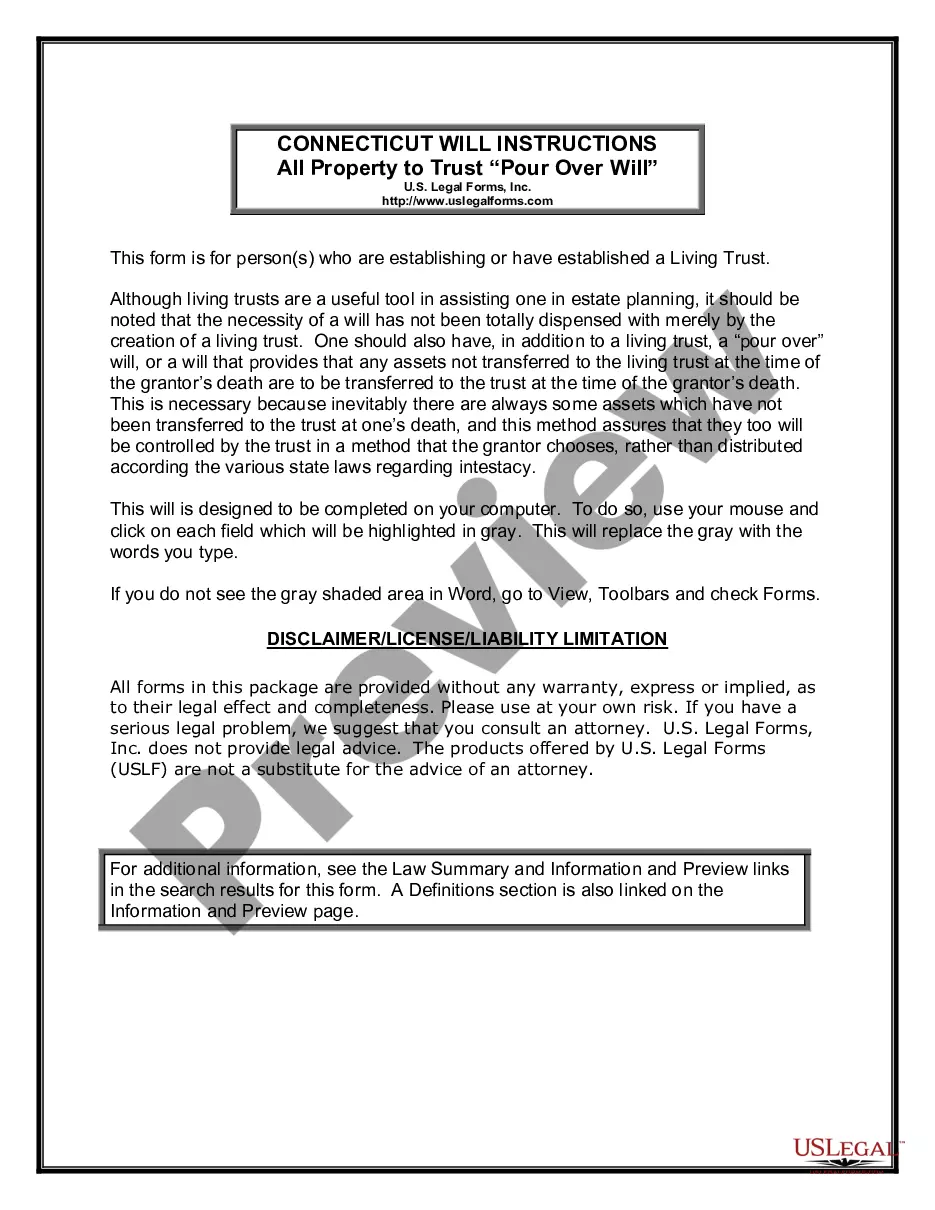
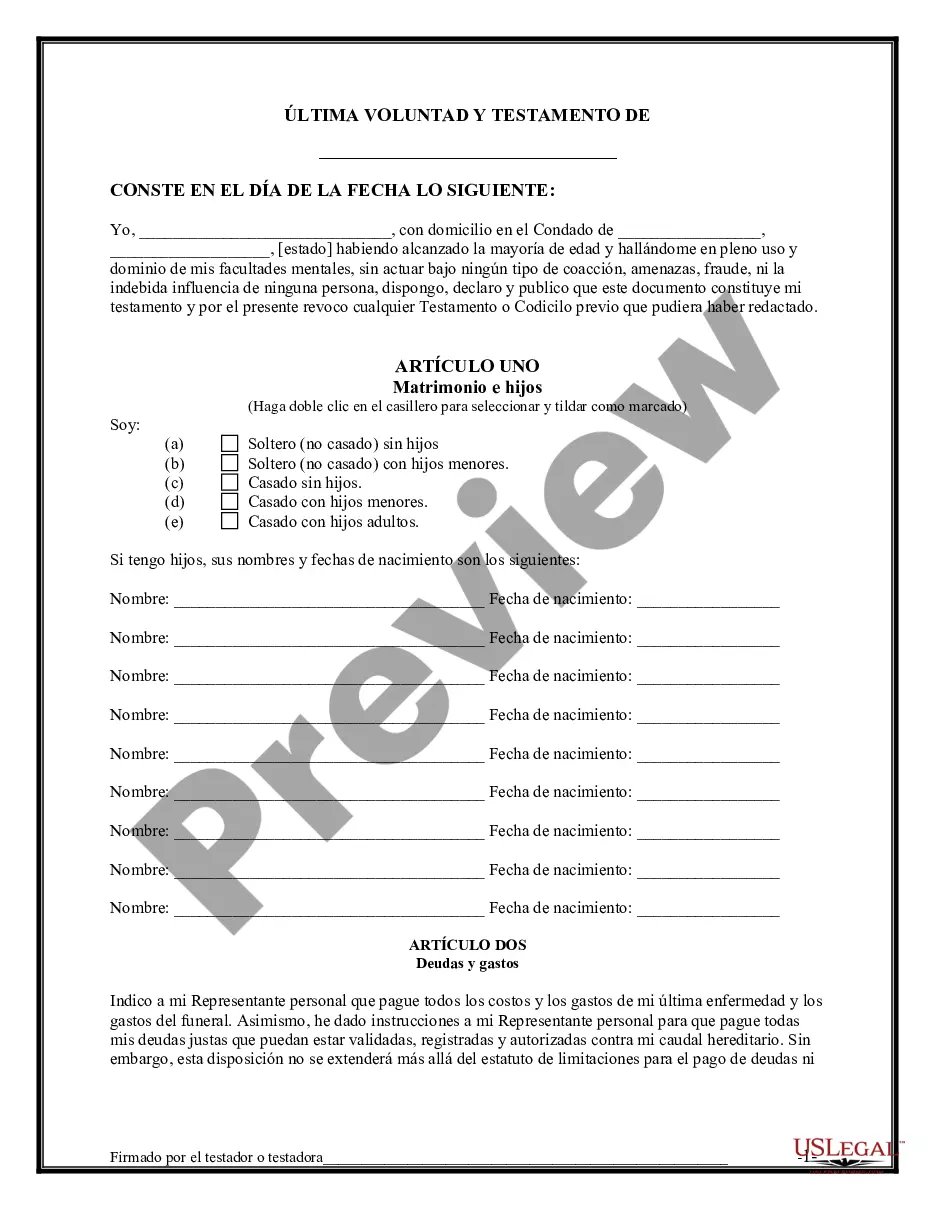
The Last Will and Testament with All Property to Trust, commonly referred to as a Pour Over Will, is a legal document that directs the distribution of your assets upon death. This unique form is designed for individuals who have established a Living Trust, ensuring that any property not already transferred into this trust automatically goes into it upon the testator's death. Unlike a standard will, a Pour Over Will bridges the gap between your estate and your trust, simplifying the distribution process and maintaining your intended control over all assets.
Key components of this form
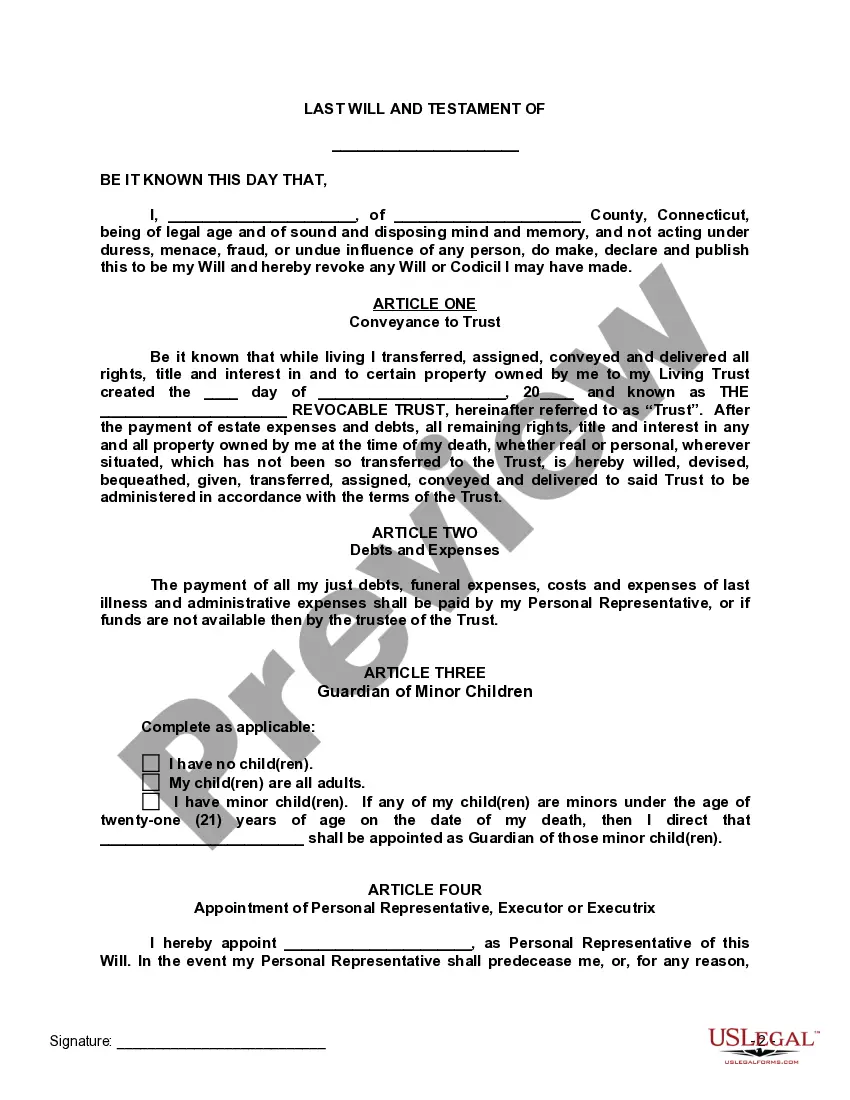
- Article One: Conveyance to Trust - states that all assets not in the Living Trust at death will be transferred to the trust.
- Article Two: Debts and Expenses - outlines the payment obligations for debts and administrative expenses.
- Article Three: Guardian of Minor Children - allows you to appoint a guardian for any minor children.
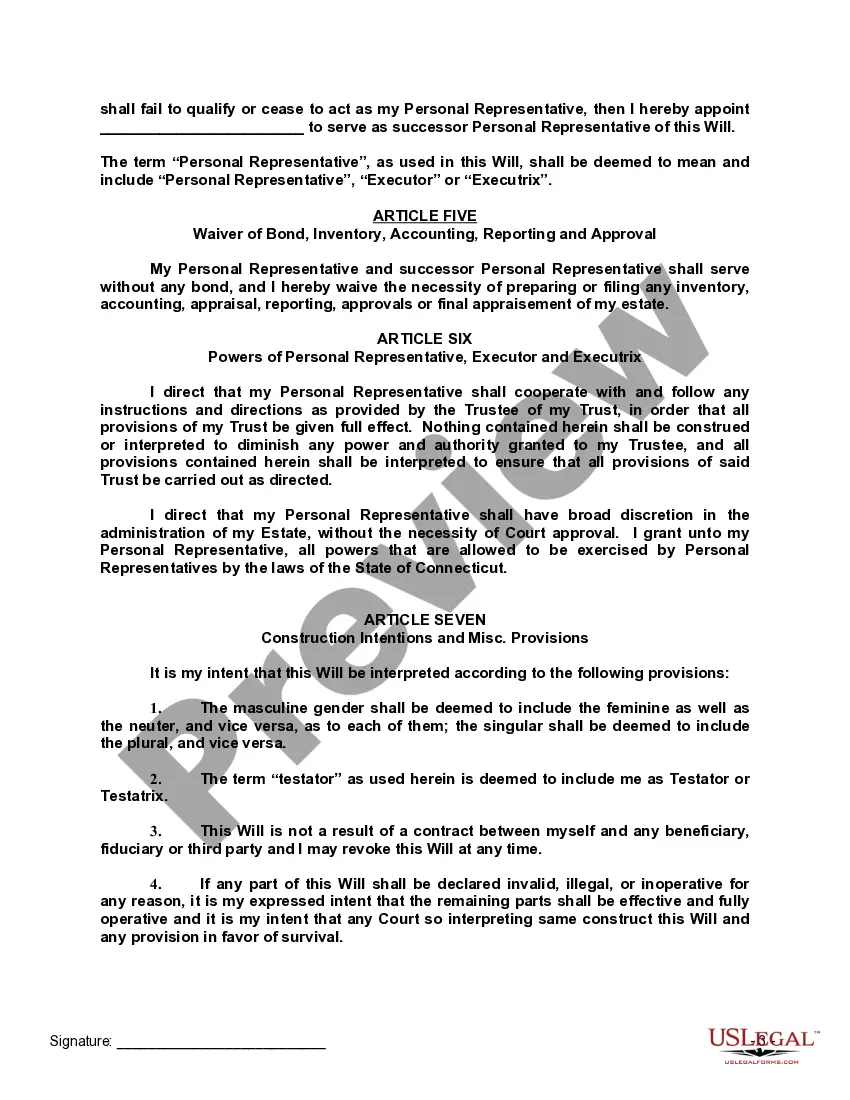
- Article Four: Appointment of Personal Representative - designates an individual to oversee the will's execution.
- Article Five: Waiver of Bond - waives the need for a bond for the personal representative.
- Article Six: Powers of Personal Representative - grants powers to the personal representative for estate management.


When to use this document
This form should be used when you have established or are planning to establish a Living Trust, and want to ensure that any assets left outside the trust at your passing will automatically be transferred into it. This is particularly useful if you acquire new assets after creating the trust or if there are assets that you simply forgot to transfer. A Pour Over Will is vital for comprehensive estate planning and can help avoid intestacy issues.
Who needs this form
- Individuals with a Living Trust seeking to streamline their estate distribution.
- Anyone looking to ensure that all assets are handled according to their wishes after death.
- Persons with minor children who need to designate guardians.
- People needing a trusted individual to act as a personal representative for estate management.
Steps to complete this form
- Begin by entering your name, address, and date at the top of the document.
- Clearly identify the Living Trust you are referencing and the date it was established.
- Designate any guardians for minor children if applicable.
- Choose and appoint a personal representative who will carry out the terms of your will.
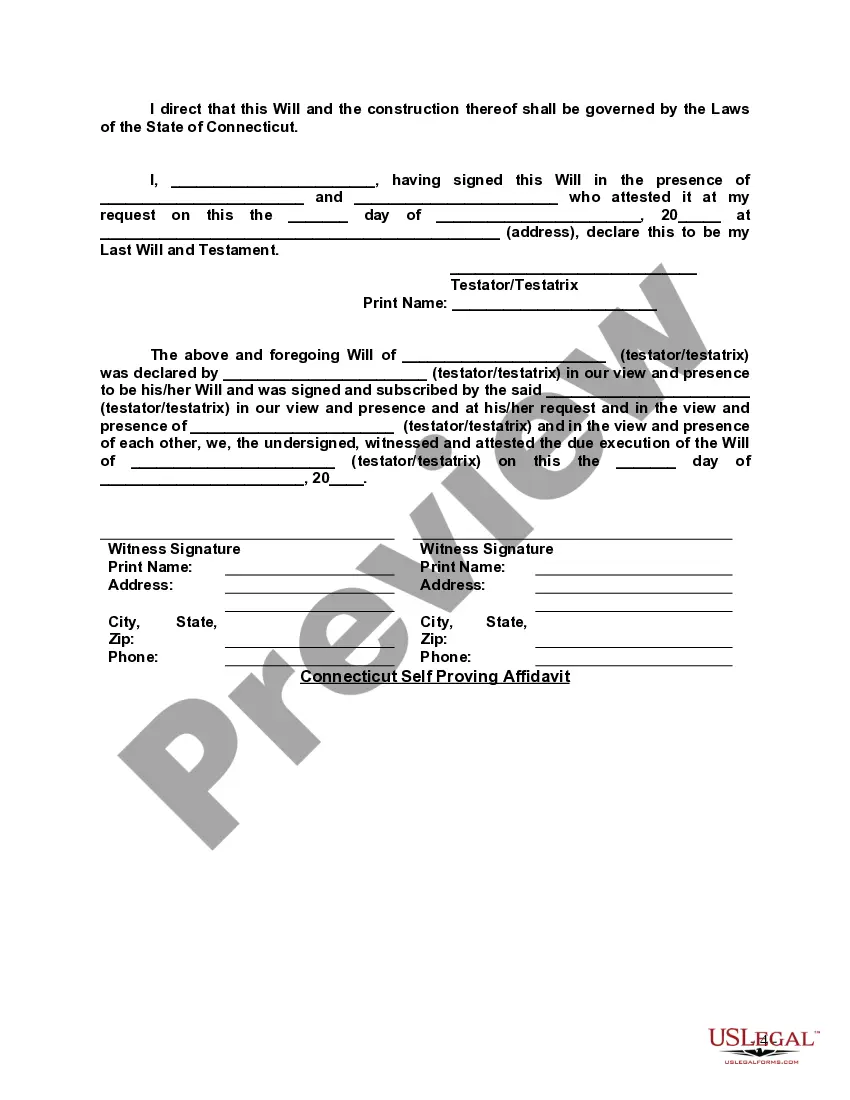
- Review the entire document for accuracy and completeness before signing it in the presence of witnesses.
Does this form need to be notarized?
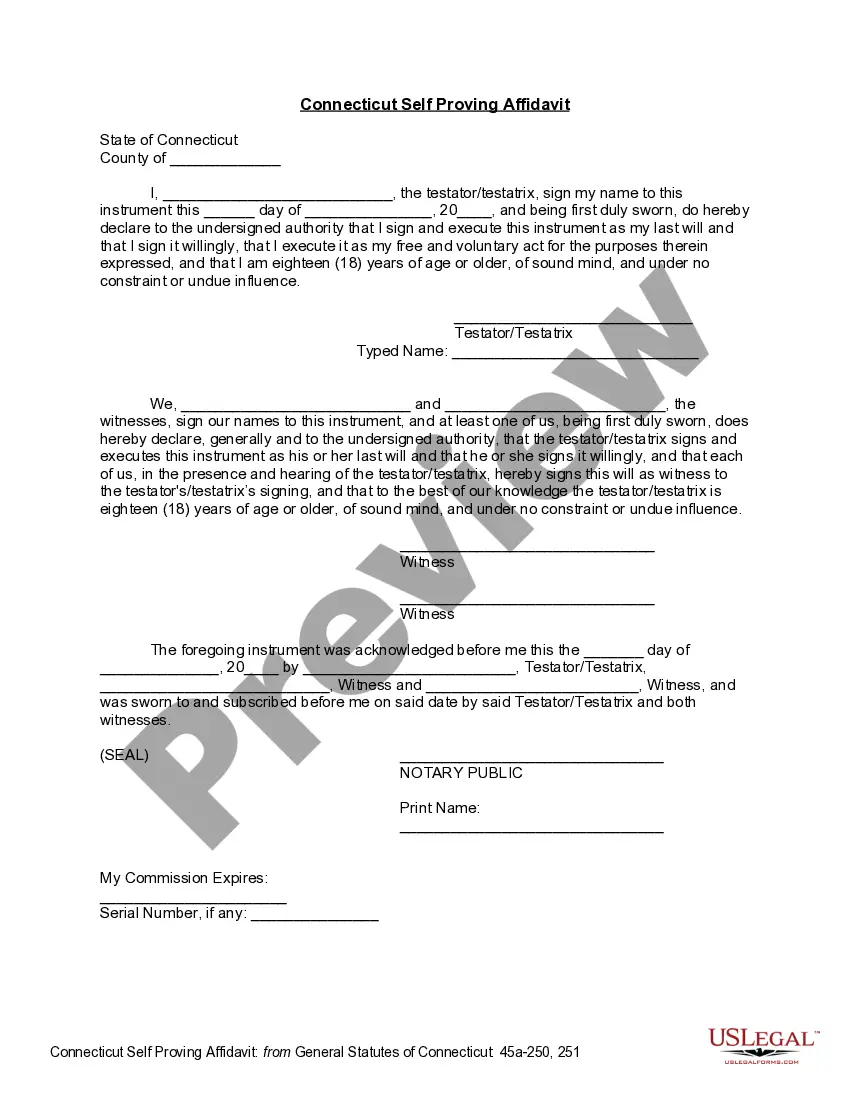
This document requires notarization to meet legal standards. US Legal Forms provides secure online notarization powered by Notarize, allowing you to complete the process through a verified video call, available 24/7.
Get your form ready online
Our built-in tools help you complete, sign, share, and store your documents in one place.
Make edits, fill in missing information, and update formatting in US Legal Forms—just like you would in MS Word.
Download a copy, print it, send it by email, or mail it via USPS—whatever works best for your next step.
Sign and collect signatures with our SignNow integration. Send to multiple recipients, set reminders, and more. Go Premium to unlock E-Sign.
If this form requires notarization, complete it online through a secure video call—no need to meet a notary in person or wait for an appointment.
We protect your documents and personal data by following strict security and privacy standards.

Make edits, fill in missing information, and update formatting in US Legal Forms—just like you would in MS Word.

Download a copy, print it, send it by email, or mail it via USPS—whatever works best for your next step.

Sign and collect signatures with our SignNow integration. Send to multiple recipients, set reminders, and more. Go Premium to unlock E-Sign.

If this form requires notarization, complete it online through a secure video call—no need to meet a notary in person or wait for an appointment.

We protect your documents and personal data by following strict security and privacy standards.
Avoid these common issues
- Failing to include all assets that you wish to transfer to the trust.
- Not updating the will after significant life changes, such as marriage or having children.
- Neglecting to have the will witnessed properly, which may invalidate the document.
- Overlooking the need for periodic reviews of your estate planning documents.
Benefits of using this form online
- Convenient access to complete the form from your home.
- Editable format allows you to make changes easily before finalization.
- Reliable templates drafted by licensed attorneys enhance legal accuracy.
- Guided instructions help avoid common pitfalls during the completion process.
Looking for another form?
Form popularity
FAQ
Yes, a pour-over will is indeed part of a larger trust strategy. When you create a Connecticut Last Will and Testament with All Property to Trust called a Pour Over Will, it acts as a safety net, ensuring that any assets not placed in the trust during your lifetime will transfer into the trust upon your passing. This mechanism helps simplify the estate distribution process. By incorporating a pour-over will, you can ensure that your intentions regarding asset distribution are honored.
One significant mistake parents often make when setting up a trust fund is failing to clearly define their assets and beneficiaries. When considering the Connecticut Last Will and Testament with All Property to Trust called a Pour Over Will, it’s crucial to ensure that all property is appropriately titled in the trust's name. Additionally, many overlook the importance of regularly updating the trust to reflect changes in their financial circumstances or family dynamics. This careful planning helps to avoid potential legal issues down the road.
A significant drawback of a pour-over will is that it may not cover all your assets immediately. Any property acquired after the will is created could be subject to probate instead of being transferred into the trust automatically. This timing issue could lead to complications and confusion for your beneficiaries. An effective approach can be using a comprehensive estate planning platform, such as uslegalforms, to simplify this process.
One drawback of a pour-over will is that it typically requires probate, which can be a lengthy process. Your assets may spend additional time in the court system before they are transferred to the trust. This situation can delay how quickly your heirs receive their inheritance, making it vital to plan your estate carefully and utilize services like uslegalforms for efficient estate planning.
While placing your house in a trust can provide benefits, there are some drawbacks to consider. One issue is the potential for higher upfront costs and maintenance fees associated with managing the trust. Additionally, transferring ownership may complicate your home insurance and property taxes. Evaluating these factors is essential when deciding on your Connecticut Last Will and Testament with All Property to Trust called a Pour Over Will.
You might choose a pour-over will for its ability to work seamlessly with a trust. This type of will provides clarity and reduces the risk of disputes about your estate after your death. By using a Connecticut Last Will and Testament with All Property to Trust called a Pour Over Will, you help ensure that all assets are directed into the established trust, making them subject to your predefined estate plan. This approach offers peace of mind for many individuals.
over will serves as a safety net for your assets. When you create a Connecticut Last Will and Testament with All Property to Trust called a Pour Over Will, any property not included in your trust at the time of your death pours over into the trust. This ensures that assets are still managed according to your wishes, even if they were overlooked during the estate planning process. It simplifies the transition of your estate to your trust.
In Connecticut, a trust can override a Last Will and Testament, especially when it comes to property distribution. When you create a Connecticut Last Will and Testament with All Property to Trust, called a Pour Over Will, the assets designated in the trust typically pass outside the will. This means that the trust's terms will govern how the assets are managed and distributed. Therefore, it is crucial to ensure that both documents are properly drafted and align with your overall estate planning goals.
Beneficiaries do hold a significant place in the context of trusts, but it’s essential to understand the specific terms laid out in the trust document. A Connecticut Last Will and Testament with All Property to Trust called a Pour Over Will can guide asset transfer to your trust, but once assets are in the trust, they are managed according to the trust's rules. It is crucial to establish clear directives to ensure your intentions are honored. Understanding how your beneficiaries interact with your trust will help you create a well-structured estate plan.
There are several reasons to choose a trust over a will, particularly the ability to manage your assets during your lifetime and after your passing. A Connecticut Last Will and Testament with All Property to Trust called a Pour Over Will only takes effect after your death, while a trust can manage your assets and provide for your beneficiaries immediately. This means you can ensure your loved ones are cared for without the delays associated with probate. Additionally, a trust can help maintain privacy since it does not go through probate.