Connecticut Assignment of Lease from Lessor with Notice of Assignment
What is this form?
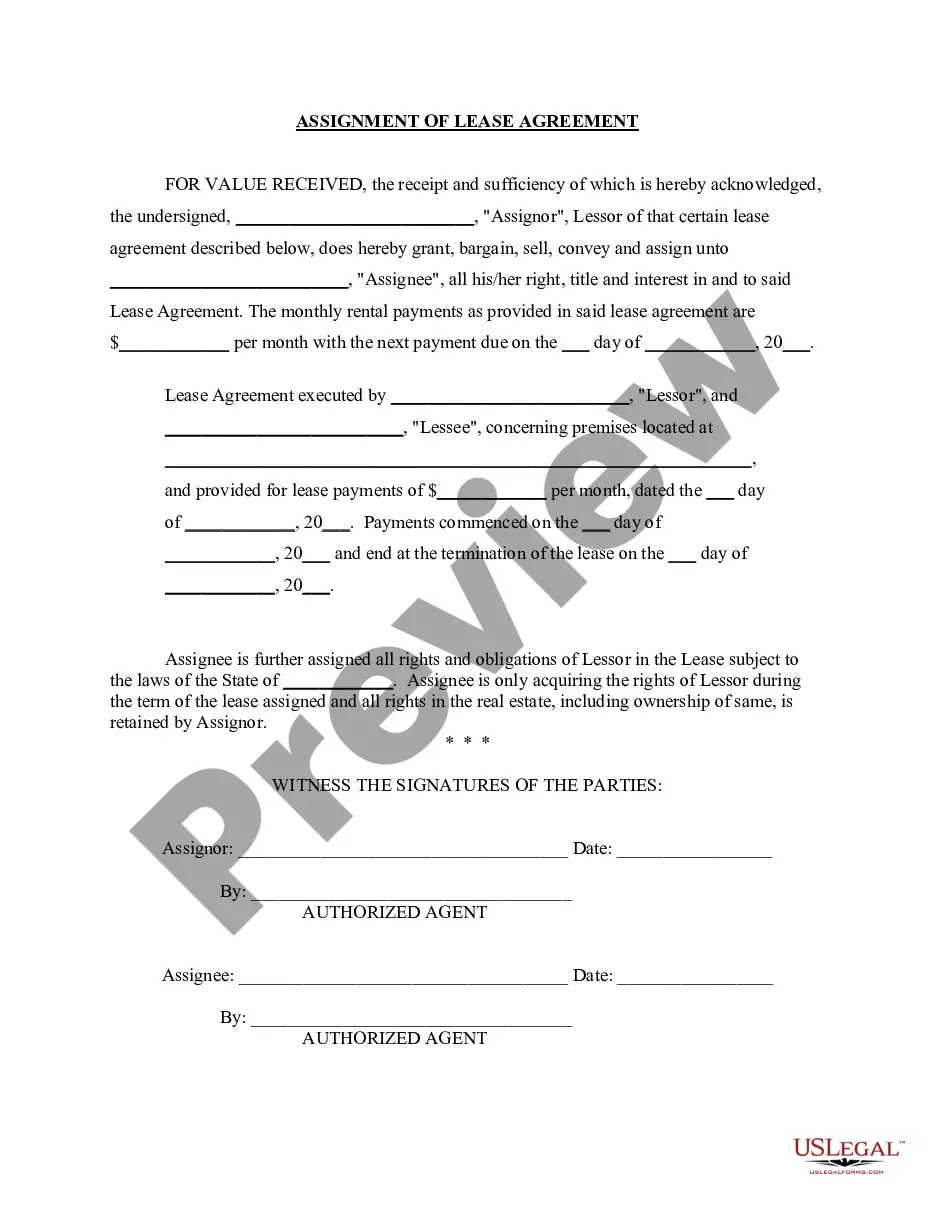
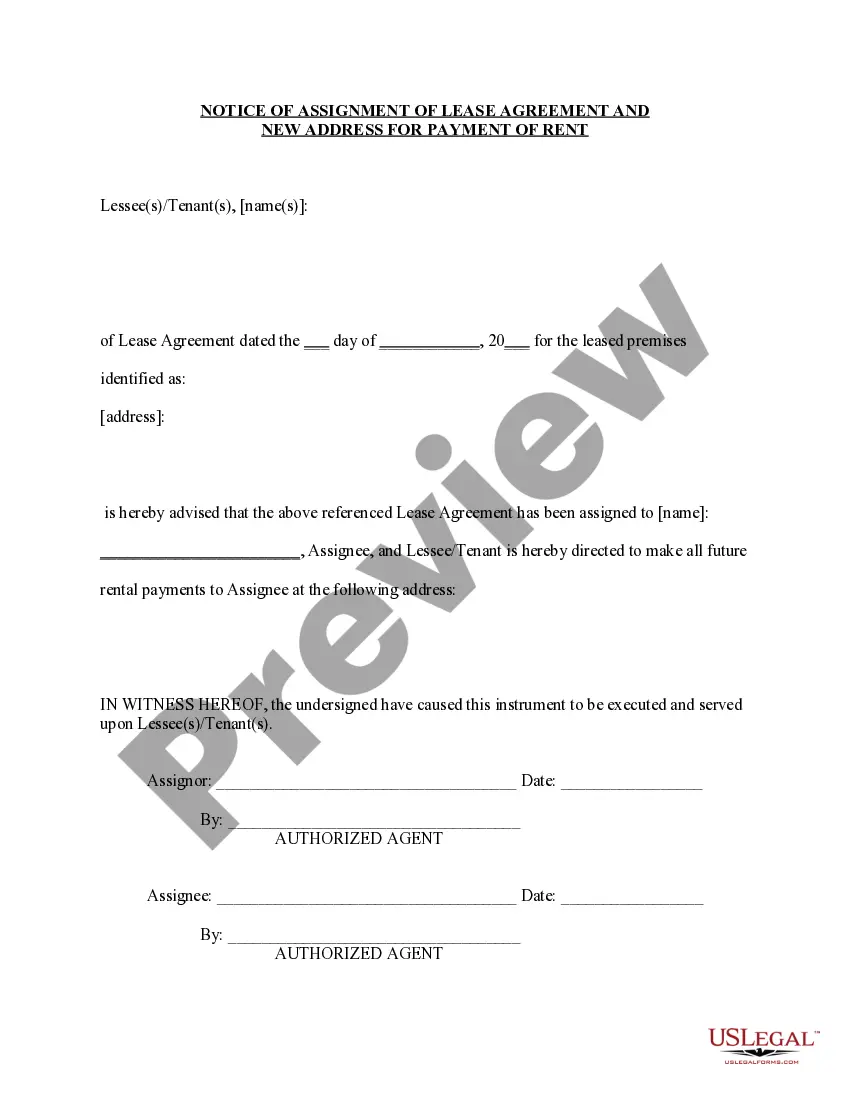
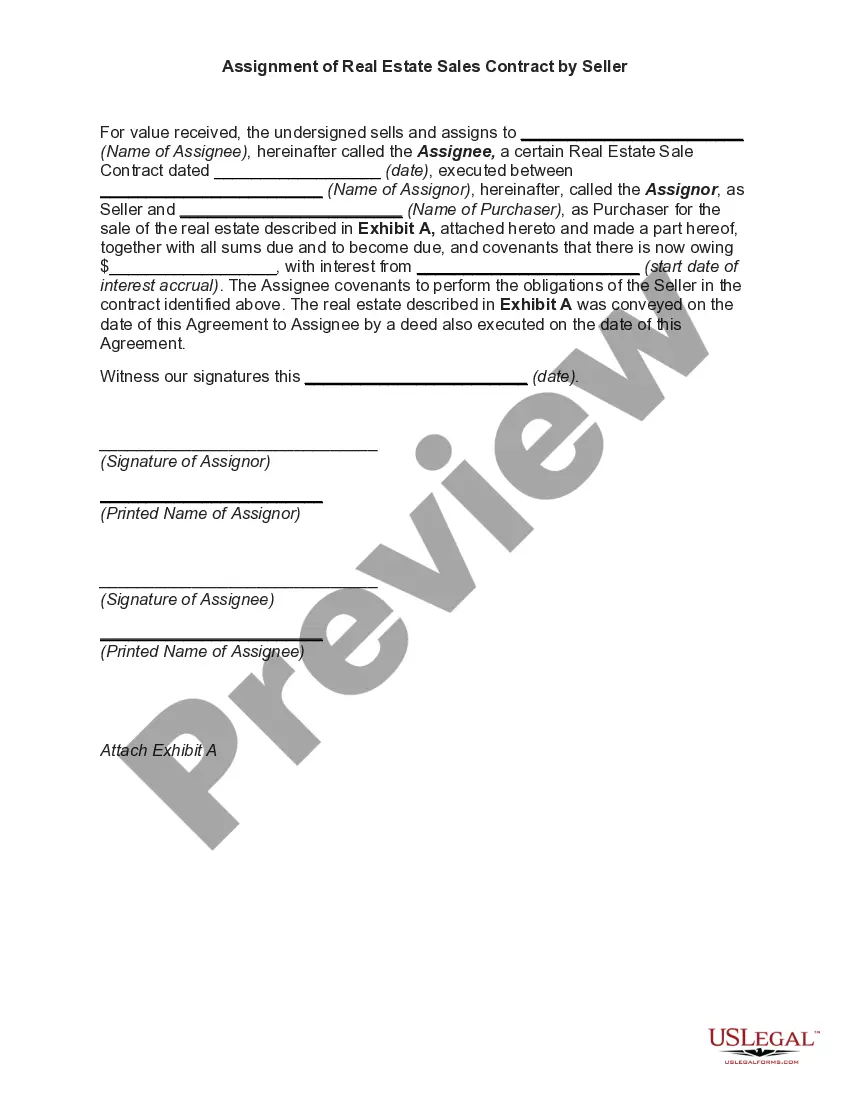
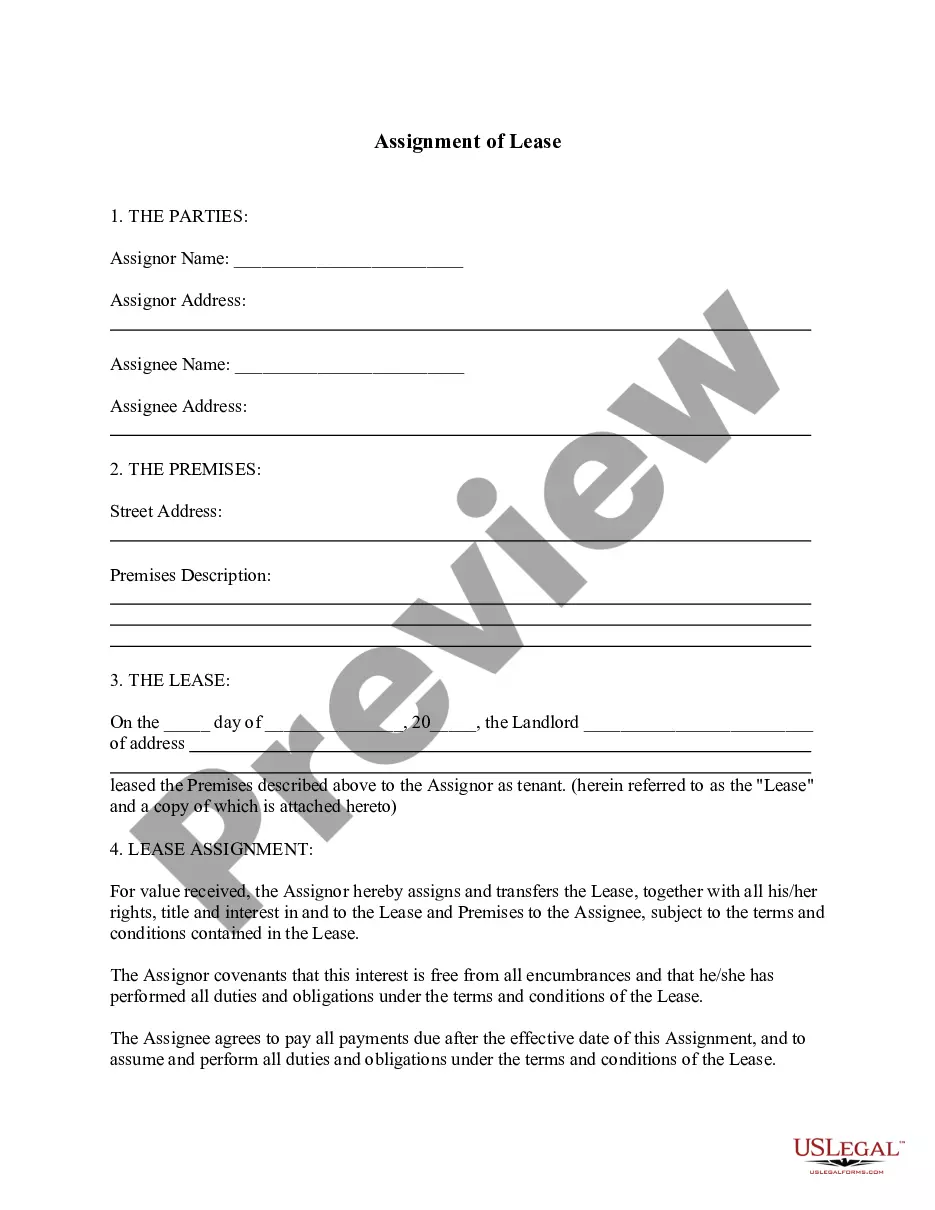
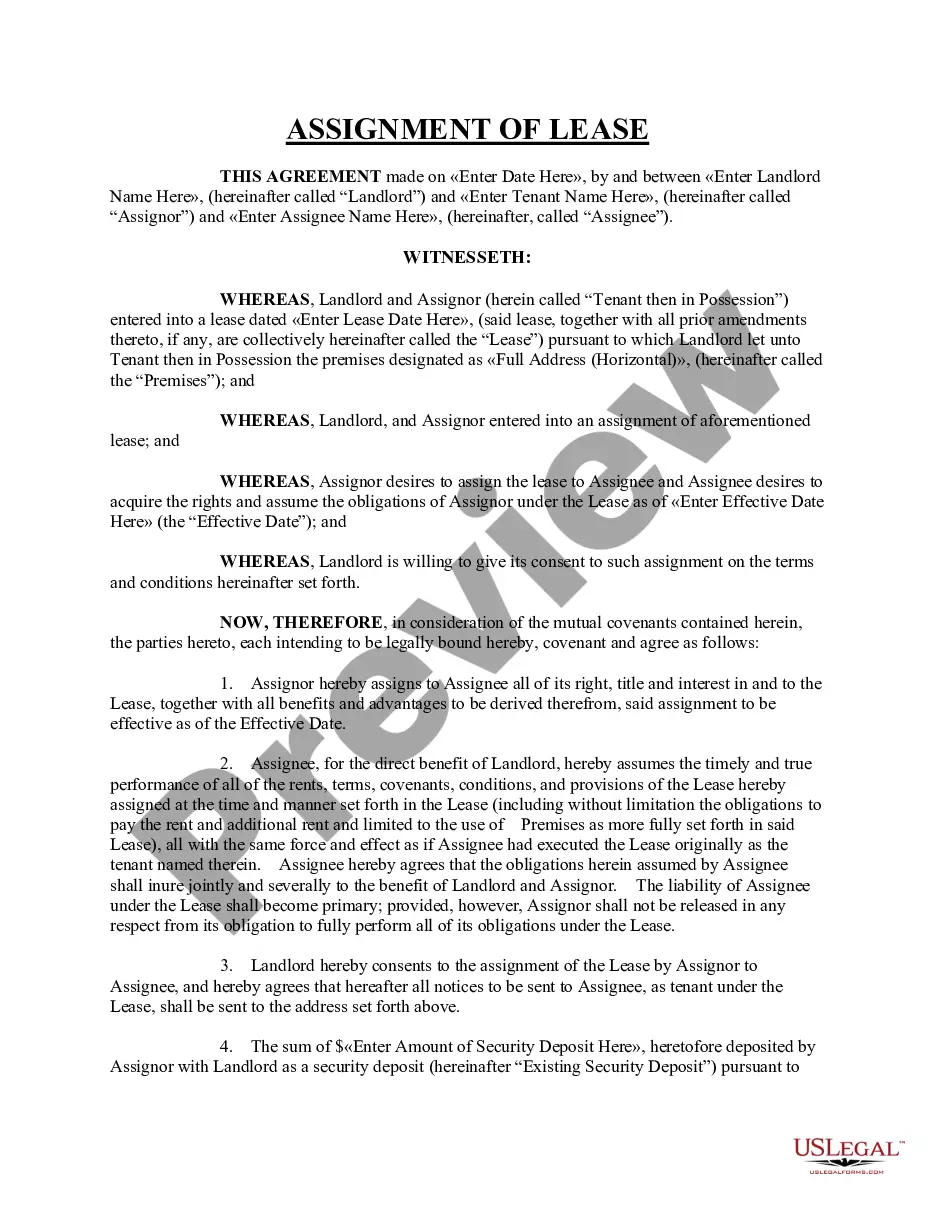
The Assignment of Lease from Lessor with Notice of Assignment is a legal document used to transfer the rights of a lease from one landlord (the Assignor) to another (the Assignee). This form ensures that the tenant is notified of the change in property management and provides updated payment information for rent. Unlike other lease transfer forms, this assignment specifically maintains the ownership of the property with the original landlord, while allowing the new landlord to manage the lease until its termination.
Key components of this form
- Identification of the Assignor (current Lessor) and Assignee (new Lessor).
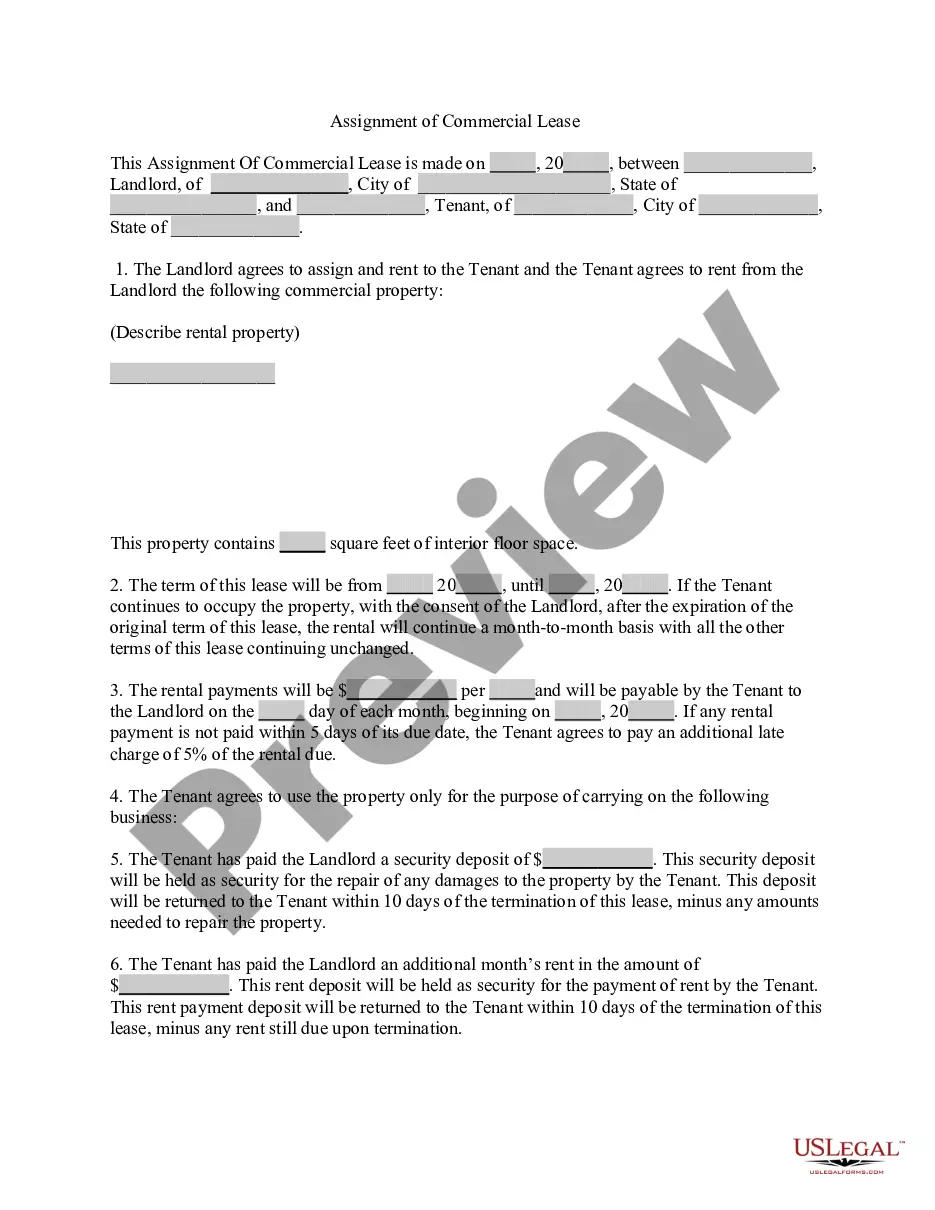
- Description of the lease agreement being assigned, including payment details.
- Notice to the tenant regarding the assignment and new payment address.
- Assignment of rights and obligations of the lease to the Assignee.
- Signature lines for both Assignor and Assignee, including dates and authorized agents.
Situations where this form applies
This form is essential in situations where a landlord wishes to transfer their lease rights to another landlord while maintaining ownership of the property. It is commonly used in commercial or residential settings when a property is sold or when the original landlord is temporarily unable to manage the lease. Use this form to ensure tenants are informed of where to send rent payments and who to contact regarding lease management.
Who needs this form
This form is intended for:
- Landlords (Lessor) who wish to assign their lease rights to another landlord.
- New landlords (Assignees) taking over an existing lease.
- Property managers or attorneys involved in managing lease agreements.
- Tenants who need to document changes in their lease management.
Instructions for completing this form
- Identify the parties involved: list the names of the Assignor and Assignee.
- Specify the lease agreement being assigned, including its terms and payment details.
- Fill in the rental payments as outlined in the original lease.
- Enter the important dates, including the commencement and termination of the lease.
- Ensure signatures are obtained from both the Assignor and Assignee, including dated signatures from any authorized agents.
Notarization guidance
This form does not typically require notarization unless specified by local law. Always check your jurisdictionâs requirements to ensure compliance with any additional legal formalities.
Get your form ready online
Our built-in tools help you complete, sign, share, and store your documents in one place.
Make edits, fill in missing information, and update formatting in US Legal Forms—just like you would in MS Word.
Download a copy, print it, send it by email, or mail it via USPS—whatever works best for your next step.
Sign and collect signatures with our SignNow integration. Send to multiple recipients, set reminders, and more. Go Premium to unlock E-Sign.
If this form requires notarization, complete it online through a secure video call—no need to meet a notary in person or wait for an appointment.
We protect your documents and personal data by following strict security and privacy standards.

Make edits, fill in missing information, and update formatting in US Legal Forms—just like you would in MS Word.

Download a copy, print it, send it by email, or mail it via USPS—whatever works best for your next step.

Sign and collect signatures with our SignNow integration. Send to multiple recipients, set reminders, and more. Go Premium to unlock E-Sign.

If this form requires notarization, complete it online through a secure video call—no need to meet a notary in person or wait for an appointment.

We protect your documents and personal data by following strict security and privacy standards.
Common mistakes
- Failing to notify tenants of the assignment and new payment address.
- Not updating all terms and conditions in the original lease that may change with the new landlord.
- Omitting necessary signatures from both the Assignor and Assignee.
- Ignoring state-specific laws governing lease assignments.
Benefits of using this form online
- Convenient access to downloadable forms, allowing for immediate use.
- Editable fields enable customization to meet specific needs.
- Provides a reliable legal framework prepared by licensed attorneys.
- Simplifies the documentation process for property transfers.
Looking for another form?

Form popularity
FAQ
The difference between assignment and transfer of lease lies in the extent of rights being moved. An assignment relinquishes all your rights under the lease and transfers them to another party, whereas a transfer may involve partial rights or ownership. Understanding these distinctions is crucial when managing your lease obligations, especially in contexts like a Connecticut Assignment of Lease from Lessor with Notice of Assignment.
Obtaining a notice of assignment typically involves notifying your landlord about your intention to assign your lease rights. You should draft the notice, highlighting essential details like the new tenant's information and the effective date. Utilizing platforms like uslegalforms can simplify this process by providing templates specifically designed for a Connecticut Assignment of Lease from Lessor with Notice of Assignment.
A lease transfer occurs when a tenant passes their rights and responsibilities under a lease agreement to another individual or entity. This process usually requires the consent of the landlord, and it maintains the original lease's terms. Understanding lease transfer is vital, especially when executing a Connecticut Assignment of Lease from Lessor with Notice of Assignment to ensure a smooth transition.
The terms "assignment" and "transfer" often create confusion, especially in real estate. An assignment involves a lessee transferring their lease rights and obligations to another party, while a transfer generally refers to the movement of property ownership or rights. When dealing with a Connecticut Assignment of Lease from Lessor with Notice of Assignment, it’s crucial to understand these nuances to ensure proper legal compliance.
Yes, a landlord can refuse a lease assignment under certain conditions. However, they must have valid reasons outlined in the lease agreement. By utilizing a Connecticut Assignment of Lease from Lessor with Notice of Assignment, both parties can better understand their rights and responsibilities regarding lease assignments.
In Connecticut, if a landlord intends to increase rent, they must provide tenants with at least 30 days’ notice before the increase takes effect. This allowance ensures that tenants have adequate time to consider their options. It's beneficial to have this change documented, possibly through a Connecticut Assignment of Lease from Lessor with Notice of Assignment.
When a landlord wants a tenant to move out in Connecticut, they must provide written notice. Typically, this notice should be given at least 30 days prior to the desired move-out date. Utilizing the Connecticut Assignment of Lease from Lessor with Notice of Assignment ensures that all legal requirements are met during this process.
In Connecticut, landlords are required to give a minimum of 30 days' notice when they do not intend to renew a lease. This requirement helps protect tenant rights and promotes clear communication. It's advisable for both parties to follow the Connecticut Assignment of Lease from Lessor with Notice of Assignment for a smooth transition.
In Connecticut, landlords must give tenants at least 30 days' notice if they choose not to renew a lease. This notice period allows tenants adequate time to make necessary arrangements. Following the Connecticut Assignment of Lease from Lessor with Notice of Assignment helps ensure clarity in this situation.
It's important to inform your landlord of your intention not to renew your lease well in advance. Typically, you should provide notice at least 30 days before the lease ends. This gives the landlord time to find a new tenant. Moreover, referencing a Connecticut Assignment of Lease from Lessor with Notice of Assignment can help formalize the process.