Connecticut Mutual Wills or Last Will and Testaments for Man and Woman living together, not Married with Minor Children
What this document covers
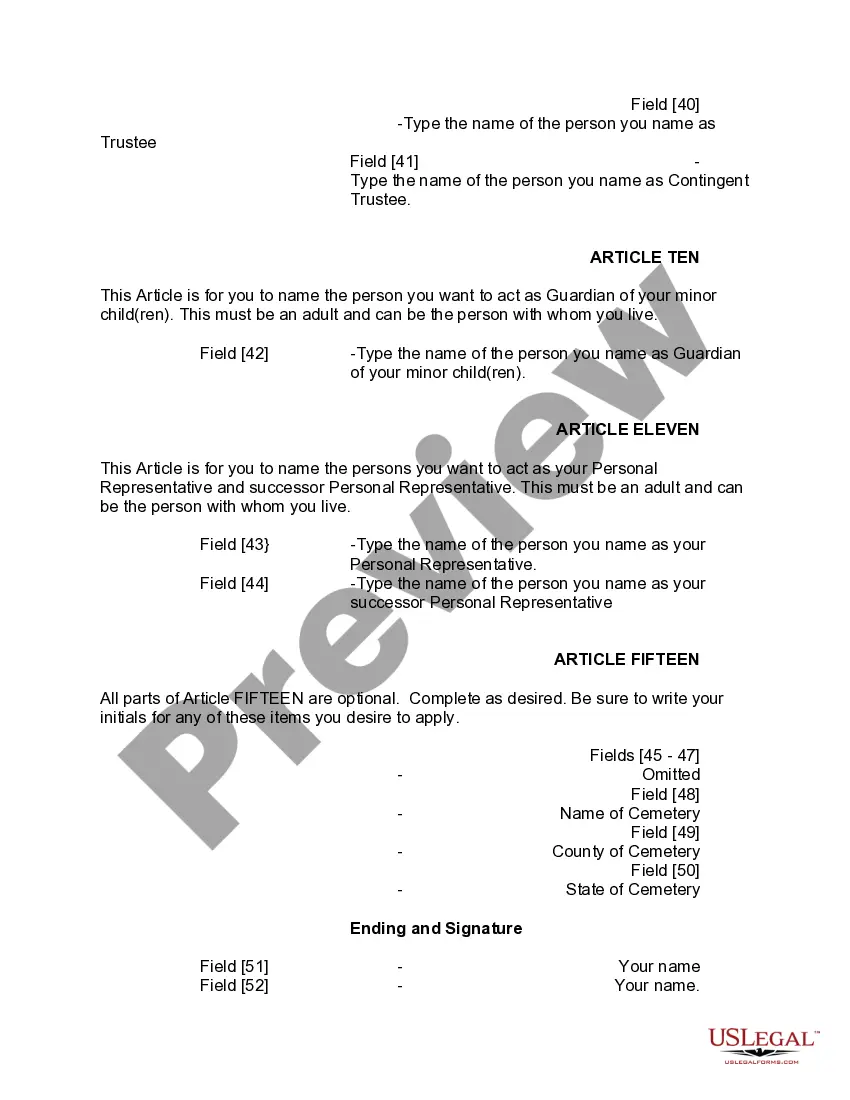
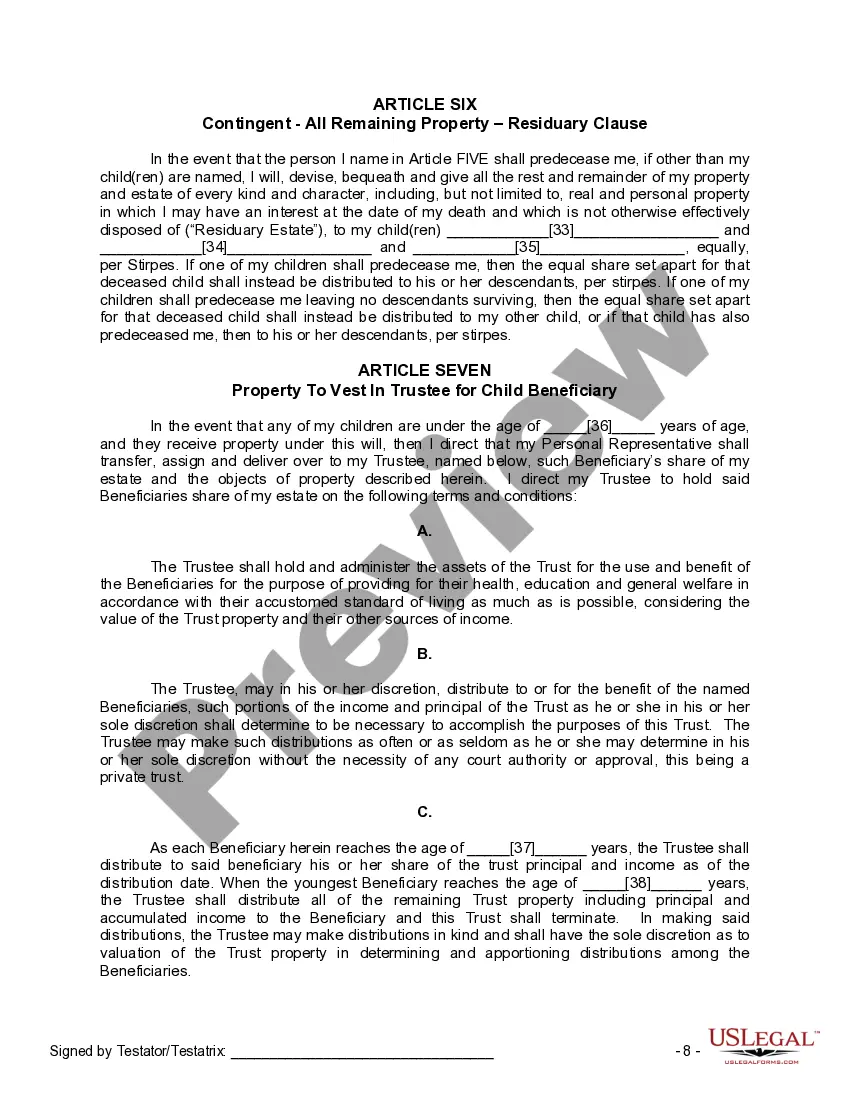
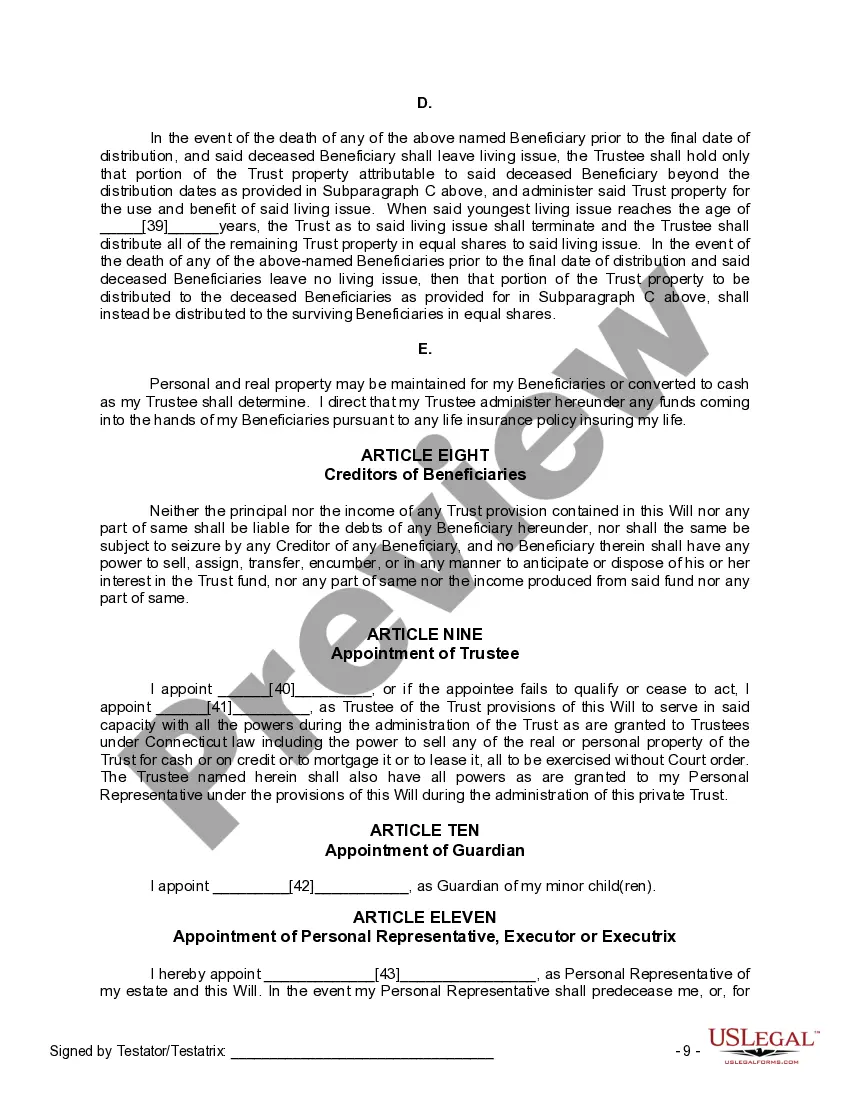
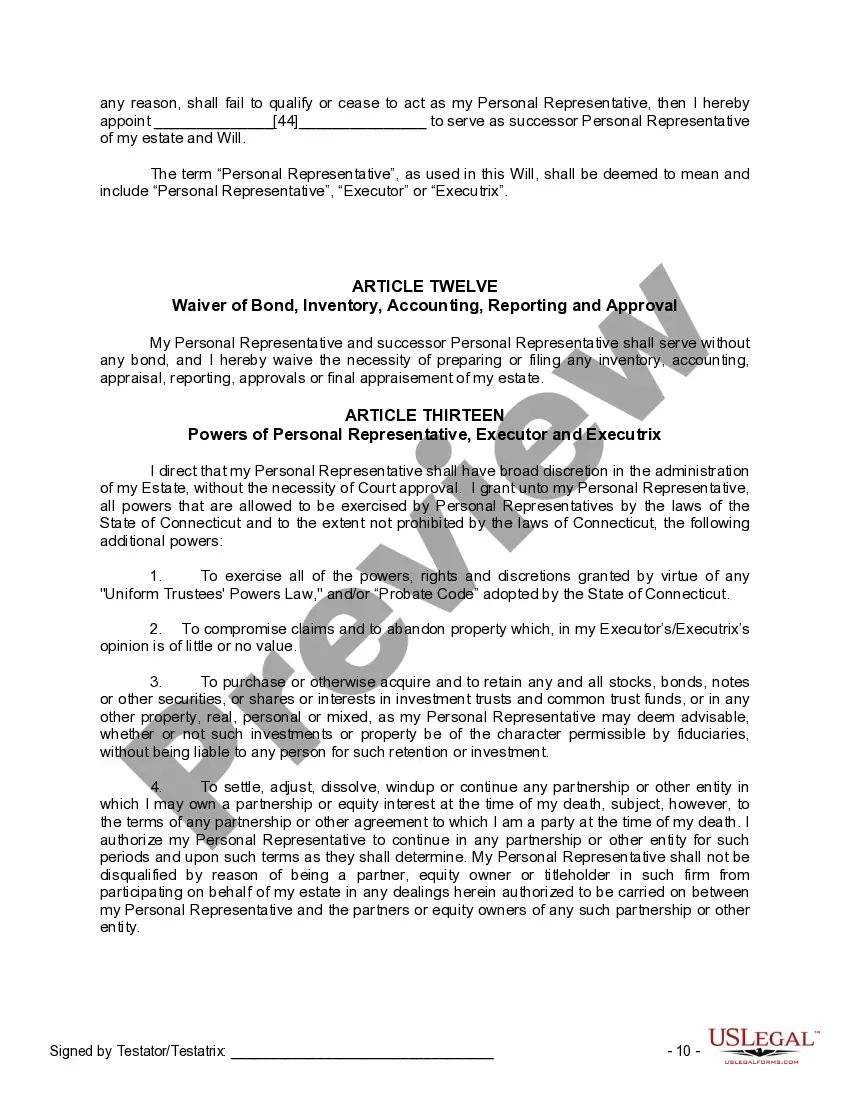
The Mutual Wills or Last Will and Testaments for Man and Woman living together, not Married with Minor Children is a unique legal document designed for couples who are not married but wish to create wills that reflect their mutual intentions. This package includes two wills that allow each partner to leave property to the other while also ensuring responsibilities for their minor children are clearly defined. Unlike standard wills, mutual wills typically include provisions that bind the surviving partner to the terms, protecting the interests of their children.
Key parts of this document
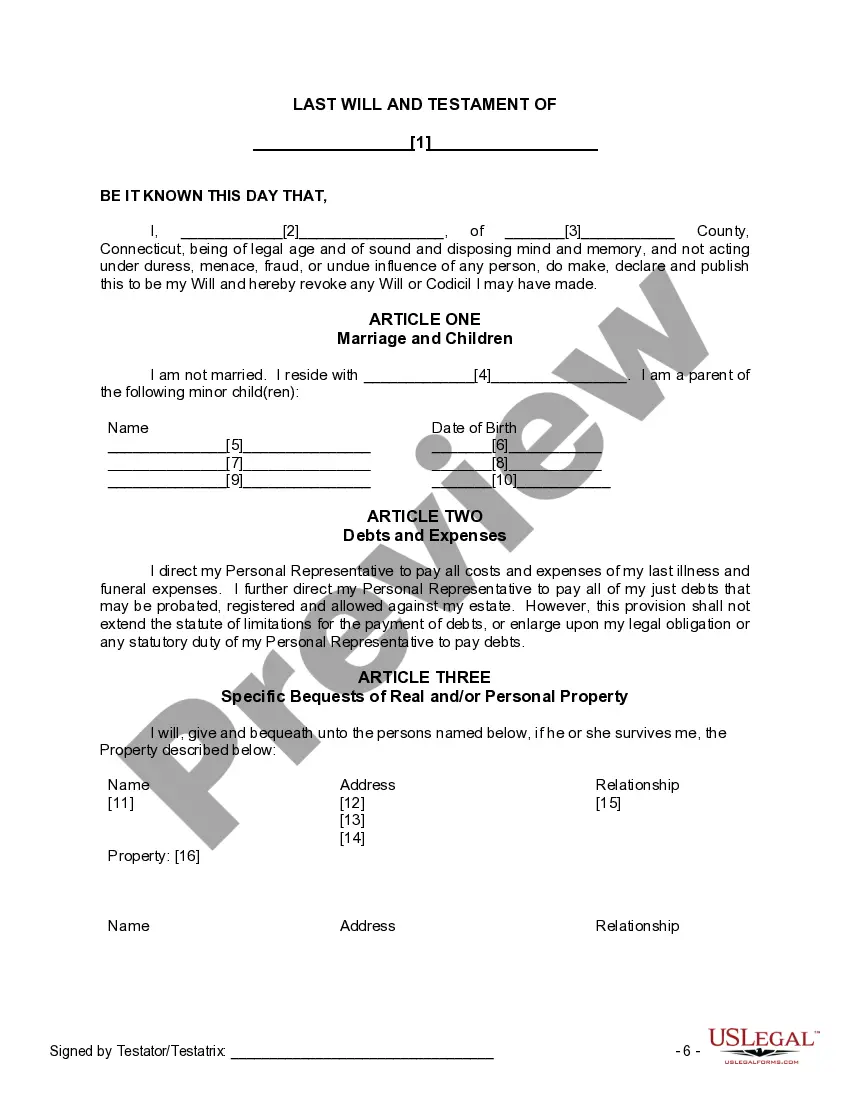
- Introduction and revocation of prior wills.
- Identification of living partner and minor children.
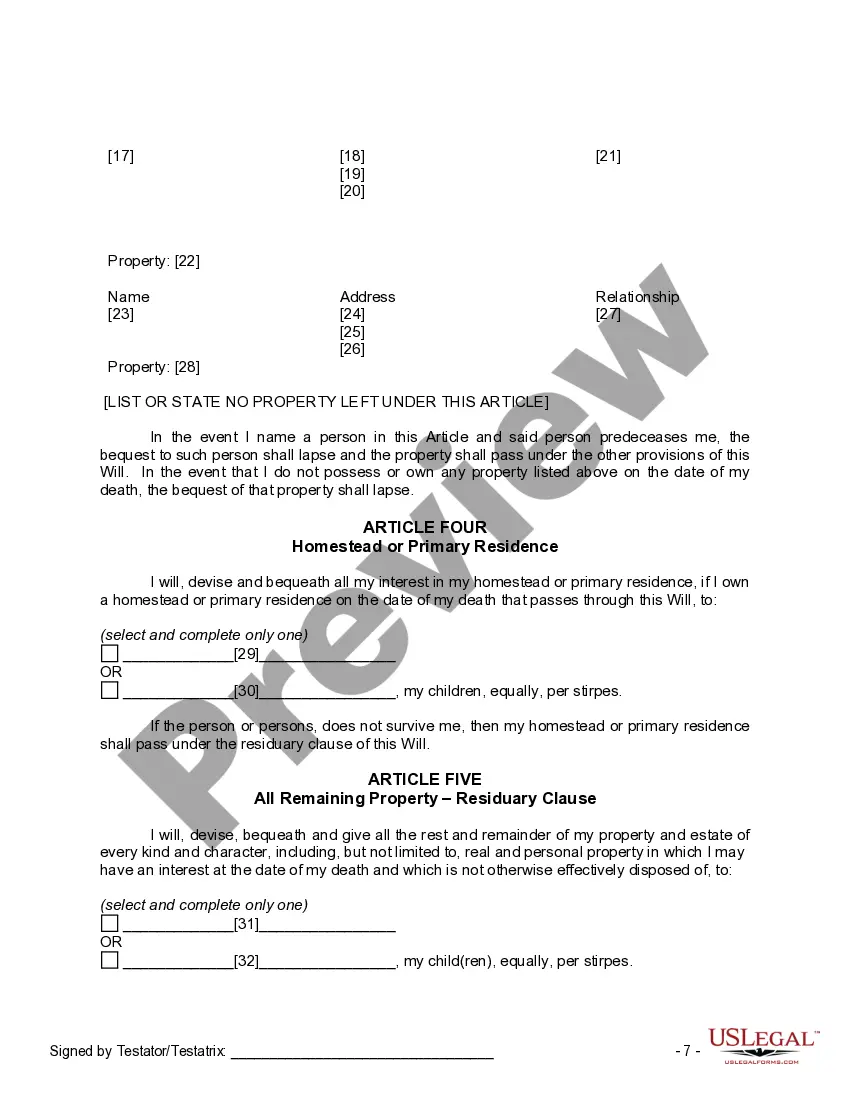
- Instructions for specific bequests of property.
- Provisions for the homestead or primary residence.
- Allocation of remaining property, including any trusts.
- Appointment of guardians for minor children.
- Appointment of personal representative for executing estate matters.
- Signatures and witness requirements for legal execution.



When to use this document
This form is necessary when a couple living together, not legally married, wants to ensure their mutual wishes regarding property and guardianship of their minor children are legally documented. It is ideal in situations where partners want to guarantee that their assets are distributed as per their wishes after death, especially when they share responsibilities for minor children.
Who should use this form
This form is suitable for:
- Cohabitating partners who are not legally married.
- Couples wanting to create clear estate plans for their joint property.
- Parents of minor children looking to designate guardianship in their wills.
- Individuals wishing to bind their wills to each other to prevent changes after one partner's passing.
How to complete this form
To complete this form:
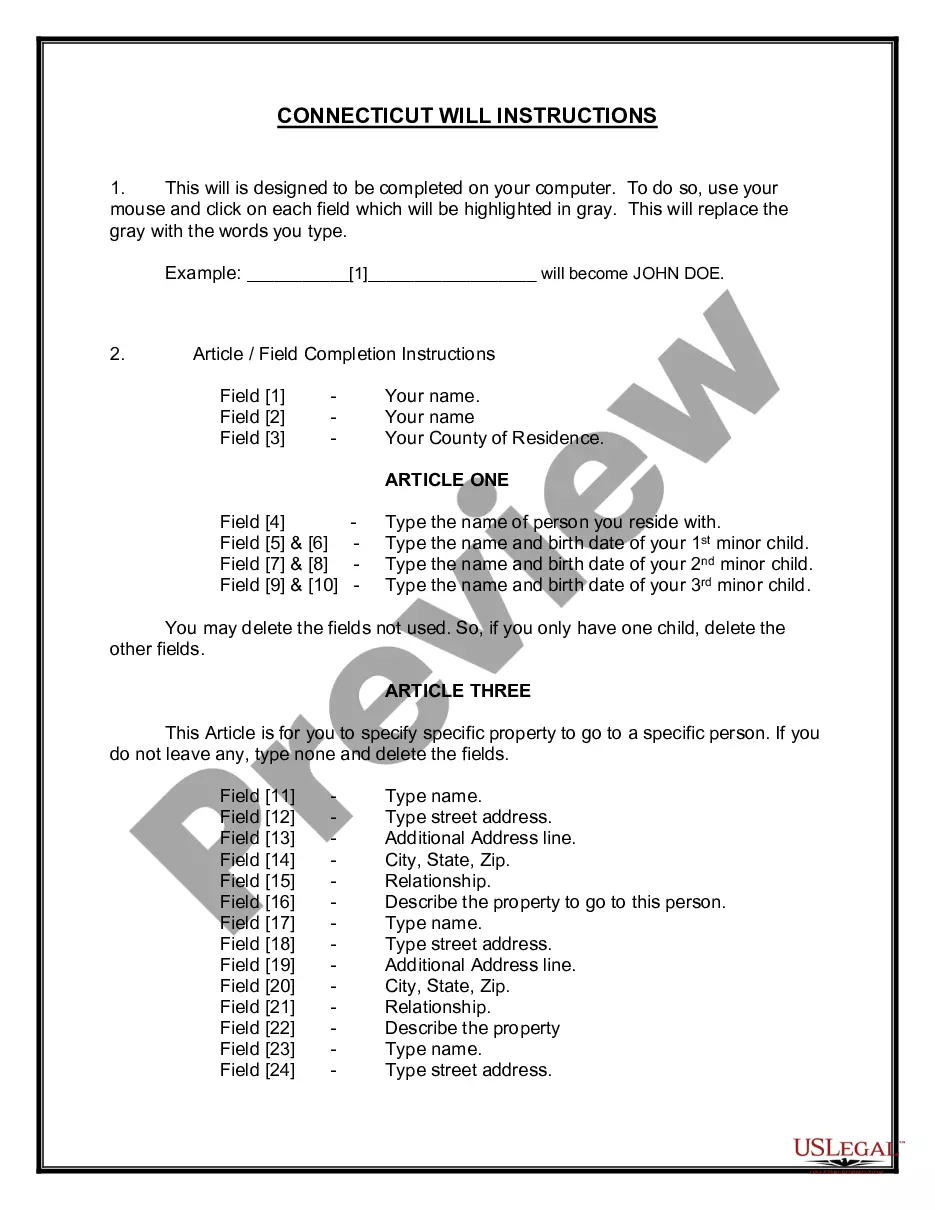
- Identify both partners, entering each name and county of residence in the designated fields.
- List all minor children, including their names and birthdates.
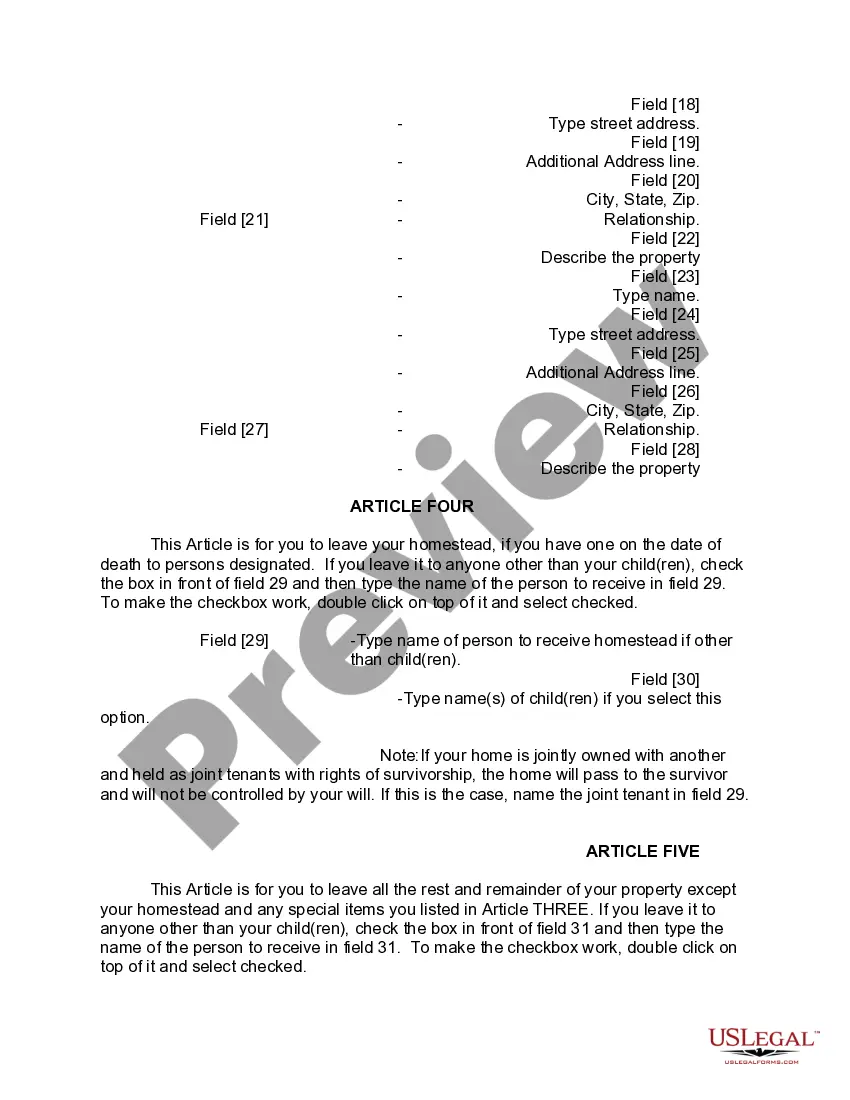
- Specify any property bequests you wish to make to others, clearly detailing each itemâs recipient and relationship.
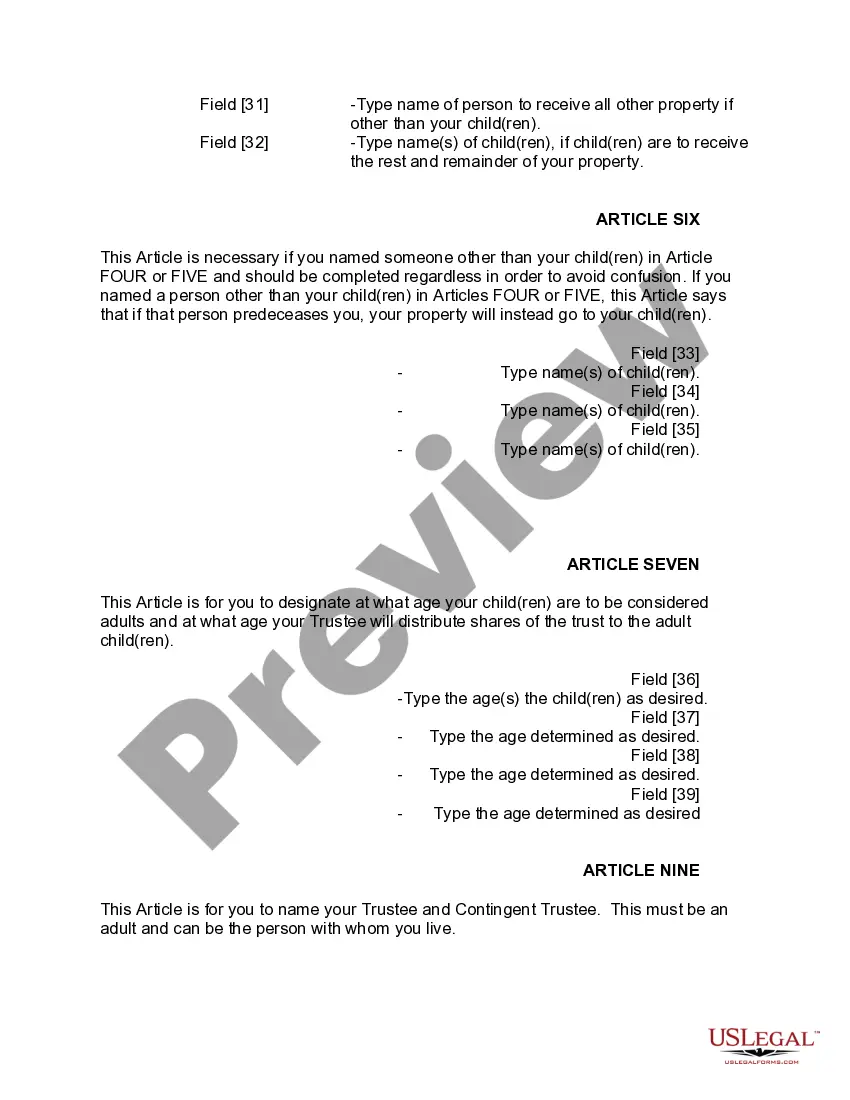
- Designate guardians for your minor children, choosing trusted individuals and adding their legal names.
- Ensure to sign the wills in front of two witnesses and optionally a notary to solidify their legal validity.
Notarization requirements for this form
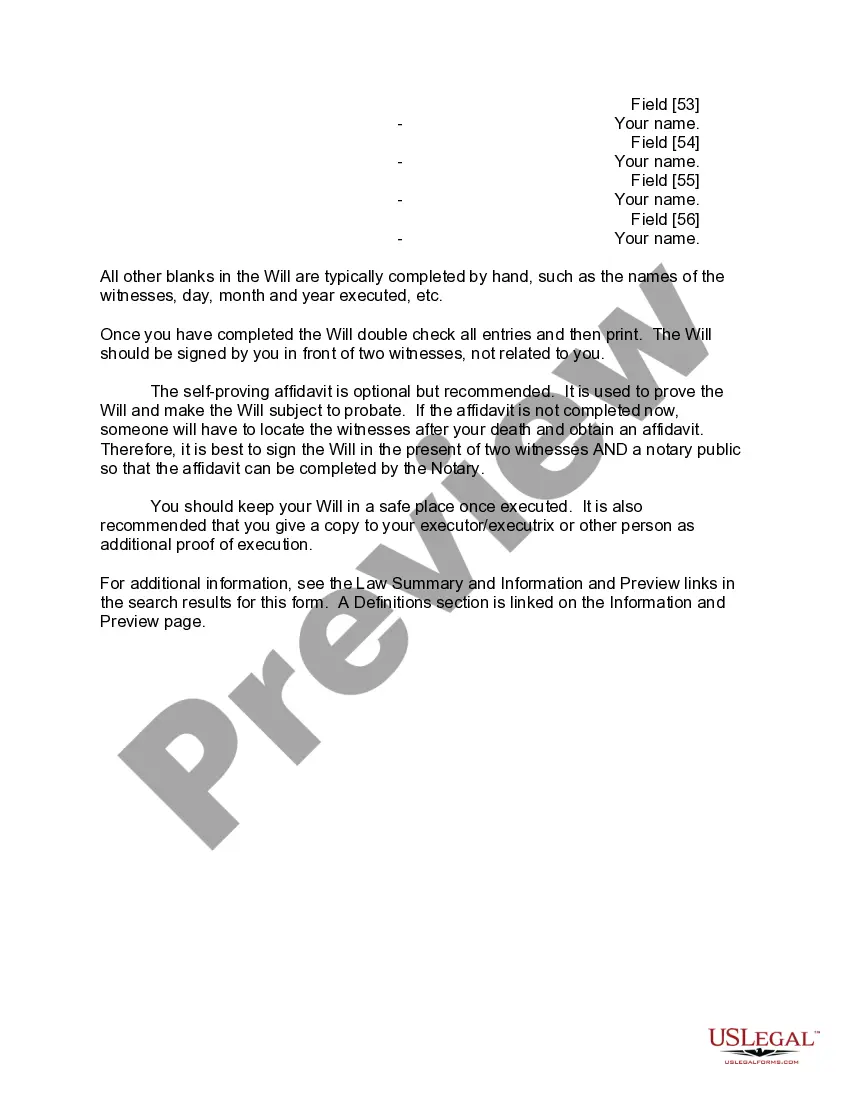
Yes, this form must be notarized to be legally valid. It is recommended to sign the will in the presence of two witnesses and a notary public to ensure its enforceability. This helps create a self-proving affidavit, which can simplify the probate process.
Get your form ready online
Our built-in tools help you complete, sign, share, and store your documents in one place.
Make edits, fill in missing information, and update formatting in US Legal Forms—just like you would in MS Word.
Download a copy, print it, send it by email, or mail it via USPS—whatever works best for your next step.
Sign and collect signatures with our SignNow integration. Send to multiple recipients, set reminders, and more. Go Premium to unlock E-Sign.
If this form requires notarization, complete it online through a secure video call—no need to meet a notary in person or wait for an appointment.
We protect your documents and personal data by following strict security and privacy standards.

Make edits, fill in missing information, and update formatting in US Legal Forms—just like you would in MS Word.

Download a copy, print it, send it by email, or mail it via USPS—whatever works best for your next step.

Sign and collect signatures with our SignNow integration. Send to multiple recipients, set reminders, and more. Go Premium to unlock E-Sign.

If this form requires notarization, complete it online through a secure video call—no need to meet a notary in person or wait for an appointment.

We protect your documents and personal data by following strict security and privacy standards.
Avoid these common issues
- Failing to have both partners sign their wills in the presence of the required witnesses.
- Not including important details about children or property, leading to possible confusion after death.
- Omitting to update wills after significant life changes, such as the birth of additional children.
- Neglecting to store the executed wills in a secure location.
- Forgetting to inform the personal representative about the willsâ locations.
Why use this form online
- Convenience of completing and customizing forms online, saving time and effort.
- Editability allows for quick adjustments in response to changes in personal circumstances.
- Access to attorney-drafted templates enhances reliability and legal accuracy.
- Instant download option provides immediate access to necessary documents.
What to keep in mind
- This Mutual Will form is specifically for unmarried couples with minor children.
- It ensures that both partnersâ wishes are honored regarding property and guardianship.
- Proper execution with witnesses and a notary is crucial for legal validity.
- Using this form helps avoid potential disputes and ensures clear asset distribution.
Looking for another form?




Form popularity
FAQ
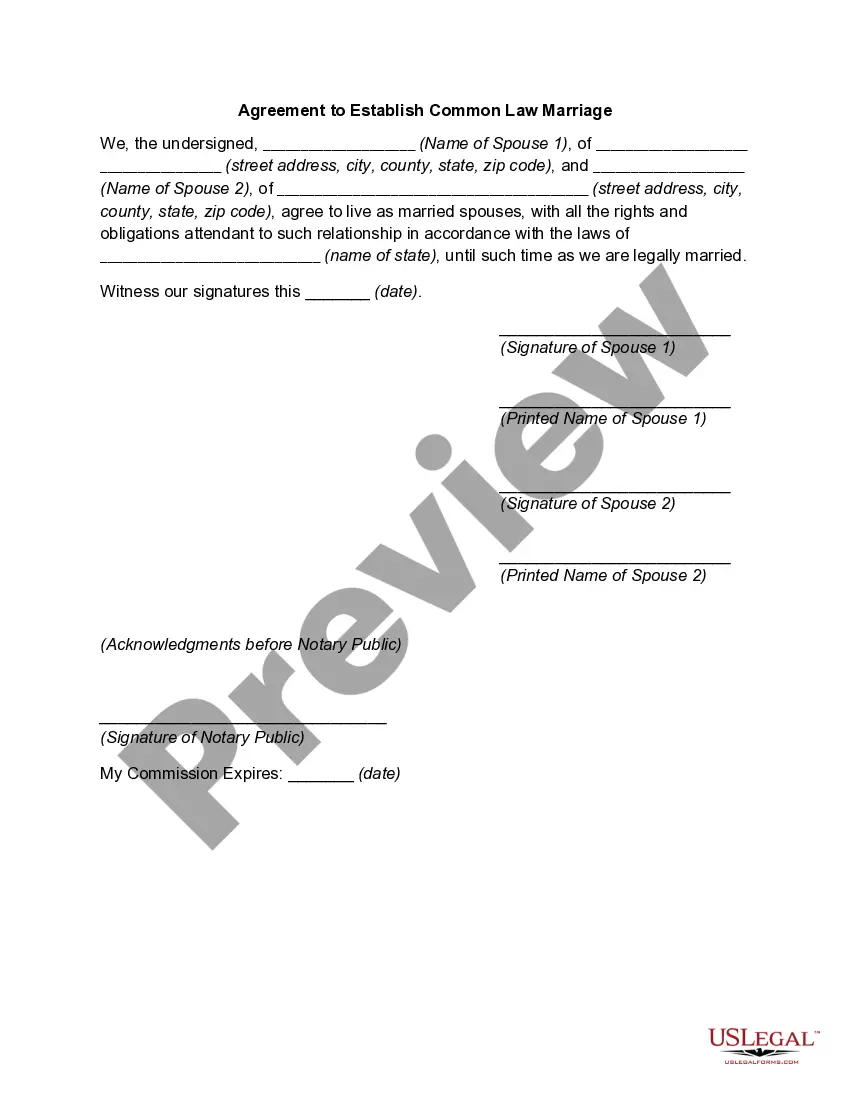
Connecticut does not recognize common-law marriages as valid. Therefore, couples living together may need to consider Connecticut Mutual Wills or Last Will and Testaments for Man and Woman living together, not Married with Minor Children to secure their rights. It’s essential to understand these distinctions and ensure your estate planning clearly defines your wishes and protections for your family.
For couples considering estate planning, a well-drafted mutual will or separate wills may be the best options. Connecticut Mutual Wills or Last Will and Testaments for Man and Woman living together often work well when both partners have shared goals regarding their children and assets. However, it’s important to evaluate your individual situations and possibly consult platforms like uslegalforms to create wills that best reflect your preferences and needs.
Having separate wills can often be more beneficial, particularly for couples living together and not married with minor children. Connecticut Mutual Wills or Last Will and Testaments for Man and Woman living together can reflect individual priorities and personal circumstances. By opting for separate wills, partners can tailor their estate plans to meet specific needs and changes in life circumstances.
Yes, each partner should generally have their own will, especially when considering Connecticut Mutual Wills or Last Will and Testaments for Man and Woman living together, not Married with Minor Children. Separate wills allow both parties to specify their wishes clearly, addressing unique assets or family obligations. This ensures that both individuals are protected and their intentions are honored.
When considering Connecticut Mutual Wills or Last Will and Testaments for Man and Woman living together, not Married with Minor Children, couples often wonder about joint versus separate wills. Joint wills can simplify the process if both parties agree, but separate wills allow for individual preferences and adjustments over time. It is crucial to discuss your shared goals and individual desires to make the best choice for your family.
In Connecticut, wills do not need to be notarized to be valid; however, notarization can add an extra layer of authenticity. If your will is self-proving, it becomes easier to validate during probate proceedings. This can be particularly beneficial for those creating Connecticut Mutual Wills or Last Will and Testaments for man and woman living together, not married with minor children, ensuring a smoother process in the future.
While it is not mandatory for couples to have separate wills, it is often advisable, particularly for a man and woman living together, not married with minor children. Separate wills allow each partner to specify distinct wishes and reflect their unique circumstances, especially regarding minor children. By clearly outlining your intentions through Connecticut Mutual Wills, you help ensure that both partners' needs and the best interests of the children are met.
To establish the validity of a will in Connecticut, you generally must demonstrate that it meets legal requirements. This includes confirming that it was properly signed and witnessed. If questions arise about the validity, courts may require further evidence, which can complicate matters. Hence, using a platform like uslegalforms can simplify the process of creating your Connecticut Mutual Wills or Last Will and Testaments.
In Connecticut, for a will to be legally recognized, it must be written, signed by the testator, and witnessed by at least two people. Additionally, the testator must be of sound mind when creating the will. Crafting a clear and valid Connecticut Mutual Will or Last Will and Testament for man and woman living together, not married with minor children, ensures your wishes are honored and reduces complications later.
In Connecticut, most wills must go through probate, which is the legal process that validates the will. However, some smaller estates can qualify for simplified procedures. Understanding this distinction is crucial, particularly for those who have Connecticut Mutual Wills or Last Will and Testaments for man and woman living together, not married with minor children. This way, you can plan your estate efficiently.