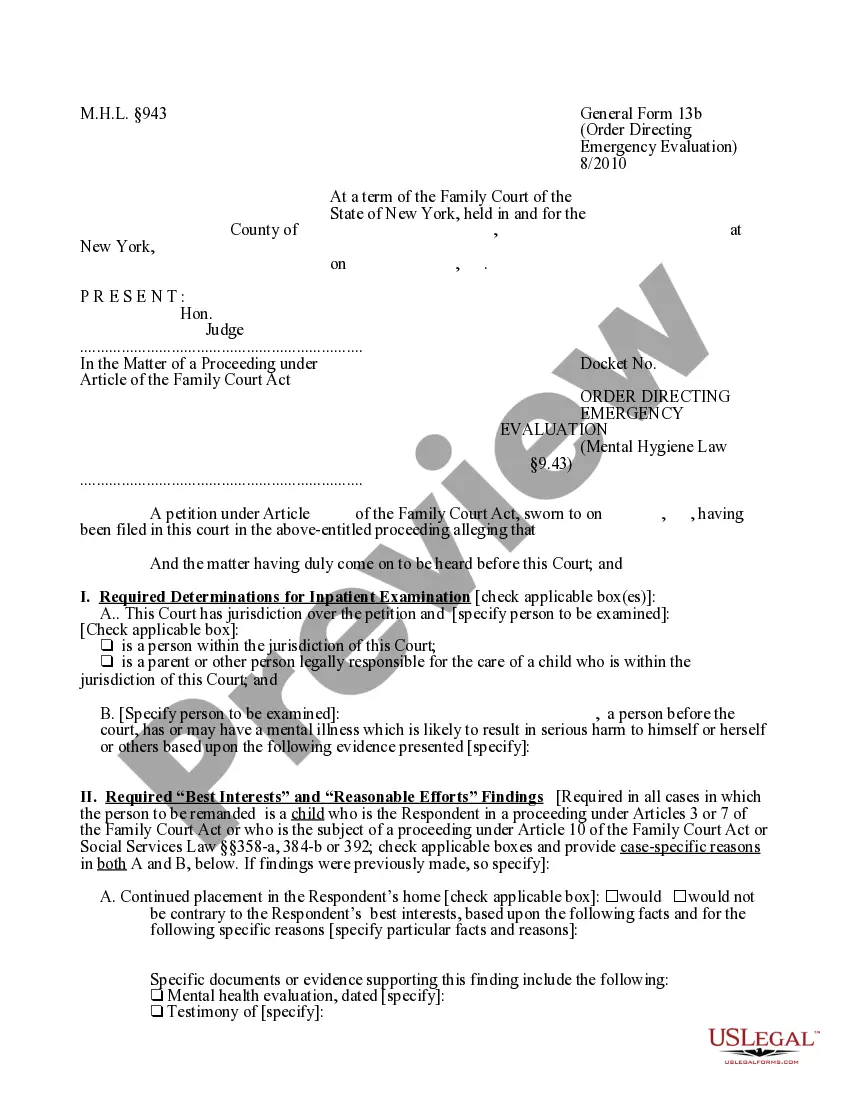
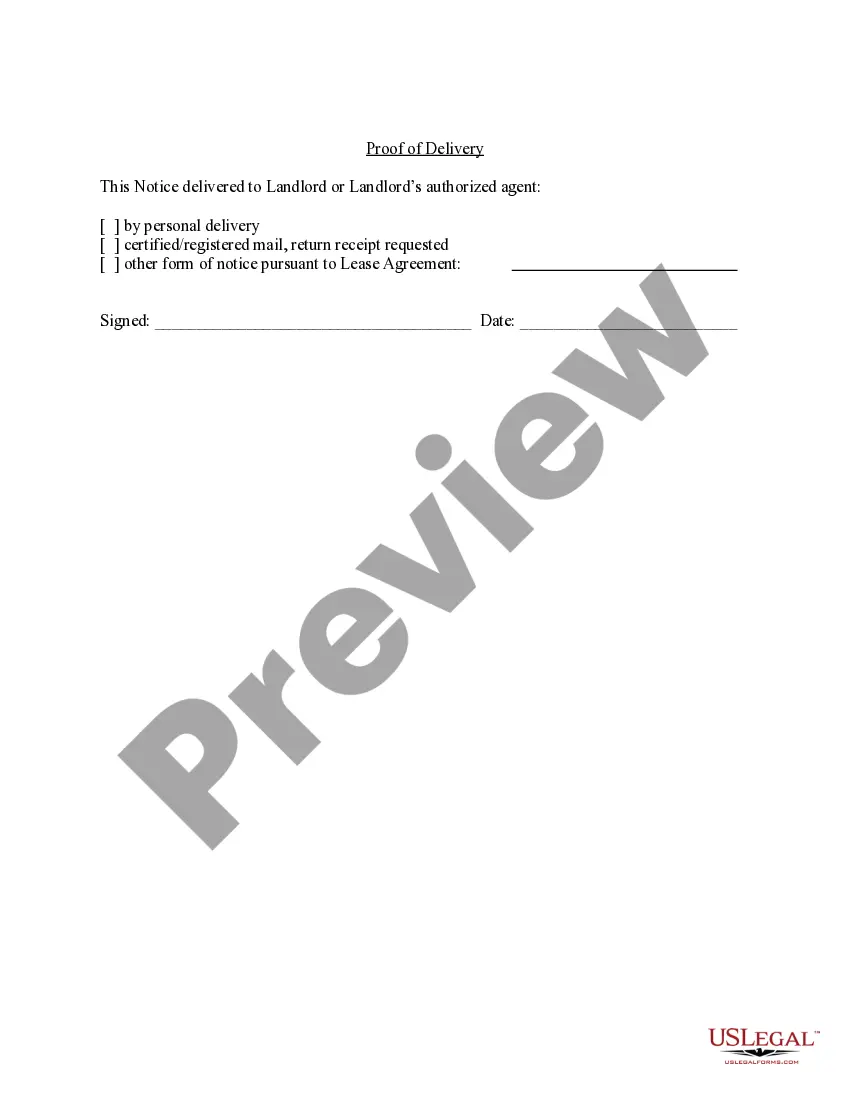
Connecticut Letter from Tenant to Landlord with Demand that landlord remove garbage and vermin from premises
What is this form?
This form is a Letter from Tenant to Landlord demanding the removal of garbage and vermin from the rental premises. It serves to inform the landlord about unsanitary conditions that breach the lease agreement. This form distinctly addresses issues related to cleanliness and safety, setting it apart from other tenant-related notices by focusing on specific health hazards.
Key parts of this document
- Tenant's name and contact information.
- Landlordâs name and contact information.
- A detailed description of the unsanitary conditions present on the property.
- A statement affirming that the conditions are not caused by the tenant.
- A formal request for immediate remediation of the identified issues.
- Notice regarding potential legal remedies if issues are not addressed.
- Date and signature of the tenant.

Common use cases
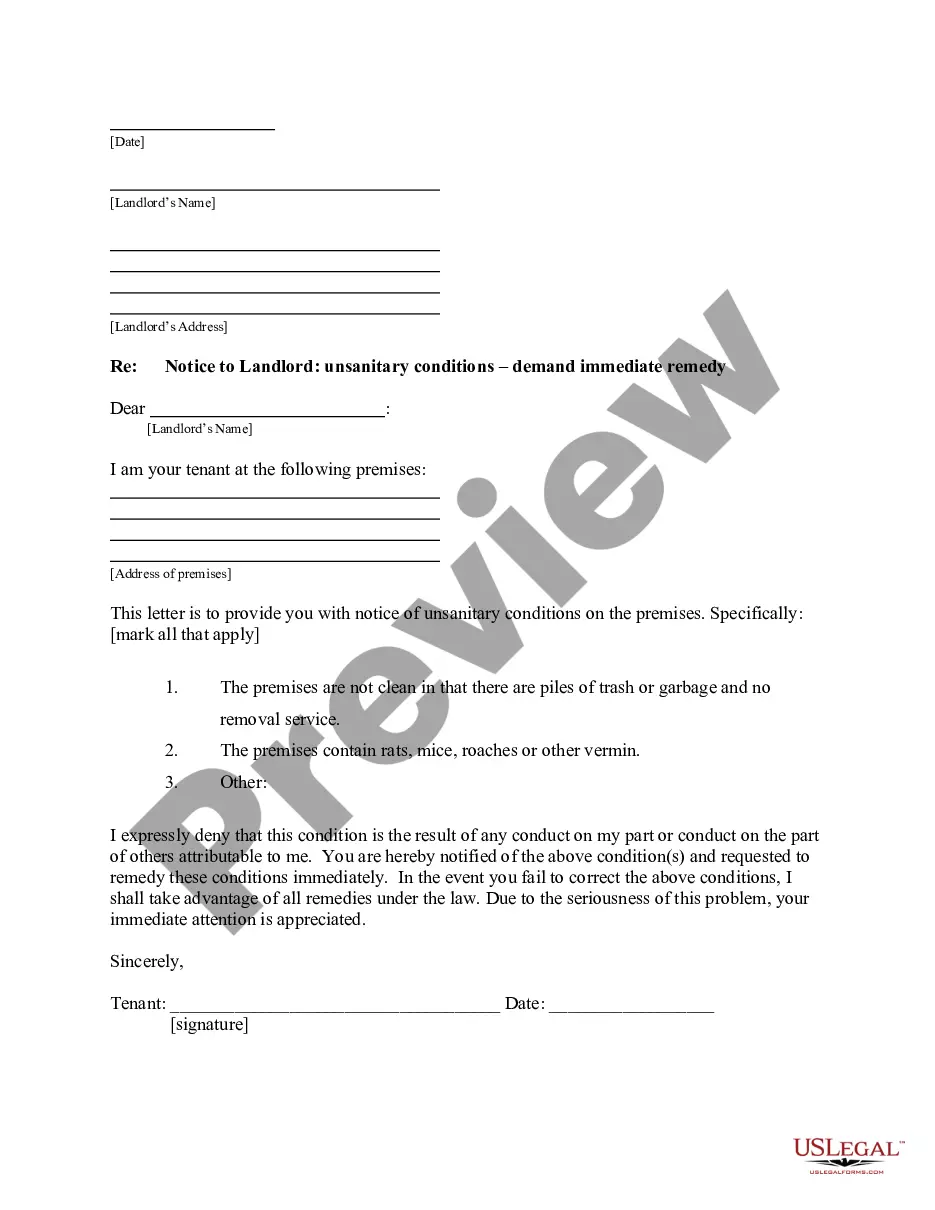
This form should be used when a tenant observes unsanitary conditions, such as excessive garbage or the presence of vermin, that pose health risks or violate the terms of the lease. It is critical to document such conditions formally, especially if prior verbal requests to the landlord have gone unanswered.
Who needs this form
Eligible users of this form include:
- Tenants residing in rental properties experiencing health hazards.
- Individuals who have notified their landlords about unsanitary conditions without receiving adequate response.
- People seeking to establish a formal record of their complaints before pursuing further legal action.
Steps to complete this form
To complete this form, follow these steps:
- Identify and enter your name and contact details at the top of the letter.
- Provide the landlord's name and address.
- Clearly specify the unsanitary conditions that need addressing.
- Include a statement denying responsibility for the conditions.
- Request immediate remediation and outline potential legal actions if not addressed.
- Sign and date the letter before delivering it to the landlord or their authorized agent.
Notarization requirements for this form
This form does not typically require notarization unless specified by local law. Tenants can use this letter as a formal and effective way to communicate urgent health concerns to their landlords without the need for notarization.
Get your form ready online
Our built-in tools help you complete, sign, share, and store your documents in one place.
Make edits, fill in missing information, and update formatting in US Legal Forms—just like you would in MS Word.
Download a copy, print it, send it by email, or mail it via USPS—whatever works best for your next step.
Sign and collect signatures with our SignNow integration. Send to multiple recipients, set reminders, and more. Go Premium to unlock E-Sign.
If this form requires notarization, complete it online through a secure video call—no need to meet a notary in person or wait for an appointment.
We protect your documents and personal data by following strict security and privacy standards.

Make edits, fill in missing information, and update formatting in US Legal Forms—just like you would in MS Word.

Download a copy, print it, send it by email, or mail it via USPS—whatever works best for your next step.

Sign and collect signatures with our SignNow integration. Send to multiple recipients, set reminders, and more. Go Premium to unlock E-Sign.

If this form requires notarization, complete it online through a secure video call—no need to meet a notary in person or wait for an appointment.

We protect your documents and personal data by following strict security and privacy standards.
Common mistakes to avoid
- Failing to document specific details about the unsanitary conditions.
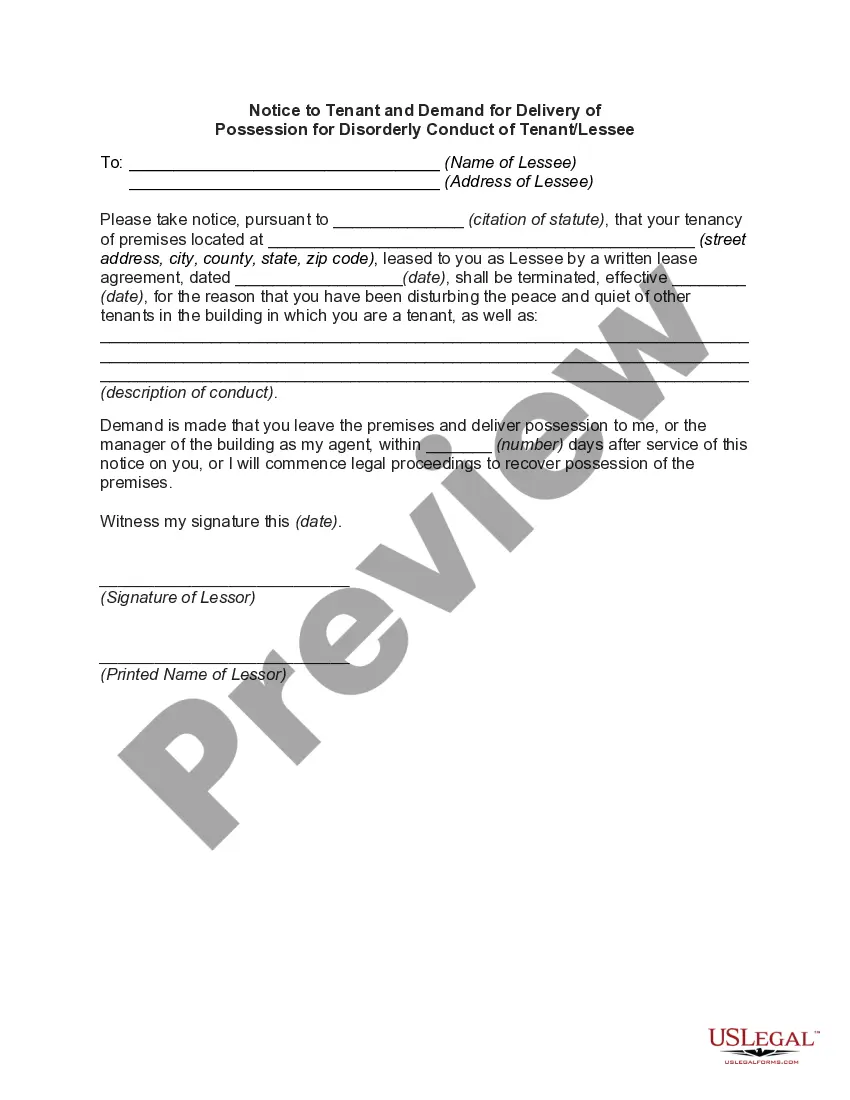
- Not delivering the letter through a traceable method.
- Omitting the date and signature, which are critical for legal purposes.
- Using vague language instead of being clear and direct in the demand.
- Assuming verbal communication is sufficient without formal documentation.
Benefits of using this form online
- Convenience of downloading and filling out the form online.
- Accessibility to templates drafted by licensed attorneys for legal accuracy.
- Editable fields allow you to customize the document to your situation.
- Immediate availability ensures that you can act swiftly when issues arise.
- This letter serves as a formal record of the tenant's request for repairs.
- Failure to respond may strengthen the tenantâs position in any future legal disputes.
- It is advisable to keep a copy of the letter and proof of delivery for reference.
Quick recap
- The form is essential for tenants seeking to address unsafe conditions.
- Immediate action from the landlord is legally demanded through this written notice.
- Proper completion and delivery enhance the tenant's legal standing.
Looking for another form?

Form popularity
FAQ
Harassment in Connecticut involves any unwelcome behavior that causes distress or alarm to another person. It includes actions that invade someone's privacy or create a hostile environment. If you feel harassed, document your experiences and consider speaking to legal professionals for guidance. Should this involve property issues like garbage or vermin, a Connecticut Letter from Tenant to Landlord with Demand that landlord remove garbage and vermin from premises is an effective communication tool.
Landlord harassment in Connecticut is characterized by behaviors that infringe on a tenant's right to peaceful enjoyment of their home. This includes actions like frequent and unauthorized entries, threats, or retaliatory eviction attempts. If you feel your landlord is harassing you, you should gather evidence and seek legal advice. You can also send a Connecticut Letter from Tenant to Landlord with Demand that landlord remove garbage and vermin from premises to assert your rights.
Landlord harassment in Connecticut includes actions that make tenants feel uncomfortable in their homes, like excessive entry without notice, intimidation, and threats of raising rent. Such behaviors violate tenant rights and can lead to legal consequences for the landlord. If you believe you are experiencing harassment, it’s essential to document incidents and communicate formally. A Connecticut Letter from Tenant to Landlord with Demand that landlord remove garbage and vermin from premises can serve as a clear warning.
Harassment by a tenant against a landlord can manifest as non-payment of rent, causing damage to property, or repeatedly contacting the landlord inappropriately. These actions can create a hostile environment and impede normal operations. It's crucial for tenants to communicate their grievances respectfully. If you face pest issues, use a Connecticut Letter from Tenant to Landlord with Demand that landlord remove garbage and vermin from premises to express concerns properly.
In Connecticut, a landlord must provide a tenant with at least 30 days' notice to move out, depending on the lease agreement. This notice period allows tenants to find a new place and prepare for the transition. Always check your lease terms, as they may specify longer notice periods. If your landlord neglects issues like garbage and vermin, you might address this with a Connecticut Letter from Tenant to Landlord with Demand that landlord remove garbage and vermin from premises before proceeding.
Yes, landlords are generally responsible for pest control in Connecticut. They must maintain the property in a livable condition, which includes managing vermin and other infestations. If pests appear due to neglect, the landlord should address this issue promptly. You may consider sending a Connecticut Letter from Tenant to Landlord with Demand that landlord remove garbage and vermin from premises to formally request necessary interventions.
In Connecticut, you can sue your landlord for various issues, including negligence, failure to maintain the property, and breach of lease terms. If a landlord fails to address health hazards like garbage accumulation or pest infestations, you can demand remedies through legal action. Document all your complaints and interactions, as they will support your case. A well-crafted Connecticut Letter from Tenant to Landlord with Demand that landlord remove garbage and vermin from premises is an effective way to communicate your grievances.
Yes, you can sue your landlord for emotional distress in Connecticut if their actions severely impact your well-being. In cases where a landlord neglects their duties, leading to serious living conditions, such as garbage and vermin issues, you have a valid claim. It's advisable to document all communications and conditions to strengthen your case. A Connecticut Letter from Tenant to Landlord with Demand that landlord remove garbage and vermin from premises can also help establish your concerns.
In Ohio, landlords have various duties, including maintaining the property, ensuring it is habitable, and complying with local housing codes. They must also make necessary repairs in a timely manner. For tenants dealing with issues like garbage and vermin, it's advisable to communicate these concerns effectively, possibly through a Connecticut Letter from Tenant to Landlord with Demand that landlord remove garbage and vermin from premises.
To write a letter for removing a tenant, include specific details about the situation, lease terms, and any relevant violations. Clearly state the reason for the removal, provide a timeline for vacating, and outline any necessary next steps. For effective communication, adapting the format of a Connecticut Letter from Tenant to Landlord with Demand that landlord remove garbage and vermin from premises can make the process smoother.