Colorado Residential Real Estate Sales Disclosure Statement
About this form
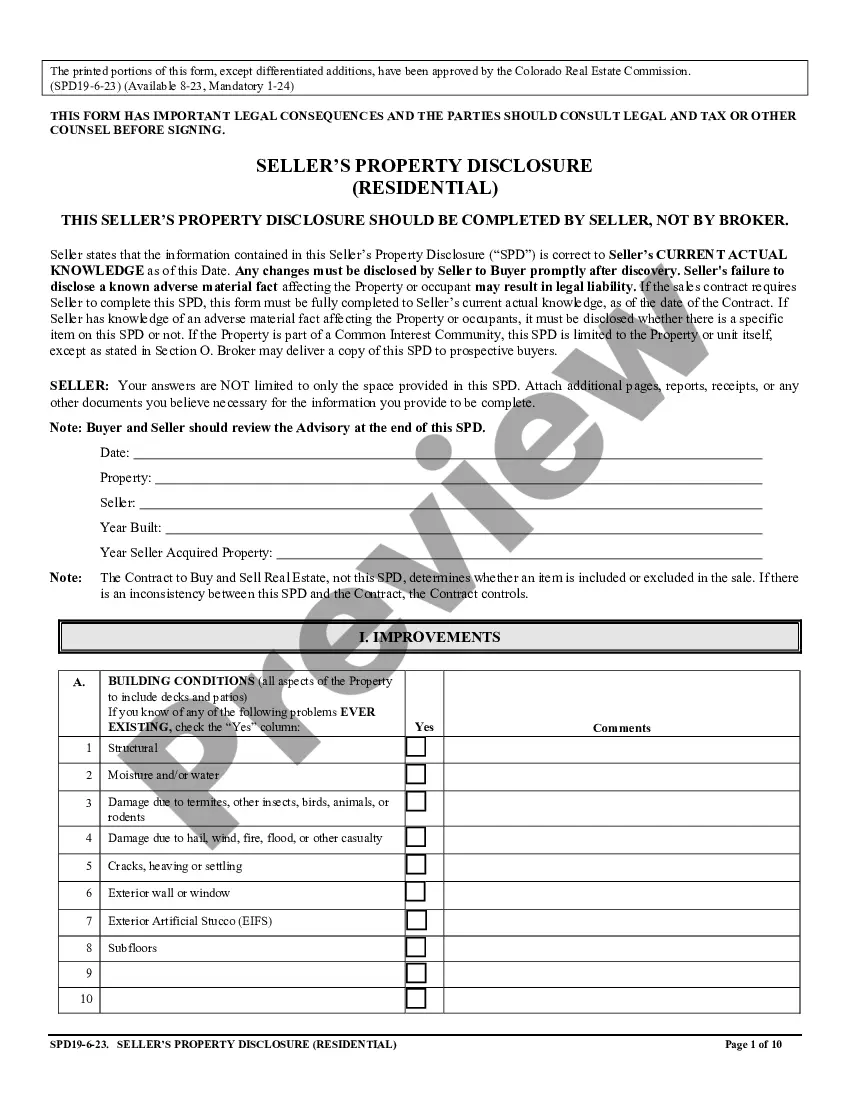
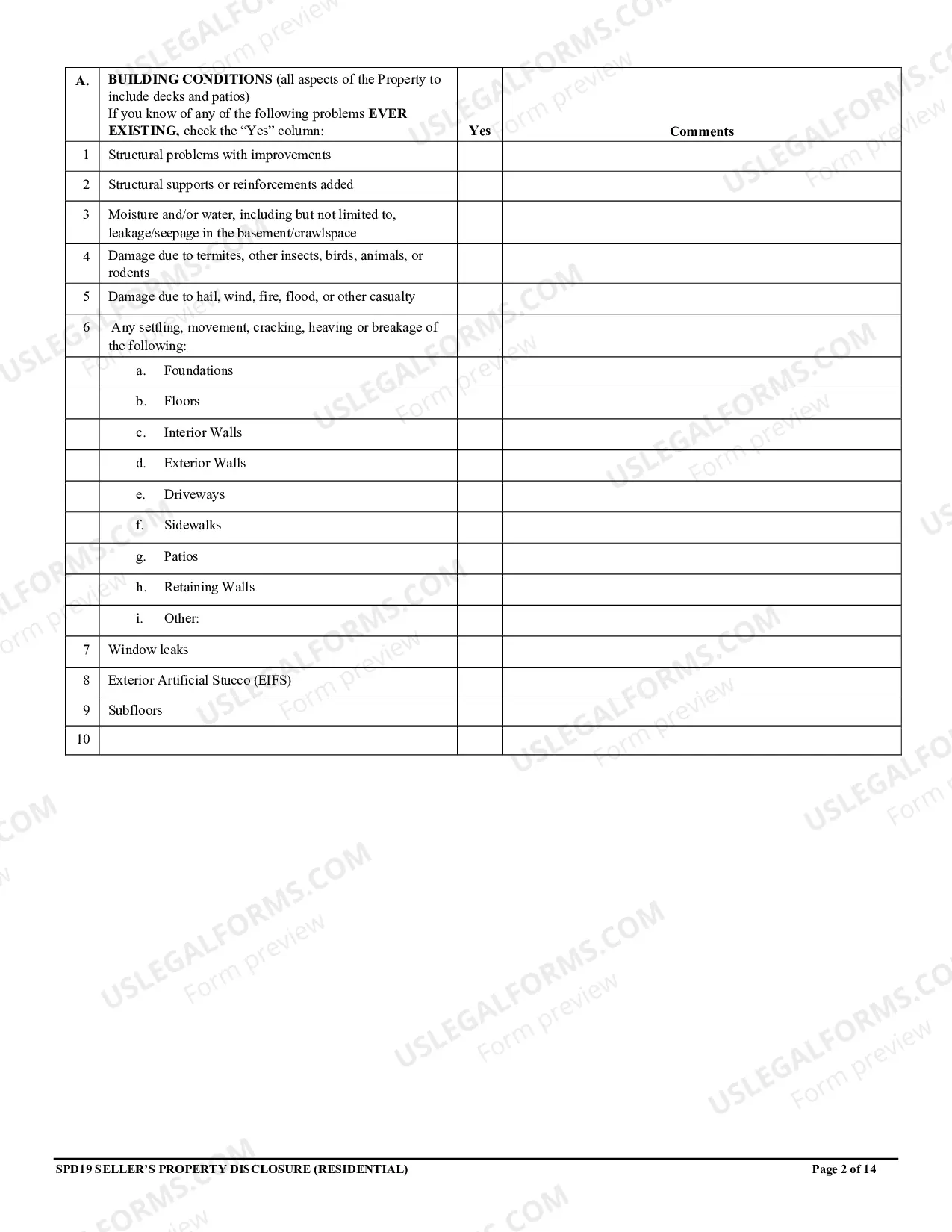
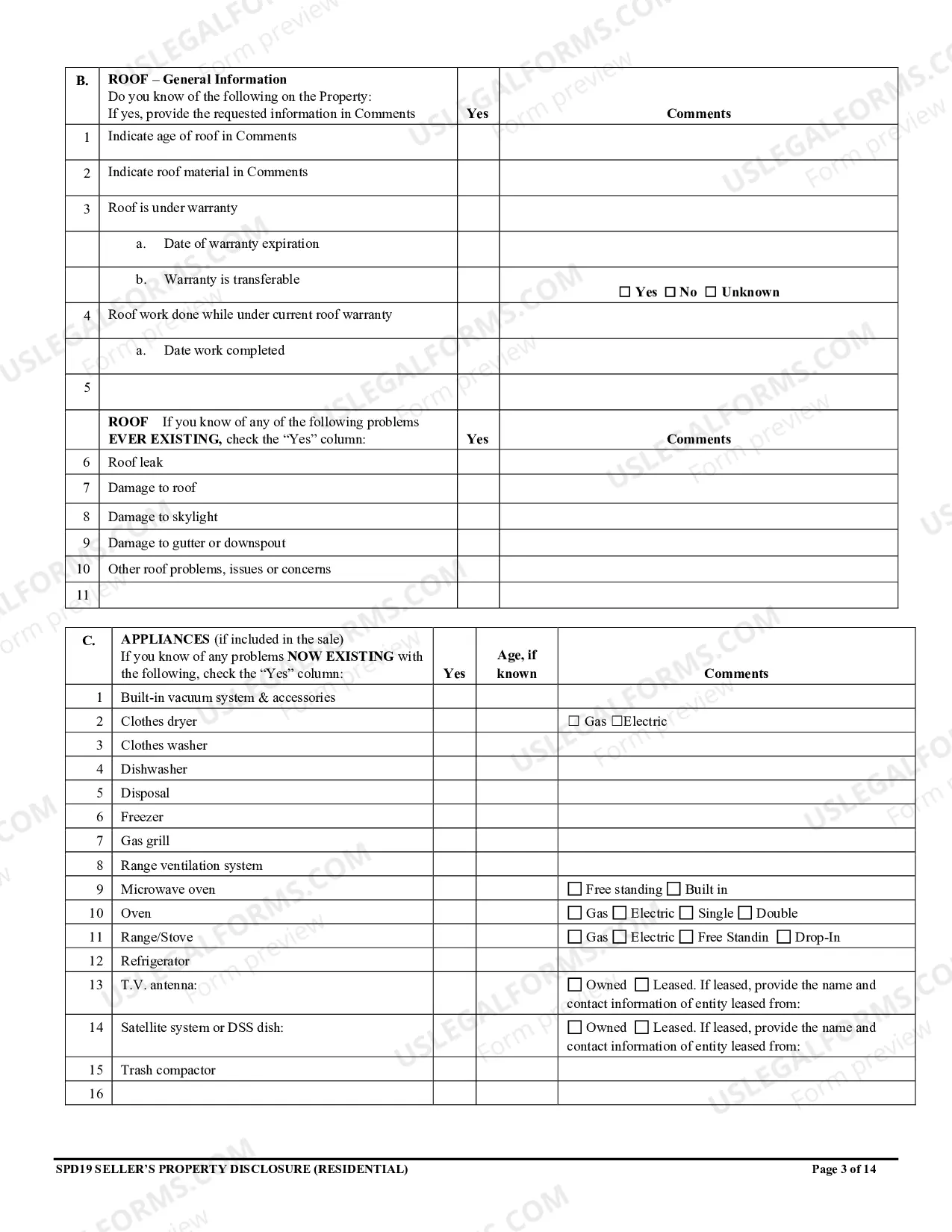
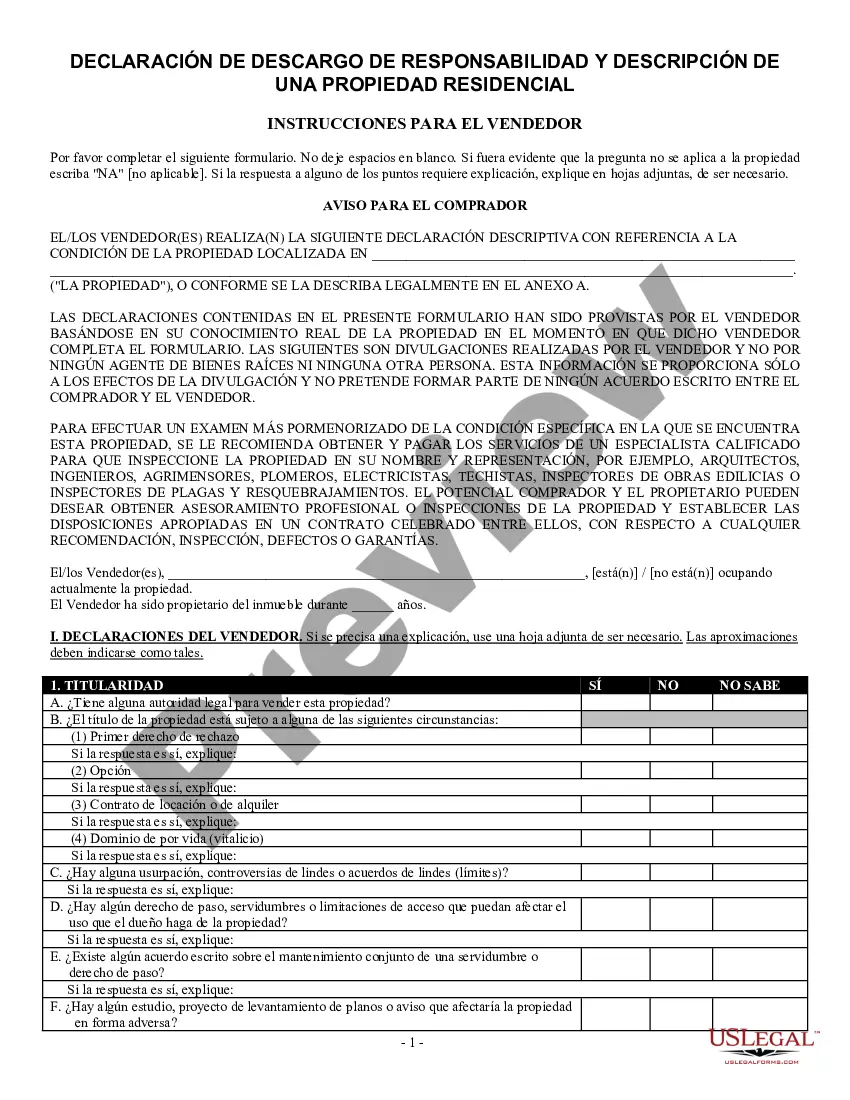
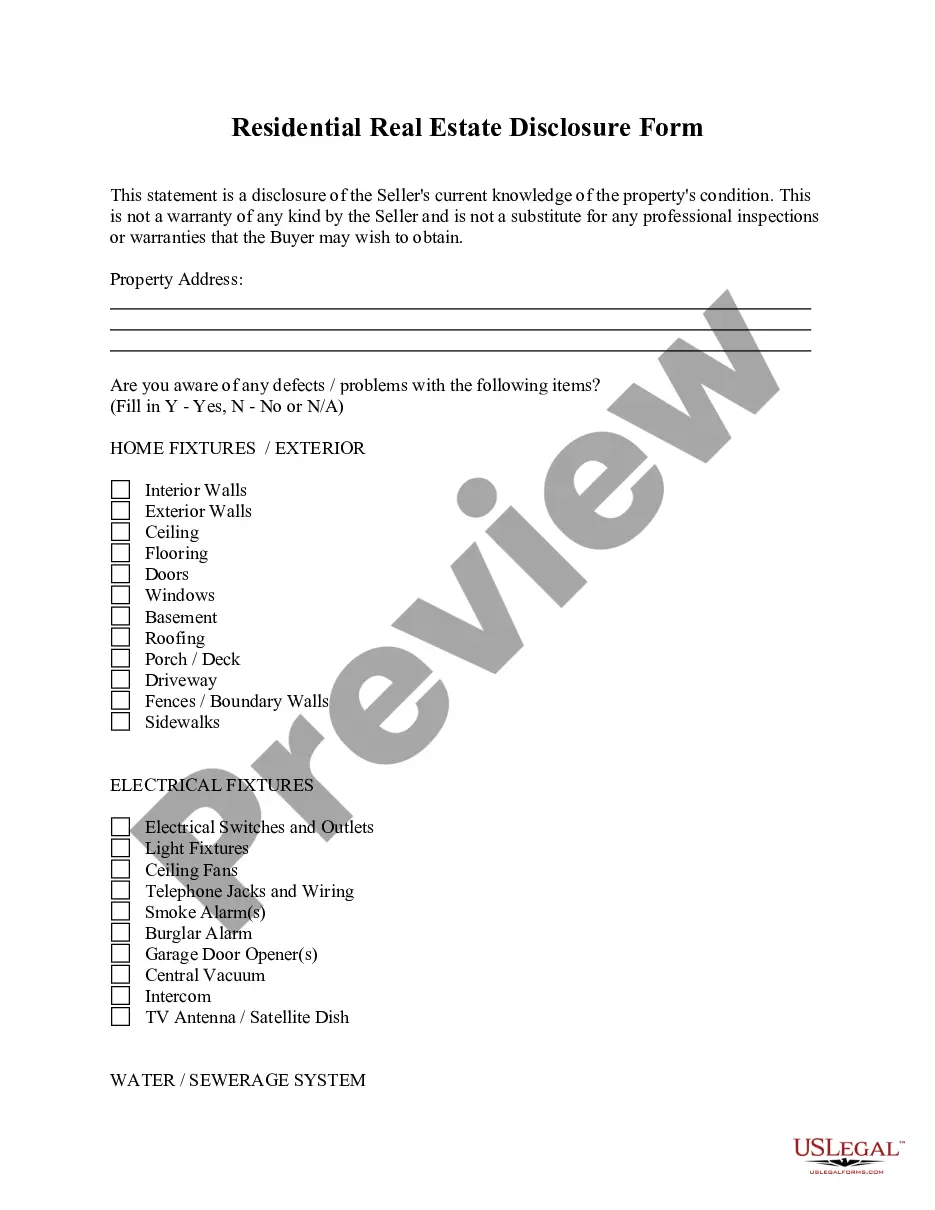
The Residential Real Estate Sales Disclosure Statement is a legal document designed for sellers in Colorado to disclose the condition of their property to potential buyers. This form helps ensure transparency in residential transactions by requiring sellers to provide complete and accurate information regarding the property's condition, including any known issues that could affect its value or safety. Unlike other general sales agreements, this disclosure focuses specifically on property defects, history, and the seller's knowledge, making it crucial for both parties involved in the sale.
Key components of this form
- Seller's affirmations about property conditions and any known defects.
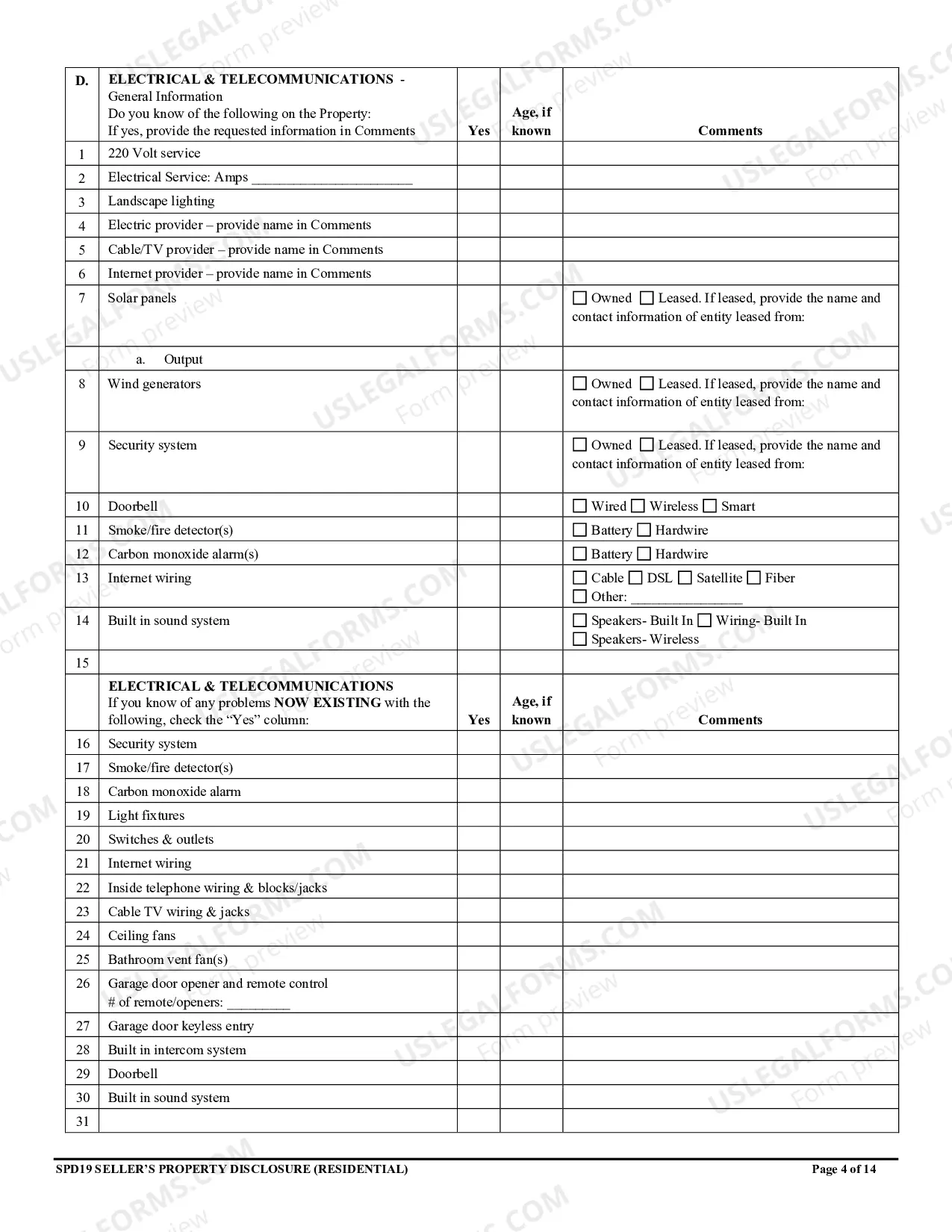
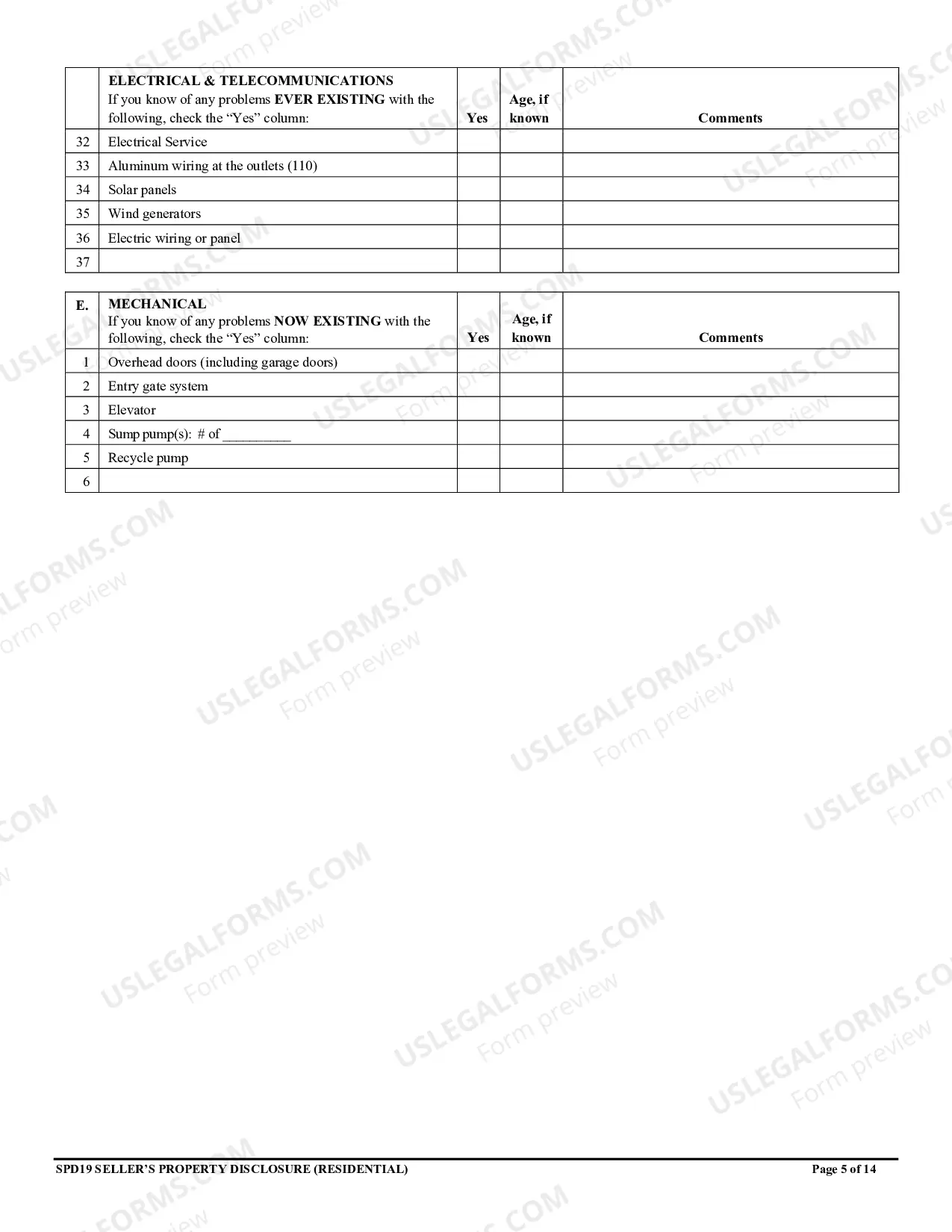
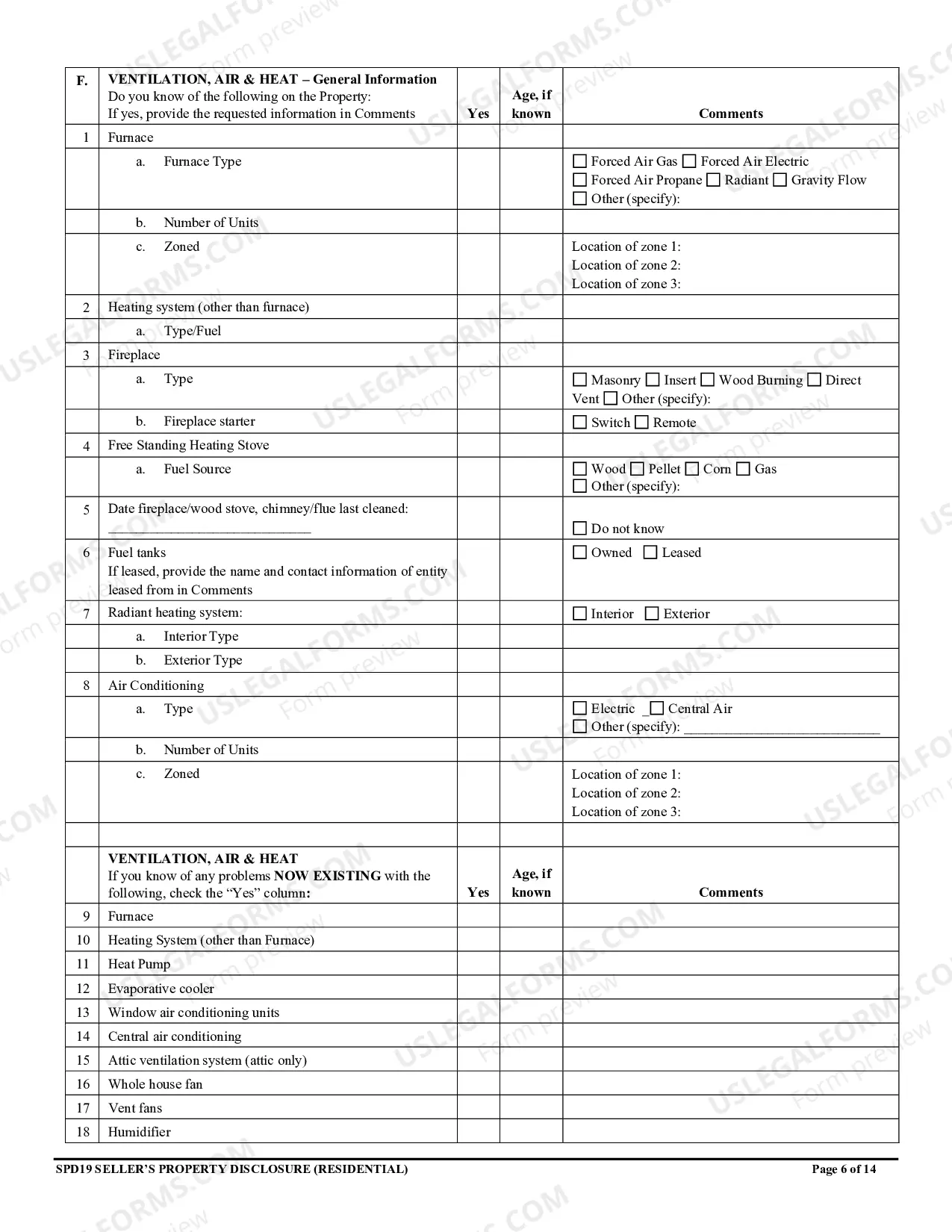
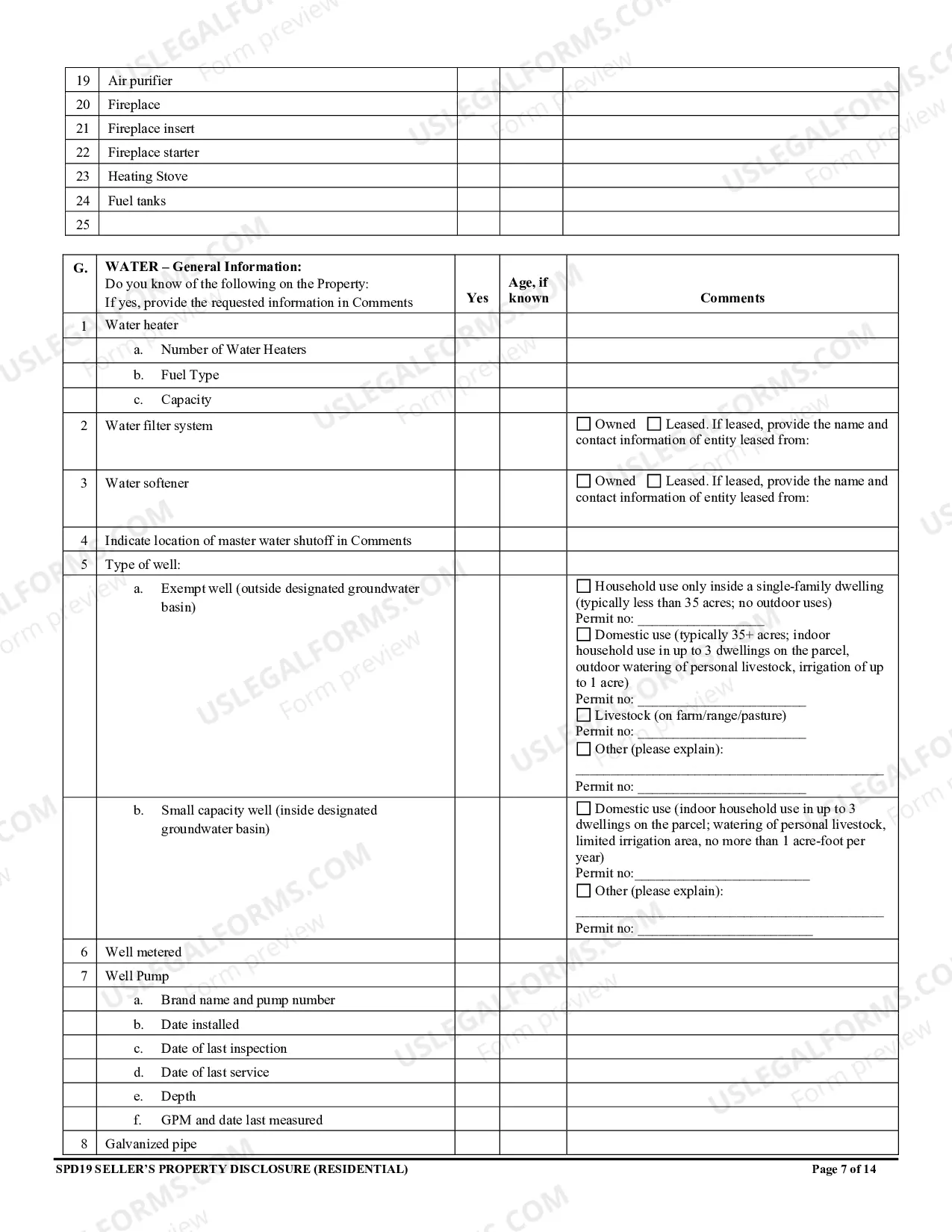
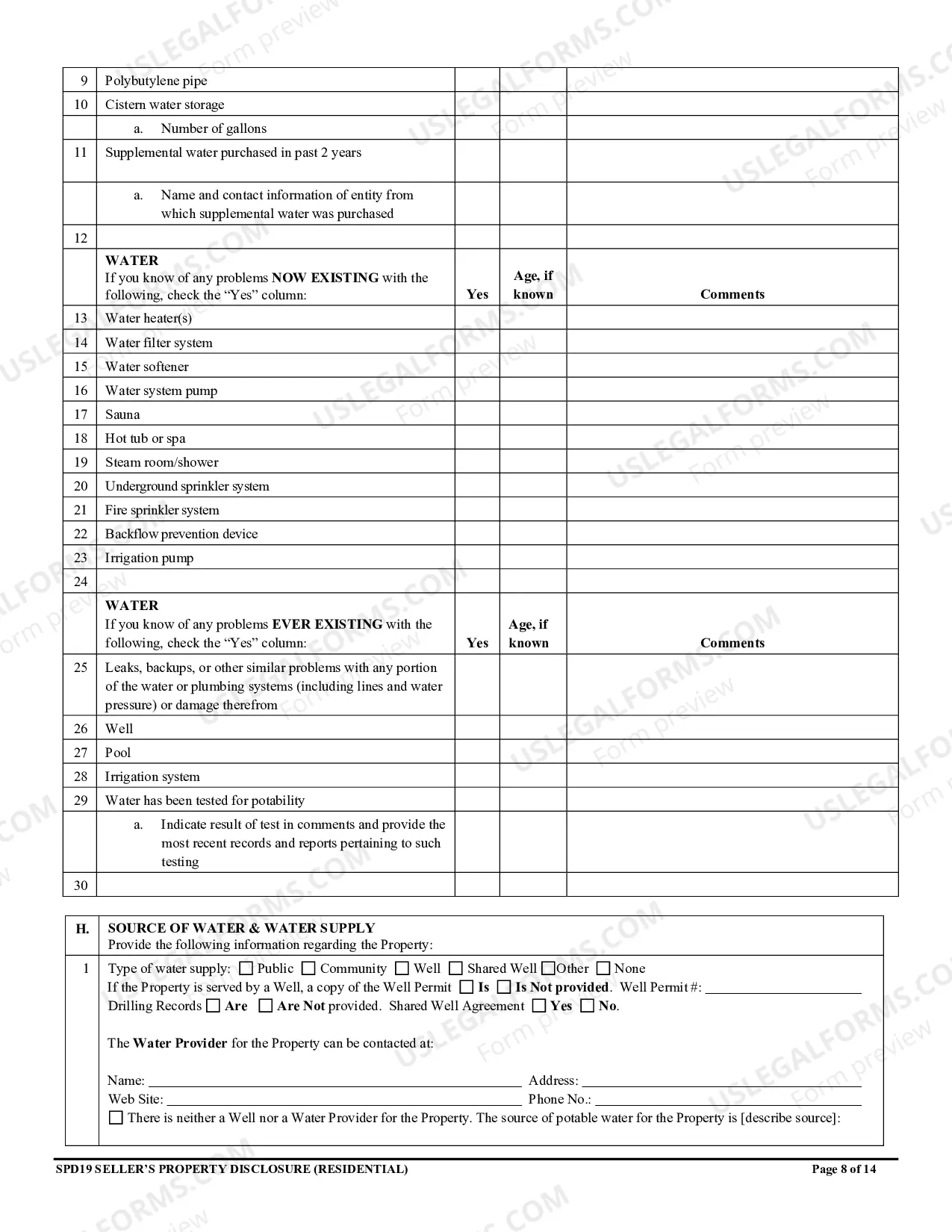
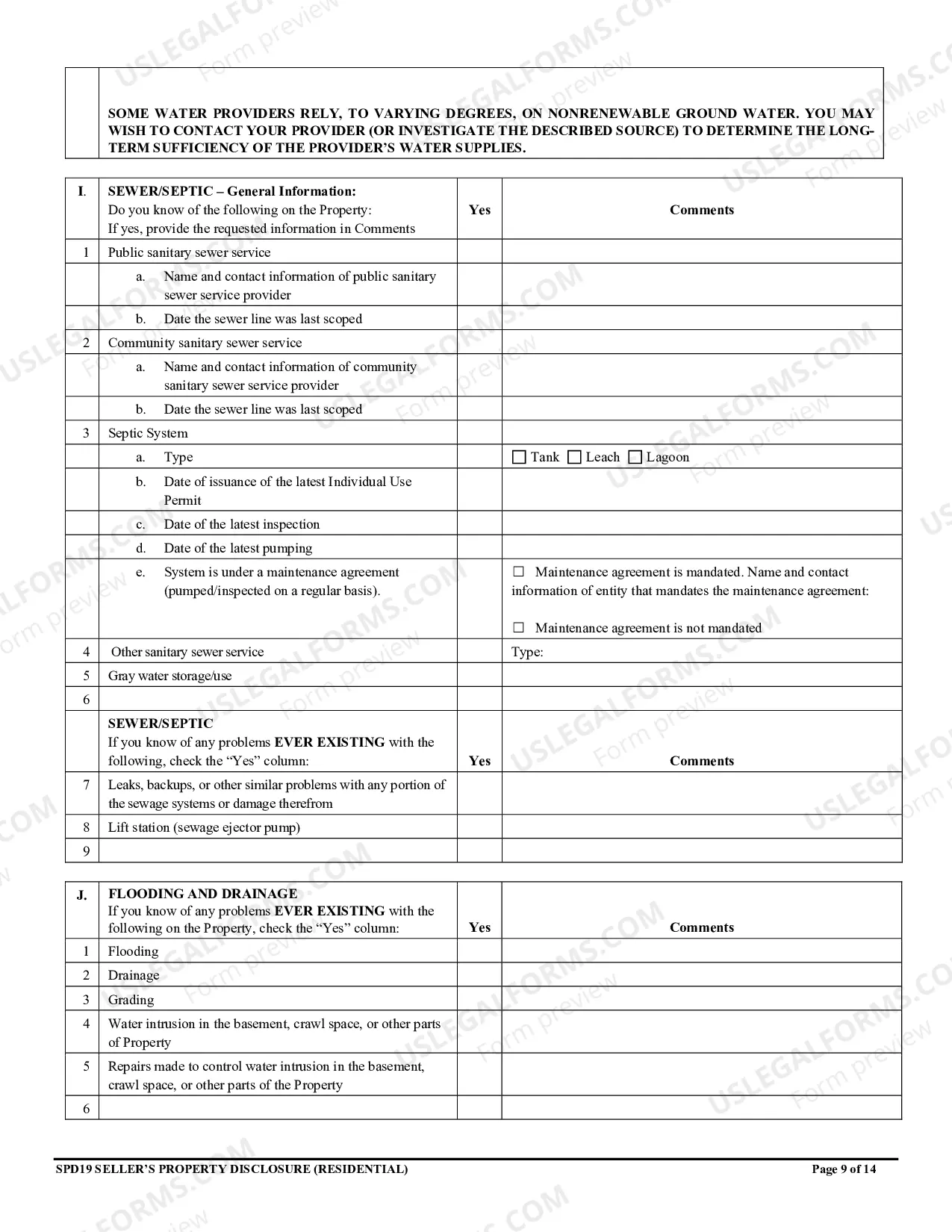
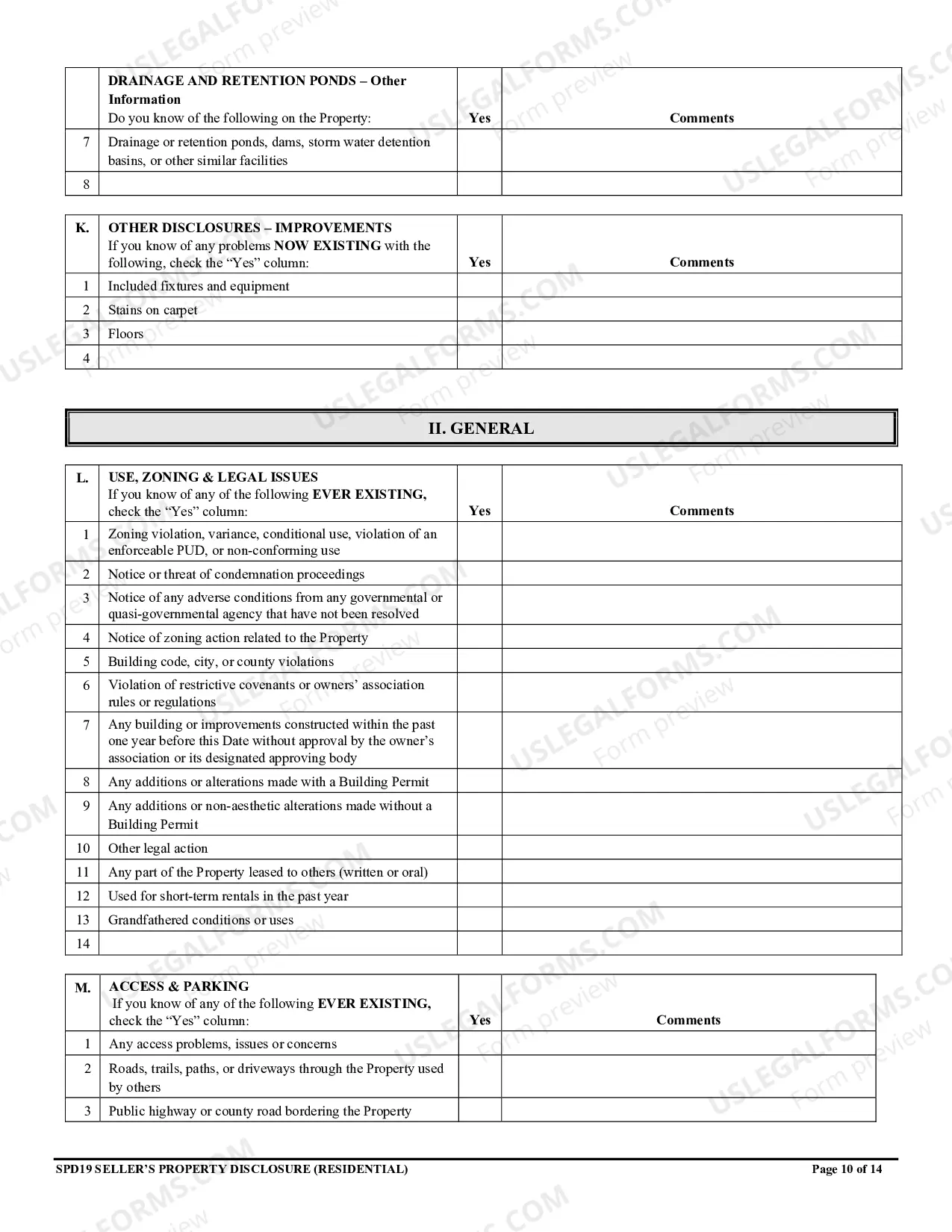
- Detailed fields covering aspects such as structural integrity, roof conditions, and mechanical systems.
- Disclosure of zoning issues, legal conflicts, and environmental concerns.
- Provision for attaching additional information or documents if needed.
- Acknowledgment and signature sections for both the seller and buyer.
Situations where this form applies
This form should be used when selling a residential property in Colorado. It is a necessary part of the real estate transaction process to protect both the seller and buyer. Sellers must complete the form before listing the property, and it may also be required as part of the purchase contract. This disclosure is essential to inform potential buyers of any known issues, thereby preventing possible disputes or legal ramifications after the sale.
Who needs this form
- Sellers of residential real estate in Colorado.
- Real estate agents or brokers assisting sellers with property transactions.
- Buyers looking for comprehensive information about the property they are interested in purchasing.
- Legal or tax advisors providing counsel to either sellers or buyers regarding the purchase or sale of residential property.
How to prepare this document
- Identify the parties involved by entering the seller's name and property address at the top of the form.
- Carefully read each section and provide truthful answers regarding the propertyâs condition, marking "yes" or "no" where appropriate.
- Attach any necessary documents, reports, or additional pages to clarify any details about property conditions.
- Ensure all areas of the form are complete, focusing particularly on known issues and previously made repairs.
- Have both the seller and buyer sign and date the form to acknowledge its contents before submitting it as part of the sales contract.
Notarization requirements for this form
This form does not typically require notarization unless specified by local law. Sellers and buyers should check applicable state regulations to confirm if notarization is necessary for their transaction.
Get your form ready online
Our built-in tools help you complete, sign, share, and store your documents in one place.
Make edits, fill in missing information, and update formatting in US Legal Forms—just like you would in MS Word.
Download a copy, print it, send it by email, or mail it via USPS—whatever works best for your next step.
Sign and collect signatures with our SignNow integration. Send to multiple recipients, set reminders, and more. Go Premium to unlock E-Sign.
If this form requires notarization, complete it online through a secure video call—no need to meet a notary in person or wait for an appointment.
We protect your documents and personal data by following strict security and privacy standards.

Make edits, fill in missing information, and update formatting in US Legal Forms—just like you would in MS Word.

Download a copy, print it, send it by email, or mail it via USPS—whatever works best for your next step.

Sign and collect signatures with our SignNow integration. Send to multiple recipients, set reminders, and more. Go Premium to unlock E-Sign.

If this form requires notarization, complete it online through a secure video call—no need to meet a notary in person or wait for an appointment.

We protect your documents and personal data by following strict security and privacy standards.
Common mistakes to avoid
- Failing to disclose known issues, which could lead to legal consequences.
- Incompleteness, such as leaving sections blank or unclear answers.
- Not attaching relevant documents or additional pages that could provide more context.
- Overlooking the signature and date fields, making the form invalid.
Benefits of completing this form online
- Convenience of downloading and filling out the form from anywhere.
- Editability that allows sellers to update their disclosures as needed easily.
- Secure and reliable access to legal documents ensuring compliance with local laws.
Looking for another form?

Form popularity
FAQ
The closing disclosure is typically provided by the lender handling the transaction, but it is also essential for the seller to receive a copy. This document details the final terms and costs associated with the mortgage and sale. Understanding the closing disclosure helps maintain clarity in the transaction process. If you have questions about the Colorado Residential Real Estate Sales Disclosure Statement, consider leveraging the resources available through USLegalForms to streamline your understanding of required documents.
To access a seller disclosure, you can start by contacting your real estate agent who can guide you through the required documents. Additionally, various online platforms, including USLegalForms, offer templates and guidance tailored to your state's regulations. If you're in Colorado, understanding the Colorado Residential Real Estate Sales Disclosure Statement is vital for both buyers and sellers. It provides essential details about the property, ensuring you are well-informed before the transaction.
In New Jersey, the seller is required to provide a disclosure statement that outlines the condition of the property. This is critical for ensuring transparency during the transaction process. While it is not as formalized as the Colorado Residential Real Estate Sales Disclosure Statement, it serves a similar purpose in informing buyers about property status. You can access reliable resources for tips and templates on platforms like USLegalForms.
Another common name for a seller's disclosure is the seller's property disclosure statement. This document fulfills the same purpose of informing potential buyers about the property's condition and any relevant issues. It fosters transparency and helps facilitate a smoother transaction process.
You can find your seller disclosure by contacting your real estate agent or the seller directly. These documents are typically provided during the home buying process. If you're looking for a structured approach, platforms like US Legal Forms can assist you in obtaining the necessary disclosures for your transactions.
The absence of a seller disclosure can raise concerns for buyers and may indicate potential issues with the property. Without this document, buyers lack vital information that could affect their decision-making. It is wise to proceed with caution and consider seeking legal advice if a seller fails to provide this disclosure.
Indeed, a seller disclosure is mandated in Colorado for residential real estate transactions. This form serves as a critical tool for buyers, offering insights into any known issues with the property. It promotes accountability and helps prevent future disputes concerning the property's condition.
Yes, a seller's property disclosure is required in Colorado for most residential transactions. This requirement is designed to protect both buyers and sellers by ensuring transparency about the property's condition. Failure to provide this disclosure may lead to legal complications or disputes post-sale.
In Colorado, pertinent facts for a seller's disclosure may include issues related to water damage, roof repairs, environmental hazards, and any major renovations. The Colorado Residential Real Estate Sales Disclosure Statement requires sellers to disclose known defects that might affect the property's value or safety. Providing accurate information helps build trust with potential buyers.
You can access the seller disclosure by requesting it directly from the seller or through your real estate agent during the home buying process. Additionally, some online platforms may provide access to residential property disclosure statements. It's important to review this information thoroughly before proceeding with the sale.