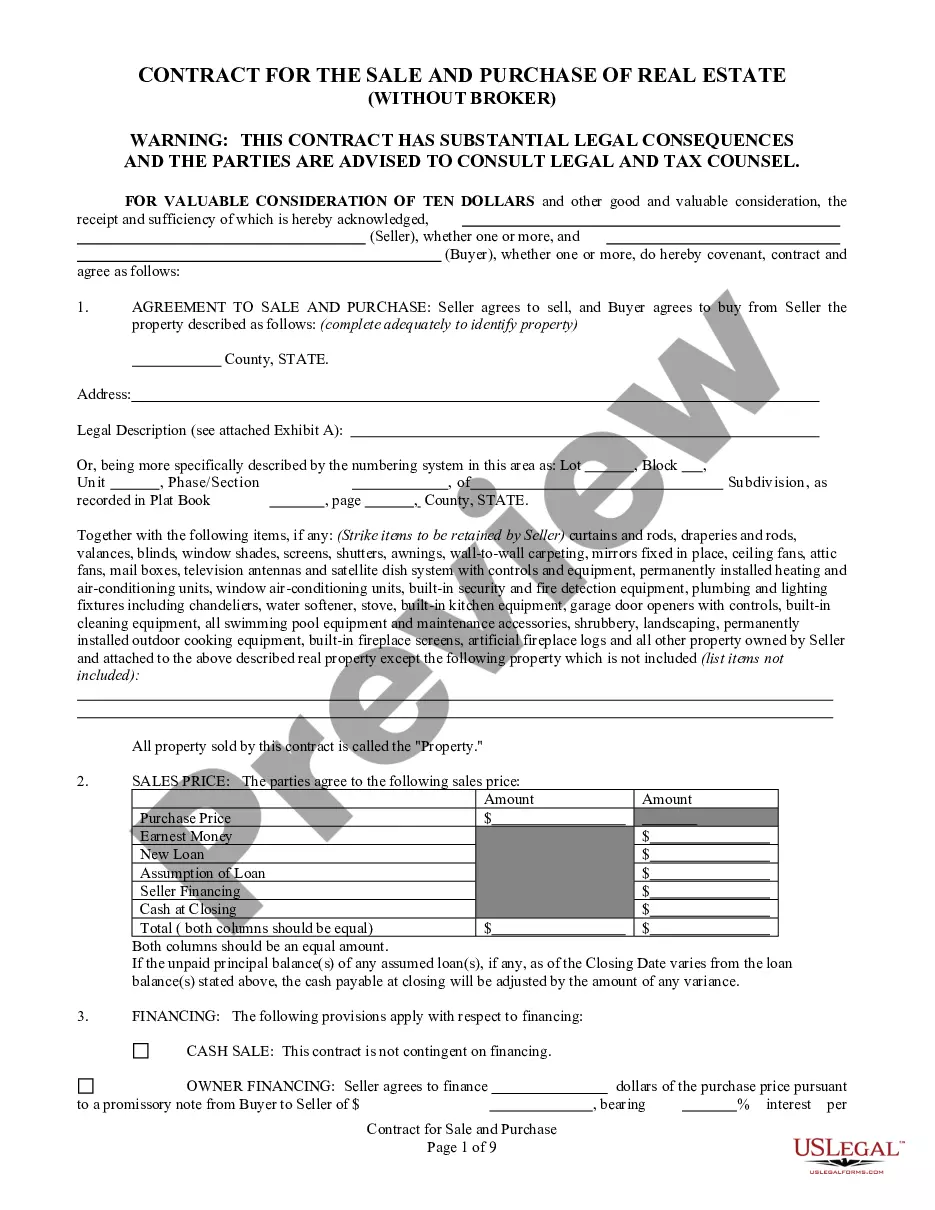
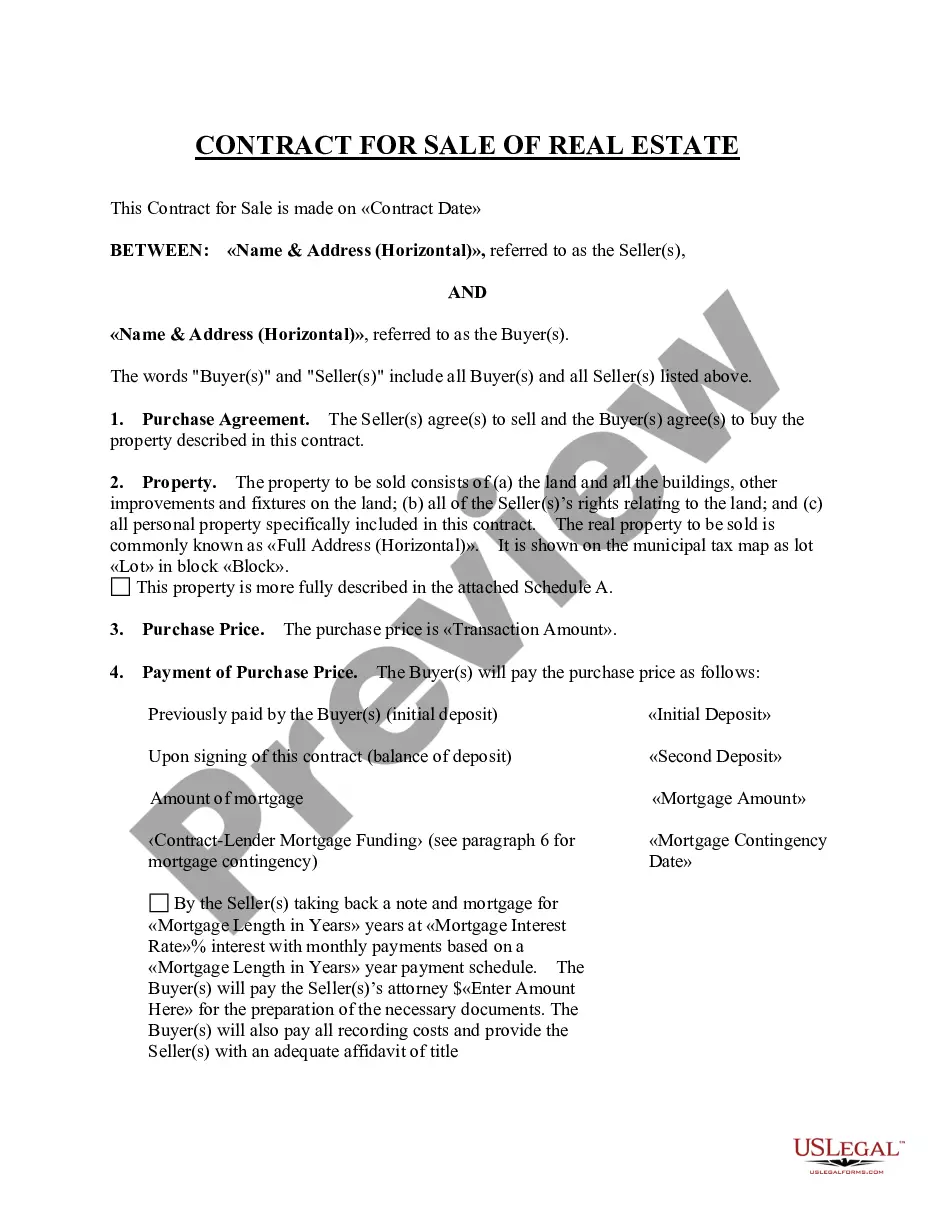
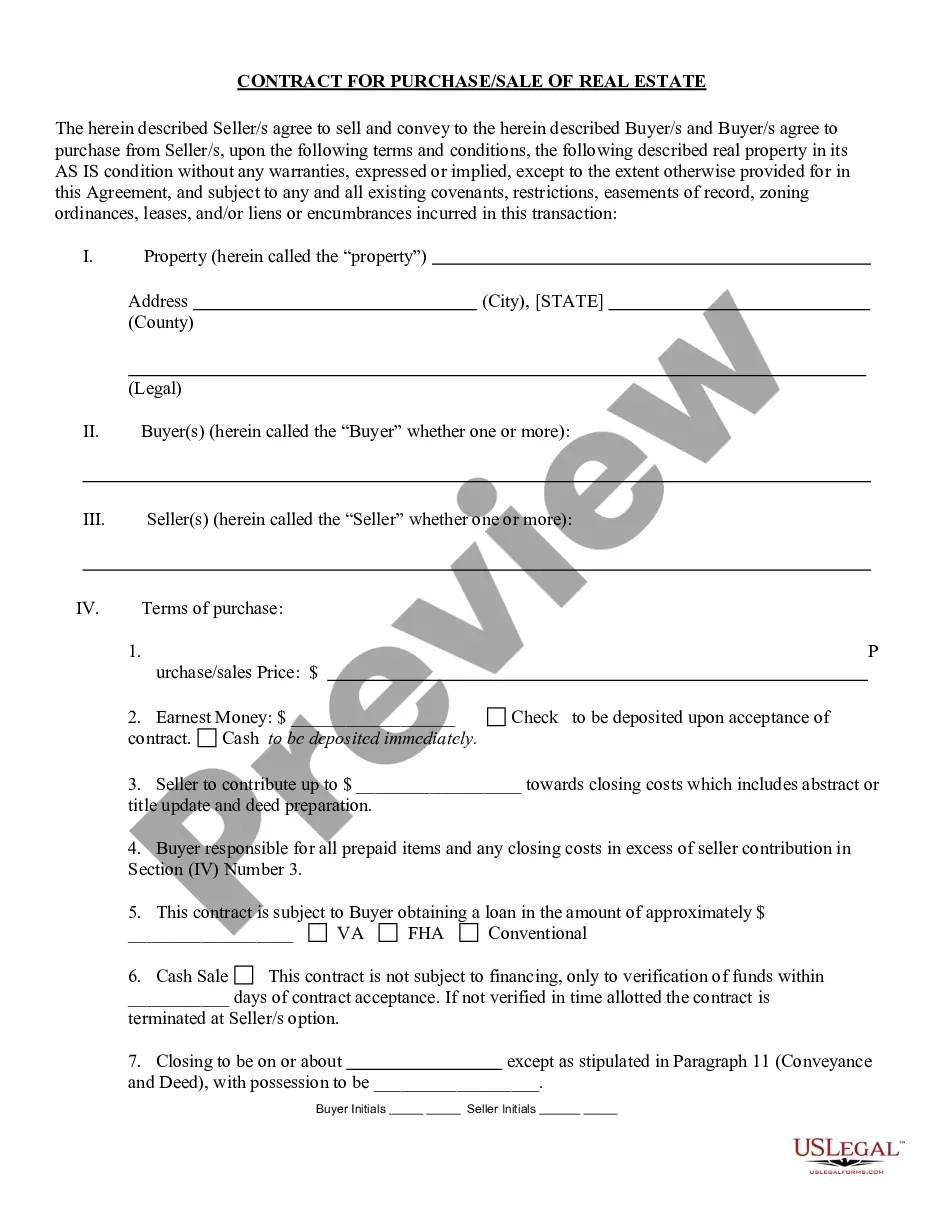
Colorado Contract for Sale and Purchase of Real Estate with No Broker for Residential Home Sale Agreement


Notarization requirements for this form
In most cases, this form does not require notarization. However, some jurisdictions or signing circumstances might. US Legal Forms offers online notarization powered by Notarize, accessible 24/7 for a quick, remote process.
Get your form ready online
Our built-in tools help you complete, sign, share, and store your documents in one place.
Make edits, fill in missing information, and update formatting in US Legal Forms—just like you would in MS Word.
Download a copy, print it, send it by email, or mail it via USPS—whatever works best for your next step.
Sign and collect signatures with our SignNow integration. Send to multiple recipients, set reminders, and more. Go Premium to unlock E-Sign.
If this form requires notarization, complete it online through a secure video call—no need to meet a notary in person or wait for an appointment.
We protect your documents and personal data by following strict security and privacy standards.

Make edits, fill in missing information, and update formatting in US Legal Forms—just like you would in MS Word.

Download a copy, print it, send it by email, or mail it via USPS—whatever works best for your next step.

Sign and collect signatures with our SignNow integration. Send to multiple recipients, set reminders, and more. Go Premium to unlock E-Sign.

If this form requires notarization, complete it online through a secure video call—no need to meet a notary in person or wait for an appointment.

We protect your documents and personal data by following strict security and privacy standards.
Looking for another form?
Form popularity
FAQ
A buyer broker agreement is not strictly required in Colorado but is often recommended for clarity and legal protection. This agreement defines the relationship between the buyer and the broker, detailing the responsibilities of both parties. It’s beneficial to have one in place to ensure everyone's interests are aligned during the buying process.
In Colorado, you can own a real estate company without being a licensed broker, but you will need to hire licensed brokers to manage transactions. This allows you to focus on the business aspect while ensuring compliance with state laws. It’s essential to have the right agreements in place to facilitate smooth operations.
The most common complaints against realtors often relate to issues of misrepresentation or failure to disclose material facts. Homeowners sometimes feel that their agents did not adequately represent their interests. Understanding how to navigate the selling process yourself can minimize reliance on realtors and potential complaints.
Appreciation. Market rate co-ops tend to not rise in value as rapidly as condos. Low-income co-ops (which have lower purchase prices and income restrictions) also appreciate at a limited rate.
The main advantage of buying a co-op is that they are more affordable and cheaper to buy than a condo. This is one reason this type of housing is popular in cities with a high cost of living. What's more is that you typically get better square footage for your money.
Co-ops tend to be cheaper per square foot. They typically offer buyers more control as an individual shareholder and often have lower closing costs.A co-op owner's monthly fee can include payments for the building's underlying mortgage and property taxes, amenities, maintenance, utilities and security.
The main advantage of purchasing a co-op is that they are often cheaper to buy than a condo. Co-ops are typically more financially stable.Co-ops are typically going to be a higher owner occupancy rate. You can typically get better square footage for your money.
Condos often cost more, but allow a greater degree of freedom and flexibility than co-ops, and an easier approval process. With co-ops you can save on closing costs, afford more square footage and have lesser monthly fees, but you may loose the flexibility that is offered by condos.
When you buy a co-op, you don't buy the unit itself. You purchase shares that grant you the right to live in the unit.While market-rate co-ops accumulate equity much like single-family homes, limited- and zero-equity co-ops restrict your ability to profit if and when you sell your shares.
Co-purchasing is exactly what it sounds like someone else buys the apartment with you, so you are both owners of the apartment. Both of you will have to fill out the purchase application and, if it's a co-op, you will both have to be present for the board interview.