California General Power of Attorney - General Powers
Overview of this form
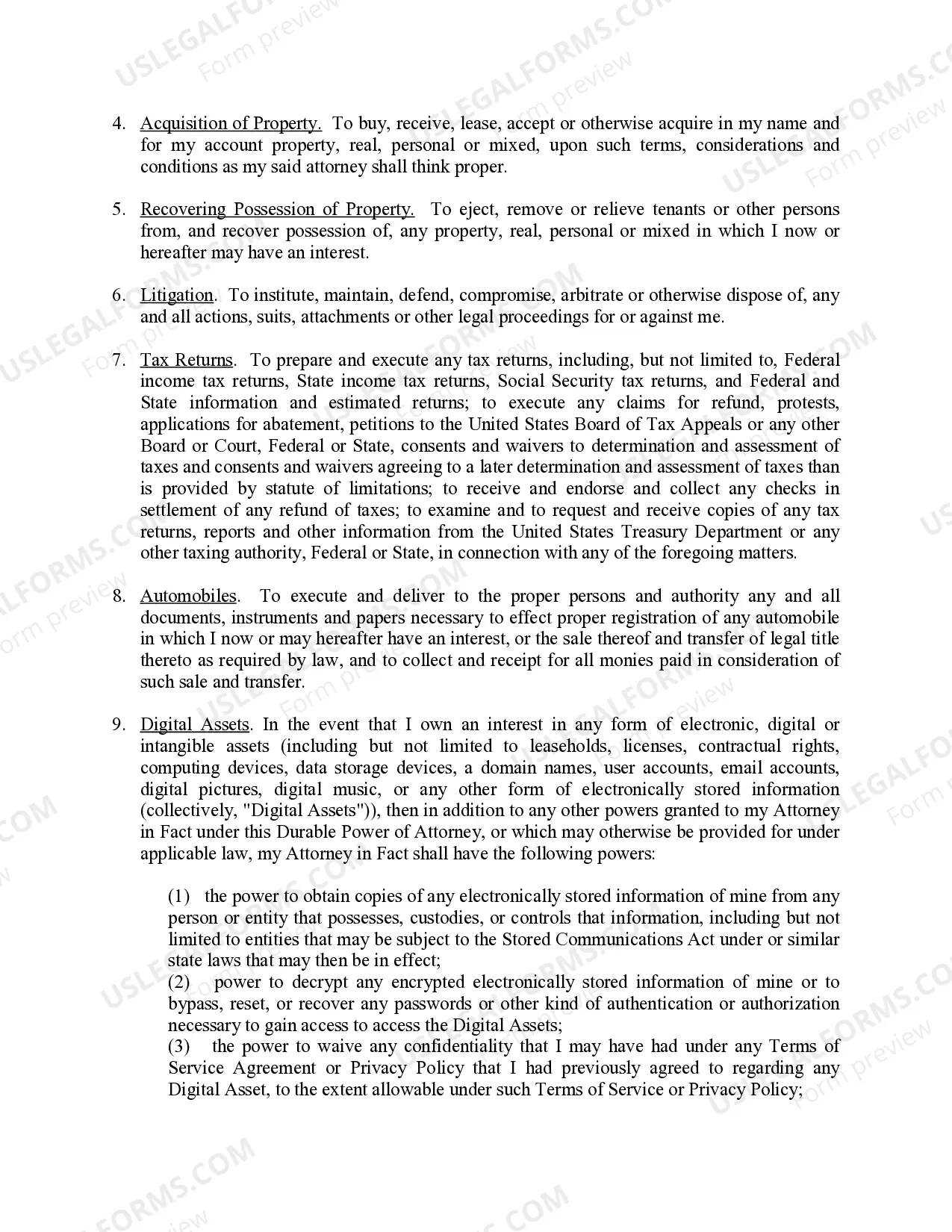
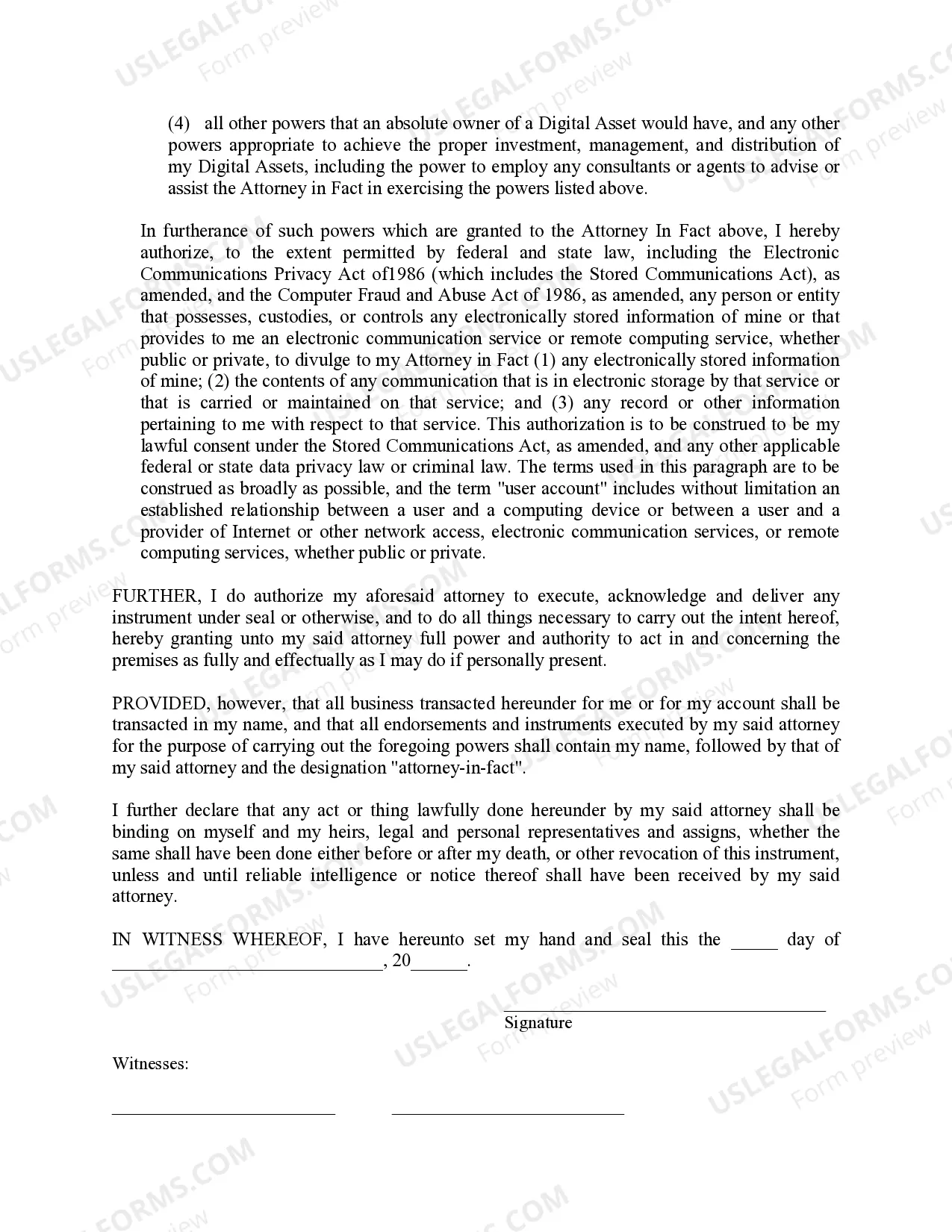
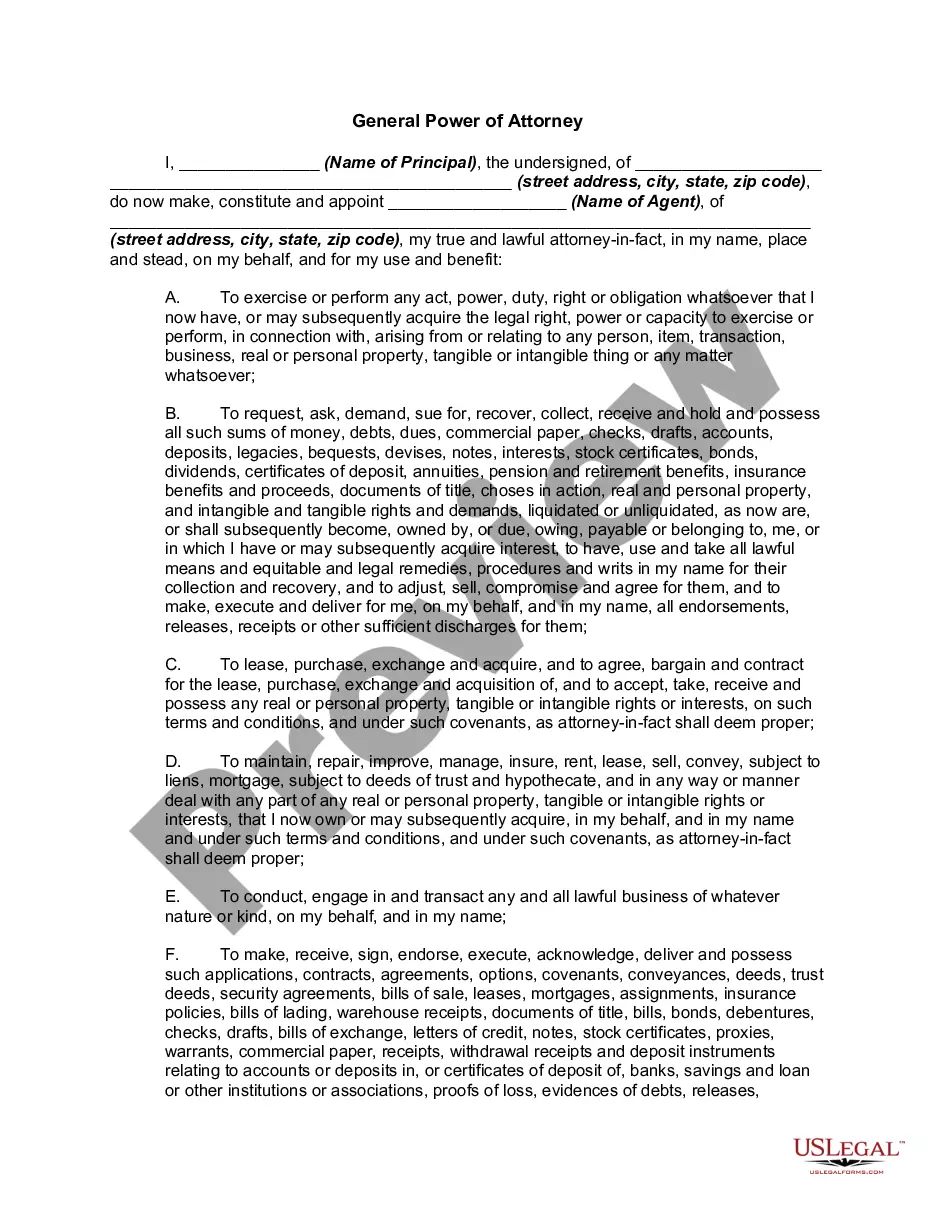
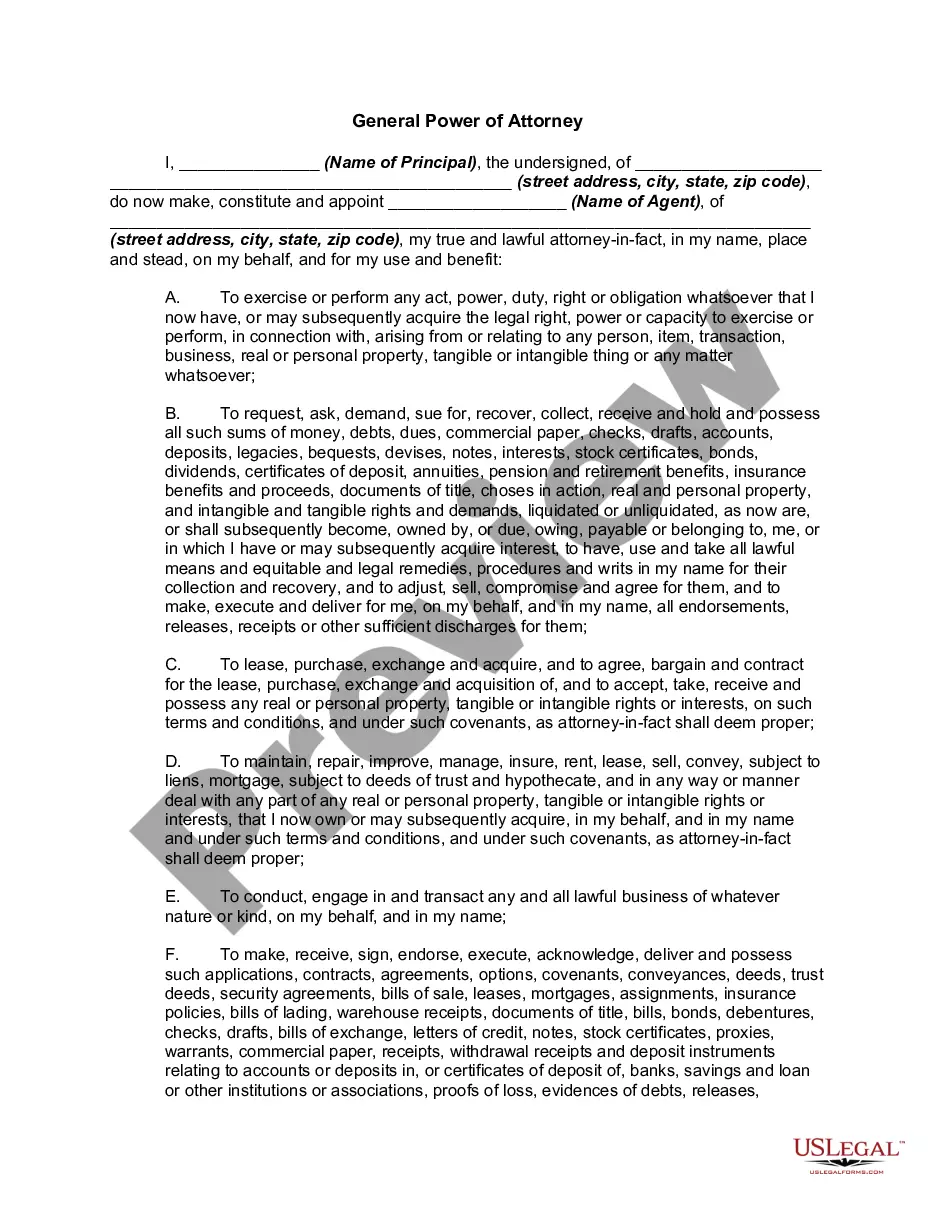
The General Power of Attorney - General Powers form is a legal document that empowers you to appoint an agent, known as an attorney-in-fact, to handle a wide range of affairs on your behalf. This form is particularly broad in scope, allowing designated individuals to make significant decisions regarding your property, financial interests, and business dealings. Unlike health care-specific powers of attorney, this form does not cover health-related decisions.
Key components of this form
- Identification of the principal (person granting authority) and the attorney-in-fact (agent).
- Powers granted for the disposition of property, including buying, selling, and leasing.
- Authority for collection of debts and income on behalf of the principal.
- Ability to prepare and file tax returns as necessary.
- Provisions for litigation, allowing the attorney-in-fact to represent the principal in legal matters.
- Authorization for borrowing money and managing financial transactions.

When to use this form
You should use the General Power of Attorney when you want to allow another individual to manage your financial and property transactions, especially if you are unable to do so yourself due to absence, illness, or other reasons. This form is commonly utilized in situations where individuals require assistance in managing their affairs or wish to delegate these responsibilities to someone they trust while maintaining broad control over their assets.
Who this form is for
- Individuals preparing for a period of absence or incapacity.
- Persons wishing to appoint a trusted friend or family member to manage financial affairs.
- People engaged in real estate transactions seeking to delegate decision-making authority.
- Those who want to streamline their financial management through an appointed representative.
Completing this form step by step
- Identify the principal by providing your full name and address.
- Designate the attorney-in-fact by entering their name and corresponding details.
- Clearly outline the specific powers and responsibilities granted to the attorney-in-fact.
- Sign and date the document to affirm your agreement and intentions.
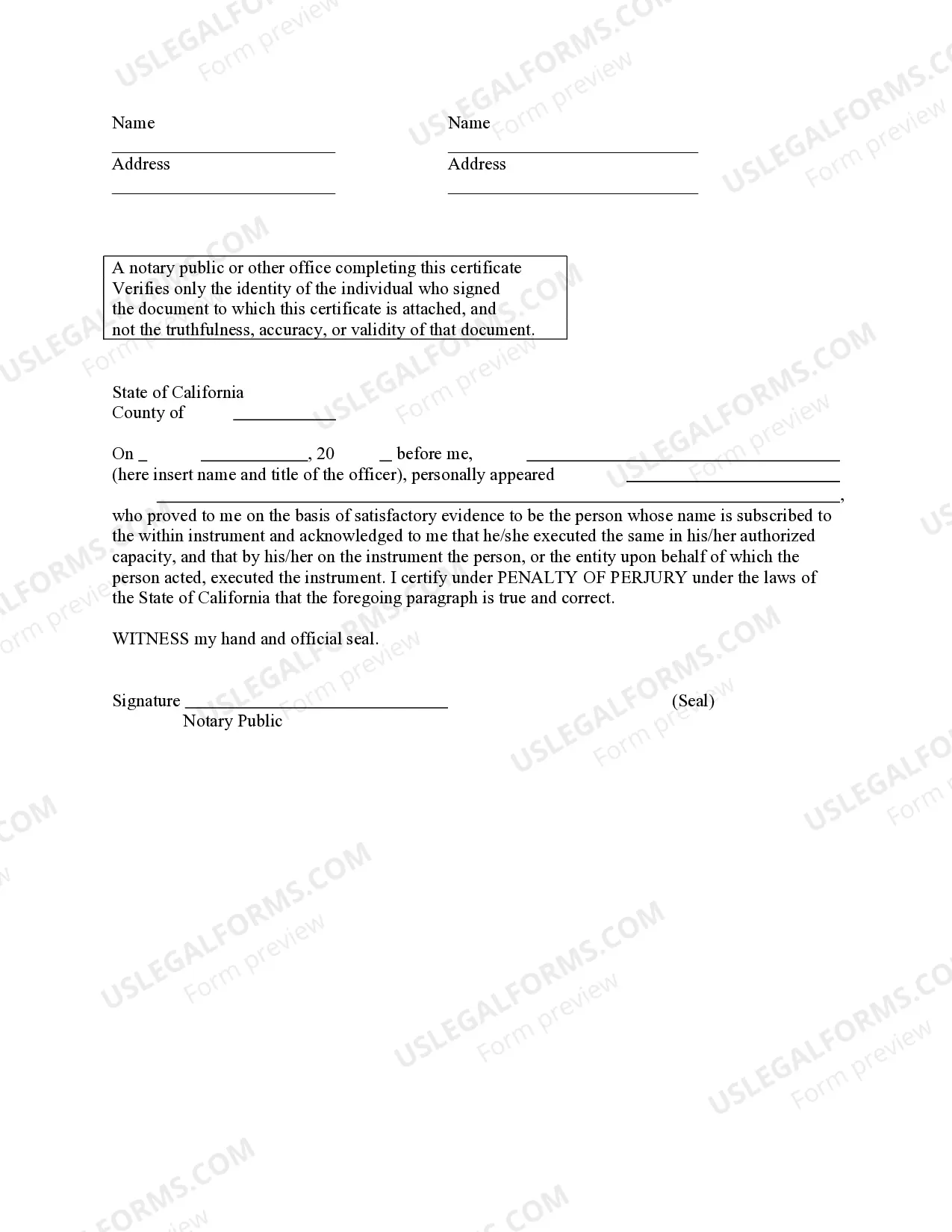
- Ensure the form is witnessed and notarized as required by law to enhance its validity.
Does this document require notarization?
Yes, this form must be notarized to be legally valid. A notary public will verify your identity and witness your signature, ensuring that the document will be accepted by financial institutions and other entities requiring proof of authenticity.
Get your form ready online
Our built-in tools help you complete, sign, share, and store your documents in one place.
Make edits, fill in missing information, and update formatting in US Legal Forms—just like you would in MS Word.
Download a copy, print it, send it by email, or mail it via USPS—whatever works best for your next step.
Sign and collect signatures with our SignNow integration. Send to multiple recipients, set reminders, and more. Go Premium to unlock E-Sign.
If this form requires notarization, complete it online through a secure video call—no need to meet a notary in person or wait for an appointment.
We protect your documents and personal data by following strict security and privacy standards.

Make edits, fill in missing information, and update formatting in US Legal Forms—just like you would in MS Word.

Download a copy, print it, send it by email, or mail it via USPS—whatever works best for your next step.

Sign and collect signatures with our SignNow integration. Send to multiple recipients, set reminders, and more. Go Premium to unlock E-Sign.

If this form requires notarization, complete it online through a secure video call—no need to meet a notary in person or wait for an appointment.

We protect your documents and personal data by following strict security and privacy standards.
Typical mistakes to avoid
- Failing to specify the powers granted, which may lead to confusion or disputes.
- Not signing the document or missing required witness signatures.
- Using outdated forms that may not reflect current laws.
- Not ensuring that the designated agent is willing and capable to act on your behalf.
Benefits of using this form online
- Convenience: Download and complete the form from the comfort of your home.
- Editability: Easily customize the form to fit your specific needs and circumstances.
- Reliability: Assurance that the form is drafted in accordance with legal standards by licensed attorneys.
What to keep in mind
- A General Power of Attorney grants broad powers to your appointed agent.
- It is essential for managing financial and property matters when you are unavailable.
- Complete the form accurately and ensure it meets state-specific requirements to be effective.
Looking for another form?







Form popularity
FAQ
Yes, in California, a general power of attorney typically needs to be notarized to be valid. Notarization adds an additional layer of authenticity to the document, ensuring that it complies with state laws. If you choose to use a platform like uslegalforms, the templates usually include guidance on notarization requirements. This step is essential for ensuring that your authority is recognized and respected.
A general power of attorney in California grants broad authority to your agent for financial and legal matters while you are still capable. However, it becomes void if you become incapacitated. On the other hand, a durable power of attorney remains in effect even if you lose the ability to make decisions. Understanding these differences is crucial when choosing the right option for your future and making informed legal decisions.
The best power of attorney often depends on your specific needs and circumstances. For broad authority over financial and legal matters, many find the California General Power of Attorney - General Powers to be the most effective choice. However, if you require more specific powers or want to ensure your decisions are honored even if you become incapacitated, a Durable Power of Attorney may be preferable. It's wise to consider your situation and consult resources to make the right decision.
California recognizes several types of power of attorney, including the General Power of Attorney, which covers a wide range of decisions, and the Durable Power of Attorney, which remains effective even after the principal's incapacitation. Additionally, there is the Limited Power of Attorney that restricts authority to specific tasks, and the Medical Power of Attorney, focused specifically on healthcare decisions. Understanding these options can help you select the most suitable form for your needs.
Choosing the right person to act as a power of attorney is crucial for your peace of mind. Ideally, you should select someone who is trustworthy, responsible, and understands your wishes and values. It is common to appoint a close family member or a close friend who can manage your affairs competently, ensuring that the intended decisions under the California General Power of Attorney - General Powers are upheld.
To fill out power of attorney papers effectively, begin by gathering all necessary personal information for both the principal and the agent. After that, state the powers that you wish to grant, ensuring they align with the California General Power of Attorney - General Powers structure. Don't forget to include any necessary specific directives and provide the date and signatures where needed, confirming it with a notary for legal protection.
In New Jersey, to establish a power of attorney, you must meet specific requirements. You will need to draft a document that explicitly outlines the powers you wish to assign, much like a California General Power of Attorney - General Powers. Both the principal and agent must be legally competent, and the document needs to be signed in front of a notary public to ensure authenticity.
Filling out a power of attorney form involves several straightforward steps. First, you need to clearly identify the principal and the agent, ensuring all details are correct. Then, you should specify the powers granted under the California General Power of Attorney - General Powers, detailing any limitations or conditions. Finally, sign the document in the presence of a notary public, which adds an extra layer of validity.
The California code for Power of Attorney is found under the California Probate Code, sections 4000 to 4545. These laws govern the creation and use of Power of Attorney documents within the state. For accuracy and clarity, using a template from US Legal Forms can ensure you comply with these legal standards while drafting your California General Power of Attorney - General Powers.
In California, a Power of Attorney does not need to be recorded unless it is being used for specific types of transactions, such as real estate. Recording the document can help protect your interests, especially when dealing with financial institutions. For a straightforward experience, consider utilizing US Legal Forms to help navigate these details.