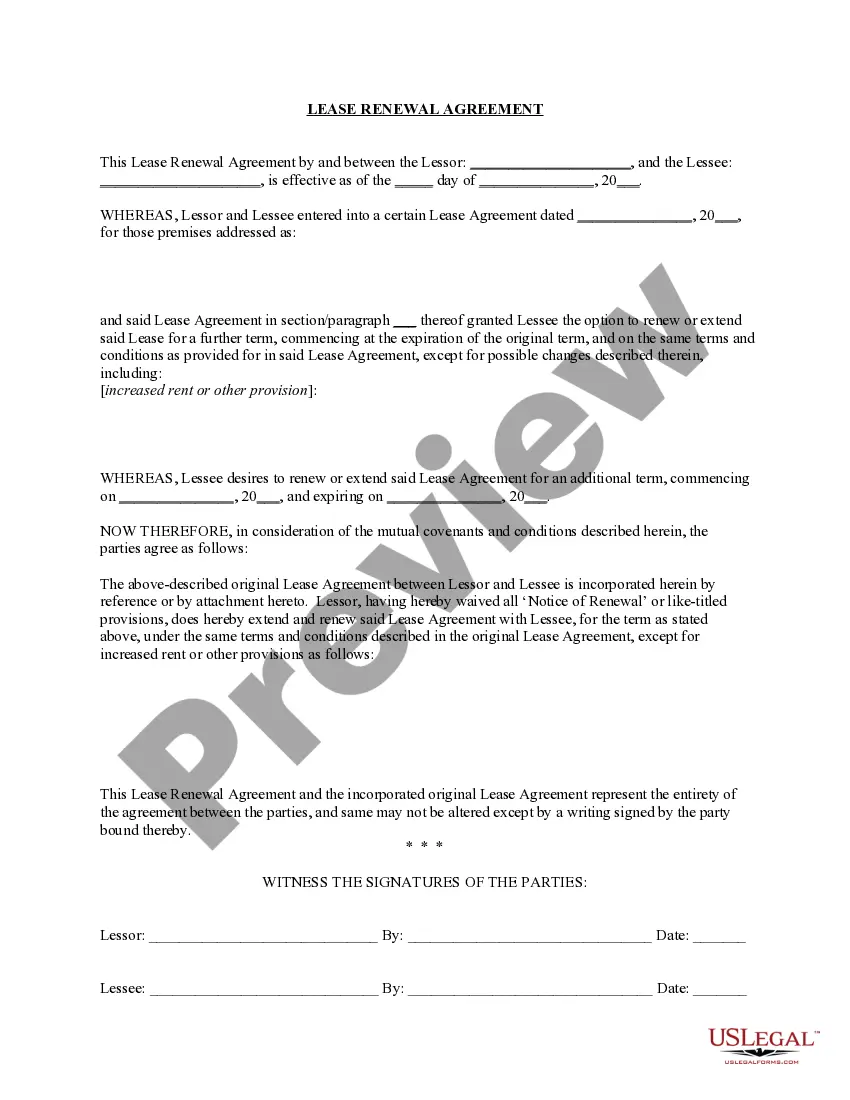
California Grant Deed from Individual to Corporation
Overview of this form
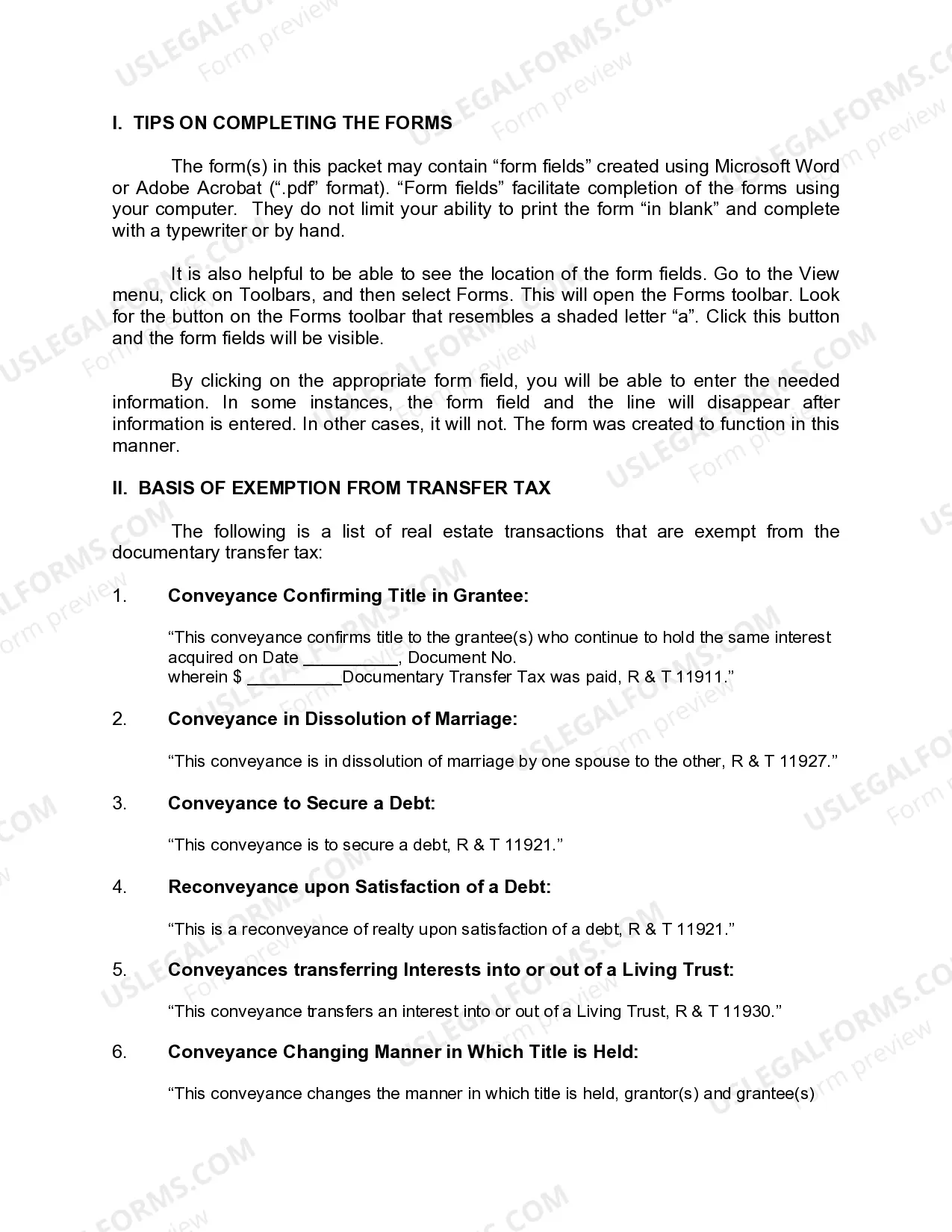
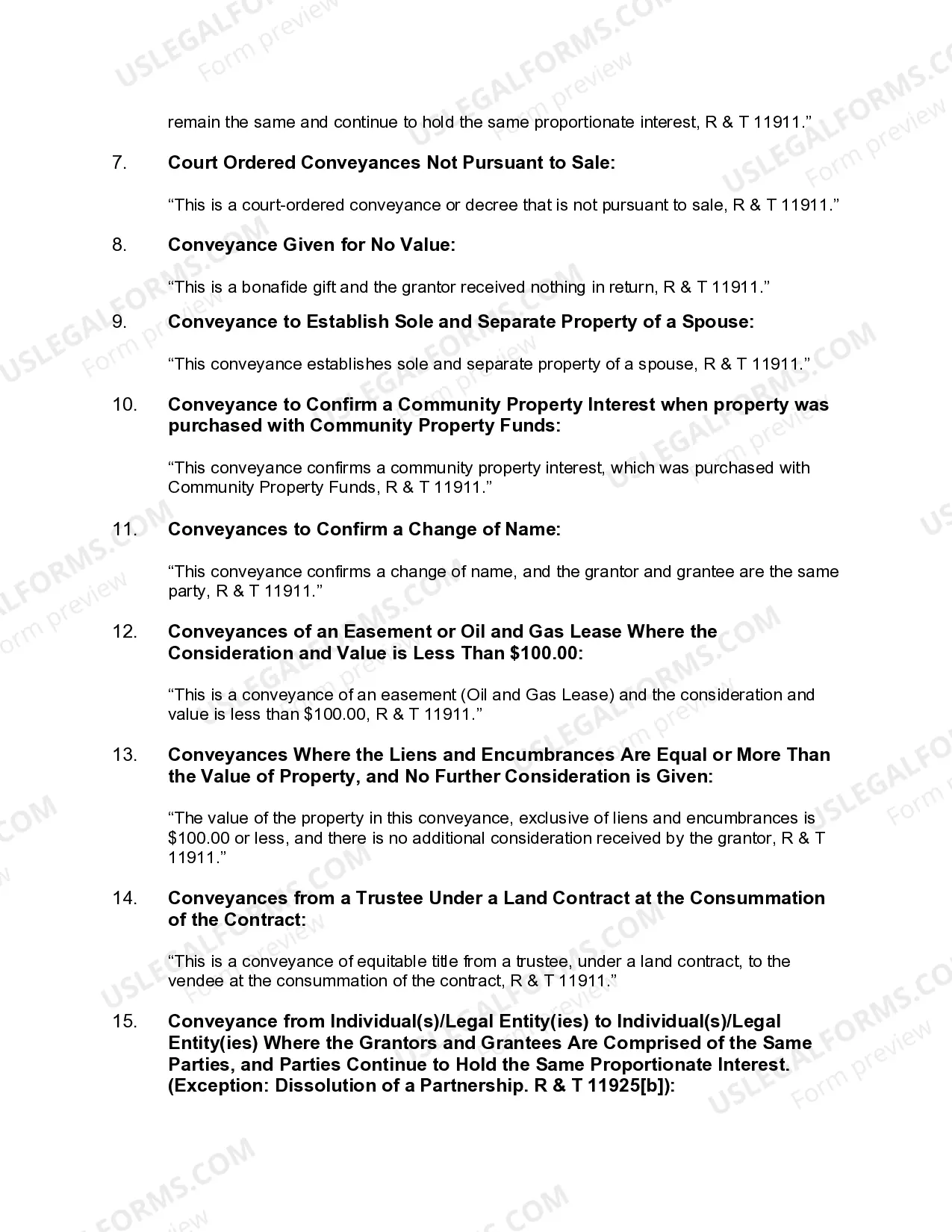
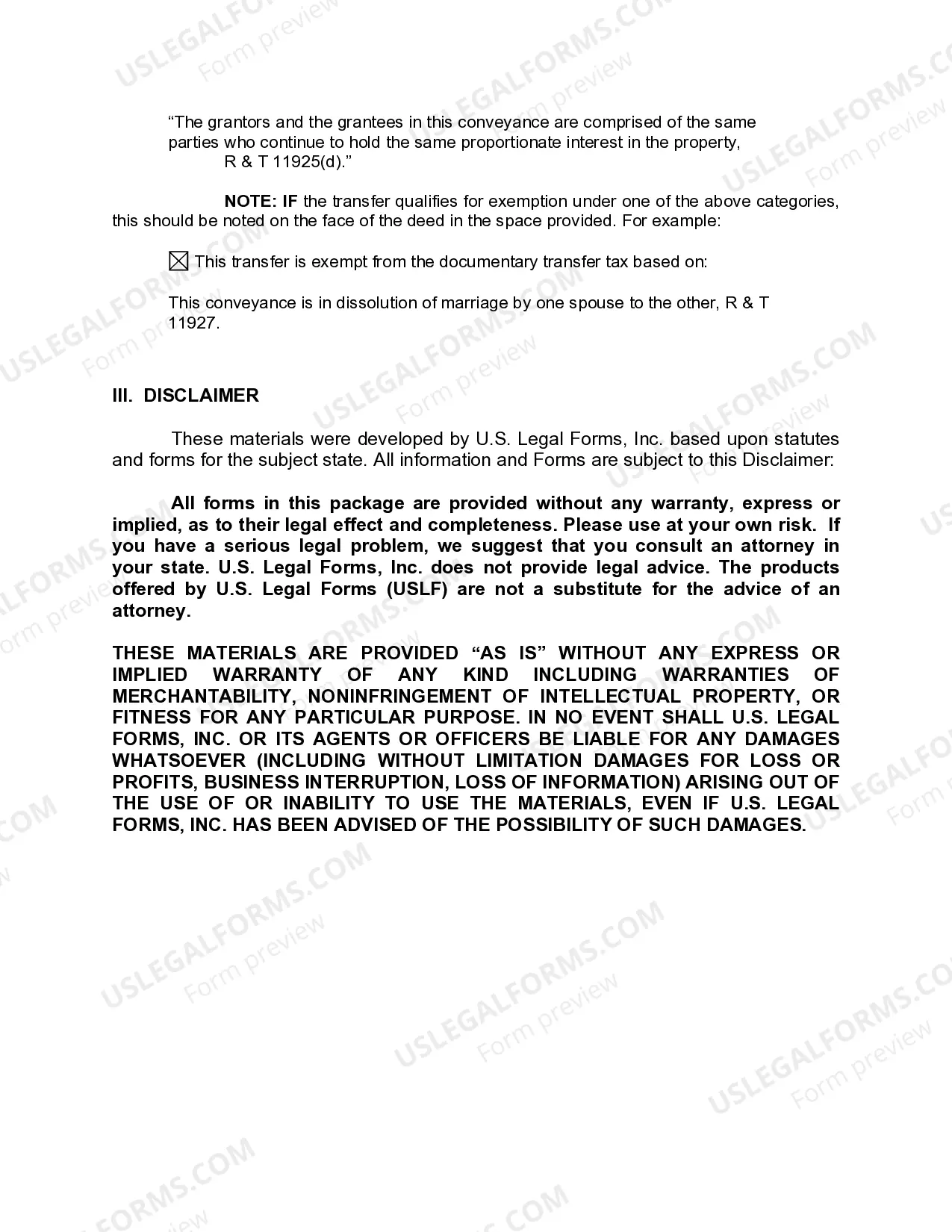
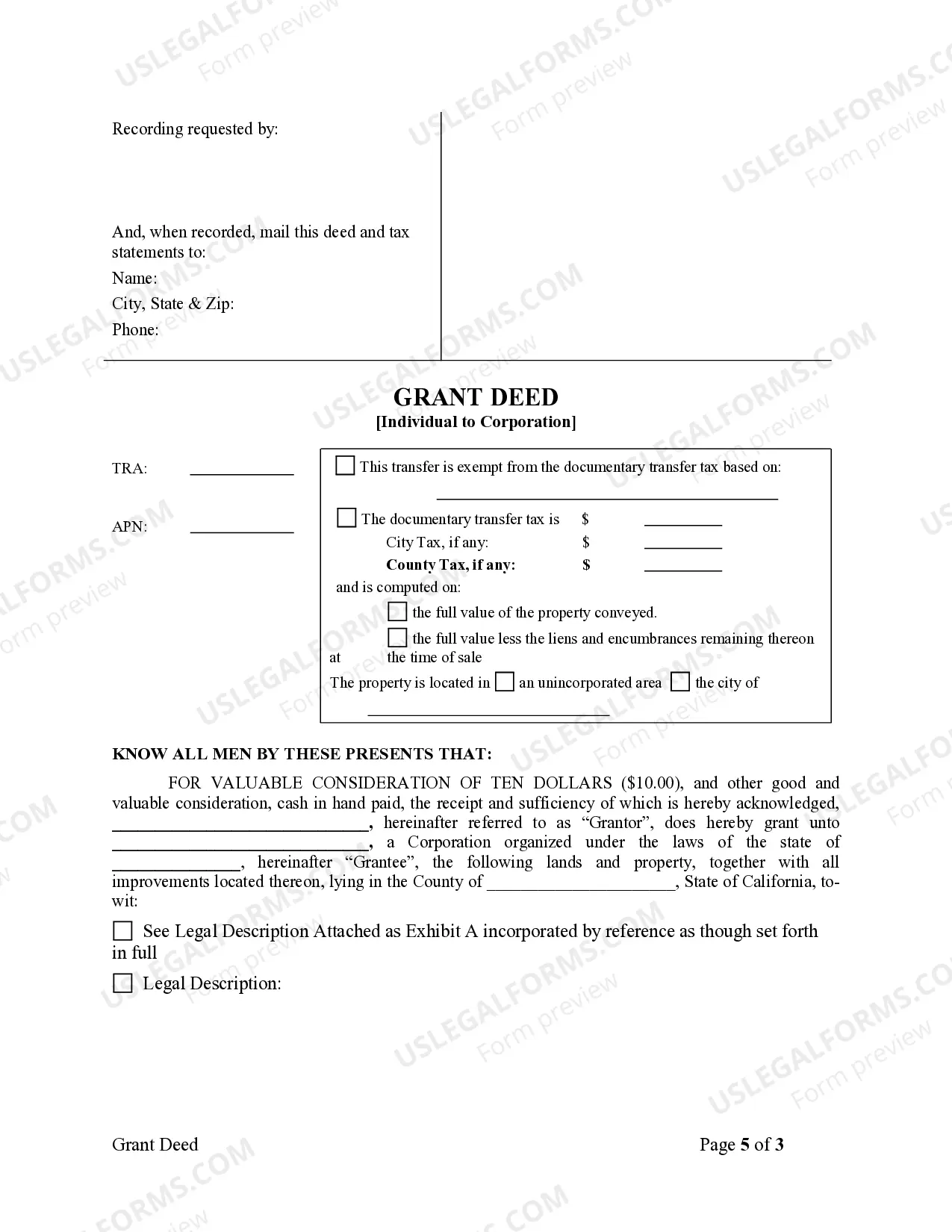
The Grant Deed from Individual to Corporation is a legal document used to transfer property ownership, where the grantor is an individual and the grantee is a corporation. This form ensures that the grantor conveys and warrants the described property to the corporation, while explicitly reserving rights to any oil, gas, and minerals present on the land. It differs from other deed types as it specifically outlines the transfer from a private individual to a corporate entity, incorporating specific legal protections and duties.
Form components explained
- Identification of the grantor and grantee, including their names and addresses.
- Description of the property being transferred, including boundaries and references.
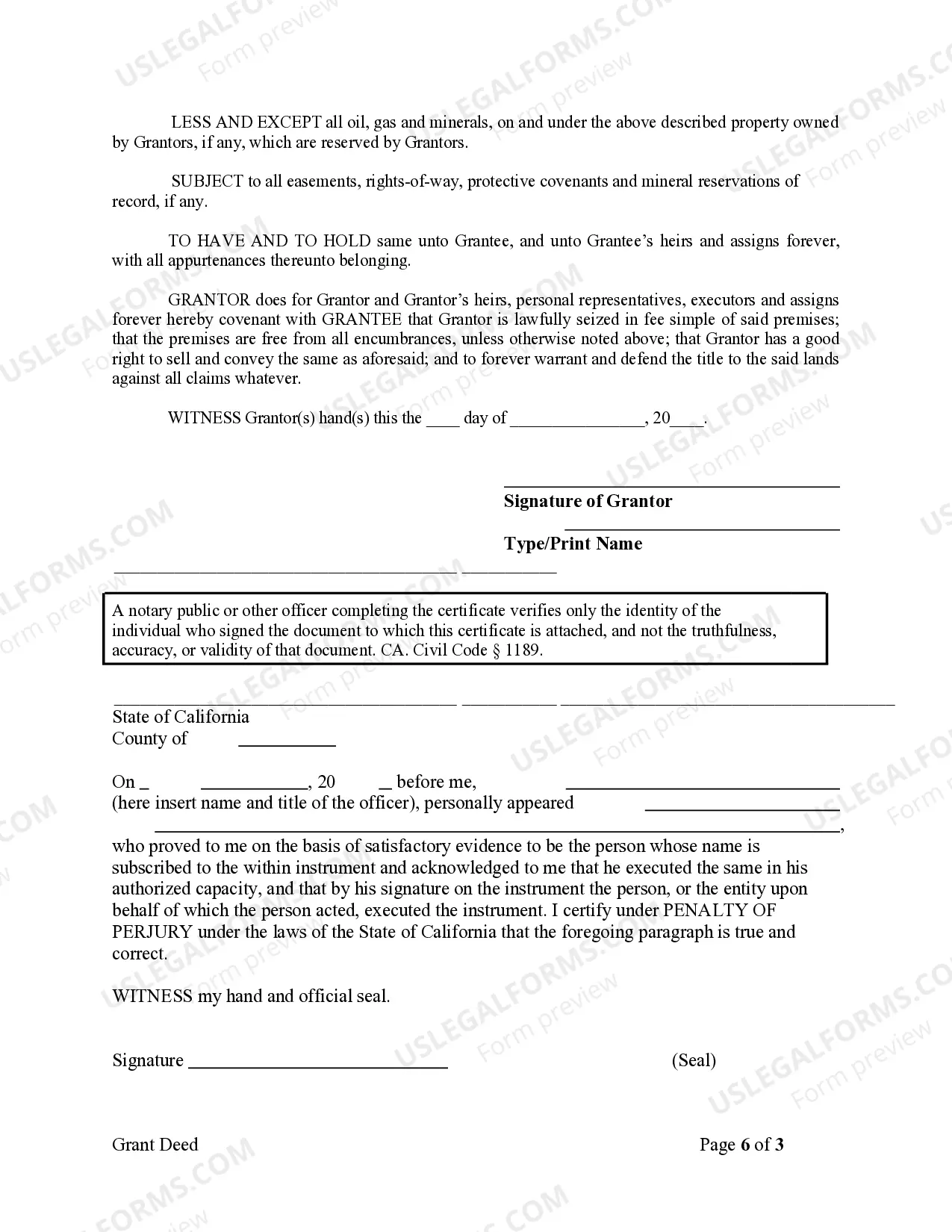
- Statement warranting the grantor's ownership and the absence of encumbrances.
- Reservation clause outlining retained rights to minerals and resources.
- Signature lines for the grantor, necessary for the legal execution of the document.




Situations where this form applies
This form should be used in transactions where an individual is transferring ownership of real estate to a corporation. This includes situations such as a property investment by a corporation, incorporation of real estate into corporate assets, or reorganizing property ownership for tax purposes. It may also be necessary in circumstances where legal protections for the corporate entity need to be established regarding property ownership.
Who can use this document
This form is intended for:
- Individuals who own property and wish to transfer it to a corporation.
- Corporate representatives seeking to acquire property from individual owners.
- Real estate attorneys handling property transfers between individuals and corporations.
Completing this form step by step
- Identify the grantor and grantee by entering their full legal names and addresses at the top of the form.
- Clearly describe the property being conveyed, including any important identifiers like parcel numbers or lot descriptions.
- Specify any reservations, such as rights to oil, gas, and minerals, that the grantor wishes to retain.
- Obtain the necessary signatures from the grantor on the designated lines, ensuring they are dated.
- Consider having the document notarized to enhance its legal standing, depending on local laws.
Is notarization required?
This form does not typically require notarization unless specified by local law. However, obtaining a notarization can help confirm the identity of the grantor and further validate the transaction.
Get your form ready online
Our built-in tools help you complete, sign, share, and store your documents in one place.
Make edits, fill in missing information, and update formatting in US Legal Forms—just like you would in MS Word.
Download a copy, print it, send it by email, or mail it via USPS—whatever works best for your next step.
Sign and collect signatures with our SignNow integration. Send to multiple recipients, set reminders, and more. Go Premium to unlock E-Sign.
If this form requires notarization, complete it online through a secure video call—no need to meet a notary in person or wait for an appointment.
We protect your documents and personal data by following strict security and privacy standards.

Make edits, fill in missing information, and update formatting in US Legal Forms—just like you would in MS Word.

Download a copy, print it, send it by email, or mail it via USPS—whatever works best for your next step.

Sign and collect signatures with our SignNow integration. Send to multiple recipients, set reminders, and more. Go Premium to unlock E-Sign.

If this form requires notarization, complete it online through a secure video call—no need to meet a notary in person or wait for an appointment.

We protect your documents and personal data by following strict security and privacy standards.
Common mistakes to avoid
- Failing to accurately describe the property, which can lead to legal disputes.
- Not including necessary reservations, leading to unintended rights transfers.
- Inadequate or missing signatures, which can invalidate the deed.
Advantages of online completion
- Convenience of accessing and completing legal forms from home.
- Editability allows users to tailor forms to their specific needs.
- Reliability of professionally drafted templates ensuring legal compliance.
Legal use & context
The Grant Deed from Individual to Corporation is legally binding upon proper execution. It is used to document the transfer of real property ownership and safeguard both parties against future disputes regarding ownership rights. Understanding the implications of guarantees within the deed can help ensure clarity in property rights.
Quick recap
- The Grant Deed facilitates the transfer of property from an individual to a corporation.
- Properly describing the property and obtaining signatures is crucial for enforceability.
- Consult local laws to ensure compliance, as requirements can vary by state.
Looking for another form?
Form popularity
FAQ
Filling out a California Grant Deed from Individual to Corporation requires several important steps. First, gather the necessary information, including the names of the current owner and the corporation, as well as a legal description of the property. Next, accurately complete the grant deed form, ensuring all information is clear and correct. If you need assistance, consider using the US Legal Forms platform, which provides templates and guidance tailored to California’s requirements, simplifying the filling process for you.
The granting clause in a special warranty deed generally contains the word 'grant,' which signifies the intention to transfer ownership. This clause outlines the specific rights and interests being transferred to the new owner. It establishes the scope of the transfer, providing clarity in real estate transactions. When executing a California Grant Deed from Individual to Corporation, having a clear granting clause is vital for a successful transfer.
When a corporation transfers ownership of property, the deed must be signed by an authorized officer of the corporation. This typically includes the president or secretary, ensuring that the transfer is legally binding and recognized. It is essential to follow proper procedures to avoid any disputes regarding ownership. To facilitate this, a California Grant Deed from Individual to Corporation can simplify the process and offer legal clarity.
To amend a grant deed in California, you will need to create a new deed that references the original deed. Include clear statements about the changes being made, and ensure it is signed by the property owner. After notarization, file the amended deed with the county recorder's office. This process is crucial to maintain accurate property records, especially when dealing with a California Grant Deed from Individual to Corporation.
Transferring a deed from an individual to an LLC involves preparing the appropriate deed form. The owner must fill out the document, including the LLC's name as the new owner, and have it notarized. Once completed, submit the deed to the county recorder's office to finalize the transfer. Utilizing a California Grant Deed from Individual to Corporation ensures the process is smooth and legally binding.
To transfer a grant deed in California, start by obtaining the appropriate deed form that allows you to change ownership. The current owner must complete the form, signing it in front of a notary public. After that, file the completed and notarized deed with the county recorder’s office, ensuring the details are correct. This process effectively allows for the transfer of property from an individual to a corporation using a California Grant Deed from Individual to Corporation.
To transfer property in California, you will need to complete a grant deed, which specifies the current owner and the new owner. Once the grant deed is filled out, sign it and have it notarized. After this step, file the signed grant deed with the local county recorder's office to officially record the transfer. This process is essential for ensuring a legal transition of ownership, especially when dealing with a California Grant Deed from Individual to Corporation.
To obtain a copy of your grant deed in California, you should contact the county recorder's office where the property is located. You can often request a copy online, by mail, or in person. Make sure to provide necessary details, such as the property address and your identification. This process ensures you receive an accurate record of your California Grant Deed from Individual to Corporation.
In California, the two primary types of deeds used to transfer property are the grant deed and the quitclaim deed. A California Grant Deed from Individual to Corporation ensures that the seller conveys the property to the corporation with specific guarantees regarding ownership and encumbrances. On the other hand, a quitclaim deed transfers the interest in the property without any warranties, meaning that the buyer receives whatever interest the seller has, if any. Choosing the right deed is crucial for protecting your interests during property transfers.