California Buyer's Home Inspection Checklist
What is this form?
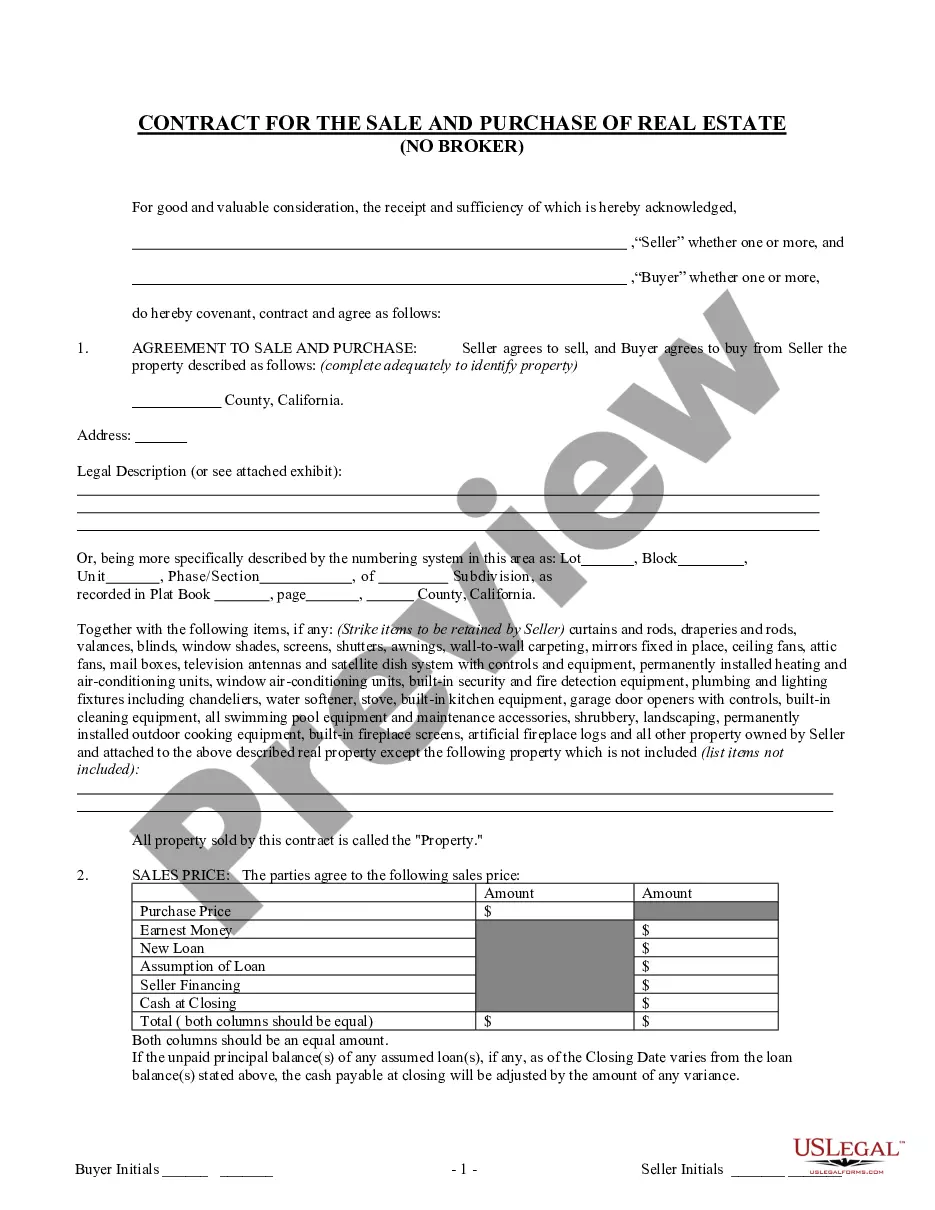
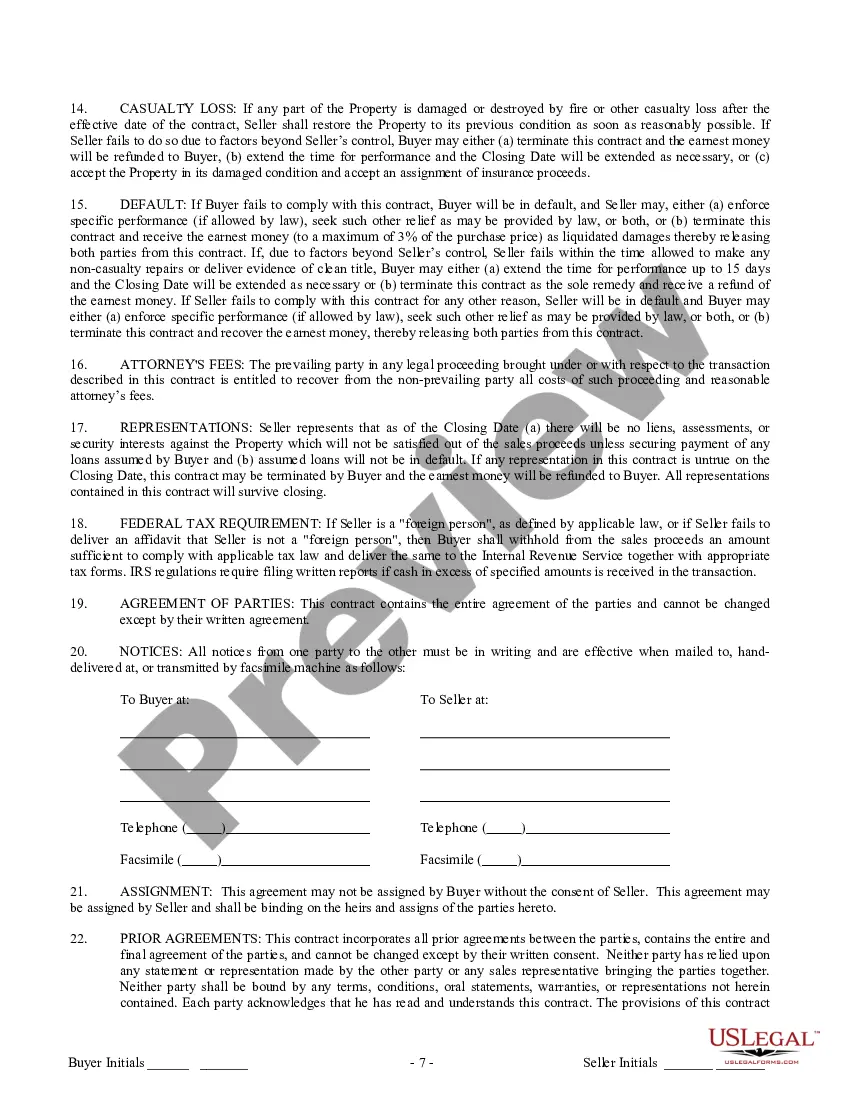
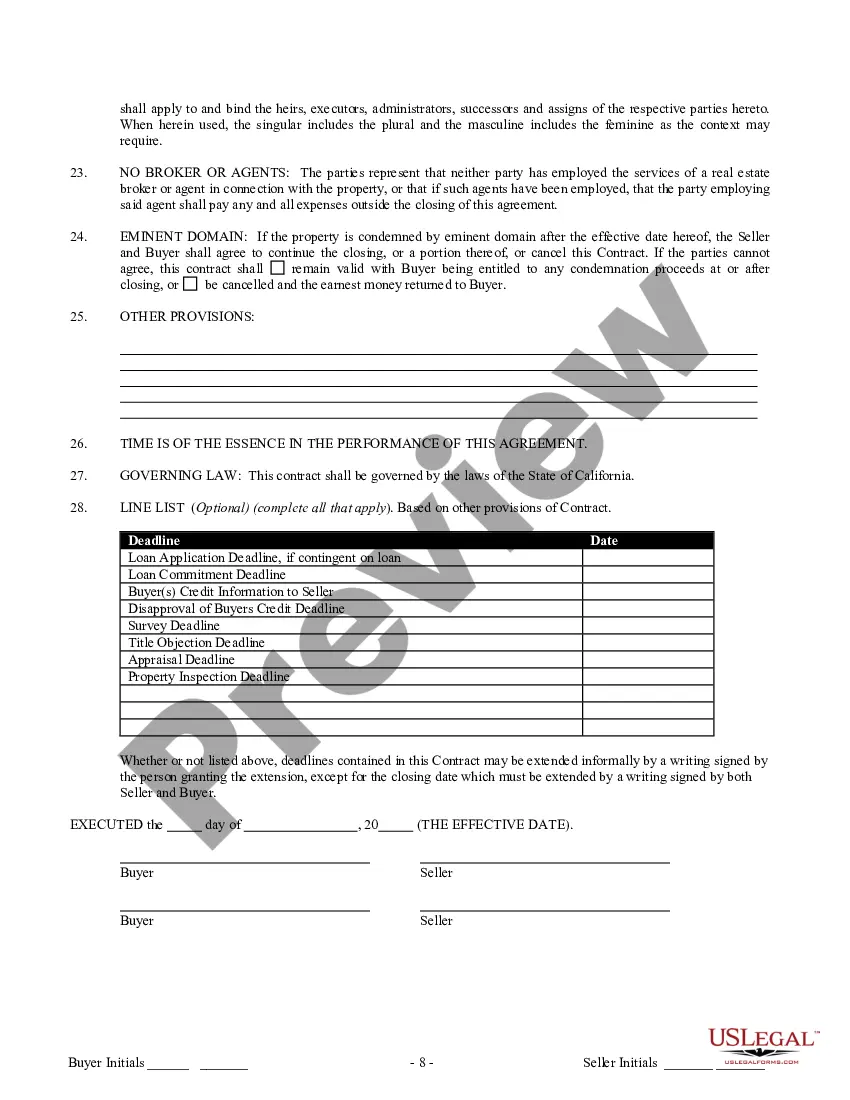
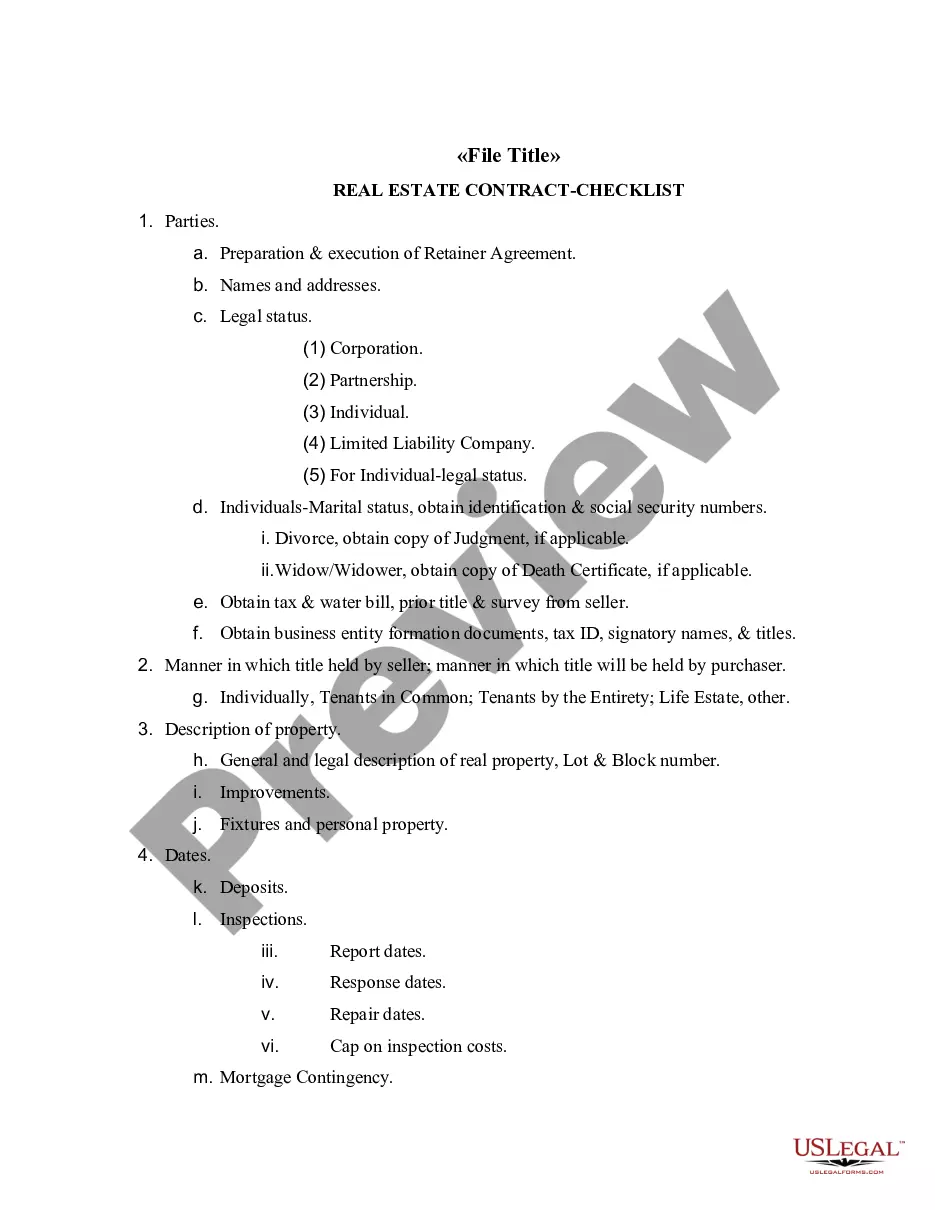
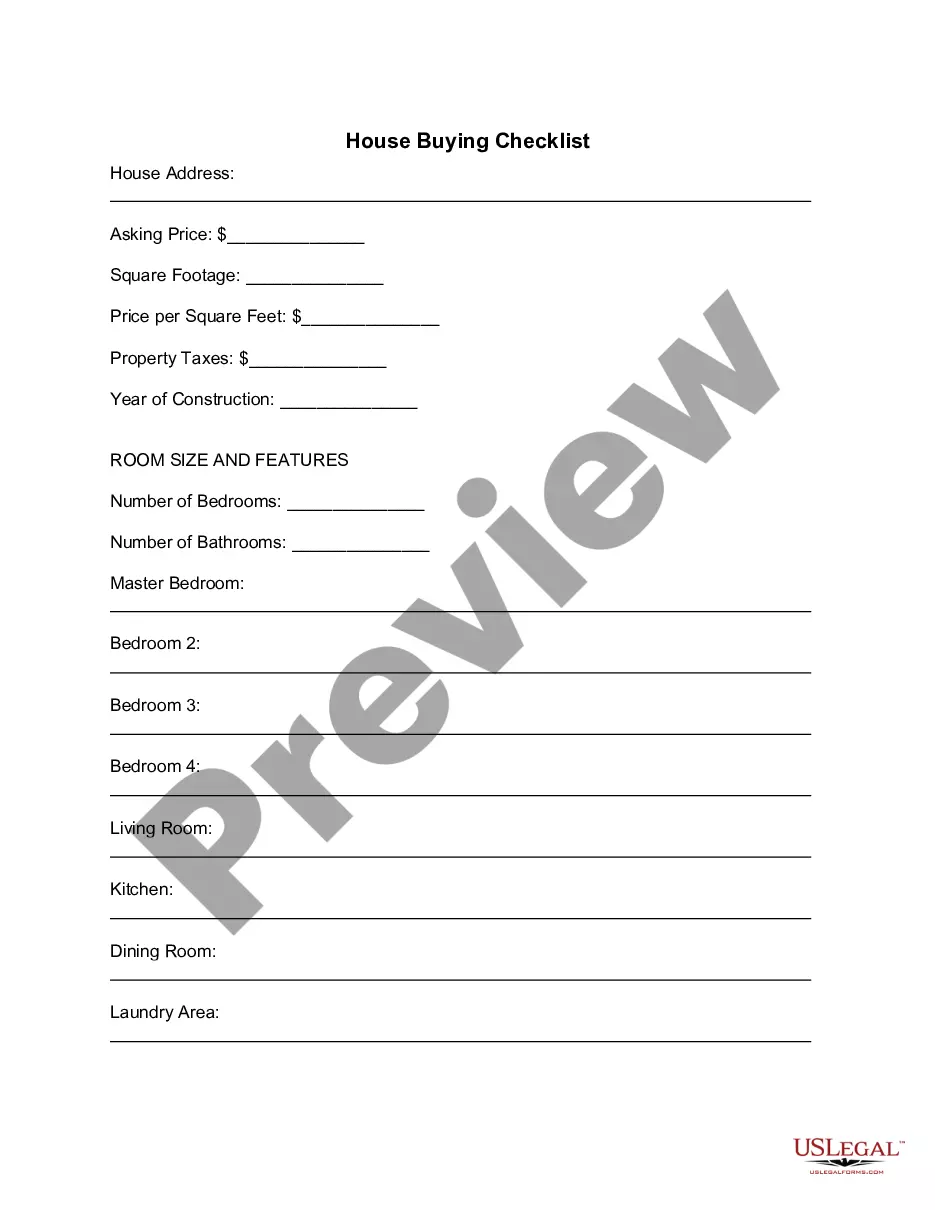
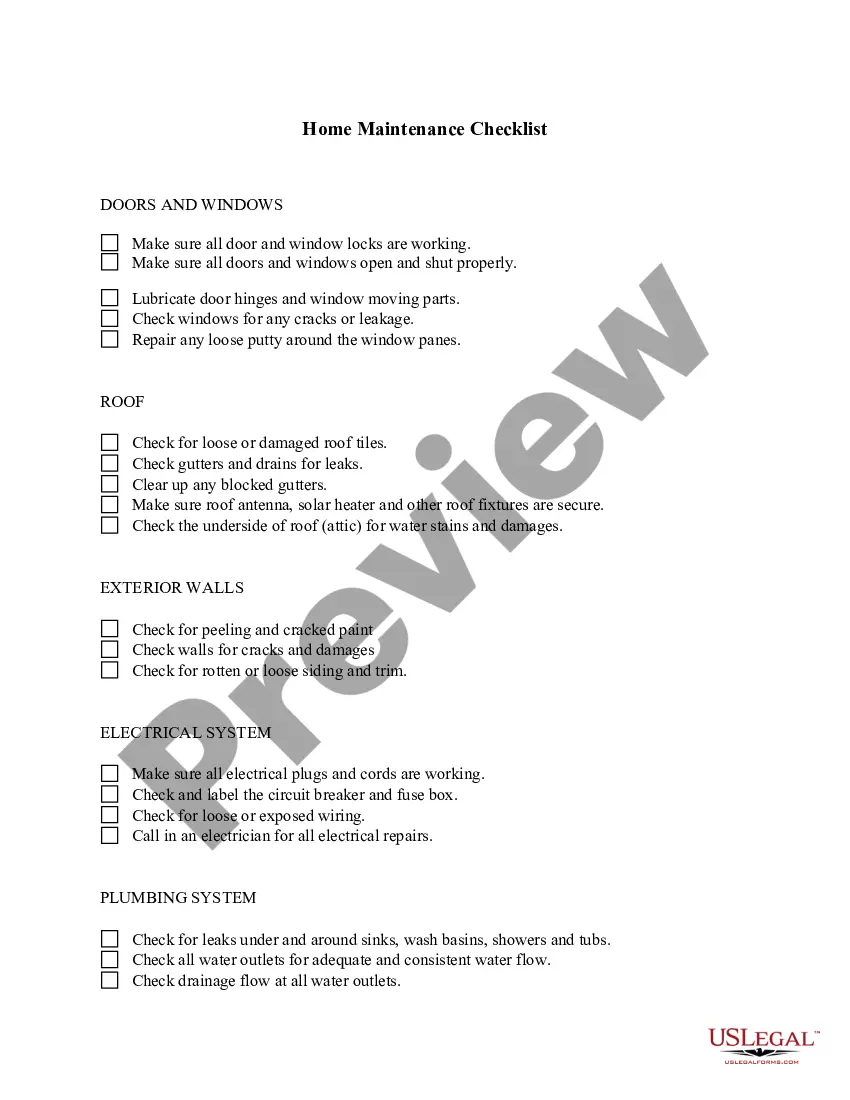
The Buyer's Home Inspection Checklist is a crucial tool for buyers looking to purchase a home in California. This form provides a comprehensive list of items that prospective homebuyers should inspect or inquire about before making an offer. It stands out from other forms as it focuses specifically on the visual and functional assessment of the property during the initial viewing phase.
Key components of this form
- Comprehensive itemized checklist for property inspection.
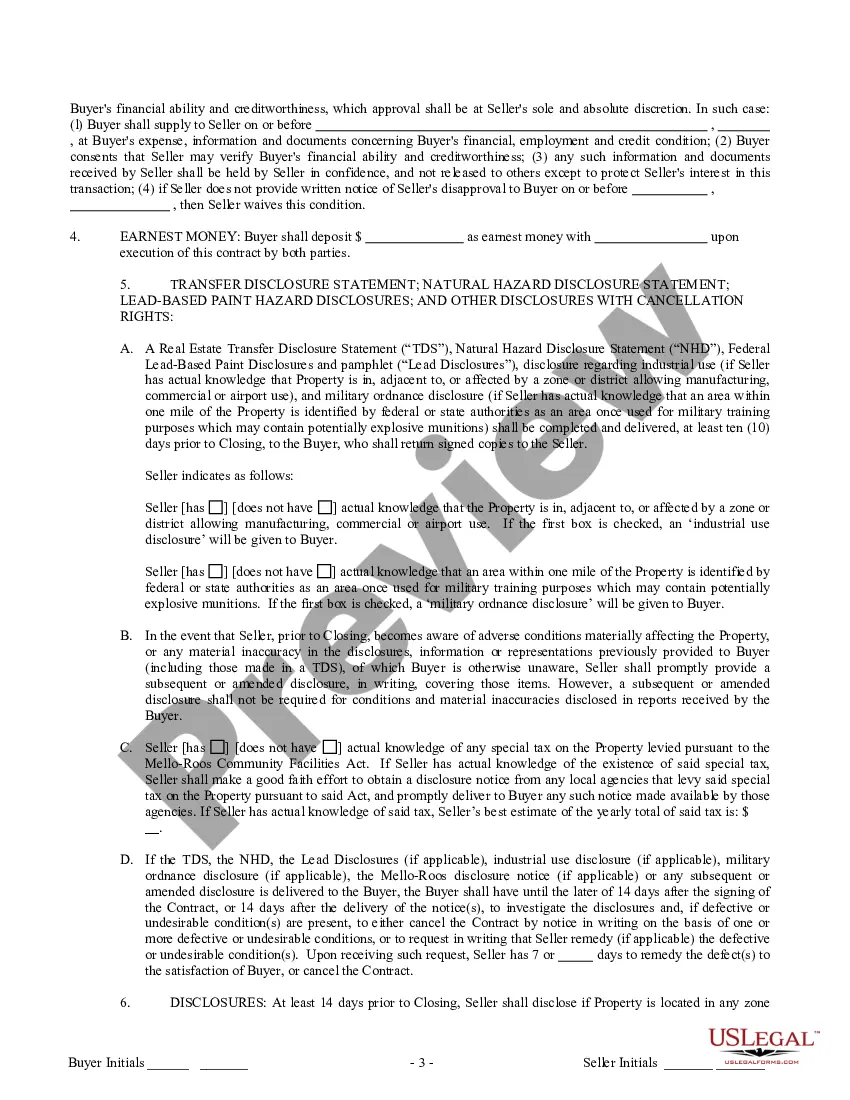
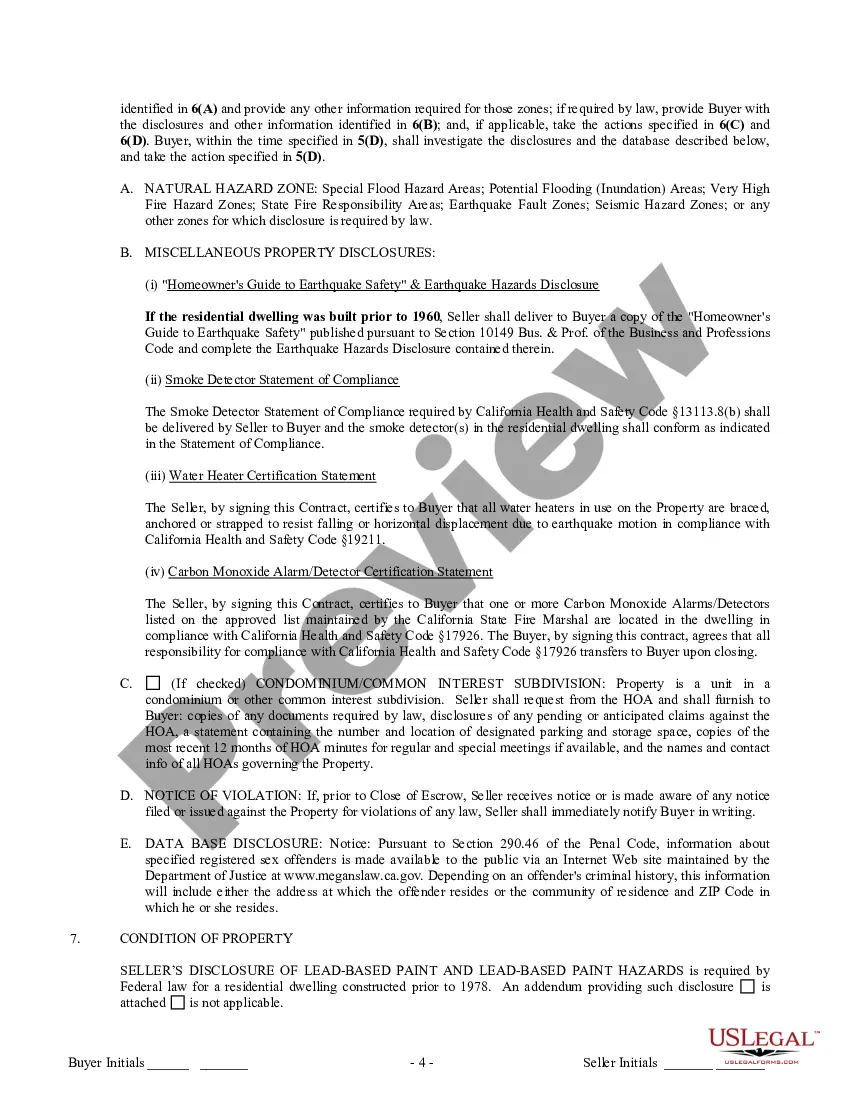
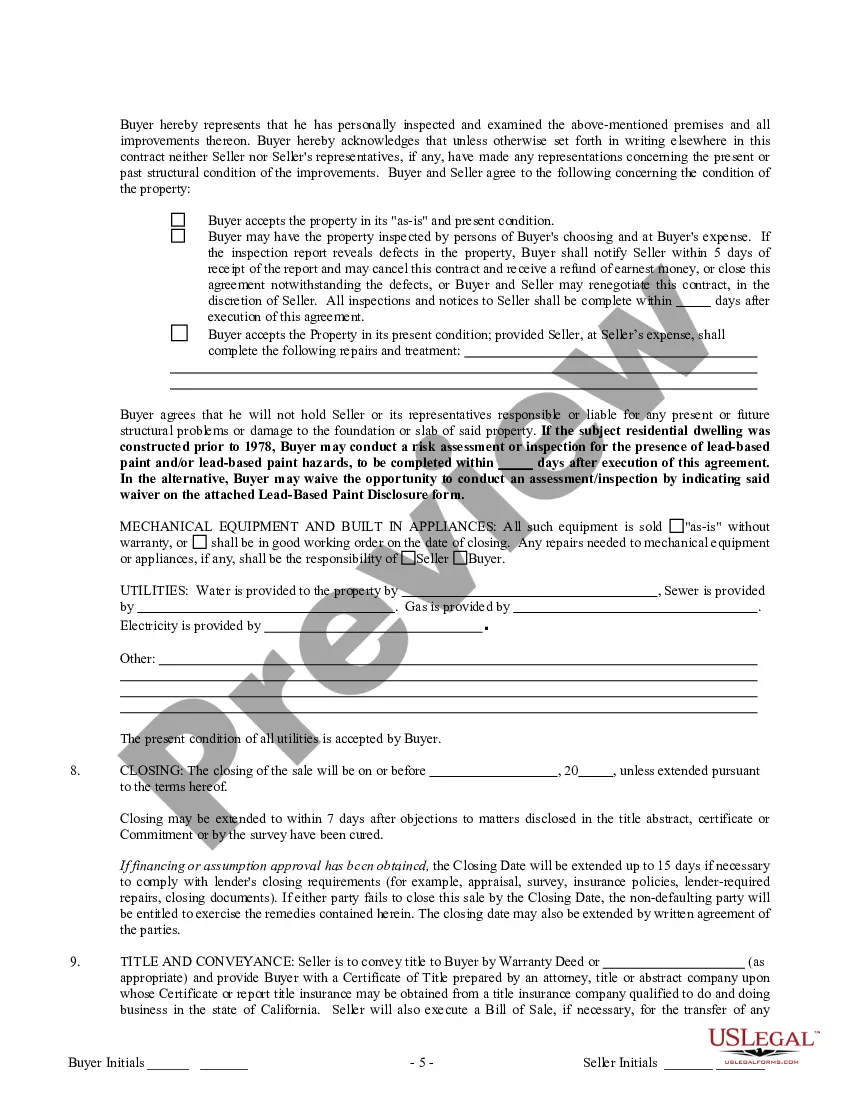
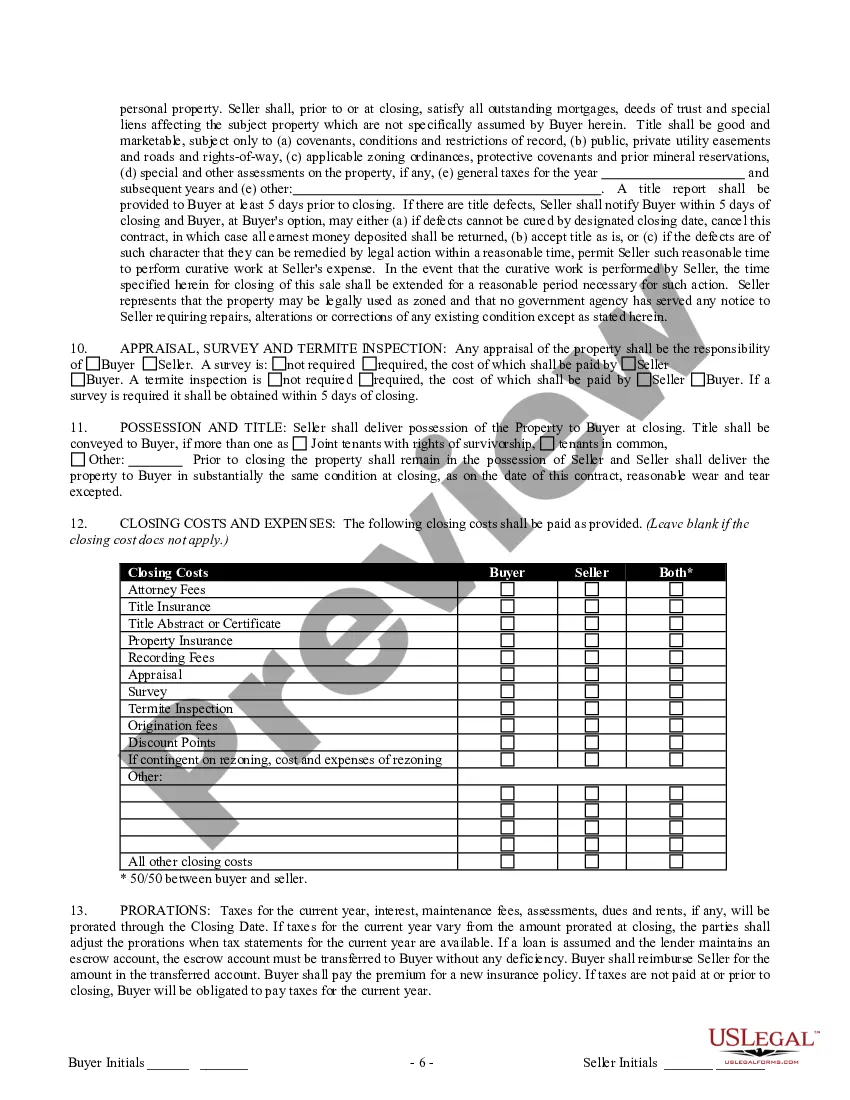
- Sections on Seller disclosures, including potential hazards and existing conditions.
- Notes for inspection of appliances and fixtures included in the sale.
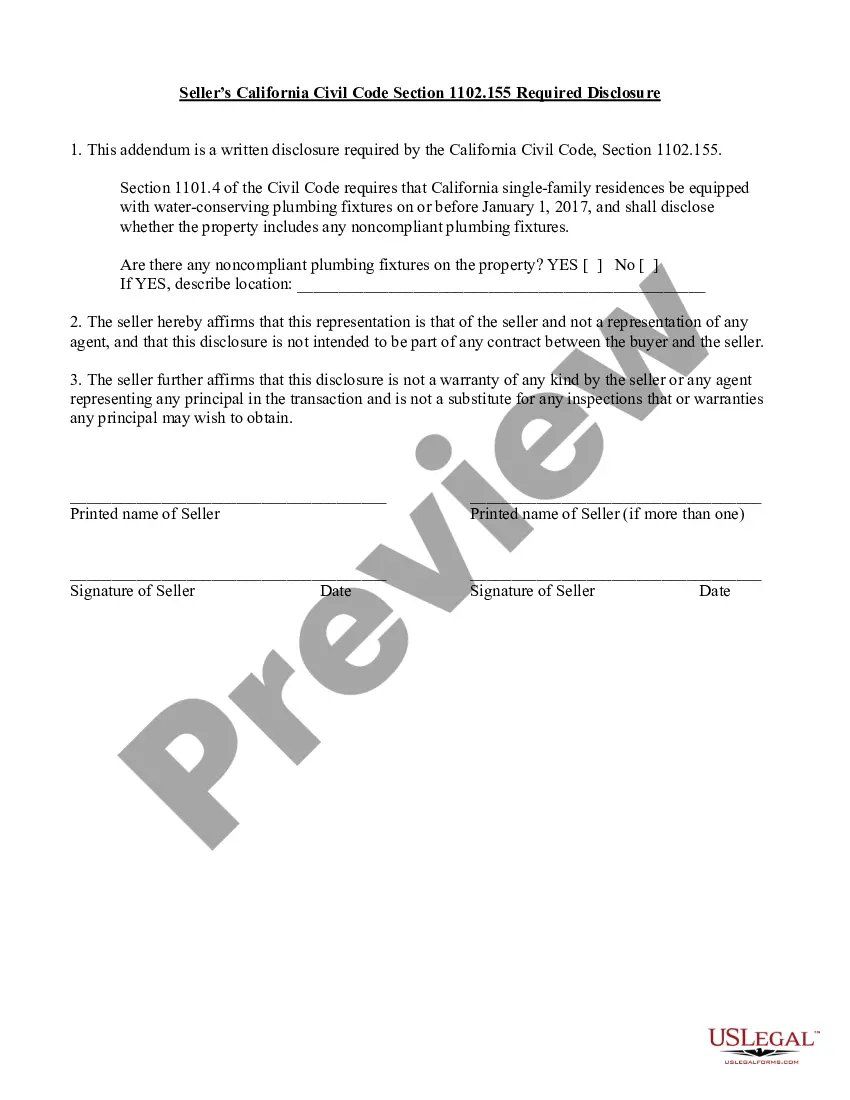
- Requirements for legal disclosures, including lead-based paint and natural hazard disclosures.
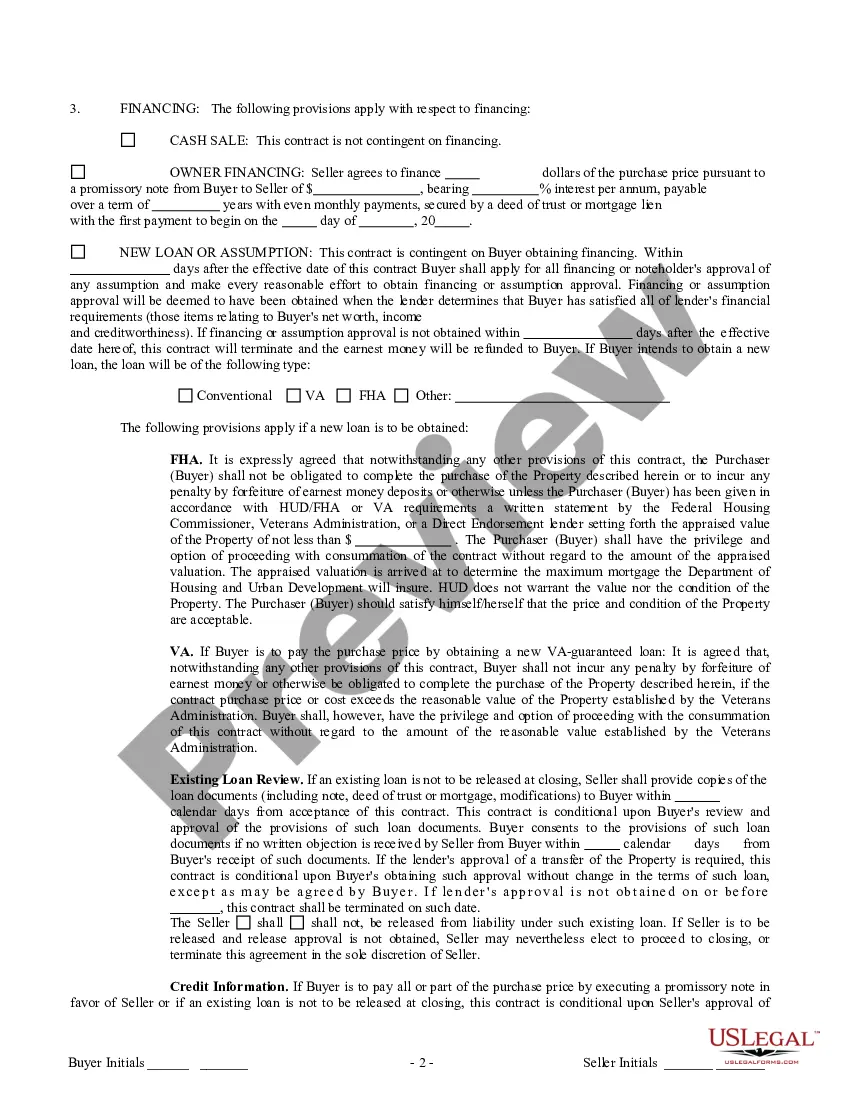
- Clauses for financing options, including cash purchases and loans.

When to use this document
This form should be used when a buyer tours a potential home for purchase. It helps the buyer identify concerns that may not be immediately apparent and gather necessary information to make an informed offer. It is also useful during negotiations with the seller regarding repairs or adjustments to the selling price based on the findings.
Who should use this form
This form is intended for:
- Homebuyers in California who are considering making an offer on a property.
- Real estate agents assisting clients in the home buying process.
- Individuals looking to ensure their investment is sound before closing the deal.
Completing this form step by step
To complete the Buyer's Home Inspection Checklist, follow these steps:
- Identify the property address and ensure the checklist is current for that location.
- Review each item on the checklist, checking for defects or necessary repairs.
- Inquire about items not visible upon inspection, such as structural issues or appliance operation.
- Document findings in the appropriate sections of the checklist.
- Discuss any concerns with the seller or real estate agent as you prepare to make an offer.
Notarization guidance
This form does not typically require notarization unless specified by local law. Ensure to check specific requirements related to the property being purchased and consult legal guidance if needed.
Get your form ready online
Our built-in tools help you complete, sign, share, and store your documents in one place.
Make edits, fill in missing information, and update formatting in US Legal Forms—just like you would in MS Word.
Download a copy, print it, send it by email, or mail it via USPS—whatever works best for your next step.
Sign and collect signatures with our SignNow integration. Send to multiple recipients, set reminders, and more. Go Premium to unlock E-Sign.
If this form requires notarization, complete it online through a secure video call—no need to meet a notary in person or wait for an appointment.
We protect your documents and personal data by following strict security and privacy standards.

Make edits, fill in missing information, and update formatting in US Legal Forms—just like you would in MS Word.

Download a copy, print it, send it by email, or mail it via USPS—whatever works best for your next step.

Sign and collect signatures with our SignNow integration. Send to multiple recipients, set reminders, and more. Go Premium to unlock E-Sign.

If this form requires notarization, complete it online through a secure video call—no need to meet a notary in person or wait for an appointment.

We protect your documents and personal data by following strict security and privacy standards.
Avoid these common issues
- Overlooking minor issues that could become major problems if not addressed.
- Failing to review the Seller's disclosures thoroughly.
- Not using the checklist during the home tour, leading to missed items.
- Assuming all disclosures are complete without inquiry or documentation.
- Neglecting to follow up on specific concerns after the initial inspection.
Benefits of using this form online
- Convenient access to a detailed checklist that organizes inspection priorities.
- Editable format allows users to customize the form based on their needs.
- Reliable information drafted by licensed attorneys ensures the form meets legal standards.
- Provides a clear roadmap for the buyer to address issues before purchasing.
- Helps facilitate smoother negotiations with sellers by documenting concerns.
Legal use & context
- This checklist is a non-binding document and serves as a personal assessment tool.
- It does not replace the need for a professional home inspection.
- Using this checklist in California aligns with prudent buyer practices in real estate transactions.
Looking for another form?


Form popularity
FAQ
The California Buyer's Home Inspection Checklist is a buyer-focused tool for evaluating a home during initial viewings in California. It helps prospective buyers record observations about location, neighborhood characteristics, proximity to amenities, and the general condition of the property, plus space for the buyer's notes. Use it during open houses or showings to gather information before submitting an offer.
This checklist is buyer-focused and not an inspector's protocol. It guides buyers to note location, neighborhood, proximity to amenities, and general condition during showings, creating a prepared list of questions for sellers and a basis for a professional inspection later.
This form does not enumerate required inspections. It is a pre-offer tool for documenting what buyers observe about location, neighborhood, and general condition, and for recording questions. For California-specific inspection requirements and to obtain a formal report, rely on licensed professionals after an offer is made.
This checklist isn’t a guide to inspection types. It focuses on the buyer’s on-site observations of location, neighborhood, proximity to amenities, and general property condition, plus a space for notes. It’s intended to prepare buyers for conversations with sellers and for follow-up professional inspections.
This form does not set repair duties. It helps buyers capture observations and questions during showings to discuss with sellers and plan next steps, including scheduling a professional inspection after an offer. Repair obligations are determined by the purchase agreement and any disclosures or negotiations.
This checklist is buyer-focused and designed for use during initial viewings in California, emphasizing location, neighborhood characteristics, proximity to amenities, and general property condition, with space for the buyer's notes. A general home inspection checklist or report is typically produced by a professional and focuses on technical defects.