Arizona Special Child Power of Attorney Delegating Powers of Parent or Guardian
Understanding this form
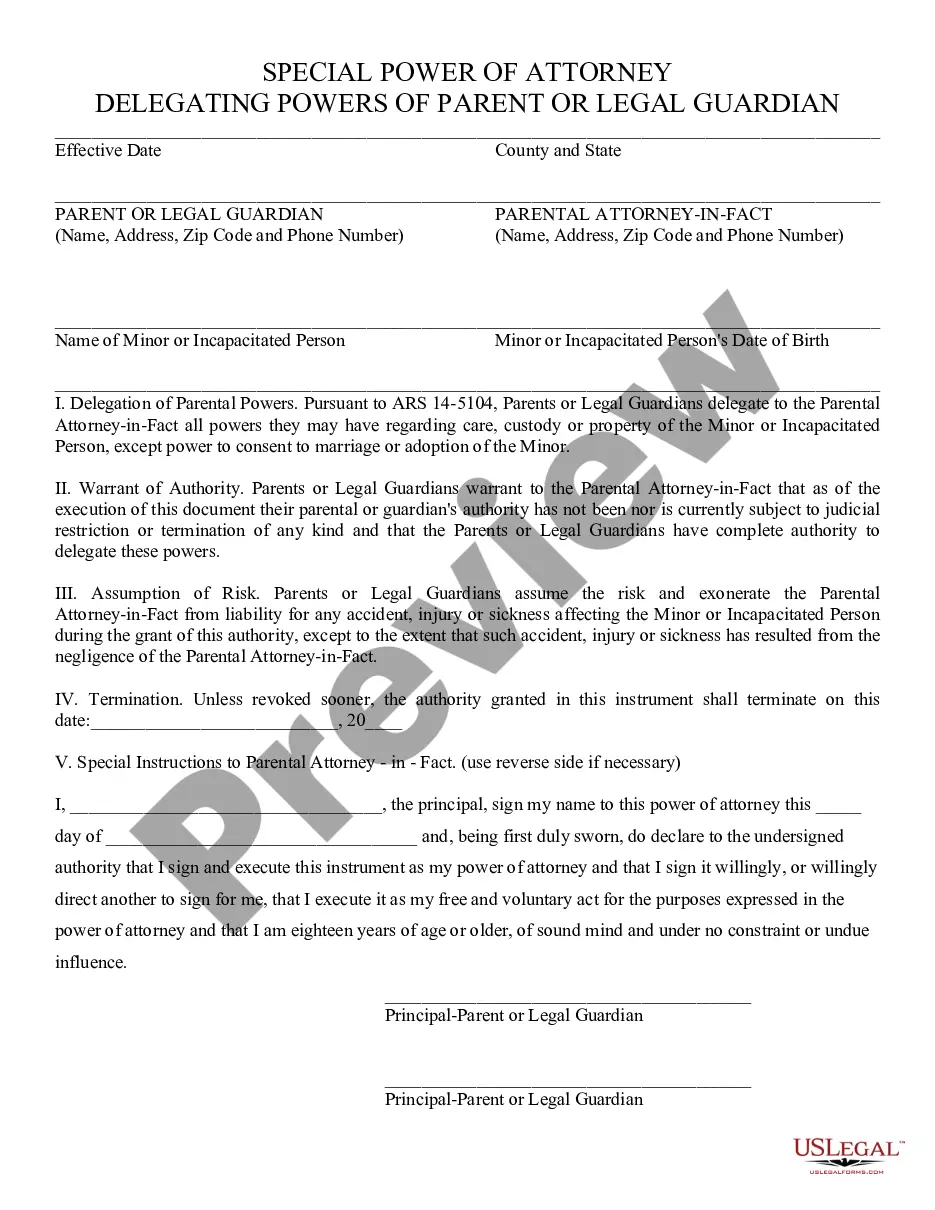
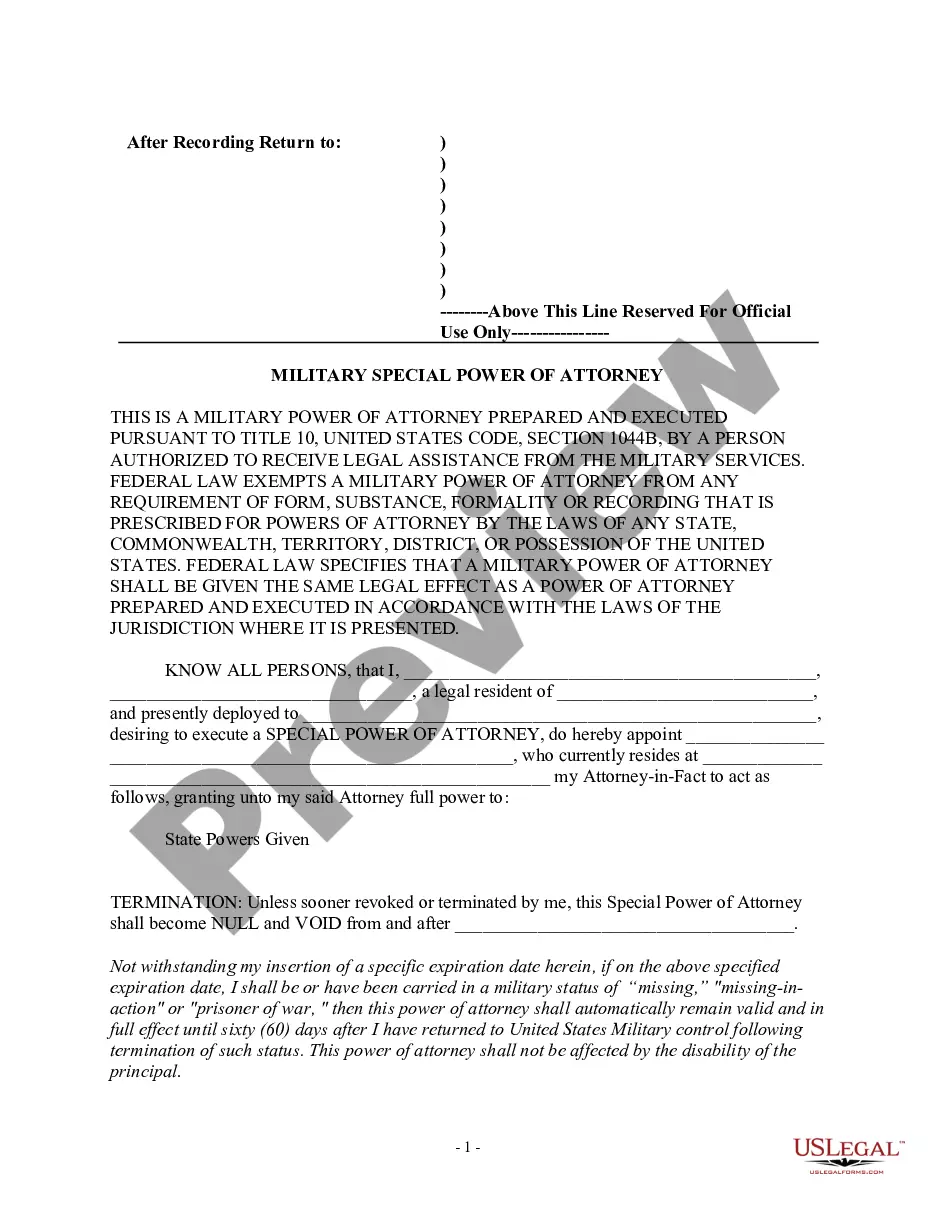
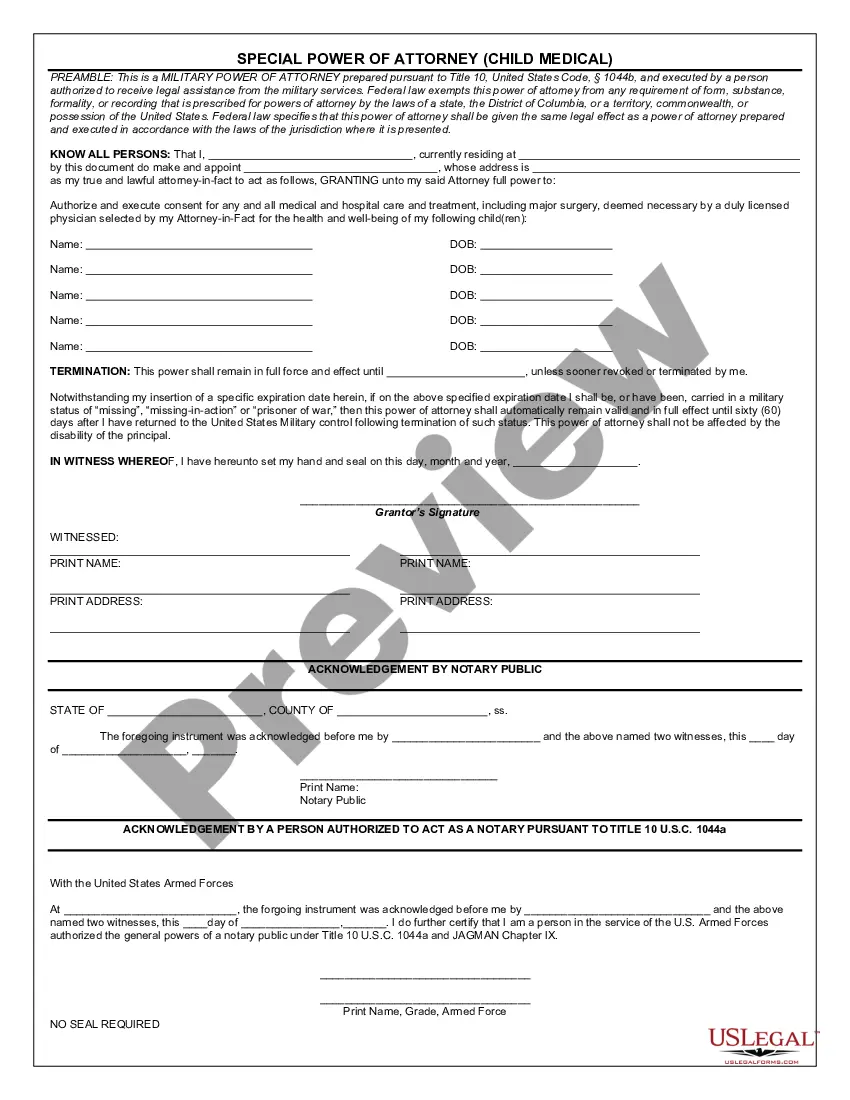
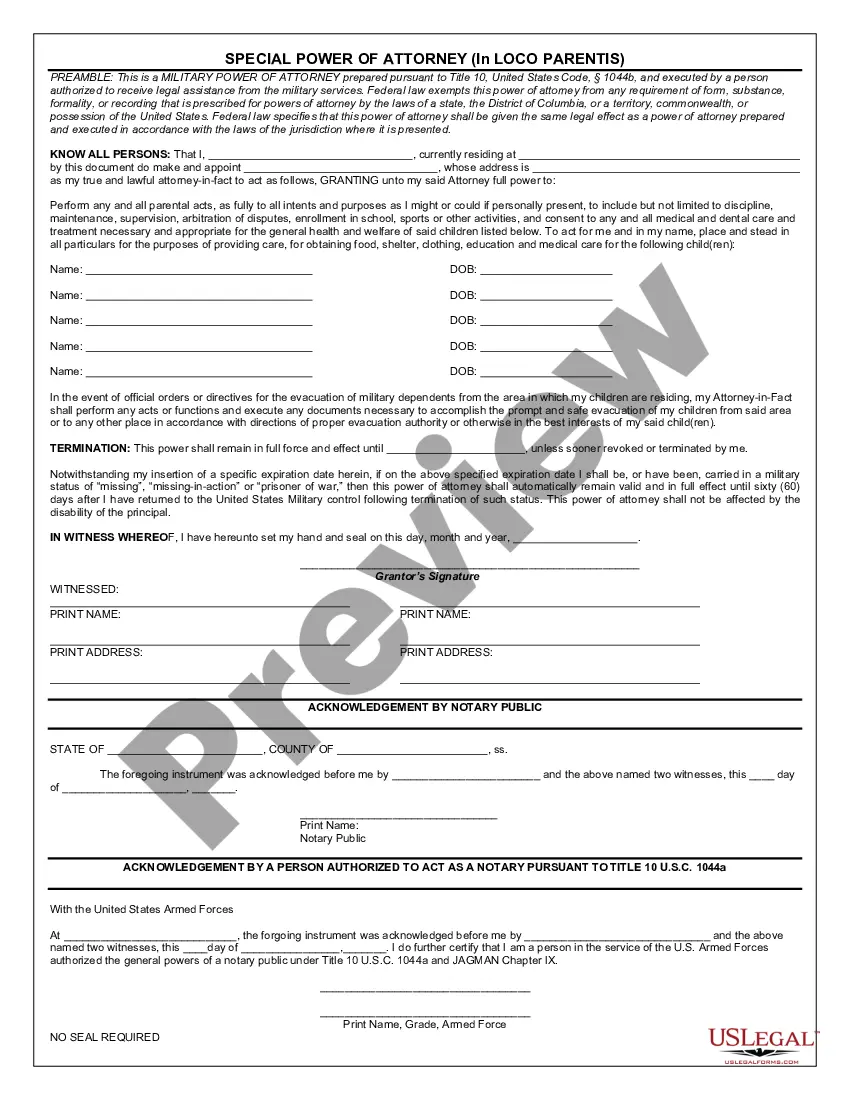
The Special Child Power of Attorney Delegating Powers of Parent or Guardian is a legal document that allows a parent or legal guardian to designate a parental agent. This agent is granted specific powers related to the care, custody, and property of a minor or incapacitated person, while intentionally excluding the authority to consent to the child's marriage or adoption. This form is essential for parents who need to temporarily delegate their responsibilities while maintaining legal protections for the minor's welfare.
Key components of this form
- Effective date and jurisdiction details.
- Names and contact information for the parent or legal guardian and the designated parental attorney-in-fact.
- Identification of the minor or incapacitated person, including their date of birth.
- Delegation of parental powers, specifying exclusions regarding marriage or adoption.
- Warrant of authority confirming the parent's legal standing to delegate powers.
- Termination clause outlining the duration of the authority granted.
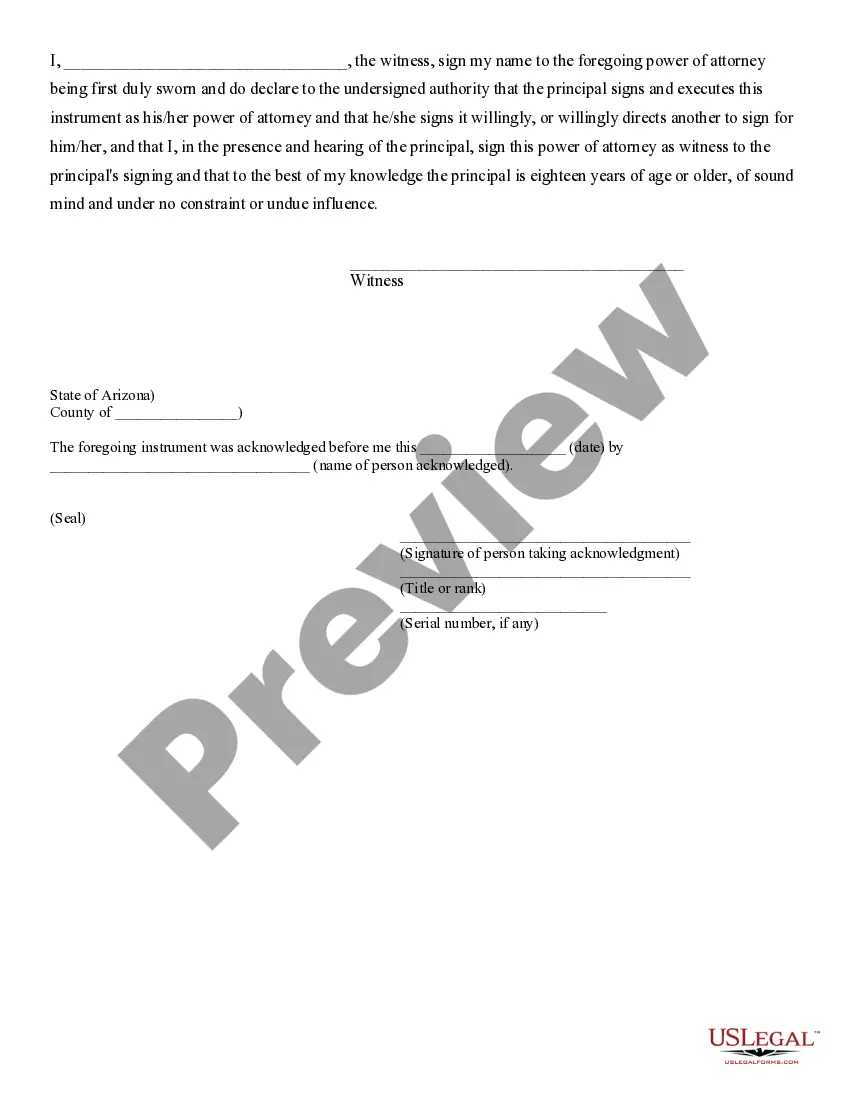
- Signature lines for the principal and a witness, along with notary acknowledgment.
Common use cases
This form should be used when a parent or legal guardian needs to temporarily delegate their authority over a minor or incapacitated person. Common scenarios include times when the parent is traveling, undergoing medical treatment, or otherwise unable to make immediate decisions regarding the child's care. It provides a legal framework to ensure that the child's welfare is managed effectively in the absence of the parent or guardian.
Who needs this form
- Parents or legal guardians of minors or incapacitated persons.
- Individuals seeking to temporarily delegate authority for the care and custody of a child.
- Anyone responsible for a minor who may need to ensure appropriate care in the parent's absence.
Instructions for completing this form
- Enter the effective date and specify the county and state where the form is executed.
- Fill in the names, addresses, and contact information for both the parent or guardian and the parental attorney-in-fact.
- Provide the name and date of birth of the minor or incapacitated person.
- Review the delegation clause to confirm that it meets your needs, and add any special instructions if necessary.
- Both the parent or legal guardian and a witness must sign the document in the designated areas.
- If required, have the document notarized to ensure its legal validity.
Is notarization required?
Yes, this form must be notarized to be legally valid. Notarization adds an essential layer of verification and authenticity, confirming the identity of the signers and the voluntary nature of the agreement. US Legal Forms offers integrated online notarization services for your convenience, available 24/7 via secure video calls, removing the need for in-person visits.
Get your form ready online
Our built-in tools help you complete, sign, share, and store your documents in one place.
Make edits, fill in missing information, and update formatting in US Legal Forms—just like you would in MS Word.
Download a copy, print it, send it by email, or mail it via USPS—whatever works best for your next step.
Sign and collect signatures with our SignNow integration. Send to multiple recipients, set reminders, and more. Go Premium to unlock E-Sign.
If this form requires notarization, complete it online through a secure video call—no need to meet a notary in person or wait for an appointment.
We protect your documents and personal data by following strict security and privacy standards.

Make edits, fill in missing information, and update formatting in US Legal Forms—just like you would in MS Word.

Download a copy, print it, send it by email, or mail it via USPS—whatever works best for your next step.

Sign and collect signatures with our SignNow integration. Send to multiple recipients, set reminders, and more. Go Premium to unlock E-Sign.

If this form requires notarization, complete it online through a secure video call—no need to meet a notary in person or wait for an appointment.

We protect your documents and personal data by following strict security and privacy standards.
Avoid these common issues
- Failing to clearly specify the effective date of the power of attorney.
- Not including a witness signature, which is necessary for validity.
- Overlooking the notary requirement when applicable.
- Neglecting to specify any limitations or special instructions for the parental attorney-in-fact.
Why complete this form online
- Convenience of downloading the form from anywhere at any time.
- Editability allows customization to meet specific needs.
- Access to expertly drafted forms provides peace of mind regarding legal compliance.
Looking for another form?

Form popularity
FAQ
To give someone power of attorney in Arizona, start by drafting the power of attorney document that specifies the powers you wish to assign. Choose a reliable individual to act as your agent, and include their name and the powers they will hold in the document. For an Arizona Special Child Power of Attorney Delegating Powers of Parent or Guardian, make sure to clearly articulate the responsibilities related to the child. After signing and notarizing the document, provide copies to your agent and any relevant parties.
Arizona does not require two witnesses for a power of attorney to be valid. However, having witnesses can provide additional assurance and may be beneficial in certain situations. When creating an Arizona Special Child Power of Attorney Delegating Powers of Parent or Guardian, consider including witnesses to bolster your document's credibility.
In Arizona, recording a power of attorney is not usually required, but you may choose to do so to provide public notice. If you want to record it, visit your local county recorder's office and submit your notarized document. Keep in mind that an Arizona Special Child Power of Attorney Delegating Powers of Parent or Guardian may require notification to specific agencies or institutions if the child is involved in education or healthcare.
To create a power of attorney in Arizona, begin by selecting a trusted individual to act on your behalf. Next, fill out the appropriate power of attorney form, ensuring it outlines the specific powers you want to delegate. It's important to include a statement that mentions your intention to create an Arizona Special Child Power of Attorney Delegating Powers of Parent or Guardian when applicable. Finally, have the document notarized and share copies with relevant parties.
Yes, in Arizona, a power of attorney must be notarized to be legally valid. The notarization confirms the identity of the person granting authority and ensures that the document meets state requirements. This step is crucial when you create an Arizona Special Child Power of Attorney Delegating Powers of Parent or Guardian, as it helps prevent disputes about the document's authenticity.
In Massachusetts, a guardian typically has priority over a power of attorney. If a court appoints a guardian, they can make decisions that may conflict with those outlined in a power of attorney. Understanding these dynamics is critical for ensuring that the best interests of your child are served, which can be accomplished with the Arizona Special Child Power of Attorney Delegating Powers of Parent or Guardian.
Generally, a guardian's authority supersedes that of a power of attorney. If a guardian is appointed, they assume control over decisions concerning the child’s welfare, which can negate the powers granted in a power of attorney. This is an essential consideration with documents like the Arizona Special Child Power of Attorney Delegating Powers of Parent or Guardian, helping you navigate these important choices.
In Pennsylvania, the principal, who created the power of attorney, can revoke or override it at any time, as long as they are mentally competent. Additionally, a court may intervene if there is evidence of misuse or if the principal's best interests are at stake. It's advisable to be aware of these rights when establishing documents like the Arizona Special Child Power of Attorney Delegating Powers of Parent or Guardian.
No, a power of attorney does not override parental rights. Instead, it serves as a supplementary tool that allows parents to delegate specific responsibilities while retaining their rights. For instance, the Arizona Special Child Power of Attorney Delegating Powers of Parent or Guardian allows parents to empower others, such as grandparents or trusted family friends, to care for their child without relinquishing their parental authority.
Power of attorney is a legal document that gives one person the authority to act on another's behalf, particularly in financial or health matters. Delegation of authority often refers to operational powers in a more general sense. In the case of the Arizona Special Child Power of Attorney Delegating Powers of Parent or Guardian, it specifically addresses delegating parental responsibilities and decision-making powers.