Arizona Landlord Tenant Closing Statement to Reconcile Security Deposit
Overview of this form
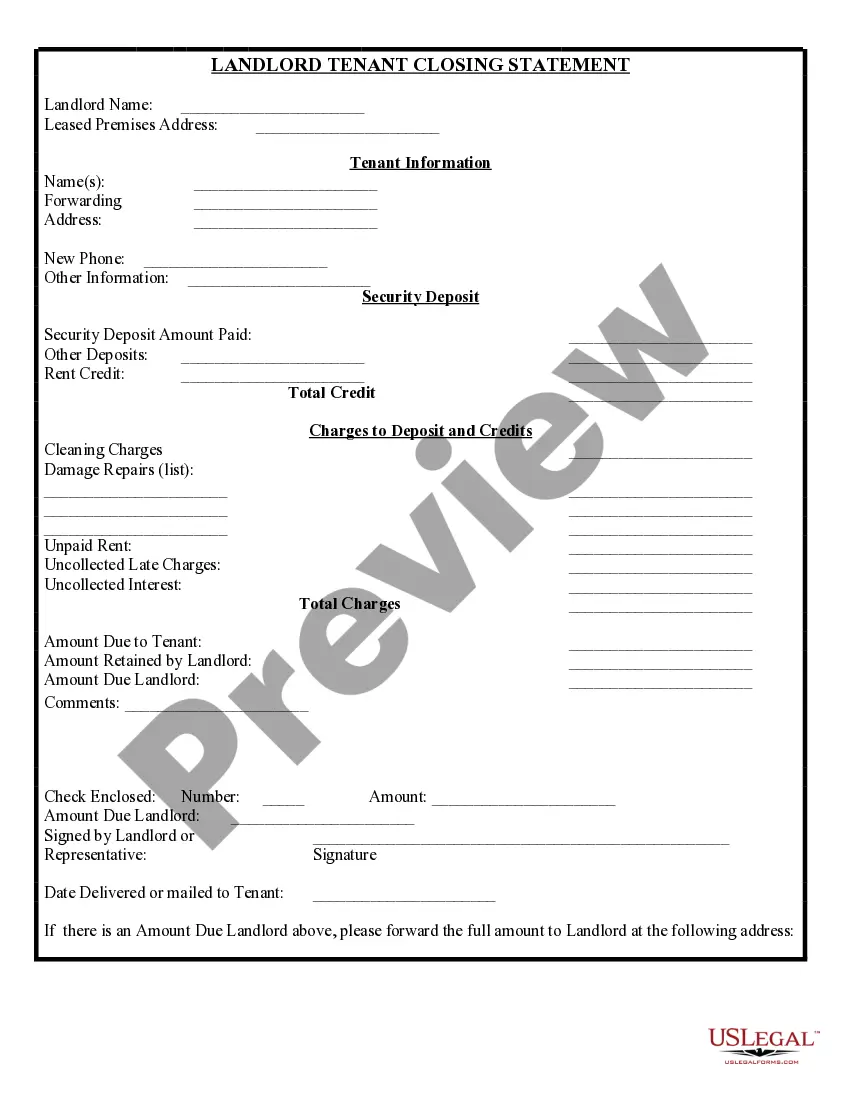
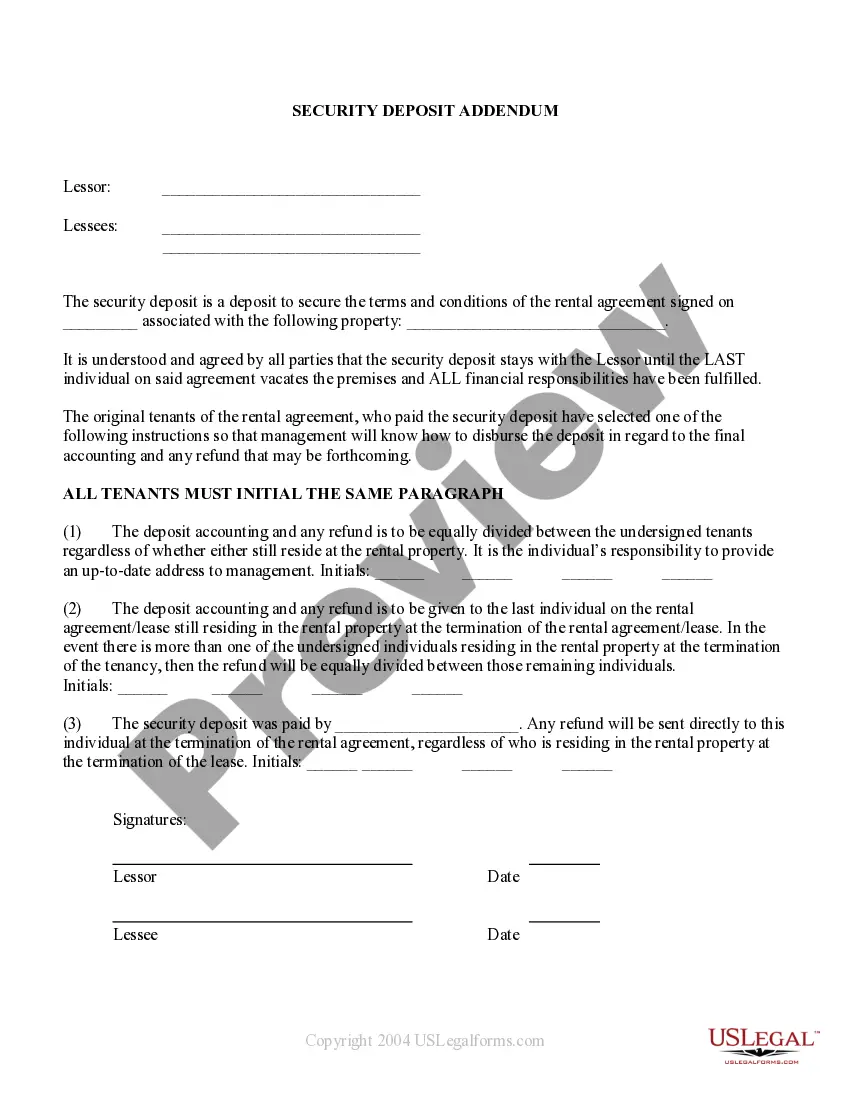
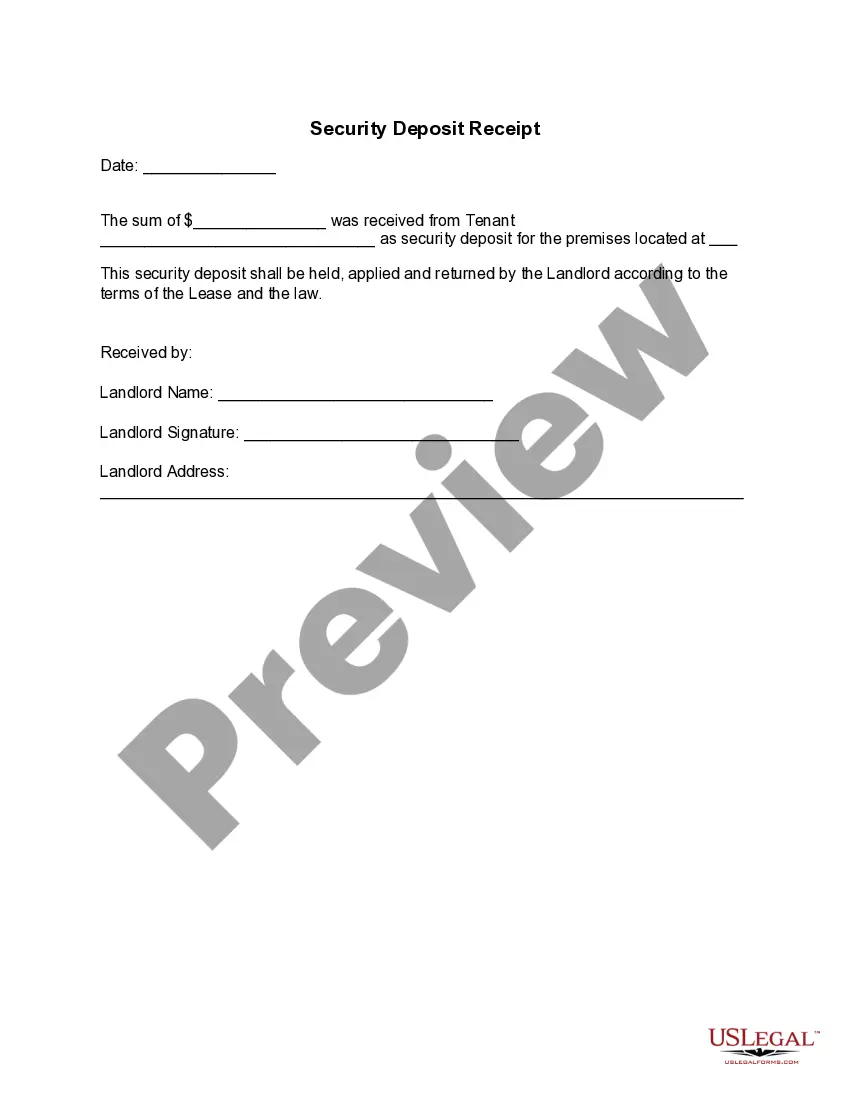
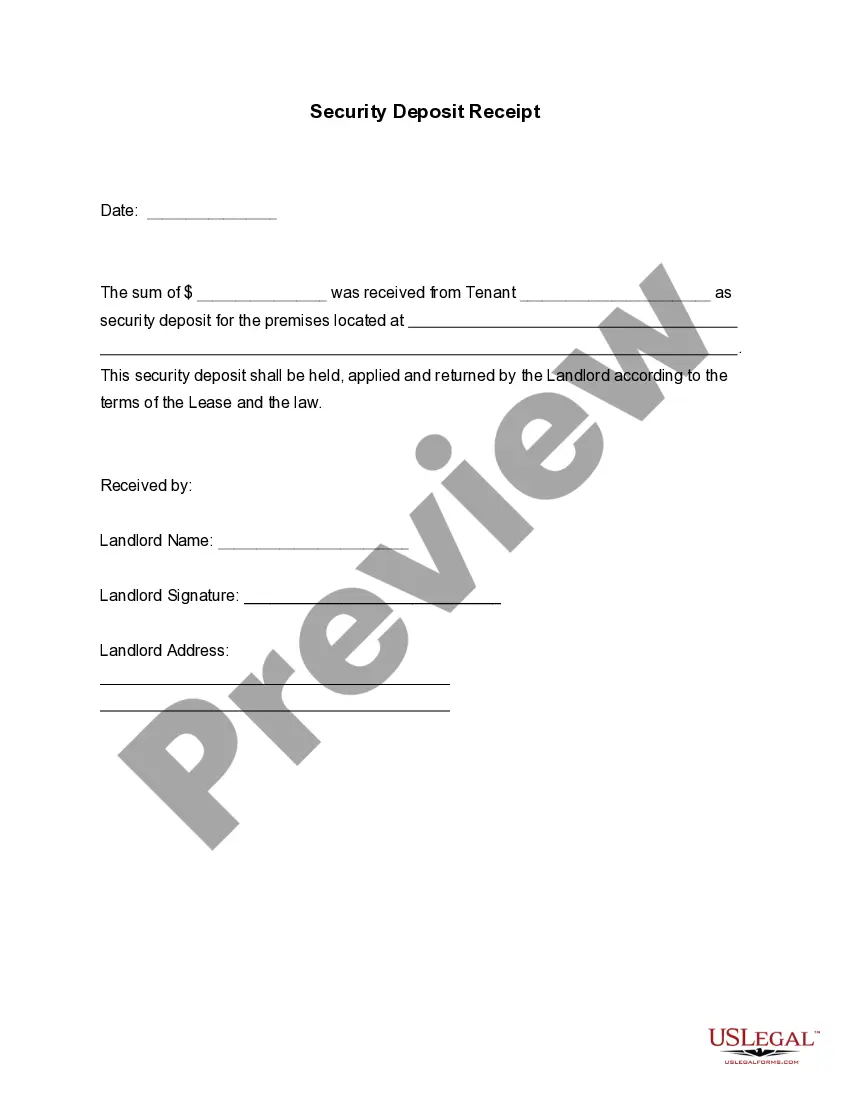
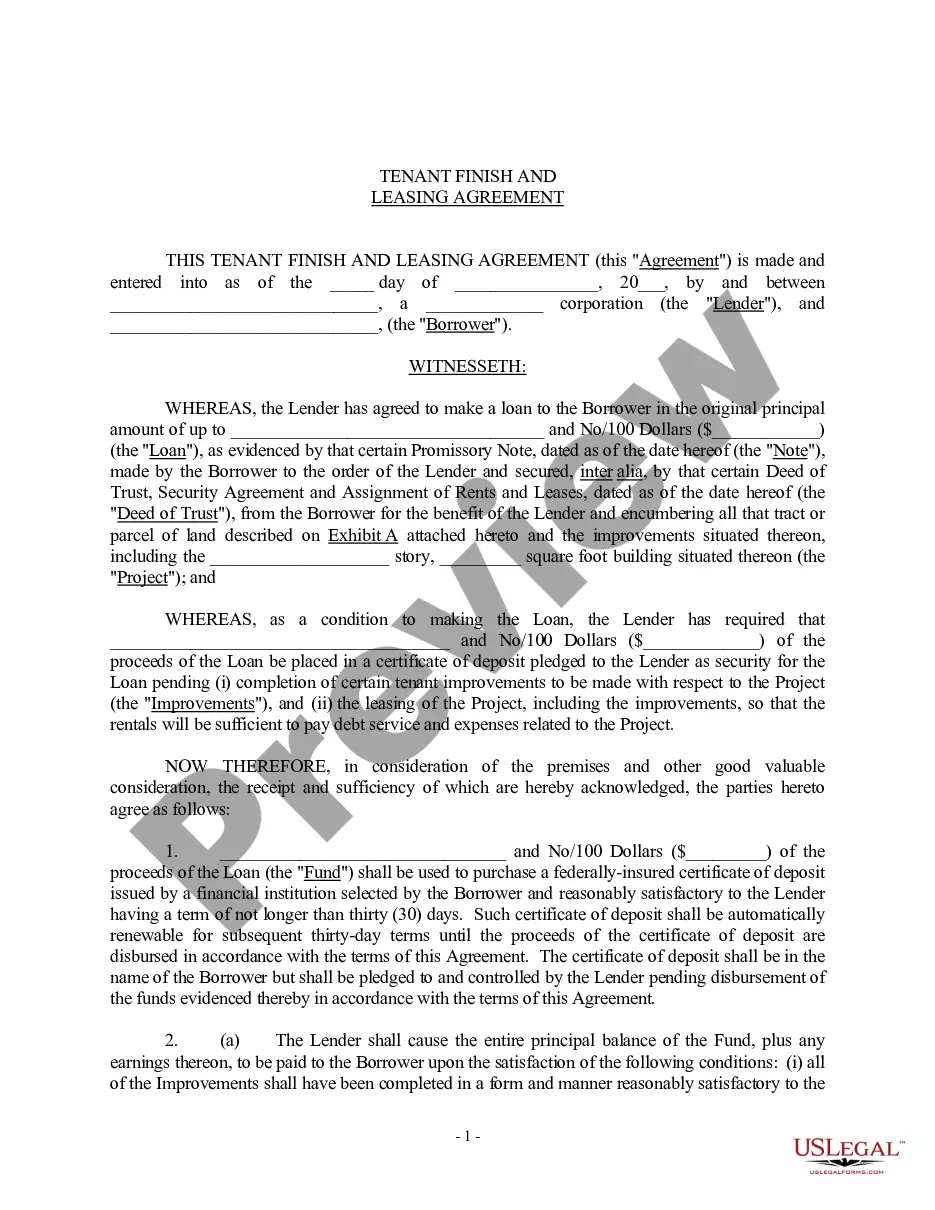
The Landlord Tenant Closing Statement to Reconcile Security Deposit is a legal document used by landlords to itemize and record security deposits held from tenants. This form details the credits and any deductions made from the security deposit for repairs beyond normal wear and tear. The statement serves to document the financial transactions between landlords and tenants, ensuring transparency regarding the security deposit, which is distinct from rent payments.
Form components explained
- Landlord's information: Name and contact details of the landlord.
- Tenant's information: Name and contact details of the tenant.
- Property details: Address and description of the rental property.
- Security deposit amount: Total amount of the security deposit held by the landlord.
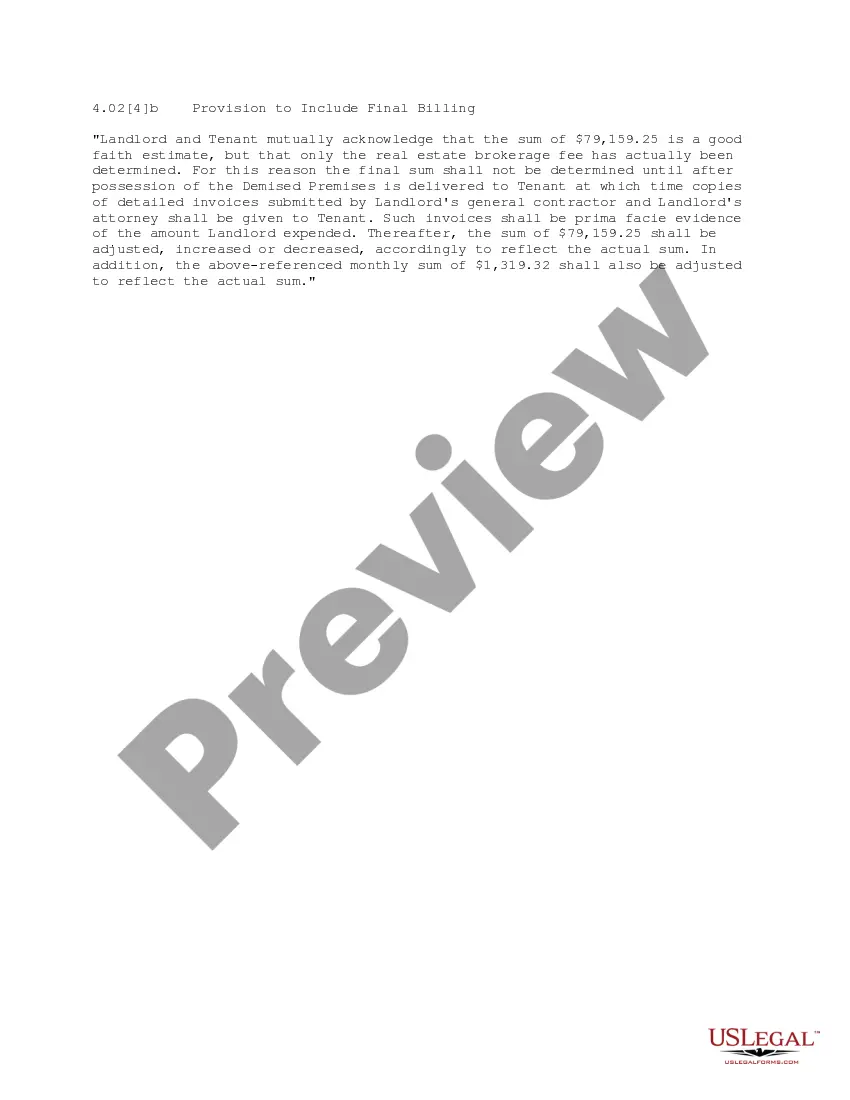
- Deductions: Detailed list of deductions for damages and repairs.
- Final balance: Calculation of the total amount to be returned to the tenant.
When this form is needed
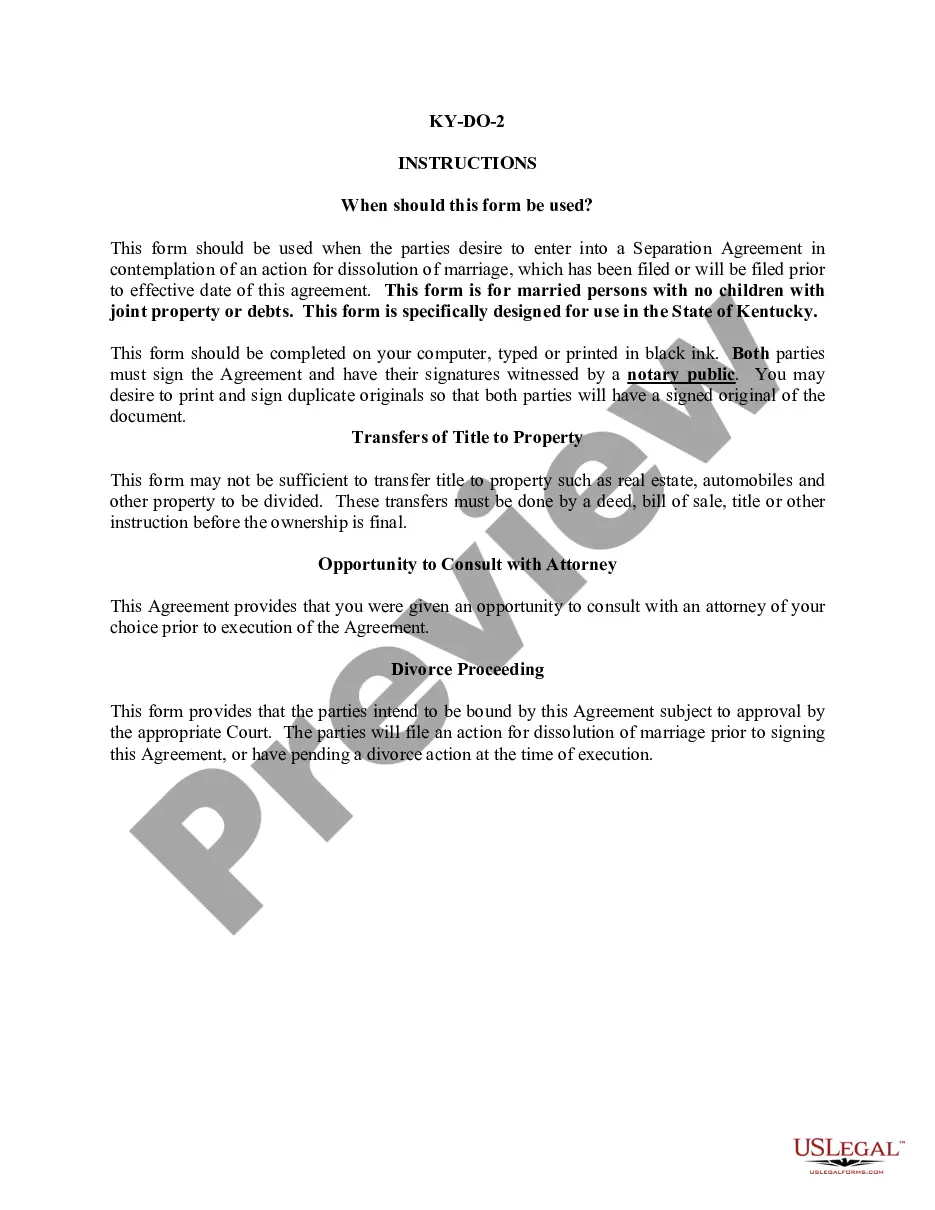
This form should be used when a tenant vacates a rental property and the landlord needs to reconcile the security deposit. It is essential to outline any deductions taken for damages, ensuring both parties understand the final financial outcome. This is particularly important in disputes about the return of the security deposit.
Who should use this form
- Landlords seeking to return security deposits to tenants.
- Tenants wanting a clear statement of their deposited funds and any deductions.
- Property management companies managing rental leases on behalf of landlords.
Steps to complete this form
- Identify the parties: Fill in the names and contact information of both the landlord and tenant.
- Specify the property: Clearly state the address and description of the rental property.
- Document the security deposit: Enter the total amount of the security deposit that was collected from the tenant.
- List deductions: Itemize any deductions for damages along with the associated costs.
- Calculate final balance: Determine the total amount to be returned to the tenant and include this figure.
- Sign and date: Ensure both parties sign the document to acknowledge the reconciliation of the security deposit.
Notarization requirements for this form
This form does not typically require notarization unless specified by local law. Ensure that you check your state's requirements regarding the notarization process for security deposit statements.
Get your form ready online
Our built-in tools help you complete, sign, share, and store your documents in one place.
Make edits, fill in missing information, and update formatting in US Legal Forms—just like you would in MS Word.
Download a copy, print it, send it by email, or mail it via USPS—whatever works best for your next step.
Sign and collect signatures with our SignNow integration. Send to multiple recipients, set reminders, and more. Go Premium to unlock E-Sign.
If this form requires notarization, complete it online through a secure video call—no need to meet a notary in person or wait for an appointment.
We protect your documents and personal data by following strict security and privacy standards.

Make edits, fill in missing information, and update formatting in US Legal Forms—just like you would in MS Word.

Download a copy, print it, send it by email, or mail it via USPS—whatever works best for your next step.

Sign and collect signatures with our SignNow integration. Send to multiple recipients, set reminders, and more. Go Premium to unlock E-Sign.

If this form requires notarization, complete it online through a secure video call—no need to meet a notary in person or wait for an appointment.

We protect your documents and personal data by following strict security and privacy standards.
Typical mistakes to avoid
- Failing to include necessary details about deductions.
- Not obtaining signatures from both parties.
- Using incorrect calculations for the final balance.
Advantages of online completion
- Immediate access: Download the form instantly without waiting.
- Editability: Customize fields to fit specific rental situations.
- Guidance: Use templates designed by licensed attorneys for legal compliance.
Looking for another form?

Form popularity
FAQ
Section 33-1324 of the Arizona Revised Statutes outlines the procedures landlords must follow when dealing with security deposits. It includes details on recovering damages, acceptable deductions, and the requirement for providing a closing statement to reconcile the security deposit. Familiarizing yourself with this section can ensure you are well-prepared when managing your rental agreements.
ARS section 33-1343 provides additional protections for tenants regarding the handling of security deposits in Arizona. It establishes the requirements for returning deposits, including the necessity of providing a closing statement to reconcile the security deposit. Referencing this section can empower tenants in their interactions with landlords.
In Arizona, landlords cannot retaliate against tenants for exercising their rights or violating tenant laws. Additionally, they cannot unlawfully withhold security deposits or return them without proper reconciliation. Being aware of these limitations helps tenants stand firm against unfair practices.
Yes, Arizona law requires landlords to provide receipts for any deductions taken from security deposits. This is a crucial aspect of the Arizona Landlord Tenant Closing Statement to Reconcile Security Deposit, as it ensures transparency. If your landlord fails to provide these receipts, you may have grounds for a dispute.
To dispute security deposit deductions in Arizona, first review your landlord's closing statement carefully. Gather evidence, such as photos or receipts, to support your claim. If necessary, consider utilizing USLegalForms to draft a formal dispute letter that clearly outlines your position regarding the deductions.
When writing a letter to request the return of your security deposit, include key details such as your address, the rental period, and the date you vacated the property. Make sure to mention the Arizona Landlord Tenant Closing Statement to Reconcile Security Deposit requirements to clarify your expectations. A well-structured letter can help facilitate a smoother return process.
The new law for renters in Arizona focuses on improving tenant rights and establishing clearer guidelines for security deposits. It mandates prompt return of deposits and requires landlords to provide a detailed closing statement to reconcile the security deposit. Understanding these provisions can help you ensure your rights are protected when moving out.
Landlords in Arizona can deduct amounts for unpaid rent, repairs beyond normal wear and tear, and cleaning costs necessary to return the rental unit to its original condition. To ensure compliance, it’s advisable for landlords to provide an Arizona Landlord Tenant Closing Statement to Reconcile Security Deposit, detailing these deductions. This practice not only clarifies the deductions for tenants but also protects landlords from disputes.
In Arizona, the law on security deposits allows landlords to collect a deposit, usually limited to one and a half times the rent. The law mandates that landlords return the security deposit or provide an Arizona Landlord Tenant Closing Statement to Reconcile Security Deposit within 14 days after a tenant moves out. This ensures that tenants are aware of any deductions and promotes fairness in rental agreements.
Section 33-1324-a of the Arizona Residential Landlord and Tenant Act outlines the procedures landlords must follow when handling security deposits. This section requires landlords to provide a clear Arizona Landlord Tenant Closing Statement to Reconcile Security Deposit, detailing any deductions made. Understanding this section helps both tenants and landlords to comply with the law and ensures transparency in the process.