Arkansas Warranty Deed from Husband and Wife to LLC
Overview of this form
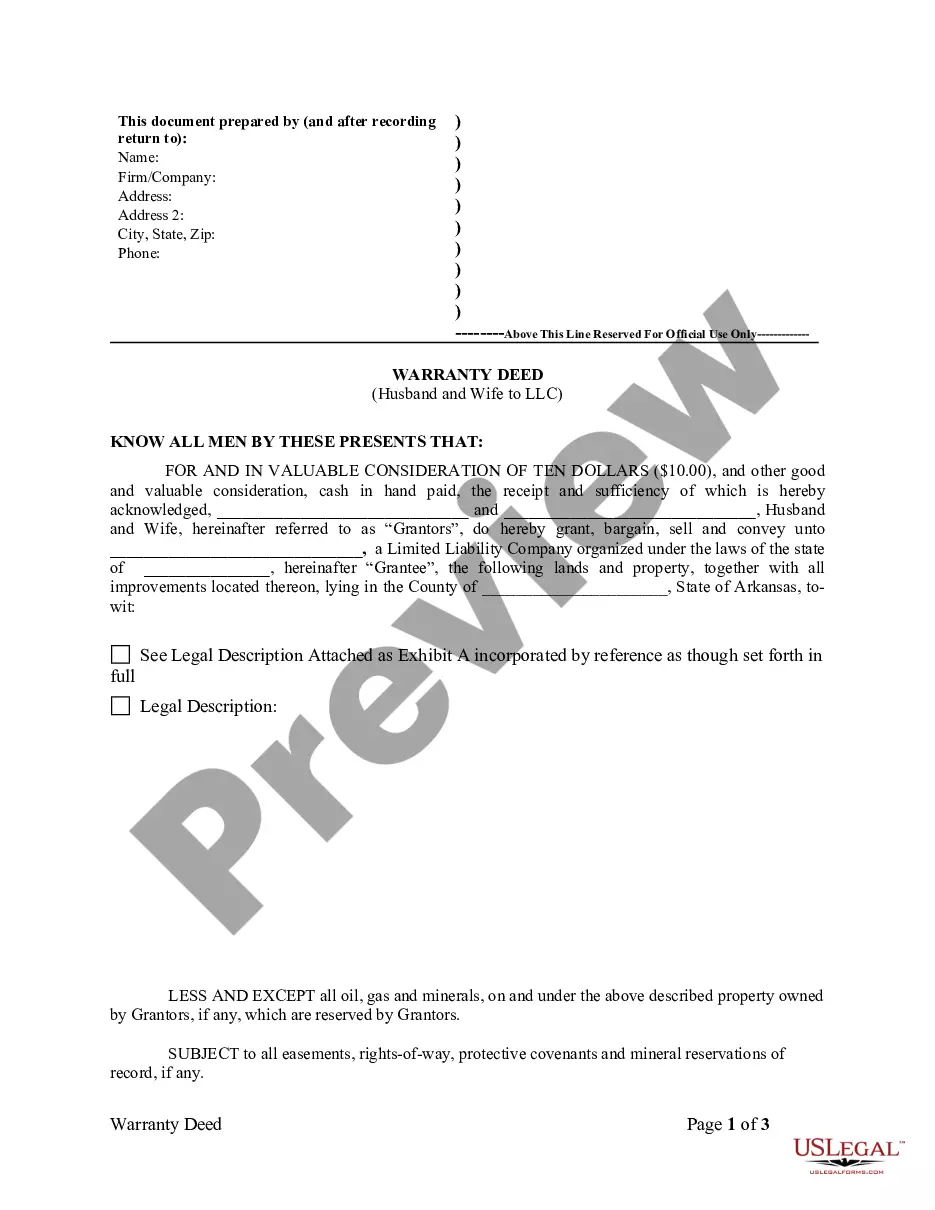
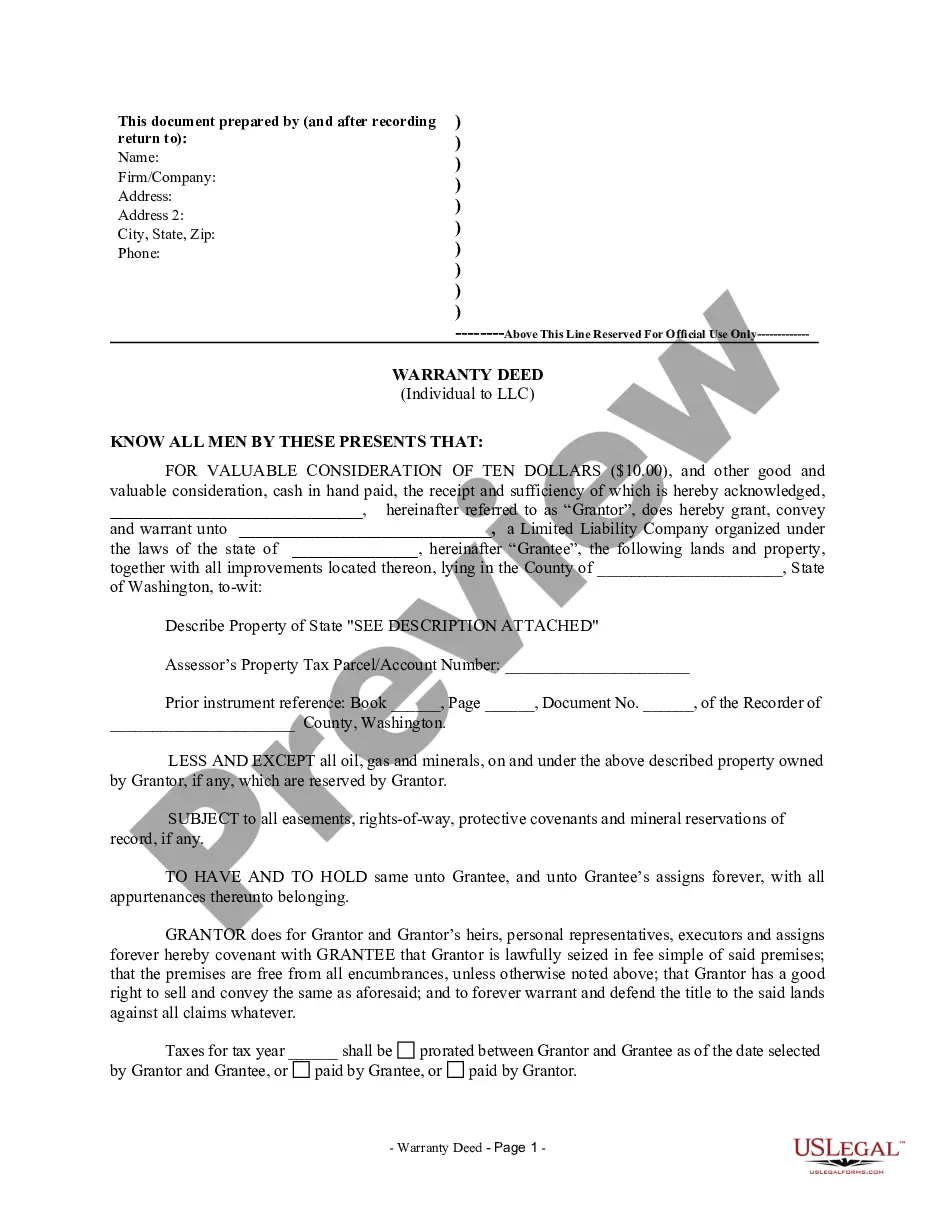
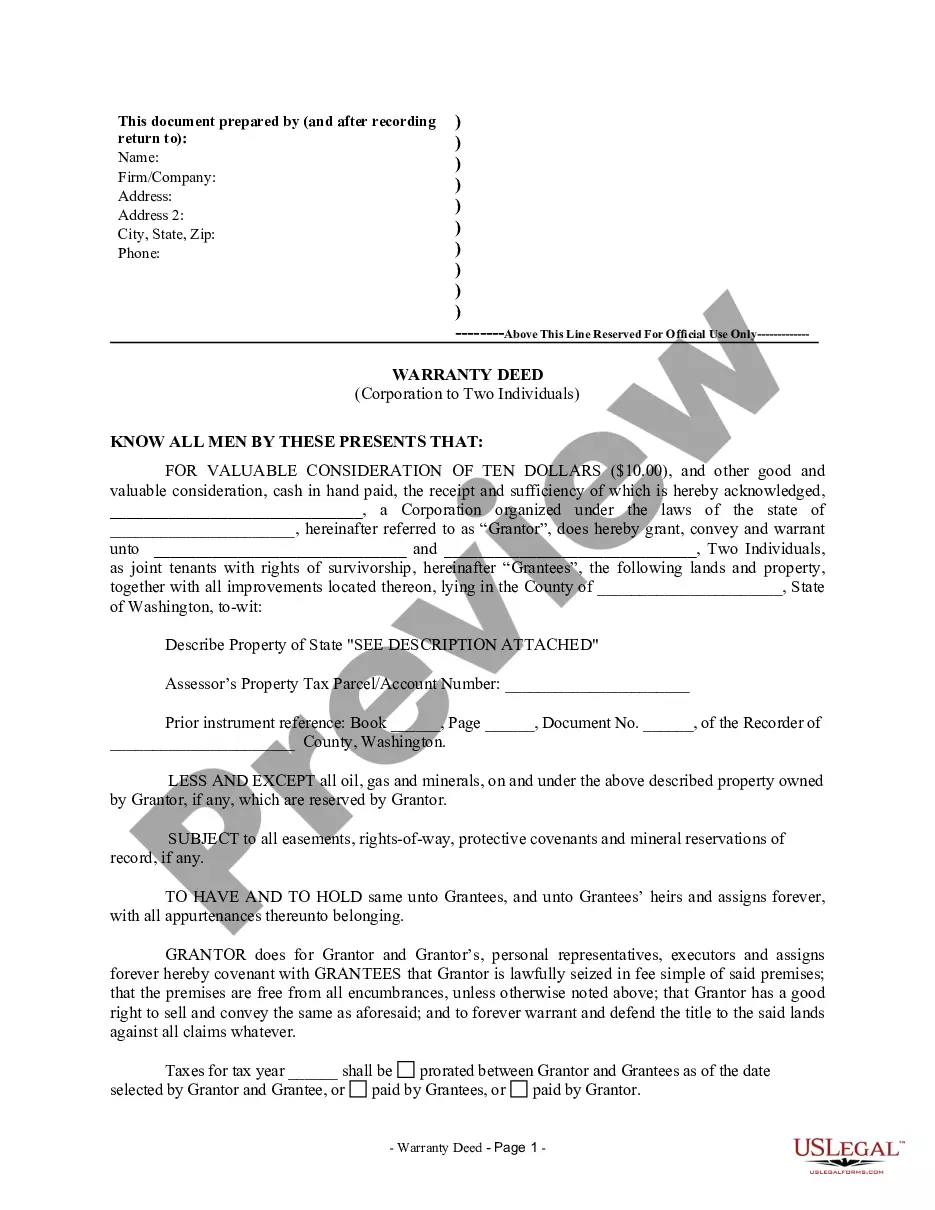
The Warranty Deed from Husband and Wife to LLC is a legal document where a married couple (the grantors) transfers property ownership to a limited liability company (the grantee). This form ensures that the property is conveyed with the promise that it is free of encumbrances, except as noted. It is distinct from other property transfer forms because it specifically involves both spouses as grantors, addressing their rights and obligations in the process.
Form components explained
- Identification of the grantors (husband and wife) and grantee (LLC).
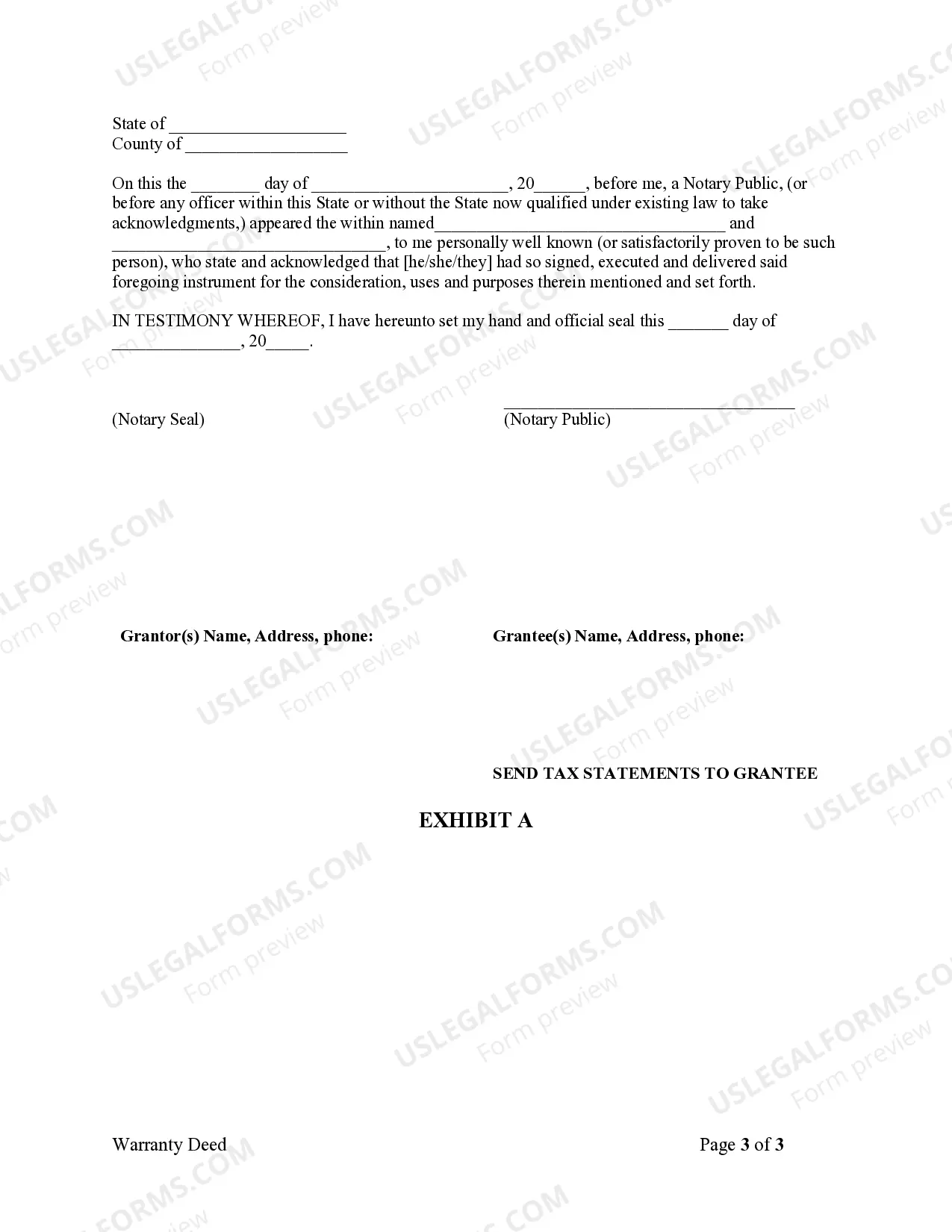
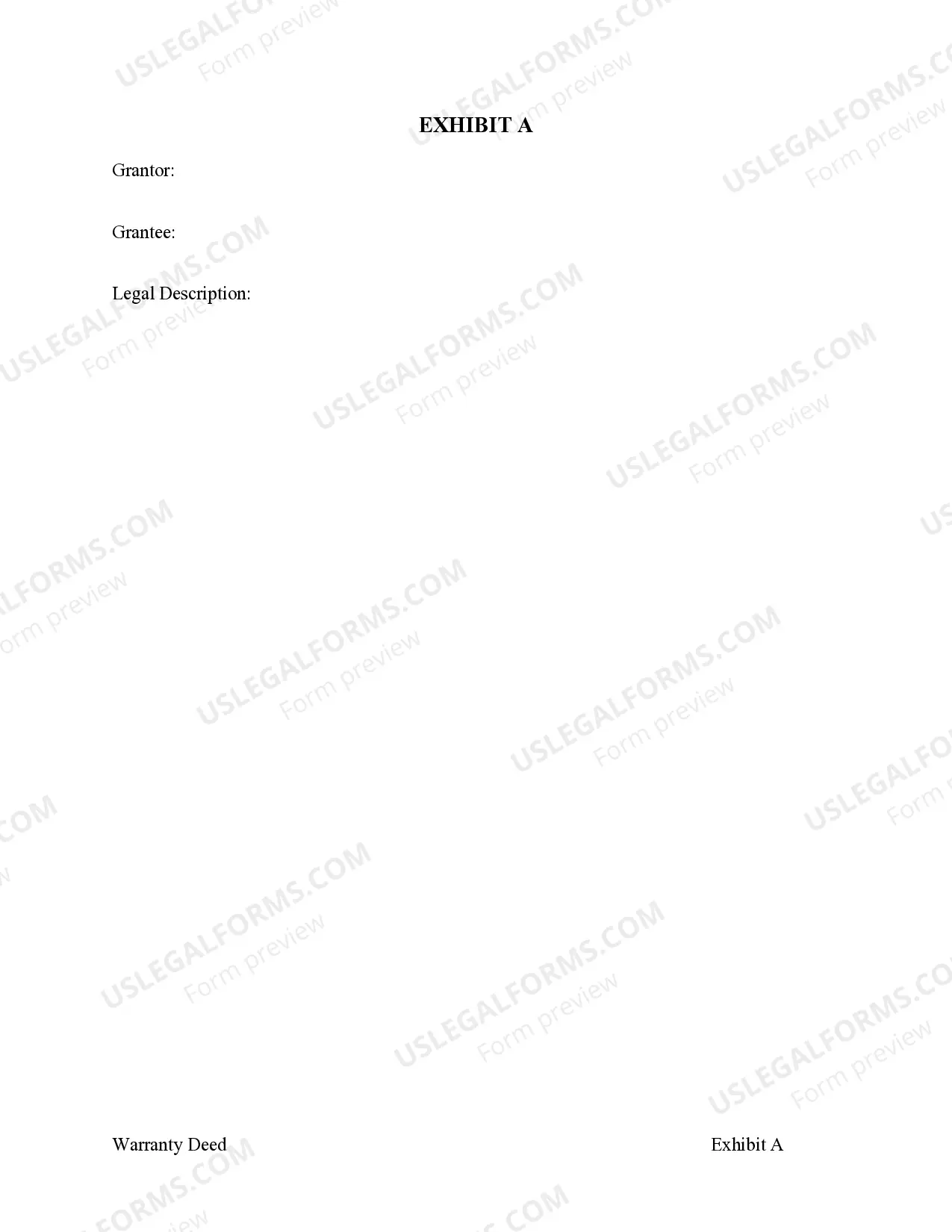
- Legal description of the property being transferred.
- Covenant assuring that the property is free from encumbrances.
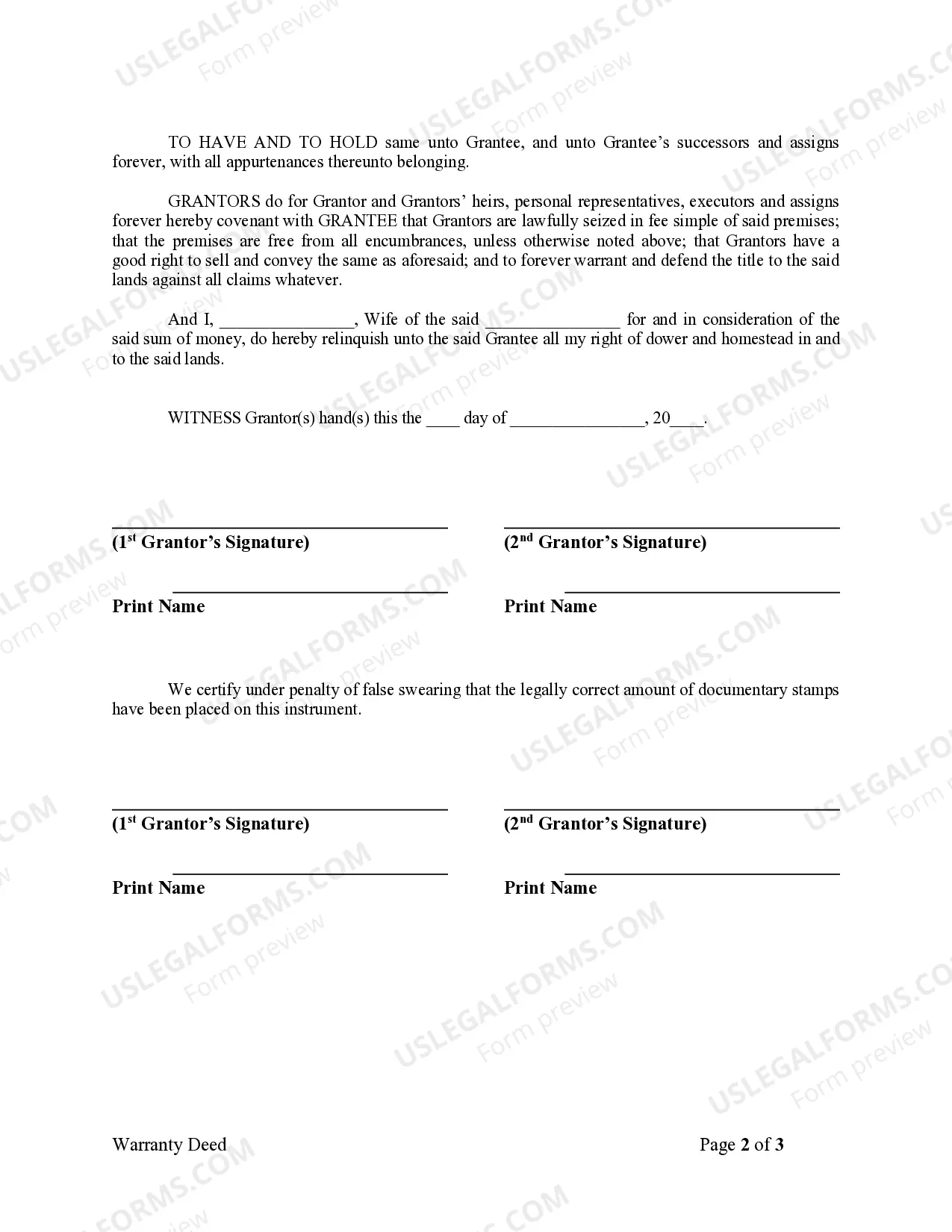
- Grantors' relinquishment of dower and homestead rights.
- Spaces for signatures and dates of the grantors.




Common use cases
This Warranty Deed should be used when a married couple wishes to formally transfer property ownership to a limited liability company they may have established for business or investment purposes. It is essential when both spouses have ownership rights in the property and want to ensure a clear title is passed to the LLC.
Who can use this document
- Married couples who own property together.
- Husbands and wives planning to transfer ownership of their property to an LLC.
- Business owners looking to protect personal assets by placing property in an LLC.
Steps to complete this form
- Identify the parties involved by entering the names of the husband and wife as grantors, and the name of the LLC as the grantee.
- Specify the property by providing a legal description, which is typically included as an attachment.
- Fill in the date of the transaction.
- Ensure both grantors sign the document in the appropriate signature fields.
- Consult local requirements to verify whether notarization is needed.
Notarization requirements for this form
This form does not typically require notarization unless specified by local law. It is advisable to check state regulations to ensure compliance with your specific requirements.
Get your form ready online
Our built-in tools help you complete, sign, share, and store your documents in one place.
Make edits, fill in missing information, and update formatting in US Legal Forms—just like you would in MS Word.
Download a copy, print it, send it by email, or mail it via USPS—whatever works best for your next step.
Sign and collect signatures with our SignNow integration. Send to multiple recipients, set reminders, and more. Go Premium to unlock E-Sign.
If this form requires notarization, complete it online through a secure video call—no need to meet a notary in person or wait for an appointment.
We protect your documents and personal data by following strict security and privacy standards.

Make edits, fill in missing information, and update formatting in US Legal Forms—just like you would in MS Word.

Download a copy, print it, send it by email, or mail it via USPS—whatever works best for your next step.

Sign and collect signatures with our SignNow integration. Send to multiple recipients, set reminders, and more. Go Premium to unlock E-Sign.

If this form requires notarization, complete it online through a secure video call—no need to meet a notary in person or wait for an appointment.

We protect your documents and personal data by following strict security and privacy standards.
Avoid these common issues
- Failing to provide a complete legal description of the property.
- Omitting signatures from one or both grantors.
- Not checking local laws for additional requirements regarding the transfer.
Benefits of completing this form online
- Convenience of accessing and downloading the form from anywhere.
- Easily editable fields allow for customization to fit your specific situation.
- Document reliability, as templates are drafted by licensed attorneys.
Main things to remember
- The Warranty Deed from Husband and Wife to LLC facilitates the transfer of property to an LLC.
- It is crucial for protecting ownership rights and ensuring clear titles.
- Complete forms accurately to avoid common pitfalls associated with property transfers.
Looking for another form?

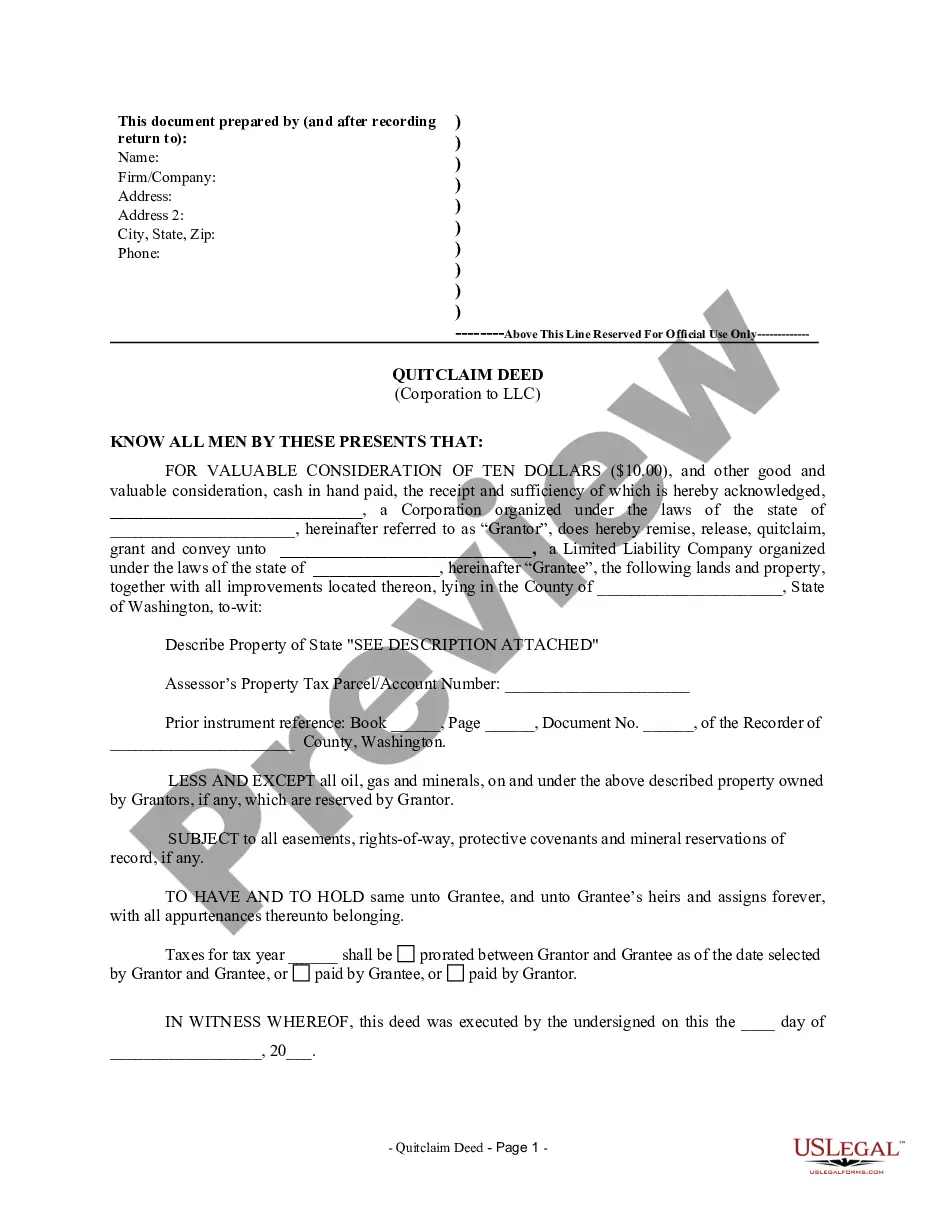
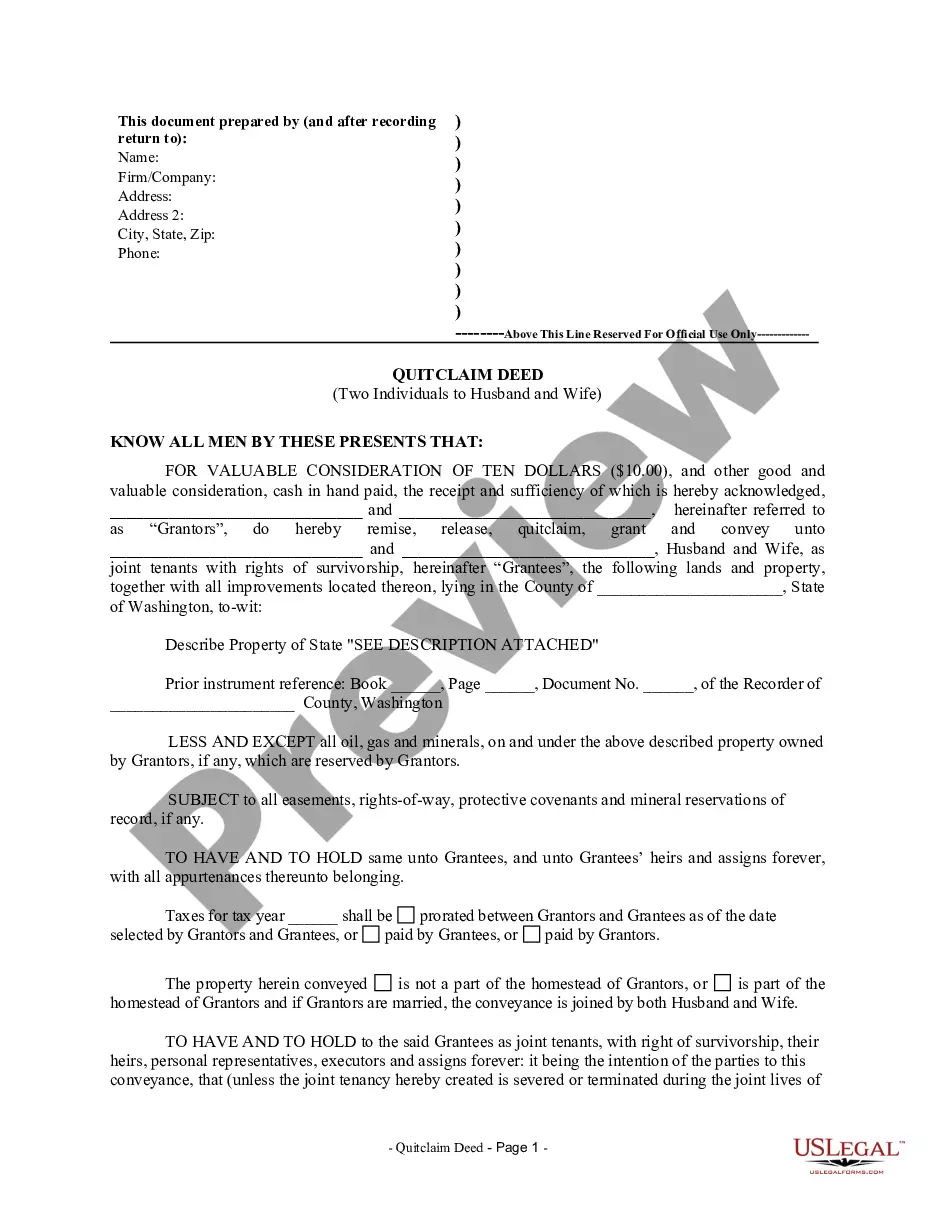
Form popularity
FAQ
To record a warranty deed in Arkansas, present your completed Arkansas Warranty Deed from Husband and Wife to LLC to the local county clerk's office. Ensure the deed includes signatures from all parties involved, along with notarization. Once recorded, the clerk will officially document the transaction and provide you with a copy for your records.
Transferring the deed of a house to an LLC requires creating a new Arkansas Warranty Deed from Husband and Wife to LLC. You'll need to list the original owners, the LLC, and all legal property descriptions in the document. After obtaining notarization for the signatures, file the completed deed with the county clerk's office for official documentation.
To add your spouse to your warranty deed, draft a new Arkansas Warranty Deed from Husband and Wife to LLC that includes both of your names as property owners. Both parties should sign the deed in front of a notary and ensure accurate details are included. Finally, submit the deed to your county clerk's office for proper recording.
Putting your property in an LLC involves creating an Arkansas Warranty Deed from Husband and Wife to LLC. Make sure the deed includes all required information, such as the property's legal description and the names of the owners. After signing the deed in front of a notary, file it with your local county office to finalize the transfer.
To transfer a deed to an LLC, you need to draft a new Arkansas Warranty Deed from Husband and Wife to LLC. This document should clearly state the current owners, the LLC's name, and the property description. Once prepared, sign the deed in front of a notary public, then file it with your county clerk's office to ensure the transfer is officially recorded.
While a special warranty deed offers protection, it has notable limitations. It only covers claims and encumbrances that occurred during the grantor's ownership of the property, leaving the grantee potentially exposed to past issues. This could be an important factor to consider when transferring property through an Arkansas Warranty Deed from Husband and Wife to LLC, as it may affect the level of security felt by the buyer.
A special warranty deed serves as a type of property transfer document that provides limited assurances from the grantor. It guarantees that, during the time the grantor owned the property, there were no claims made against it. This deed is particularly relevant for transactions involving an Arkansas Warranty Deed from Husband and Wife to LLC, as it outlines the specific warranties given by the seller.
A special warranty deed includes essential information to validate the transfer of property. It must contain a detailed property description, the date of execution, and the grantor's signature. Unlike a general warranty deed, the grantor only warrants against claims made during their ownership. This distinction can be important for those considering an Arkansas Warranty Deed from Husband and Wife to LLC.
Arkansas law requires certain stipulations for a special warranty deed to be considered valid. The deed must clearly define the property in question, identify the parties involved, and include a signature from the grantor. Unlike a general warranty deed, a special warranty deed limits the coverage to the period of ownership, providing less protection for the grantee. This is crucial to keep in mind when preparing an Arkansas Warranty Deed from Husband and Wife to LLC.
In Arkansas, a valid warranty deed must include specific elements to ensure clarity and legality. First, it should contain a clear description of the property being transferred. Additionally, the names of both the grantors and grantees must be included, along with signatures, the date of execution, and the acknowledgment by a notary public. Utilizing an Arkansas Warranty Deed from Husband and Wife to LLC, these requirements ensure a smooth conveyance process.