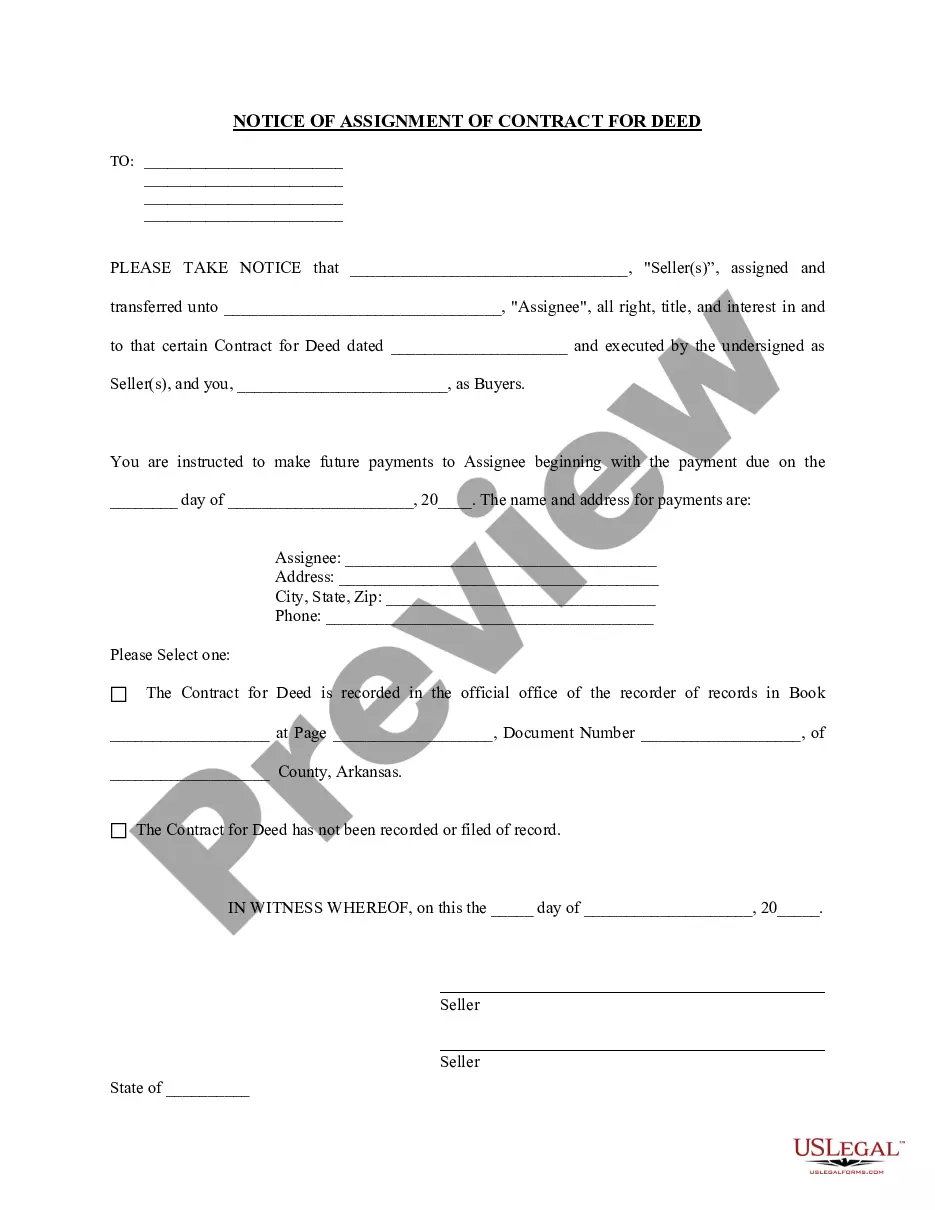
Arkansas Notice of Assignment of Contract for Deed
What is this form?
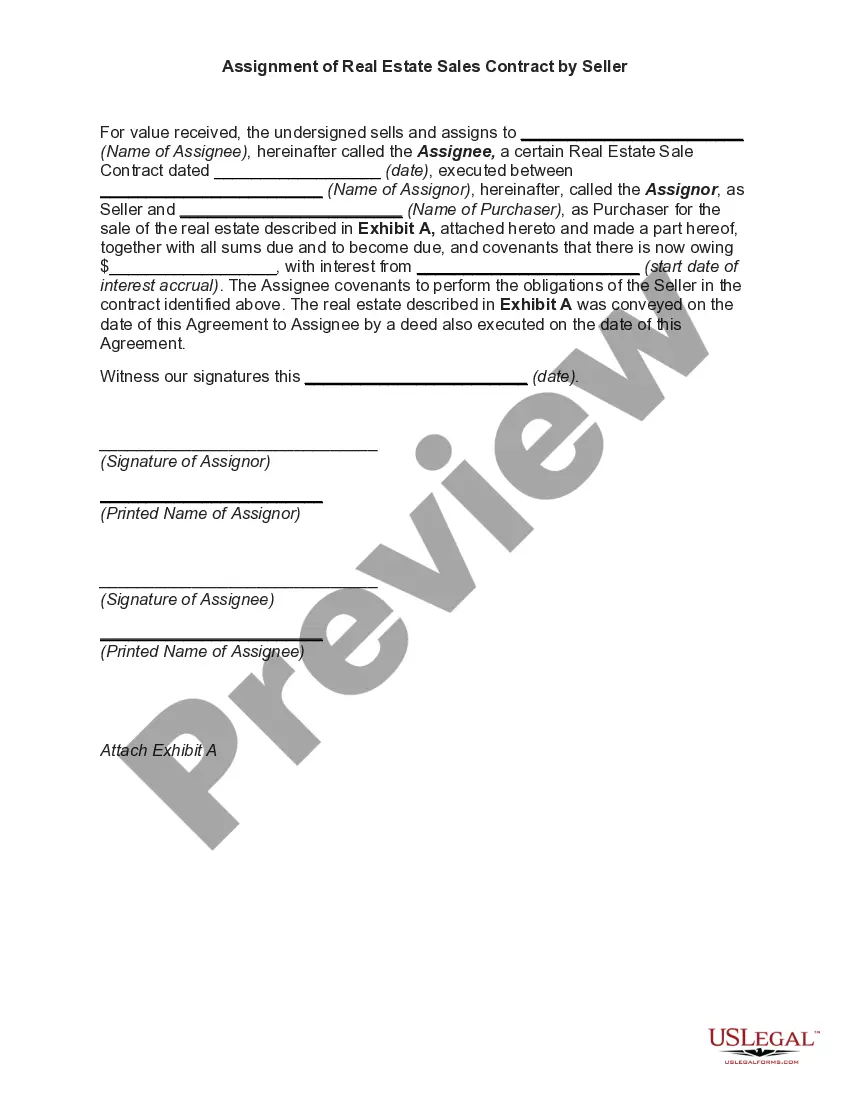
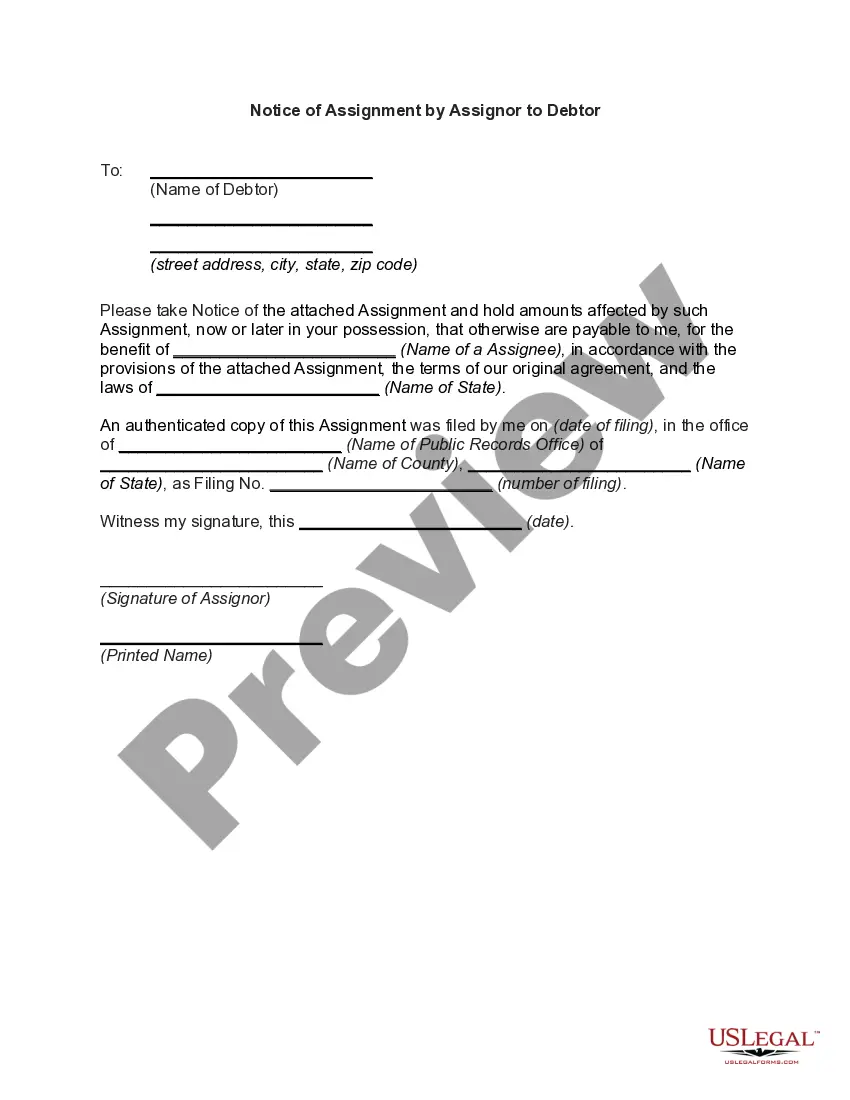
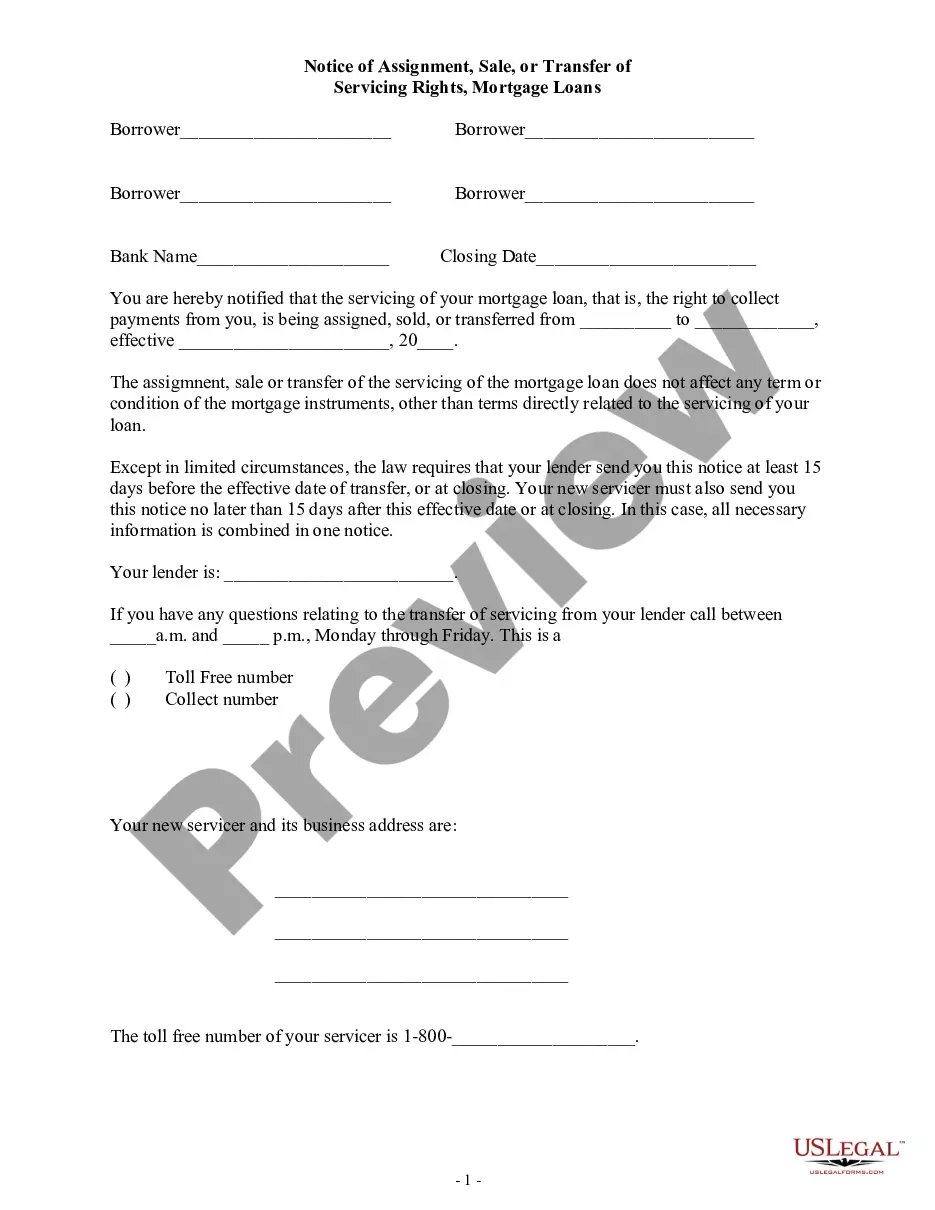
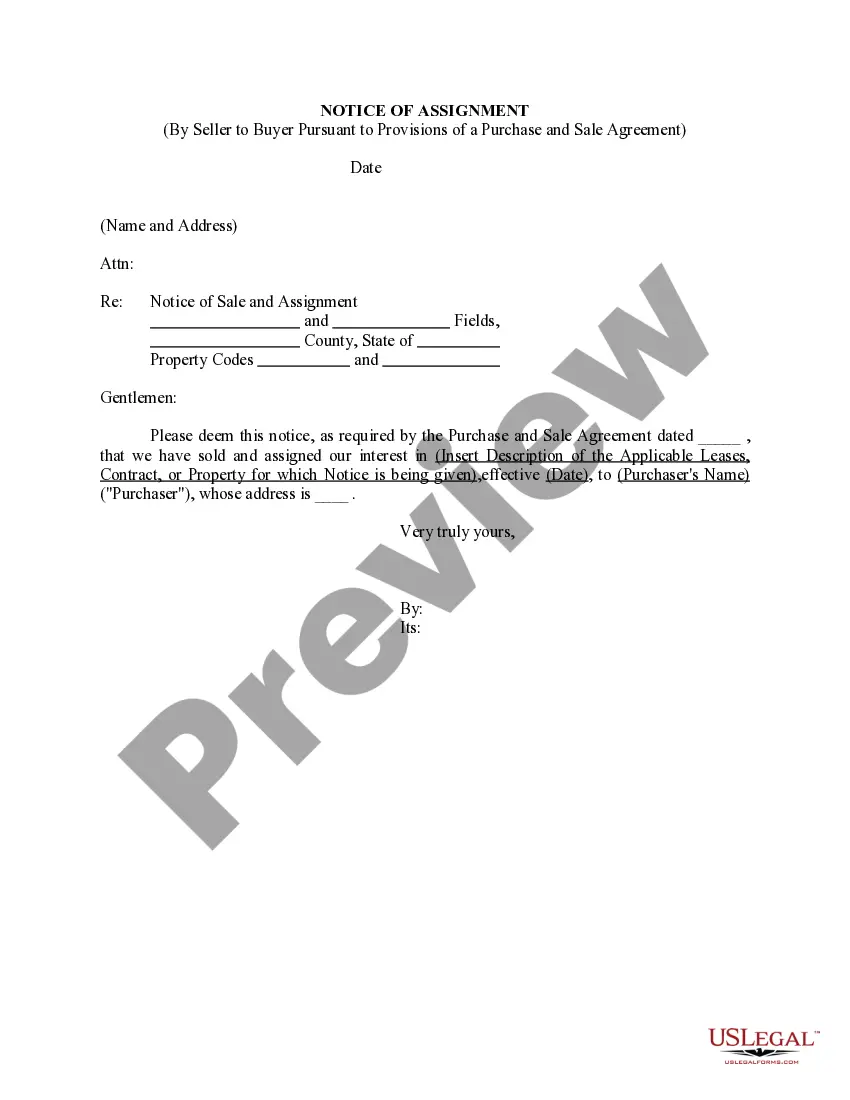
The Notice of Assignment of Contract for Deed is a legal document used by a Seller to inform the Buyer(s) that the Seller has assigned their contract for deed to a third party. This document also instructs the Buyer(s) to direct future payments to the new assignee. Unlike a standard contract, this form specifically addresses the transfer of obligations and rights under a contract for deed, ensuring clarity in the owner-financed sale process.
Key parts of this document
- Date of assignment
- Identity of the Seller and Buyer(s)
- Details of the third-party assignee
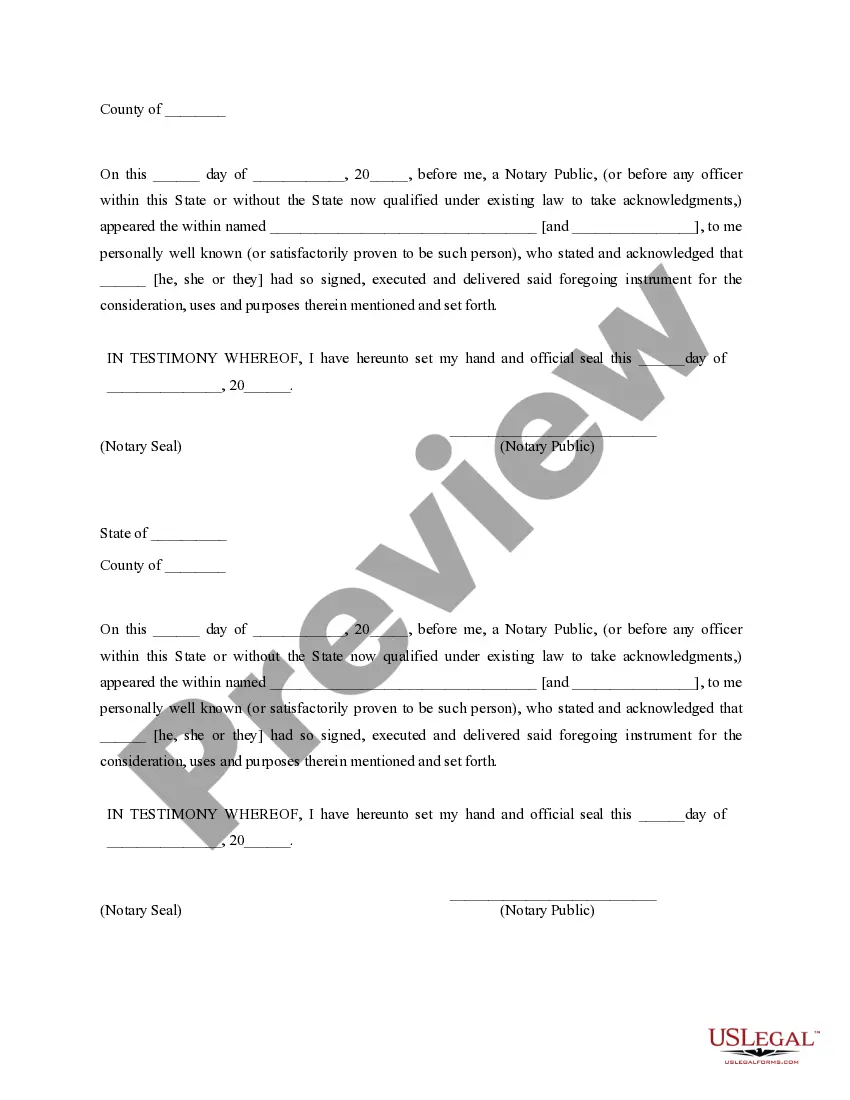
- Notarization section for the Seller's signature
- Affidavit of acknowledgment for the assignment
Situations where this form applies
This form is essential when a Seller decides to transfer their rights and obligations in a contract for deed to another party. Use it when you need to officially notify the Buyer(s) about this assignment and ensure that future payments are directed to the new assignee instead of the original Seller. It is particularly useful in real estate transactions where financing arrangements are involved and the ownership structure is changing.
Who this form is for
This form is intended for:
- Property Sellers looking to assign their contract for deed
- Buyers who need to be informed of changes in their payment responsibilities
- Real estate agents facilitating contract assignments
- Attorneys representing clients in real estate transactions
Instructions for completing this form
- Enter the date of the assignment at the top of the form.
- Clearly state the names of the Seller and Buyer(s).
- Provide the details of the third-party assignee, including their name and address.
- Sign the document in the presence of a notary public.
- Complete the notarization section to validate the assignment.
Does this form need to be notarized?
To make this form legally binding, it must be notarized. Our online notarization service, powered by Notarize, lets you verify and sign documents remotely through an encrypted video session.
Get your form ready online
Our built-in tools help you complete, sign, share, and store your documents in one place.
Make edits, fill in missing information, and update formatting in US Legal Forms—just like you would in MS Word.
Download a copy, print it, send it by email, or mail it via USPS—whatever works best for your next step.
Sign and collect signatures with our SignNow integration. Send to multiple recipients, set reminders, and more. Go Premium to unlock E-Sign.
If this form requires notarization, complete it online through a secure video call—no need to meet a notary in person or wait for an appointment.
We protect your documents and personal data by following strict security and privacy standards.

Make edits, fill in missing information, and update formatting in US Legal Forms—just like you would in MS Word.

Download a copy, print it, send it by email, or mail it via USPS—whatever works best for your next step.

Sign and collect signatures with our SignNow integration. Send to multiple recipients, set reminders, and more. Go Premium to unlock E-Sign.

If this form requires notarization, complete it online through a secure video call—no need to meet a notary in person or wait for an appointment.

We protect your documents and personal data by following strict security and privacy standards.
Typical mistakes to avoid
- Failing to provide all necessary details about the third-party assignee.
- Not notarizing the form before submitting it.
- Omitting the date of the assignment.
- Not informing all relevant parties about the assignment.
Benefits of using this form online
- Convenient access to legal forms that can be downloaded instantly.
- Editable templates that allow you to customize the document according to your needs.
- Reliable forms prepared by licensed attorneys, ensuring legal compliance.
Key takeaways
- The Notice of Assignment of Contract for Deed is crucial for notifying buyers of changes in payment recipients.
- This form requires notarization for legal enforceability.
- Accurate completion helps prevent future disputes related to the assignment.
- Understand and comply with state-specific requirements for effective use.
Looking for another form?


Form popularity
FAQ
An Assignment does not always need to be a deed but using a deed can provide additional legal protection and clarity. This is particularly important in cases involving real estate contracts, like the Arkansas Notice of Assignment of Contract for Deed. Consulting uslegalforms can help you determine the best approach for your specific situation.
Recording a contract for a Deed involves submitting the document to the appropriate government office, often the county recorder's office. This process legitimizes the contract and provides public notice of the agreement. Referencing the Arkansas Notice of Assignment of Contract for Deed will ensure you understand the necessary steps and documentation required for proper recording.
To draw up a contract for a Deed, start by outlining the terms and conditions agreed upon by both parties. It's vital to include specifics such as property details, payment terms, and responsibilities. Utilizing the Arkansas Notice of Assignment of Contract for Deed can provide clarity on what to incorporate in your contract.
The Deed of Assignment is used to officially transfer the rights and duties of one party to another regarding a contract. This legal document supports transparency and protects the interests of both parties. When dealing with an Arkansas Notice of Assignment of Contract for Deed, using this deed ensures compliance with local laws and simplifies the transfer process.
A Deed of Assignment template is a pre-formatted document designed to simplify the creation of a Deed of Assignment. Utilizing a template can save time and ensure all legal requirements are met. The Arkansas Notice of Assignment of Contract for Deed can guide you on the necessary elements to include in your template.
One common example of assignment of a contract is a landlord assigning their lease rights to a new tenant. In this scenario, the landlord would draft an Arkansas Notice of Assignment of Contract for Deed, clearly outlining the terms of the transfer. This protects both the original tenant and the new tenant, ensuring continuity and enforceability of the lease agreement.
A valid assignment must be in writing, clearly outline which rights are transferred, and be signed by the assignor. Additionally, it should specify that the assignee accepts the assignment, thereby inheriting all responsibilities under the contract. In cases involving real estate transactions, using an Arkansas Notice of Assignment of Contract for Deed ensures all legal formalities are observed, protecting both parties involved.
To write a contract for deed, start by including the names and addresses of the parties involved. Clearly define the property being sold, payment terms, and any relevant conditions. Including an Arkansas Notice of Assignment of Contract for Deed is crucial, as it provides a legal framework for the transfer of rights, ensuring all parties comply with the agreed-upon terms.
An assignment refers to the transfer of rights or benefits from one party to another. For instance, if a homeowner is selling their interest in a property under a contract for deed, they may execute an Arkansas Notice of Assignment of Contract for Deed to officially document this transfer. This process ensures that the new party receives all rights under the original agreement, allowing for a smooth transition.
A deed of Assignment focuses on transferring rights and obligations under an existing contract, whereas a transfer generally refers to the outright conveyance of property ownership. The Arkansas Notice of Assignment of Contract for Deed is a specific type of assignment relevant to contracts in real estate. Knowing this distinction aids in better understanding your legal rights and responsibilities when engaging in property transactions. Each type of document serves a unique purpose in the legal framework.