What is Annulment?
Annulment is a legal procedure that declares a marriage null and void. It is used when a marriage is considered invalid from the beginning. Explore state-specific templates to get started.
Annulment documents help end marriages that are legally invalid. These attorney-drafted templates are quick and easy to complete.

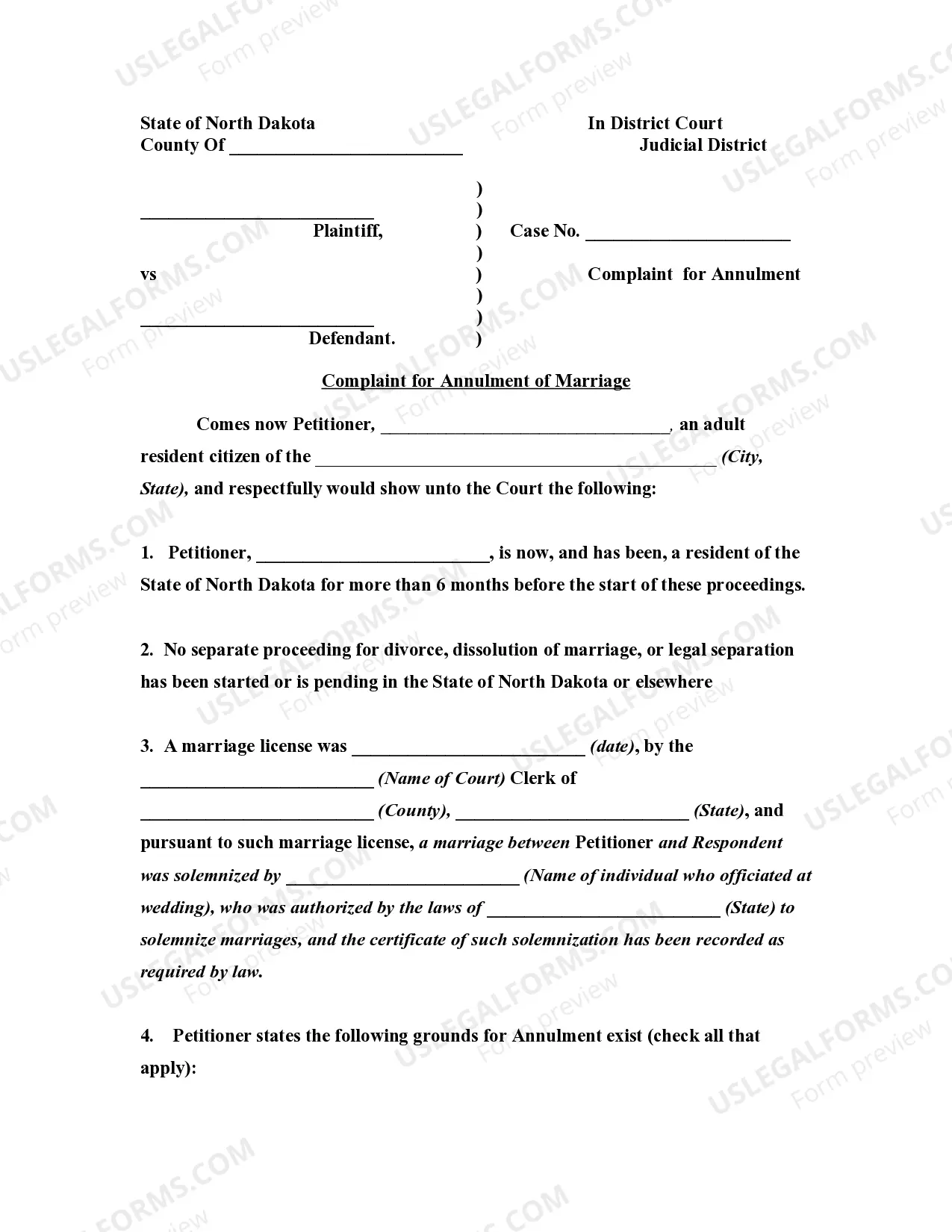
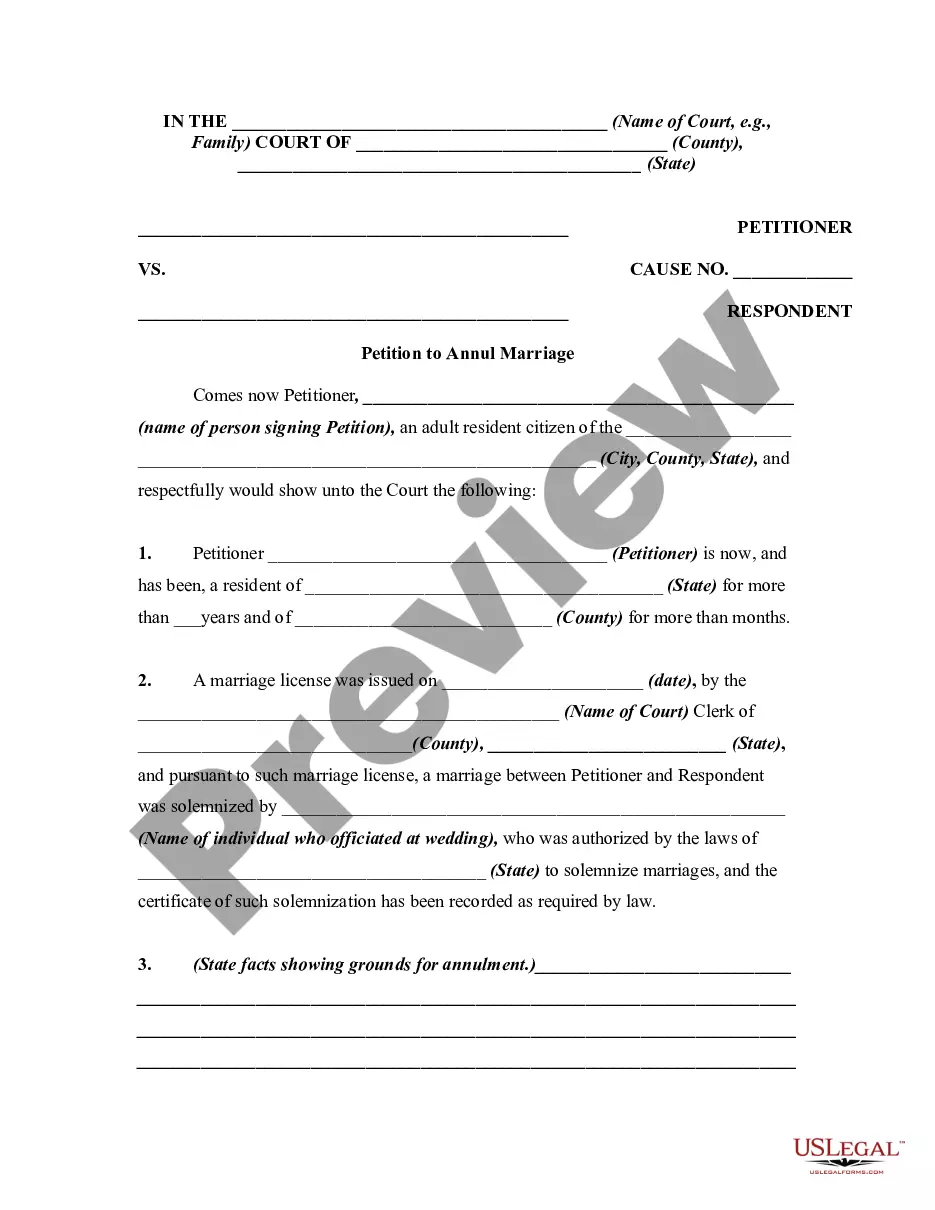
Obtain a legal declaration that your marriage is null and void based on specific grounds, such as fraud or incapacity.
File for an annulment when your marriage has no children or shared property, addressing specific legal grounds for cancellation.
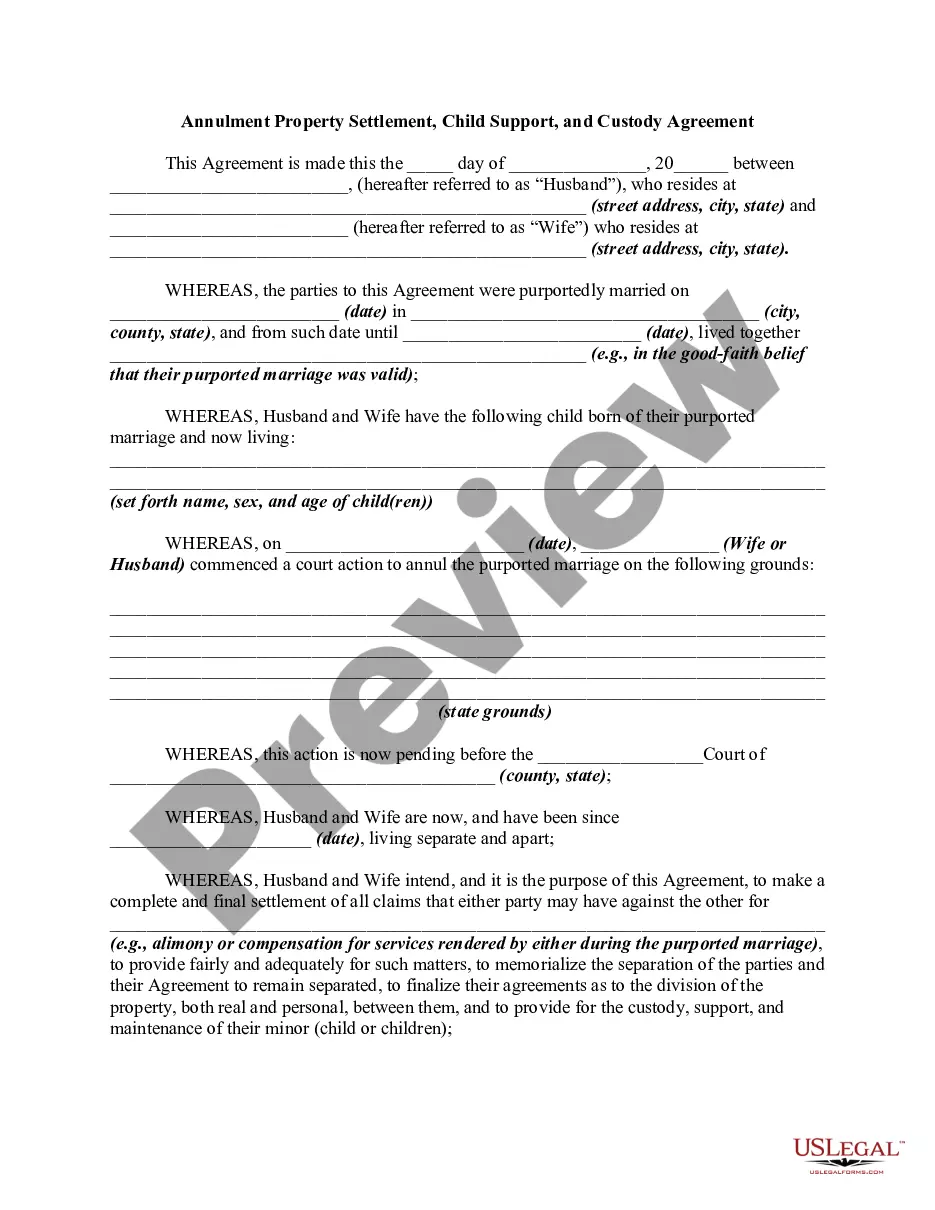
Finalize agreements for property division, child support, and custody after annulment proceedings.
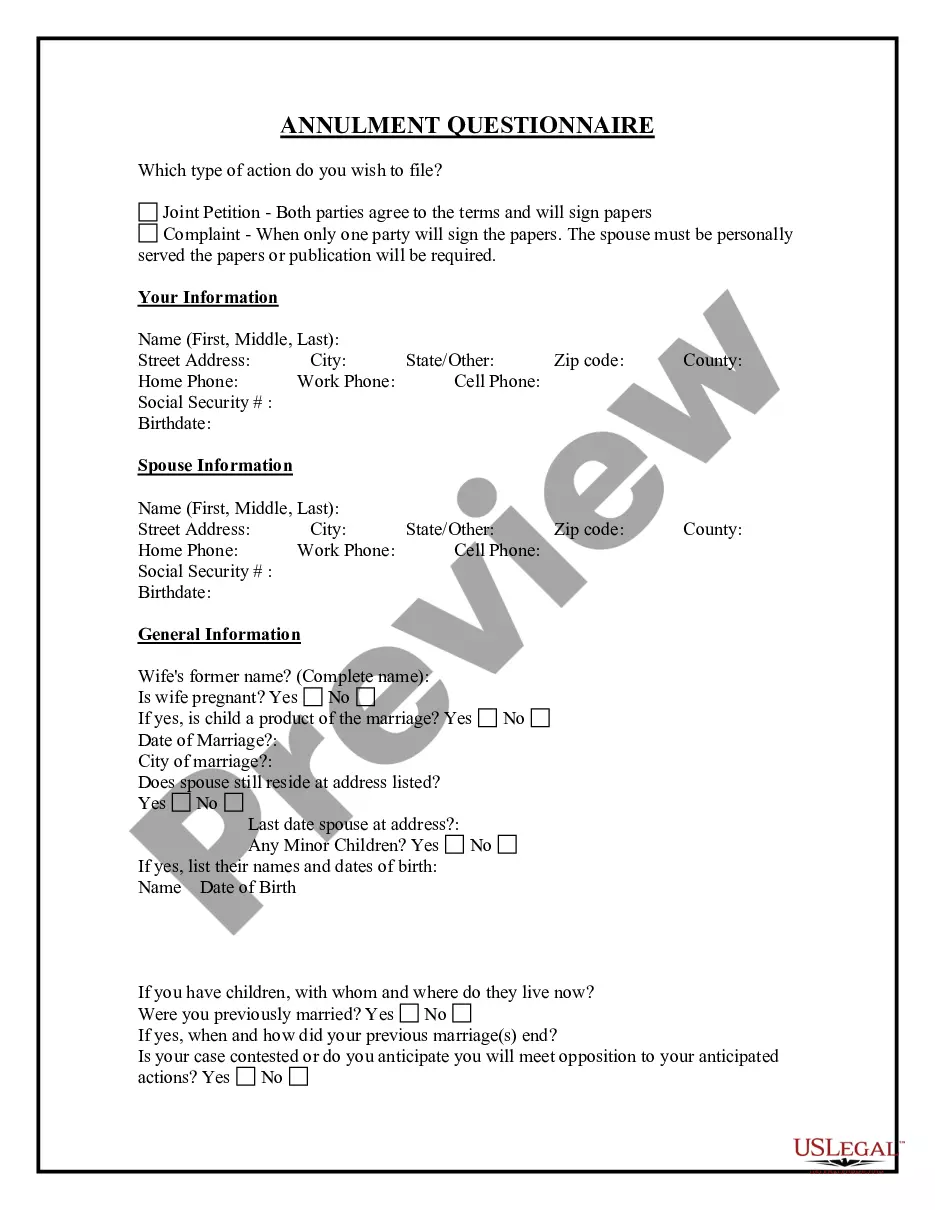
Use this questionnaire to determine grounds for annulment and whether both partners agree to the filing process.
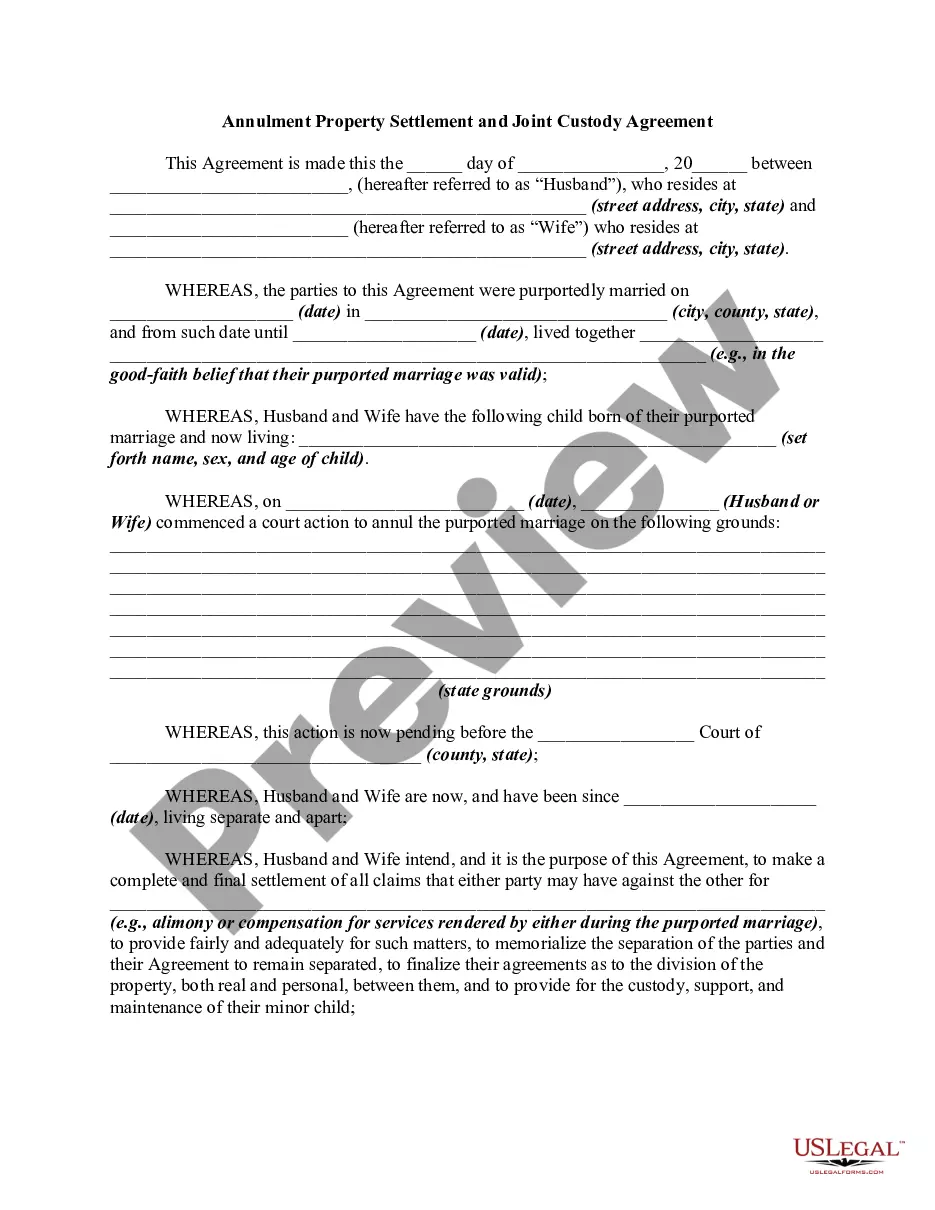
Ideal for couples seeking to annul a marriage while addressing property division and child custody.
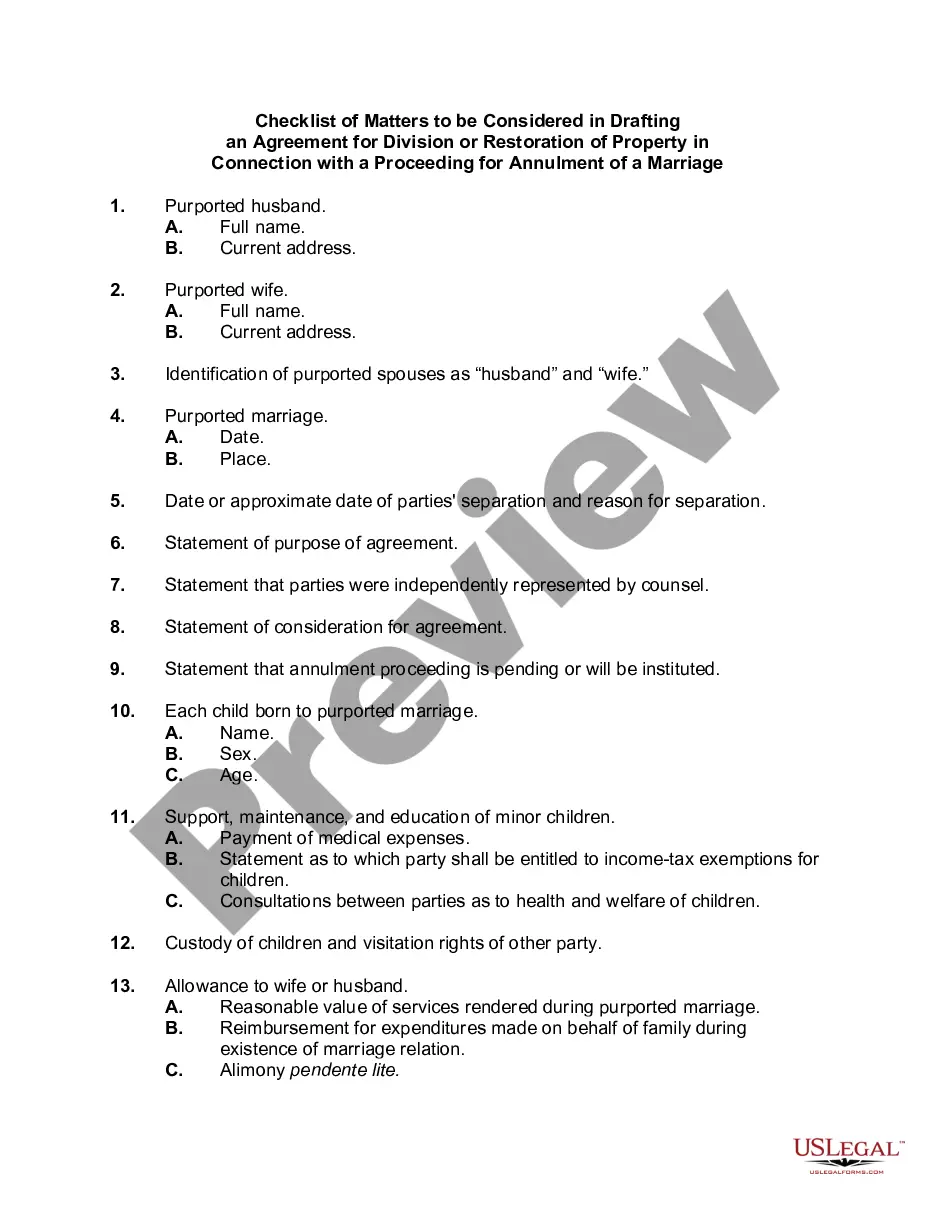
This checklist helps you navigate property division and restoration during an annulment proceeding, ensuring all important matters are considered.
Annulment is typically sought for reasons like fraud, coercion, or inability to consent.
In many cases, annulment can affect property division and child custody.
Annulment does not equate to divorce; it voids the marriage entirely.
Legal grounds for annulment vary by state, but common reasons are similar.
Filing for annulment may have specific time limits depending on the grounds.
Begin your annulment process with the following steps.
Common grounds include fraud, coercion, and mental incapacity at the time of marriage.
Annulment may impact custody and support arrangements, similar to divorce.
Yes, once the annulment is finalized, you are free to remarry.
Annulment can be quicker, but timelines depend on the specific circumstances and court schedules.
While not required, legal assistance can help navigate the process more smoothly.