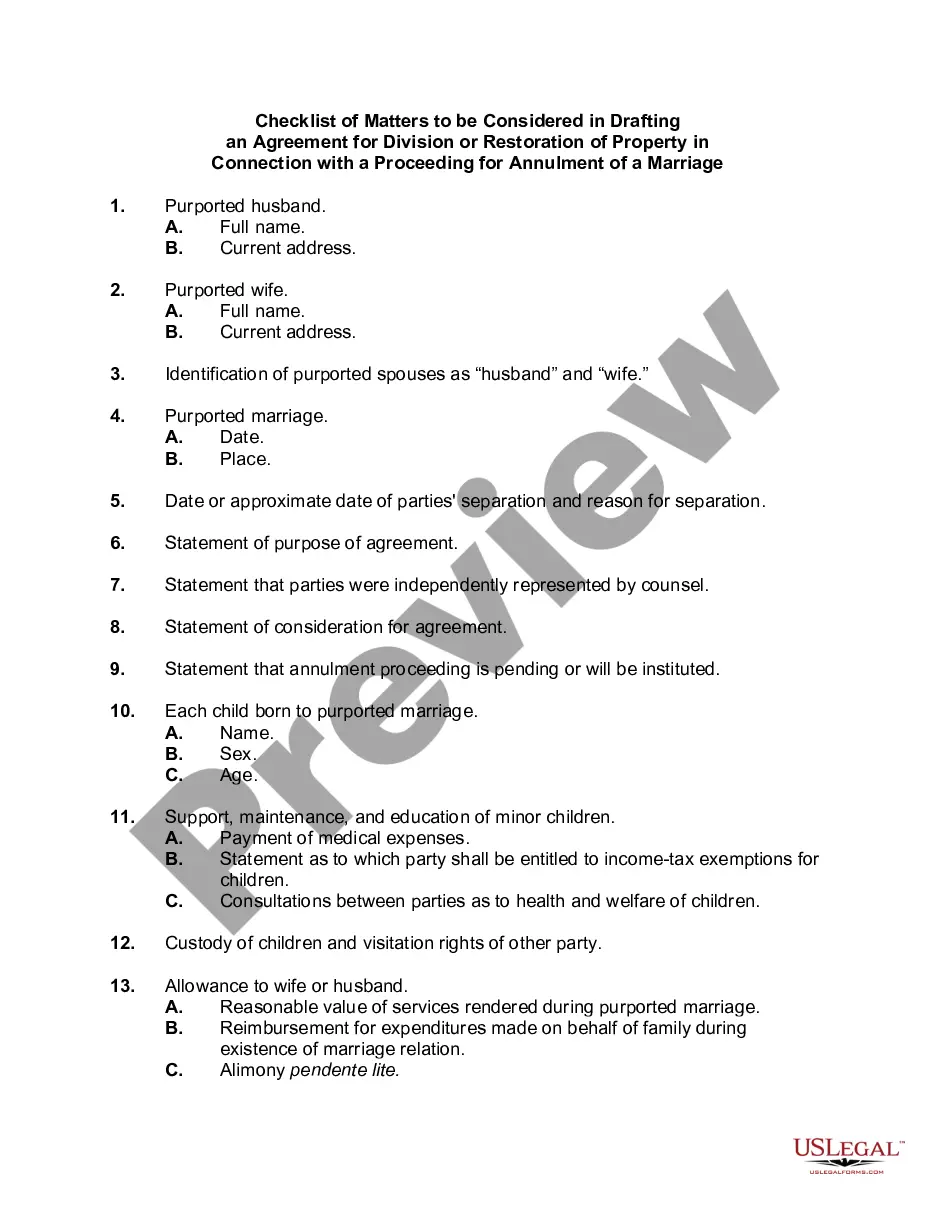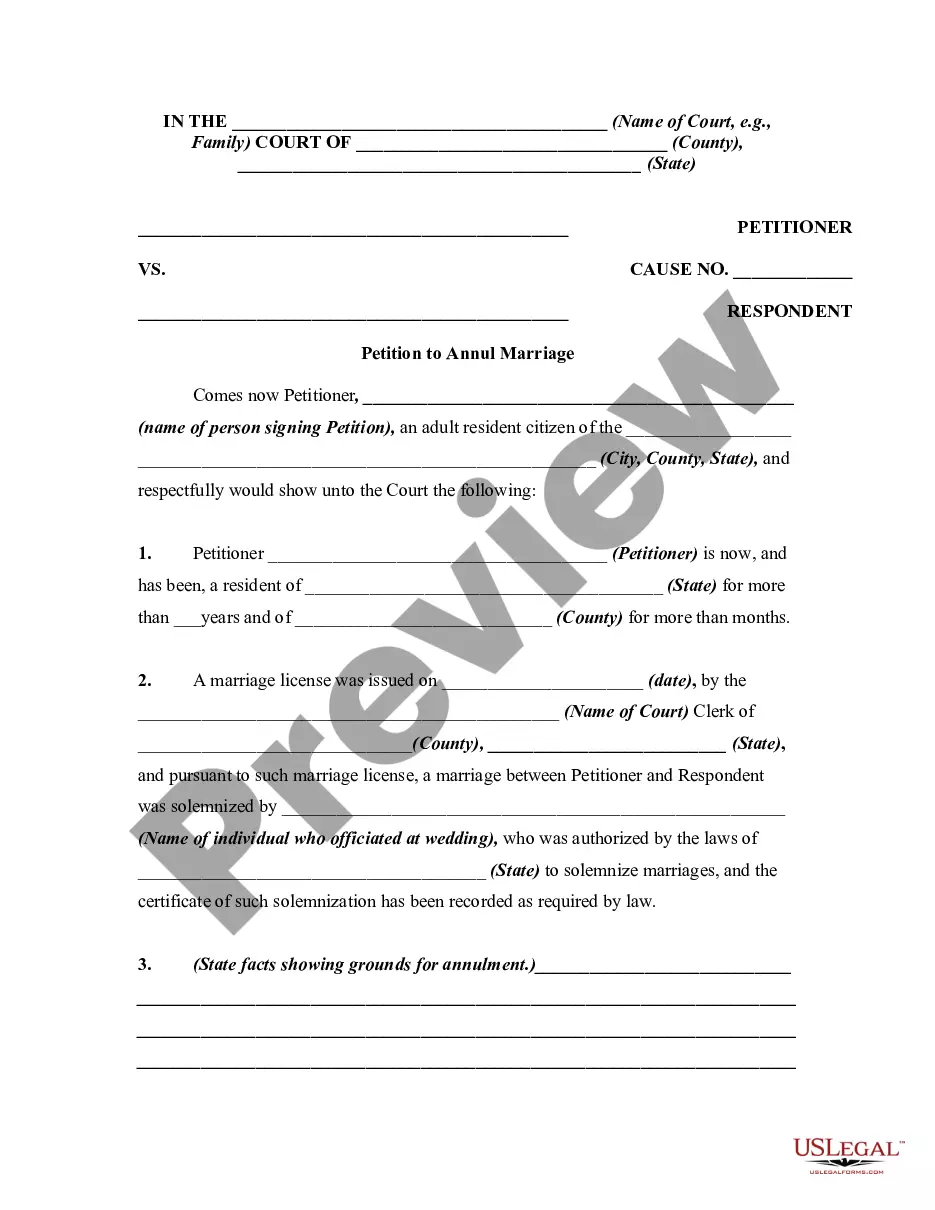
Connecticut Annulment Forms

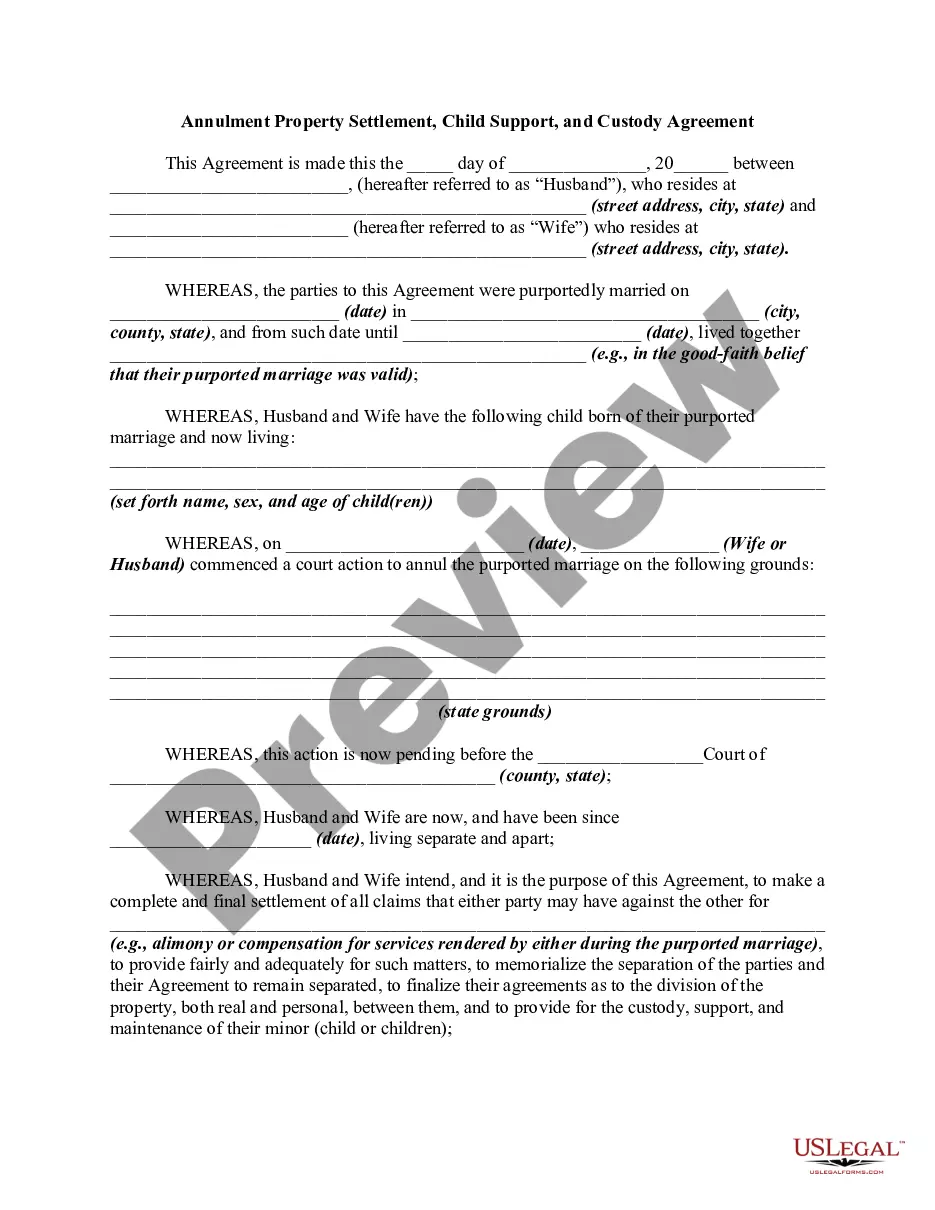
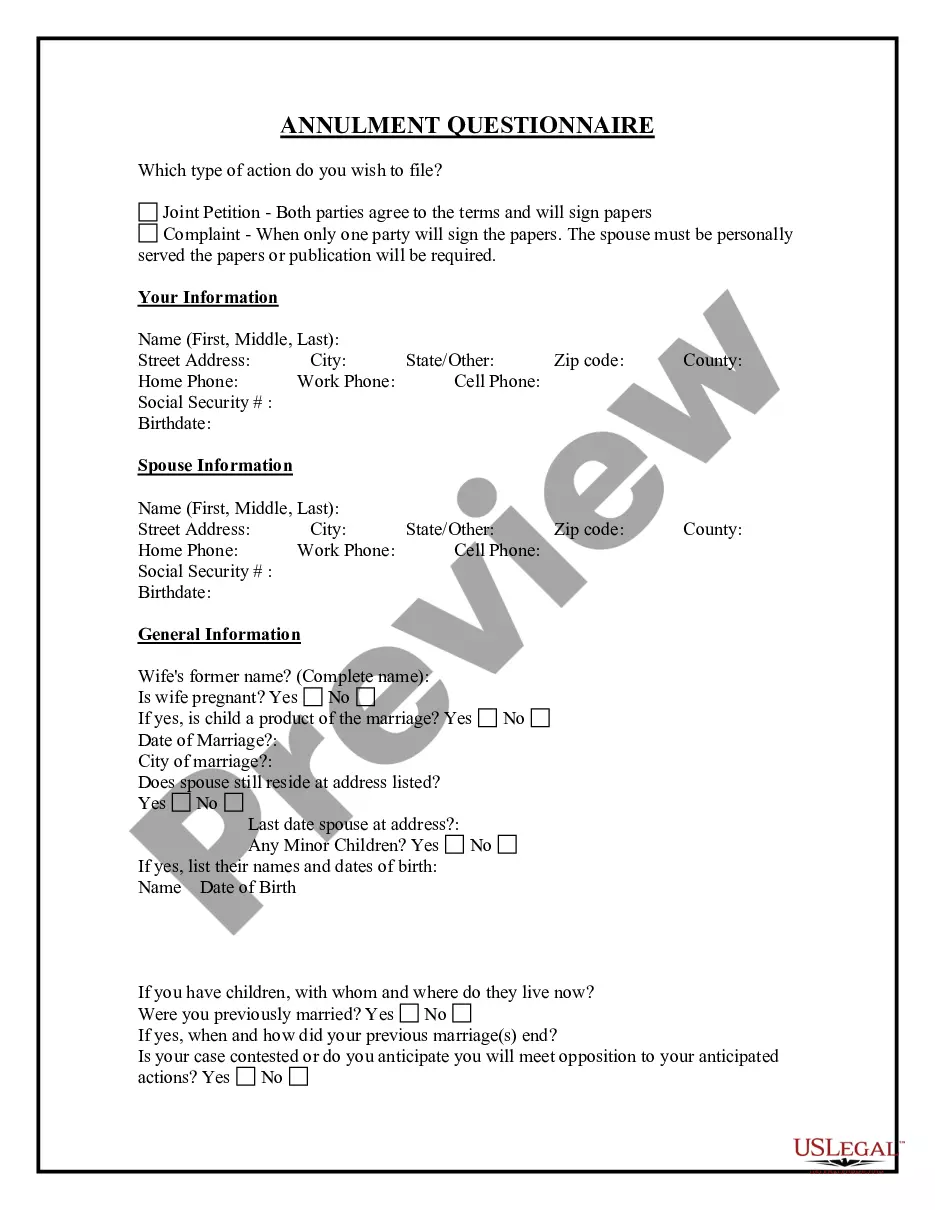
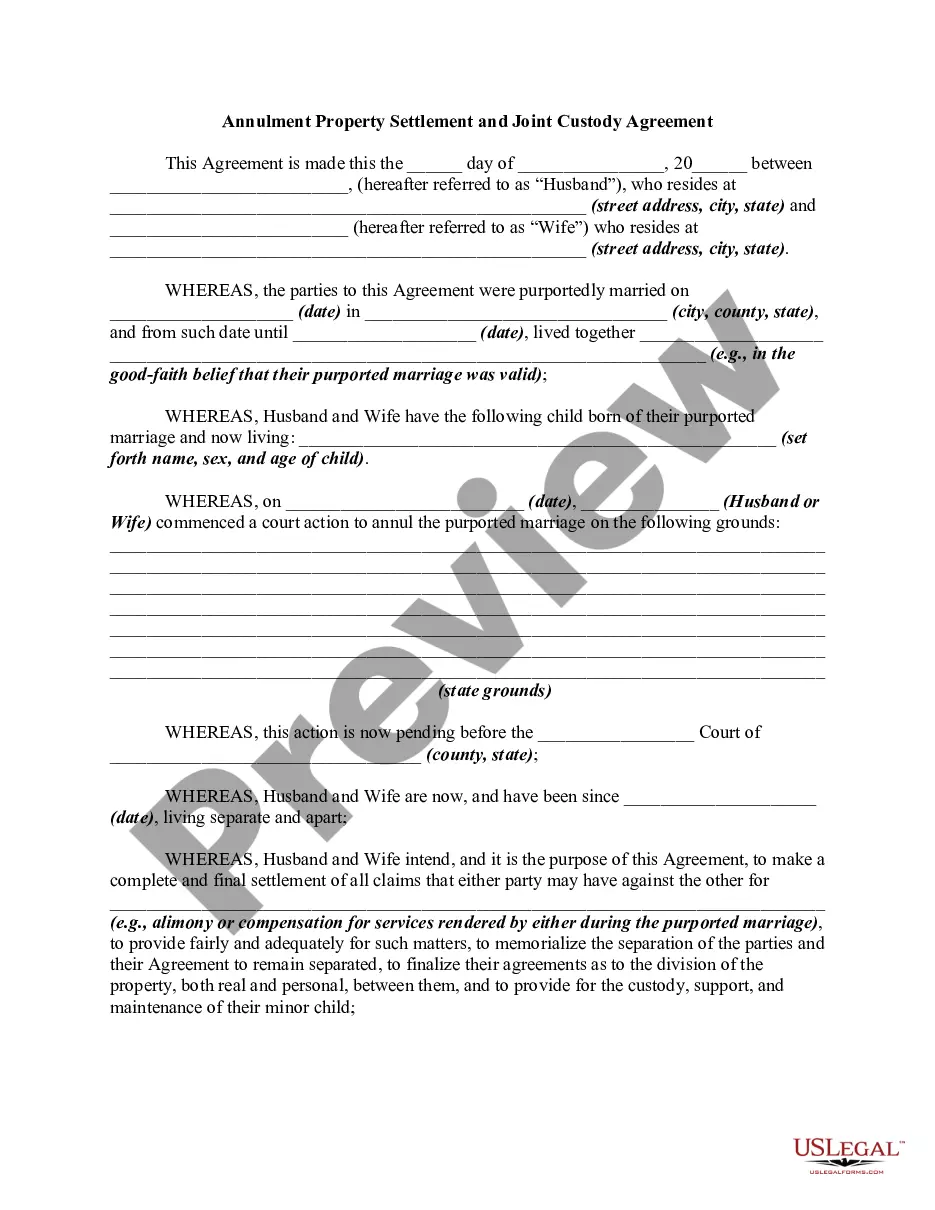
We offer thousands of annulment forms. Some of the forms offered are listed by area below. For others, please use our search engine.

Connecticut Annulment Forms FAQ

What is an annulment?  An annulment is legal decree that states that a marriage was never valid. The legal effect of an annulment is to void the marriage as though it never existed. Generally, the length of time married is not a determining factor to request an annulment. Mere regret alone is generally insufficient grounds for an annulment. Laws vary by jurisdiction, so local laws should be consulted for requirements in your area.

What is the difference between annulment and divorce?  Annulment differs from divorce in that it addresses defects in a marital relationship occurring at the time of the formation of that relationship. Thus, if a marriage is illegally formed, when it is annulled the parties regain their legal rights and responsibilities as they existed before the marriage occurred. By contrast, a divorce deals with problems in a marital relationship arising after the marriage is formed. Traditionally, after a divorce the parties have continuing legal status as ex-spouses involving division of property, custody of children, and alimony.
Annulments are becoming similar to divorces in that with annulments courts may now divide marital property, order the payment of spousal support or alimony, or decree nearly anything that would be common upon a decree of divorce. Unlike with divorce, however, certain rights or entitlements such as worker's compensation benefits or alimony from a previous marriage that may have ended upon marriage will be restarted upon annulment, because the decree legally makes the marriage nonexistent

What are the grounds for an annulment?  Grounds for annulments and prohibited marriages are varied. Insanity, fraud, force, duress, impotency, being underage, and polygamy are all leading grounds for annulment. There are also a few more creative grounds. Colorado, for instance, has an annulment provision considering if the act were done as "Jest or Dare." A couple of states will also make a marriage void or voidable if a party is found to have AIDS or venereal disease.

Top Questions about Connecticut Annulment Forms

  • How long can you be married and still have an annulment?

    In Connecticut, there is no strict time limit on how long you can be married to seek an annulment; however, the grounds for annulment must still be valid. Typically, annulments are more common in short marriages where issues like fraud or lack of consent arise. It's crucial to use the correct Connecticut annulment forms to clearly outline your reasons. Being informed about your options will guide you through the process more effectively.

  • What qualifies for annulment in Connecticut?

    In Connecticut, valid grounds for annulment include fraud, lack of capacity, or if the marriage was never legally valid. It's essential to note that each case is unique, and you must clearly indicate your circumstances in the Connecticut annulment forms. By closely evaluating your situation, you can determine if you qualify. Engaging with specialized services can also provide support to strengthen your case.

  • What percentage of annulments are granted?

    The percentage of annulments granted can vary, but generally, the success rate is relatively low compared to divorce. Courts may require substantial evidence to support claims. Utilizing Connecticut annulment forms effectively can increase your chances of success. Make sure to gather detailed information related to your situation, as this helps in demonstrating the validity of your request.

  • What qualifies you for an annulment in Connecticut?

    In Connecticut, an annulment can be granted if there are legitimate reasons, such as mental incapacity, coercion, or situations where the marriage is deemed void. Notably, the grounds for an annulment focus on circumstances that existed at the time of marriage. Familiarity with the Connecticut annulment forms will help you articulate your case better. Understanding these qualifications ensures you present a strong argument to the court.

  • How do I get an annulment without the other person?

    Obtaining an annulment without the other person can be complex, but it is possible. You will need to file the necessary Connecticut annulment forms with the court, demonstrating your case and the grounds for annulment. The court typically requires clear evidence to consider your claims, so prepare your documentation and use legal resources for guidance.

  • Why would someone want an annulment instead of a divorce?

    People often choose annulment over divorce for various reasons, including the desire to return to a single status as if the marriage had never existed. Additionally, annulment can offer a cleaner break without the legal entanglements that come with divorce proceedings. This is particularly relevant for individuals who believe their marriage lacked fundamental validity. To explore your options and access the necessary Connecticut annulment forms, consider resources like USLegalForms for reliable assistance.

  • What is the difference between annulment and divorce in CT?

    The primary difference lies in the legal status of the marriage. Divorce ends a valid marriage, whereas an annulment makes it appear as if the marriage never happened. This affects how assets are divided and whether spousal support is applicable. If you're looking to navigate this process, utilizing Connecticut annulment forms from trusted sources like USLegalForms can simplify your experience.

  • Is annulment the same as divorce in Connecticut?

    No, annulment and divorce are not the same in Connecticut. While a divorce legally separates spouses, an annulment declares that the marriage was invalid from the start. This fundamental difference can have significant implications for legal rights and obligations. For those seeking information on how to properly file, website resources, including Connecticut annulment forms, can guide you through the necessary steps.

  • What qualifies for an annulment in CT?

    In Connecticut, certain grounds must be met for an annulment to be granted. Common reasons include a marriage that was never valid, such as when one spouse was underage or lacked the mental capacity to consent. Additionally, if there was fraud or misrepresentation involved in obtaining the marriage license, that can also be grounds for annulment. To start this process, you'll need to fill out proper Connecticut annulment forms, which can be obtained through platforms like USLegalForms.

  • What is considered a justifiable reason for an annulment of a marriage?

    Justifiable reasons for annulment include issues like one party being underage or lacking mental capacity at the time of marriage. In Connecticut, these factors play a substantial role in the approval of Connecticut Annulment Forms. If you find yourself in a situation where your marriage does not fulfill legal requirements, seeking annulment may be a viable option. Clearly outlining your reasons will guide you through the process seamlessly.