Alabama Letter from Landlord to Tenant as Notice to Tenant of Tenant's Disturbance of Neighbors' Peaceful Enjoyment to Remedy or Lease Terminates
Overview of this form
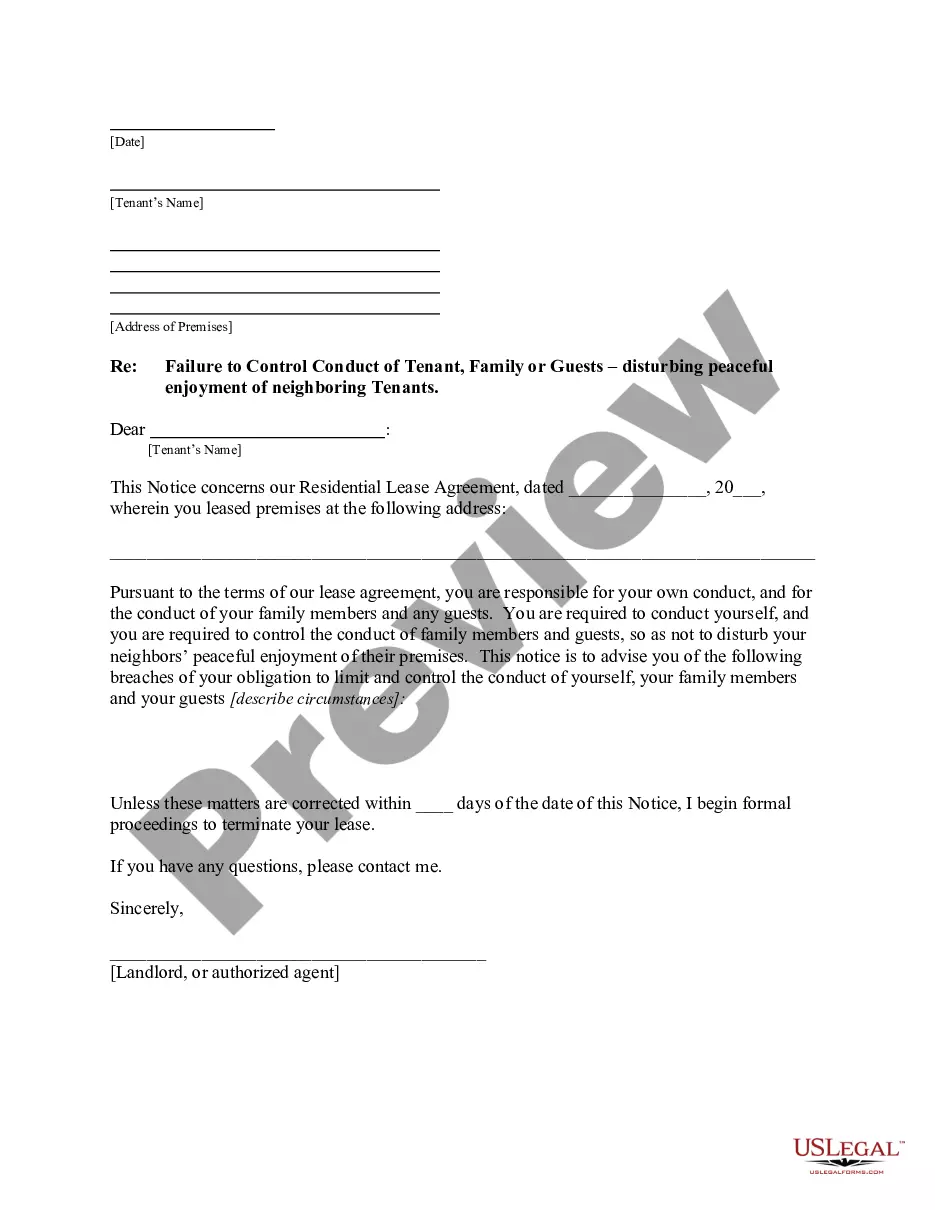
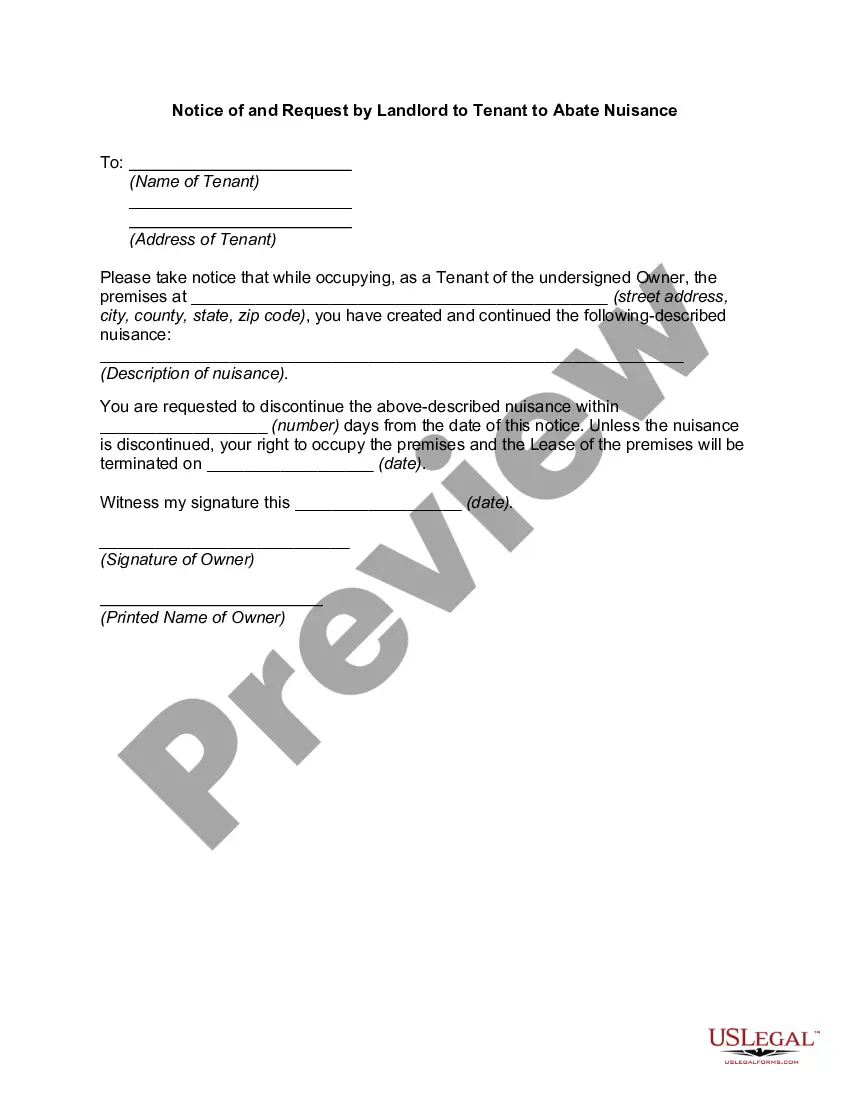
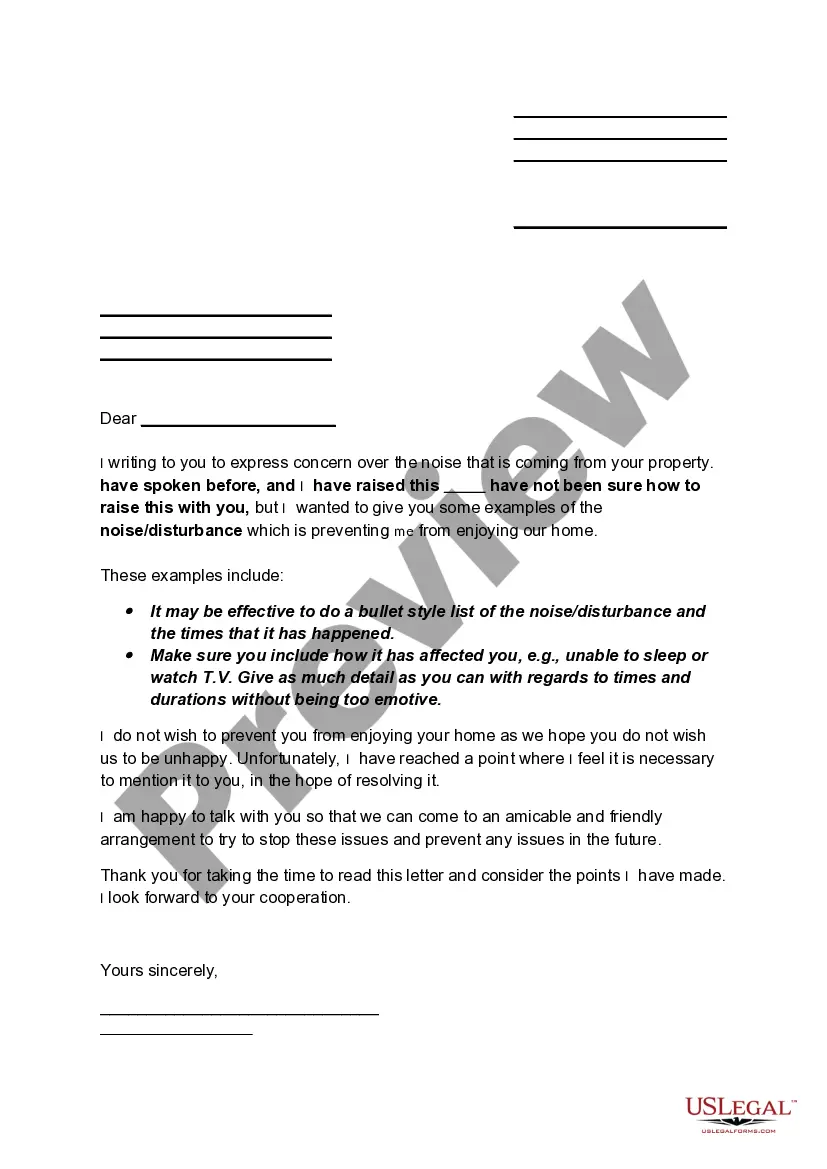
This form is a notice from a landlord to a tenant regarding disturbances caused by the tenant that impact the peaceful enjoyment of neighboring residents. It serves to inform the tenant of their breaches regarding maintaining a quiet environment, offering them the opportunity to remedy the situation or face lease termination. Unlike other rental notices, this one specifically addresses disturbances and the potential consequences of failing to resolve them.
Key components of this form
- Identification of the parties involved (landlord and tenant).
- Details of the disturbances affecting neighbors' quiet enjoyment.
- Clear statement on the tenantâs obligations regarding conduct.
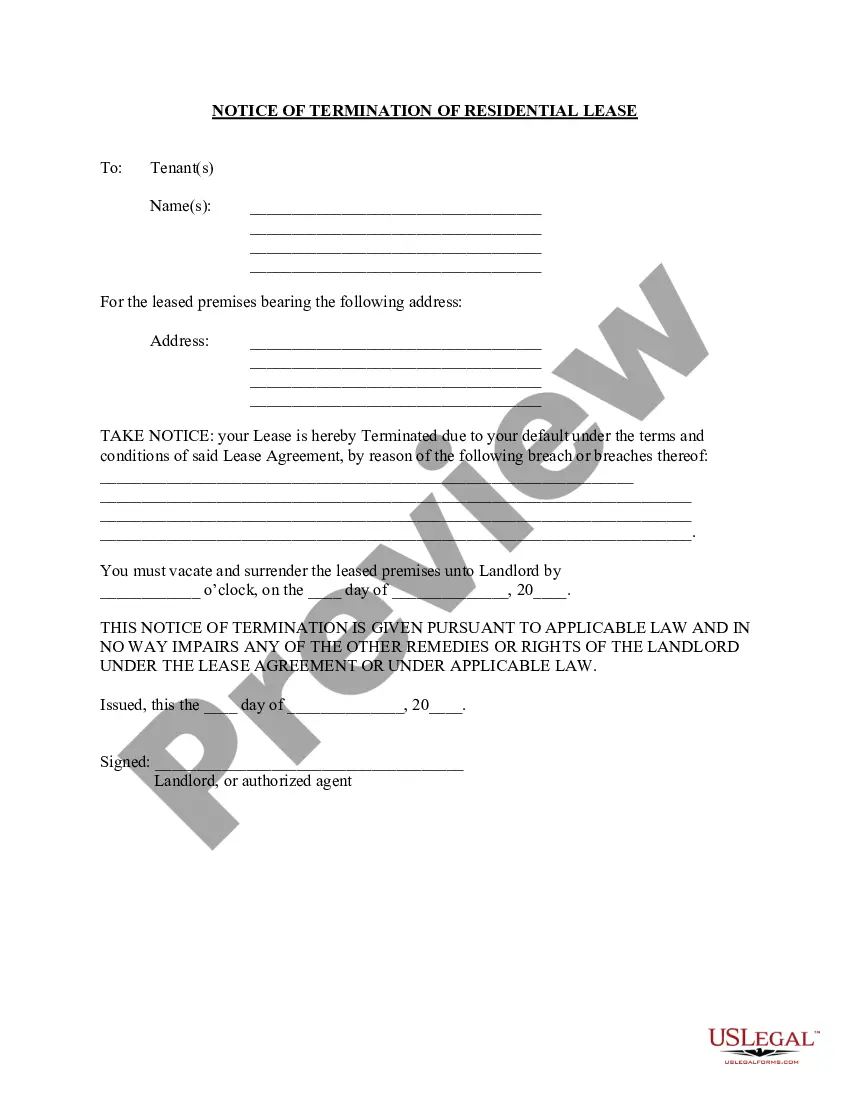
- Warning of potential lease termination if the issue is not resolved.
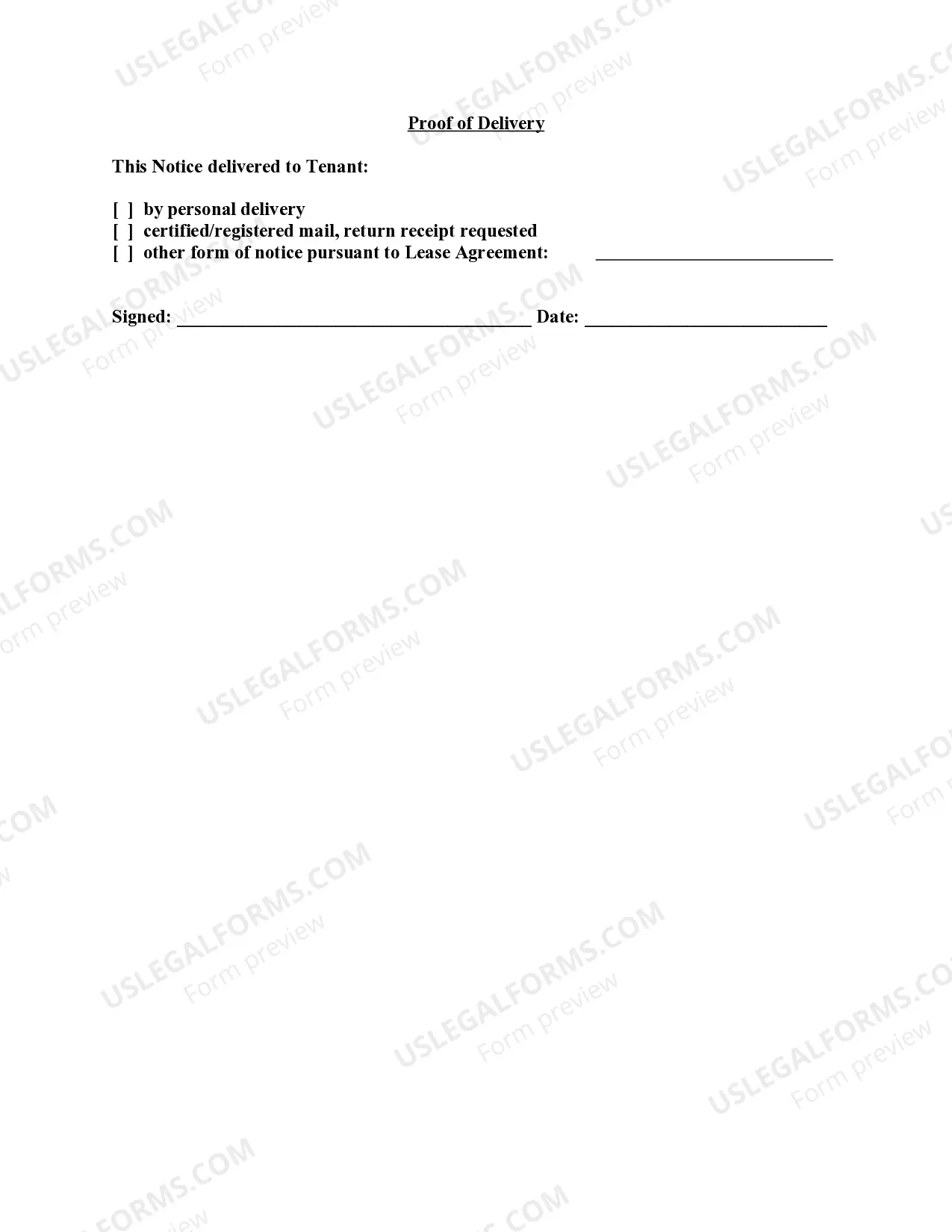
- Proof of delivery method to confirm receipt by the tenant.

When to use this document
This form should be used when a landlord needs to formally notify a tenant about specific behaviors that disrupt the peace in a rental community. Situations may include excessive noise, disruptive parties, or other actions that negatively impact the enjoyment of neighboring residents. The notice provides the tenant with an opportunity to address the issue before further action, such as lease termination, is taken.
Who needs this form
- Landlords who are managing residential properties.
- Property managers acting on behalf of landlords.
- Tenant representatives seeking to facilitate compliance with lease agreements.
Steps to complete this form
- Identify the parties: Clearly state the names of the landlord and tenant.
- Specify the disturbances: Describe the specific actions that are disrupting neighbors.
- Outline tenant obligations: Remind the tenant of their responsibility to maintain a peaceful environment.
- Include a warning: State the consequences if the disturbances continue, including potential lease termination.
- Deliver the notice: Choose a method for delivering the notice and document the proof of delivery.
Does this form need to be notarized?
This form does not typically require notarization unless specified by local law. However, it is essential to ensure proper delivery methods are followed to confirm the tenant's receipt of the notice.
Get your form ready online
Our built-in tools help you complete, sign, share, and store your documents in one place.
Make edits, fill in missing information, and update formatting in US Legal Forms—just like you would in MS Word.
Download a copy, print it, send it by email, or mail it via USPS—whatever works best for your next step.
Sign and collect signatures with our SignNow integration. Send to multiple recipients, set reminders, and more. Go Premium to unlock E-Sign.
If this form requires notarization, complete it online through a secure video call—no need to meet a notary in person or wait for an appointment.
We protect your documents and personal data by following strict security and privacy standards.

Make edits, fill in missing information, and update formatting in US Legal Forms—just like you would in MS Word.

Download a copy, print it, send it by email, or mail it via USPS—whatever works best for your next step.

Sign and collect signatures with our SignNow integration. Send to multiple recipients, set reminders, and more. Go Premium to unlock E-Sign.

If this form requires notarization, complete it online through a secure video call—no need to meet a notary in person or wait for an appointment.

We protect your documents and personal data by following strict security and privacy standards.
Mistakes to watch out for
- Failing to provide specific examples of disturbances.
- Not including the method of delivery which can affect proof of receipt.
- Using vague language that may not clearly communicate the tenant's obligations.
Benefits of using this form online
- Convenience of downloading and printing the form at any time.
- Editability to tailor the document to specific situations.
- Reliability from templates drafted by licensed attorneys ensuring legal compliance.
Legal use & context
- The form ensures that landlords document tenant disturbances formally.
- It serves as a legal reminder for tenants to correct their behavior before lease termination occurs.
- Adheres to common law principles related to the right of quiet enjoyment.
What to keep in mind
- This form addresses tenant disturbances impacting neighbors' rights to quiet enjoyment.
- Landlords must formally notify tenants to remedy the situation or face lease termination.
- Using a professionally crafted notice minimizes the risk of legal complications.
Looking for another form?

Form popularity
FAQ
Eviction: If the court finds that there is a breach of lease they will issue an Order of Restitution, which orders the Sherriff to remove the Tenant from the property.
To enforce rights to peaceful enjoyment against noisy neighbors, tenants must notify their landlords of the excessive noise. Tenants can also contact local law enforcement and advise their landlords after contacting the local authorities.
A covenant of quiet enjoyment insures an owner or tenant against a disturbance of his or her right to possess or use property. For example, a covenant of quiet enjoyment could prevent a tenant from being evicted by a person with superior title. Also called covenant for quiet enjoyment.
According to Nolo, quiet enjoyment is The right of a property owner or tenant to enjoy his or her property without interference. Disruption of quiet enjoyment may constitute a legal nuisance.
The covenant of quiet enjoyment states that a tenant has the right to enjoy his or her rental unit without substantial interference from the landlord. It ensures that tenants benefit from the full use and enjoyment of their rental unit.
A Covenant that promises that the grantee or tenant of an estate in real property will be able to possess the premises in peace, without disturbance by hostile claimants. Quiet enjoyment is a right to the undisturbed use and enjoyment of real property by a tenant or landowner.
It means with no interference from another party. Each sale carries the implication that it can be owned without any interference.
Typical quiet hours are 11 p.m. to 7 or 8 a.m. on weekdays and 11 p.m. or midnight to 8, 9, or 10 a.m. on weekends and holidays. The quiet enjoyment clause for your apartment community may have tighter hours than your city ordinances to maintain a pleasant atmosphere for all residents.
Under common law tenants have a right to 'quiet enjoyment' of the property. This is an implied term, or covenant, which has been expressed or implied in conveyances and leases of English land for centuries.'Quiet enjoyment' is a term so often misunderstood.