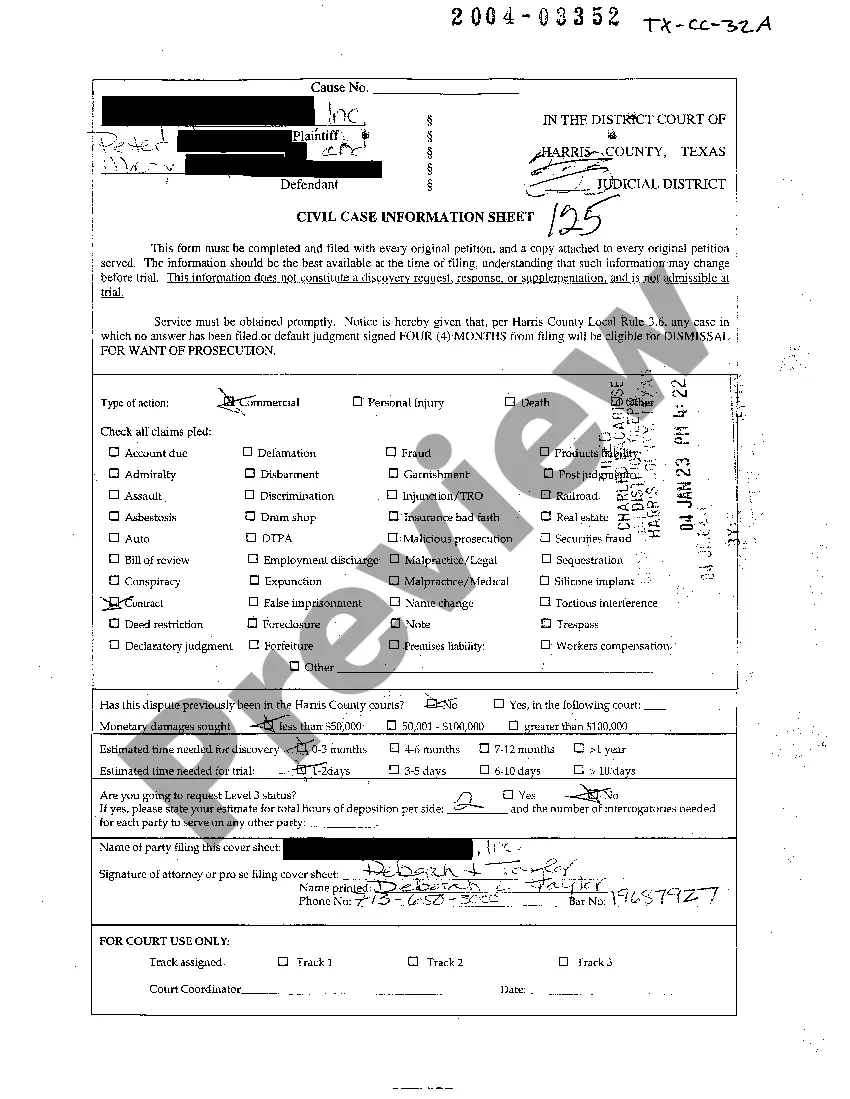
Texas Deed of Trust and Security Agreement
What this document covers
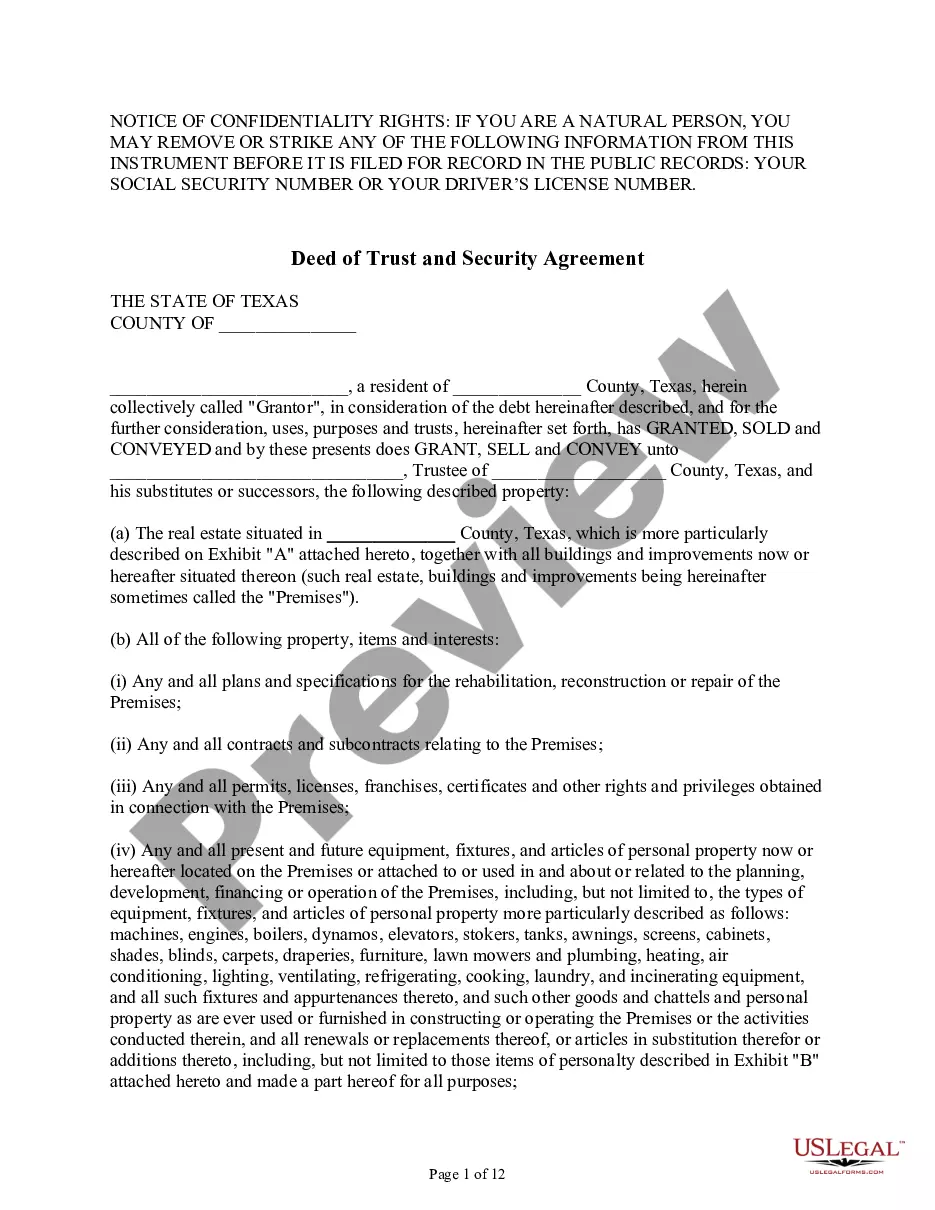
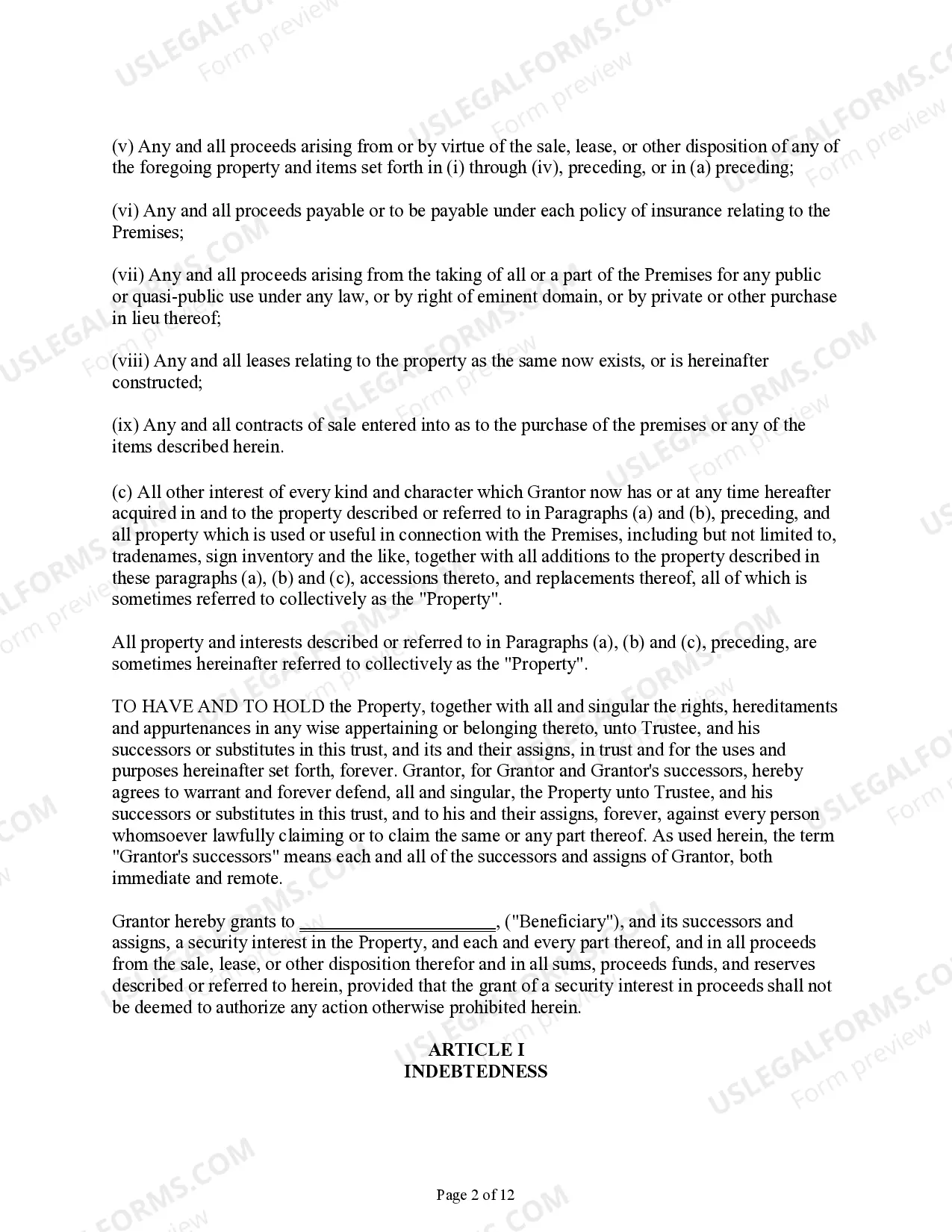
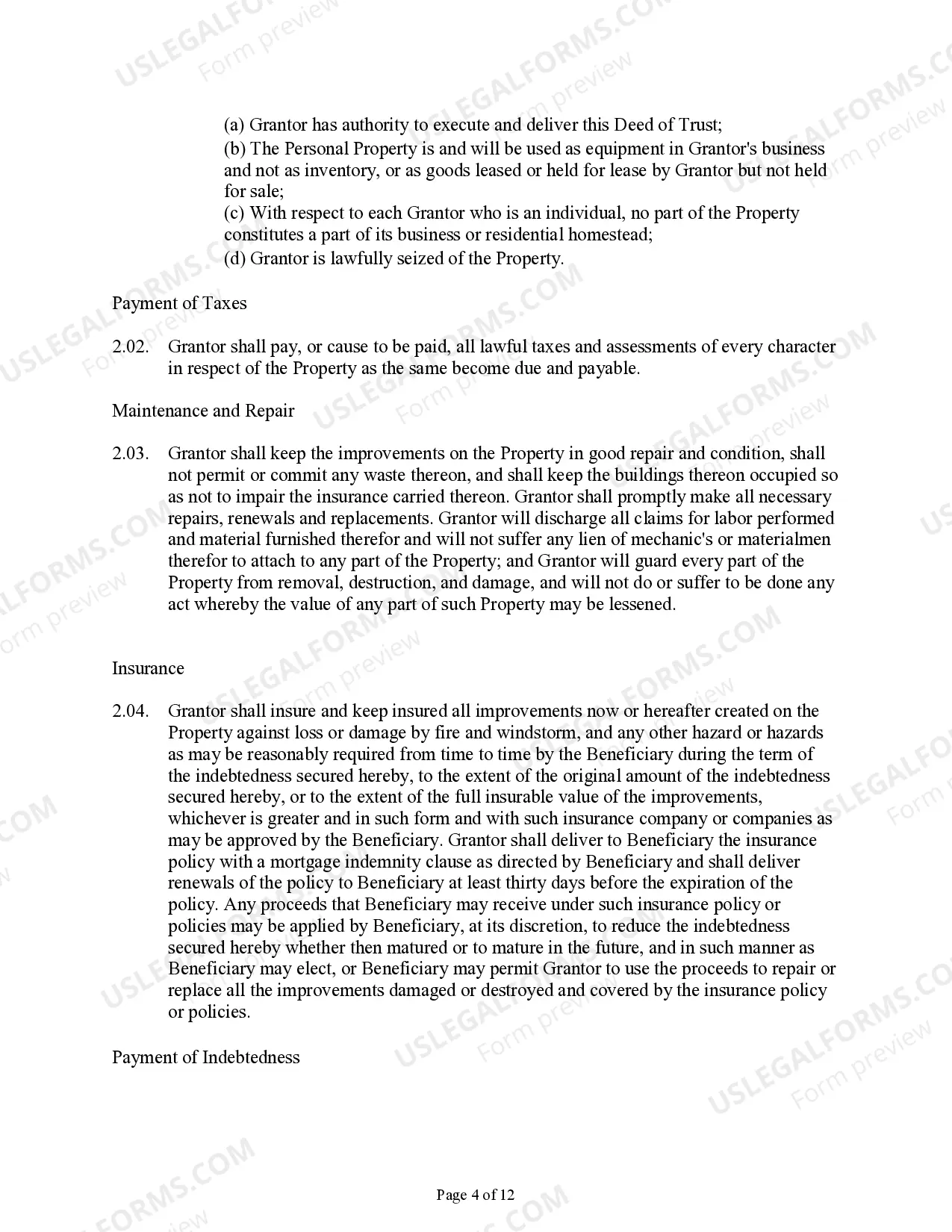
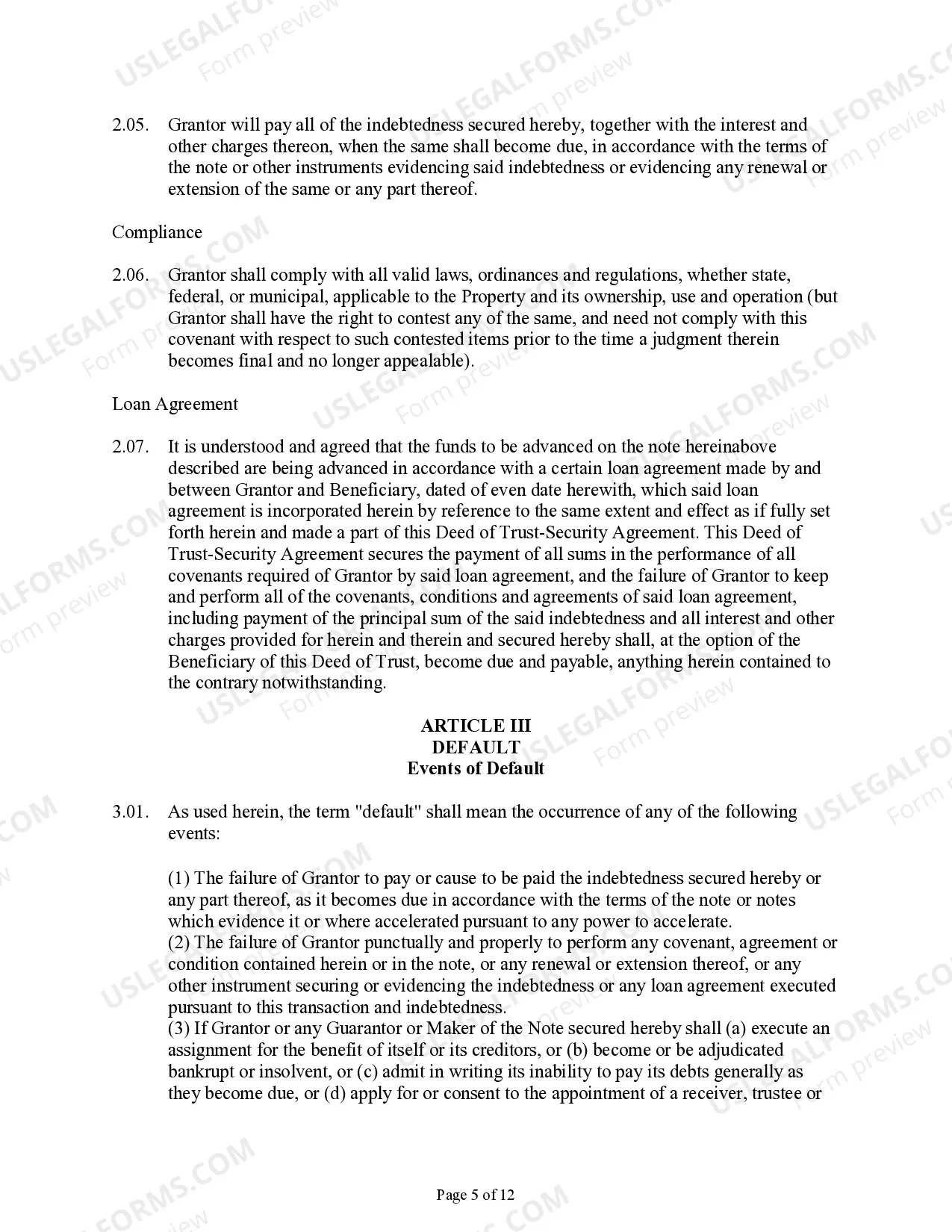
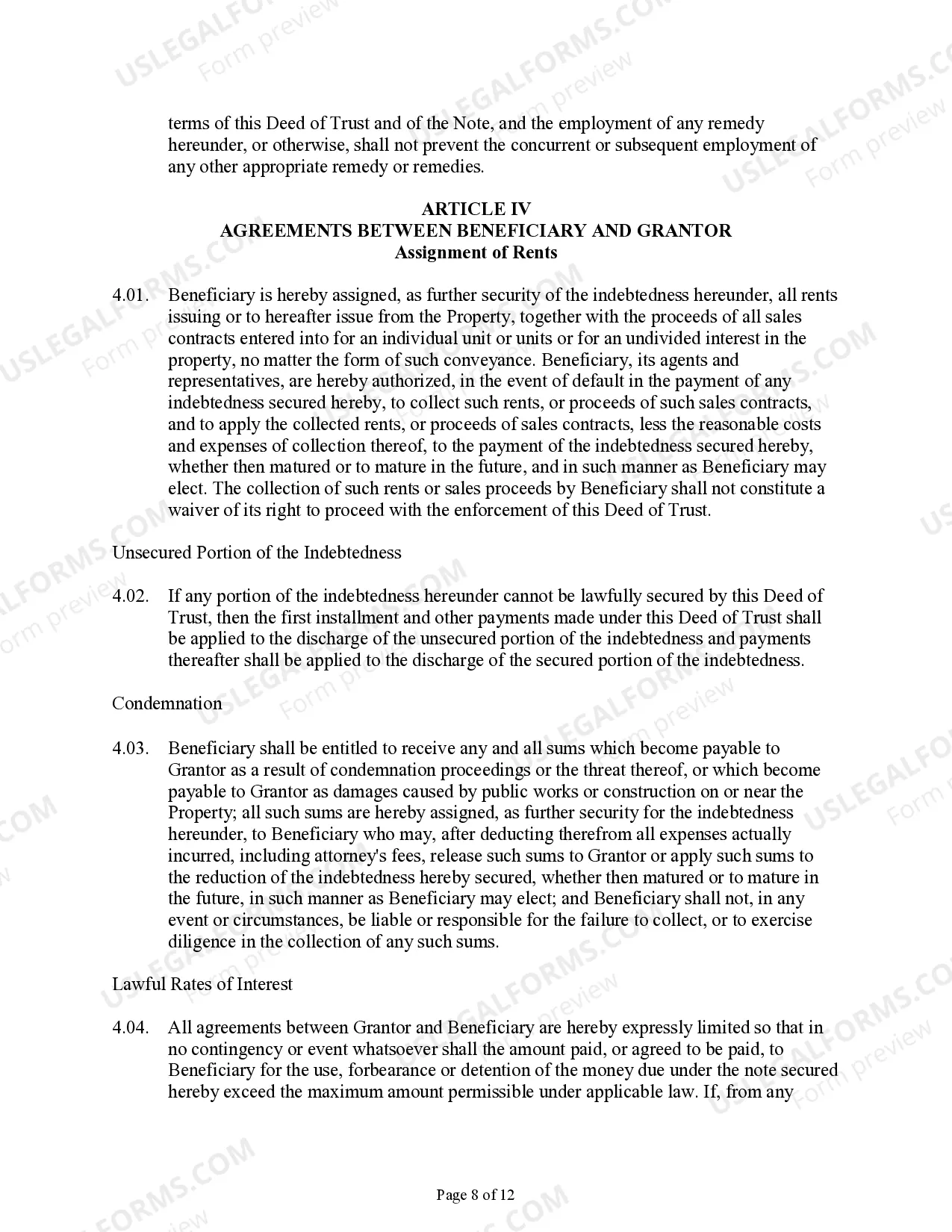
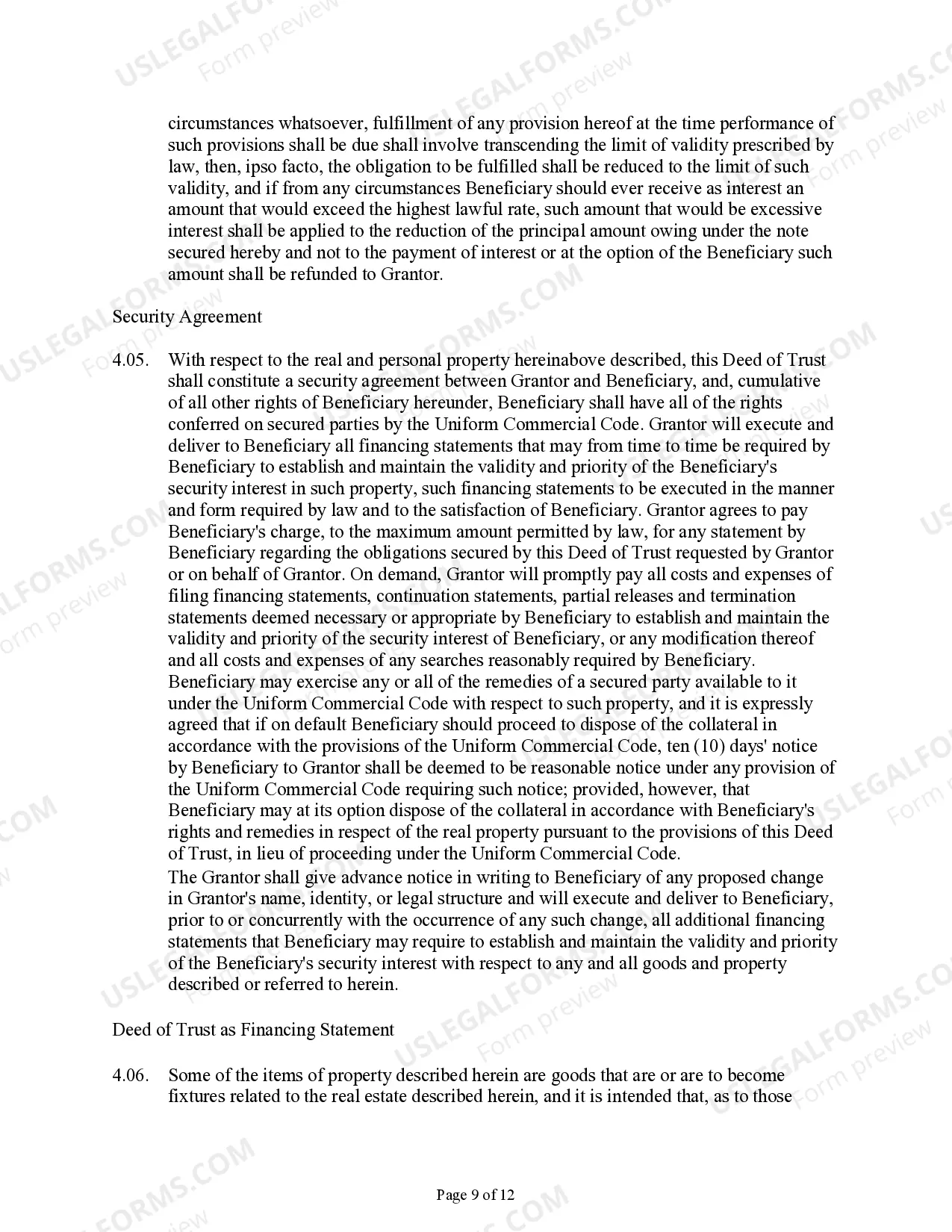
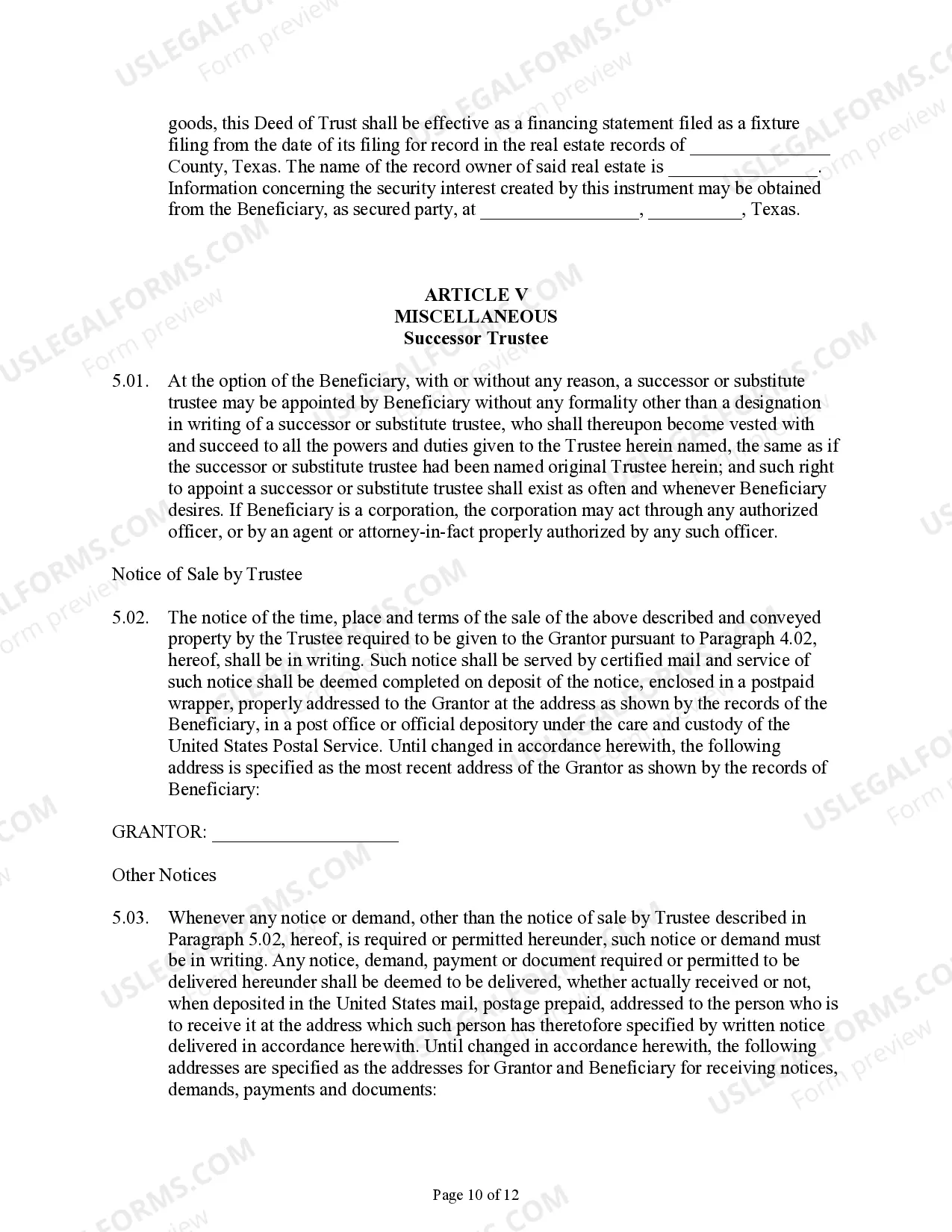
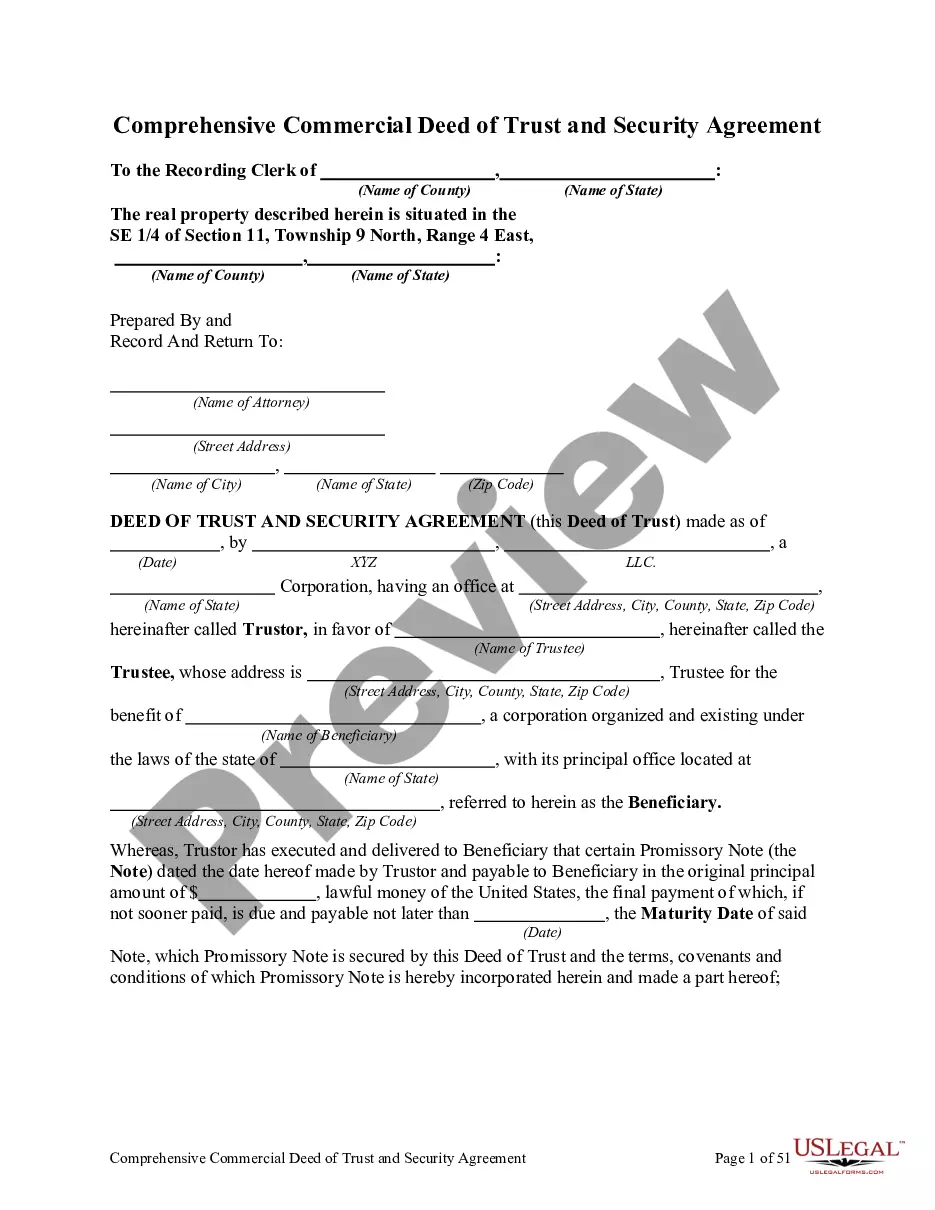
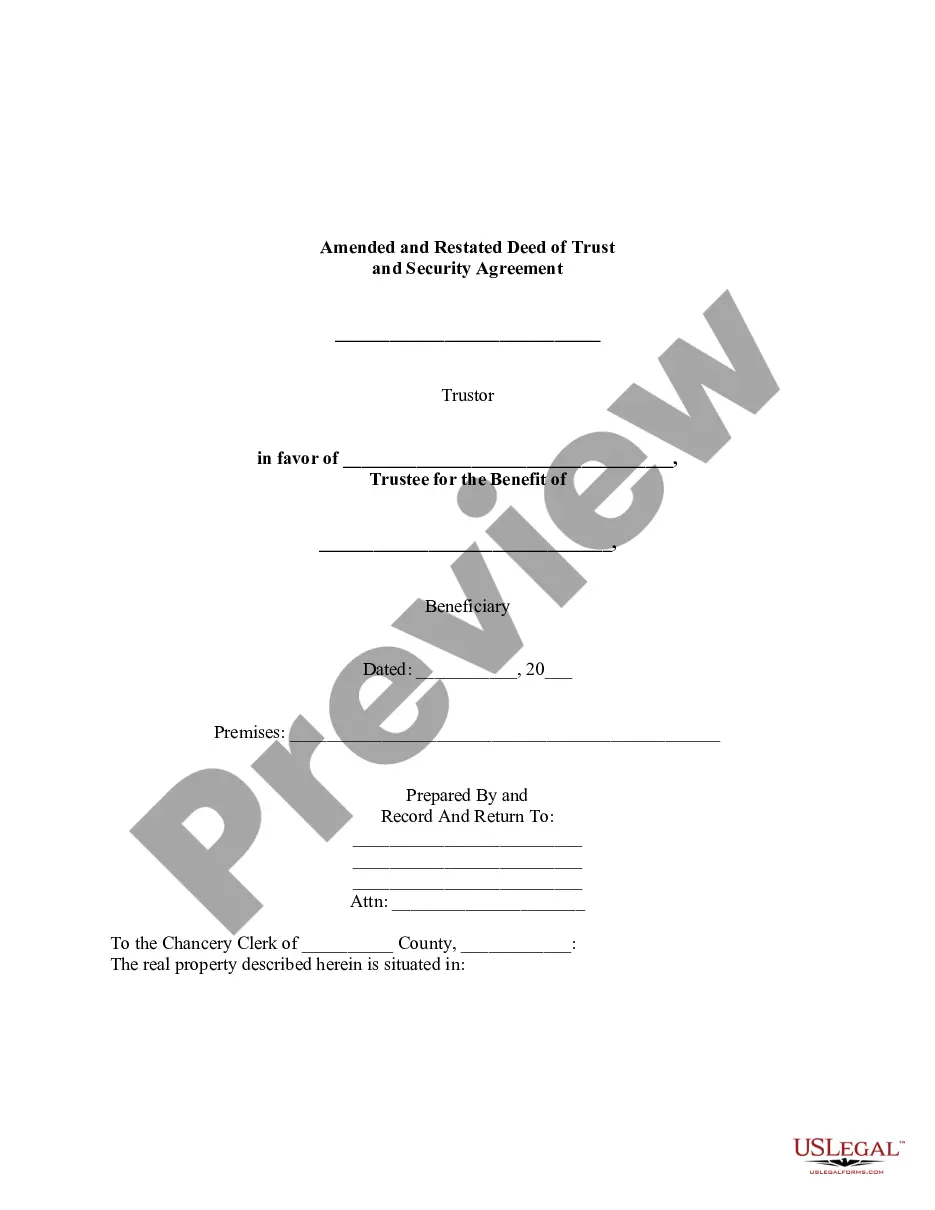
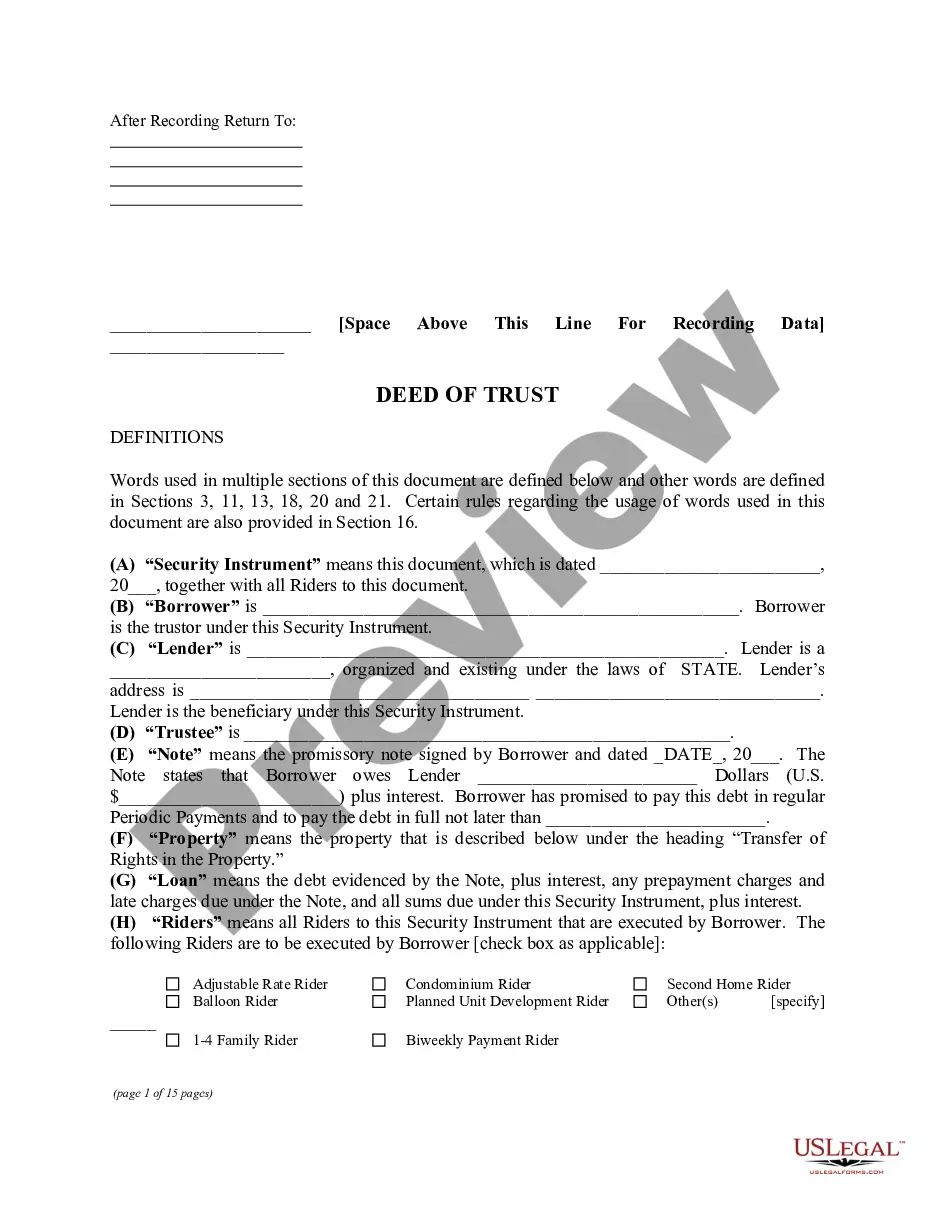
The Deed of Trust and Security Agreement is a legal document that establishes a security interest in real property typically used to secure a loan. In Texas, this form serves to protect the rights of the lender (Beneficiary) by allowing them to take possession of the property if the borrower (Grantor) defaults on their payments. Unlike a mortgage, which is a simple loan secured by real estate, a deed of trust involves a third-party trustee who holds the title until the debt is fully satisfied.
Key parts of this document
- Identification of the Grantor, Trustee, and Beneficiary.
- Description of the property being secured.
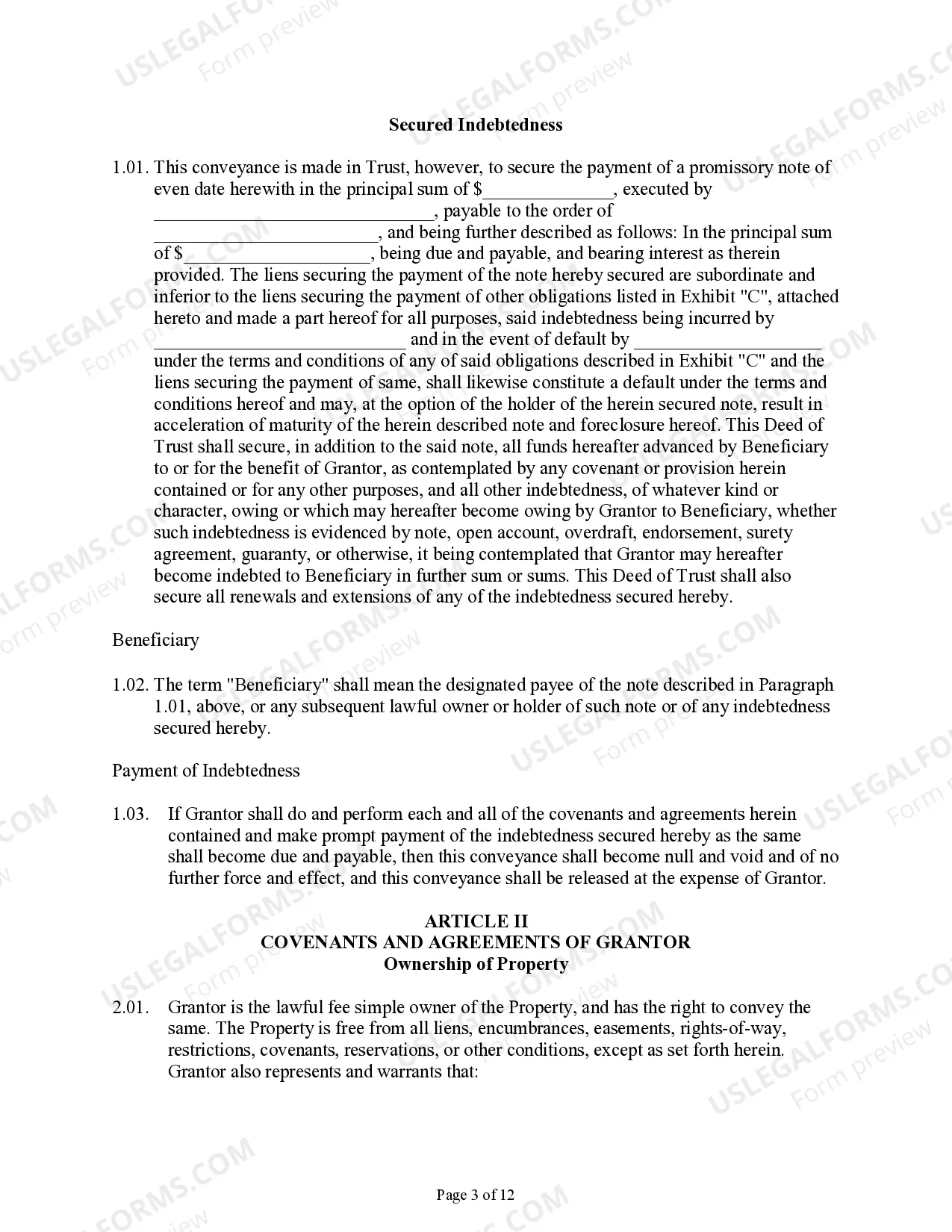
- Details regarding the secured indebtedness, including loan amounts and terms.
- Grantor's covenants related to property ownership, maintenance, and insurance.
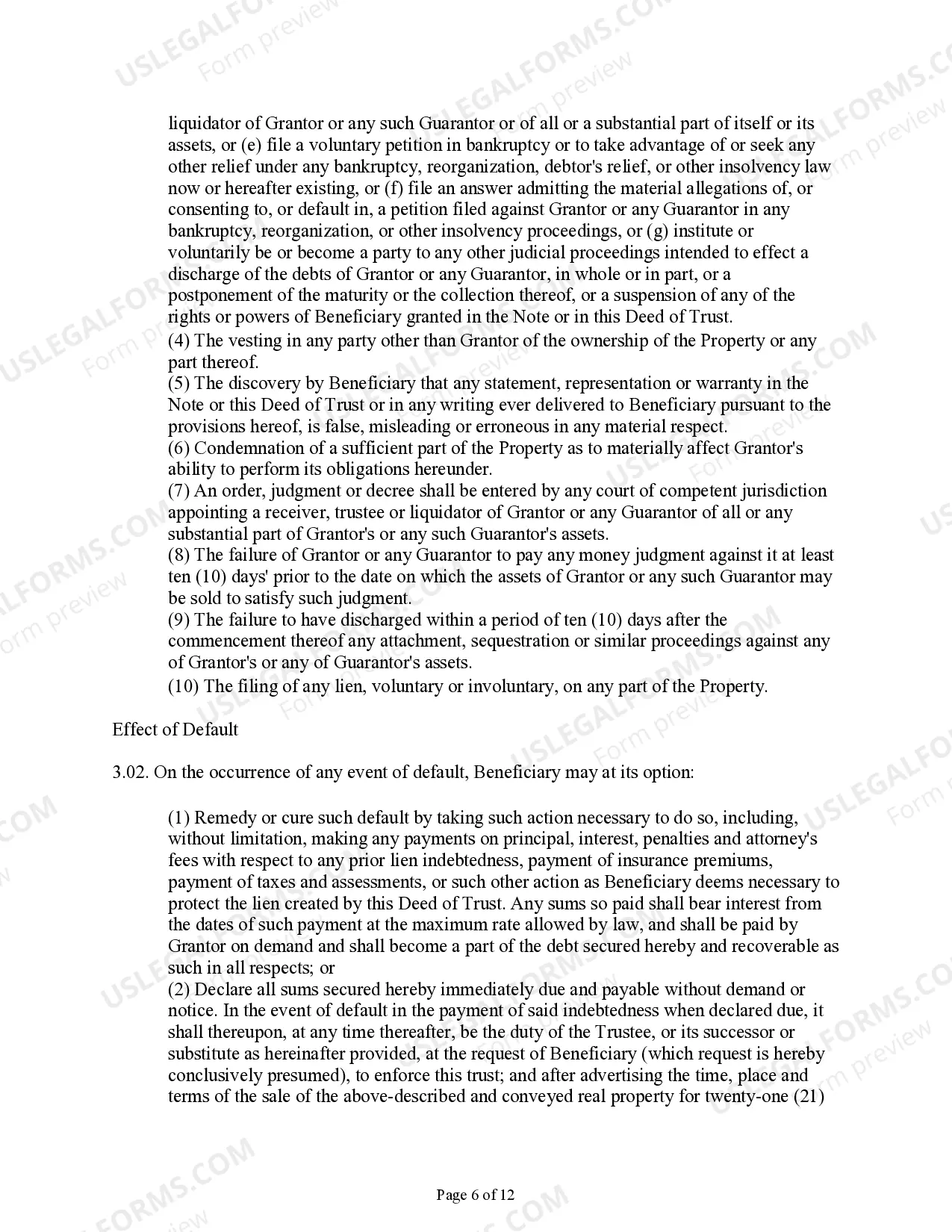
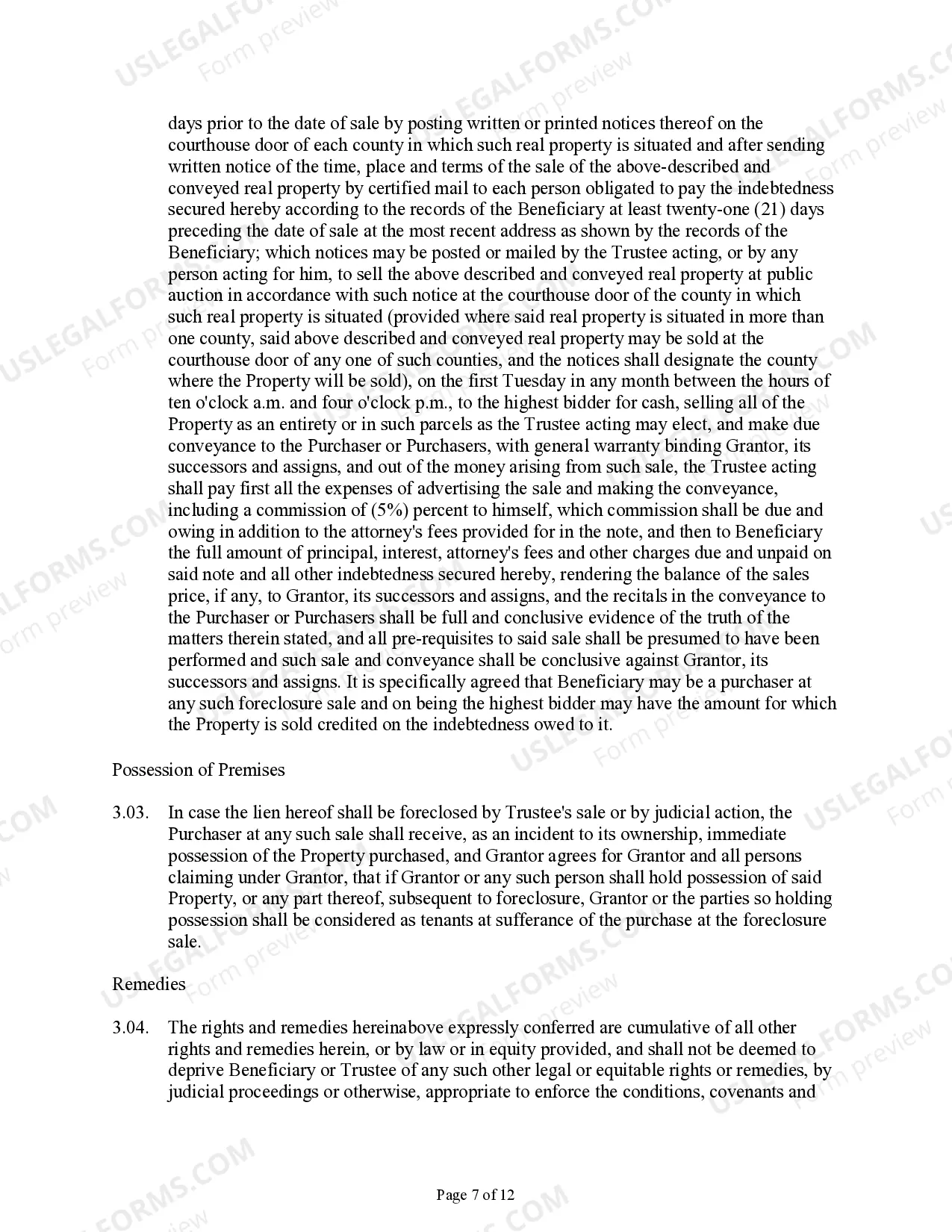
- Provisions for default, including rights of the Beneficiary and potential foreclosure actions.
- Assignment of rents, allowing the Beneficiary to collect rent if the Grantor defaults.


When this form is needed
This form is typically used when a borrower takes out a loan secured by a piece of real estate in Texas. It is applicable in various scenarios, such as purchasing a home, refinancing an existing loan, or obtaining a business loan where real property is used as collateral. If securing repayment for any indebtedness with real property, use this form to formalize the agreement and establish the necessary legal protections.
Who should use this form
- Homeowners seeking to secure a mortgage or refinance an existing loan.
- Banks or financial institutions providing loans secured by real estate.
- Businesses requiring financing secured by commercial real estate.
- Individuals involved in real estate transactions who want to formalize a security interest.
Completing this form step by step
- Identify and enter the names and addresses of the Grantor, Trustee, and Beneficiary at the beginning of the form.
- Provide a detailed description of the property being secured, including any attached exhibits.
- Specify the amount of the indebtedness and the terms of repayment in the designated sections.
- Review and fill out the Grantorâs covenants regarding ownership, maintenance, and taxes.
- Ensure all parties sign the document in the presence of a notary public, if applicable.
Does this document require notarization?
This form must be notarized to be legally valid, as required by Texas law for a Deed of Trust. US Legal Forms offers integrated online notarization, providing a secure and convenient way to have your document notarized from anywhere, at any time.
Get your form ready online
Our built-in tools help you complete, sign, share, and store your documents in one place.
Make edits, fill in missing information, and update formatting in US Legal Forms—just like you would in MS Word.
Download a copy, print it, send it by email, or mail it via USPS—whatever works best for your next step.
Sign and collect signatures with our SignNow integration. Send to multiple recipients, set reminders, and more. Go Premium to unlock E-Sign.
If this form requires notarization, complete it online through a secure video call—no need to meet a notary in person or wait for an appointment.
We protect your documents and personal data by following strict security and privacy standards.

Make edits, fill in missing information, and update formatting in US Legal Forms—just like you would in MS Word.

Download a copy, print it, send it by email, or mail it via USPS—whatever works best for your next step.

Sign and collect signatures with our SignNow integration. Send to multiple recipients, set reminders, and more. Go Premium to unlock E-Sign.

If this form requires notarization, complete it online through a secure video call—no need to meet a notary in person or wait for an appointment.

We protect your documents and personal data by following strict security and privacy standards.
Typical mistakes to avoid
- Failing to provide a clear and accurate description of the property.
- Not specifying the loan amount or repayment terms clearly.
- Inadequately explaining the covenants or obligations of the Grantor.
- Omitting required signatures or failing to notarize the document when necessary.
Why use this form online
- Convenience: Easily complete and download the form from anywhere.
- Editability: Modify the template to suit specific legal needs without complicated processes.
- Reliability: Forms are drafted by licensed attorneys to ensure compliance with state laws.
- This Deed of Trust creates a lien on real property, providing legal recourse for lenders in the event of borrower default.
- It is enforceable under Texas law, ensuring that the rights and responsibilities outlined are upheld in a court of law.
- Borrowers should understand that failing to comply with the terms may lead to foreclosure proceedings.
Main things to remember
- The Deed of Trust serves to secure the payment of a loan using real property as collateral.
- It's crucial for both borrowers and lenders to understand their rights and responsibilities established in the document.
- This form must comply with Texas laws to be enforceable.
Looking for another form?
Form popularity
FAQ
Trust deeds can be a valuable aid to financial stability, but they are not right for everybody. They are best suited to people who have a regular income and can commit to regular payments. You can owe any amount to set up a trust deed but the typical minimum is about £7,000 or A£8,000.
They serve different purposes and are signed by different parties. The warranty deed transfers the property's ownership from the current owner to the new buyer, while the deed of trust ensures the lender has interest in the property in the event a buyer defaults on the loan.
In real estate in the United States, a deed of trust or trust deed is a legal instrument which is used to create a security interest in real property wherein legal title in real property is transferred to a trustee, which holds it as security for a loan (debt) between a borrower and lender.
In real estate in the United States, a deed of trust or trust deed is a legal instrument which is used to create a security interest in real property wherein legal title in real property is transferred to a trustee, which holds it as security for a loan (debt) between a borrower and lender.
A Security Trust (previously known as an Asset Acquisition Trust) allows purchase of property by your Self Managed Superannuation Fund (SMSF).The trustee has legal ownership only and holds the asset in trust for the beneficiary.
In financed real estate transactions, trust deeds transfer the legal title of a property to a third partysuch as a bank, escrow company, or title companyto hold until the borrower repays their debt to the lender. Trust deeds are used in place of mortgages in several states.
Security Trust means a trust account established with a Trustee for the purpose of securing the Reinsurer's obligations to the Company in accordance with Article IX hereof.
The one major difference in some areas between the two is that the security deed is held by the lender whereas a trust deed is usually held by a third party.The mortgage requires a judicial action for foreclosure to take place; while the security or trust deed is a nonjudicial action where no court is involved.