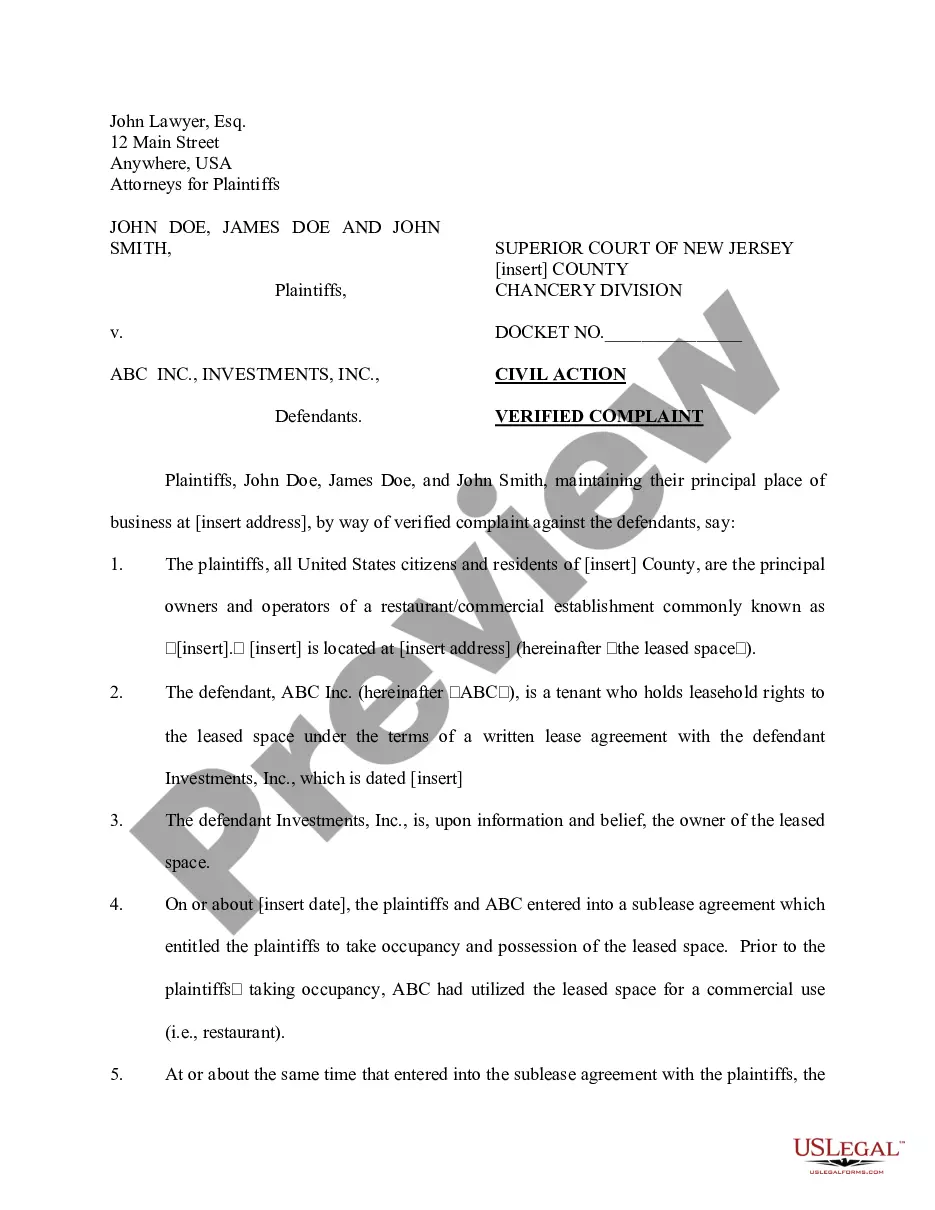
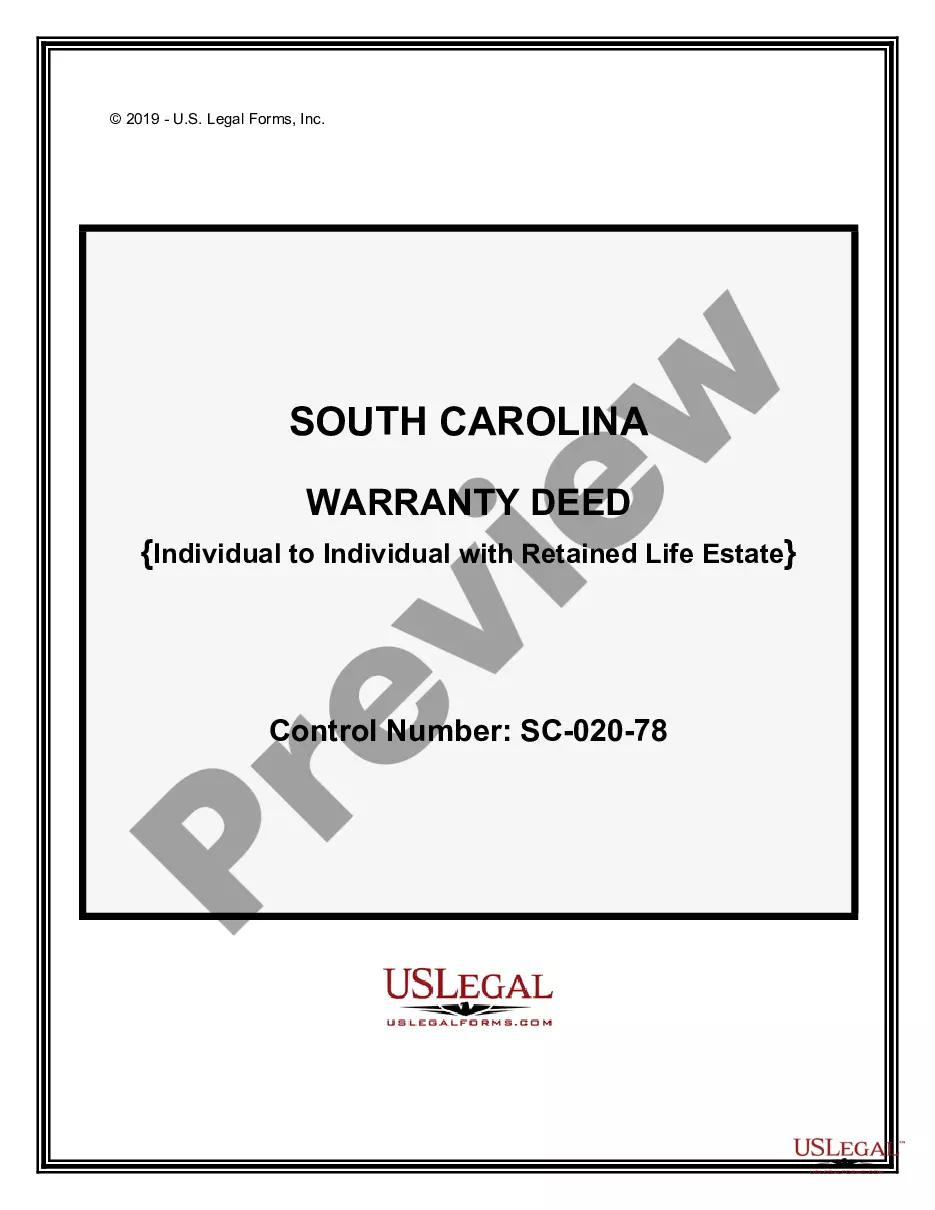
South Carolina Warranty Deed for Transfer of Life Estate
What this document covers
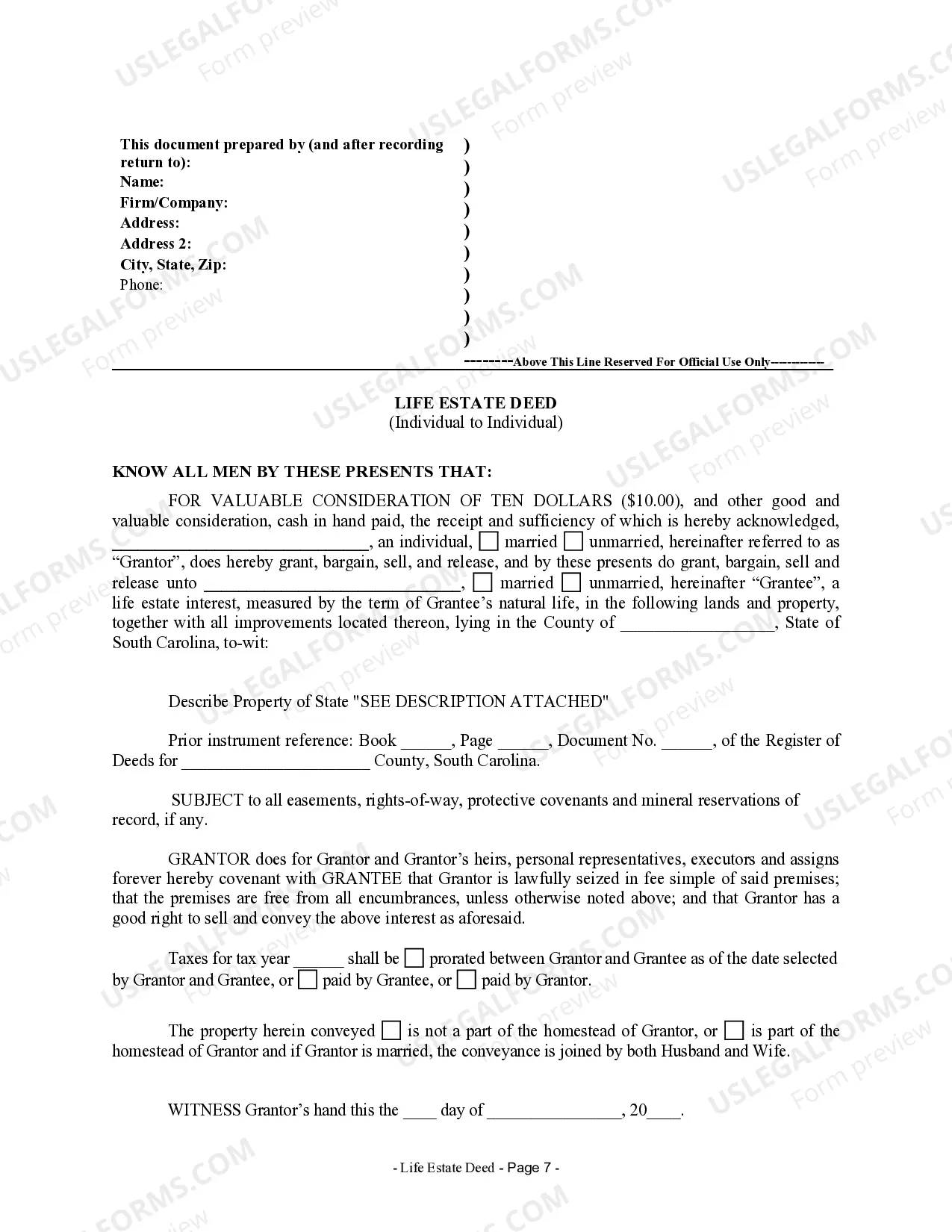
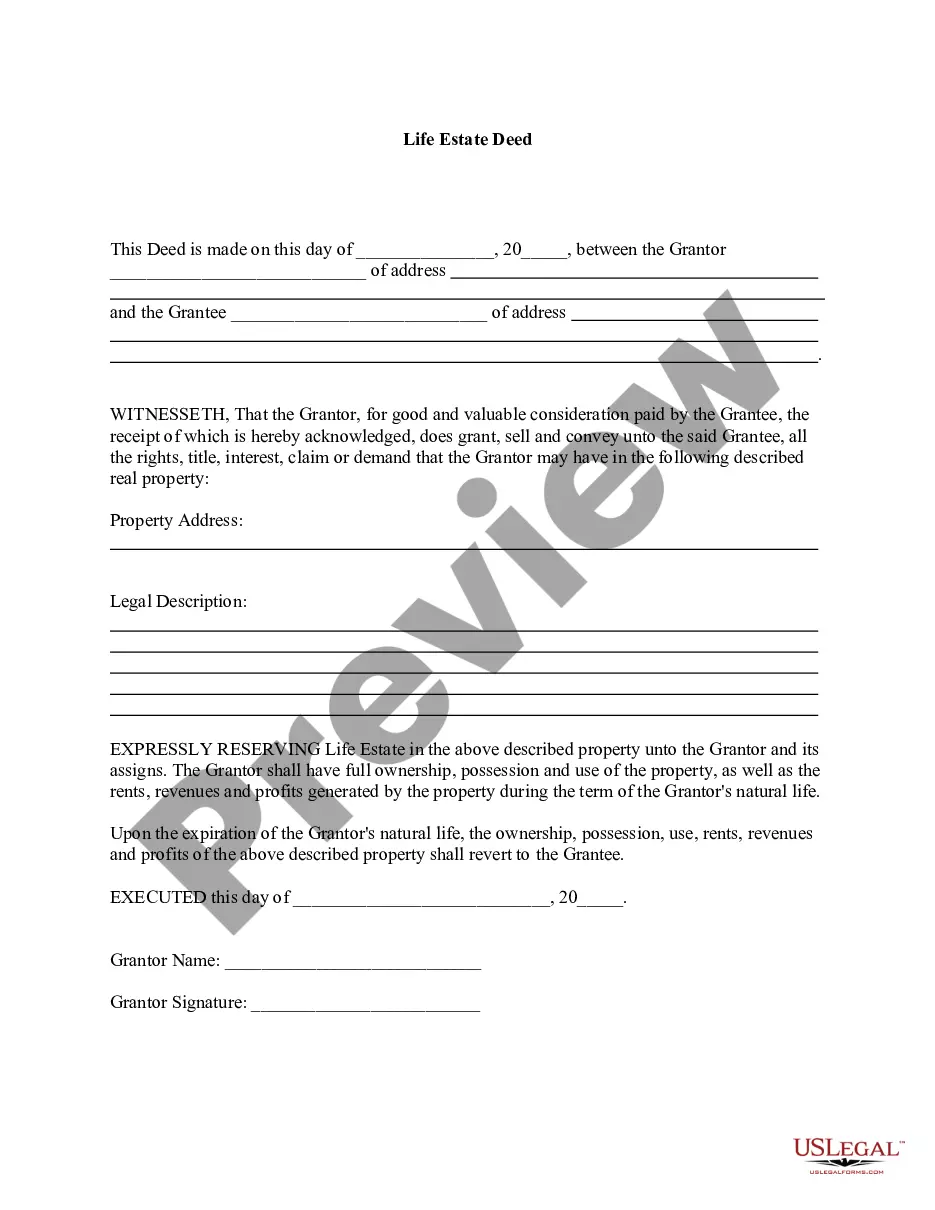
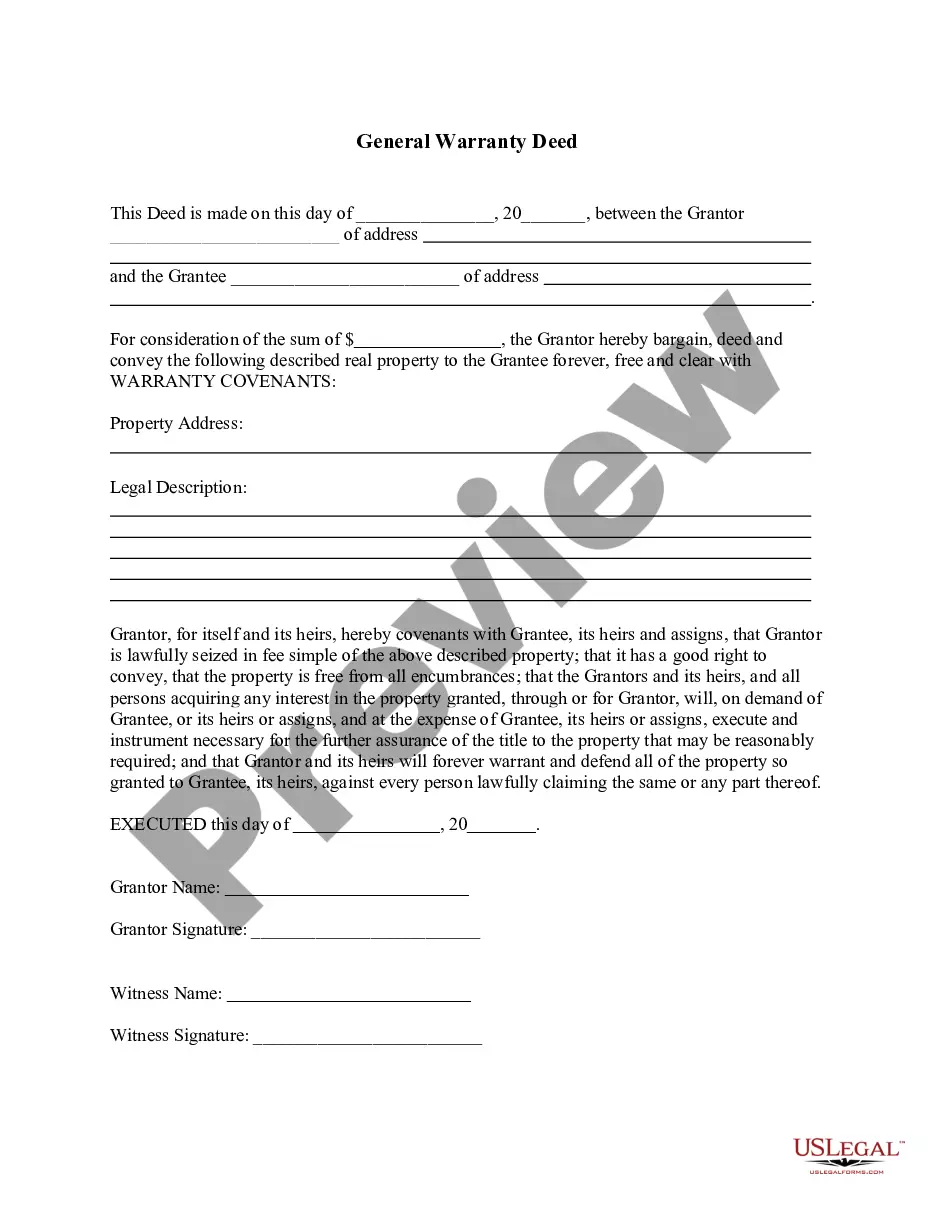
The Warranty Deed for Transfer of Life Estate is a legal document that allows an individual (the grantor) to transfer a life estate interest in real property to another individual (the grantee). Unlike standard warranty deeds, this form specifically establishes a life estate, meaning the grantee has the right to use the property during their lifetime, but ownership reverts to the grantor or their heirs after the granteeâs death. This form is essential for individuals looking to transfer property while retaining control or ensuring it passes to specific heirs after the grantee's passing.
What’s included in this form
- Identifies the grantor and grantee involved in the property transfer.
- Includes a description of the property being transferred.
- Details the rights of the grantee concerning the life estate.
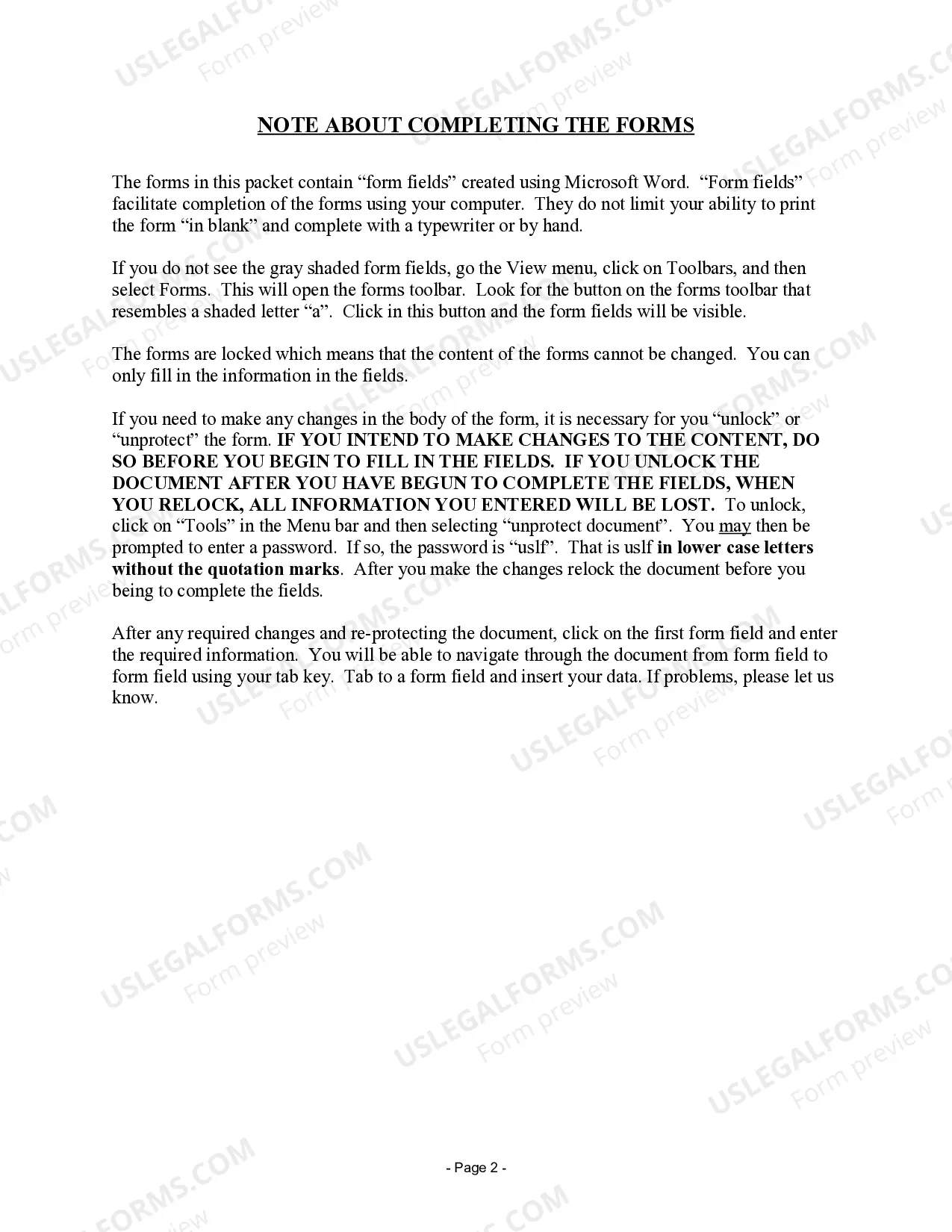
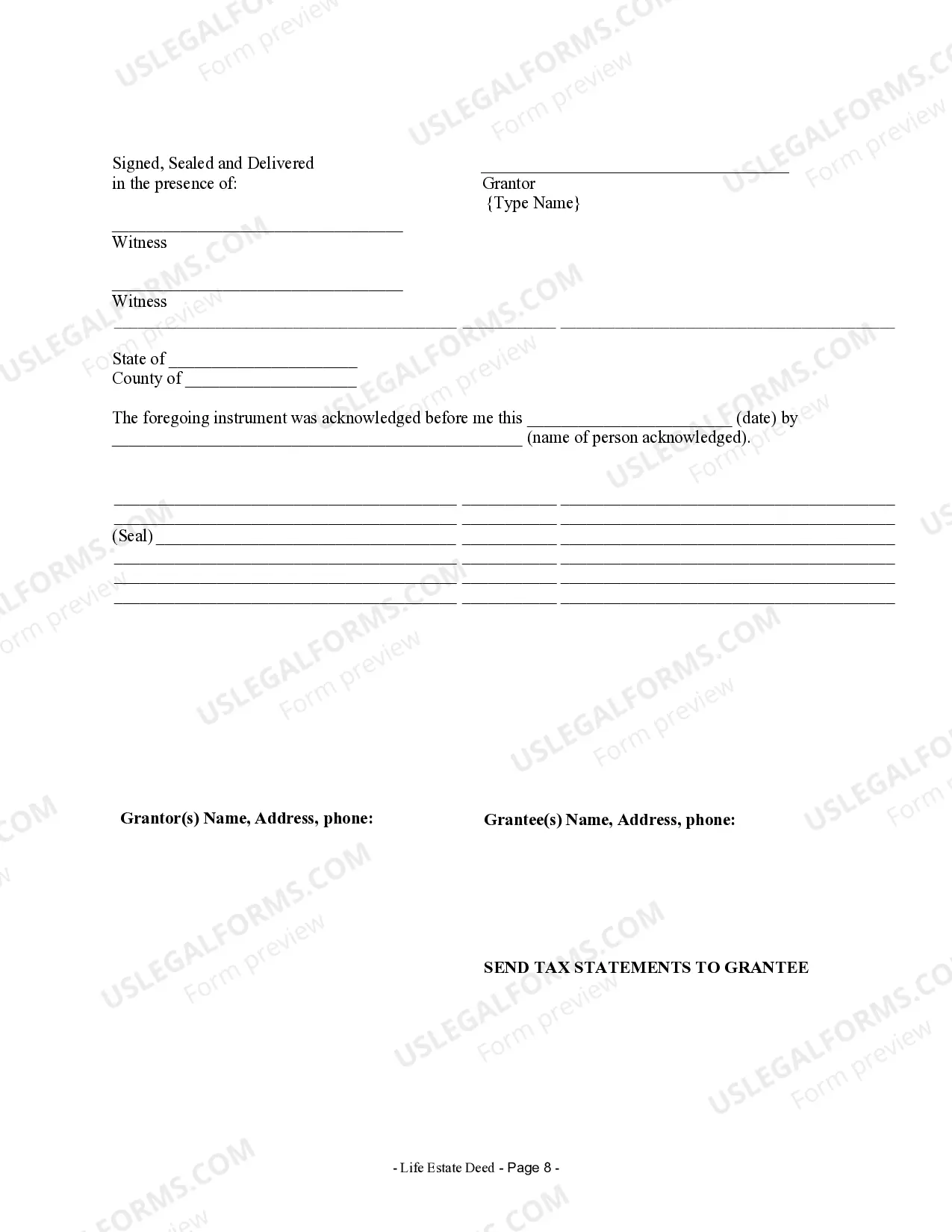
- Specifies requirements for notarization and witnessing signatures.
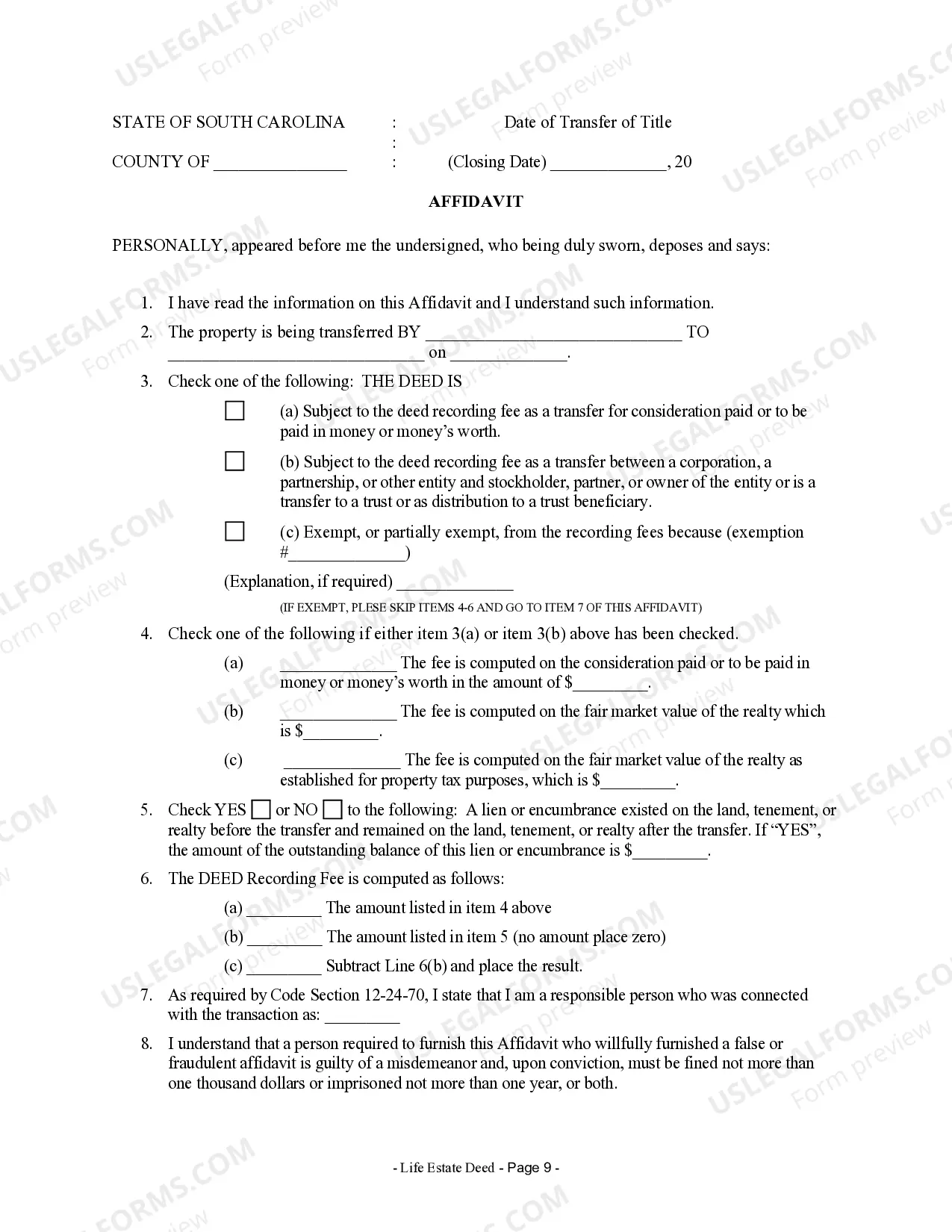
- Contains provisions for the allocation of property taxes.
- Includes legal language to confirm the transfer of property rights.


Situations where this form applies
This form should be used when an individual wishes to grant a life estate in real property to another person. Common scenarios include transferring a family home to a child or loved one while maintaining control over the property during the grantor's lifetime or ensuring that a piece of property remains within a family lineage after the current occupant has passed away.
Who needs this form
- Property owners wanting to transfer a life estate to a family member or another individual.
- Individuals making estate planning decisions to ensure property is passed on according to their wishes.
- People seeking to legally document the arrangement for using a property without full transfer of ownership.
How to complete this form
- Identify the grantor and grantee by filling in their full names and contact information.
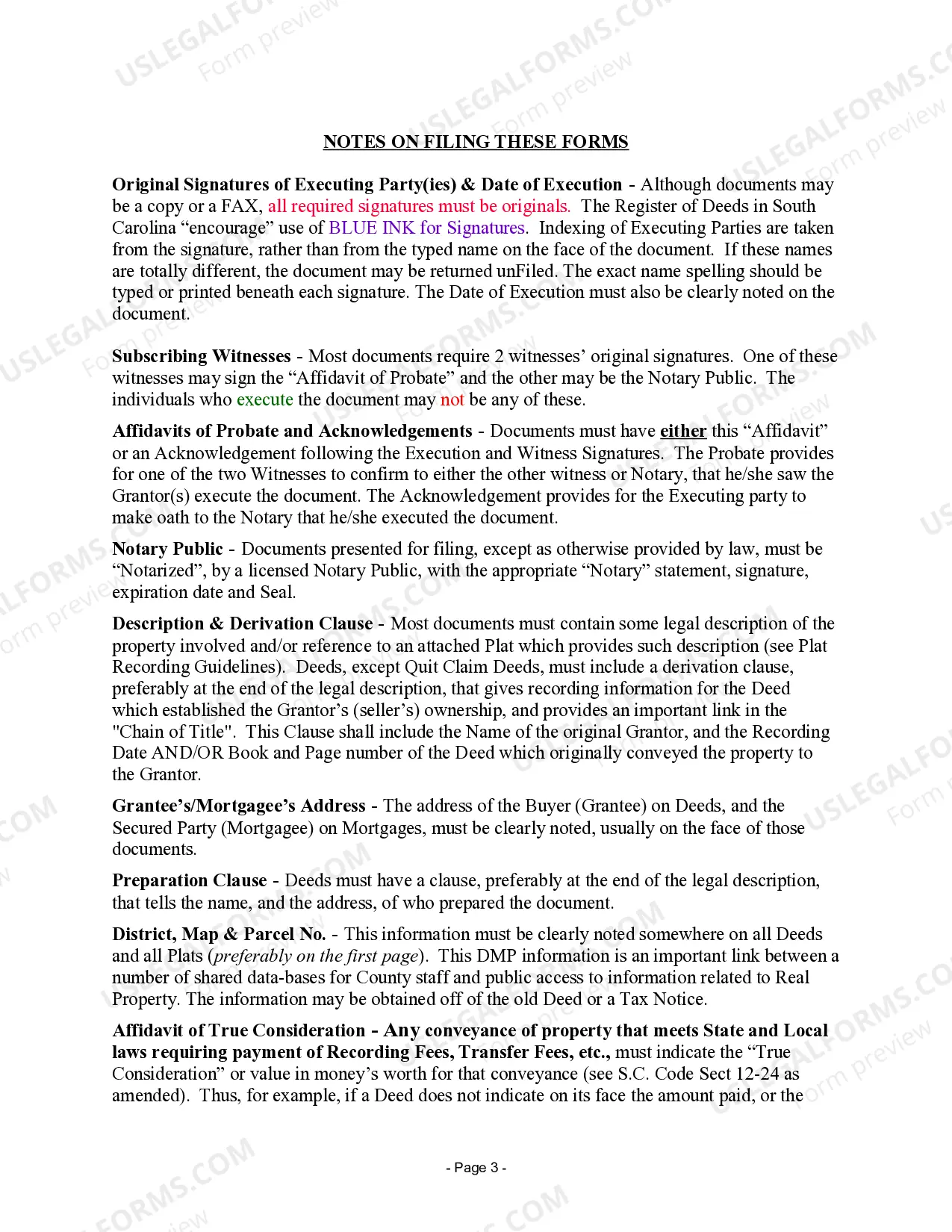
- Provide a legal description of the property being transferred, including any necessary plat or tax information.
- Enter the date of execution and ensure that the execution date is clearly noted on the document.
- Gather signatures from the grantor and at least two witnesses, ensuring compliance with local laws regarding witness requirements.
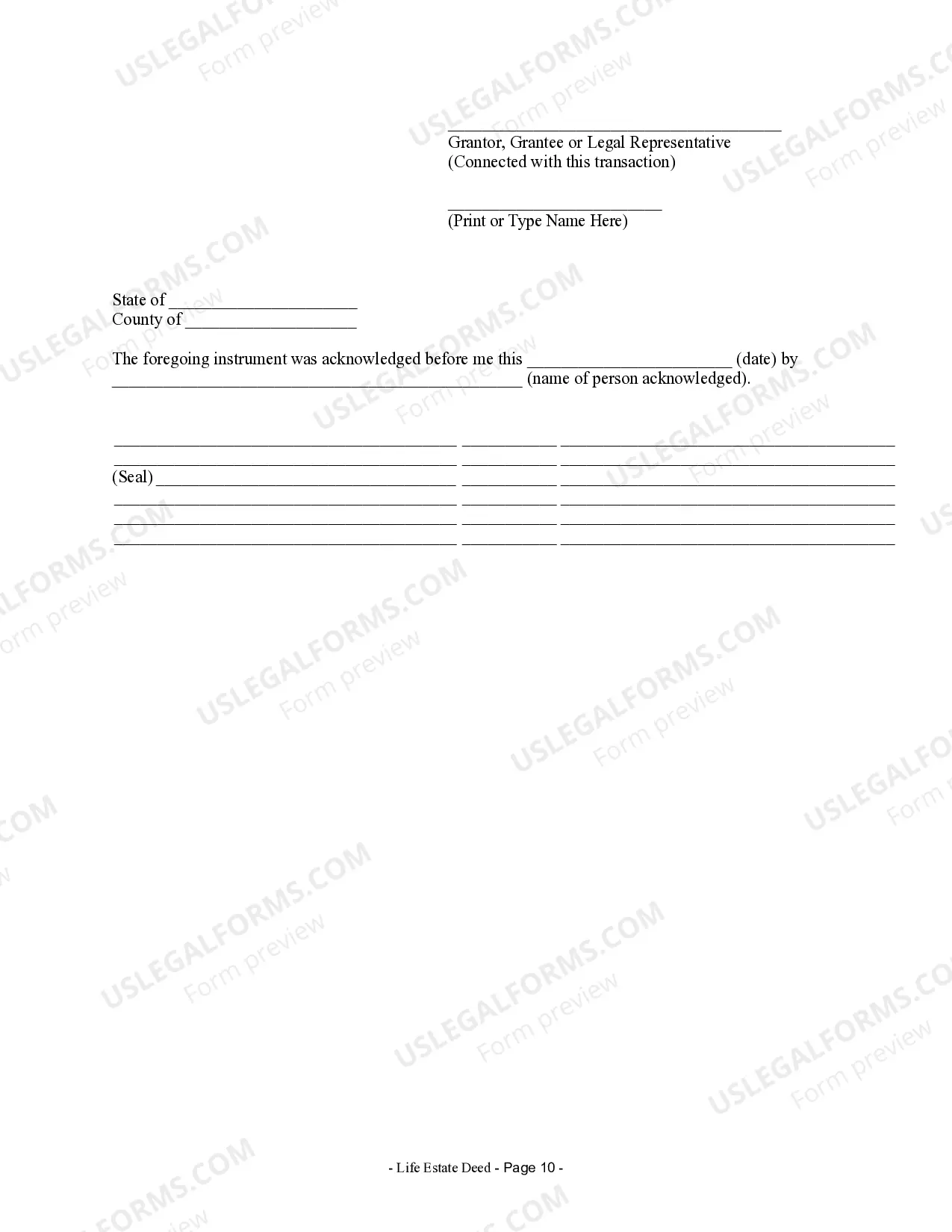
- Have the document notarized by a licensed Notary Public, including the appropriate notary statement and seal.
Does this document require notarization?
Yes, this form must be notarized to be legally valid. The signature of the grantor and witnesses must be acknowledged by a licensed Notary Public. U.S. Legal Forms' integrated services can help facilitate online notarization, providing a secure and convenient way to complete the process without needing to travel.
Get your form ready online
Our built-in tools help you complete, sign, share, and store your documents in one place.
Make edits, fill in missing information, and update formatting in US Legal Forms—just like you would in MS Word.
Download a copy, print it, send it by email, or mail it via USPS—whatever works best for your next step.
Sign and collect signatures with our SignNow integration. Send to multiple recipients, set reminders, and more. Go Premium to unlock E-Sign.
If this form requires notarization, complete it online through a secure video call—no need to meet a notary in person or wait for an appointment.
We protect your documents and personal data by following strict security and privacy standards.

Make edits, fill in missing information, and update formatting in US Legal Forms—just like you would in MS Word.

Download a copy, print it, send it by email, or mail it via USPS—whatever works best for your next step.

Sign and collect signatures with our SignNow integration. Send to multiple recipients, set reminders, and more. Go Premium to unlock E-Sign.

If this form requires notarization, complete it online through a secure video call—no need to meet a notary in person or wait for an appointment.

We protect your documents and personal data by following strict security and privacy standards.
Mistakes to watch out for
- Failing to use original signatures, which can result in documents being returned unfiled.
- Using an incorrect legal description that does not match the property records.
- Not providing necessary witness signatures, which can invalidate the deed.
- Omitting vital details such as tax allocation or the derivation clause.
Why use this form online
- Convenience of filling out the form at your own pace, from anywhere with internet access.
- Editable fields that guide you through the completion process for accuracy and ease.
- Access to up-to-date legal language with forms crafted by licensed attorneys.
Quick recap
- The Warranty Deed for Transfer of Life Estate is essential for individuals transferring property while ensuring it remains within their family.
- Correct completion involves a clear understanding of local laws and proper documentation of all necessary signatures.
- Notarization is mandatory, confirming the legitimacy of the signatures and the intent of the parties involved.
Looking for another form?

Form popularity
FAQ
It transfers a life estate in real property from the grantor to the grantee, allowing use during the grantee’s lifetime with ownership reverting after death. The form also lists the grantor and grantee, describes the property, details the life estate rights, sets notarization and witnessing requirements, allocates property taxes, and includes language confirming the transfer of the property rights.
Yes. South Carolina recognizes life estate arrangements, and this form is designed to document that transfer with a warranty deed, including the grantor and grantee, property description, life estate rights, notarization, tax provisions, and language confirming the transfer of the property rights.
A life estate deed ties property use to the life of the grantee, limits full ownership, and can complicate later transfers or mortgages. After the grantee dies, the property reverts to the grantor or heirs, which may affect control and estate plans. The form covers basics but may not address every risk.
A life estate holder can transfer or sell their life estate rights, but a buyer would obtain only the rights to use the property for the remainder of the life estate. After the holder’s death, ownership may pass to the grantor or heirs under the life estate arrangement.
Generally, revocation or amendment depends on the grantor’s actions and timing. Before recording, a grantor can revoke or cancel the deed with a new deed; after death, revocation is not possible. For specifics, consult a South Carolina attorney.
This form is a warranty deed that not only transfers the life estate but also provides title protections, with explicit notarization and witnessing requirements, and includes property tax allocation language and language confirming the transfer of property rights; a standard life estate deed may lack these warranties and extras.