South Carolina 14 Day Notice of Material Noncompliance with Rental Agreement for Residential from Landlord to Tenant
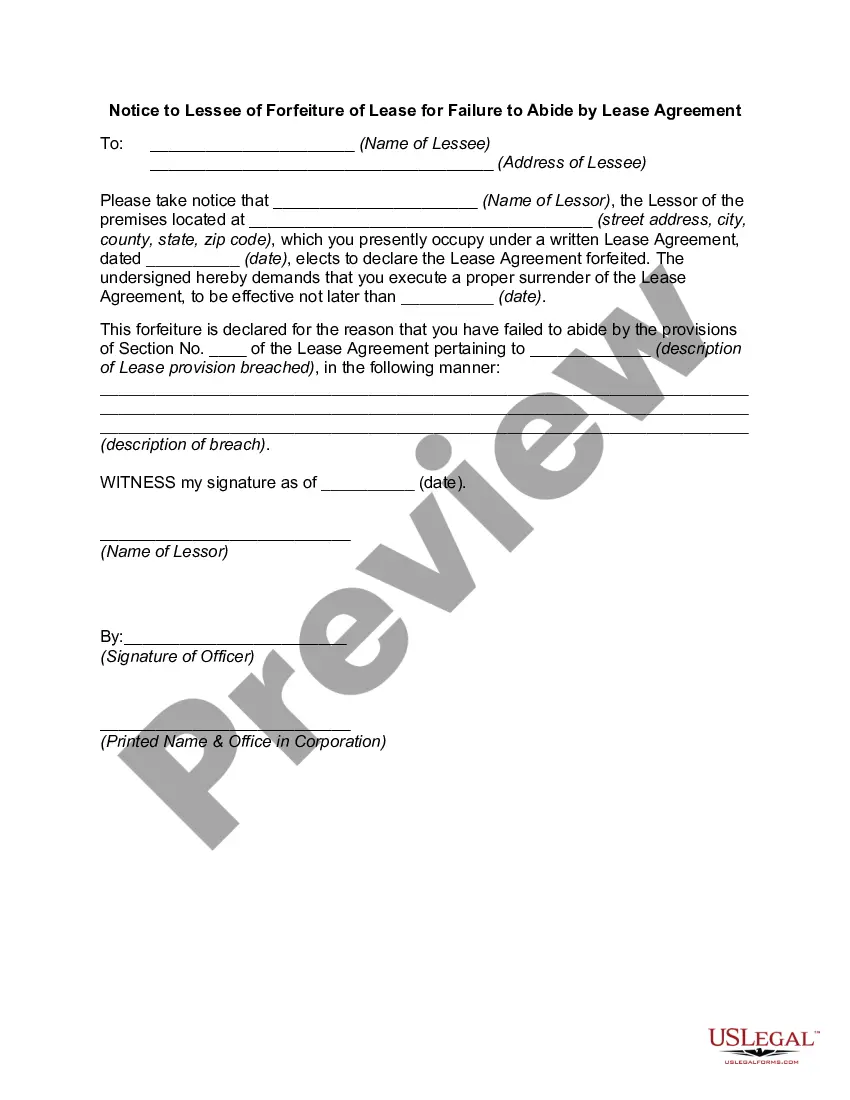
What is this form?
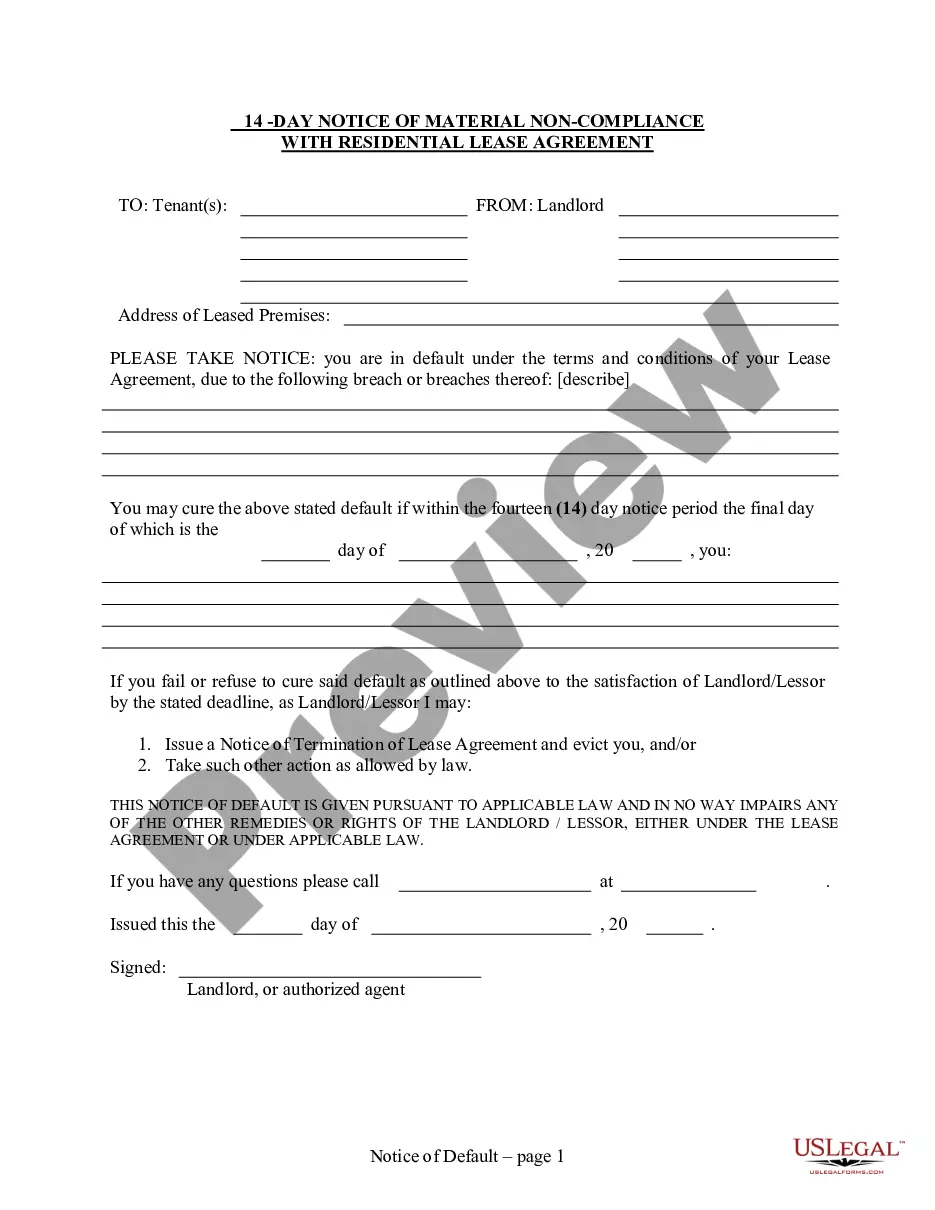
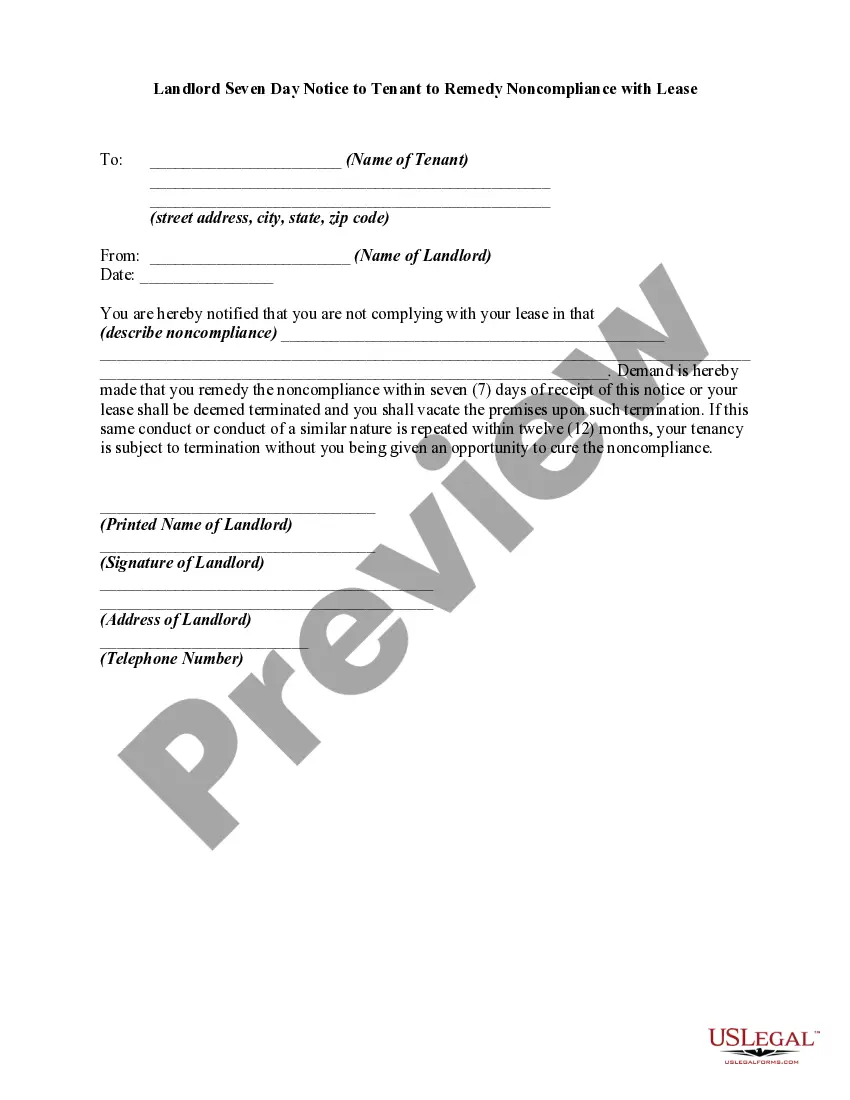
The 14 Day Notice of Material Noncompliance with Rental Agreement is a legal document used by landlords to formally notify tenants of a breach in the rental agreement. This form specifically addresses serious violations of lease provisions in residential settings, such as a house, apartment, or condo. Unlike general notices, this form provides tenants with a fixed 14-day period to resolve the non-compliance before further actions, such as termination of the lease, are initiated.
Form components explained
- Identification of landlord and tenant details.
- Description of the specific lease violation.
- 14-day cure period to rectify the breach.
- Consequences of failing to comply within the specified time.
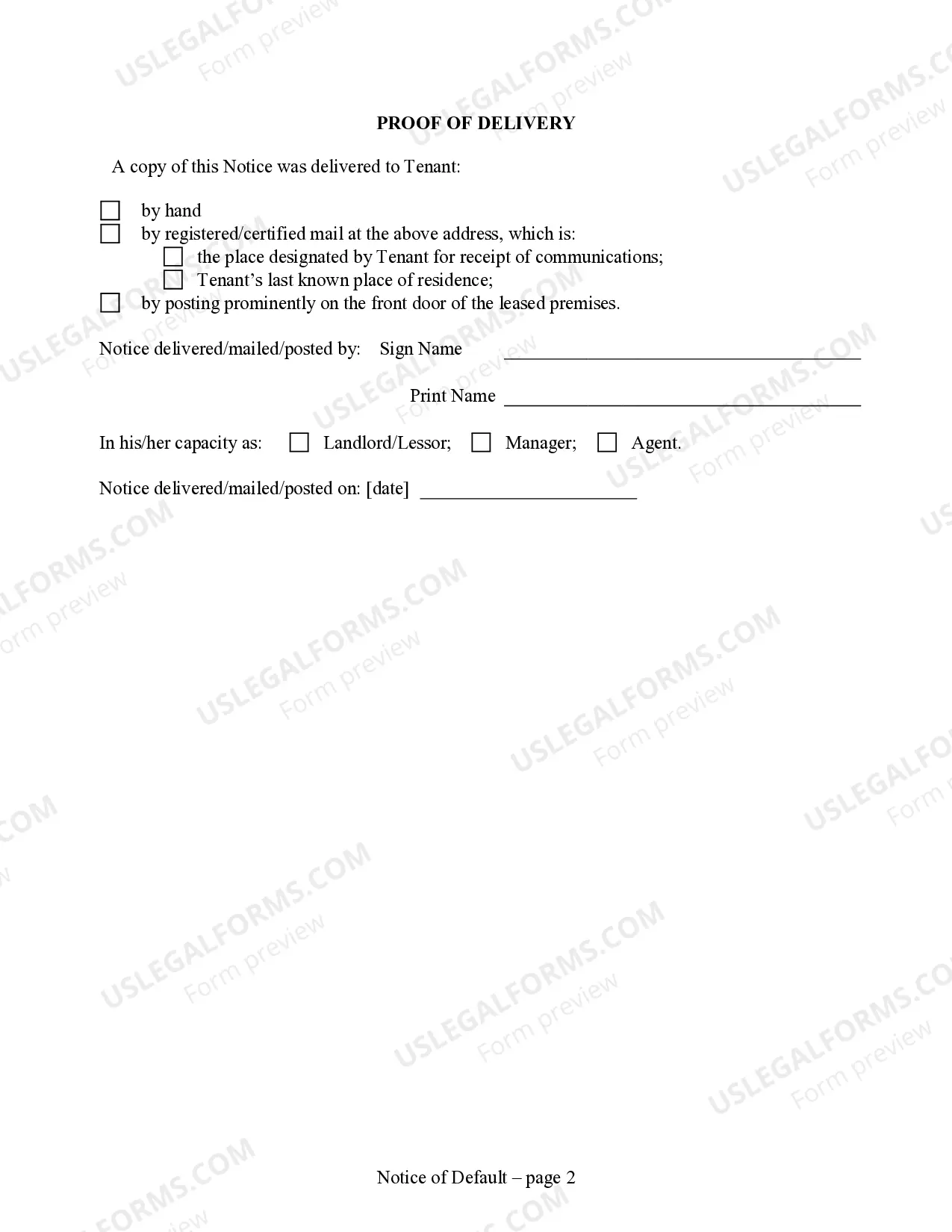
- Proof of delivery methods (hand delivery, certified mail, posting).


When this form is needed
This form should be used when a landlord identifies a serious violation of the lease agreement by the tenant. For example, if a tenant fails to pay rent, causes significant damage to the property, or engages in illegal activities, the landlord can serve this notice to formally communicate the issue and provide the tenant with an opportunity to cure the breach.
Who can use this document
- Landlords who have tenants in a residential lease agreement.
- Property managers acting on behalf of landlords.
- Landlords needing to enforce lease agreements due to tenant breaches.
Instructions for completing this form
- Identify the parties involved: Enter the names and contact information of both the landlord and tenant.
- Specify the property: Include the address of the leased premises.
- Describe the violation: Clearly outline the specific material non-compliance occurring.
- Indicate the cure period: Fill in the deadline by which the tenant must remedy the breach.
- Sign and date the form: The landlord or an authorized agent should sign to validate the notice.
Does this document require notarization?
This form usually doesn’t need to be notarized. However, local laws or specific transactions may require it. Our online notarization service, powered by Notarize, lets you complete it remotely through a secure video session, available 24/7.
Get your form ready online
Our built-in tools help you complete, sign, share, and store your documents in one place.
Make edits, fill in missing information, and update formatting in US Legal Forms—just like you would in MS Word.
Download a copy, print it, send it by email, or mail it via USPS—whatever works best for your next step.
Sign and collect signatures with our SignNow integration. Send to multiple recipients, set reminders, and more. Go Premium to unlock E-Sign.
If this form requires notarization, complete it online through a secure video call—no need to meet a notary in person or wait for an appointment.
We protect your documents and personal data by following strict security and privacy standards.

Make edits, fill in missing information, and update formatting in US Legal Forms—just like you would in MS Word.

Download a copy, print it, send it by email, or mail it via USPS—whatever works best for your next step.

Sign and collect signatures with our SignNow integration. Send to multiple recipients, set reminders, and more. Go Premium to unlock E-Sign.

If this form requires notarization, complete it online through a secure video call—no need to meet a notary in person or wait for an appointment.

We protect your documents and personal data by following strict security and privacy standards.
Common mistakes
- Failing to provide a clear description of the lease violation.
- Not including the proper notice delivery details.
- Missing signature or date on the notice.
- Not allowing the full 14-day period for the tenant to respond.
Benefits of using this form online
- Convenience of downloading immediately after completion.
- Editability to tailor the notice to specific situations.
- Reliability as the forms are created by licensed attorneys.
Legal use & context
- This form serves as a legal document, establishing proof that a landlord has notified the tenant of their noncompliance.
- A properly executed notice can protect the landlord's rights in eviction proceedings.
- Understanding local laws is crucial for enforcing a termination of the lease agreement if compliance is not met.
Looking for another form?
Form popularity
FAQ
Leaving without giving notice Your tenancy won't have ended and you'll still have to pay your rent until you end your tenancy in the right way. You might also have to pay other bills - for example, council tax. Your landlord can get a court order to make you pay the rent you owe.
If the landlord/agent wants to end your agreement at the end of the fixed term, they must give you at least 30 days notice that includes the last day of the term. If the landlord/agent applies for a termination order, the Tribunal must terminate the agreement.
When a landlord fails to meet these standards despite reasonable requests by the tenant, he or she may be sued for "material noncompliance." This article covers the basics of material noncompliance, which is essentially a breach of contract in the context of landlord tenant law.
Tenant Rights to Withhold Rent in South Carolina Tenants may withhold rent or exercise the right to repair and deduct if a landlord fails to take care of important repairs, such as a broken heater.
If the tenant refuses, you are permitted to send them a notice to agree or quit the property. The tenant refusing you access constitutes a breach in the lease agreement, so they could be evicted if they continue to deny access.
Be calm, objective, and rational. Keep written records of everything. Teach tenants how they should treat you. Try to get your tenants on your side. Ask the terrible tenants to leave. Begin the eviction process.
Yes, your tenant is within their rights to refuse you access to the property. In a lot of cases, tenants will refuse because the date and time isn't convenient for them and will suggest an alternative date or ask you to rearrange. However, some tenants will persistently try to obstruct you from entering the property.
If you refuse access, the landlord/agent can apply to the Tribunal for an order that authorises them or any other person to enter the premises.
If you don't move out by the day in the notice, the landlord can ask the NSW Civil and Administrative Tribunal (NCAT) for a termination order. A termination order means the rental agreement is ended. The order will state the day when you must give vacant possession that is, you move out and return the keys.